Laboratory Fume Hoods

Loading
loading...

Laboratory Fume Hoods

May 21, 2026
mike@standardsmichigan.com
No Comments

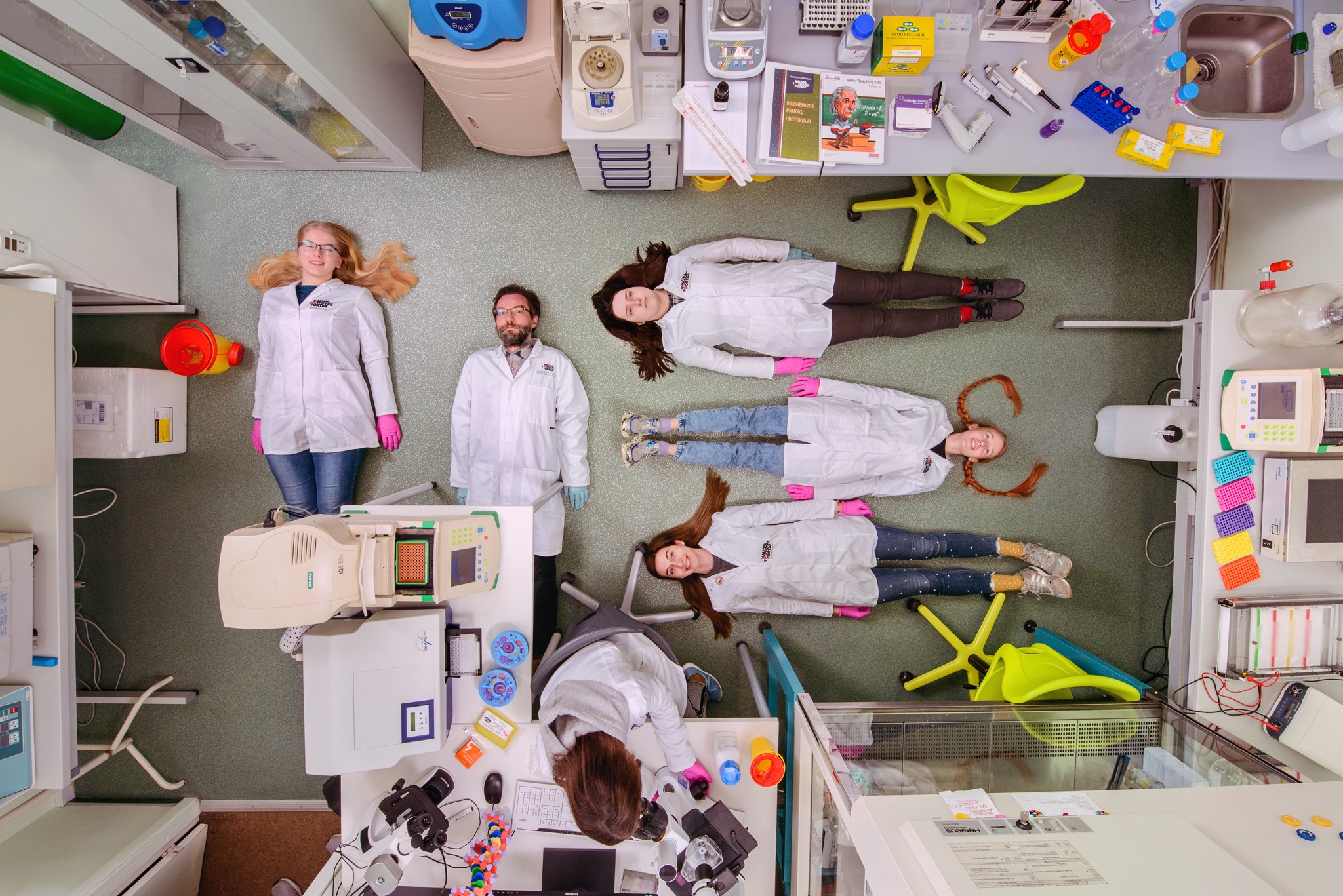
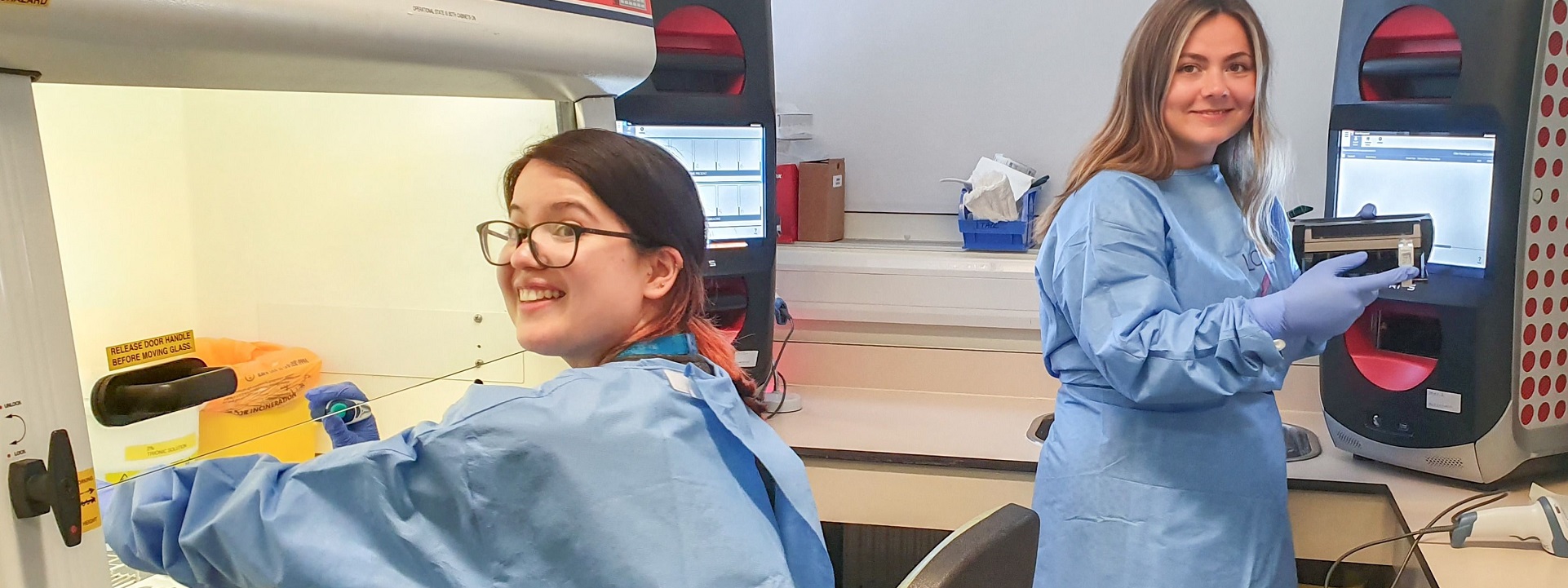
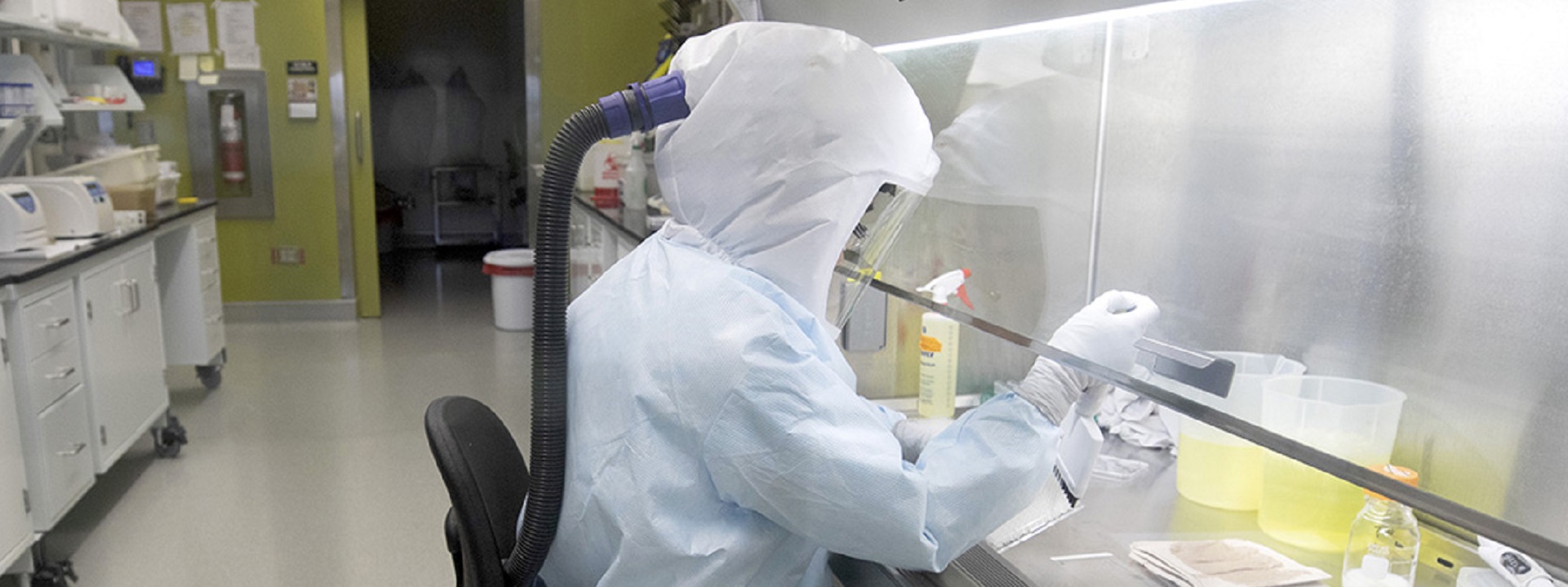
A laboratory fume hood is a specialized ventilated enclosure designed to safely contain and remove hazardous chemical fumes, vapors, dust, and aerosols generated during experiments. It consists of a cabinet-like structure with a movable sash window at the front, internal baffles, and a powerful exhaust fan that continuously draws air inward at a controlled velocity (typically 0.3–0.5 m/s). Contaminated air is ducted outside or passed through filters before release, while clean air flows in to create a protective barrier between the user and the hazardous materials.

Today at the usual hour we refresh our understanding of the best practice literature.  Use the login credentials at the upper right of our home page.

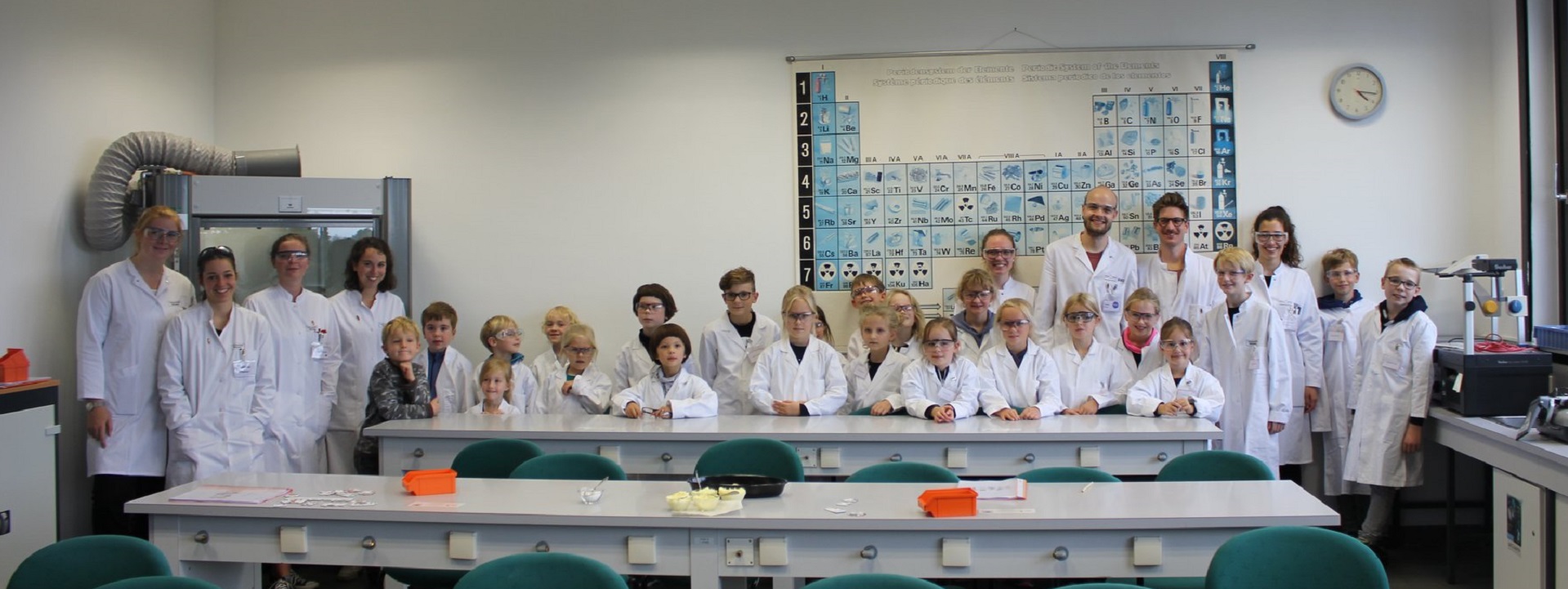
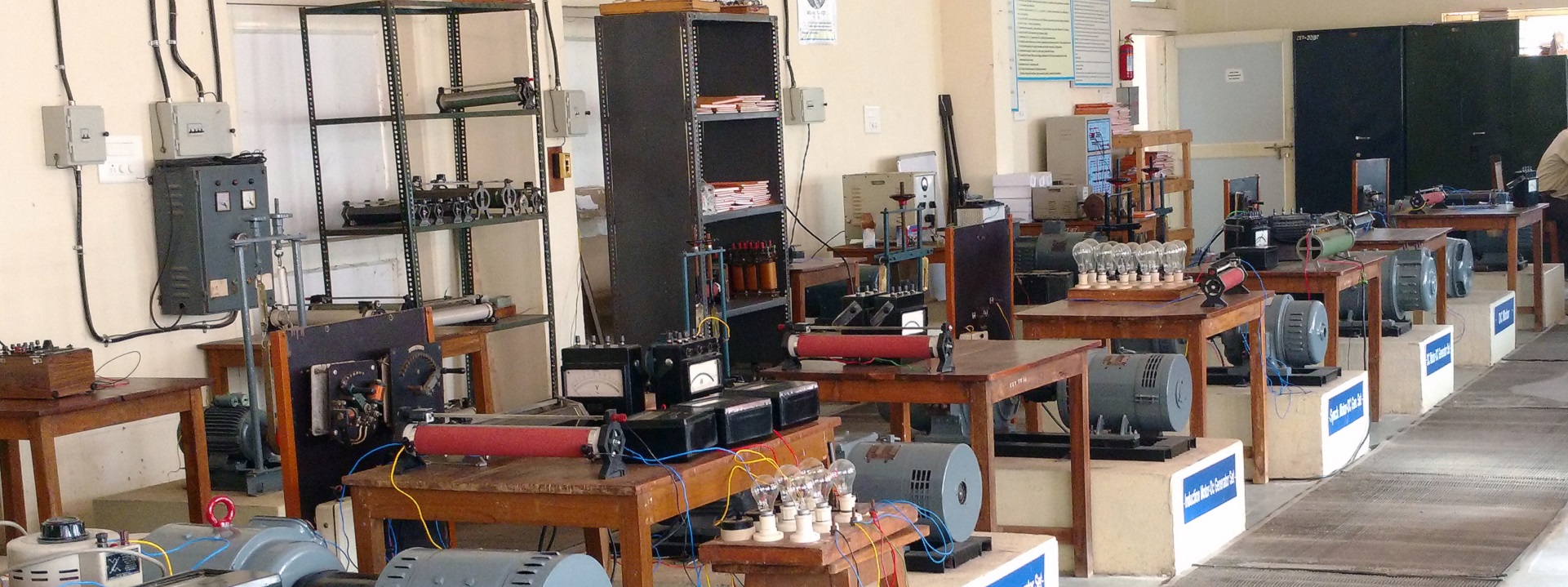
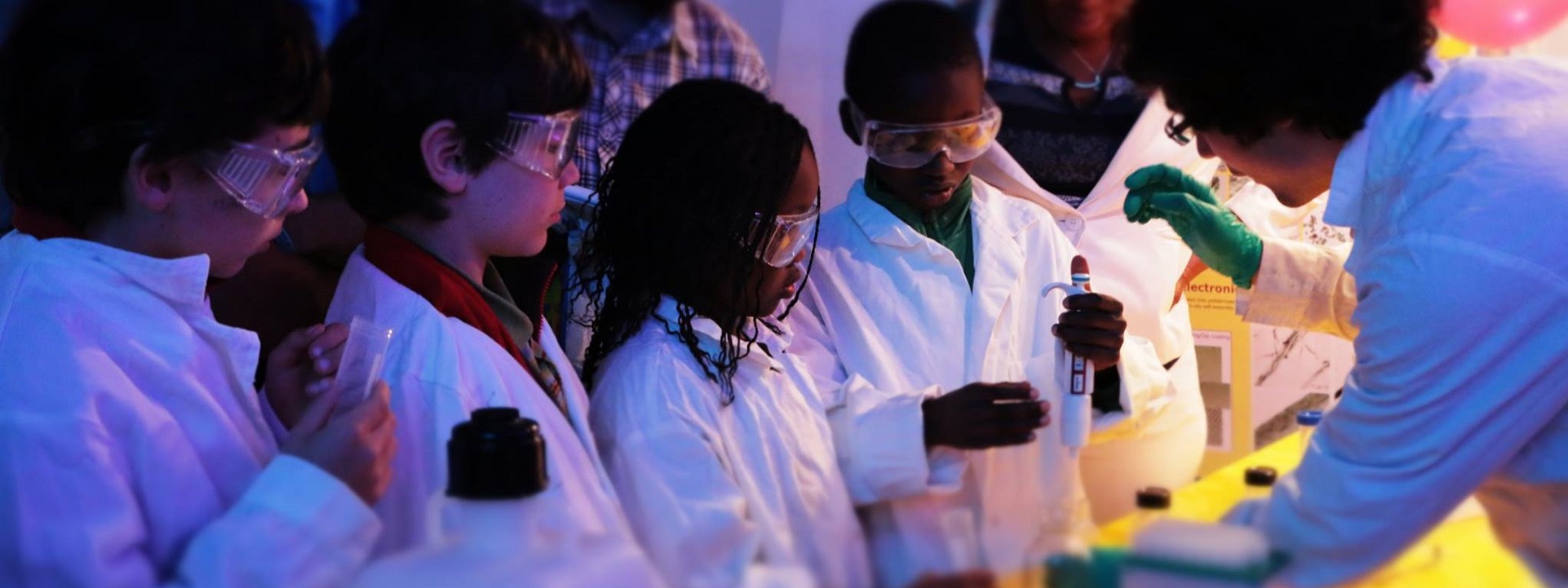
School Educational Laboratories.  In secondary and undergraduate teaching labs, fume hoods enable safe demonstration of core experiments involving acids, bases, or organic reactions. They protect students—who often have limited experience—from accidental exposure while building practical skills. They also reduce odors and airborne contaminants, creating a healthier learning environment and allowing more complex experiments to be included in curricula. In resource-limited schools, even basic fume hoods dramatically lower accident risks and support compliance with safety regulations.
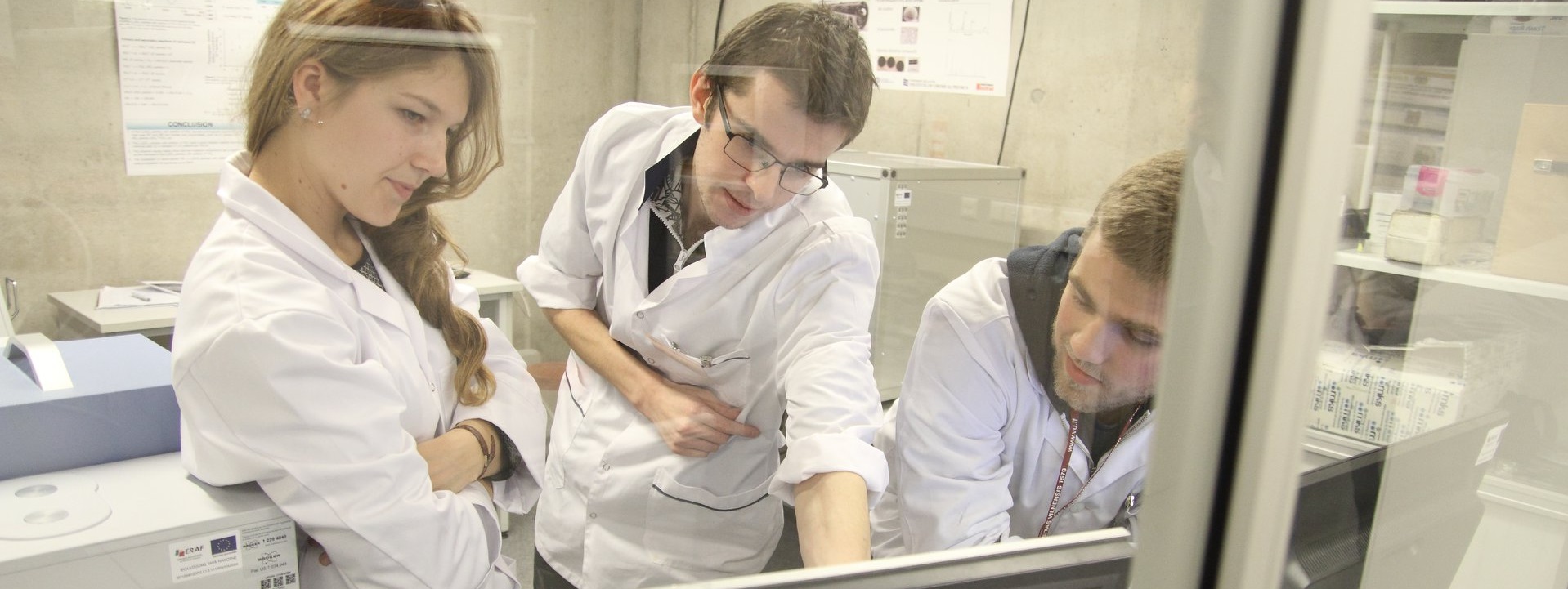
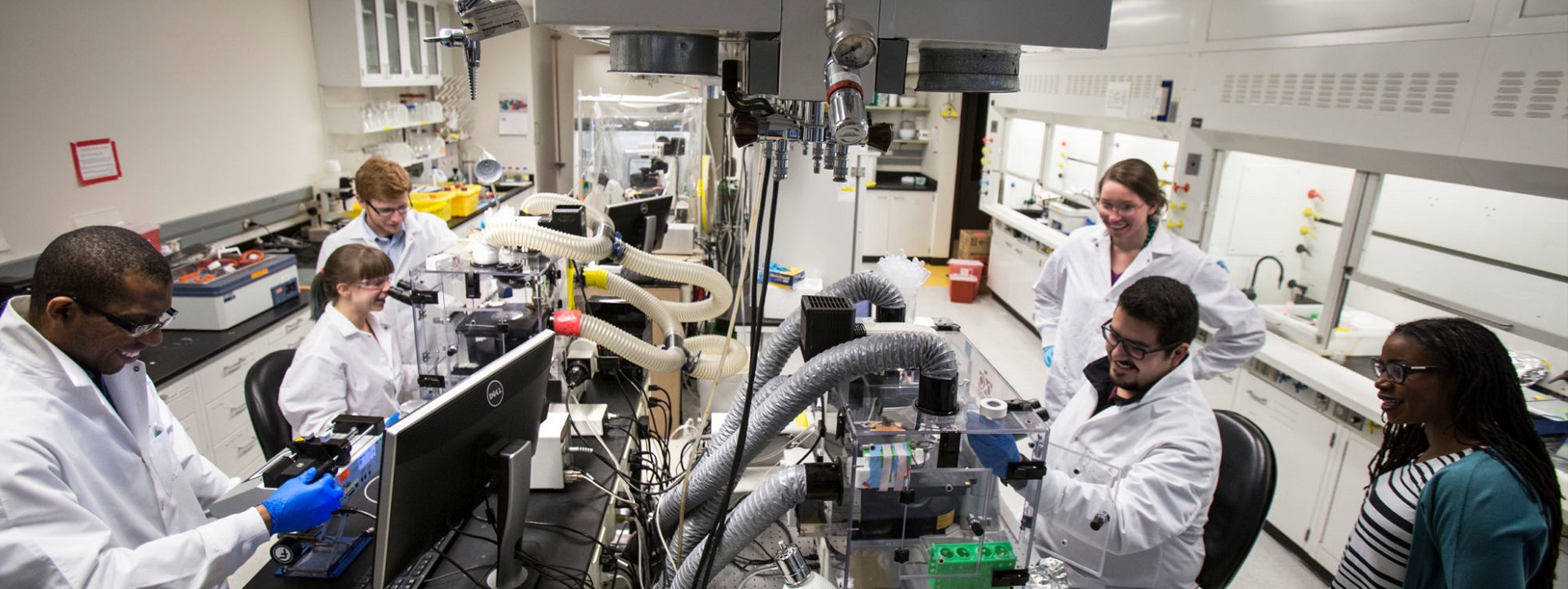
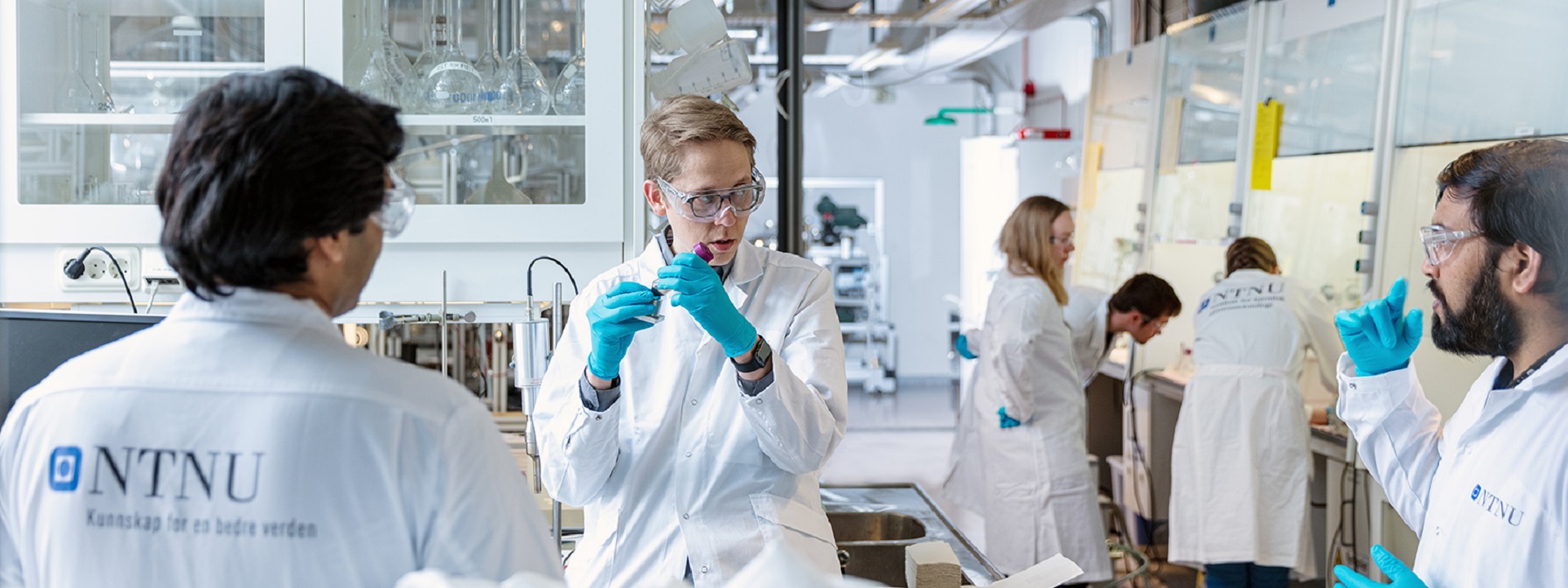
University Research. In advanced research settings, fume hoods are critical for handling toxic, flammable, corrosive, or volatile substances (e.g., organic solvents, carcinogens, or reactive gases). They protect researchers from inhalation exposure, prevent laboratory fires or explosions, and maintain experiment integrity by minimizing cross-contamination. Regulatory standards like OSHA and ASHRAE require their use for many procedures. Without fume hoods, high-level chemical synthesis, nanomaterials research, or analytical chemistry would pose unacceptable health and safety risks, halting scientific progress.


Sample Guidelines:

  1. Florida International University (FIU) – Guidelines for the Safe Use of Laboratory Fume Hoods
    https://ehs.fiu.edu/_assets/docs/chemical/fume-hoods-guidelines.pdf
    (Focuses on proper usage, PPE, and work practices.)
  2. University of Georgia (UGA) – Fume Hood Guidelines and Usage
    https://research.uga.edu/docs/units/safety/manuals/ChemicalSafetyManual/Fume_Hoods_and_Other_Exhaust_Devices.pdf
    (Comprehensive on when to use, pre-work checks, safe operation, and best practices.)
  3. Ohio State University (OSU) – A Survival Guide to Chemical Fume Hoods
    https://chemistry.osu.edu/sites/chemistry.osu.edu/files/A%20Survival%20Guide%20to%20Chemical%20Fume%20Hoods.pdf
    (Practical work practices to minimize exposure risks.)
  4. University of Manitoba – Fume Hood Manual
    https://umanitoba.ca/environmental-health-and-safety/sites/environmental-health-and-safety/files/2025-06/fume-hood-manual.pdf
    (Detailed requirements and best practices for maintenance and use.)
  5. University of British Columbia (UBC) – UBC Fume Hood User Manual
    https://safety.forestry.ubc.ca/files/2025/06/UBC-Fume-Hood-User-Manual-2025.pdf
    (Covers engineering controls, safe operation, and responsibilities.)

These documents emphasize common themes like checking airflow before use, keeping work ≥6 inches inside the sash, minimizing clutter, proper sash positioning, and never using a malfunctioning hood.

Laboratory Fume Hood Safety

May 21, 2026
mike@standardsmichigan.com

No Comments

Public Review Drafts


FILE: September 12, 2024
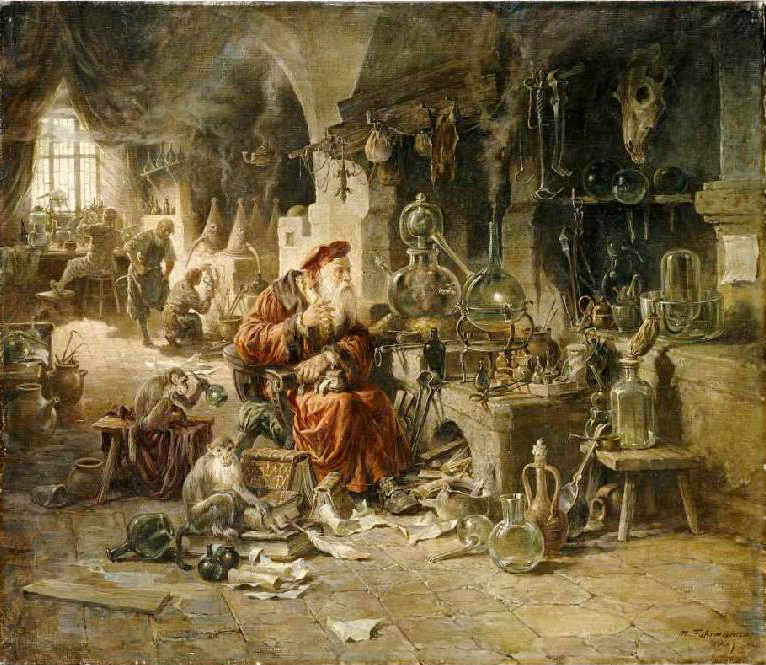
A significant amount of research in the United States is conducted in research universities — over $70 billion annually, according to the National Science Foundation (LEARN MORE HERE).  Unlike private industry, where facilities can be located away from population centers, many campus laboratories are located in dense populated areas because researchers enjoy their work in a lively campus setting.   Keeping these facilities safe and sustainable is challenging anywhere but especially so in a setting where education and research takes place in close proximity.

One of the core documents for leading practice is  ASHRAE 110 — Method of Testing Performance of Laboratory Fume Hoods.  Keep in mind that in the emergent #SmartCampus a fume hood is part of an integrated system that not only includes environmental air systems but electrical, telecommunication, and fire safety systems.

ASHRAE 110 provides a starting point for assessing a wide variety of factors that influence the performance of laboratory fume hoods. The ability of a laboratory hood to provide protection for the user at the face of the hood is strongly influenced by the aerodynamic design of the hood, the method of operation of the hood, the stability of the exhaust ventilation system, the supply ventilation of the laboratory room, the work practices of the user, and other features of the laboratory in which it is installed. Therefore, there is a need for a test method that can be used to evaluate the performance including the influences of the laboratory arrangement and its ventilation system.

From the project prospectus:

Purpose.  This standard specifies a quantitative and qualitative test method for evaluating fume containment of laboratory fume hoods.

Scope: his method of testing applies to conventional, bypass, auxiliary-air, and VAV laboratory fume hoods.  (2) This method of testing is intended primarily for laboratory and factory testing but may also be used as an aid in evaluating installed performance.
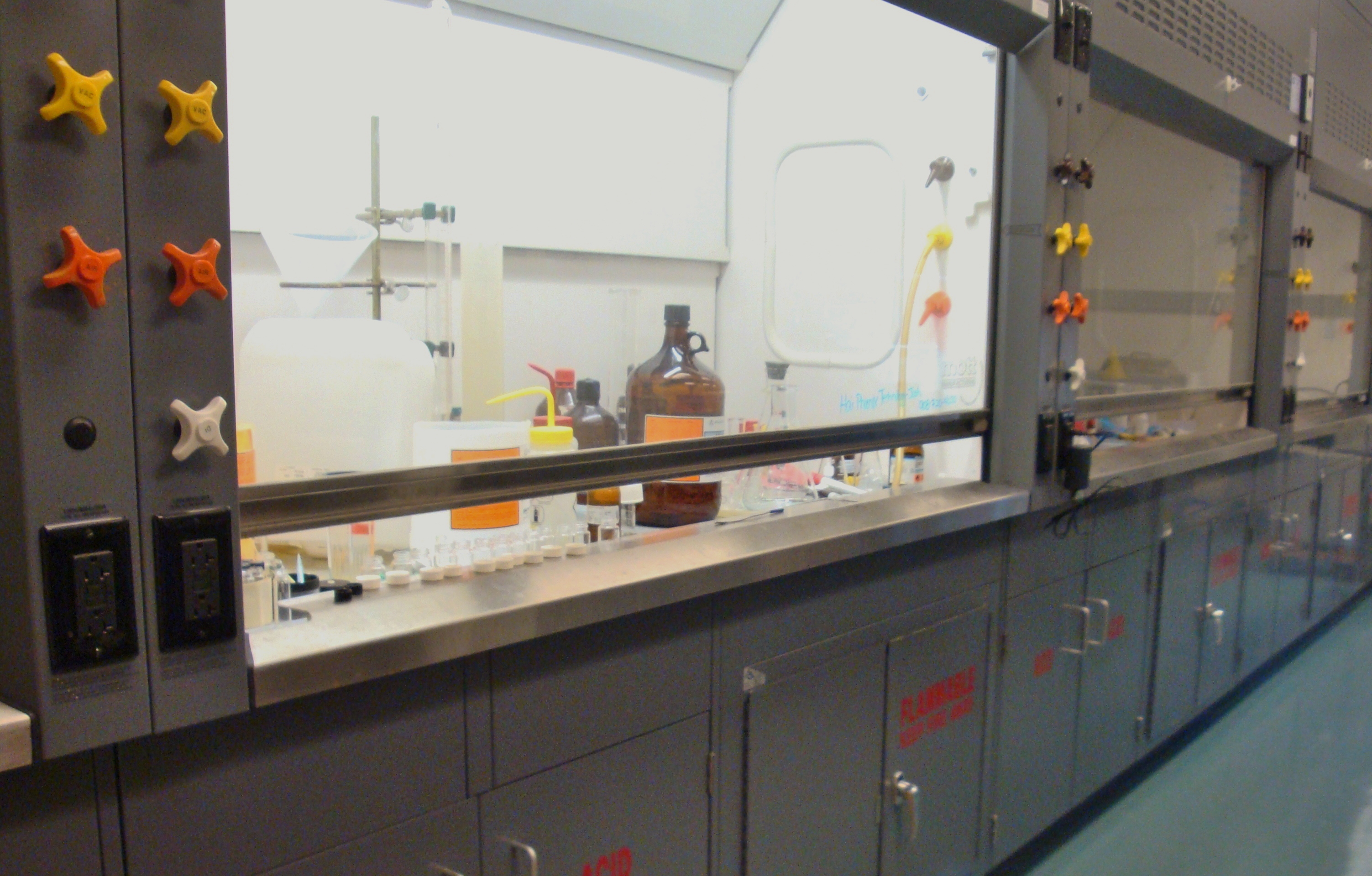
The 2016 revision is the current version; made the following improvements to the 1995 edition:

• The test procedures now require digital collection of data rather than allowing manual data collection.
• Some modifications have been made to the test procedure.  These modifications were made based on the experience of the committee members or to clarify statements in the 1995 edition of the standard.
• Informative Appendix A, which provides explanatory information, has been expanded.
• Informative Appendix B, a new nonmandatory section, provides guidance to anyone using the standard as a diagnostic tool in investigating the cause of poor hood performance.

ASHRAE has recently upgraded its public participation platform; available in the link below:

Public Review Draft Standards / Online Comment Database

ASHRAE 110 is not a continuous maintenance document (that can change in 30 to 90 day intervals).  We encourage our colleagues involved in university-affiliated research enterprises who have an idea, data and/or anecdotes to key in their idea, data or anecdote — particularly faculty and students.  While we recognize that conformance professionals (i.e. “inspectors”) have a very informed point of view about safety; they may not place ideas for lower costs at the top of their agenda.   It is a fine line we must hew in the education industry — respecting the experience and priorities of risk managers while at the same coming up with ideas that make laboratories safer, simpler, lower-cost and longer-lasting that may reduce their billable hours.

We find that environmental air safety goals often compete with fire safety goals and both compete with sustainability goals.   Conversations about the optimal approach to converting to variable volume fume hood systems from constant flow are common:

LINK TO ASHRAE VARIABLE VOLUME FUME HOOD BIBLIOGRAPHY

As an ANSI accredited continuous-maintenance standards developer ASHRAE technical committees receive public comment at any time; though action on revising the standard must follow the accredited process.   State level adaptations  — with respect to technical specifics or compliance paths or both — are always possible.  As explained elsewhere, Standards Michigan generally advocates for scalable, site specific solutions to laboratory safety system operation and maintenance, though we understand that enforcement and compliance interests prefer bright-line, single-point solutions that are easy to enforce.

All ASHRAE standards are on the agenda of our Mechanical Engineering teleconference.  See our CALENDAR for our next conversation on this subject; open to everyone.

Mechanical Engineering Codes and Standards


Category: Mechanical

Colleagues: Richard Robben, Mark Schuefele, Larry Spielvogel


Biosafety Cabinetry

May 21, 2026
mike@standardsmichigan.com

No Comments

STANDARDS ACTION WEEKLY EDITION

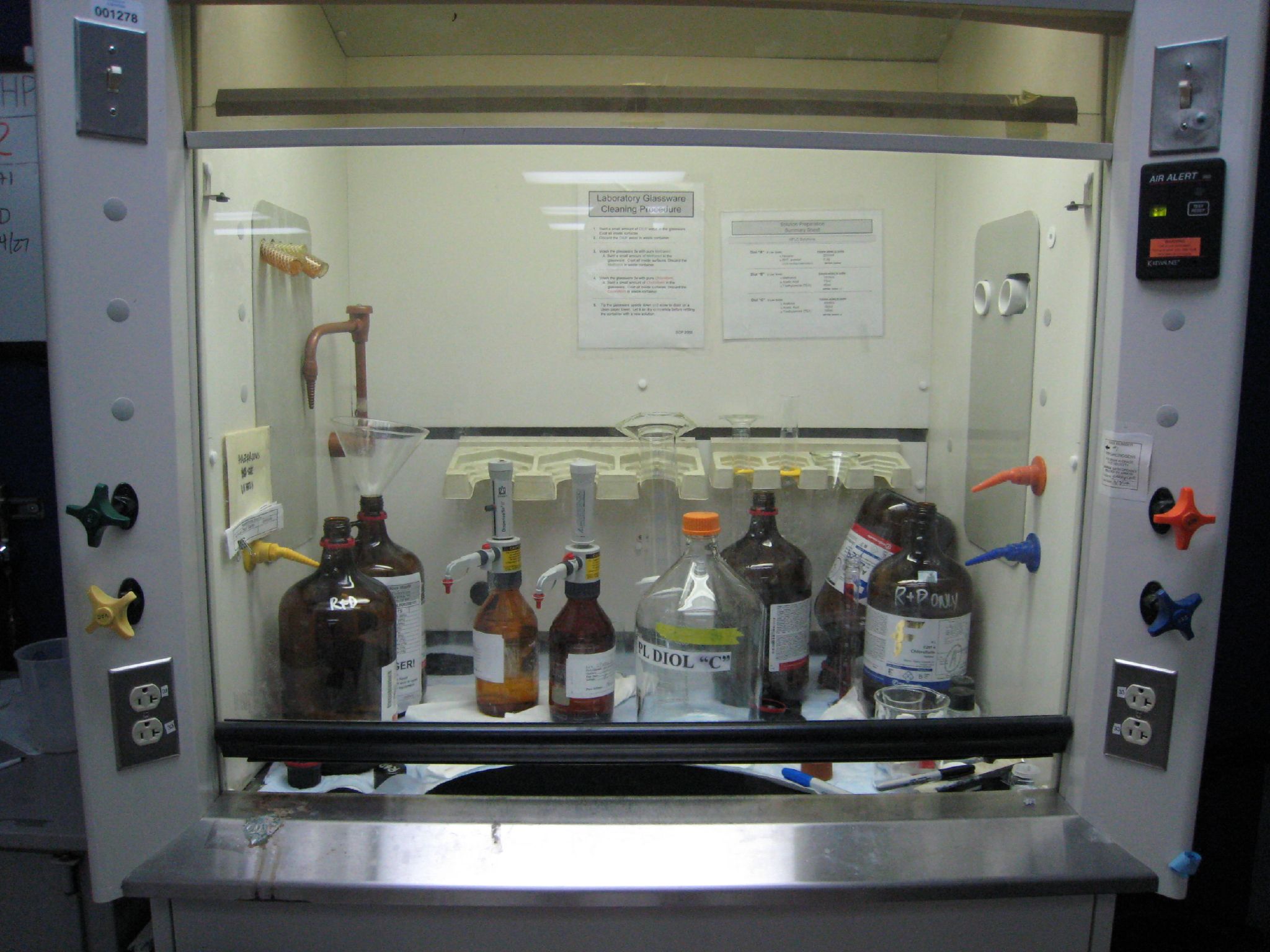
“Der Alchemist” / Max Fuhrmann

NSF International develops a standard for one of the centerpiece safety technologies for a large revenue driver in research universities.   The landing page for its biosafety cabinetry product, installation, operation and maintenance standard is linked below:

NSF 49 Biosafety Cabinetry.

From the project prospectus:

This Standard applies to Class II (laminar flow) biosafety cabinetry designed to minimize hazards inherent in work with agents assigned to biosafety levels 1, 2, 3, or 4.  It also defines the tests that shall be passed by such cabinetry to meet this standard. NSF 49 includes basic requirements for the design, construction, and performance of biosafety cabinets that are intended to provide personnel, product, and environmental protection; reliable operation; durability and structural stability; cleanability; limitations on noise level; illumination; vibration; and motor/blower performance.   

This equipment class is the centerpiece of many research laboratories and is a multidimensional risk aggregation so NSF 49 needs to move swiftly and is listed as an ANSI Continuous Maintenance product.   You can track the action at the link below:

Joint Committee on Biosafety Cabinetry

NSF typically uploads its live public consultation notices on ANSI Standards Action; one of the most recent on Page 11 of link below:

Issue i141r4

Consultation closes January 4th 

"Every child is an artist. The problem is how to remain an artist once we grow up." - Friedrich Nietzsche

We maintain all NSF International titles on the agenda of our Laboratory and Risk teleconferences and, because NSF runs its standards suite continuously, most of its titles are on our Nota Bene teleconferences.    See our CALENDAR for the next online meeting; open to everyone

Issue: [13-118]

Category: Risk Management, Occupational Health and Safety

Colleagues: Mike Anthony, Richard Robben, Alan Rose, Mark Schaufele

Workspace / NSF International


International Mechanical Code

May 21, 2026
mike@standardsmichigan.com
No Comments

2024 / 2025 / 2026 Code Development: Group B (2025)

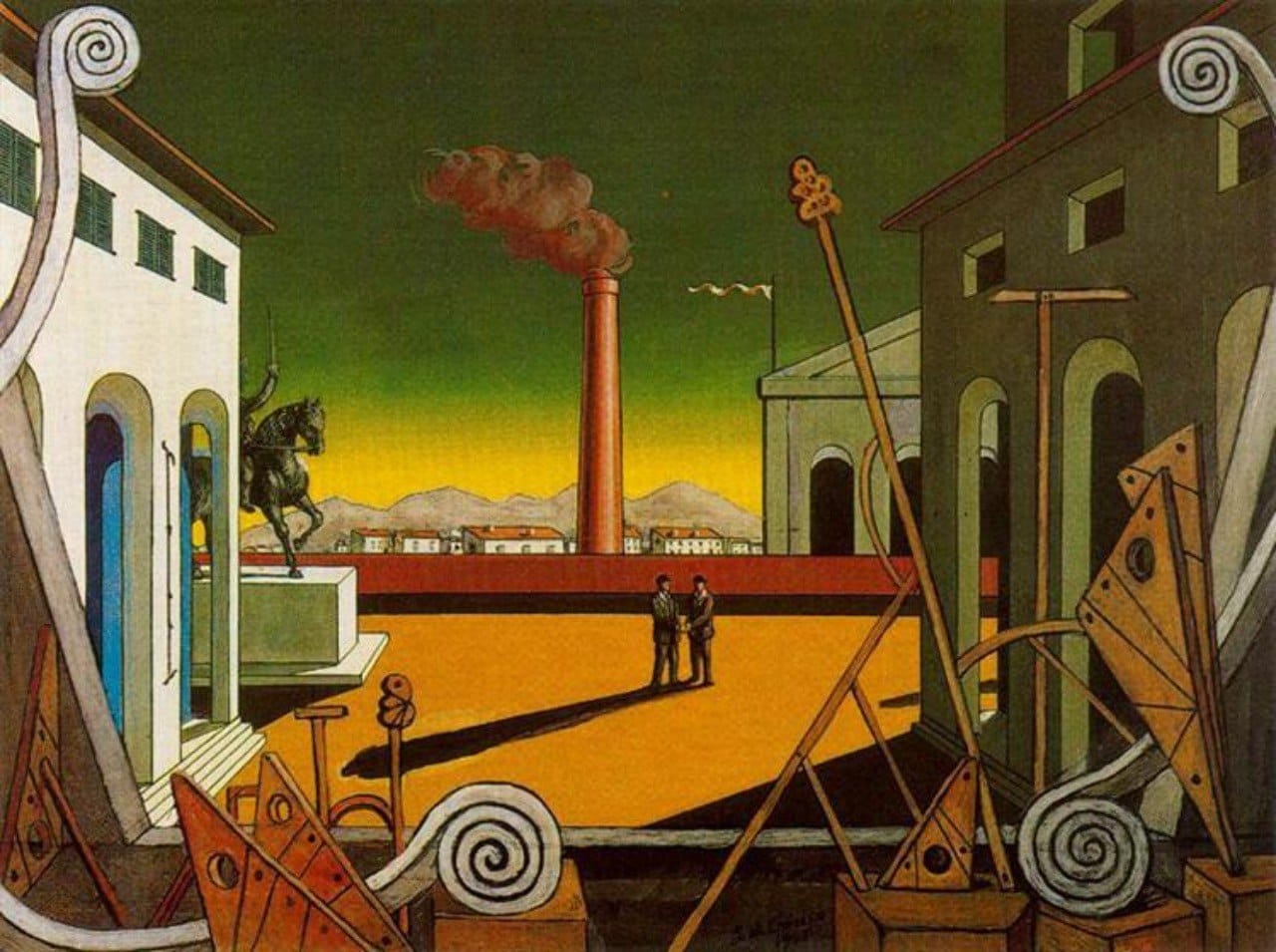
“Plaza Italia” 1971 | Giorgio de Chirico


After architectural trades, the mechanical technologies occupy the largest part of building construction:

  1. HVAC:
    • Heating Systems: Technologies include furnaces, boilers, heat pumps, and radiant heating systems.
    • Ventilation Systems: Incorporating technologies like air handlers, fans, and ductwork to ensure proper air circulation.
    • Air Conditioning Systems: Including central air conditioning units, split systems, and variable refrigerant flow (VRF) systems.
  2. Plumbing:
    • Water Supply Systems: Involving technologies for water distribution, pumps, and pressure regulation.
    • Sanitary Systems: Including drainage, sewage systems, and waste disposal technologies.
    • Fixtures and Faucets: Incorporating technologies for sinks, toilets, showers, and other plumbing fixtures.
  3. Fire Protection:
    • Fire Sprinkler Systems: Employing technologies like sprinkler heads, pipes, pumps, and water tanks.
    • Fire Suppression Systems: Including technologies such as gas-based or foam-based suppression systems.
  4. Energy Efficiency Technologies:
    • Energy Management Systems (EMS): Utilizing sensors, controllers, and software to optimize energy consumption in HVAC systems.
    • Energy Recovery Systems: Incorporating technologies like heat exchangers to recover and reuse energy from exhaust air.
  5. Building Automation (BAS):
    • Control Systems: Using sensors, actuators, and controllers to manage and automate various mechanical systems for optimal performance and energy efficiency.
    • Smart Building Technologies: Integrating with other building systems for centralized control and monitoring.
  6. Materials and Construction Techniques:
    • Piping Materials: Selecting appropriate materials for pipes and fittings based on the application.
    • Prefab and Modular Construction: Leveraging off-site fabrication and assembly for mechanical components.

Our examination of the movement in best practice in the mechanical disciplines usually requires an understanding of first principles that appear in the International Building Code

2024 International Mechanical Code

Current Code Development Cycles (2024-2026)

2024/2025/2026 Code Development Schedule

“On the Mechanical Equivalent of Heat” | 1850 James Prescott Joule | Proceedings of the Royal Society of London

Representative Design Guidelines:

Michigan State University

Florida State University

US Department of Energy: Sandia National Laboratories

Related:

ICC Releases 2024 International Codes

Group A Model Building Codes

We are waiting for the link to the Complete Monograph for the Group A cycle in which one of our proposals (Chapter 27 Electrical) will be heard at the April 2023 Committee Action Hearings in Orlando.


Superceded:

Because of the larger, disruptive concepts usually require more than one revision cycle — i.e. 3 to 9 years — it is wise to track those ideas in the transcripts of public hearings on the revisions.   For example, the ICC Group A Committee Action Hearings were completed (virtually) in May 2021.  The complete monograph of proposals is linked below:

2021 Group A Complete Proposed Changes

Transcript of committee response is linked below:

2021 REPORT OF THE COMMITTEE ACTION HEARINGS ON THE 2021 EDITIONS OF THE GROUP A INTERNATIONAL CODES

A sample of the topics that need attention that involve the mechanical disciplines (e.g. energy, environmental air, water) :

  • Soil gas and carbon monoxide detection and mitigation
  • Minimum number of required plumbing fixtures in schools and higher education community facilities
  • Fixtures for adult changing stations and gender neutral toilet and bathing facilities
  • Fat, oil and grease interceptors in kitchens
  • Dormitories, residence halls

There are others ideas that can be tracked in the most recent Group B Hearings included April 6th:

LIVE: I-Code Groups Public Comment Hearings

Proposals for the 2024 IMC revision will be accepted until January 7, 2024.  We maintain this title among our core titles during our periodic Mechanical teleconferences.   See our CALENDAR for the next online meeting; open to everyone.

"Microgrids represent a transformational opportunity in how energy is generated, delivered, and consumed" - Robert F. Kennedy, Jr.

2024/2025/2026 ICC CODE DEVELOPMENT SCHEDULE

Issue: [Various]

Colleagues:  Mike Anthony, Richard Robben, Larry Spielvogel

Group A includes the following codes:

  • International Building Code (IBC) – Egress, Fire Safety, General Portions
  • International Fire Code (IFC)
  • International Fuel Gas Code (IFGC)
  • International Mechanical Code (IMC)
  • International Plumbing Code (IPC)
  • International Private Sewage Disposal Code (IPSDC)
  • International Residential Code (IRC) – Mechanical, Plumbing
  • International Swimming Pool and Spa Code (ISPSC)
  • International Zoning Code (IZC)
  • International Property Maintenance Code (IPMC)
  • International Wildland-Urban Interface Code (IWUIC)

ICC Code Development Process: Important Links


Workspace / ICC


Climate Psychosis

May 21, 2026
mike@standardsmichigan.com
, , , , ,
No Comments

“The only thing worse than religion is lack of religion”

Edmund Burke


U.S. Global Change Research Program: Overview and Considerations for Congress

IPCS New Comment on Climate Change

European Geosciences Union: The Scenario Model Intercomparison Project for CMIP7 

A conversation with Bjorn Lomborg, a visiting fellow at the Hoover Institution, the president of the Copenhagen Consensus Center, and one of the foremost climate experts in the world today. His new book — “False Alarm: How Climate Change Panic Costs Us Trillions, Hurts the Poor, and Fails to Fix the Planet” — is an argument for treating climate as a serious problem but not an extinction-level event requiring such severe and drastic steps as rewiring a large part of the culture and the economy.

How easy it is to make people believe a lie, and [how] hard it is to undo that work again! - Mark Twain

Dialectic: Climate Change

Mass Formation Psychosis

Centre for Studies of Climate Change Denialism

Readings

Brookings: Michael Crichton and Global Warming

Ilisimatusarfik

May 20, 2026
mike@standardsmichigan.com
,
No Comments

Home

The Top 10 Best Colleges in Greenland for Tech Enthusiasts 

Ilisimatusarfik

Related:

Du froid

Basecamp Classroom

May 20, 2026
mike@standardsmichigan.com
No Comments

This content is accessible to paid subscribers. To view it please enter your password below or send mike@standardsmichigan.com a request for subscription details.

Socialism Studies

May 19, 2026
mike@standardsmichigan.com

No Comments

This content is accessible to paid subscribers. To view it please enter your password below or send mike@standardsmichigan.com a request for subscription details.

High Voltage Electric Service

May 19, 2026
mike@standardsmichigan.com
,
No Comments

Restore NESC Cross-Reference to the Front End of the NEC

Federal Power Act of 1920  Ω  Public Utility Holding Company Act of 1935.

IEEE Education & Healthcare Facilities Committee Ω Current Issues and Recent Research

Representative Sample of Merchant Utility Interconnection Requirements for Customers

2023 National Electrical Code Article 490 Bibliography

Ahead of the April close date for comments on the Second Draft of the 2026 revision of the NEC we examine thought trends on the following:

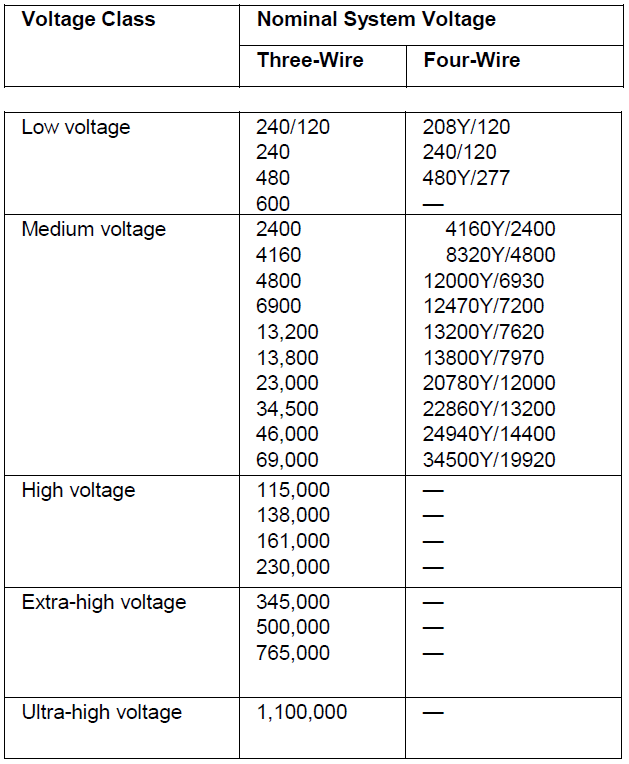
  1. How does “high voltage” differ among electrotechnology professionals?  Signaling and control systems workers have a much lower criteria than a merchant utility lineman than a campus bulk distribution engineer.  In other words, “high voltage” is generally understood in practice and essential for worker safety.  Labeling counts.
  2. What is the origin of the apparent “confusion’ about high voltage in the IEEE, IEC, NFPA and TIA electrical safety catalogs?  Is the distinction functionally acceptable — i.e. a term of art understood well enough in practice?
  3. How can the 2026 NEC be improved for engineers, electricians and inspectors?  There has been some considerable re-organization of low, medium and high voltage concepts in the 2023.  It usually takes at least two NEC revision cycles for workable code to stabilize.  Since education communities purchase and distribute higher voltage power on large campuses; how can power purchasing and customer distribution system best practice be improved?

This is plenty to talk about.   Join us today at 15:00/16:00 UTC with the login credentials at the upper right of our home page.

AC Power Distribution Systems & Standards | Credit: Power Quality Blog

2028 National Electrical Safety Code


IAEI Magazine: The Evolution of Electrical Services in the National Electrical Code®

2026 National Electrical Code Workspace

Time Synchronization of Medium Voltage Substations

NESC & NEC Cross-Code Correlation


National Electrical Definitions

System Aspects of Electrical Energy

May 19, 2026
mike@standardsmichigan.com
, , ,
No Comments

IEC technical committees and subcommittees Ω SMB Tabulation

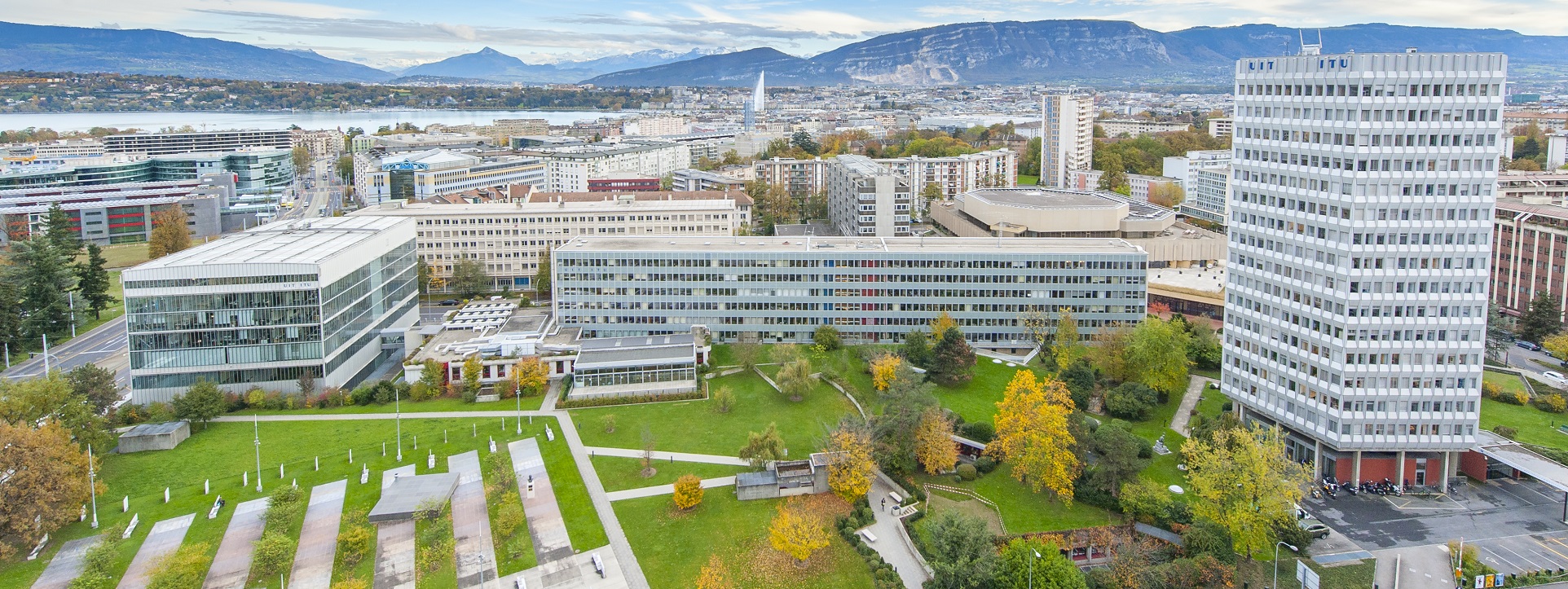
IEC and ITU offices | Geneva

Much economic activity in the global standards system involves products — not interoperability standards. Getting everything to work together — safely, cost effectively and simpler — is our raison d’etre.  

Manufacturers, testing laboratories, conformance authorities (whom we call vertical incumbents) are able to finance the cost of their advocacy — salaries, travel, lobbying, administration — into the cost of the product they sell to the end user (in our cases, estate managers in educational settlements).  To present products — most of which involve direct contact with a consumer — at a point of sale it must have a product certification label.  Not so with systems.  System certification requirements, if any, may originate in local public safety requirements; sometimes reaching into the occupational safety domain.

Our readings of the intent of this technical committee is to discover and promulgate best practice for “systems of products” — i.e. ideally interoperability characteristics throughout the full span of the system life cycle.

To quote Thomas Sowell:

“There are no absolute solutions to human problems, there are only tradeoffs.”  

Many problems have no solutions, only trade-offs in matters of degree.  We explain our lament over wicked problems in our About.


IEC technical committees and subcommittees


LEARN MORE:


If you want to find the secrets of the universe, think in terms of energy, frequency and vibration. - Nikola Tesla


ARCHIVE

The United States National Committee of  the International Electrotechnical Commission (USNA/IEC) seeks participants and an ANSI Technical Advisory Group (US TAG) Administrator for an IEC subcommittee (Multi-Agent System) developing standards for power system network management.   From the project prospectus:

Standardization in the field of network management in interconnected electric power systems with different time horizons including design, planning, market integration, operation and control.  SC 8C covers issues such as resilience, reliability, security, stability in transmission-level networks (generally with voltage 100kV or above) and also the impact of distribution level resources on the interconnected power system, e.g. conventional or aggregated Demand Side Resources (DSR) procured from markets.

SC 8C develops normative deliverables/guidelines/technical reports such as:

– Terms and definitions in area of network management,
– Guidelines for network design, planning, operation, control, and market integration
– Contingency criteria, classification, countermeasures, and controller response, as a basis of technical requirements for reliability, adequacy, security, stability and resilience analysis,
– Functional and technical requirements for network operation management systems, stability control systems, etc.
– Technical profiling of reserve products from DSRs for effective market integration.
– Technical requirements of wide-area operation, such as balancing reserve sharing, emergency power wheeling.

Individuals who are interested in becoming a participant or the TAG Administrator for SC 8C: Network Management are invited to contact Adelana Gladstein at agladstein@ansi.org as soon as possible.

This opportunity, dealing with the system aspects of electrical energy supply (IEC TC 8), should at least interest electrical engineering research faculty and students involved in power security issues.   Participation would not only provide students with a front-row seat in power system integration but faculty can collaborate and compete (for research money) from the platform TC 8 administers.  We will refer it to the IEEE Education & Healthcare Facilities Committee which meets online 4 times monthly in European and American time zones.

Layout mode
Predefined Skins
Custom Colors
Choose your skin color
Patterns Background
Images Background
Standards Michigan
error: Content is protected !!
Skip to content