If you enjoyed an espresso today on #NationalCoffeeDay, you can thank a former NIST engineer whose measurement expertise helped with espresso machine temperature.
“Happy families are all alike; every unhappy family is unhappy in its own way.”
— Leo Tolstoy, Anna Karenina, trans. Constance Garnett
“In 1964, in Albuquerque, New Mexico, a 17-year-old girl gave birth to a son. The school administrators had told her she couldn’t finish high school. She pushed back anyway.
Her name was Jacklyn Gise. And the baby she was determined to raise would one day become one of the most… pic.twitter.com/O1NYzRh1Gr
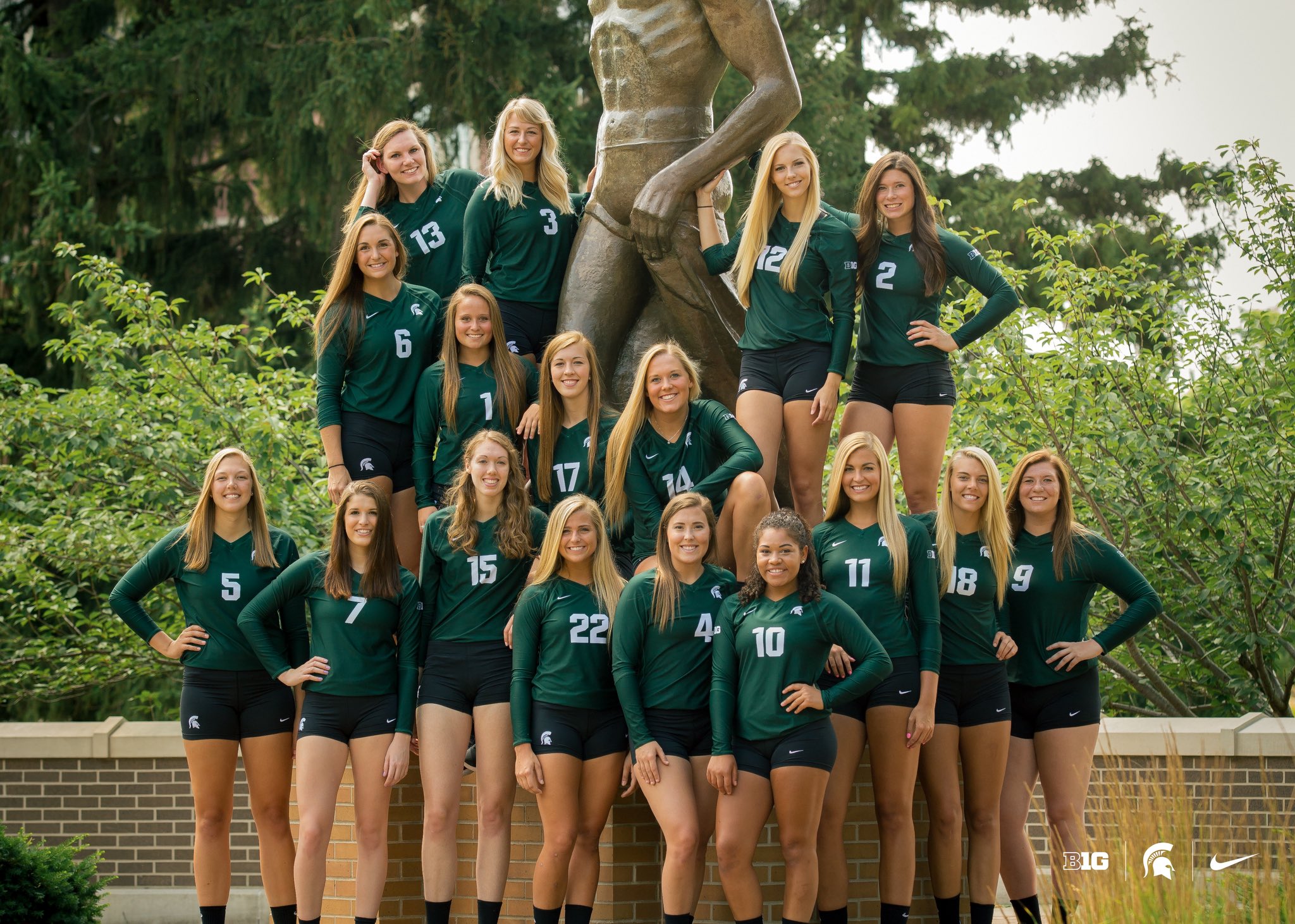
On Friday this group Facetimed me. This is their yearly get together. They tell me that they “are connected for life.” When you commit to something bigger than yourself you don’t just give yourself a better chance to win, the bonds you build are for life. pic.twitter.com/mSc4BECrb3
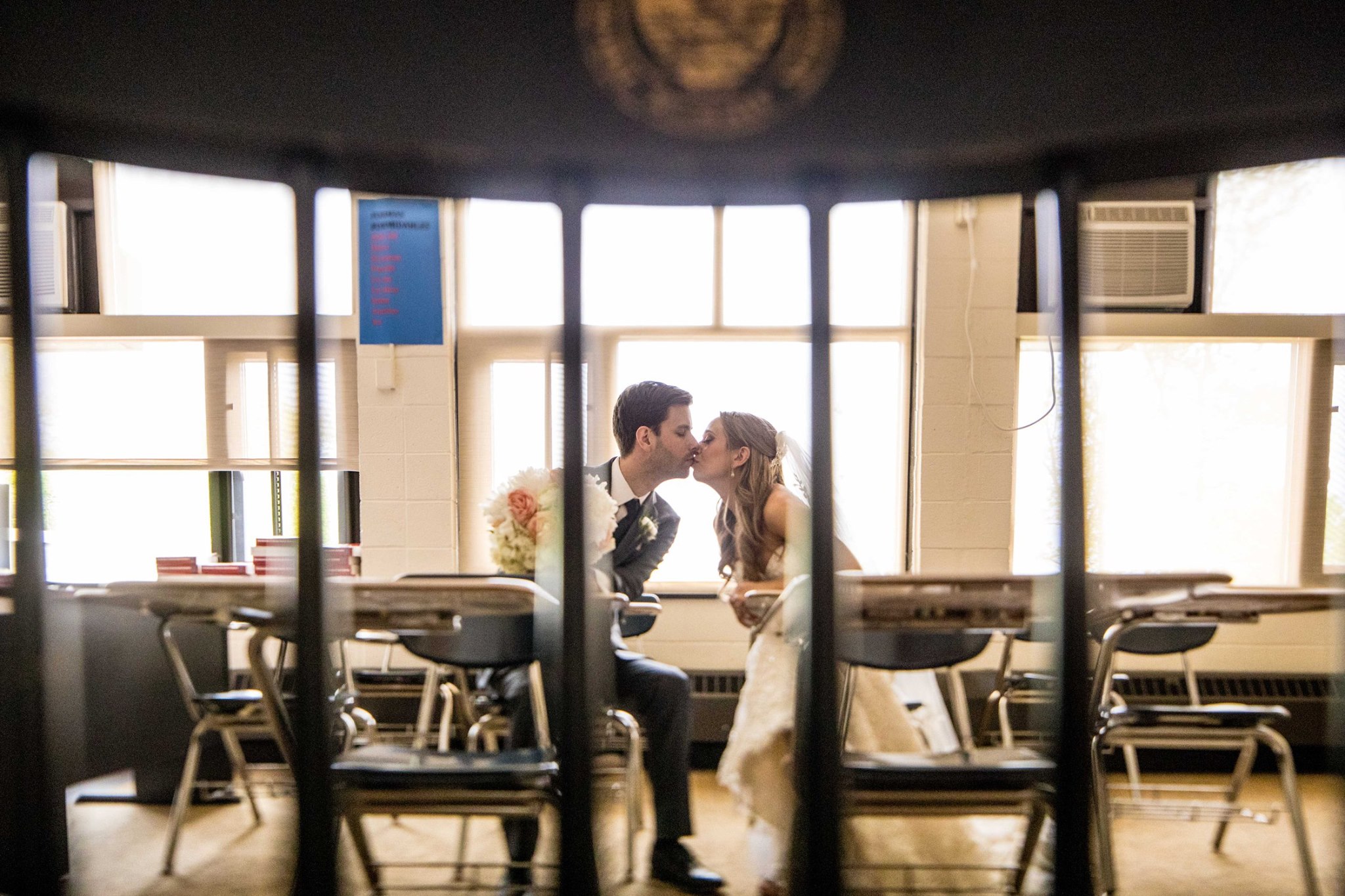
I can confirm that @GreenPlusAnE spent part of his wedding reception discussing entitlement reform. And the new Mrs. Greene is possibly the most elegant Tocqueville scholar in existence. https://t.co/XRfnxJ027G
In non soccer, non portal, non athletic news, our family just grew by one 😀 we gained a future son in law!!! So happy for Madison and Dylan. #weddingplanspic.twitter.com/3DNx0tNr5D
Congrats to my son for graduating with Honors from Eastern Michigan – don’t blink time flies – so so proud of what he’s accomplished & love him to pieces 💙🎉🥳 pic.twitter.com/qAj2ndRVwA
We need a reality dating show called “Average SEC Couples” that’s just 15 Average Joe’s from the South wooing 15 gorgeous women with generational wealth. pic.twitter.com/hhNGYUPw3S
Since I’m making happy announcements, Anne and I are expecting our first grandchild (a grandson we’re told) in February. We’re very proud of and happy for our oldest son Aedan and his wife Addy. Thanks be to God! pic.twitter.com/3xFXGYaes0
💙Last middle school dance💙
Time is flying, but I’ve loved every moment of this phase — shopping for his unique style, the cologne hunts, the late-night talks, and watching him chase what he loves. Keep being authentically you, GT!💥 pic.twitter.com/glH8AHyid4
One week postpartum with the sweetest baby ever. I am blessed beyond measure to have had my 5th successful home birth and a very smooth recovery. God is so good! pic.twitter.com/bWBqAtOUkj
A South African man who recently picked up an abandoned baby in Mpumalanga suburb of Emalahleni is now applying for court permission to adopt the boy and get him a birth certificate
Ten years after our wedding, our triplets have finally arrived… Thank you to everyone who sent us congratulations. These are our most precious treasures. #fblifestylepic.twitter.com/AXKOj7vL7Q
The body of 8-year-old Mystic camper Virginia Hollis was found along the Guadalupe River earlier this week, more than a week after the July 4 floods in Texas.
Yesterday, this angel’s favorite horse followed her casket through the streets to bid her farewell. 😭 pic.twitter.com/T8f8O6n4q3
After 15 years of marriage, the first child is actually twins! 🥳Maybe no one will say it, but we want to share this joy anyway. 🌹 pic.twitter.com/T60zPJZ0tT
He was with me almost every day for 12 years. The best living creature I’ve ever known including humans.
He protected children and loved his job out here.
I hope I can be half the man this dog was to our world. I buried him last evening in his beloved woods.
A heartfelt surprise for her best friend on graduation day.. She didn’t expect it because they hadn’t seen each other in so long, ever since her friend moved to another citypic.twitter.com/3pxswYFVNt
From couple matching to couple chief-ing!!!thrilled and honored to serve as chief residents together at the program that shaped us. Grateful for the journey and excited for what’s ahead! #HUHpic.twitter.com/lClrJpGABW
20th March 2010
A couple – just married – choose to cycle from the church to their reception.
From my book ‘Cambridge – Town & Gown’. pic.twitter.com/Y9zzcUsHh4
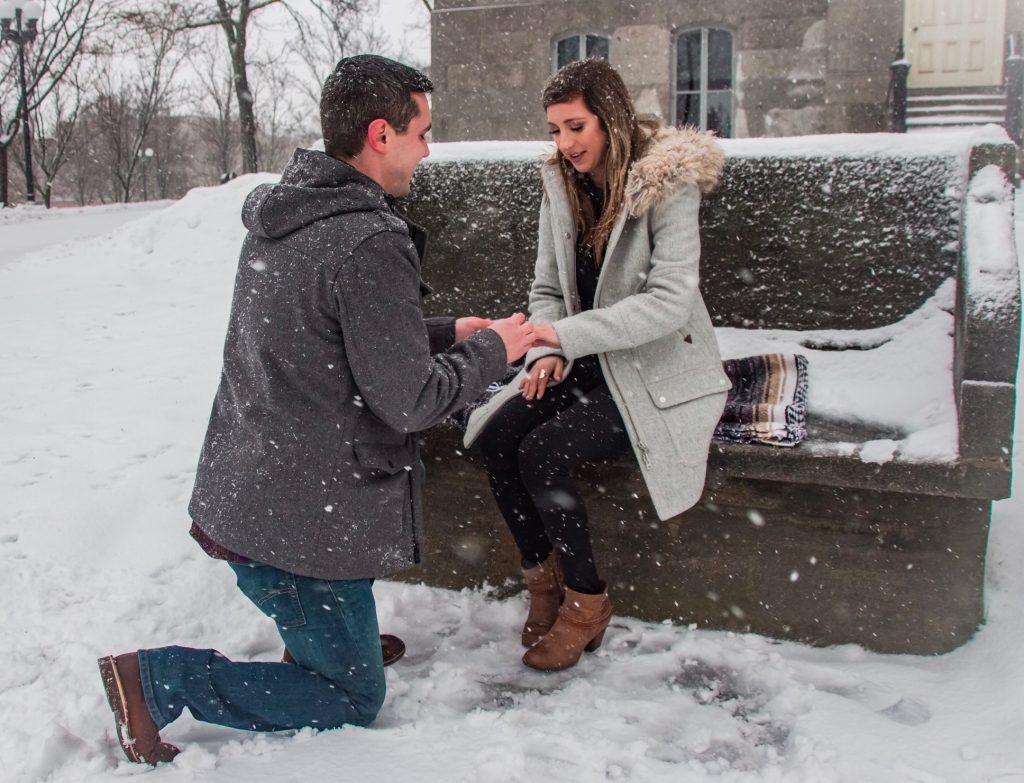
We got him moved into the new house! His bride-to-be is helping him decorate and put things away and will be joining him there on their wedding night! Today, only a few tears were shed (out of his sight). We are beyond happy for them! @BrandonLansdownpic.twitter.com/NSNmzg8hyG
Naistenpäivän kunniaksi haluan jakaa, että minulla on onni ja siunaus odottaa omaa tytärtä. Toivon näyttäväni hänelle samanlaista naisen mallia kuin oma äitini on näyttänyt minulle. Nainen voi olla vahva ja lempeä, sitkeä ja kaunis, herkkä ja periksiantamaton. Nainen voi olla… pic.twitter.com/MivsLRh1wJ
Syracuse University. Kissing Bench: This bench on the Quad is steeped in tradition. Legend has it that if a couple kisses on the bench, they will eventually marry. Conversely, if a single person sits there alone, they risk staying single forever.
University of Idaho. Hello Walk and Kissing Rock: While not a bench, this area on campus features a large rock where students have historically kissed. It’s a romantic tradition for couples at the university.
It is so rare for people to see a normal, white family that lefties think it gives ”Third Reich vibes”. This really tells us that we need to make it less rare.
— Learfield College Rodeo (@LearfieldRodeo) July 29, 2026
Check out Fever guard Sophie Cunningham having some fun at her kids camp, recreating the “pointing” meme that went viral last week. pic.twitter.com/eCPkzx0IEt
On Friday this group Facetimed me. This is their yearly get together. They tell me that they “are connected for life.” When you commit to something bigger than yourself you don’t just give yourself a better chance to win, the bonds you build are for life. pic.twitter.com/mSc4BECrb3
Sydnee Sinn, Sarah Forsyth, Olivia Millen and Kate Stewart-Barnett run 8:33.40 in the 4x800m relay to break the school record at Penn Relays!🟢⚪ pic.twitter.com/y6VQFJVrMT
— MSU Track & Field/Cross Country (@MSU_TFXC) April 25, 2026
Riley Gaines is a beautiful example of the joy of motherhood.
From championing women’s sports to working out women with her daughter, Margot, she shows how motherhood deepens purpose and fills life with unmatched love.
📣 NSAI is seeking new members for our standards committees
We are establishing new technical committees on Light Gauge Steel, Mass Engineered Timber, and the National Annex for Eurocode 5 (structural fire design).
Once was fun, twice is very nice! UVM Olympian Ben Ogden has done it again, capturing silver in the men’s cross-country team sprint w/teammate Gus Schumacher! This is the first medal for Team USA in this event and makes Ogden the team’s most decorated men’s cross-country skier. https://t.co/0SxTfMnKQI
✅ SCHOOL RECORD
✅ NCAA RECORD (by 8 seconds btw)
✅ 10TH FASTEST 5000M BY AN AMERICAN
✅ 11TH INDOOR 5000M TIME IN THE WORLD
✅ FIRST COLLEGIATE WOMAN TO RUN SUB 14:50 (indoor AND outdoor)
CHASE DOWN❗️ Şilan Ayyildiz finishes 9th individually at the cross country national championship to lead the Ducks to a 3rd place finish. Ayyildiz went from 18th to 9th place over the final K 😮💨 #GoDuckspic.twitter.com/spP7A0UEmo
Yale topped previously undefeated Harvard in the 141st playing of The Game, earning a share of the Ivy League title and the league’s first-ever automatic bid to the NCAA FCS playoffs.
BYU’s Jane Hedengren just beat the defending 5K and 10K national champion by 42 seconds head-to-head at regionals. FORTY-TWO SECONDS! We are witnessing greatness. 🏃♀️ pic.twitter.com/6ELw3anmhL
Led by senior Chad Perrine and junior Luke Skuratowicz, three Hope College men’s cross country runners finished in the Top 30 of the 167-runner field at the Muskegon Community College Jayhawk Invitational on Saturday. Read the meet recap on the Hope Athletics website. #d3xcpic.twitter.com/Dynob8mVrX
Northwest High School junior Cooper Lutkenhaus has run the fastest 800-meter race in the world for any athlete younger than 18! Cooper set the new U18 world best at the USA Track & Field Outdoor Championships by running a time of 1:42.27 to earn silver. pic.twitter.com/5imZ9yZHLN
The U.S. men’s four won gold for the first time at the U23 World Championships. Ryan Martin, Wilson Morton, Sam Sullivan, and Lyle Donovan are victorious in the A Final, winning by 2.25 seconds. pic.twitter.com/2fAtSEwewA
Over the weekend, Anhelina Khmil earned a second place finish at the CEV Nations Cup Final in Portugal as part of the Ukrainian team! pic.twitter.com/2zuEa9wk9c
The bottom of the ground was nothing for Emily Beisel! She moves into the Top 4 of her set by almost two tenths of a second to lock in her place at the Cheyenne Frontier Days Semifinals. pic.twitter.com/1uDeztOlZM
— The Cowboy Channel (@Cowboy_Channel) July 20, 2025
Savannah Sutherland d capped an incredible career at Michigan with her second NCAA title and has been named the 2024-25 Female Michigan Athlete of the Year! 〽️ #LeadersAndBest
— Michigan Track & Field / Cross Country (@UMichTrack) June 23, 2025
𝐀𝐔𝐁𝐔𝐑𝐍 𝐁𝐄𝐈𝐍𝐆 𝐀𝐔𝐁𝐔𝐑𝐍
Our list of Fences Riders of the Year is getting long…
✔️ 2025: Avery Glynn (SEC & NCEA ROTY); Kate Hagerty (SEC Freshman ROTY)
✔️ 7-straight SEC ROTY awards
✔️ 4 of the last 7 NCEA ROTY honors
✔️ 7 SEC Freshman ROTY awards#WarEaglepic.twitter.com/1bRaWk4ytY
Savannah Sutherland sets the Hodges Stadium facility record and for the second straight year she sets the NCAA East First Round record in the 400H! pic.twitter.com/u48jsKv3Zm
— Michigan Track & Field / Cross Country (@UMichTrack) June 1, 2025
Your Duke family is proud of you guys! Dom and Gavin both fared well in the state tournament!! Dom went 2-2, and Gavin went 7-1! Gavin finished 3rd overall in his weight class!! Congratulations to both boys!! @WEVSD_sports@whsladydukes@AndyPeltzpic.twitter.com/5yEMNYkU7Q
Another @MSU_Hockey BIG10 Championship! What an exciting night at Munn Arena for our Spartan players, coaches, students and fans. Go Green!! pic.twitter.com/u9ZWUTeBVc
Every Thursday, coach Brandon runs men’s IM threshold practice and Coach Sarah & I run the women’s IM group. It’s one of those “all hands on deck” type of day. Last night, in the 400 IM the men went 1-2-3-5-10-11 and the women went 2-3-4-5-6-10-17-22. pic.twitter.com/pCfhLWSvoA
What a shot at the buzzer! Michigan State pulls off the win at Maryland, 58-55. #Spartans have won four games in a row, including three straight against ranked opponents.pic.twitter.com/1NMM6xdH46
Great day in the weight room at Weatherford High School! We have football, basketball, girls and boys track programs working hard. We are blessed with the best facilities in the state! pic.twitter.com/gvH85GZmoM
The Revere Varsity Competition Squad traveled to Big Walnut High School today to compete in the OASSA State of Ohio Cheerleading Championships! They finished in fourth place, D3 Non Build Division!!! We are so proud of you ladies! @RevereLocalpic.twitter.com/evF06thfAD
Wow! What an amazing couple of weeks for ‘OE’ Justin Davies. He broke the Welsh indoor 800m record at the Keely Klassic and then went on to become the British champion at the UK Indoor Championships! #uptherose 🌟🏅 pic.twitter.com/fgFq5AOX09
— Sport & PE | King Edward’s School (@KESBathSport) February 24, 2025
My girl shot her first ever perfect 5 bullseyes at her county tournament today
Great job girl! pic.twitter.com/Xhyl1bEK0R
“We’re putting every school receiving taxpayer dollars on notice that if you let men take over women’s sports teams or invade your locker rooms, you will be investigated for violations of Title IX and risk your federal funding.” –President Donald J. Trump 🇺🇸 pic.twitter.com/MUd6FAetWr
Remember when it was so cold the rivers and lakes iced over? Our college wild swimmers certainly do – they took the plunge (without wetsuit insulation) and lived to report back! 🥶 pic.twitter.com/CKyLK0ySMu
“We’re feeling confident in our performance so far. We’re being challenged, but so far have managed to stay sharp.” – Catherine Clifford, third
This quote sums up the Canadian women’s performance thus far at the World University Games, as they remain undefeated after two wins on… pic.twitter.com/jetQK1TtbH
“Rowing is more poetry than sport.” — George Pocock (‘Boys in the Boat’ 2024), a British-born boat builder, rowing coach, and influential figure in American rowing, best known for his craftsmanship of racing shells and his philosophical approach to the sport.
This content is accessible to paid subscribers. To view it please enter your password below or send mike@standardsmichigan.com a request for subscription details.
The so-called “Godfather of AI” who won the Nobel Prize is Geoffrey Hinton. He was awarded the 2024 Nobel Prize in Physics alongside John Hopfield for their foundational discoveries and inventions that enabled machine learning with artificial neural networks.
Hinton, a British-Canadian computer scientist and cognitive psychologist, is widely recognized for his pioneering work on neural networks, particularly the development of the Boltzmann machine and contributions to the backpropagation algorithm, which have been critical to modern AI systems like ChatGPT.
The work of each, starting in the 1980s, laid the groundwork for the AI revolution, earning them the title “Godfathers of AI.”
John J. Hopfield delivered his Nobel Prize lecture “Physics is a point of view” on 8 December 2024 at the Aula Magna, Stockholm University. He was introduced by Professor Ellen Moons, Chair of the Nobel Committee for Physics.
16yrs married to this RockStar today! Something like 25+ years together… 3 awesome wild kids and whole whack of crazy experiences together! I’ve Bullshitted my way to a lot of successes but Sarah’s been the best yet!… pic.twitter.com/BLBHTtwjSC
Educated at Yale College, Somerville College, the University of Pennsylvania, Harvard Medical School and Columbia Law School, Amy Wax speaks to the Buckley Institute, founded by William F. Buckley (Yale 1950). Links to National Centers at Bowling Green State University, the University of Virginia and the University of Nebraska.
People grow up in a web of relationships that is already in place, supporting them as they grow. From the inside out, it includes parents, extended family and clan, neighborhood groups and civic associations, church, local and provincial governments and finally national government.
The most important decision and life’s biggest hack is picking the right partner. pic.twitter.com/MeLu5it3rn
Here are some of the ways in which government regulations impede economic growth:
Increased costs: Regulations can impose additional costs on businesses, which can affect their ability to operate efficiently and compete in the marketplace. For example, regulations can require businesses to invest in new technologies or processes to comply with environmental or safety standards, which can increase their expenses.
Reduced innovation: Some people believe that regulations can stifle innovation and entrepreneurship, as businesses may be hesitant to invest in new products or technologies that could be subject to strict regulations. This can limit the potential for new businesses to emerge and grow.
Slowed job growth: Regulations can increase the cost of doing business, which can lead to reduced hiring and slower job growth. This can be particularly challenging for small businesses that may not have the resources to comply with regulatory requirements.
Reduced competition: Regulations can sometimes create barriers to entry for new businesses, which can reduce competition and limit economic growth. This can be particularly true in industries that are heavily regulated, such as healthcare and finance.
Reduced trade: Regulations can make it more difficult for businesses to operate in international markets, as they may face additional regulatory requirements and trade barriers. This can limit economic growth and reduce opportunities for businesses to expand their operations.
It is important to note that regulations can also have benefits, such as protecting consumers and the environment, promoting fair competition, and fostering innovation. It’s essential to strike a balance between regulatory requirements and economic growth to ensure that businesses can thrive while also protecting public health and safety.
The U.S. Standards System effectively provides a “shadow government” that runs parallel to the elected government so that a balance of informed voices are present in formulating what Montesquieu called the “necessary laws”. See our ABOUT.
New update alert! The 2022 update to the Trademark Assignment Dataset is now available online. Find 1.29 million trademark assignments, involving 2.28 million unique trademark properties issued by the USPTO between March 1952 and January 2023: https://t.co/njrDAbSpwBpic.twitter.com/GkAXrHoQ9T