Bucolia 100

Loading
loading...

Bucolia 100

September 1, 2025
mike@standardsmichigan.com
,
No Comments
I will arise and go now, and go to Innisfree,
And a small cabin build there, of clay and wattles made;
Nine bean-rows will I have there, a hive for the honey-bee,
And live alone in the bee-loud glade.
And I shall have some peace there, for peace comes dropping slow,
Dropping from the veils of the morning to where the cricket sings;
There midnight’s all a glimmer, and noon a purple glow,
And evening full of the linnet’s wings.
I will arise and go now, for always night and day
I hear lake water lapping with low sounds by the shore;
While I stand on the roadway, or on the pavements grey,

I hear it in the deep heart’s core.

— William Butler Yeats

Anglo-americká vysoká škola, z.ú. Czech Republic

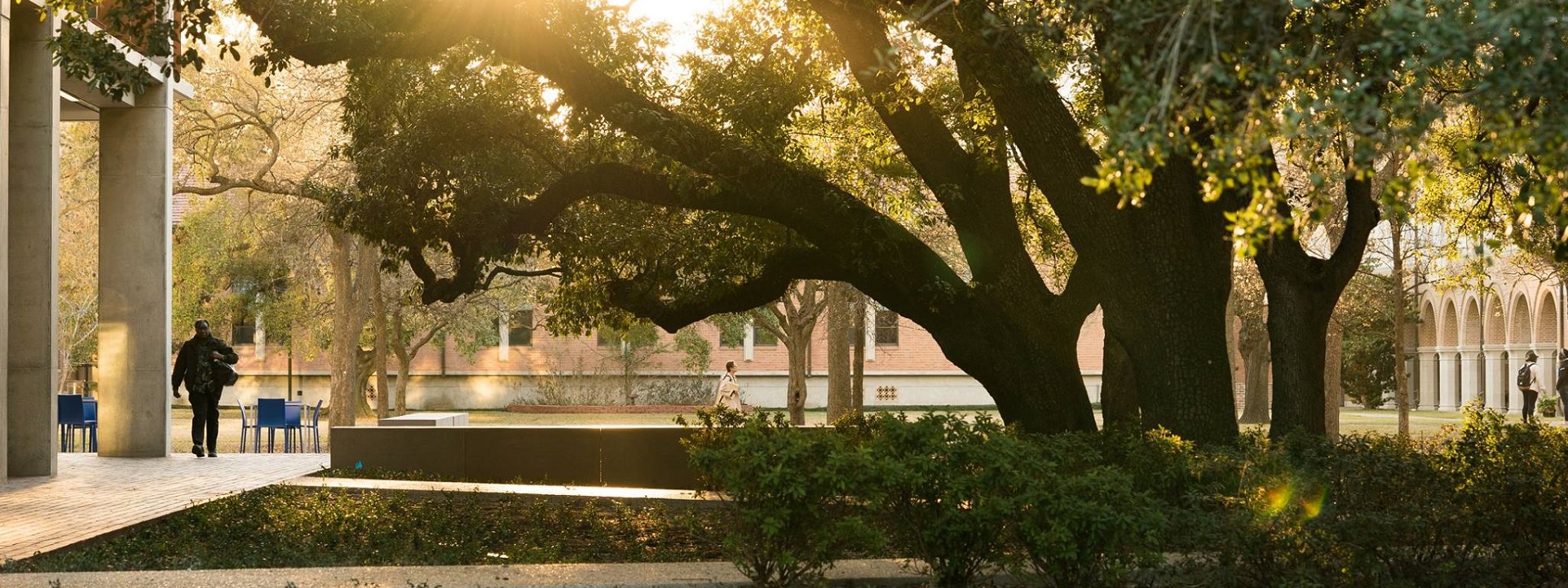
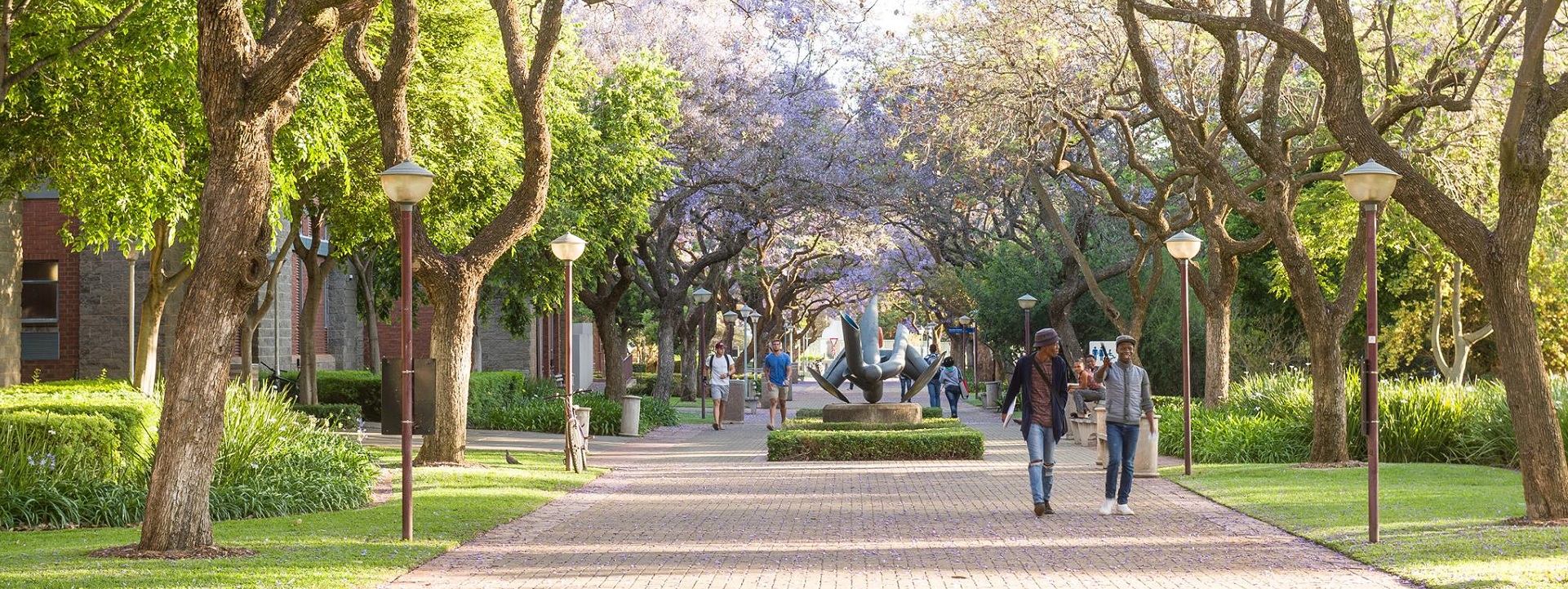
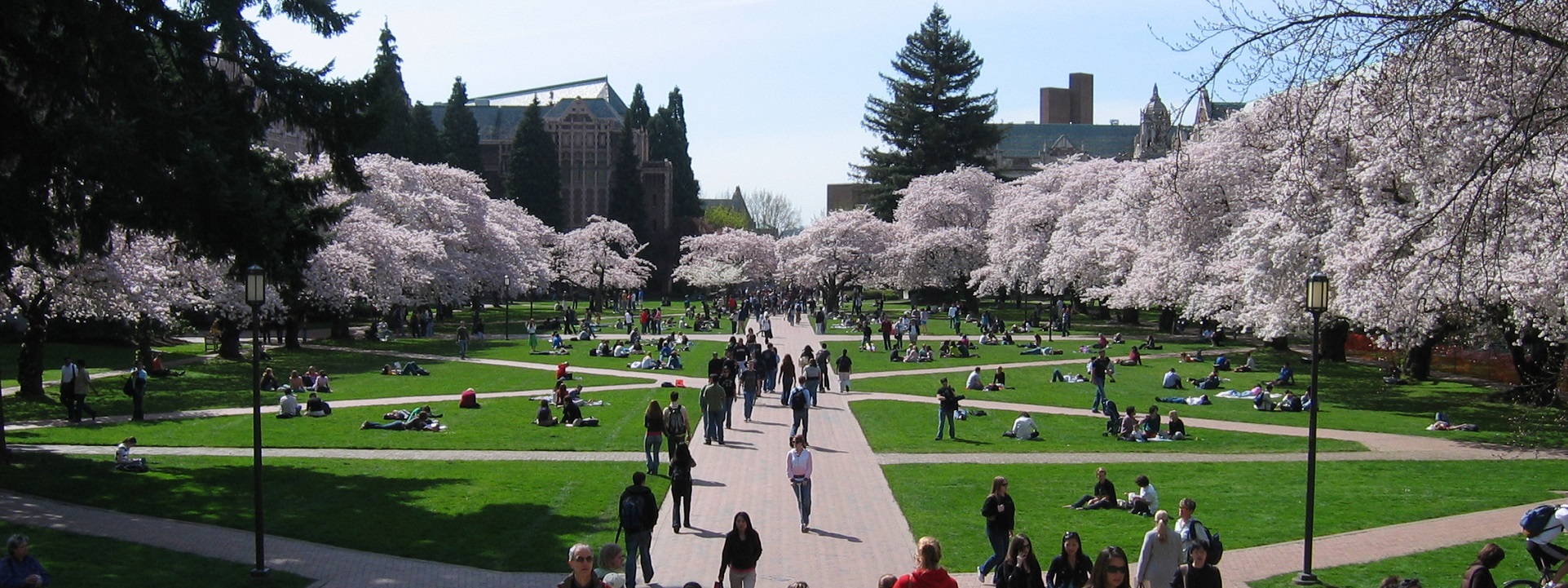
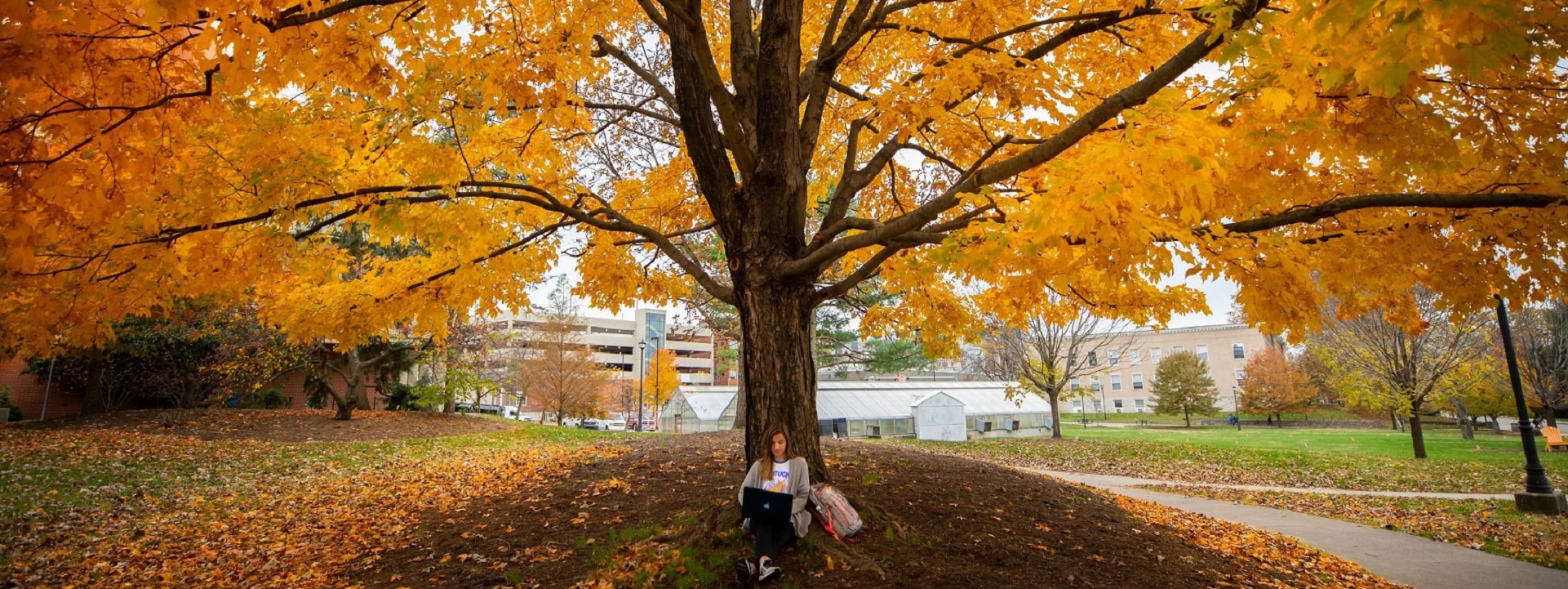
Today we walk through literature governing the safety and sustainability of the open space features of education community estates.   Unlike the titles for the building envelope, which are known to most design professionals and contractors, the standards for grounds and landscaping are widely scattered; many of them occupational safety related; created, administered and enforced by units of government.

Bucolia 100.  We present a broad overview of the dominant standards catalogs incorporated by reference into public safety and sustainability legislation.

Bucolia 200.  We drill into technical specifics of the titles in Bucolia 100.

Bucolia 400.  We pick through case studies in landscape, garden, tree and water literature.  We also track titles about the reclamation of building roofs for permeable surfaces and gardens.

During the winter months (Bucolia 200) in the northern hemisphere we include snow and ice management; while covering summer month technologies for southern hemisphere (and vice-versa).  Snowfalls in the southern hemisphere are mainly contained to the highlands and mountain ranges, which are almost exclusively in Victoria and Southern New South Wales, as well as the mountains in Tasmania.   Winter does not pose as much of a cost burden to education facilities in the southern hemisphere as it does in the northern hemisphere.

Arboreta

Landscape standards refer to guidelines or regulations that specify the requirements for the design, installation, and maintenance of outdoor spaces such as parks, gardens, streetscapes, and public spaces. Landscape standards typically cover various aspects of landscape design, including vegetation selection, planting arrangements, irrigation systems, hardscape materials, and lighting.

These standards may be set by government agencies at the federal, state, or local level, or by professional organizations such as the American Society of Landscape Architects (ASLA). Landscape standards aim to ensure that outdoor spaces are safe, functional, and aesthetically pleasing while also promoting sustainability and environmental protection.

Landscape standards may also address issues such as accessibility for people with disabilities, water conservation, stormwater management, and erosion control. They may vary depending on the specific location, climate, and intended use of the outdoor space. Compliance with landscape standards may be required for approval of development projects, public funding, or other permits.

We track the standards catalog of two ANSI-accredited standards developers:

American Hort

Tree Care Industry Association

Additional practice titles applicable to accessory systems:

ASABE/ICC 802 Landscape Irrigation Sprinkler and Emitter Standard 

ASHRAE 90.1 Energy Standard for Sites and Buildings

Golf Course Superintendents Association of America

National Electrical Code: Article 411 Low-Voltage Lighting

Upcode Article 411

National Electrical Code: Article 225: Outside Branch Circuits and Feeders

Illumination Engineering Society (Lighting Library)

IoT Enabled Smart Gardening

Land F/X: Landscape Lighting, Codes, Guidelines and Techniques  

OSHA Landscape and Horticultural Services

Sports Turf Managers Association

As a cross-cutting subjectSports Turf Managers Association ( involving soil and water and sun many other standards developers, and all levels of government, produce best practice literature for today’s topic.  We’ll have a look at what’s moving among those.

To join us use the login credentials at the upper right of our home page.

Keeping Soil Alive

Morning Porridge

September 1, 2025
mike@standardsmichigan.com

No Comments

BSI GroupThe Beans Group

Porridge is a dish made by boiling grains, legumes, or starchy plants like oats, rice, cornmeal, or barley in water or milk until it reaches a soft, thick, and creamy consistency. It’s often eaten as a breakfast food and can be sweetened with sugar, honey, or fruit, or flavored with spices and other ingredients.

Common examples include oatmeal, rice porridge (like congee), and millet porridge. The specific ingredients and preparation vary widely across cultures and regions.

Not to be confused with grits; a specific type of porridge made from corn, with a distinct texture and cultural role, while porridge is a broader category encompassing many grains and preparations.


The Chronicle of Higher Education: How higher education is adopting new strategies in loyalty management

King County Seattle

“The Boys in the Boat”

September 1, 2025
mike@standardsmichigan.com
, , ,
No Comments

The Boys in the Boat is a true story based on the struggles and sacrifices made by the University of Washington rowing team to compete at rowing at the 1936 Summer Olympics – Men’s eight.

Joseph Sutton-Holcomb from The Seattle Times writes that author Daniel James Brown got the idea to write this book when his neighbor Judy Willman said that her father, Joe Rantz, was a fan of his works and wanted to have a conversation with the author. That conversation with Joe Rantz about life during the Great Depression led to an in-depth chat about his time as a rower at the University of Washington.

Chanson de matin Op.15 No. 2

September 1, 2025
mike@standardsmichigan.com
, , , , , , , ,
No Comments

“Chanson de Matin” is characterized by its light, lyrical, and charming melody, which evokes a sense of freshness and optimism associated with the early hours of the day. Elgar is known for his ability to capture various moods and emotions in his compositions.

Anderson University School of Music, Theater, and Dance

Physical Plant | Anderson University

Indiana

Inglenook

September 1, 2025
mike@standardsmichigan.com
, ,
No Comments

K-12 Schools with Fireplaces as a Library Focal Point

The home is the empire! There is no peace more delightful than one's own fireplace. - Marcus Tullius Cicero

"Firelight magnifies the soul of a room, and it is there that life unfolds in its purest form" -- Thomas HardyRobert Frost: "Some say the world will end in fire, some say in ice."

An inglenook is an intimate space typically found beside a fireplace. Inglenooks often have built-in seating or benches, providing a comfortable spot for people to gather around the warmth of the fire.  Originally inspired by cooking, but over time, they became more functional as spaces for relaxation, reflection, reading and socializing.

Today at the usual hour we examine that state of best practice literature for their safety and sustainability,

The codes, standards and guidelines that track accepted best practice:

ASME

ASME B31.9 – Building Services Piping

ASME B31.8 – Gas Transmission and Distribution Piping Systems

ASTM

ASTM E2726 – Standard Terminology Relating to Chimneys and Ventilation Systems

ASTM E2558 – Standard Test Method for Determining Particulate Matter Emissions from Fires in Wood-Burning Fireplaces

AGA

Natural Gas Transmission & Distribution

Environmental Protection Agency

EPA Emission Standards (for Wood Stoves)

Compliance Requirements for Residential Wood Heaters

ICC

International Building Code: Chapter 21 Masonry

International Fuel Gas Code

IEEE

A Dynamic Equivalent Energy Storage Model of Natural Gas Networks for Joint Optimal Dispatch of Electricity-Gas Systems

NFPA

NFPA 221 Standard for Chimneys, Fireplaces, Vents, and Solid Fuel-Burning Appliances

NFPA 10 Standard for Portable Fire Extinguishers

Underwriters Laboratories

UL 127 for factory-built fireplaces

UL 103 for chimney systems

United States Department of Energy

Fireplaces, Proper Ventilation for New Wood-Burning Fireplaces 

“Fire at Full Moon” 1933 | Paul Klee

Representative Specifications:

University of Vermont: Ignite Your Knowledge of Fireplace Safety

City of Chicago: Gas Distribution Piping Inside of Buildings

University of Rochester: Fire Place Safety

University of Michigan

Related:

Town Gas


All Season Outdoor Swim & Dive

September 1, 2025
mike@standardsmichigan.com
, ,
No Comments

Masters University Facilities

Standards California

Readings / The Education of Henry Adams

September 1, 2025
mike@standardsmichigan.com

No Comments

Financial Report 2024 | Financial Administration | Ritu Kalra CFO

America’s Harvard Problem

The Education of Henry Adams

“…For generation after generation, Adamses and Brookses and Boylstons and Gorhams had gone to Harvard College, and although none of them, as far as known, had ever done any good there, or thought himself the better for it, custom, social ties, convenience, and above all economy kept each generation in the track. Any other education would have required a serious effort, but no one took Harvard College seriously. All went there because their friends went there and the College was their ideal of social self-respect.

Harvard College, as far as it educated at all, was a mild and liberal school which sent young men into the world with all they needed to make respectable citizens and something of what they wanted to make useful ones. Leaders of men it never tried to make. Its ideals were altogether different. The Unitarian clergy had given to the College a character of moderation, balance, judgment, restraint, what the French called mesure: excellent traits which the College attained with singular success so that its graduates could commonly be recognized by the stamp, but such a type of character rarely lent itself to autobiography. Four years of Harvard College, if successful, resulted in an autobiographical blank, a mind on which only a watermark had been stamped.

The stamp, as such things went, was a good one. The chief wonder of education is that it does not ruin everybody concerned in it, teachers and taught. Sometimes in afterlife, Adams debated whether in fact it had not ruined him and most of his companions, but disappointment apart, Harvard College was probably less hurtful than any other university then in existence. It taught little, and that little ill, but it left the mind open, free from bias, ignorant of facts, but docile. The graduate had few strong prejudices. He knew little but his mind remained supple, ready to receive knowledge.

The class of 1858, to which Henry Adams belonged, was a typical collection of young New Englanders, quietly penetrating and aggressively commonplace; free from meannesses, jealousies, intrigues, enthusiasms, and passions; not exceptionally quick; not consciously skeptical; singularly indifferent to display, artifice, florid expression, but not hostile to it when it amused them; distrustful of themselves, but little disposed to trust anyone else; with not much humor of their own, but full of readiness to enjoy the humor of others; negative to a degree that in the long run became positive and triumphant. Not harsh in manners or judgment, rather liberal and open-minded, they were still as a body the most formidable critics one would care to meet in a long life exposed to criticism. They never flattered, seldom praised; free from vanity, they were not intolerant of it; but they were objectiveness itself; their attitude was a law of nature; their judgment beyond appeal, not an act either of intellect or emotion or of will but a sort of gravitation.

This was Harvard College incarnate, but even for Harvard College, the class of 1858 was somewhat extreme. Of unity this band of nearly one hundred young men had no keen sense, but they had equally little energy of repulsion. They were pleasant to live with, and above the average of students—German, French, English, or whatnot—but chiefly because each individual appeared satisfied to stand alone. It seemed a sign of force; yet to stand alone is quite natural when one has no passions, still easier when one has no pains.

If the student got little from his mates, he got little more from his masters. The four years passed at college were, for his purposes, wasted. Harvard College was a good school, but at bottom what the boy disliked most was any school at all. He did not want to be one in a hundred—1 percent of an education. He regarded himself as the only person for whom his education had value, and he wanted the whole of it. He got barely half of an average. Long afterward, when the devious path of life led him back to teach in his turn what no student naturally cared or needed to know, he diverted some dreary hours of faculty meetings by looking up his record in the class lists and found himself graded precisely in the middle. In the one branch he most needed—mathematics—barring the few first scholars, failure was so nearly universal that no attempt at grading could have had value, and whether he stood fortieth or ninetieth must have been an accident or the personal favor of the professor. Here his education failed lamentably. At best he could never have been a mathematician, at worst he would never have cared to be one; but he needed to read mathematics, like any other universal language, and he never reached the alphabet.

Beyond two or three Greek plays, the student got nothing from the ancient languages. Beyond some incoherent theories of free trade and protection, he got little from political economy. He could not afterward remember to have heard the name of Karl Marx mentioned, or the title of Capital. He was equally ignorant of Auguste Comte. These were the two writers of his time who most influenced its thought. The bit of practical teaching he afterward reviewed with most curiosity was the course in chemistry, which taught him a number of theories that befogged his mind for a lifetime. The only teaching that appealed to his imagination was a course of lectures by Louis Agassiz on the glacial period and palaeontology, which had more influence on his curiosity than the rest of the college instruction altogether. The entire work of the four years could have been easily put into the work of any four months in afterlife.

Harvard College was a negative force, and negative forces have value. Slowly it weakened the violent political bias of childhood, not by putting interests in its place, but by mental habits which had no bias at all. It would also have weakened the literary bias if Adams had been capable of finding other amusement, but the climate kept him steady to desultory and useless reading, till he had run through libraries of volumes which he forgot even to their title pages. Rather by instinct than by guidance, he turned to writing, and his professors or tutors occasionally gave his English composition a hesitating approval; but in that branch, as in all the rest, even when he made a long struggle for recognition, he never convinced his teachers that his abilities, at their best, warranted placing him on the rank list, among the first third of his class. Instructors generally reach a fairly accurate gauge of their scholars’ powers. Henry Adams himself held the opinion that his instructors were very nearly right, and when he became a professor in his turn and made mortifying mistakes in ranking his scholars, he still obstinately insisted that on the whole, he was not far wrong. Student or professor, he accepted the negative standard because it was the standard of the school…”

Selected Reviews

Claremont Review of Books

The Millions

Kenyon Review

Amazon


Layout mode
Predefined Skins
Custom Colors
Choose your skin color
Patterns Background
Images Background
error: Content is protected !!
Skip to content