
The legacy of Merry Old England lives on in the American South. pic.twitter.com/ujnDUIz3Q3
— 𝒩𝒶𝓉𝒶𝓁𝒾𝒶 (@classicspilled) October 3, 2025


The legacy of Merry Old England lives on in the American South. pic.twitter.com/ujnDUIz3Q3
— 𝒩𝒶𝓉𝒶𝓁𝒾𝒶 (@classicspilled) October 3, 2025
First Draft Meeting Minutes | January 13, 2026
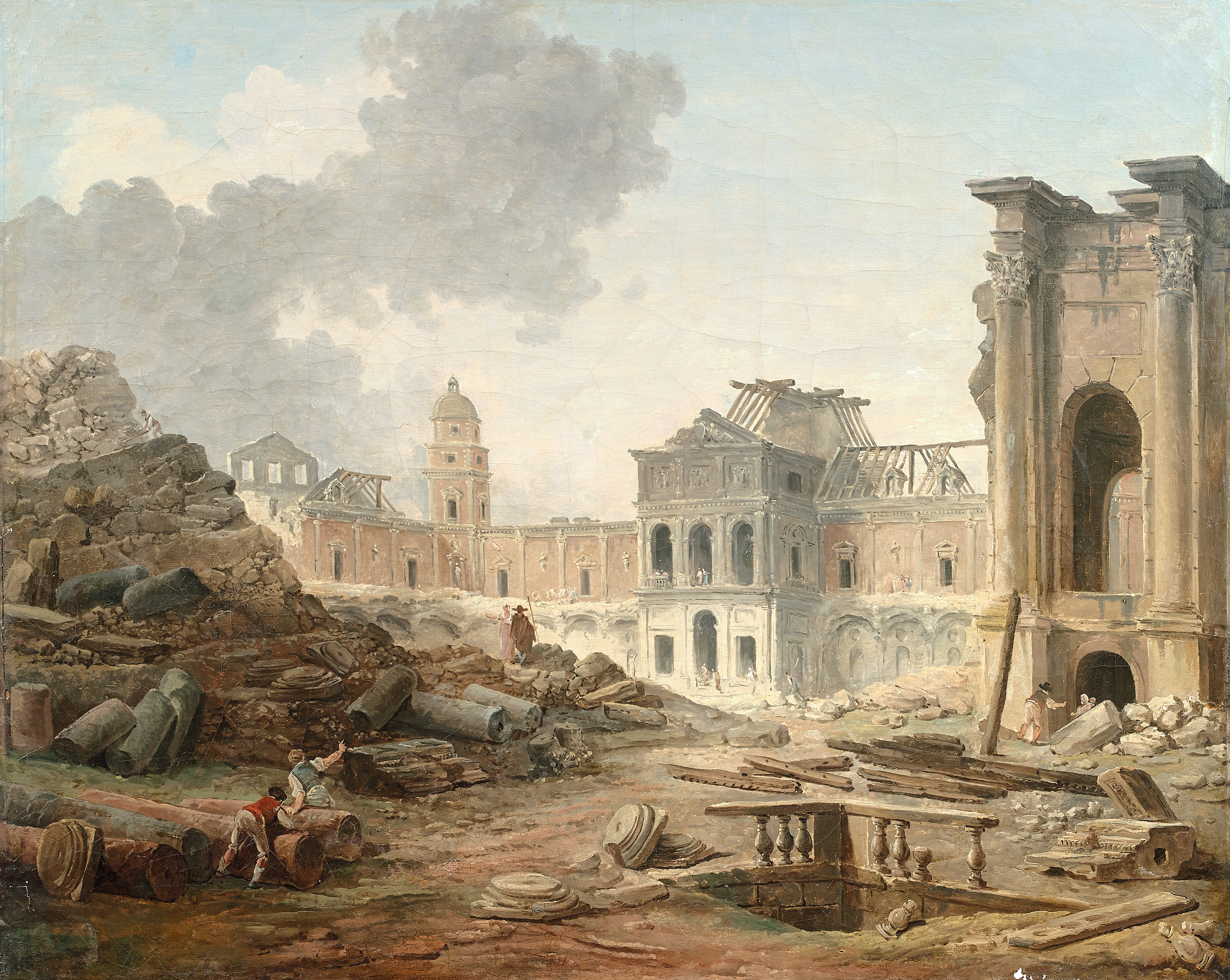
Château de Meudon

We have advocated education community risk management concepts since 2007; primarily in NFPA Standard 1300 — Standard on Community Risk Assessment and Community Risk Reduction Plan Development (formerly NFPA 1600). The content of this title is close-coupled with FEMA’s National Incident Management System.
Recently the National Fire Protection Association Standards Council moved to consolidate its community risk management titles as described below.
“NFPA 1660 is in a custom cycle due to the Emergency Response and Responder Safety Document Consolidation Plan (consolidation plan) as approved by the NFPA Standards Council. As part of the consolidation plan, NFPA 1660 (combining Standards NFPA 1600, NFPA 1616, and NFPA 1620) is open for public input with a closing date of November 13, 2020.”
Thus, NFPA 1600 is being sunsetted as a separate consensus product, its substance rolled into the new NFPA 1660. CLICK HERE for the new landing page for NFPA 1660.
Two links below provide a sense of the back-and-forth in the technical committee meetings:
1600_F2018_EMB_AAA_FD_PIResponses
Discussion about school and university security are noteworthy.
As described on its title page, this product will be reconfigured as NFPA 1660 Standard on Community Risk Assessment, Pre-Incident Planning, Mass Evacuation, Sheltering, and Re-entry Programs. The title suggests that NFPA 1660 is being developed to meet market need for conformance and teaching tools. You may track movement in the concepts in the links below; many of them administrative:
Emergency Management and Business Continuity
Mass Evacuation and Sheltering
NFPA 1660 will likely require one or two more revision cycles to stabilize
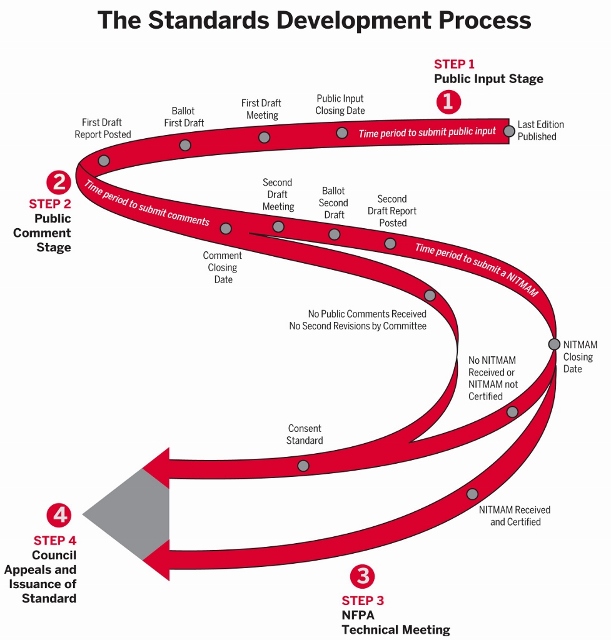
Public consultation on the Second Draft (NITMAM) closes September 9th. You may submit public input directly to NFPA by CLICKING HERE. We will have hosted several Security colloquia ahead of this deadline during which we will drill into technical and policy specifics.
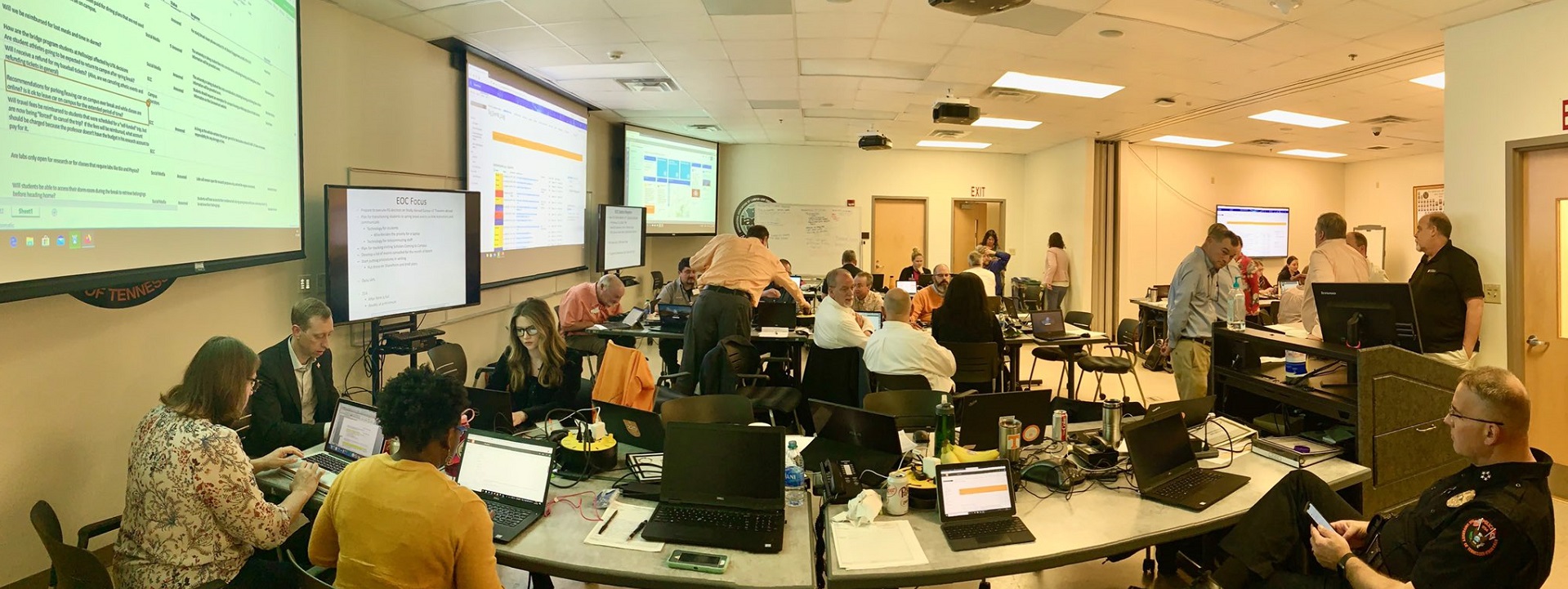
University of Tennessee
We maintain this title on our periodic Security, Disaster and Risk colloquia during which time our thoughts on the economic burden of the expanding constellation of risk management standards will be known. Thoughts that we are reluctant to write. See our CALENDAR for the next online meeting; open to everyone.
Issue: [13-58] and [18-151]
Category: Security, Risk
Colleagues: Mike Anthony, Robert G. Arno, Jim Harvey, Richard Robben
MORE >> Disaster Resiliency and NFPA Codes and Standards

“The Starry Night” | Vincent van Gogh
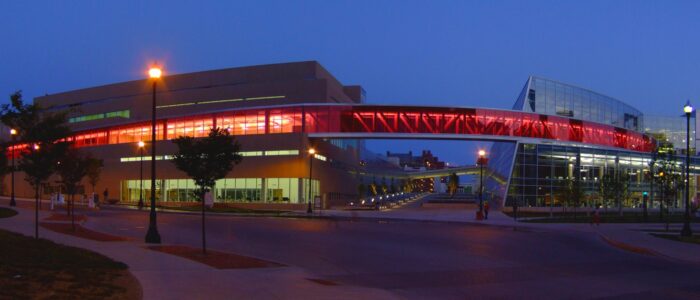
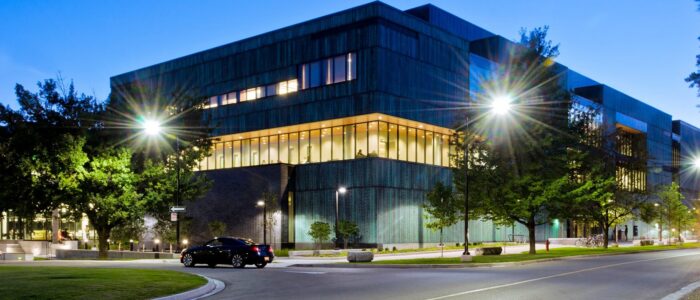
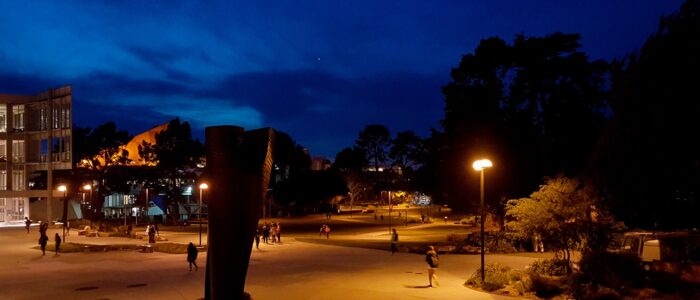
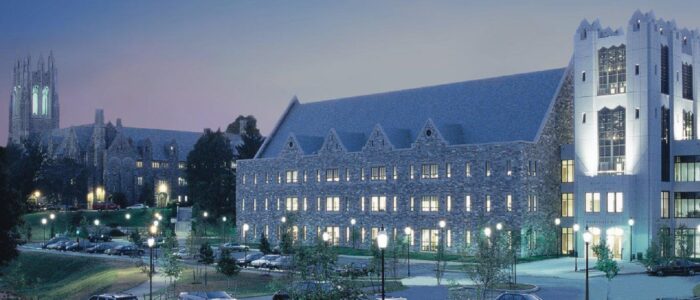
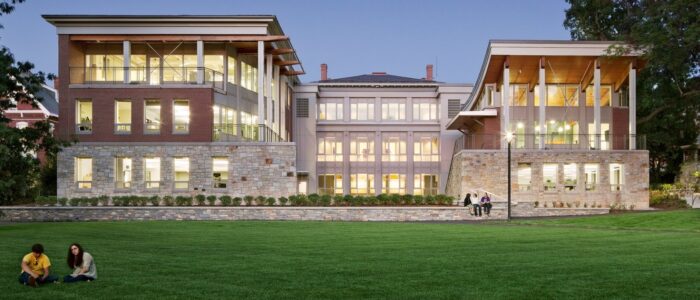
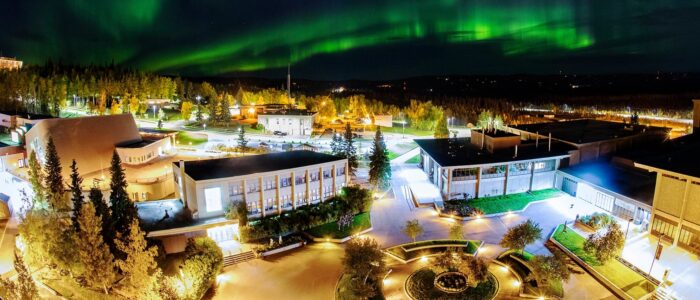
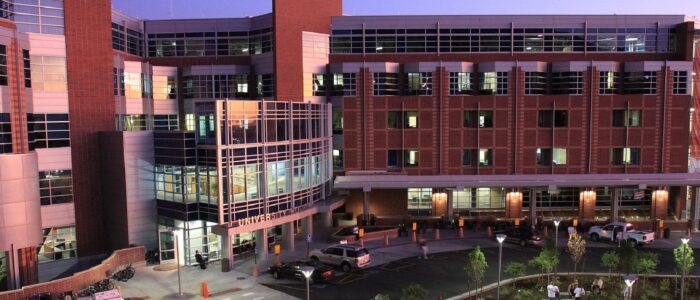
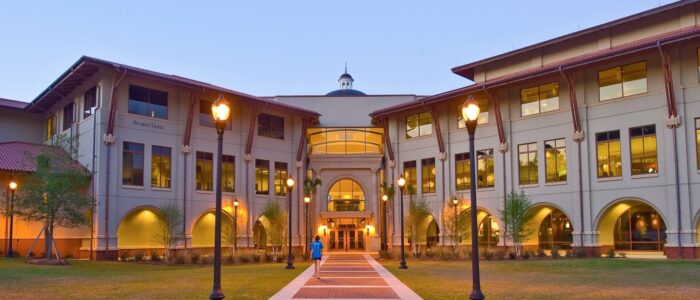
The IEEE Education & Healthcare Facilities Committee has completed a chapter on recommended practice for designing, building, operating and maintaining campus exterior lighting systems in the forthcoming IEEE 3001.9 Recommended Practice for the Design of Power Systems for Supplying Commercial and Industrial Lighting Systems; a new IEEE Standards Association title inspired by, and derived from, the legacy “IEEE Red Book“. The entire IEEE Color Book suite is in the process of being replaced by the IEEE 3000 Standards Collection™ which offers faster-moving and more scaleable, guidance to campus power system designers.
Campus exterior lighting systems generally run in the 100 to 10,000 fixture range and are, arguably, the most visible characteristic of public safety infrastructure. Some major research universities have exterior lighting systems that are larger and more complex than cooperative and municipal power company lighting systems which are regulated by public service commissions.
While there has been considerable expertise in developing illumination concepts by the National Electrical Manufacturers Association, Illumination Engineering Society, the American Society of Heating and Refrigeration Engineers, the International Electrotechnical Commission and the International Commission on Illumination, none of them contribute to leading practice discovery for the actual power chain for these large scale systems on a college campus. The standard of care has been borrowed, somewhat anecdotally, from public utility community lighting system practice. These concepts need to be revisited as the emergent #SmartCampus takes shape.
Electrical power professionals who service the education and university-affiliated healthcare facility industry should communicate directly with Mike Anthony (maanthon@umich.edu) or Jim Harvey (jharvey@umich.edu). This project is also on the standing agenda of the IEEE E&H committee which meets online 4 times monthly — every other Tuesday — in European and American time zones. Login credentials are available on its draft agenda page.

Issue: [15-199]
Category: Electrical, Public Safety, Architectural, #SmartCampus, Space Planning, Risk Management
Contact: Mike Anthony, Kane Howard, Jim Harvey, Dev Paul, Steven Townsend, Kane Howard
LEARN MORE:
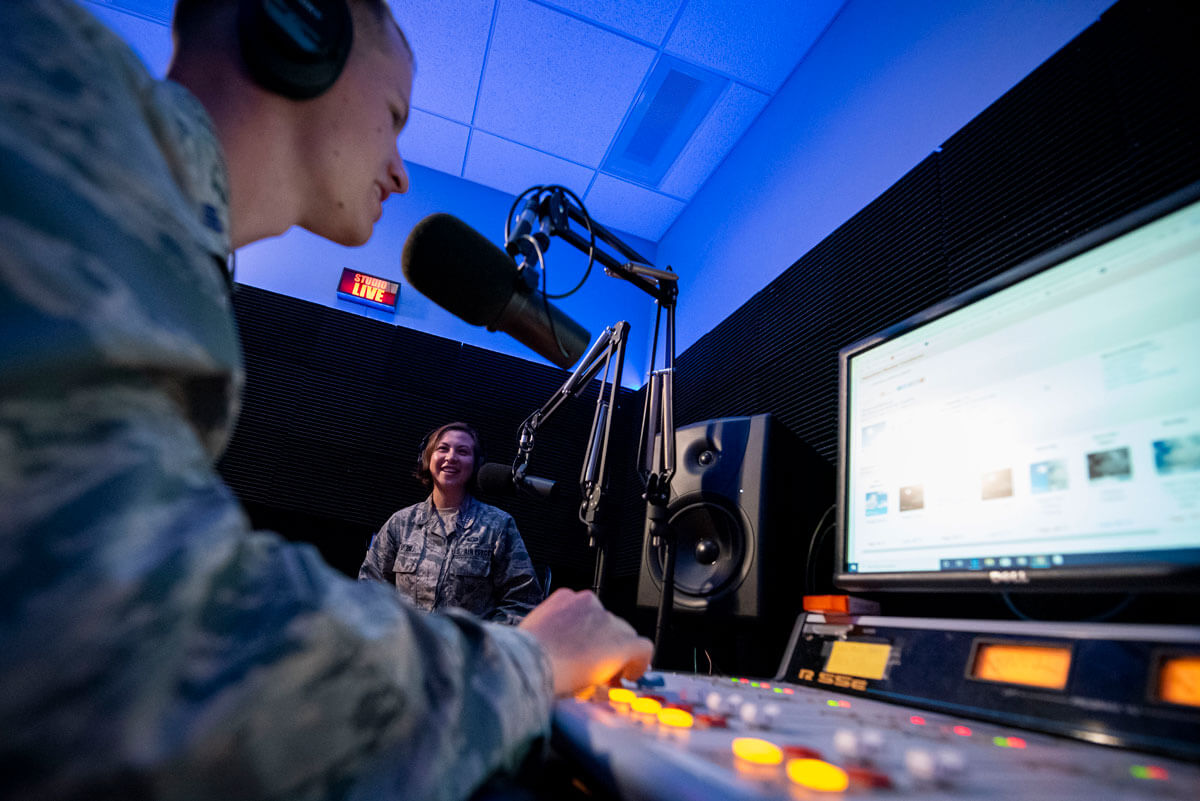
“We see that the Pacific theater presents significantly longer distances than any theater we operated in the recent past, and that’s going to present some pretty significant fuel/logistic supply chain risk,” said DAD Roberto Guerrero.https://t.co/ncdcEwP6d3
— Air Force Energy (@AFEnergy) May 15, 2023
How many pounds of stuffing can a C-5 carry? Asking for a friend… #HappyThanksgiving @TeamCharleston @Travis60AMW pic.twitter.com/kKkBIEC5py
— Air Force Energy (@AFEnergy) November 23, 2021
Today, special attention to managing elevator passengers trapped in elevators during power outages. Incident management involves the following:
These redundancies, required by ASME A17.1 codes in most jurisdictions, have made prolonged entrapments extremely rare and almost never dangerous.
CMP-12 Public Input Transcript | CMP-12 Public Comment Transcript

Elevator, escalator and moving walk systems are among the most complicated systems in any urban environment, no less so than on the #WiseCampus in which many large research universities have 100 to 1000 elevators to safely and economically operate, service and continuously commission. These systems are regulated heavily at state and local levels of government and have oversight from volunteers that are passionate about their work.
These “movement systems” are absorbed into the Internet of Things transformation. Lately we have tried to keep pace with the expansion of requirements to include software integration professionals to coordinate the interoperability of elevators, lifts and escalators with building automation systems for fire safety, indoor air quality and disaster management. Much of work requires understanding of the local adaptations of national building codes.
Some university elevator O&M units use a combination of in-house, manufacturer and standing order contractors to accomplish their safety and sustainability objectives.
In the United States the American Society of Mechanical Engineers is the dominant standards developer of elevator and escalator system best practice titles; its breakdown of technical committees listed in the link below:

C&S Connect: ASME Proposals Available for Public Review
Public consultation on a new standard for electrical inspector qualifications closes May 27th.
ASME A17.7/CSA B44.7 – 20XX, Performance-based code for elevators and escalators (280 pages)
Safety Code for Existing Elevators and Escalators
Guide for Inspection of Elevators, Escalators, and Moving Walks
Guide for Elevator Seismic Design
As always, we encourage facility managers, elevator shop personnel to participate directly in the ASME Codes & Standards development process. For example, it would be relatively easy for our colleagues in the Phoenix, Arizona region to attend one or more of the technical committee meetings; ideally with operating data and a solid proposal for improving the A17 suite.
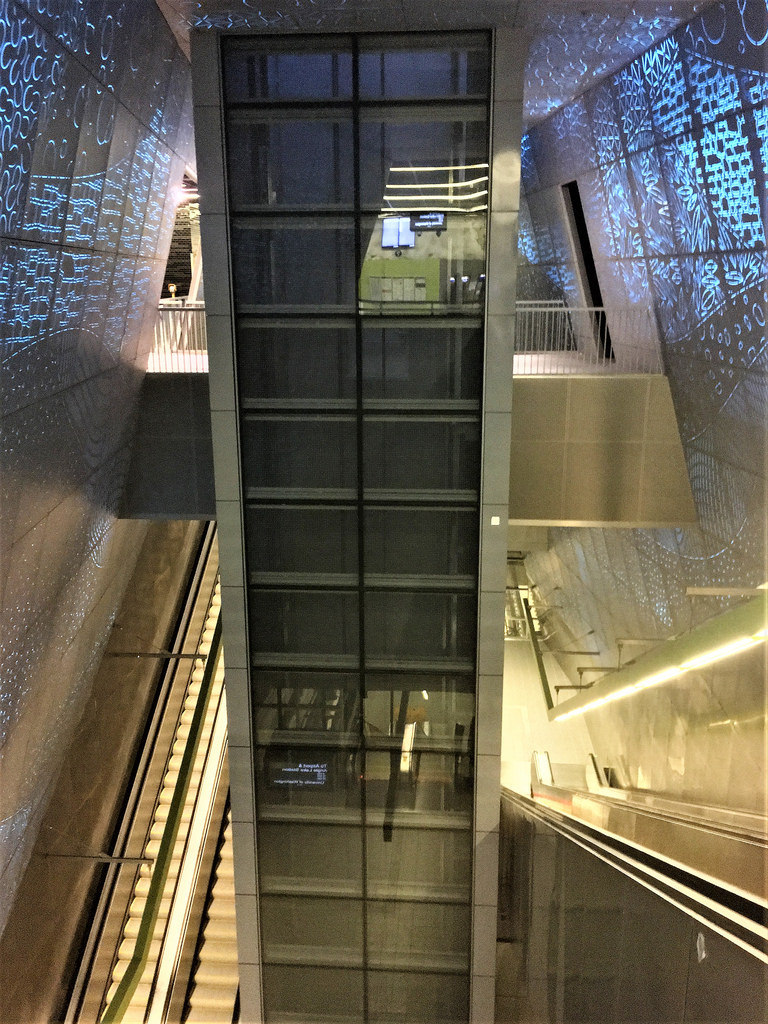
University of Wisconsin Stadium Elevator
All ASME standards are on the agenda of our Mechanical, Pathway and Elevator & Lift colloquia. See our CALENDAR for the next online teleconferences; open to everyone. Use the login credentials at the upper right of our home page.
Issue: [11-50]
Category: Electrical, Elevators, #WiseCampus
Colleagues: Mike Anthony, Jim Harvey, Richard Robben, Larry Spielvogel
More:
Bibliography: Elevators, Lifts and Moving Walks
ISO/TC 178 Lifts, escalators and moving walks
Today at the usual hour we sort through the NFPA stack for fire safety system aspects during renovation, alteration, or rehabilitation of buildings. Two sections come to mind:
Chapter 43 (NFPA 101): Building Rehabilitation
Educational and Day-Care Occupancies (July 23, 2025 Second Draft Transcript)
The Life Safety Code addresses those construction, protection, and occupancy features necessary to minimize danger to life from the effects of fire, including smoke, heat, and toxic gases created during a fire. It is widely incorporated by reference into public safety statutes; typically coupled with the consensus products of the International Code Council. It is a mighty document — one of the NFPA’s leading titles — so we deal with it in pieces; consulting it for decisions to be made for the following:
(1) Determination of the occupancy classification in Chapters 12 through 42.
(2) Determination of whether a building or structure is new or existing.
(3) Determination of the occupant load.
(4) Determination of the hazard of contents.
There are emergent issues — such as active shooter response, integration of life and fire safety systems on the internet of small things — and recurrent issues such as excessive rehabilitation and conformity criteria and the ever-expanding requirements for sprinklers and portable fire extinguishers with which to reckon. It is never easy telling a safety professional paid to make a market for his product or service that it is impossible to be alive and safe. It is even harder telling the dean of a department how much it will cost to bring the square-footage under his stewardship up to the current code.
The 2021 edition is the current edition and is accessible below:
NFPA 101 Life Safety Code Free Public Access
Public input on the 2027 Revision will be received until June 4, 2024. Public comment on the Second Draft 2027 Revision will be received until March 31, 2026.
Since the Life Safety Code is one of the most “living” of living documents — the International Building Code and the National Electric Code also move continuously — we can start anywhere and anytime and still make meaningful contributions to it. We have been advocating in this document since the 2003 edition in which we submitted proposals for changes such as:
• A student residence facility life safety crosswalk between NFPA 101 and the International Building Code
• Refinements to Chapters 14 and 15 covering education facilities (with particular attention to door technologies)
• Identification of an ingress path for rescue and recovery personnel toward electric service equipment installations.
• Risk-informed requirement for installation of grab bars in bathing areas
• Modification of the 90-minute emergency lighting requirements rule for small buildings and for fixed interval testing
• Modification of emergency illumination fixed interval testing
• Table 7.3.1 Occupant Load revisions
• Harmonization of egress path width with European building codes
There are others. It is typically difficult to make changes to stabilized standard though some of the concepts were integrated by the committee into other parts of the NFPA 101 in unexpected, though productive, ways. Example transcripts of proposed 2023 revisions to the education facility chapter is linked below:
Chapter 14 Public Input Report: New Educational Occupancies
Educational and Day Care Occupancies: Second Draft Public Comments with Responses Report
Since NFPA 101 is so vast in its implications we list a few of the sections we track, and can drill into further, according to client interest:
Chapter 3: Definitions
Chapter 7: Means of Egress
Chapter 12: New Assembly Occupancies
Chapter 13: Existing Assembly Occupancies
Chapter 16 Public Input Report: New Day-Care Facilities
Chapter 17 Public Input Report: Existing Day Care Facilities
Chapter 18 Public Input Report: New Health Care Facilities
Chapter 19 Public Input Report: Existing Health Care Facilities
Chapter 28: Public Input Report: New Hotels and Dormitories
Chapter 29: Public Input Report: Existing Hotels and Dormitories
Chapter 43: Building Rehabilitation
Annex A: Explanatory Material
As always we encourage front-line staff, facility managers, subject matter experts and trade associations to participate directly in the NFPA code development process (CLICK HERE to get started)
NFPA 101 is a cross-cutting title so we maintain it on the agenda of our several colloquia —Housing, Prometheus, Security and Pathways colloquia. See our CALENDAR for the next online meeting; open to everyone.
Issue: [18-90]
Category: Fire Safety, Public Safety
Colleagues: Mike Anthony, Josh Elvove, Joe DeRosier, Marcelo Hirschler
More
When lives are at stake, alternative approaches are welcome. #LifeSafety #AlternativeApproaches #Code #NFPA101 @NFPA
https://t.co/JvWyyZtuLP— ANSI (@ansidotorg) December 20, 2018
2024 International Fire Code | Free Access
Crosswalk: NFPA Fire Code and ICC International Fire Code
Not to worry, I have a permit. pic.twitter.com/SUp9ztTH2g
— Emily Laudin (@EmilyLaudin) August 4, 2024
2024 GROUP A PROPOSED CHANGES TO THE I-CODES based on Committee Action Hearings October 2024
2024 GROUP A PROPOSED CHANGES TO THE I-CODES
2024/2025/2026 ICC CODE DEVELOPMENT SCHEDULE
ICC BCAC | Comments to be presented at October Hearings
Noteworthy Proposals:
IFC 1010.27 Locking arrangements, PDF page 252
IFC 1020.2 Corridor Fire Resistance Ratings. PDF page 356
IFC 915 More Carbon Monoxide Detection Systems, PDF page 1156
IBC 917 Mass notification for Group E occupancies, PDF page 1176
IFC 5701 More Process Hazard Analysis, PDF page 1571
The transcript (Complete Monograph) of Committee Actions should be available by September 5th.
Committee Action Hearings on Proposed Changes: October 23-31 Long Beach, California
_Mauritshuis_171.jpg)
“A Square with Imaginary Buildings” | Hendrik van Steenwijck (1614)

“Waking Effectiveness of Alarms for Adults Who Are Hard of Hearing” 2007 Victoria University, Australia
Health Facilities: Navigating IBC and NFPA differences
Posted February 14, 2023
Free access to the latest edition of the IFC is linked below:
Following the ICC Group A revision cycle public consultation on the 2024 International Fire Code will begin. The ICC will announce the development schedule sometime in 2022.
We limit our resources simply tracking the proposals that run through Group E (Educational) and Group I (Institutional) occupancies in the Group A suite with closer attention to the state they are adopted whole cloth or with local exceptions. In many cases, IFC adoption by state and local authorities is delayed by one or more previous code revisions. This delay in adoption may be necessary in order for jurisdictions to evaluate the impact of changes upon the region under their authority.
Public safety budgets historically support the local and state fire marshal and his or her staff. The revenue stream of many trade associations originates from membership, conference attendance, training and certification enterprises that service the public sector stakeholder. Manufacturer sponsorship of trade association conferences is noteworthy.
Unless there is an idea, or proposed regulation that has run off the rails (either in terms of rigor or cost increase) — we place fire safety in the middle of our ranking of priorities. With gathering pace, we find many fires safety goals being met with electrotechnologies where we place our highest priority.
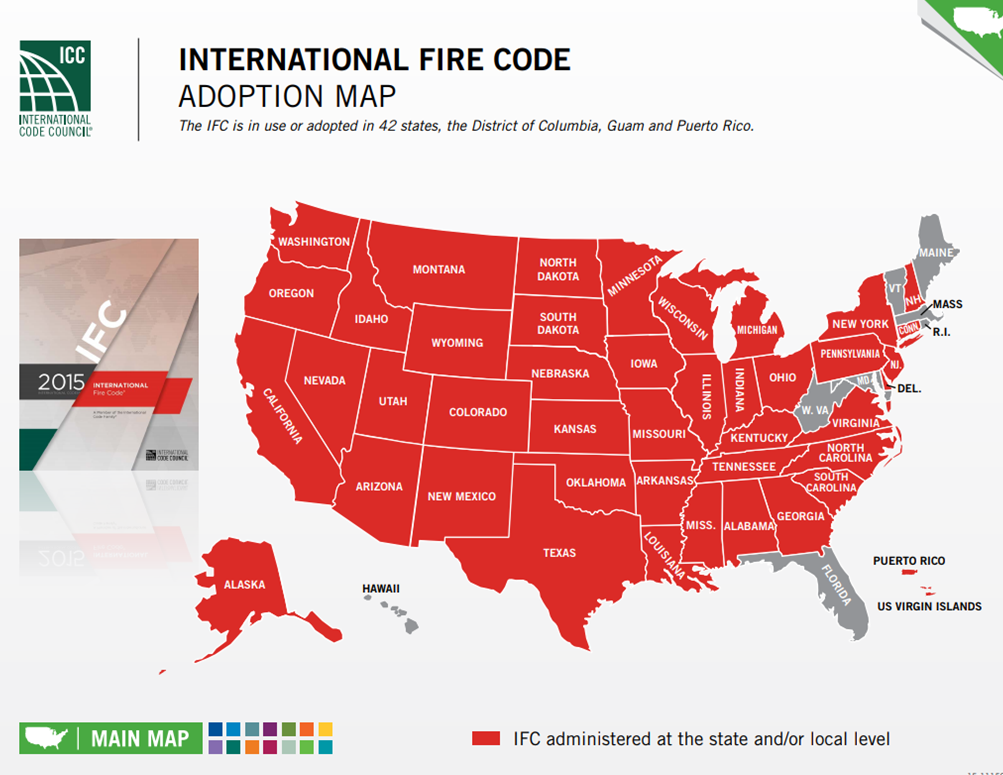
Click on image for more information. The map is updated by expert agencies frequently so we recommend a web search for an update.
Significant code changes rarely happen within a 3-year cycle so it is wise to follow ideas as they travel through the agendas of technical committees through several cycles as administered by the Fire Code Action Committee.
The ICC posts the transcripts of public proposals, technical committee responses to public proposals, public response to the technical committee response and the final balloting in a fair and reasonable fashion as can be seen in the transcripts linked below:
2021 International Fire Code Proposed Changes
2021 International Fire Code Public Comment Agenda
A search on the terms “classroom” or “school” in any of the documents above offers granular insight into the trend of current thinking. We find fire extinguishers placement a perennial concern across several standards suites. You will note the careful consideration of proposals for use of the mass notification systems, now integrated into fire alarm systems and their deployment in active shooter situations.
The transcripts reveal detailed understanding and subtlety.

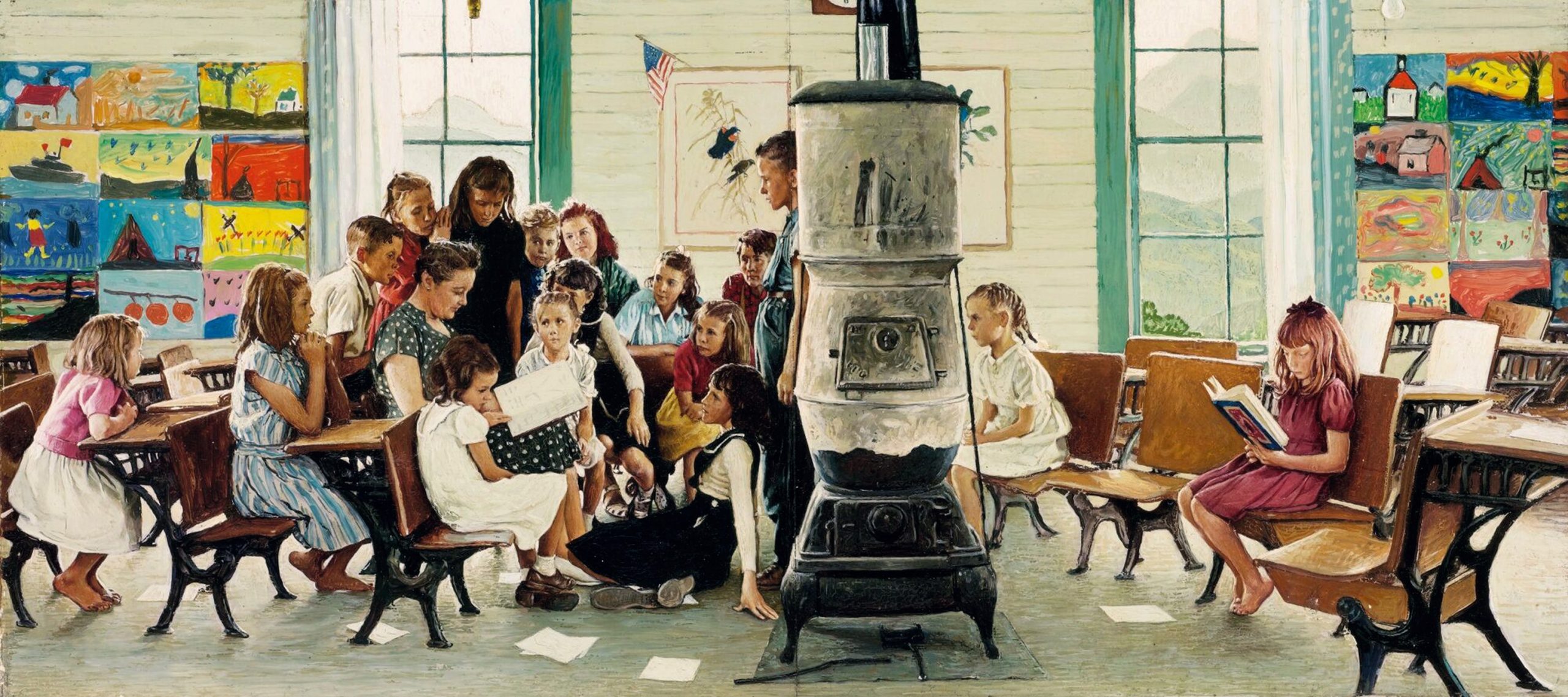
“The Country School” | Winslow Homer
There are many issues affecting the safety and sustainability of the education facility industry. We add value to the industry because of our cross-cutting perspective on the hundreds of “silos”created by the competition (and sometimes cooperation) among accredited, consortia and open-source standards developers. We have the door open every day at 11 AM Eastern time to enlighten understanding of them all. We also host a breakout teleconference every month to drill into the specifics of standards action on fire safety for the real assets of school districts, colleges and universities. See our CALENDAR for the next online meeting.
Finally, we persist in encouraging education industry facility managers (especially those with operations and maintenance data) to participate in the ICC code development process. You may do so by CLICKING HERE.
The ICC Group B Code Meetings will be hosted soon and open to the public:
The Group B tranche is largely focused on energy, structural, residential and existing building concepts but all of the titles cross-reference the IFC in some way so it is wise to follow how the concepts re-arrange and cross-reference themselves with each cycle.
Issue: [16-169]
Category: Architectural, Facility Asset Management, Space Planning
Colleagues: Mike Anthony, Casey Grant, Joshua Evolve, Marcelo Hirschler
More
2021/2022 ICC CODE DEVELOPMENT SCHEDULE
FINAL ACTION RESULTS ON THE 2018 PROPOSED CHANGES TO THE INTERNATIONAL CODES – GROUP A
2018 GROUP A PROPOSED CHANGES TO THE I-CODES COLUMBUS COMMITTEE ACTION HEARINGS
2018 GROUP A PUBLIC COMMENT AGENDA | INTERNATIONAL BUILDING CODE
2018 GROUP A PUBLIC COMMENT AGENDA | INTERNATIONAL FIRE CODE
2018 REPORT OF THE COMMITTEE ACTION HEARINGS ON THE 2018 EDITIONS OF THE GROUP A INTERNATIONAL CODES

(Night’s Rest) from the Times of Day series. (1889) Alphonse Mucha (1860-1939) pic.twitter.com/FWv0zVmRqN
— Filipe Floyd (@FloydFilipe) September 12, 2023
New update alert! The 2022 update to the Trademark Assignment Dataset is now available online. Find 1.29 million trademark assignments, involving 2.28 million unique trademark properties issued by the USPTO between March 1952 and January 2023: https://t.co/njrDAbSpwB pic.twitter.com/GkAXrHoQ9T
— USPTO (@uspto) July 13, 2023
Standards Michigan Group, LLC
2723 South State Street | Suite 150
Ann Arbor, MI 48104 USA
888-746-3670
 |
 |
|
 |
 |
|
 |
 |