
Citizens of the Earth depend upon United States leadership in this technology for several reasons:
Development: The GPS was originally developed by the US Department of Defense for military purposes, but it was later made available for civilian use. The US has invested heavily in the development and maintenance of the system, which has contributed to its leadership in this area.
Coverage: The GPS provides global coverage, with 24 satellites orbiting the earth and transmitting signals that can be received by GPS receivers anywhere in the world. This level of coverage is unmatched by any other global navigation system.
Accuracy: The US has worked to continually improve the accuracy of the GPS, with current accuracy levels estimated at around 10 meters for civilian users and even higher accuracy for military users.
Innovation: The US has continued to innovate and expand the capabilities of the GPS over time, with newer versions of the system including features such as higher accuracy, improved anti-jamming capabilities, and the ability to operate in more challenging environments such as indoors or in urban canyons.
Collaboration: The US has collaborated with other countries to expand the reach and capabilities of the GPS, such as through the development of compatible navigation systems like the European Union’s Galileo system and Japan’s QZSS system.
United States leadership in the GPS has been driven by a combination of investment, innovation, collaboration, and a commitment to improving the accuracy and capabilities of the system over time.
The Timation Development Plan led to GPS. It uses the globe. The celestial transformation which was used to sell it to the Navy was based on celestial navigation which is based on the globe. pic.twitter.com/o75BgKgy4L
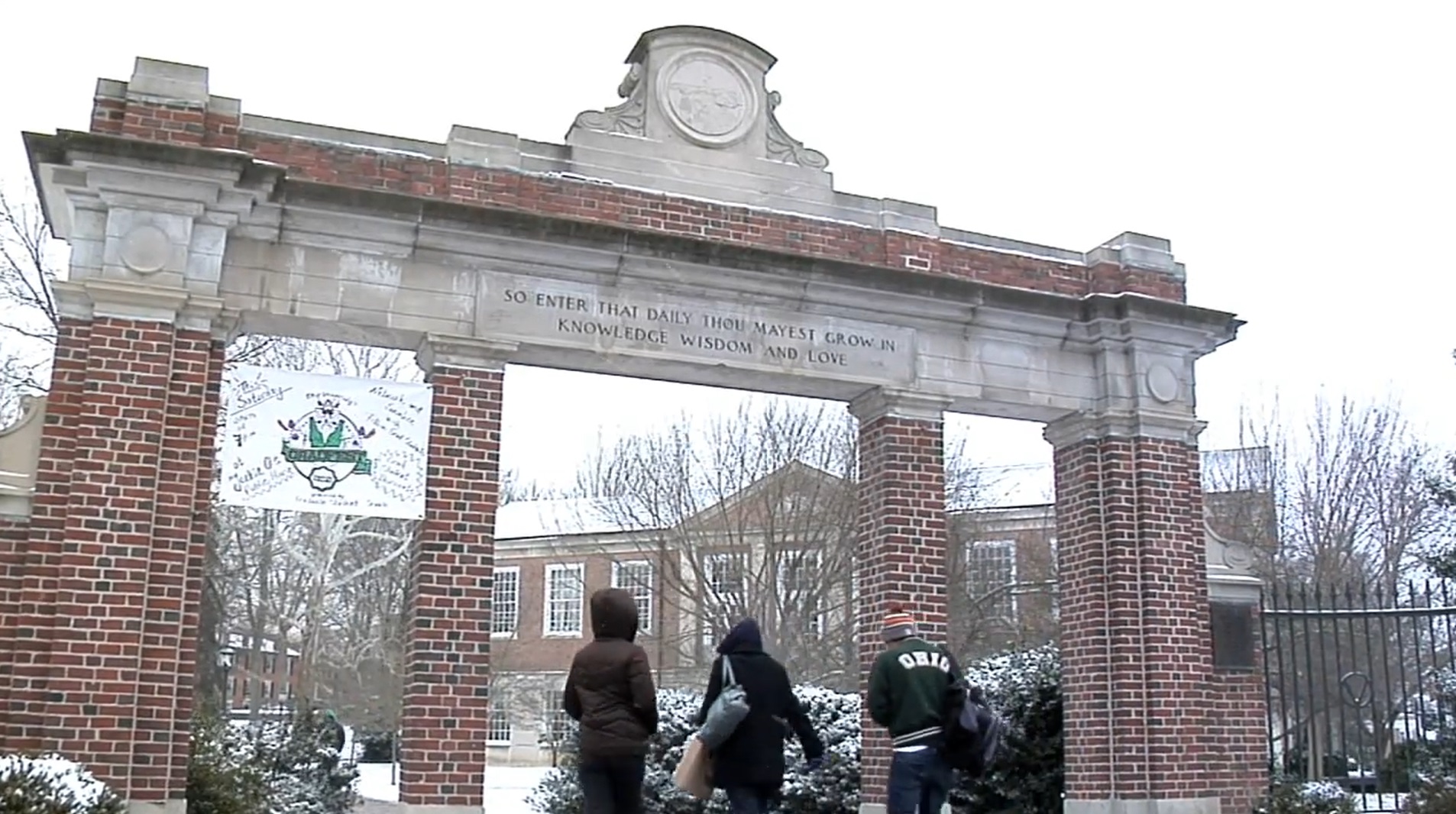
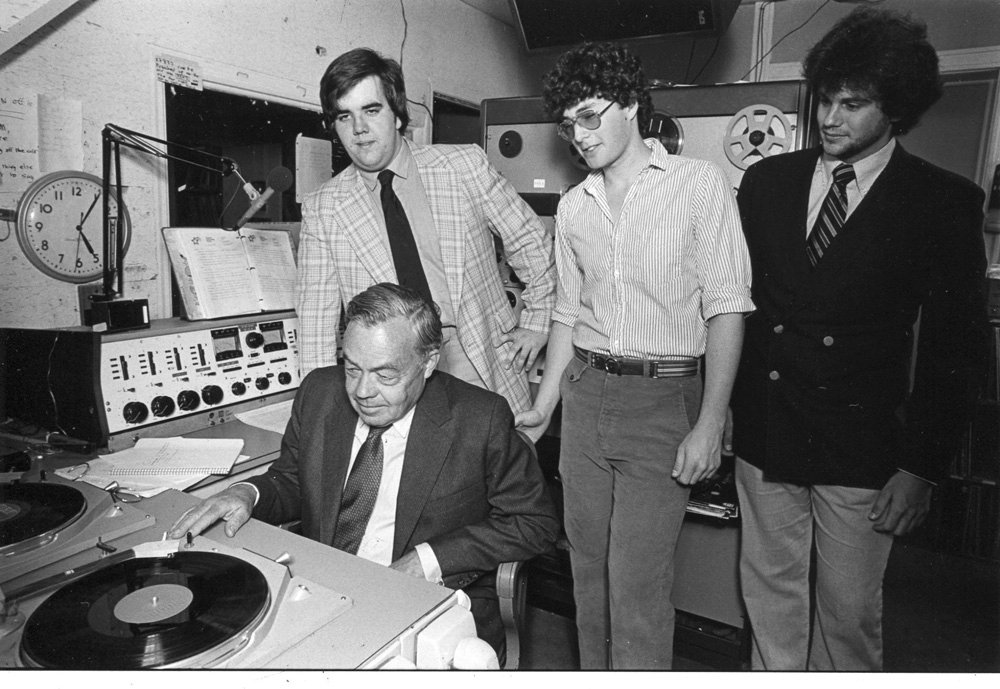
“The All-Campus Radio Network, known as ACRN Media, is Ohio University’s student-run radio station. Founded in 1971, we’ve evolved over the past 50-plus years into a media hub, producing visual, editorial and audio content in addition to radio and live music shows. ACRN Media has several departments working together to foster discussion, interaction and participation within accepting popular and DIY music cultures.”
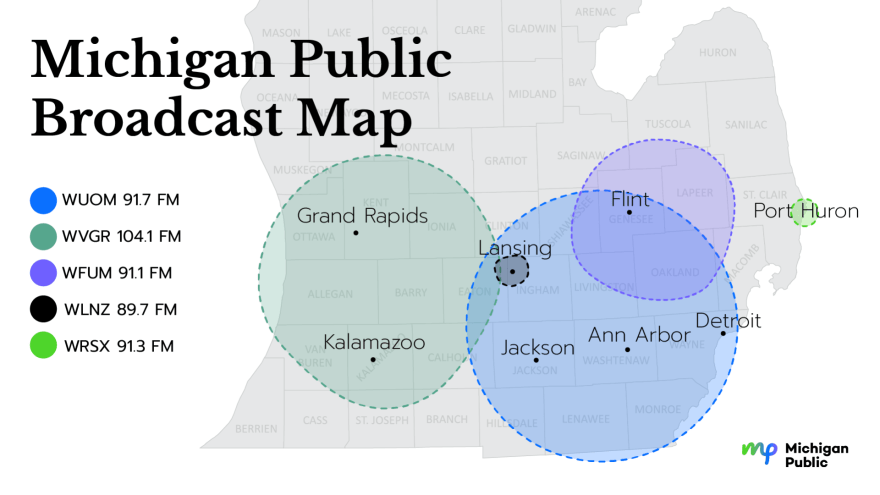
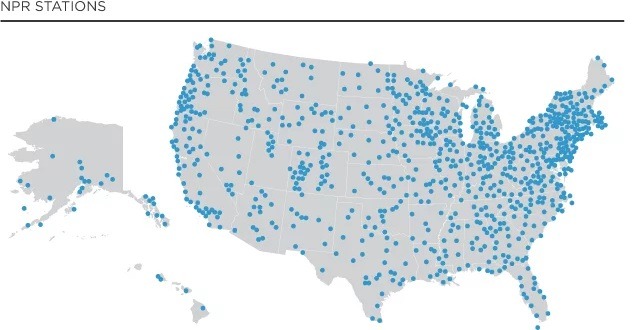
which National Public Radio service region is the most saturated? I will guess that it is Lower Penninsula Michigan which has about 10 university affiliated radio stations
Your hypothesis is a good one, but with one important qualification.
If by “most saturated” you mean the greatest concentration of NPR-affiliated stations per square mile, then Michigan’s Lower Peninsula is certainly among the most densely served regions in North America, especially because so many stations are licensed to universities. However, it is probably tied with or slightly behind a few regions such as New England and parts of North Carolina.
Lower Peninsula Michigan is unusual because of its university-based network
Within a day’s drive you can receive programming from numerous university-affiliated public radio stations, including:
Station
University
WUOM / Michigan Public
University of Michigan
WFUM
University of Michigan-Flint
WVGR
University of Michigan network
WKAR
Michigan State University
WEMU
Eastern Michigan University
WMUK
Western Michigan University
WCMU
Central Michigan University
WNMU
Northern Michigan University (Upper Peninsula)
WUCX
Delta College
WGVU
Grand Valley State University
Interlochen Public Radio
Interlochen Center for the Arts (educational institution)
Michigan Public itself operates a five-transmitter network serving roughly 80% of the population in the southern Lower Peninsula.
Other highly saturated regions
Some other areas rival Michigan:
Boston–Providence
WBUR (Boston University)
GBH
Rhode Island PBS/Radio
several nearby New England stations
North Carolina Research Triangle
WUNC (UNC)
WFDD (Wake Forest)
WNCU (North Carolina Central)
plus several statewide public radio services
Northern California
KQED
KALW
KCSM (College of San Mateo)
KCRW and others farther south
Minnesota
Minnesota Public Radio’s statewide network
university stations
strong regional overlap
Michigan’s distinctive feature
Michigan differs from most states because so many NPR member stations originated at public universities. The combination of:
University of Michigan
Michigan State
Eastern Michigan
Western Michigan
Central Michigan
Northern Michigan
Grand Valley State
Delta College
creates one of the largest concentrations of higher-education public broadcasting in the United States.
For your StandardsMich readership, an interesting observation is that this concentration reflects Michigan’s long-standing investment in public higher education. Few other states have such a dense network of university-affiliated public radio stations whose coverage areas overlap across a single peninsula. While it is difficult to declare a single “most saturated” NPR region without a formal coverage analysis, the Lower Peninsula of Michigan is a strong candidate and is almost certainly among the top few regions in North America.
suggest 10 terms of art to describe this condition
If you’re describing the unusually high concentration of public radio services in a region, especially one dominated by university licensees, here are several terms of art and coined phrases that could work for a StandardsMich article. Some are technical, while others are more journalistic or descriptive.
Term
Style
Meaning
Public Radio Corridor
Technical
Continuous band of overlapping public radio coverage.
NPR Belt
Journalistic
Region with an unusually high concentration of NPR stations.
Public Broadcasting Corridor
Planning
Geographic corridor with dense public broadcasting infrastructure.
University Radio Belt
Higher education
Area where universities dominate public radio broadcasting.
Broadcast Saturation Zone
Engineering
Region with extensive signal overlap from multiple stations.
Educational Broadcast Cluster
Academic
Concentration of educational broadcast licensees.
Public Media Cluster
Communications
Regional grouping of public media organizations.
Academic Broadcasting Network
Descriptive
Informal network created by numerous university stations.
Higher Education Radio Ecosystem
Contemporary
Emphasizes collaboration and institutional relationships.
Scholarly Airwaves
Literary
Highlights the educational and cultural character of the broadcasts.
For StandardsMich, I think these are particularly strong:
University Radio Belt
Public Radio Corridor
Educational Broadcast Cluster
Higher Education Radio Ecosystem
Scholarly Airwaves (for essays with a more literary tone)
You might also consider some Great Lakes-themed phrases that fit your site’s focus:
The Great Lakes Public Radio Belt
Michigan Public Radio Corridor
The Academic Airwaves of Michigan
The Great Lakes Knowledge Network
The Collegiate Broadcast Corridor
Among these, University Radio Belt is probably the most immediately understandable to readers, while Public Radio Corridor has a more formal, infrastructure-oriented feel that aligns well with your writing on standards, utilities, and higher education.
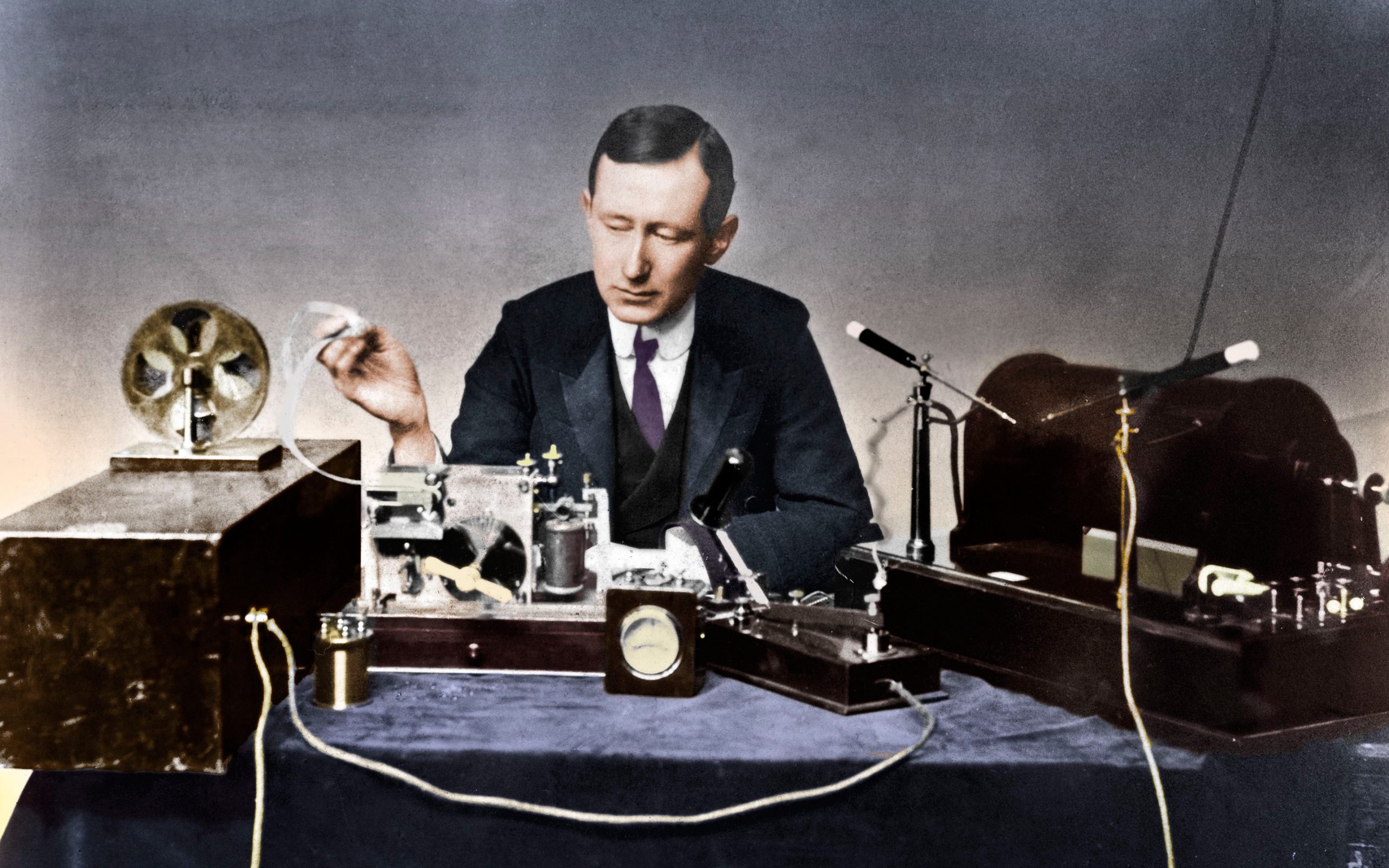
yet we must work to ensure that it does not divide us.”
— Guglielmo Marconi
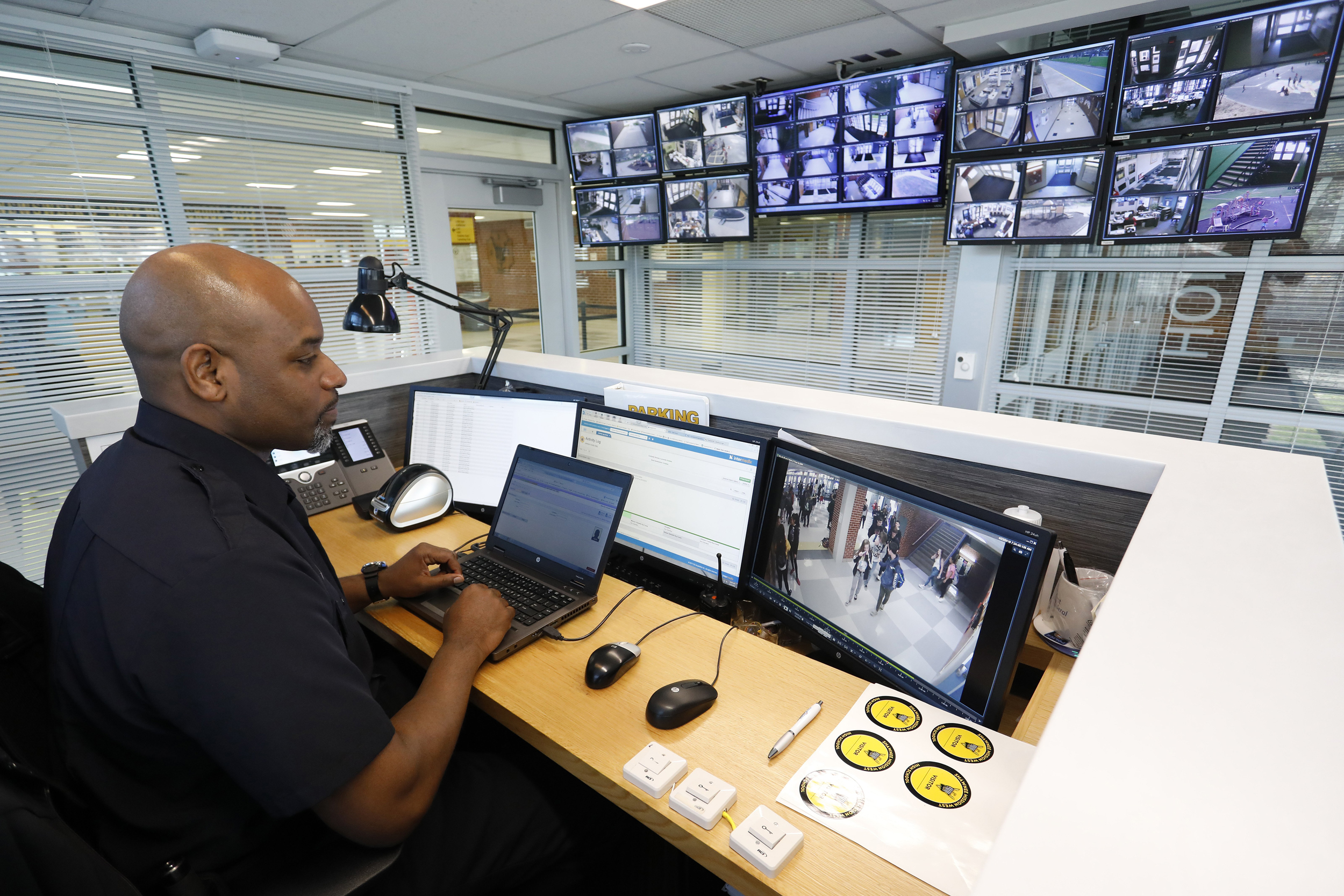
When the electric grid and the internet are down and there is no cell service, radio can still work to help communities stabilize. Starting 2024 we will break down our coverage of the radio frequency technology standards used in educational settlements into into two categories:
Radio 300: Security and maintenance radio. These usually use a single radio channel and operate in a half-duplex mode: only one user on the channel can transmit at a time, so users in a user group must take turns talking. The radio is normally in receive mode so the user can hear all other transmissions on the channel. When the user wants to talk he presses a “push-to-talk” button, which turns off the receiver and turns on the transmitter; when he releases the button the receiver is activated again. Multiple channels are provided so separate user groups can communicate in the same area without interfering with each other.
As of this posting APCO International has no public consultations on any titles in its public safety radio standards catalog.
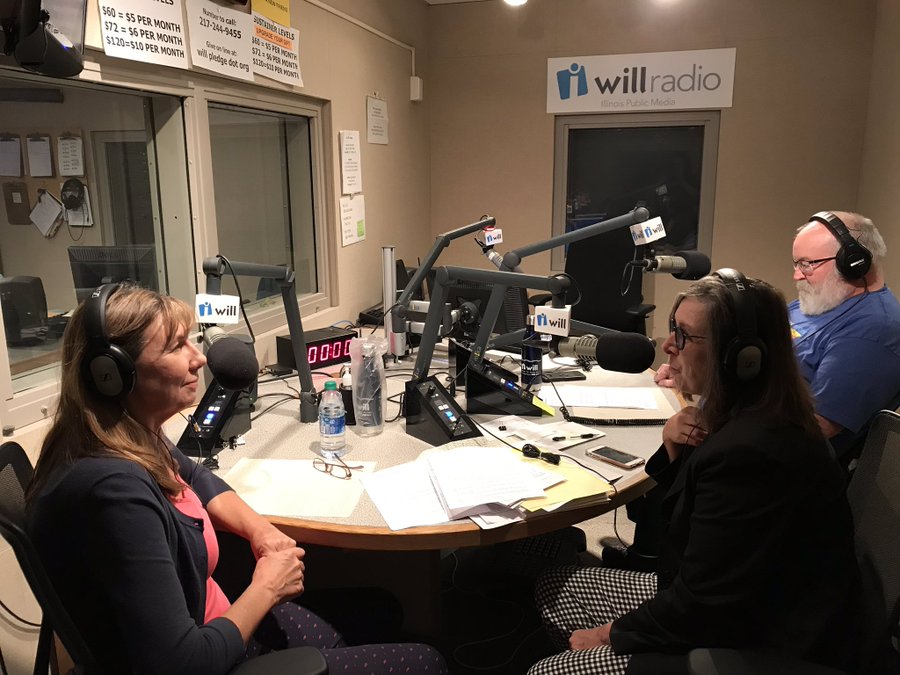
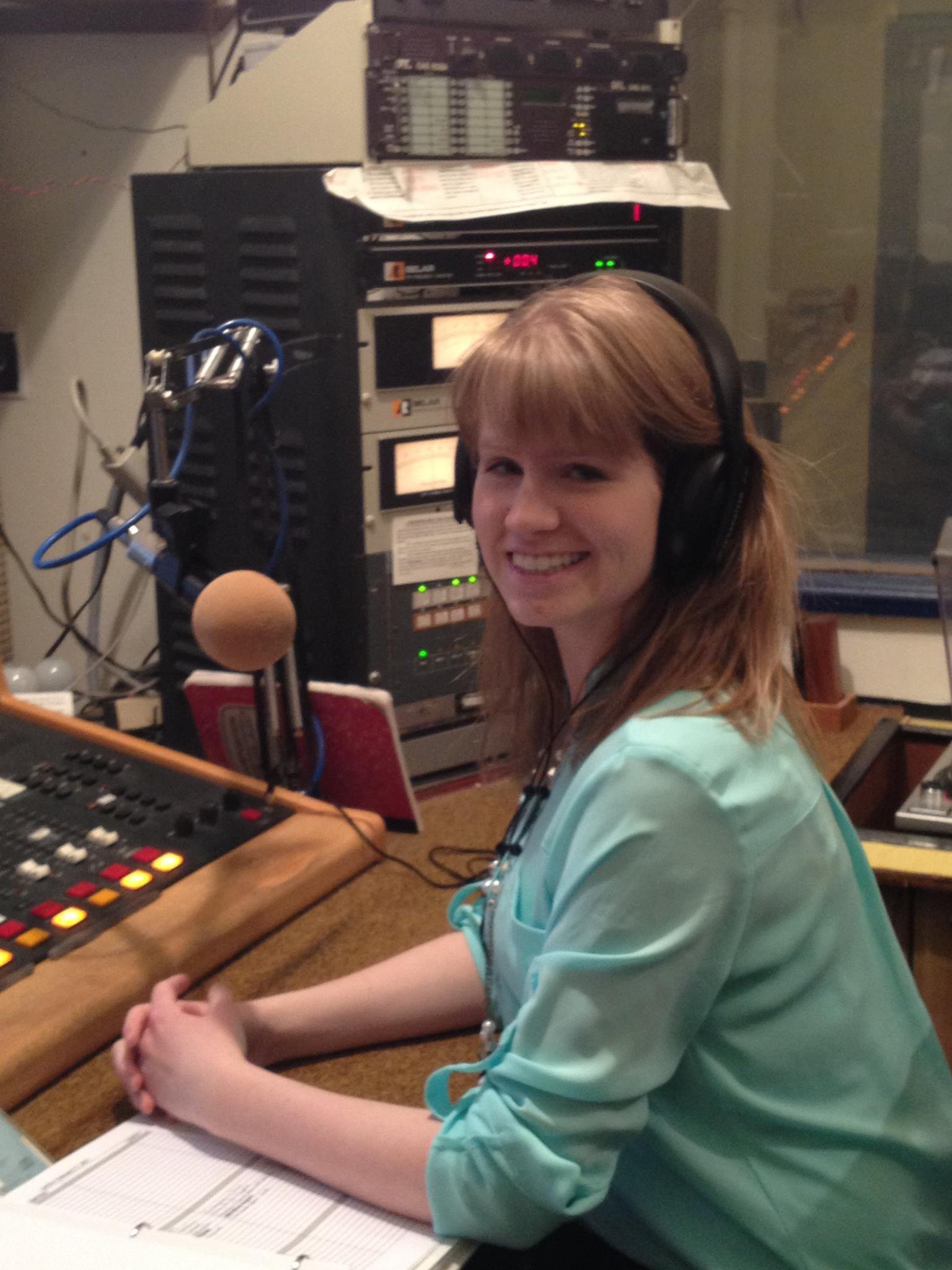
Radio 400: Student radio. College radio stations are typically considered to be public radio radio stations in the way that they are funded by donation and grants. The term “Public radio” generally refers to classical music, jazz, and news. A more accurate term is community radio, as most staff are volunteers, although many radio stations limit staff to current or recent students instead of anyone from the local community. There has been a fair amount of drama over student-run radio station history; a topic we steer away from.
The Low Power FM radio service was created by the Commission in January 2000. LPFM stations are authorized for noncommercial educational broadcasting only (no commercial operation) and operate with an effective radiated power (ERP) of 100 watts (0.1 kilowatts) or less, with maximum facilities of 100 watts ERP at 30 meters (100 feet) antenna height above average terrain. The approximate service range of a 100 watt LPFM station is 5.6 kilometers (3.5 miles radius). LPFM stations are not protected from interference that may be received from other classes of FM stations.

We follow — but do not respond — to consultations on titles covering the use of radio frequencies for the Internet of Things. At the moment, most of that evolution happens at the consumer product level; though it is wise to contemplate the use of the electromagnetic spectrum during widespread and extended loss of broadband services.
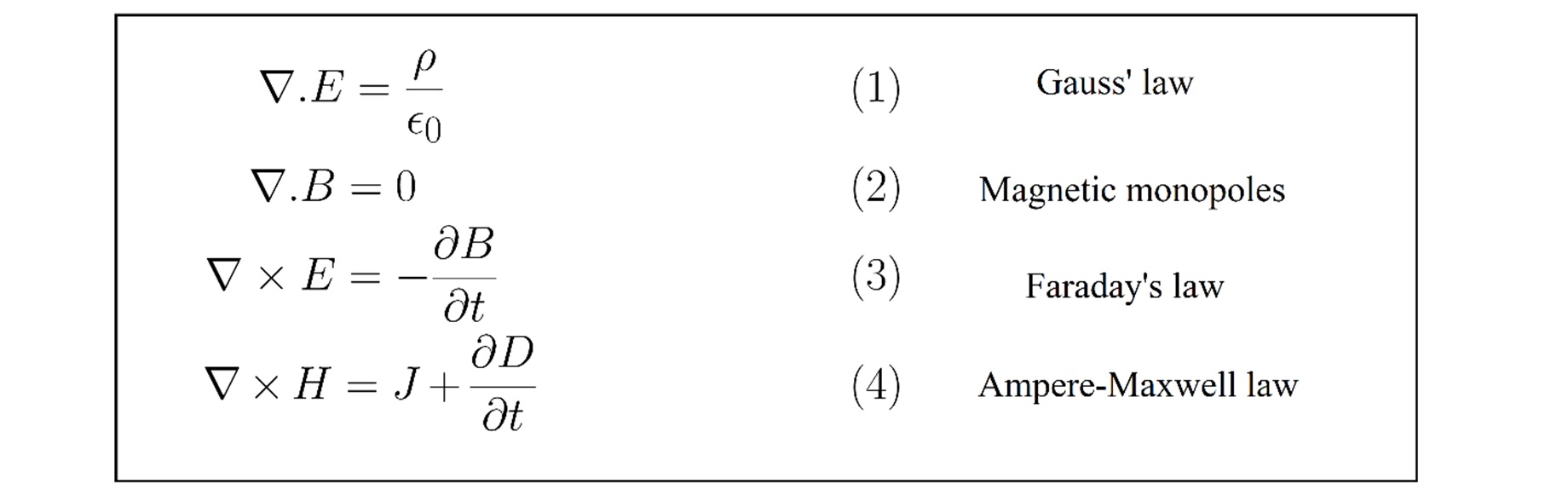
Maxwell equations: Four lines that provide a complete description of light, electricity and magnetism
We do not include policy specifics regarding the migration of National Public Radio beyond cultural content into political news; though we acknowledge that the growth of publicly financed radio domiciled in education communities is a consideration in the technology of content preparation informed by the Public Broadcasting Act of 1967.
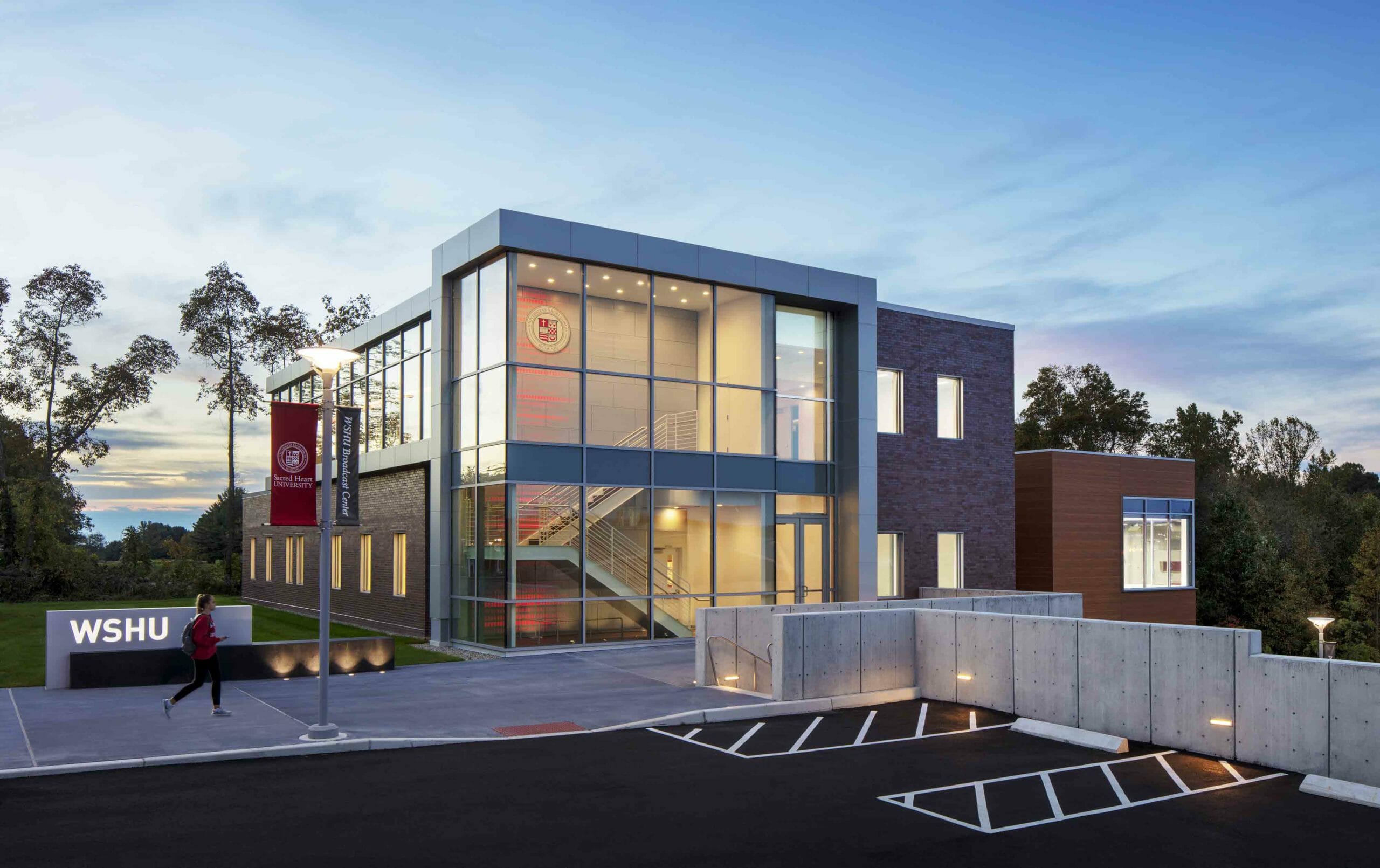
We drill into technical specifics of the following:
Radios used for campus public safety and campus maintenance
Student-run campus radio stations licensed by the Federal Communications Commission as Low Power FM (LPFM)
Facilities for regional broadcast of National Public Radio operating from education communities
Off-campus transmission facilities such as broadcast towers.
Grounding, bonding, lightning protection of transmission and receiving equipment on buildings
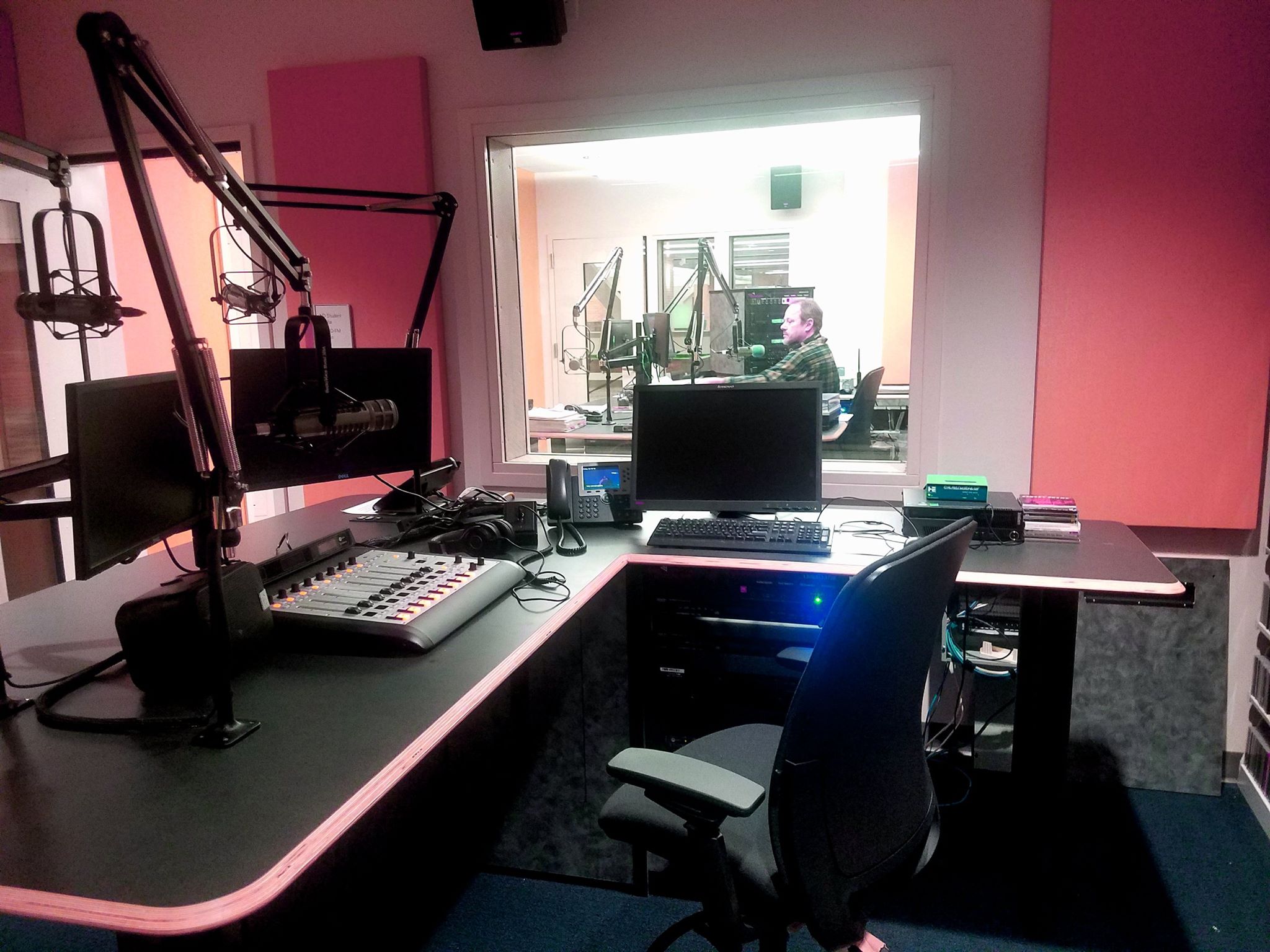
Broadcast studio electrotechnologies
Radio technology is regulated by the Federal Communications Commission with no ANSI-accredited standards setting organizations involved in leading practice discovery and promulgation. Again, we do not cover creative and content issues. Join us today at 11 AM/ET using the login credentials at the upper right of our home page.
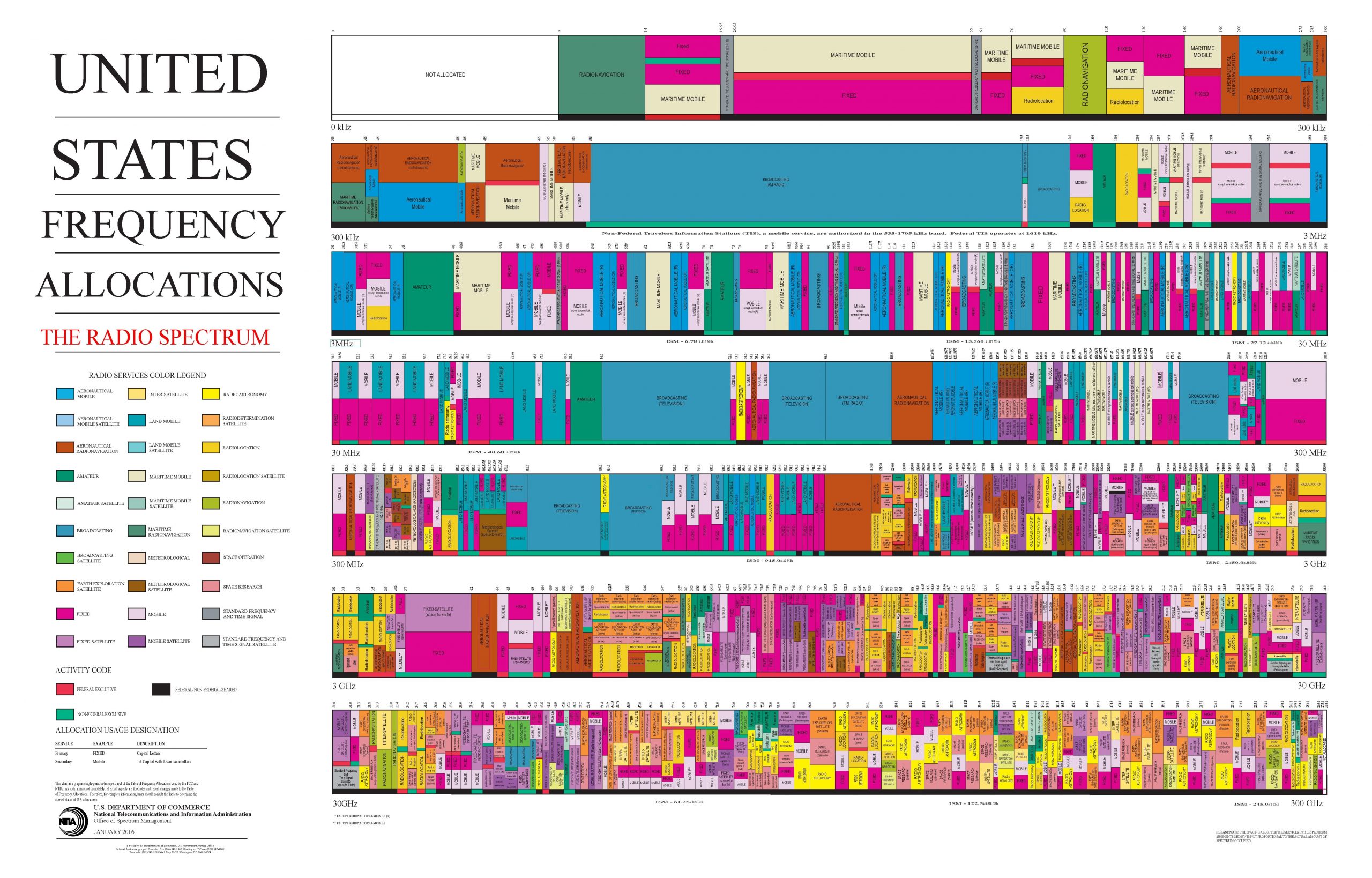
Our Office of Engineering & Technology maintains the U.S. Table of Frequency Allocations, manages Experimental Licensing & Equipment Authorization programs, regulates operation of unlicensed devices, and conducts engineering & technical studies. https://t.co/MATs1ThyxL#FCC101
The FCC is the United States’ primary authority for communications laws, regulation and technological innovation. We provide a link to the August 3rd meeting during which time rules for Digital FM Radio and Non-Federal Spectrum Usage were discussed. Campus Security Radio, National Public Radio and Student Radio are central features of education community culture and safety and are typically available when the internet is not.
“If anyone sins because they do not speak up when they hear a public charge to testify regarding something they have seen or learned about, they will be held responsible.” — Leviticus 5:1
To what degree does the endless and, frankly shameless, on-air fundraising by an organization with widely tolerated bias constitute de facto political fundraising for the Democratic Party? In Southeastern Michigan — in less than a 50 mile region — you can hear the same NPR “content” from six different universities: Ann Arbor, Ypsilanti, Toledo, Detroit, East Lansing, and Flint.
NPR CEO Katherine Maher was a no-show at the House Oversight Subcommittee Hearing
Related:
This is a clear and blatant effort to evade the FCC’s Equal Time rule.
The purpose of the rule is to avoid exactly this type of biased and partisan conduct – a licensed broadcaster using the public airwaves to exert its influence for one candidate on the eve of an election.… https://t.co/LliZF0po9t
National Public Radio follows guidelines and best practices when conducting fundraising campaigns, but they’re not so much strict “rules” as they are principles and standards upheld by NPR and its member stations. Here are some common practices and considerations:
Transparency: NPR and its member stations are typically transparent about their funding needs and where the money goes. They often provide detailed breakdowns of their budgets and expenses.
Ethical Solicitation: Fundraising efforts should be conducted ethically and in accordance with NPR’s values. This means avoiding misleading tactics and being honest about the need for funding.
Listener Support: NPR often emphasizes the importance of listener support in funding their programming. They encourage individuals to contribute at various levels, often with incentives like member benefits.
Corporate Sponsorship: NPR also receives funding from corporate sponsors, “but they are careful to maintain editorial independence.” Sponsored content is clearly labeled, and NPR maintains strict guidelines to ensure that sponsors do not influence editorial decisions.
Member Stations: NPR member stations across the country conduct their own fundraising campaigns, often in conjunction with national NPR campaigns. These stations rely heavily on listener support and may have their own guidelines and practices.
Regulatory Compliance: NPR and its member stations must comply with relevant laws and regulations governing fundraising, including those related to nonprofit organizations and broadcasting.
Stewardship: NPR and its member stations typically prioritize stewardship of donor funds, ensuring that donations are used effectively and efficiently to support their mission and programming.
While there may not be hard and fast rules for NPR fundraising, adherence to these principles helps maintain trust with listeners and supporters.
To become a National Public Radio (NPR) member station or broadcaster, certain criteria must be met. NPR is a mission-driven organization that partners with independently owned and operated public radio stations across the United States to deliver its programming. Here are the typical criteria for becoming an NPR member station:
Nonprofit Status: NPR member stations must be nonprofit organizations, often affiliated with universities, community organizations, or governmental bodies.
Broadcast License: Stations must hold a valid broadcast license issued by the Federal Communications Commission (FCC) in the United States. This license authorizes the station to broadcast on a specific frequency within a designated geographic area.
Commitment to NPR’s Mission: Member stations are expected to share NPR’s mission of providing high-quality, non-commercial programming that serves the public interest. This includes delivering news, cultural content, and educational programming to their local communities.
Financial Stability: Stations must demonstrate financial stability and viability to ensure they can fulfill their commitments to NPR and their local communities over the long term.
Technical Requirements: Stations must meet certain technical requirements to ensure they can receive and broadcast NPR programming effectively. This includes having appropriate transmission equipment and meeting FCC regulations for broadcast quality and coverage.
Membership Dues: Member stations are required to pay annual membership dues to NPR, which help support NPR’s operations and programming.
Compliance with NPR Policies: Stations must adhere to NPR’s policies and guidelines regarding programming standards, ethics, and editorial independence.
Community Engagement: NPR values stations that are actively engaged with their local communities, including through outreach, events, and partnerships with local organizations.
Programming Commitment: Member stations are expected to broadcast a significant portion of NPR programming, including flagship shows like “Morning Edition” and “All Things Considered,” as well as other NPR-produced content.
Commitment to Diversity, Equity, and Inclusion: NPR values diversity in its member stations and encourages stations to reflect the diversity of their communities in their programming and staffing.
Overall, becoming an NPR member station involves a combination of legal, financial, technical, and cultural considerations, all aimed at supporting NPR’s mission of providing high-quality public radio programming to audiences across the United States.
A significant portion of NPR member stations are associated with universities or colleges. These stations are often operated by the educational institution’s media departments or affiliated broadcasting organizations. They serve as valuable training grounds for students studying journalism, communications, broadcasting, and related fields.
While the exact number of NPR member stations associated with universities or colleges may vary over time, it’s safe to say that a substantial portion of the network falls into this category. Many universities and colleges across the United States operate their own radio stations, and a portion of these stations choose to affiliate with NPR to access its programming and resources.
National Public Radio (NPR) member stations are permitted to transmit from facilities supported by federally funded colleges or universities, as many are licensed as noncommercial educational (NCE) stations under the Federal Communications Commission (FCC). These stations, often operated by or affiliated with public colleges and universities, meet FCC requirements for NCE licenses, which allow them to broadcast educational and cultural programming without commercial advertisements.
Key Points:NCE Licensing: NPR member stations are typically licensed as NCE stations, which can be owned or operated by nonprofit entities, including public colleges and universities. These institutions often receive federal funding, and their facilities (e.g., campus buildings or transmission equipment) can be used for broadcasting.
Funding Structure: Stations affiliated with colleges or universities may receive funding from the institution, listener contributions, corporate underwriting, and federal grants via the Corporation for Public Broadcasting (CPB). Federal funding, while a small portion (e.g., ~10% of public radio revenue), is often channeled through CPB to support station operations.
Examples: Many NPR member stations, such as WBEZ (operated by Chicago Public Media but affiliated with educational institutions) or KUT (operated by the University of Texas), transmit from university-supported facilities. Approximately half of NPR’s member stations are affiliated with colleges, sometimes operating directly from campus facilities.
FCC Regulations: The FCC allows NCE stations to broadcast from such facilities as long as they adhere to noncommercial guidelines, prohibiting promotional advertisements for for-profit entities while permitting donor acknowledgments.
Impact of Federal Funding Cuts: Recent reductions in federal funding for public media, as reported in 2025, may strain these stations, particularly those reliant on university support, as budget-strapped institutions face additional financial pressures.
There are no explicit FCC restrictions preventing NPR stations from using federally funded college or university facilities, provided they comply with NCE regulations.
When the electric grid and the internet are down and there is no cell service, radio can still work to help communities stabilize. Starting 2024 we will break down our coverage of the radio frequency technology standards used in educational settlements into into two categories:
Radio 300: Security and maintenance radio. These usually use a single radio channel and operate in a half-duplex mode: only one user on the channel can transmit at a time, so users in a user group must take turns talking. The radio is normally in receive mode so the user can hear all other transmissions on the channel. When the user wants to talk he presses a “push-to-talk” button, which turns off the receiver and turns on the transmitter; when he releases the button the receiver is activated again. Multiple channels are provided so separate user groups can communicate in the same area without interfering with each other.
Radio 400: Student radio. College radio stations are typically considered to be public radio radio stations in the way that they are funded by donation and grants. The term “Public radio” generally refers to classical music, jazz, and news. A more accurate term is community radio, as most staff are volunteers, although many radio stations limit staff to current or recent students instead of anyone from the local community. There has been a fair amount of drama over student-run radio station history; a topic we steer away from.
The Low Power FM radio service was created by the Commission in January 2000. LPFM stations are authorized for noncommercial educational broadcasting only (no commercial operation) and operate with an effective radiated power (ERP) of 100 watts (0.1 kilowatts) or less, with maximum facilities of 100 watts ERP at 30 meters (100 feet) antenna height above average terrain. The approximate service range of a 100 watt LPFM station is 5.6 kilometers (3.5 miles radius). LPFM stations are not protected from interference that may be received from other classes of FM stations.
We follow — but do not respond — to consultations on titles covering the use of radio frequencies for the Internet of Things. At the moment, most of that evolution happens at the consumer product level; though it is wise to contemplate the use of the electromagnetic spectrum during widespread and extended loss of broadband services.
Maxwell equations: Four lines that provide a complete description of light, electricity and magnetism
We do not include policy specifics regarding the migration of National Public Radio beyond cultural content into political news; though we acknowledge that the growth of publicly financed radio domiciled in education communities is a consideration in the technology of content preparation informed by the Public Broadcasting Act of 1967.
We drill into technical specifics of the following:
Radios used for campus public safety and campus maintenance
Student-run campus radio stations licensed by the Federal Communications Commission as Low Power FM (LPFM)
Facilities for regional broadcast of National Public Radio operating from education communities
Off-campus transmission facilities such as broadcast towers.
Grounding, bonding, lightning protection of transmission and receiving equipment on buildings
Broadcast studio electrotechnologies
Radio technology is regulated by the Federal Communications Commission with no ANSI-accredited standards setting organizations involved in leading practice discovery and promulgation. Again, we do not cover creative and content issues. Join us today at 11 AM/ET using the login credentials at the upper right of our home page.
New update alert! The 2022 update to the Trademark Assignment Dataset is now available online. Find 1.29 million trademark assignments, involving 2.28 million unique trademark properties issued by the USPTO between March 1952 and January 2023: https://t.co/njrDAbSpwBpic.twitter.com/GkAXrHoQ9T