
Tag Archives: August

Loading
loading..

Fontaines

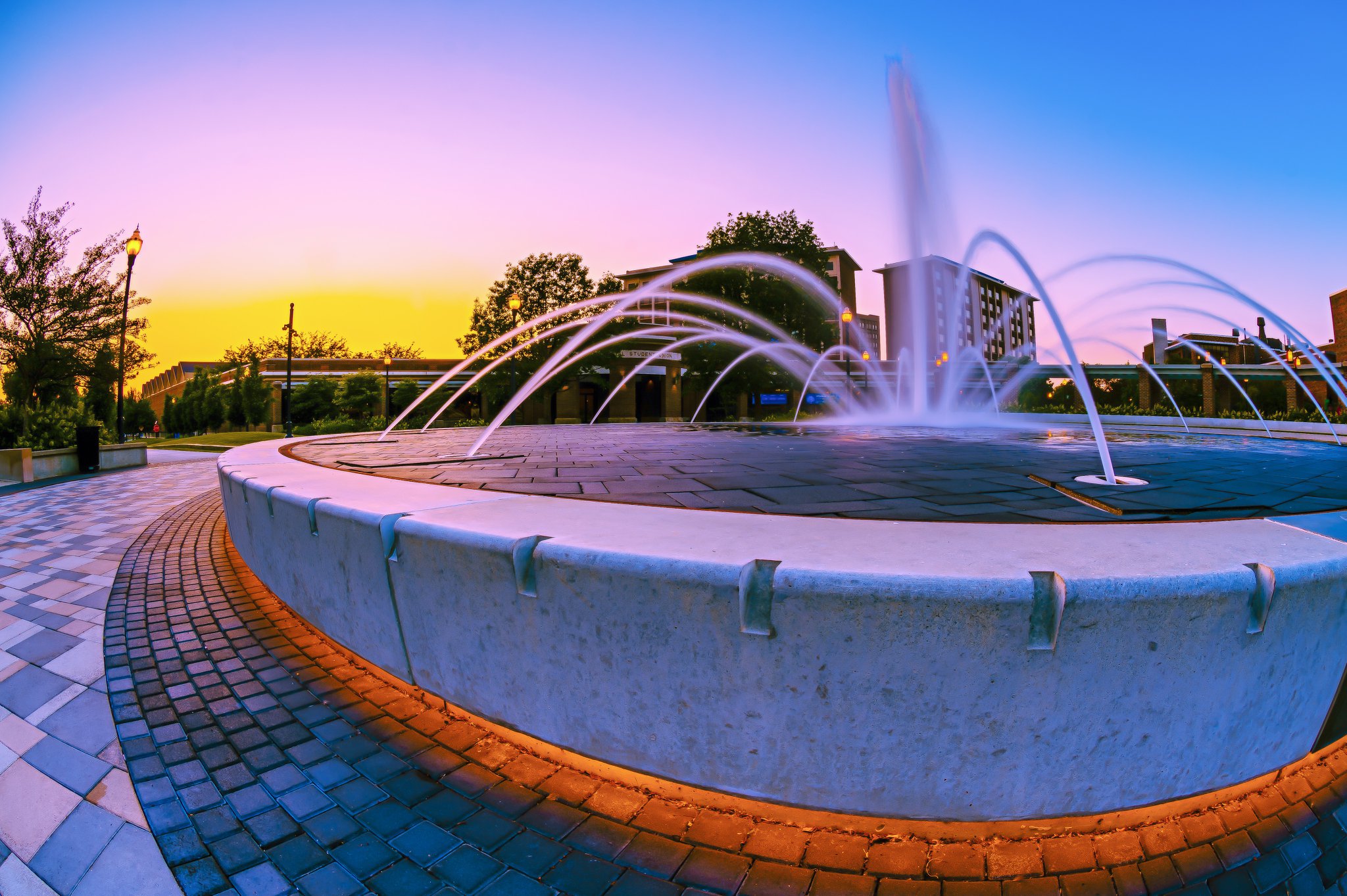
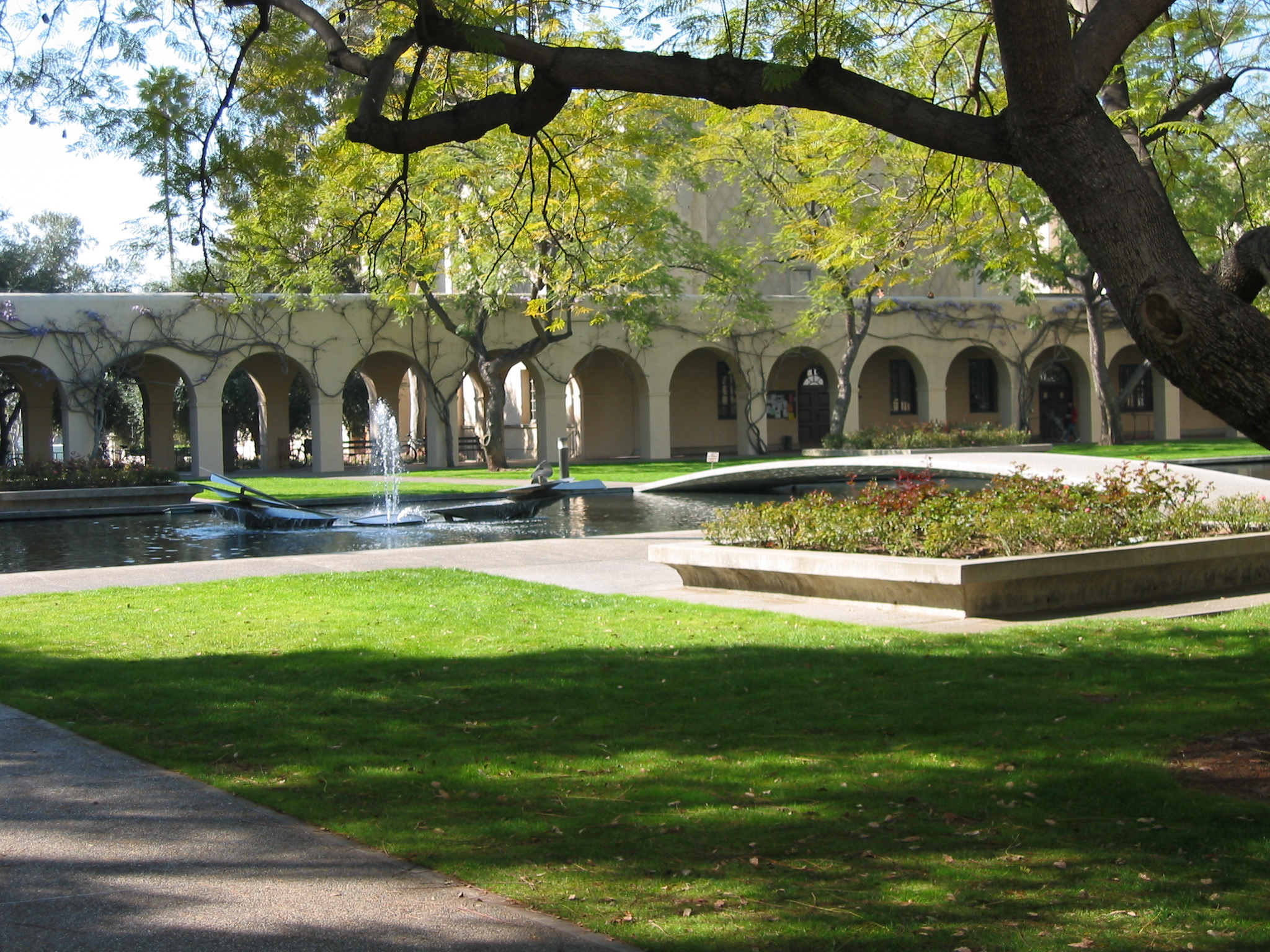
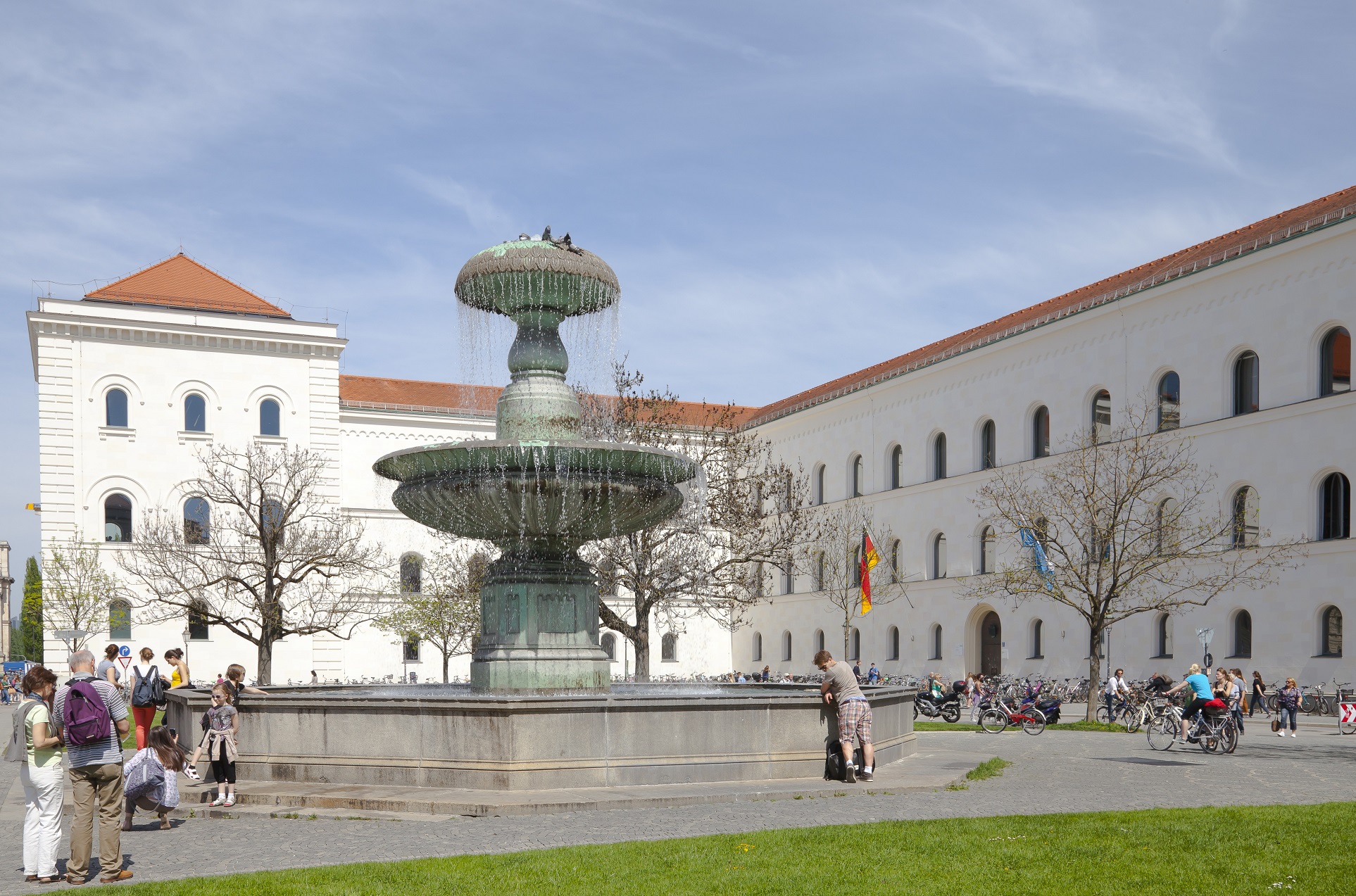
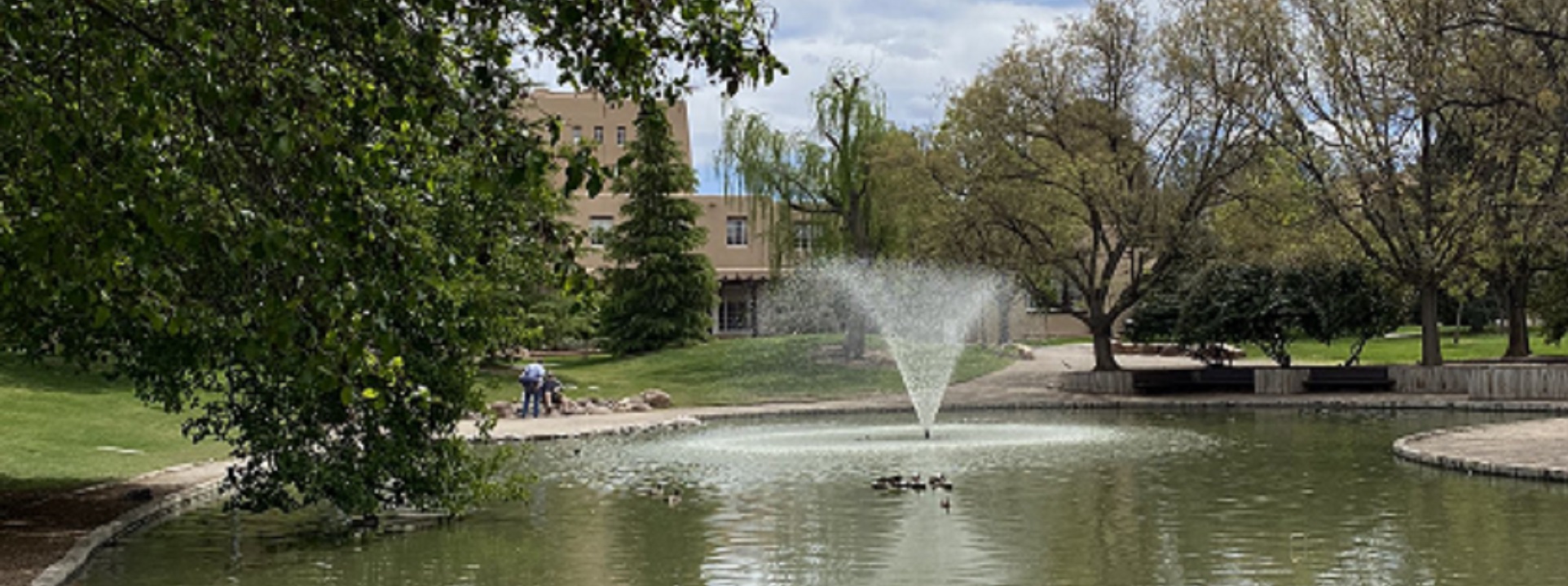
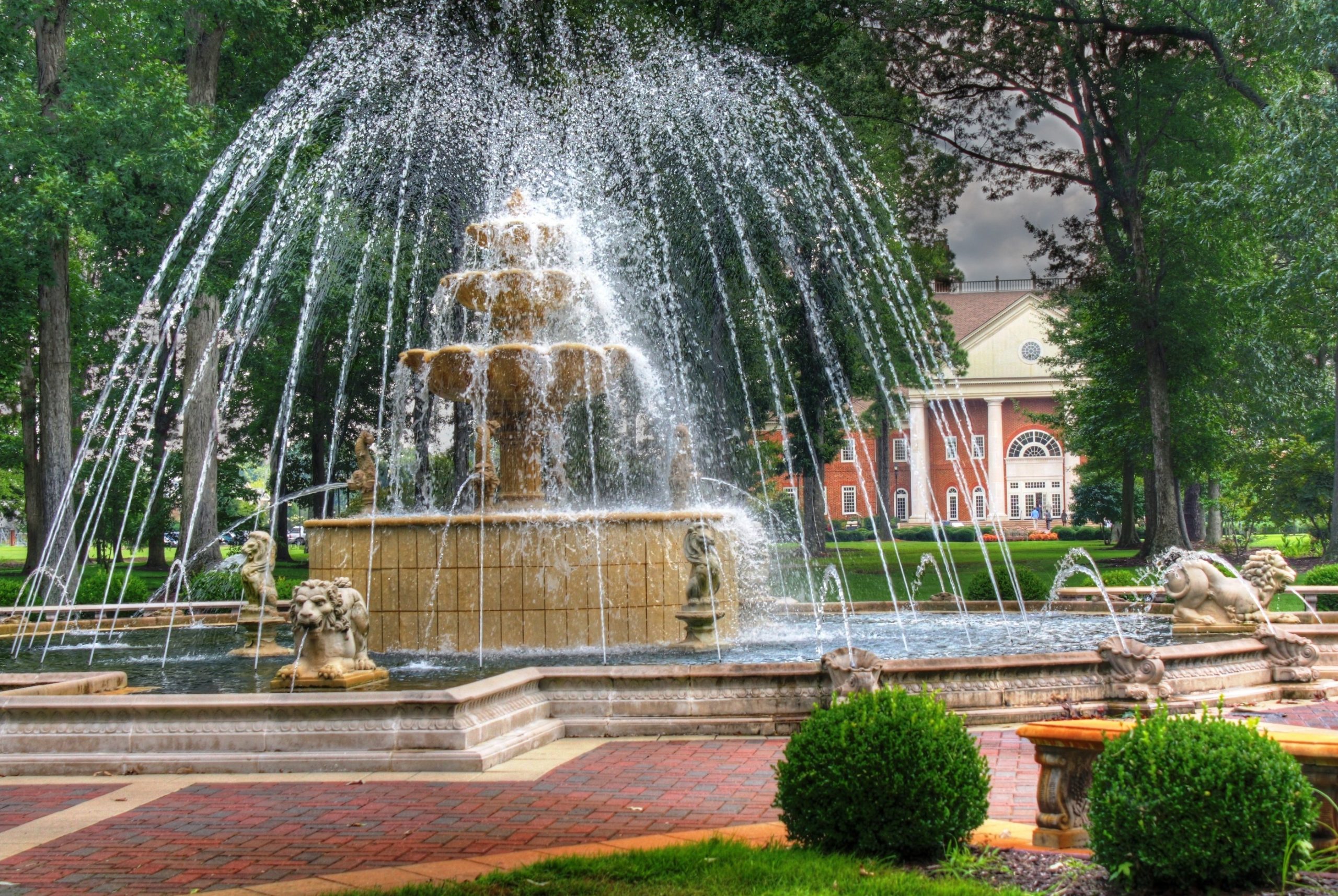
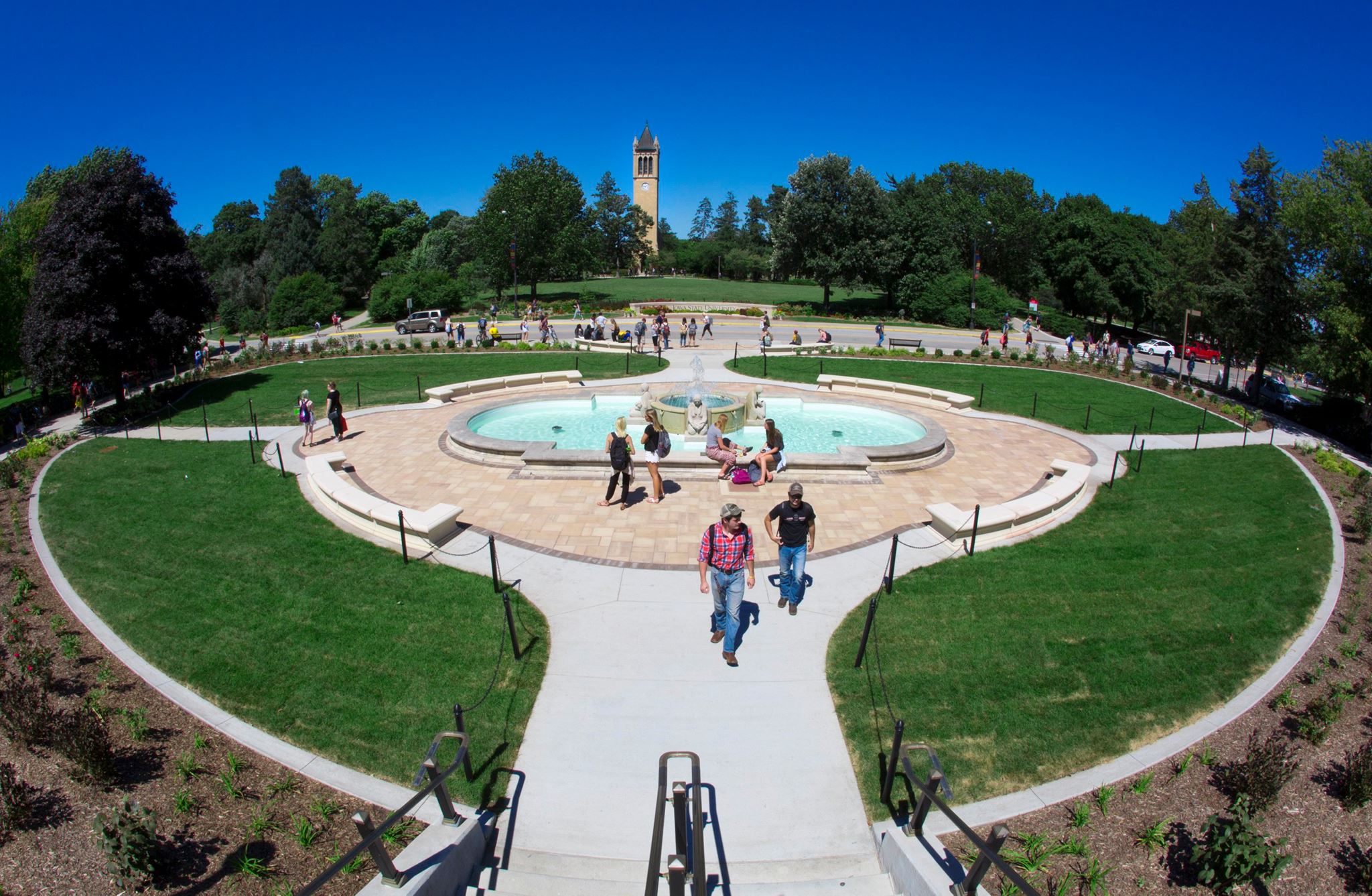
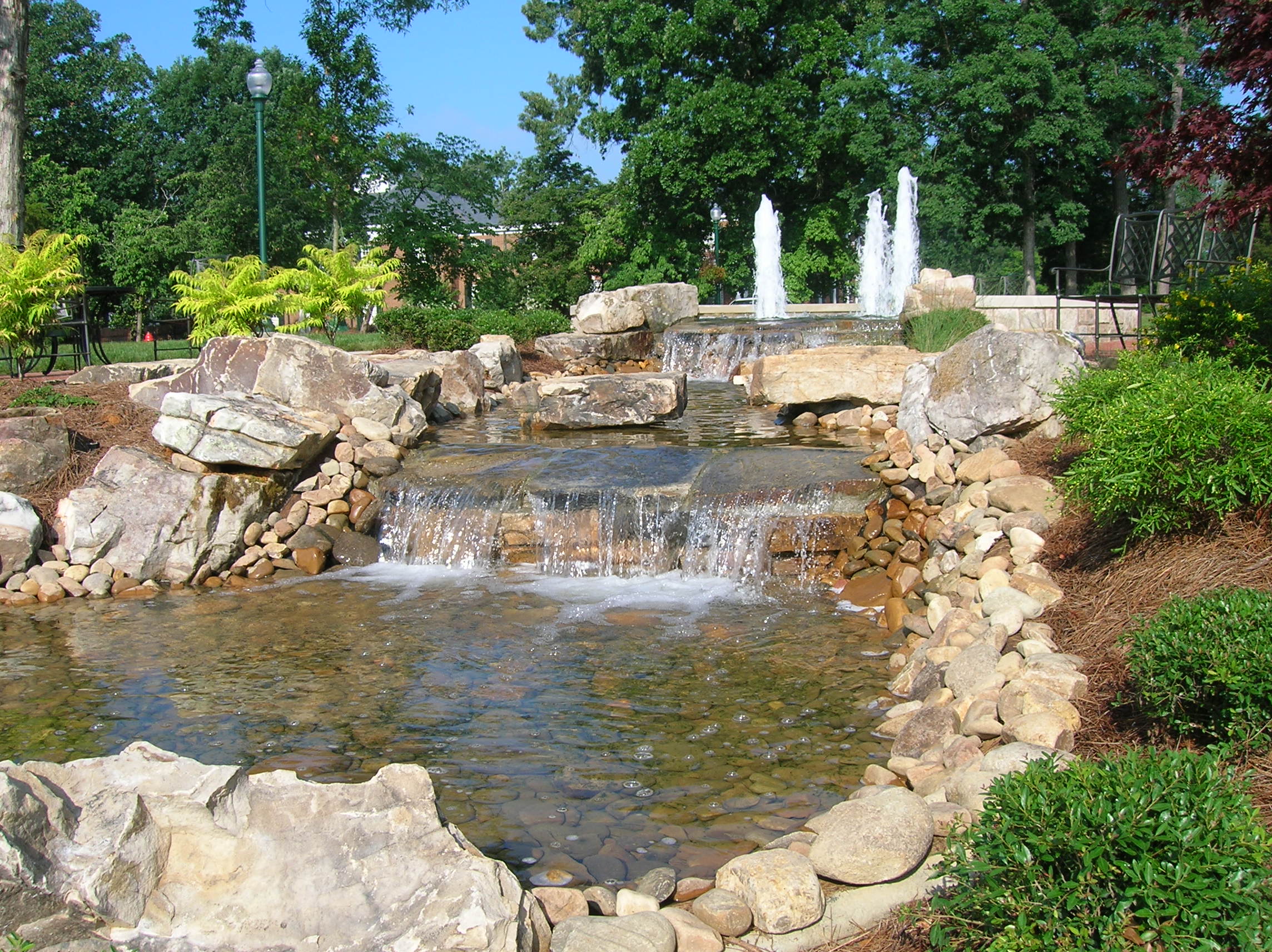
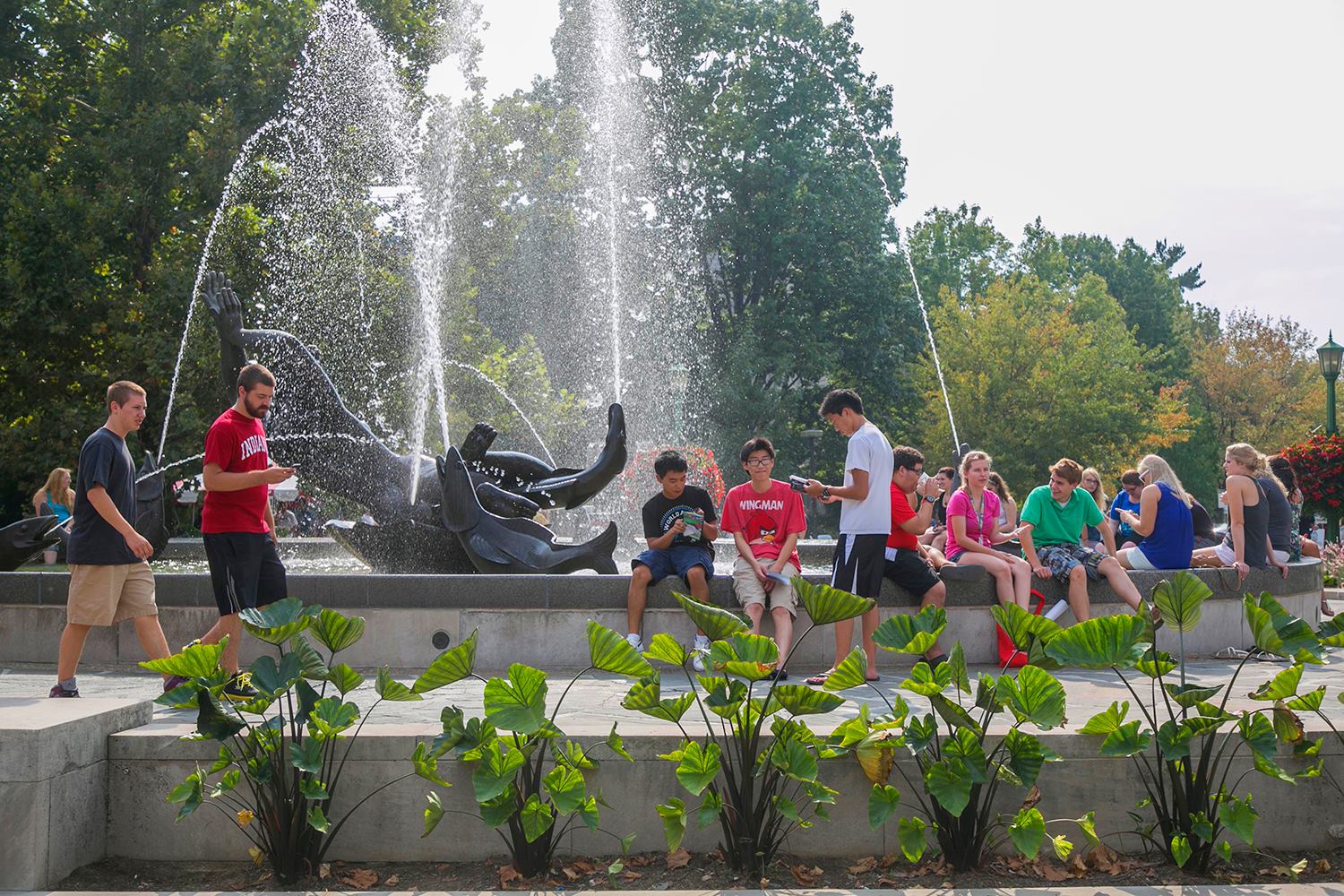
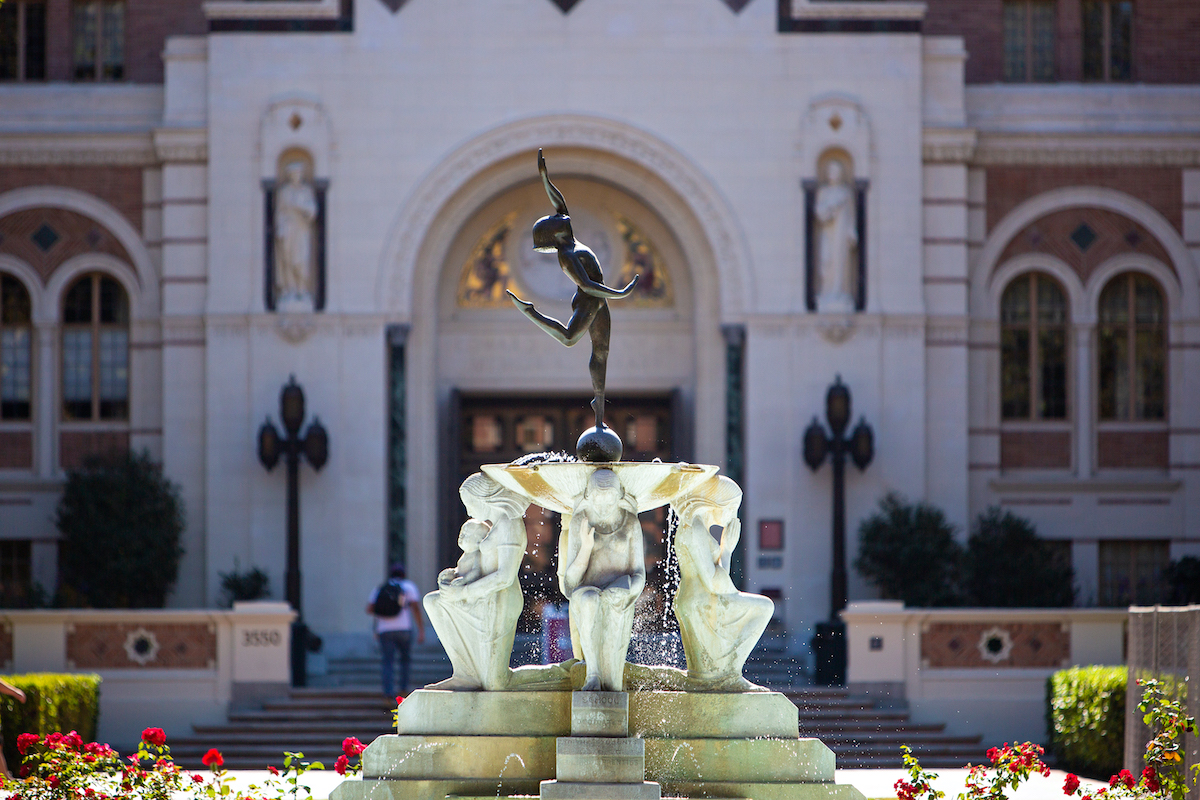
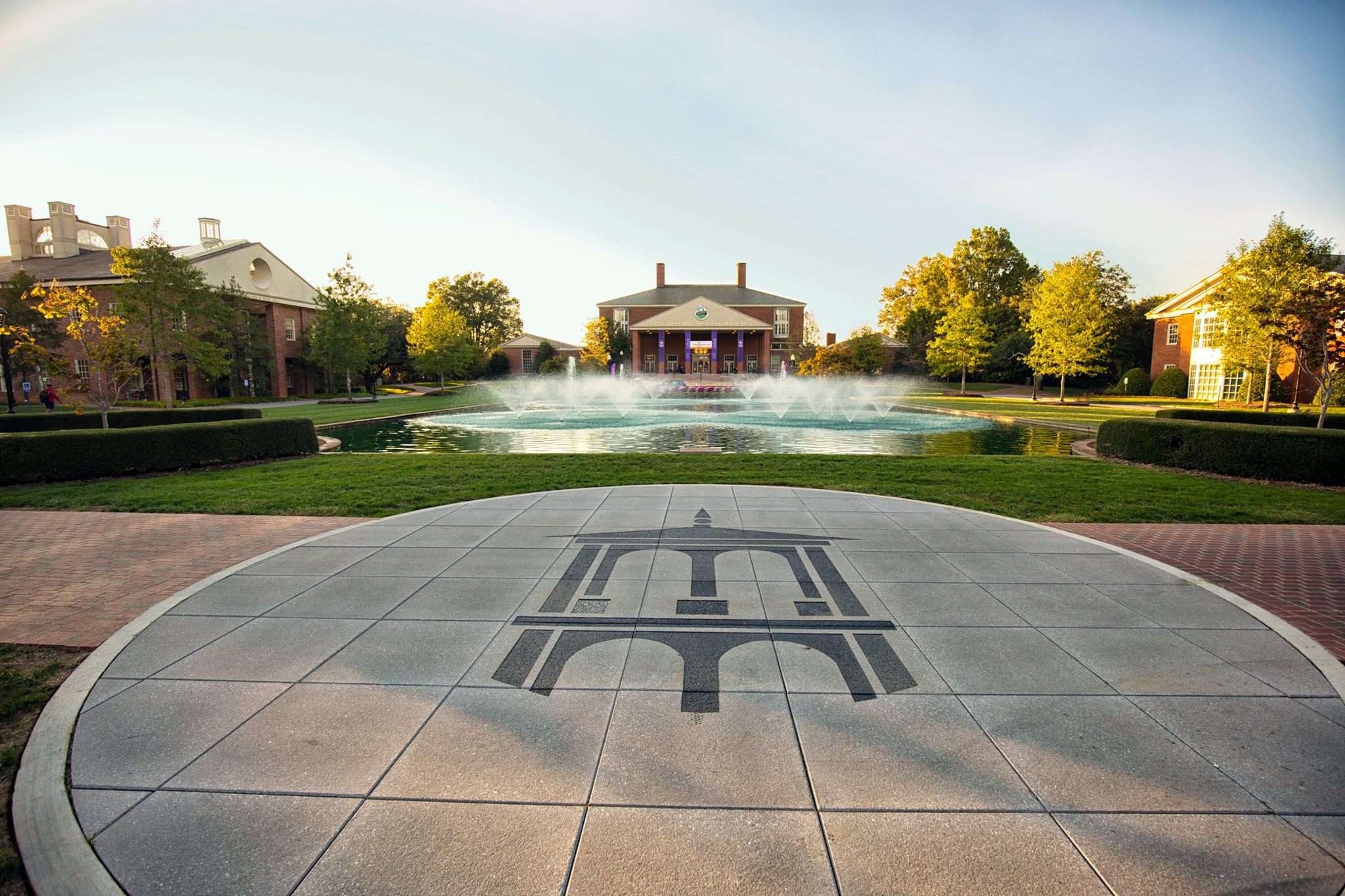
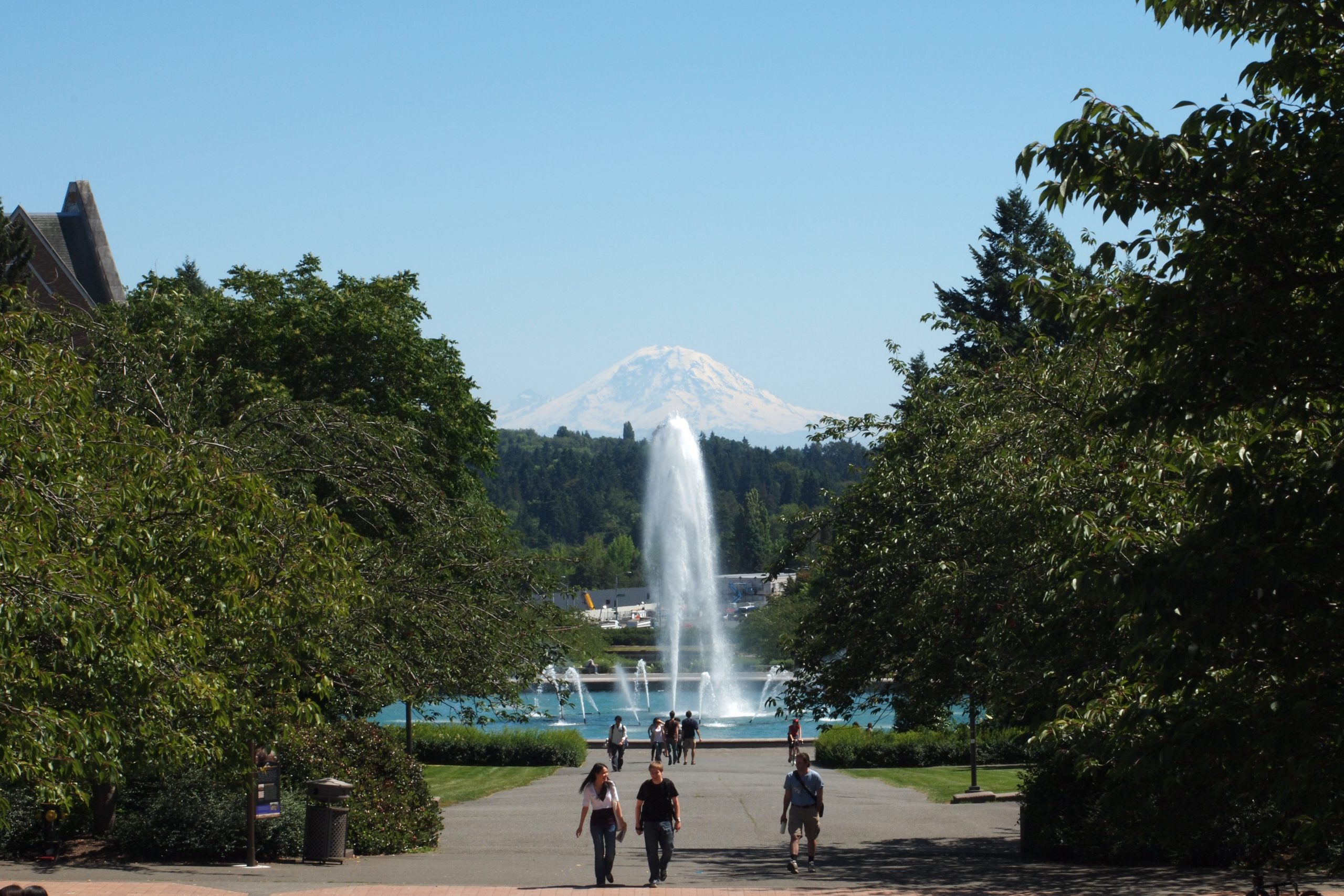
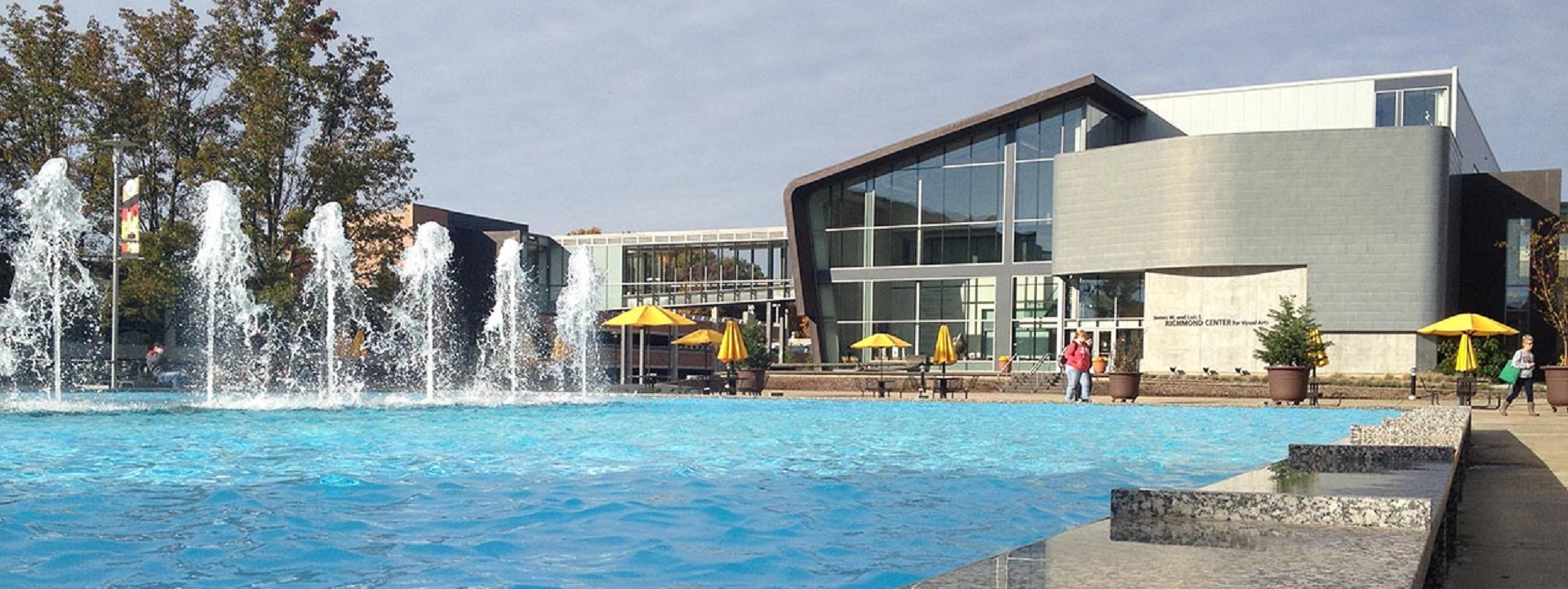
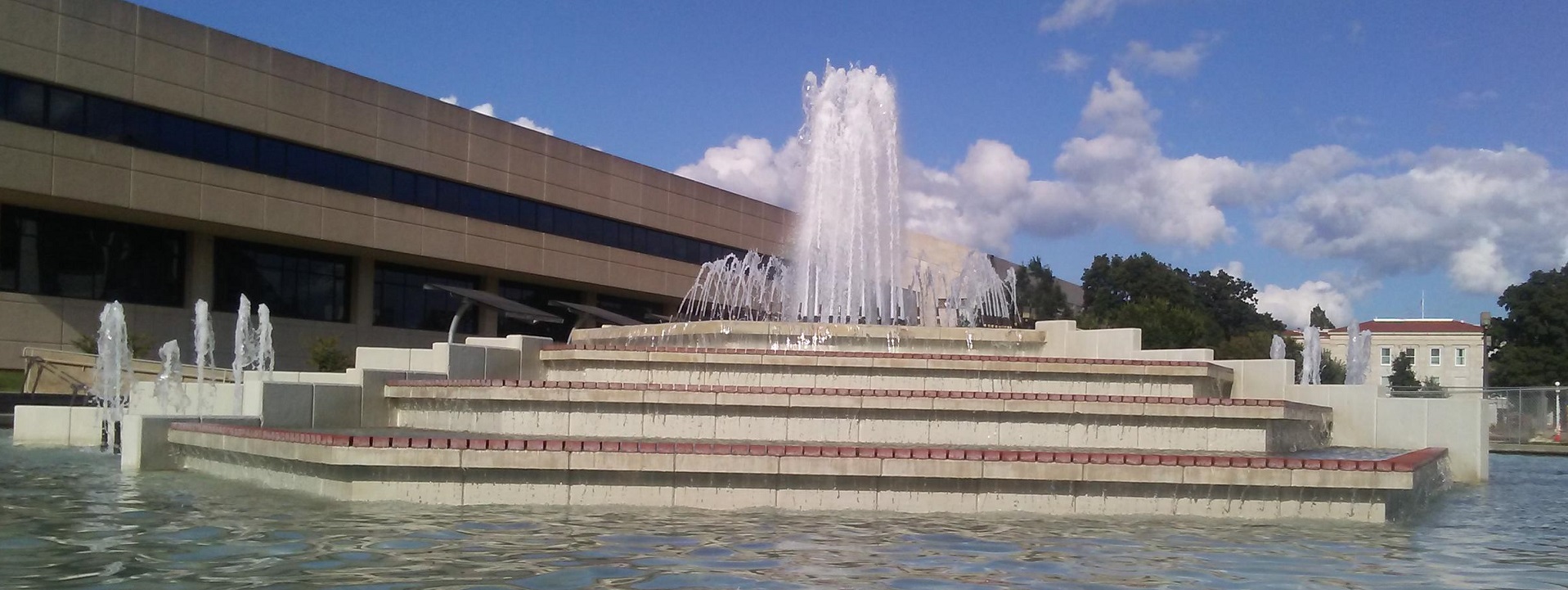
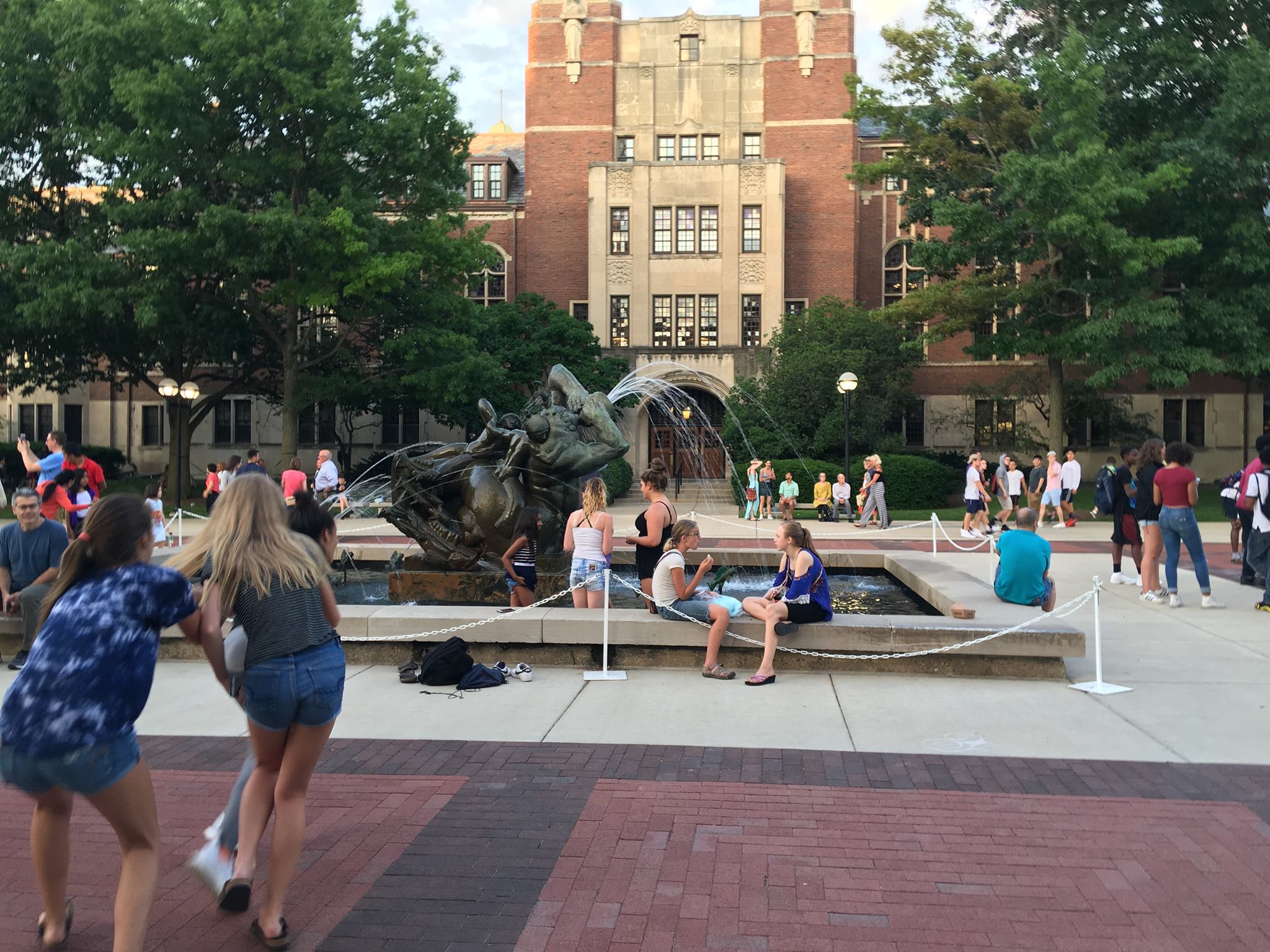
Water fountains enhance campus outdoor settings by creating serene, inviting spaces that promote relaxation and social interaction. Their gentle sounds of flowing water reduce stress, mask noise, and foster a calming atmosphere conducive to study or reflection.

Aesthetically, fountains serve as focal points, adding elegance and visual appeal to courtyards or green spaces. They attract students, faculty, and visitors, encouraging gatherings and community engagement. Environmentally, fountains can support local ecosystems by providing water for birds or plants.

Well-maintained, they symbolize a campus’s commitment to beauty and sustainability, enriching the outdoor experience and enhancing the overall campus ambiance.

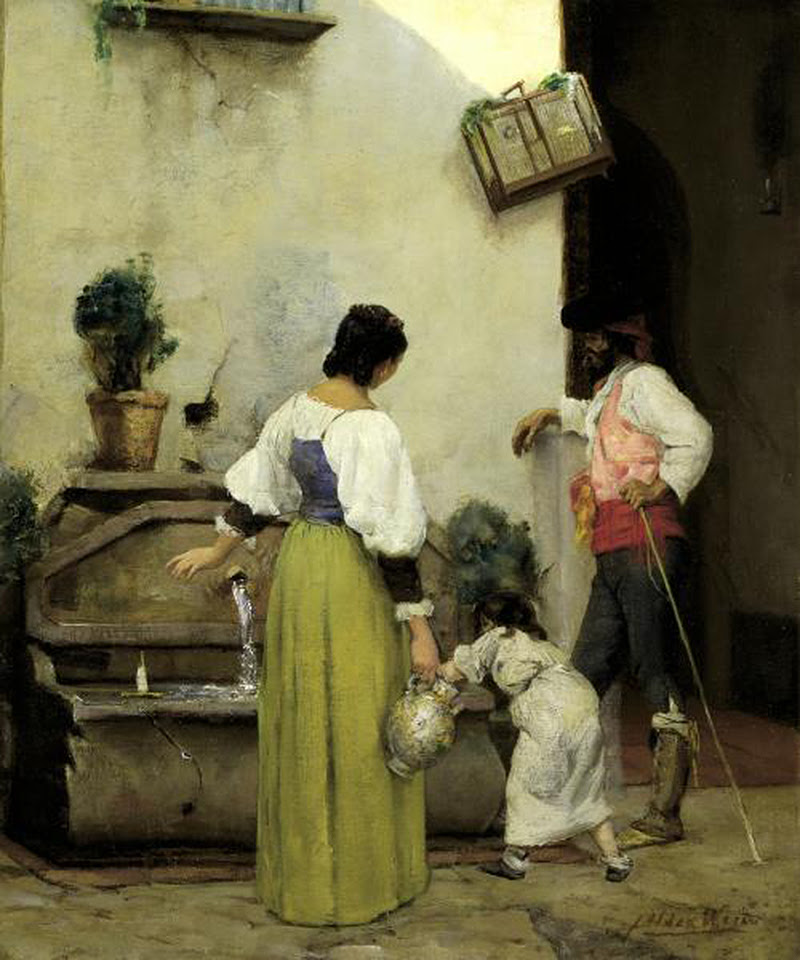
“At the Water Trough” 1876 J. Alden Weir

Indiana State University

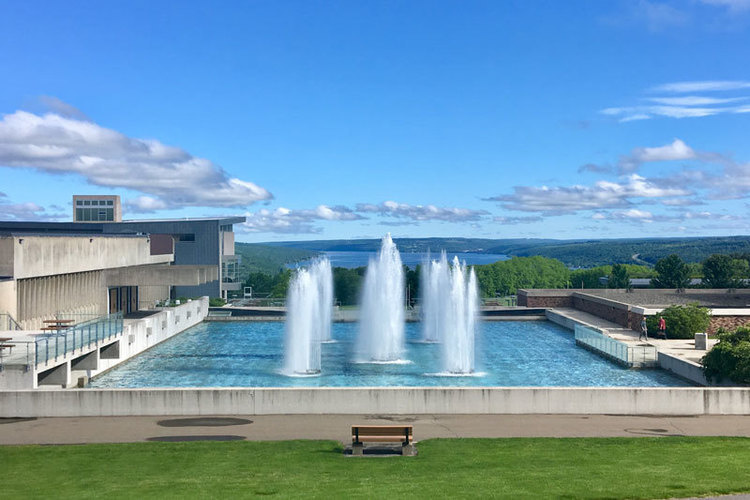
Ithaca College

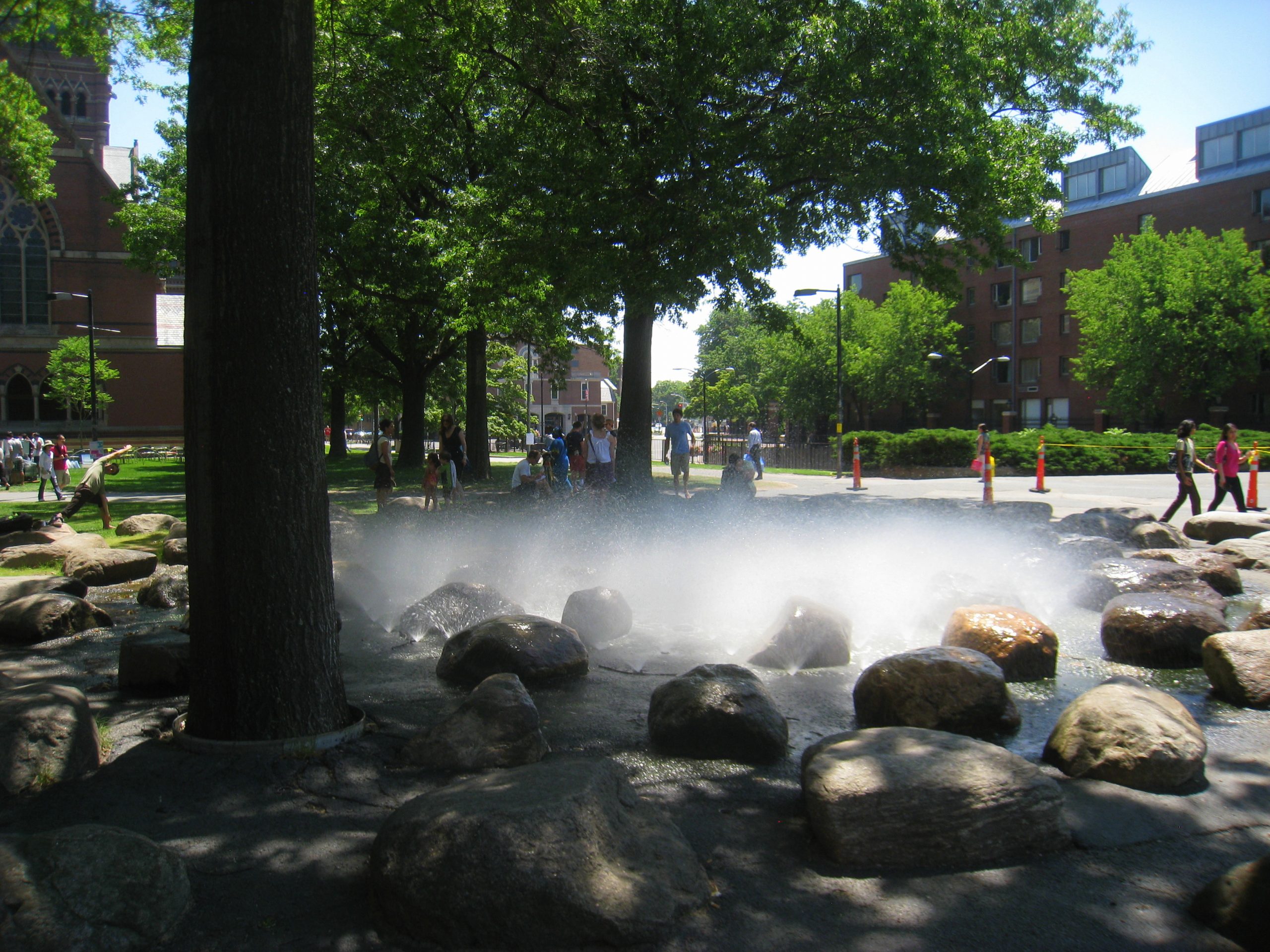
Harvard University

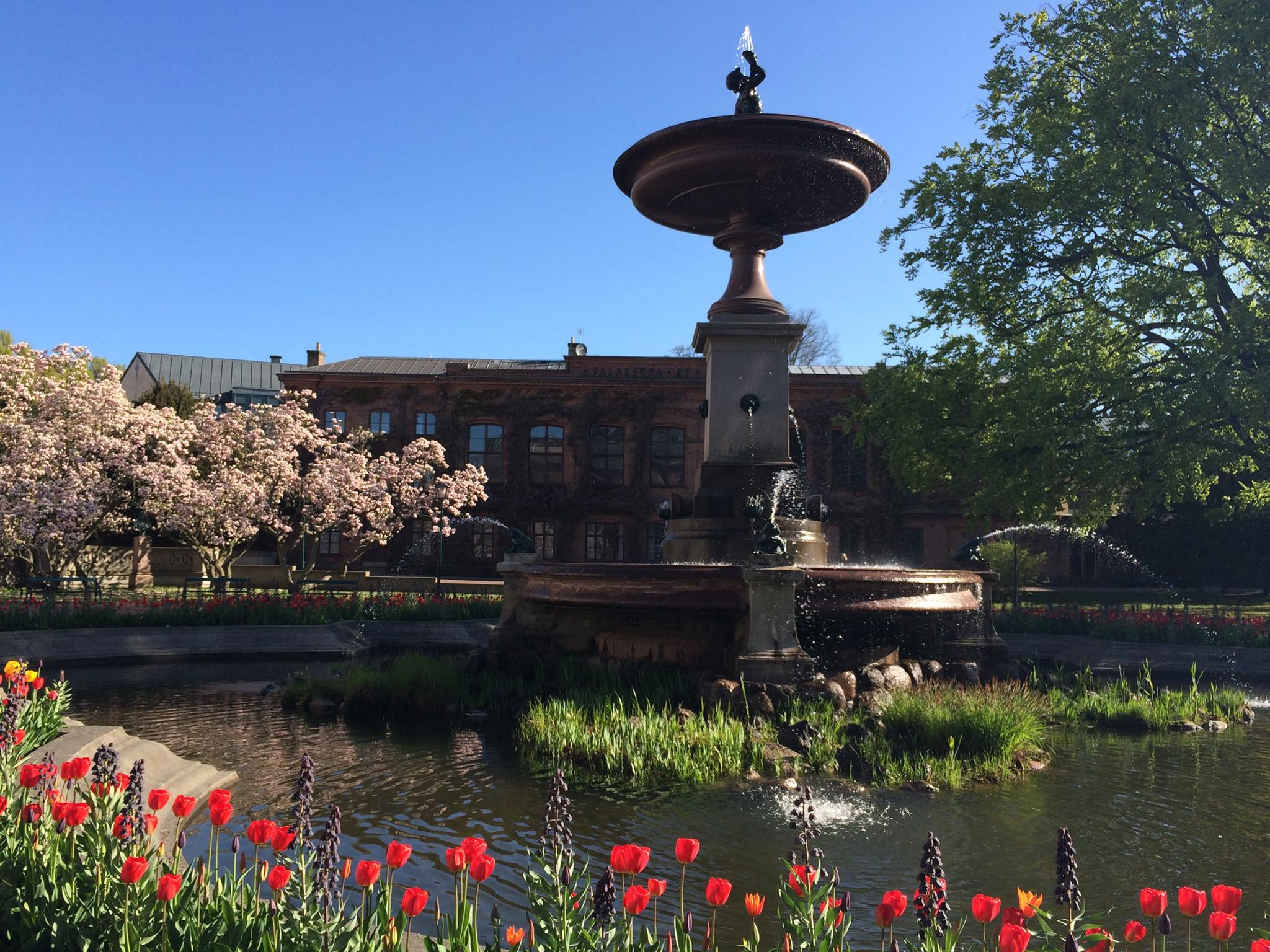
Lunds Universitet

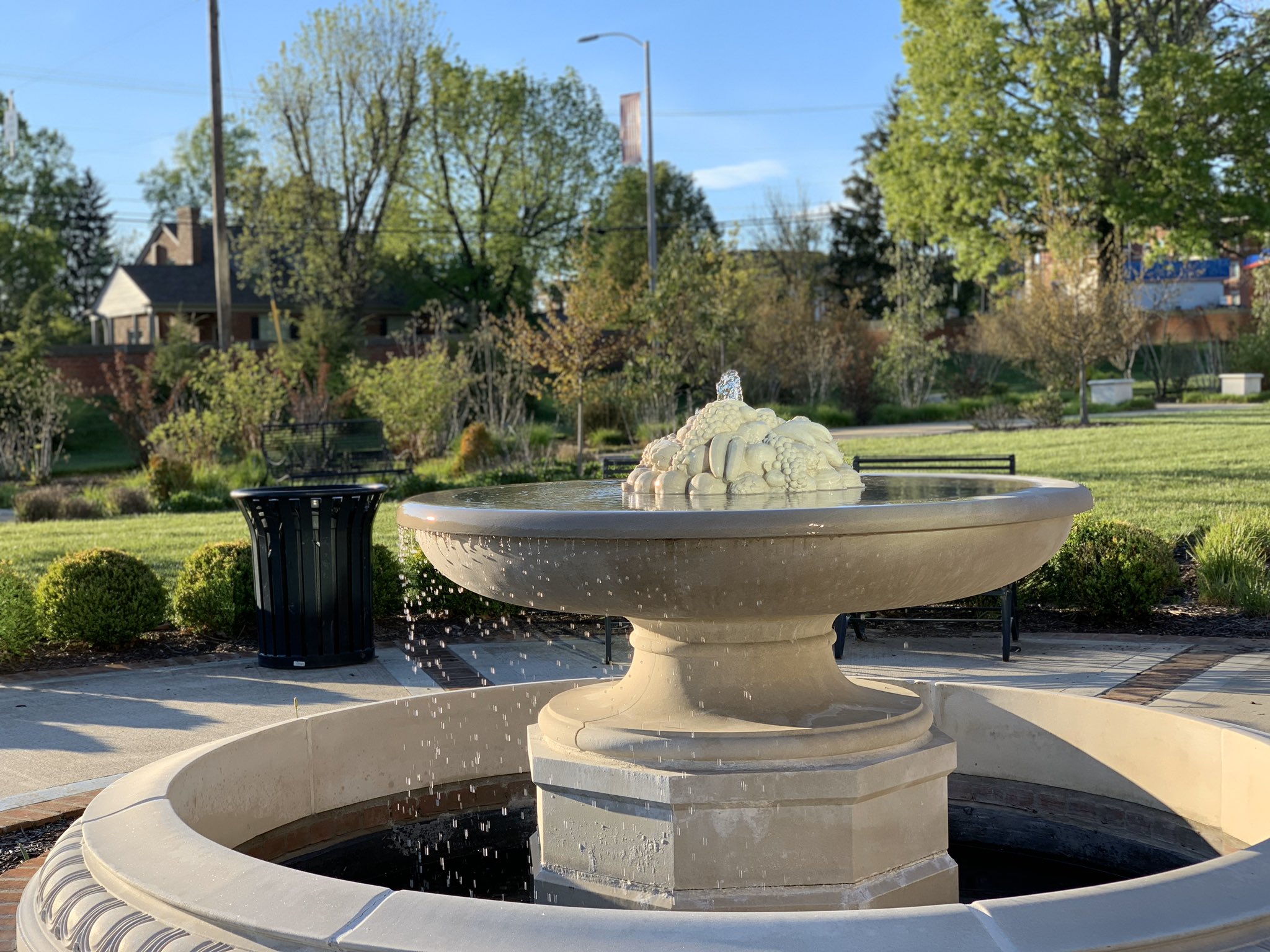
University of Louisville Kentucky

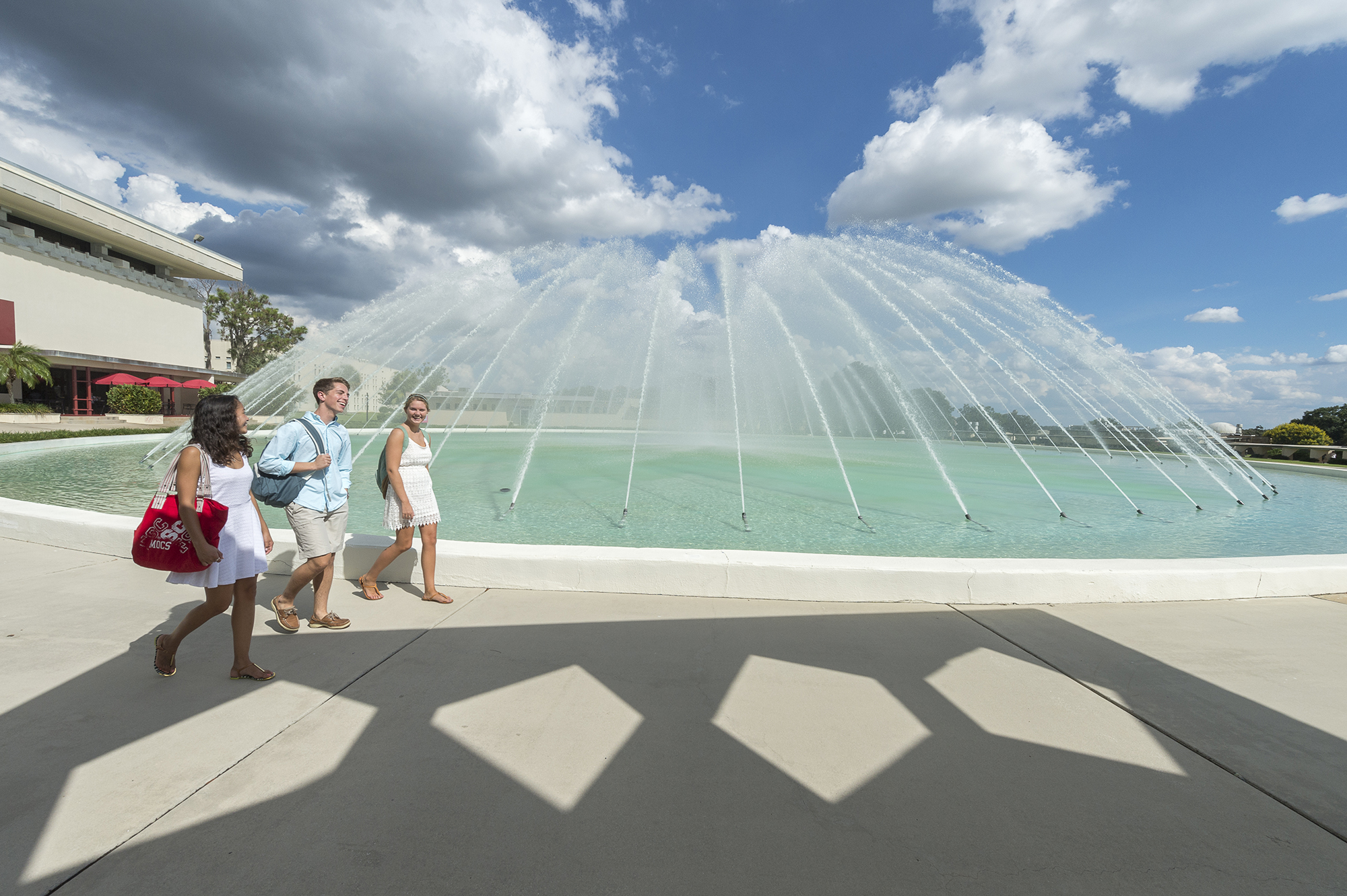
Florida Southern College

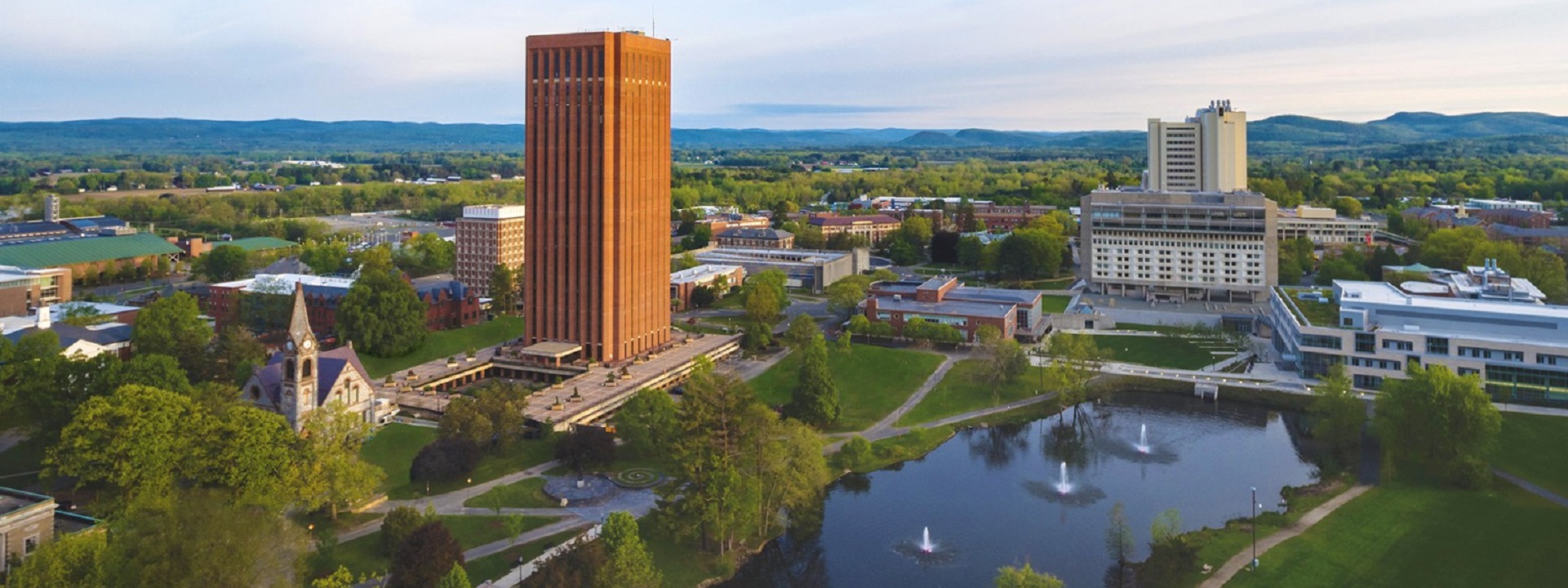
University of Massachusetts Amherst

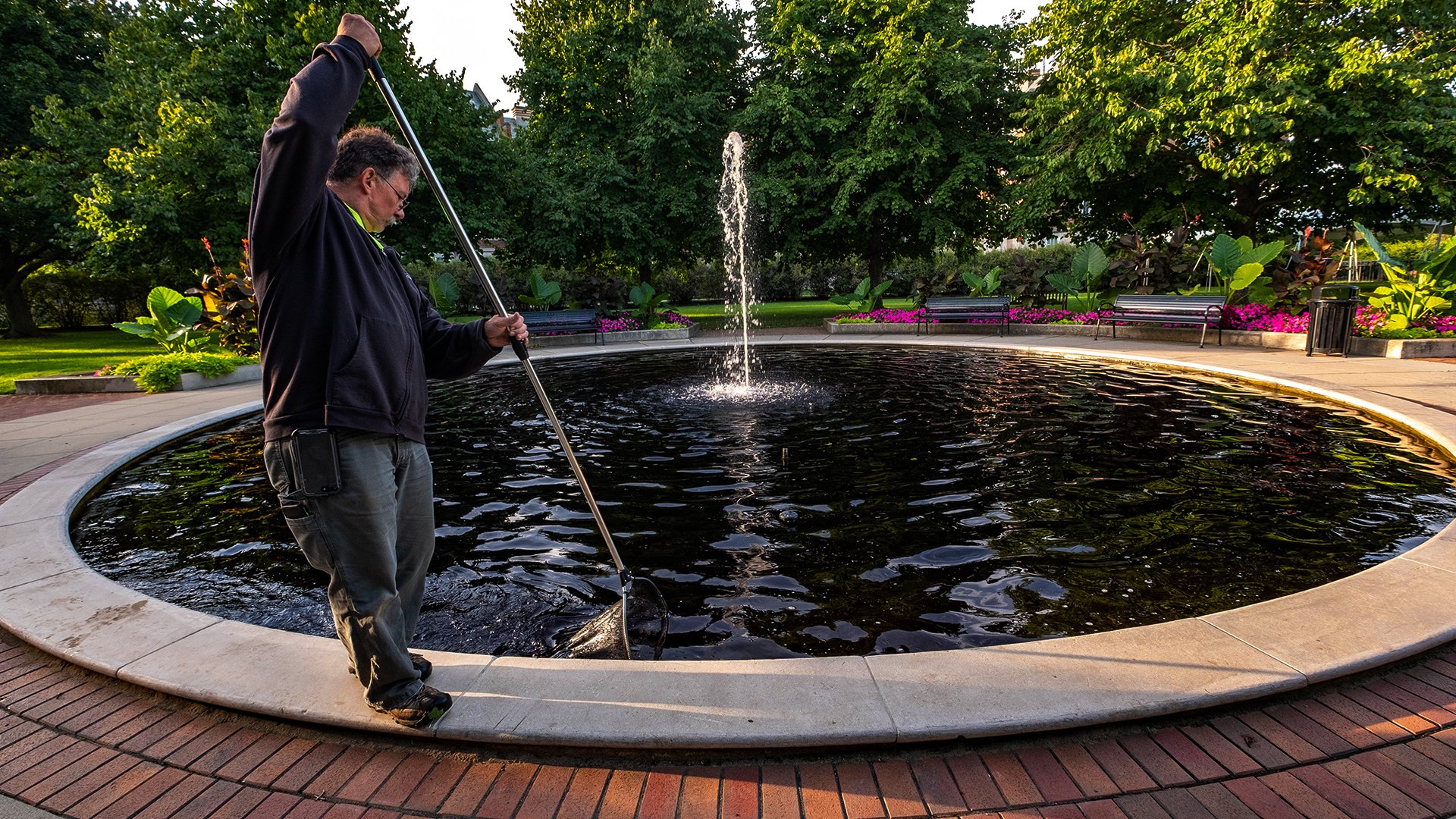
Michigan State University

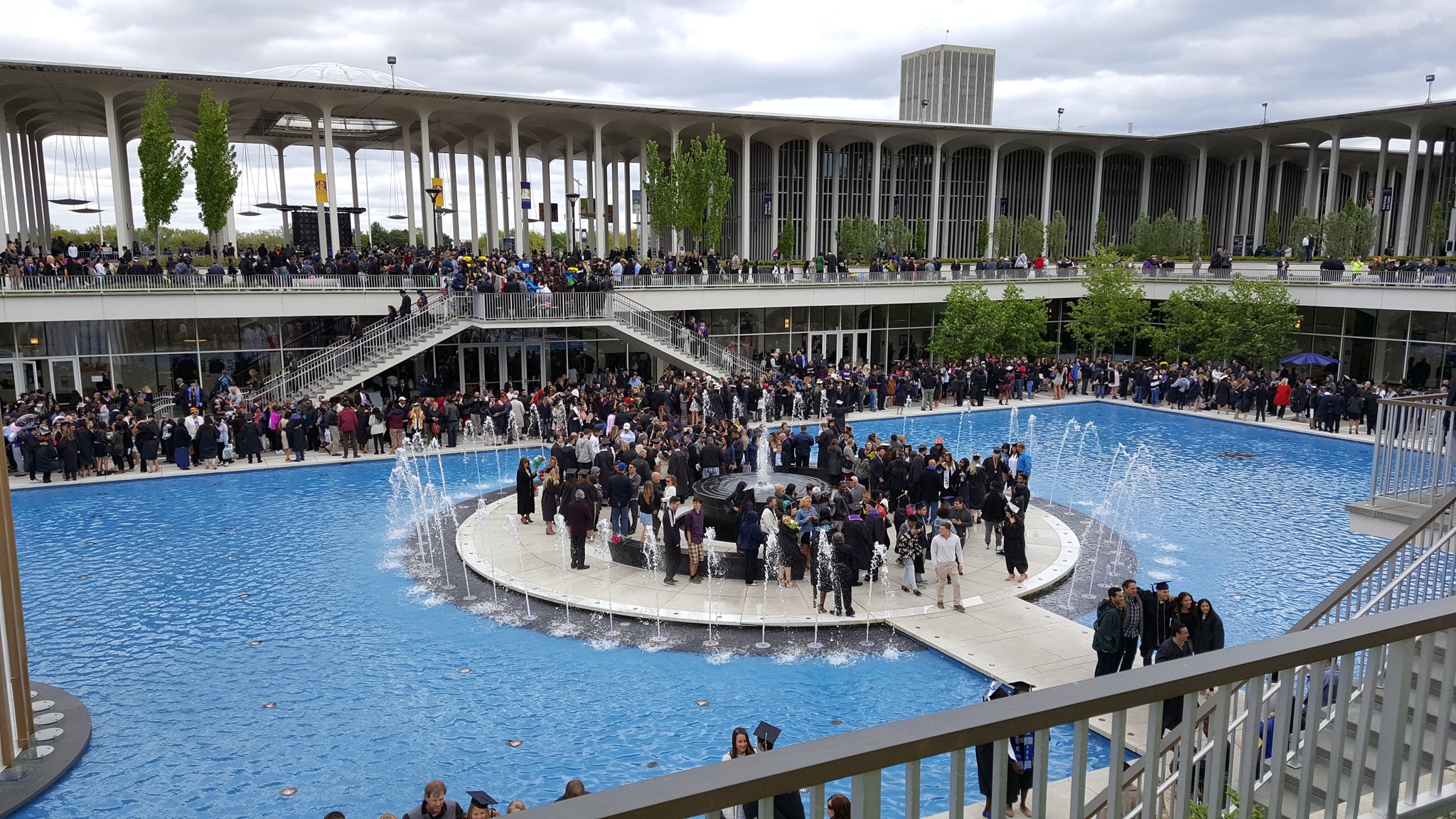
University of Albany

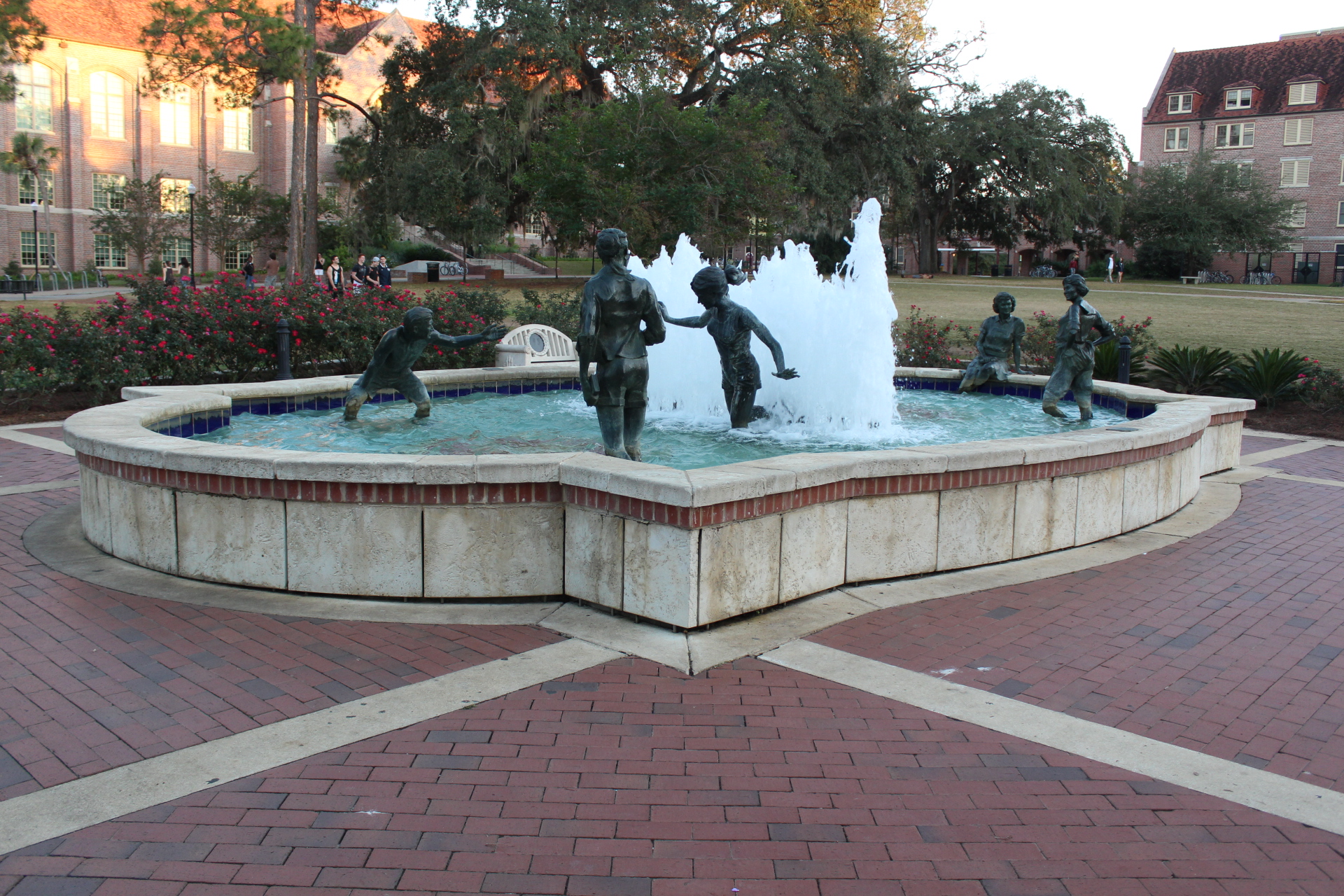
Florida State University

Eastern Kentucky University

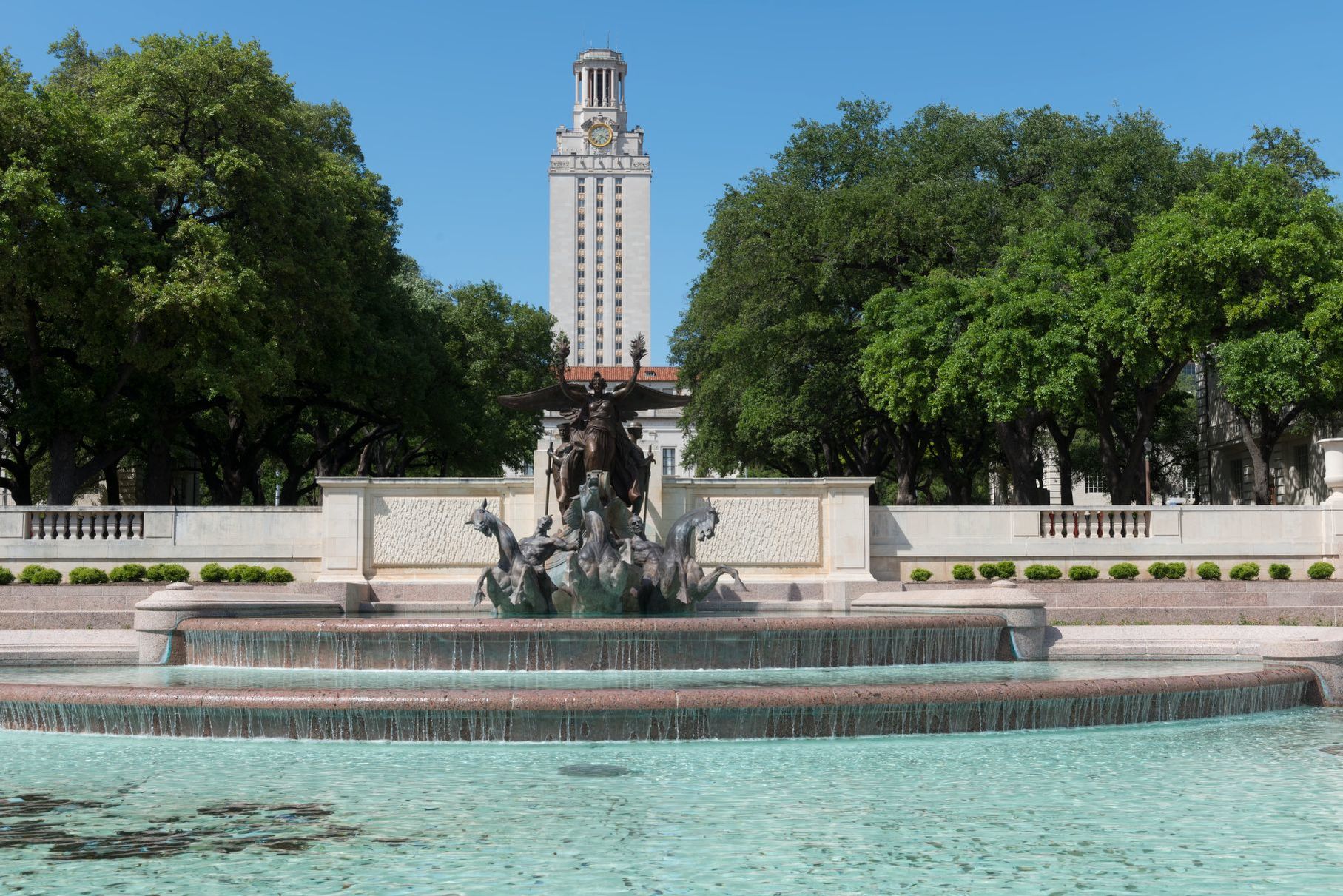
University of Texas Austin

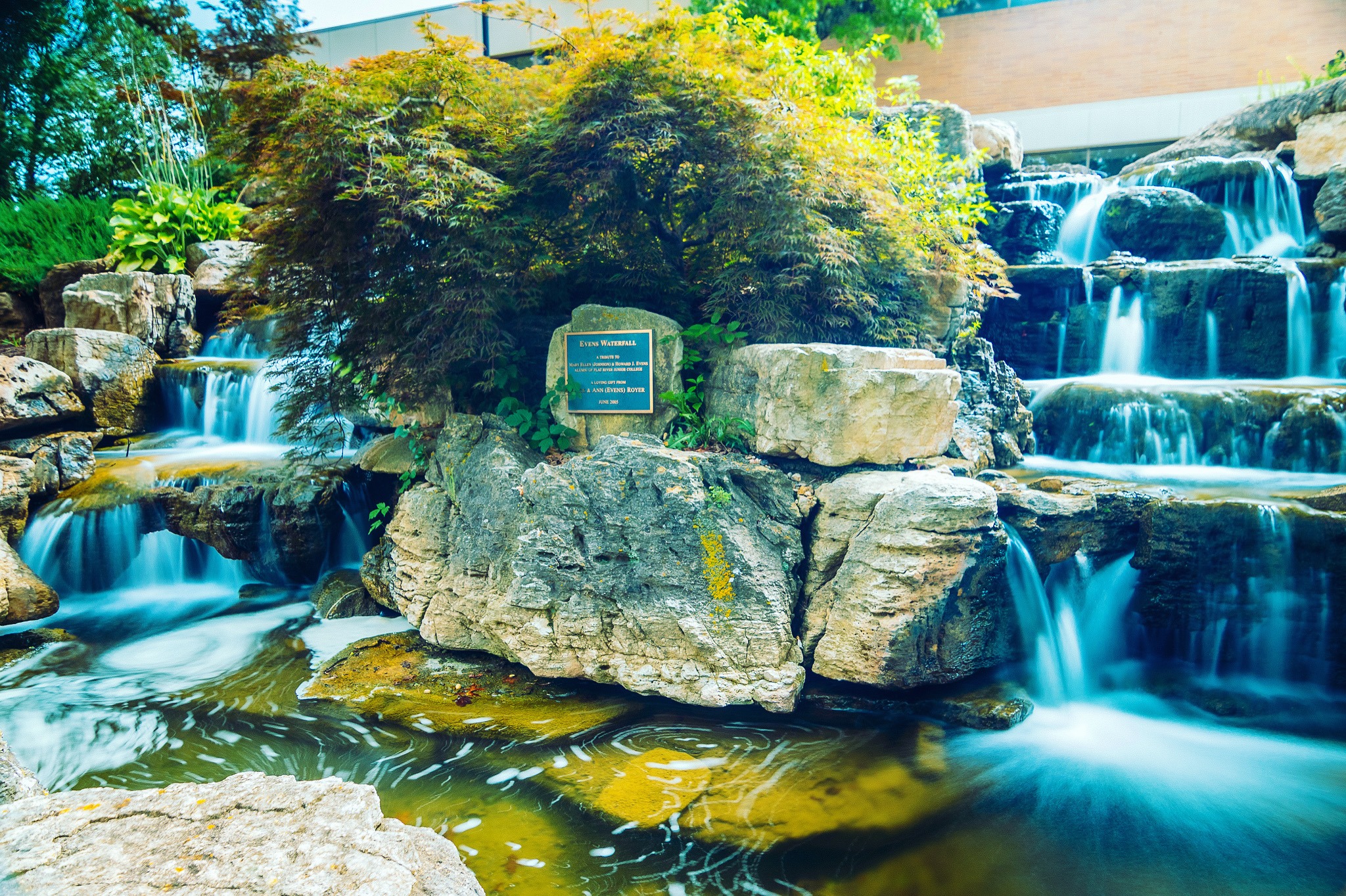
Mineral Area College Missouri

Henry Ford College

California Institute of Technology

Ludwig-Maximilians-Universität München

University of New Mexico

Regent University

Iowa State University

Berry College

Indiana University

University of Southern California

Furman University

University of Washington

Western Michigan University

Missouri State University

University of Michigan

Water 100

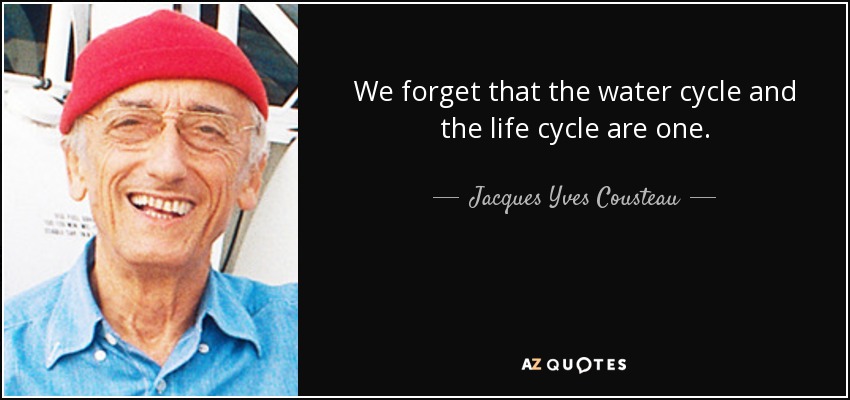
We forget that the water cycle and the life cycle are one. - Jacques Yves Cousteau

Ice Cream at the Rock

“The only emperor is the emperor of ice cream”

— Wallace Stevens


Michigan Central

The invention of ice cream, as we know it today, is a product of historical evolution, and there isn’t a single individual credited with its creation. Various cultures and civilizations throughout history have contributed to the development of frozen treats resembling ice cream.

One of the earliest records of frozen desserts can be traced back to ancient China, where people enjoyed a frozen mixture of milk and rice around 200 BC. Similarly, ancient Persians and Arabs had a tradition of mixing fruit juices with snow or ice to create refreshing treats.

In Europe, frozen desserts gained popularity in the 17th and 18th centuries, and it was during this time that the more modern version of ice cream, made with sweetened milk or cream, began to take shape. During this period, ice cream became more widely accessible and enjoyed by the nobility and upper classes.


MSU Extension: Dairy Store

MSU Infrastructure Planning and Facilities

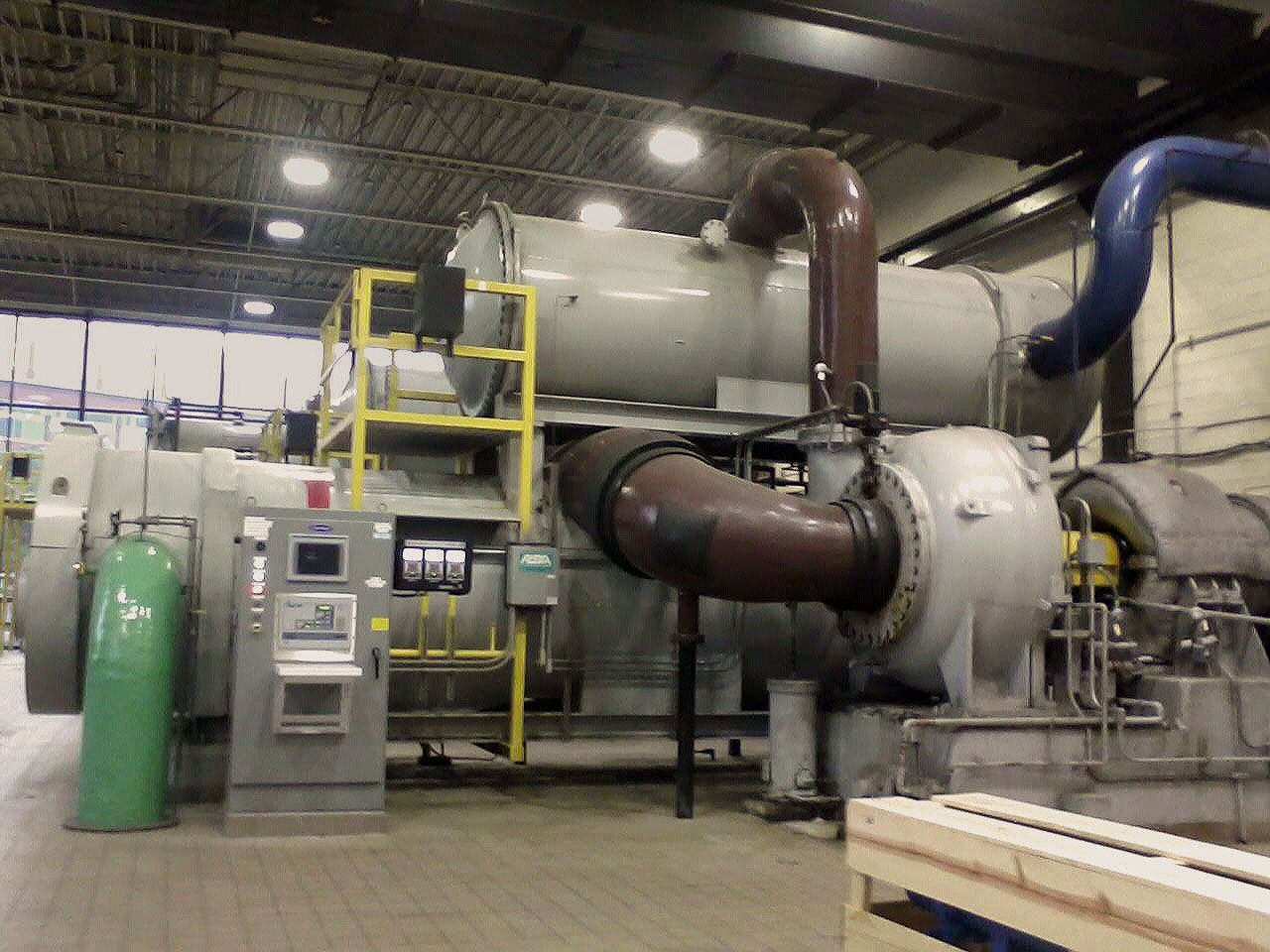
To produce ice cream on a commercial scale, several key pieces of infrastructure and equipment are necessary. The specific requirements may vary depending on the production capacity and the type of ice cream being produced, but the basic infrastructure typically includes:

  1. Manufacturing Facility: A dedicated space or building is needed to house all the production equipment and storage facilities. The facility should comply with local health and safety regulations and be designed to maintain the required temperature and hygiene standards.
  2. Mixing and Blending Equipment: Industrial-scale mixers and blending machines are used to mix ingredients like milk, cream, sugar, stabilizers, emulsifiers, and flavorings. These machines ensure that the mixture is homogenized and consistent.
  3. Pasteurization Equipment: To ensure product safety and extend shelf life, ice cream mix needs to be pasteurized. Pasteurization equipment heats the mixture to a specific temperature and then rapidly cools it to destroy harmful microorganisms.
  4. Homogenizers: Homogenizers help break down fat molecules in the ice cream mix to create a smoother and creamier texture.
  5. Aging Vats: The ice cream mix is aged at a controlled temperature for a specific period, which allows the ingredients to fully blend and improves the ice cream’s texture.
  6. Freezers: Continuous freezers or batch freezers are used to freeze the ice cream mix while incorporating air to create the desired overrun (the amount of air in the final product). Continuous freezers are more commonly used in large-scale production, while batch freezers are suitable for smaller batches.
  7. Hardening and Storage Room: Once the ice cream is frozen, it needs to be hardened at a lower temperature to achieve the desired texture. Storage rooms are used to store finished ice cream at the appropriate temperature until distribution.
  8. Packaging Equipment: Equipment for filling and packaging the ice cream into various containers, such as cartons, tubs, or cones.
  9. Quality Control and Laboratory Facilities: A dedicated area for quality control testing, where ice cream samples are analyzed for consistency, flavor, and other characteristics.
  10. Cleaning and Sanitation Systems: Proper cleaning and sanitation systems are essential to maintain hygiene and prevent contamination.
  11. Utilities: Adequate water supply, electrical power, and refrigeration capacity are critical for ice cream production.

Food Code 2022

Food 500


Wild Blueberry Pie

Standards Maine

Strawberry Daiquiri Cocktail

Founded in 1999, the European Bartender School (EBS) is the world’s leading bartending school, operating over 25 schools across five continents. Its mission is to provide top-quality, globally recognized bartending and barista courses designed by industry experts.

EBS aims to train aspiring bartenders with practical and theoretical skills, offering a comprehensive International Bartender Course that equips students for global career opportunities. With over 80,000 graduates, EBS fosters a vibrant community, connecting students to jobs via EBS MatchStaff. The school emphasizes a fun, social learning experience, blending professional education with personal growth and travel

Caprese Salad

Standards Tennessee

Commercial Kitchens 200

https://youtu.be/0Bugy5JzkTg?si=1zLZO3DeF_d9M-qJ

UT Extension Explores Tomatoes

Medical Center Dining Options

Related:

Tennessee’s Wine Industry: Consumer Perceptions, Quality Assurance Programs, and Marketing Strategies | A Summary Report


; gyroscope; picture-in-picture; web-share” referrerpolicy=”strict-origin-when-cross-origin” allowfullscreen>

Fennel Citrus Chicken Salad

Statement of Net Position 2024: $1.341B (PDF Page 24)Kendall Reagan Nutrition Center


Solanum lycopersicum

The Historic Rutgers Tomato Gets Re-invented in University’s 250th Anniversary Year


Rutgers University Institutional Planning and Operations

Layout mode
Predefined Skins
Custom Colors
Choose your skin color
Patterns Background
Images Background
Standards Michigan
error: Content is protected !!
Skip to content