





“A Peasant Dance in Finland” 1816 | Alexander Lauraeus

More
The European Fire Safety Guide
National Building Code of Finland
The Civil 20's Technology and Security for One World Summit began today. Honourable Governor of Tamil Nadu, Shri. R.N. Ravi, and Swami Amritaswarupananda Puri as a Civil 20 Troika member were at the event. #YouAreTheLight #Civil20India #Civil20 #C20 #G20India #G20 #TST #Amrita pic.twitter.com/4KsIAoSmoj
— Amrita Vishwa Vidyapeetham (@AMRITAedu) May 13, 2023
Arduino based Automated Sports Court Drawing Bot
Rajesh Kannan Megalingam, et. al
Stadium maintenance staff are one of those people who work hard to maintain the court correctly. One of the items that often require rework is the lines drawn on the court for maintenance of track or boundaries or even the entire court when it is football stadium etc. Besides, for indoor stadiums that host volleyball, basketball, tennis, etc., lines need to be drawn. Redrawing the court after each match is one of the major problems of concern. In such a scenario, a system is proposed that can draw the court lines autonomously. The objective of this research work is to present a design of an autonomous sports court drawing bot that can draw the linear lines automatically which can aid in the maintenance work of the sports stadium.
CLICK HERE to order complete paper.

There are several colleges and universities that are studying or researching agave farming. Agave is a succulent plant that is used to produce a variety of products, including tequila, mezcal, and agave syrup. Here are a few examples of colleges and universities that are involved in agave farming research:
These are just a few examples of colleges and universities that are involved in agave farming research. There are likely many more institutions that are studying agave farming and its various uses.
How Do You Measure the Percentage of Alcohol in Beer, Wine and Other Beverages?
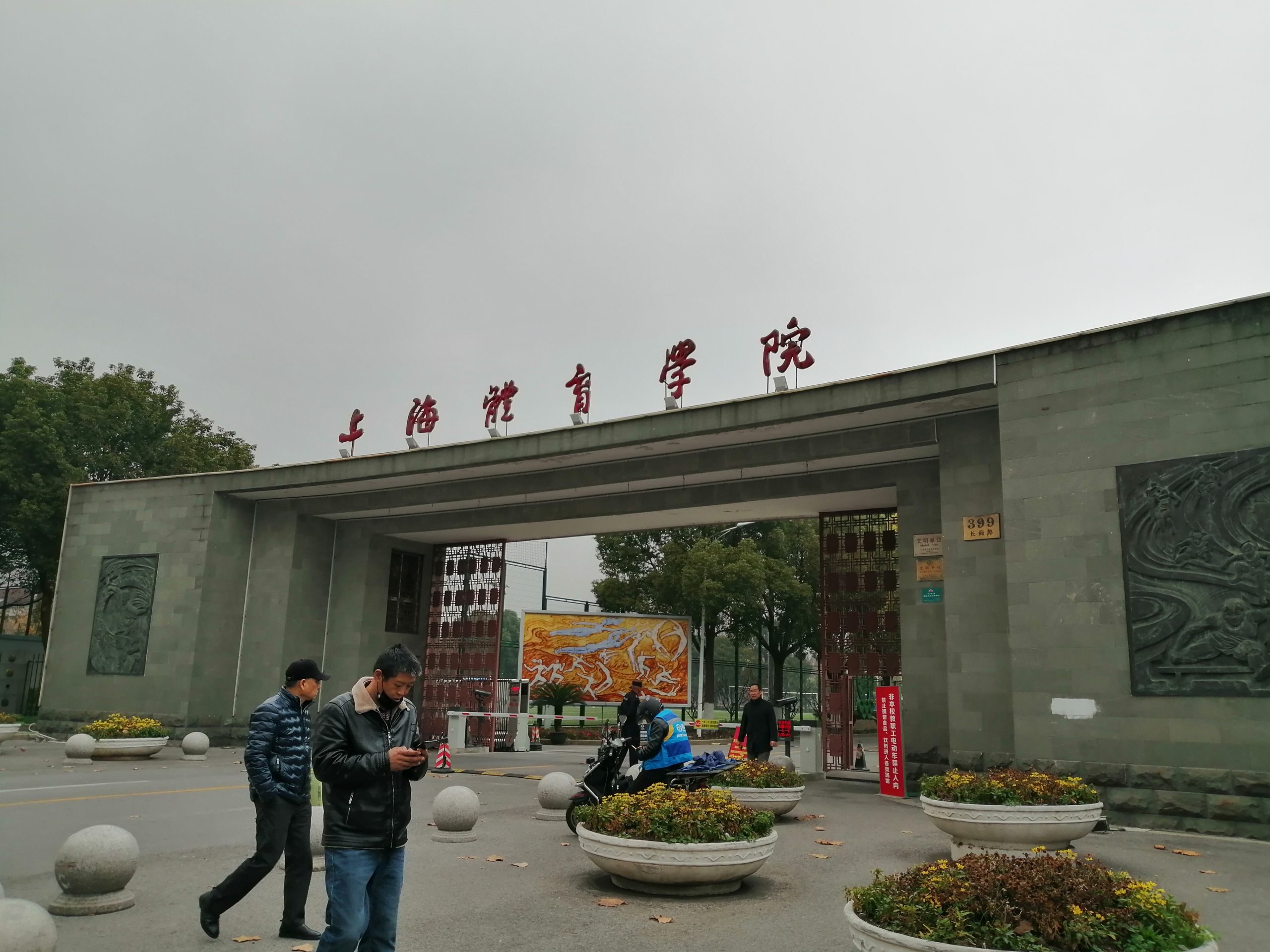
Xiao Yi | Shanghai University of Sport
Abstract. With the activities of major sports events have become increasingly active and the social influence of sports events is gradually increasing, people have more and more opportunities to watch matches in sports stadiums. Sports stadium, as a place of relatively large occupant density, has high demands for its safe operation except that it is necessary to meet the needs of competitions. Under the unexpected situations, how to ensure the public safety has become the focus of social concern. This paper takes the emergent evacuation simulation of sports stadium as a main research object. It concerns the main problems that how to use virtual reality technology to build a three-dimensional simulated scene of sports stadium; how to truly simulated the whole evacuation process of many people under unexpected situations. The scene modeling of sports stadium, The construction of evacuation model, The visualization of evacuation process, Dynamic Roaming and Interaction design, Evaluation system and other issues are discussed in this article.
.jpg)
Ming Emperor Xianzong Enjoying the Lantern Festival (CLICK IMAGE to launch Zoom interactive viewer)
CLICK HERE to order complete paper
Related IEEE Research:
Design of an Intelligent Management System for Sports Activities Based on New Information Technology
Research on the Application of Flipped Classroom Model in College Sports Dance Teaching
Luminaires receive operating energy at voltage ranges from 120V to 600V AC. For safety and aesthetic reasons — in gardens or inside stairway balustrades or bollards, for example — low voltage lighting is preferred. The illumination of the pathway, for example, reduces risk to the community far more than the risk voltage presents. These installations typically operate at 12 to 50 volts direct current. Manufacturers bear much of the electrical safety burden; assuming the Owner installs and maintains the system correctly.
Faster than anyone will expect, interior building lighting will morph into low voltage systems because 1) the lower energy supply required by LED luminaires will make it possible to pipe that energy through low voltage cabling systems, 2) the pace of innovation we see in information and communication technologies will use those cabling systems for greater control of illumination systems.
We see these trends tracking in two sections of the 2020 National Electrical Code:
Article 300 Wiring Methods (Table 300.5)
Article 411 Low-Voltage Lighting
CLICK HERE for Free Access to the current 2023 Edition.
Comments on Public Input for the 2026 Revision will be received until 28 August 2024. Use workspace linked below:
CMP-9 Public Input with Committee Response
CMP-18 Public Input with Committee Response
Apart from integrating a new definition of “extra low voltage” into the NEC, Article 411 is a relatively quiet part of the NEC. Not so with Article 300 which is of great consequence to wiring manufacturers, among others.
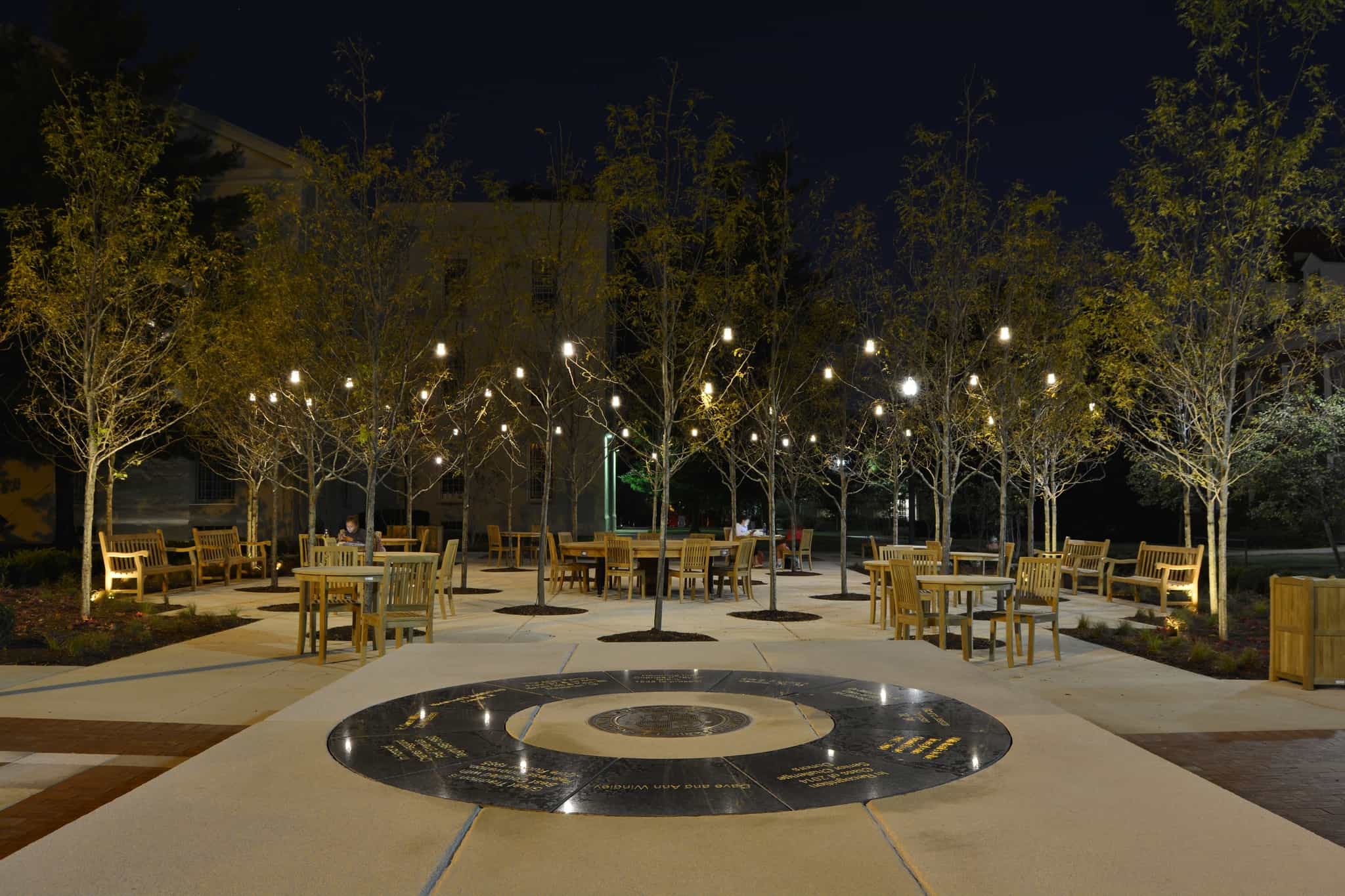
Transylvania University Kentucky
We coordinate our advocacy in all education community electrotechnologies with the IEEE Education & Healthcare Facilities Committee which meets online 4 times monthly in both European and American time zones. We maintain low voltage lighting on the standing agenda of our Power and Bucolia colloquia. See our CALENDAR for the next online meeting; open to everyone.
Issue: [NFPA Workspace]
Category: Power, Illumination, Bucolia
Colleages: Mike Anthony, Jim Harvey (University of Michigan), Kane Howard, Glenn Keates (Michigan State University), George Zsissis (University of Toulouse)
This content is accessible to paid subscribers. To view it please enter your password below or send mike@standardsmichigan.com a request for subscription details.
New update alert! The 2022 update to the Trademark Assignment Dataset is now available online. Find 1.29 million trademark assignments, involving 2.28 million unique trademark properties issued by the USPTO between March 1952 and January 2023: https://t.co/njrDAbSpwB pic.twitter.com/GkAXrHoQ9T
— USPTO (@uspto) July 13, 2023
Standards Michigan Group, LLC
2723 South State Street | Suite 150
Ann Arbor, MI 48104 USA
888-746-3670
 |
 |
|
 |
 |
|
 |
 |