
Author Archives: mike@standardsmichigan.com

Loading
loading...
https://standardsmichigan.com/guide-for-planning-and-designing-transitions-between-overhead-and-underground-transmission-lines/

Underground Electrotechnology

Maintenance Services | Facilities Management | PLU

Pacific Lutheran University


Best practice literature to be covered in our 11 AM session today are listed below.  These codes and standards ensure safety, reliability, and compliance for underground electrical and telecommunications installations:

2028 National Electrical Safety Code

  • National Electrical Code (NEC), NFPA 70
    • Relevance: The NEC, published by the National Fire Protection Association, is the primary standard for safe electrical installations in the U.S. Articles 300 (Wiring Methods), 310 (Conductors for General Wiring), and 230 (Services) cover underground wiring, including burial depths, conduit requirements, and direct-burial cables like Type UF and USE-2. For example, NEC 300.5 specifies minimum cover depths (e.g., 24 inches for direct-burial cables, 18 inches for PVC conduit).
    • Key Aspects: Rules for conductor protection, grounding, GFCI requirements, and conduit types (e.g., Schedule 80 PVC). Adopted by most U.S. jurisdictions with local amendments.

ANSI/TIA-568 Series (Commercial Building Telecommunications Cabling Standards)

  • Relevance: Governs low-voltage telecommunications cabling, including underground installations. TIA-568.2-D (Balanced Twisted-Pair) and TIA-568.3-D (Optical Fiber) specify performance requirements for cables like Cat6 and fiber optics, including maximum distances (e.g., 100 meters for twisted-pair).
  • Key Aspects: Ensures signal integrity, proper separation from high-voltage lines, and compliance for plenum or direct-burial-rated cables. Voluntary unless mandated by local codes.

IEEE 835 (Standard Power Cable Ampacity Tables)

  • Relevance: Provides ampacity ratings for underground power cables, critical for sizing conductors to prevent overheating.
  • Key Aspects: Includes data for direct-burial and ducted installations, considering soil thermal resistivity and ambient conditions. Often referenced alongside NEC for high-current applications.

UL 83 (Standard for Thermoplastic-Insulated Wires and Cables)

  • Relevance: Underwriters Laboratories standard for wires like THWN-2, commonly used in underground conduits. Ensures cables meet safety and performance criteria for wet locations.
  • Key Aspects: Specifies insulation durability, temperature ratings, and suitability for direct burial or conduit use. NEC requires UL-listed cables for compliance.

OSHA 1910.305 (Wiring Methods, Components, and Equipment)

  • Relevance: U.S. Occupational Safety and Health Administration standard for workplace electrical safety, including underground installations in industrial settings.
  • Key Aspects: Specifies approved wiring methods (e.g., armored cable, conduit) and enclosure requirements for underground cable trays or boxes. Focuses on worker safety during installation and maintenance.

CSA C22.1 (Canadian Electrical Code)

  • Relevance: Canada’s equivalent to the NEC, governing underground electrical installations. Similar to NEC but tailored to Canadian conditions and regulations.
  • Key Aspects: Defines burial depths, conduit types, and grounding requirements. For example, low-voltage cables (<30V) require 6-inch burial depth, like NEC.

Notes:

  • Regional Variations: Always consult local building authorities, as codes like the NEC or AS/NZS 3000 may have amendments. For example, some U.S. states reduce burial depths for GFCI-protected circuits (NEC 300.5).
  • Low-Voltage vs. High-Voltage: Standards like TIA-568 and ISO/IEC 11801 focus on low-voltage (e.g., <50V) telecommunications, while NEC and IEC 60364 cover both power and telecom.
  • Practical Compliance: Before installation, call 811 (U.S.) or equivalent to locate underground utilities, and obtain permits/inspections as required by local codes.
  • Critical Examination: While these standards are authoritative, they can lag behind technological advancements (e.g., new cable types like GameChanger exceeding TIA-568 limits). Over-reliance on minimum requirements may limit performance for cutting-edge applications.

Underground Electrotechnology General Conditions and Standard Details

Related:

1793-2012 – IEEE Guide for Planning and Designing Transition Facilities between Overhead and Underground Transmission Lines

The effect of an underground to overhead transition point on the specification of sheath voltage limiters in underground networks

Channel Characteristics Analysis of Medium Voltage Overhead and Mixed Overhead/Underground Cable Power Network

P81/D4, Jan 2025 – IEEE Draft Guide for Measuring Earth Resistivity, Ground Impedance, and Earth Surface Potentials of a Grounding System

Wires

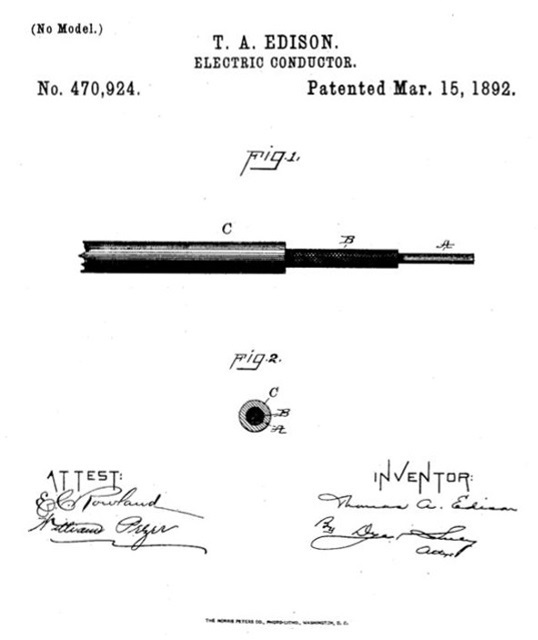
Ampere current flows through copper or aluminum conductor due to the movement of free electrons in response to an applied electric field of varying voltages.   Each copper or aluminum contributes one free electron to the electron sea, creating a vast reservoir of mobile charge carriers. When a potential difference (voltage) is applied across the ends of the conductor, an electric field is established within the conductor. This field exerts a force on the free electrons, causing them to move in the direction of the electric field.  The resulting current flow can be transformed into different forms depending on the nature of the device.

Heating: When current flows through a resistor, it encounters resistance, which causes the resistor to heat up. This is the principle behind electric heaters, toasters, and incandescent light bulbs.

Mechanical Work: Current flowing through an electric motor creates a magnetic field, which interacts with the magnetic field of the motor’s permanent magnets or electromagnets. This interaction generates a mechanical force, causing the motor to rotate. Thus, electrical energy is converted into mechanical energy; including sound.

Light: In an incandescent light bulb, a filament heats up ( a quantum phenomena) due to the current passing through it. This is an example of electrical energy being converted into light energy; including the chemical energy through light emitting diodes

Today we dwell on how conductors are specified and installed in building premise wiring systems primarily; with some attention to paths designed to carry current flowing through unwanted paths (ground faults, phase imbalance, etc).   In the time we have we will review the present state of the best practice literature developed by the organizations listed below:

International Electrotechnical Commission

60304 Low voltage installations: Protection against electric shock

Institute of Electrical and Electronic Engineers

National Electrical Safety Code

Insulated Cable Engineers Association

International Association of Electrical Inspectors

National Fire Protection Association

National Electrical Code

Code Making Panel 6

Transcript of CMP-6 Proposals for 2026 NEC

Other organizations such as the National Electrical Manufacturers Association, ASTM International, Underwriter Laboratories, also set product and installation standards.  Data center wiring; fiber-optic and low-voltage control wiring is covered in other colloquia (e.g. Infotech and Security) and coordinated with the IEEE Education & Healthcare Facilities Committee.

Use the login credentials at the upper right of our home page.


Related:

2017 National Electrical Code § 110.5

Neher-McGrath Calculation: Cable Calculation ampacity and Thermal Analysis

ETAP: Cabling Sizing – Cable Thermal Analysis


System Aspects of Electrical Energy

Impedance Grounding for Electric Grid Surviability

Electric Power Availability: Cold Weather Preparedness

Architecture of power systems: Special cases

Outdoor Deicing & Snow Melting

Campus Outdoor Lighting

High Voltage Electric Service

Campus Electric Bulk Distribution

2029 National Electrical Code

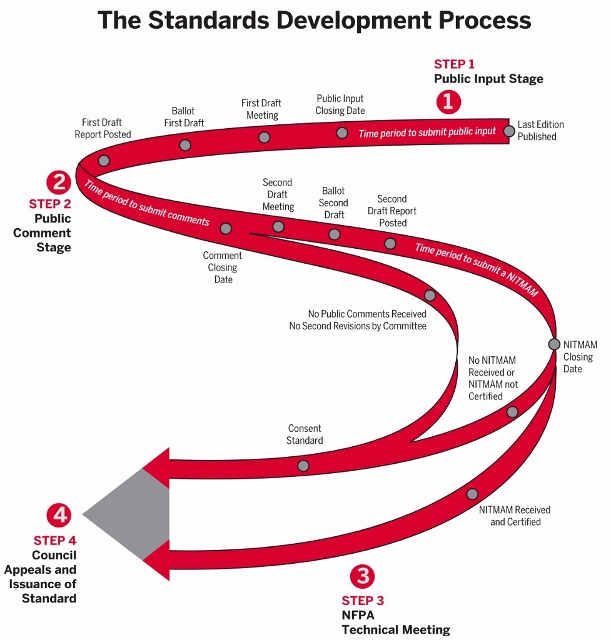
Public input on the 2029 Revision will be received until April 9th. Over the next weeks and months — typically meeting twice a day every Tuesday — we will pull forward our previous proposals and draft original proposals relevant to the education and healthcare electrotechnical infrastructure of educational settlements.  Link to Proposed Reorganization.

NFPA 70 2029 Revision Mike Anthony IEEE and Standards Michigan public input April 2026

2029 National Electrical Code Panel 1

2029 National Electrical Code Panel 3


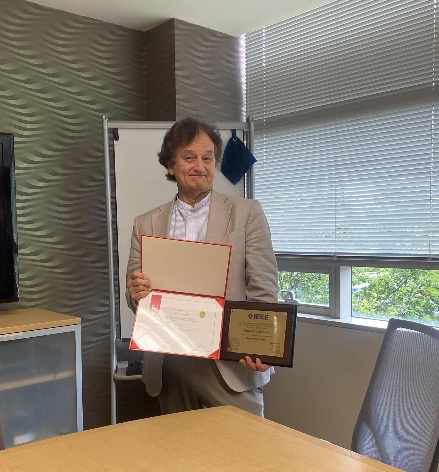
Photo at 2723 State Street Office*

Mike was part of the National Electrical Code Quarter Century Club but was at another conference and not able to receive the award at the June conference.  University of Michigan support began in 1993.  IEEE support began in 2014.

*New Office (a short walk across the street) starting October 1: 455 East Eisenhower, Ann Arbor, MI 48108


Current Issues and Recent Research

Today we examine Second Draft transcripts of the Special Equipment Chapter 6 (CMP-12) and product inspection, testing and certification listings that appear Annex A (CMP-1).


Once every eighteen months we spend a week drilling into the National Electrical Code by submitting new proposals or comments on proposed revisions.  Today we review the actions taken by the technical committees on the First Draft.   Responses to committee actions will be received until August 26th.

2026 National Electrical Code Workspace


Premise Wiring

Interconnected Electric Power Production Sources “Microgrids”

National Electrical Definitions

Kitchen Wiring

Solarvoltaic PV Systems

Hospital Plug Load

Data Center Wiring

Electrical Inspector Professional Qualifications

Critical Operations Power Systems

Arenas, Lecture Halls & Theaters

Appliances

Emergency and Standby Power Systems

Luminaires, Lampholders, and Lamps

Electric Vehicle Power Transfer System

Art, Design & Fashion Studios

Wiring for Luminaires in High Ceiling Occupancies

Intellectual Property


It is impossible to overestimate the sensitivity of this topic but poke at it, we will.  At the moment, the less written here; the better.   Much of this domain is outside our wheelhouse; though it has settled on a few first principles regarding patents, trademarks and copyrights relevant to the user-interest we describe in our ABOUT.

Many large research universities have a watchdog guarding its intellectual property and trying to generate income from it, and; of course, for branding.  We will dwell on salient characteristics of the intellectual property domain with which we reckon daily — highlighting the market actors and the standards they have agreed upon.

Additionally, technical standards developers are generally protected by copyright law, as the standards they create are typically considered original works of authorship that are subject to copyright protection.  In the United States, the Copyright Act of 1976 provides copyright protection for original works of authorship, which includes technical standards. This means that the developers of technical standards have the exclusive right to reproduce, distribute, and create derivative works based on their standards, and others must obtain permission or a license to use or reproduce the standards.  

Some technical standards may be subject to certain exemptions or limitations under copyright law.  In the United States, there is a doctrine called “fair use” that allows for limited use of copyrighted works for purposes such as criticism, comment, news reporting, teaching, scholarship, or research, without the need for permission or a license from the copyright owner.  Almost everything we do at Standards Michigan falls under the fair use doctrine.  This is why we have no search feature and most pages are protected.  If we err in this; let us know.  

Innovation management

Why The U.S. And China Fight Over IP

For Every Lawyer, There is an Equal and Opposite Lawyer

Free Speech and Innovation

More

  1. Patent Act: This is the primary federal law governing patents in the United States. It sets forth the requirements for obtaining a patent, the rights of patent owners, and the remedies available for infringement.
  2. The Sherman Antitrust Act of 1890 and the Clayton Antitrust Act of 1914 prohibit anticompetitive behavior in the marketplace, including the use of codes and standards to exclude competition.
  3. Title 37 of the Code of Federal Regulations: This contains the rules and procedures related to patents, including rules governing the filing and examination of patent applications.
  4. America Invents Act: This is a major overhaul of the U.S. patent system that was enacted in 2011. It includes provisions such as the transition to a “first-inventor-to-file” system and the creation of new post-grant review procedures for challenging the validity of patents.
  5. Manual of Patent Examining Procedure: This is a guidebook for patent examiners that provides detailed information on the rules and procedures for examining patent applications.
  6. Everett Rogers: Diffusion of innovations
  7. Copyright Law of the United States (Title 17)


Protection of Intellectual Property in the Supply Chain

ASTM International Intellectual Property Policy

Healthcare Standards Institute IP Policy

International Code Council Copyright Protection

IEEE Patent Policy

NFPA Regulations and Policies

Underwriters Laboratory Patent Policy


Intellectual Property 101

Innovation – Market Acceptance – Standardization – Human Right

2026 National Patent Application Drafting Competition (Results)

The NPADC is a team competition for law students to develop skills in drafting patent applications, focusing on U.S. patent law. Teams receive a hypothetical invention statement, conduct prior art searches, draft specifications and claims, and present their work to judges, including patent examiners and practitioners. For 2025, the invention was an extra-uterine system for supporting premature fetuses, indicating the complexity of tasks involved

There is no publicly available timetable for the 2027 National Patent Application Drafting Competition (NPADC) from the United States Patent and Trademark Office (USPTO) as of the latest available information. The USPTO typically releases detailed schedules for the NPADC closer to the competition year, often in the fall of the preceding year (e.g., October or November 2025 for the 2026 competition).


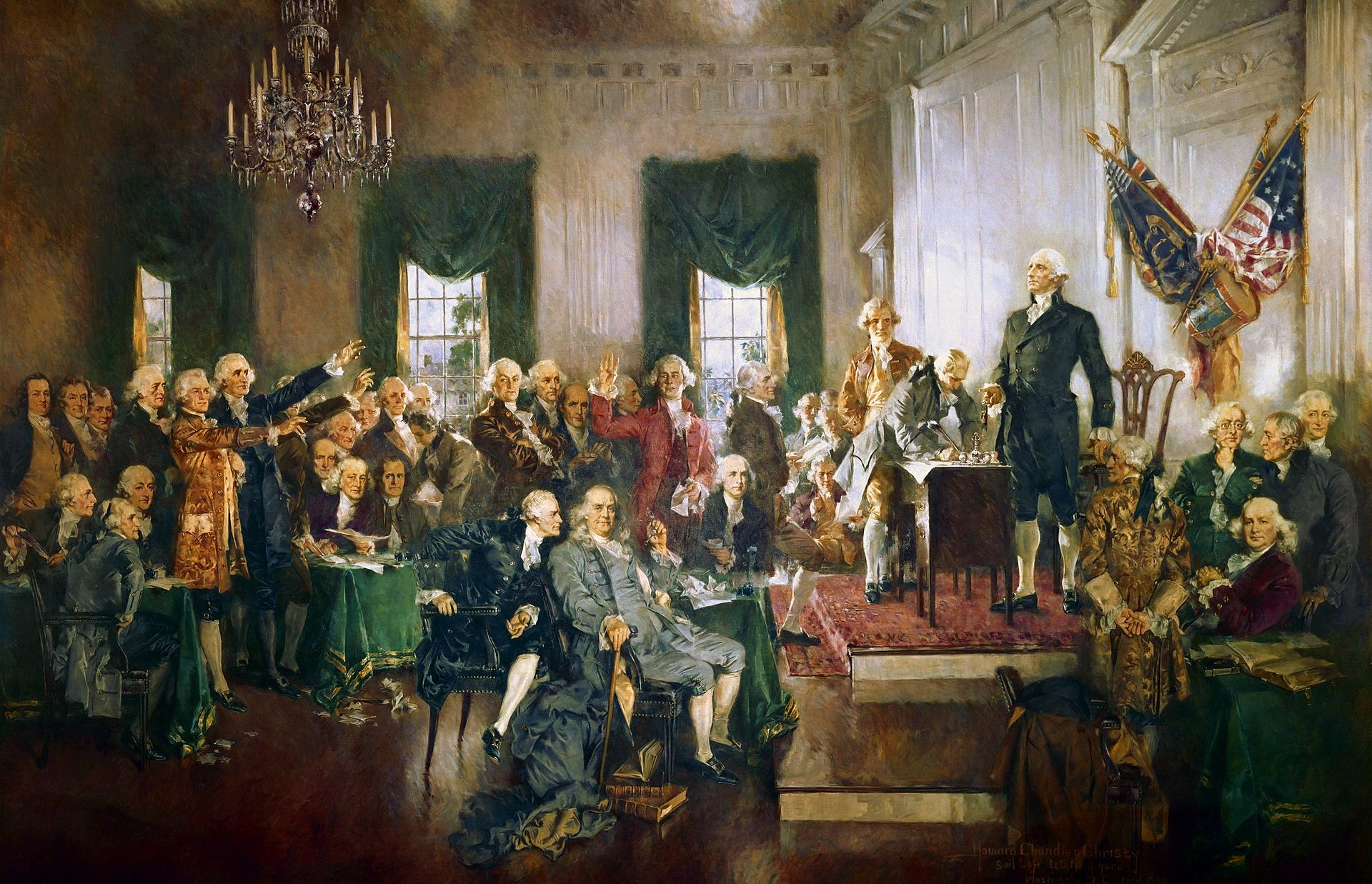
Thomas Jefferson was the leader in founding the United States Patent Office. Jefferson was a strong supporter of the patent system and believed that it was essential for promoting innovation and progress in the United States. As the first Secretary of State Jefferson was responsible for implementing the country’s patent system.

Article I, Section 8, Clause 8 of the United States Constitution reads as follows:

“The Congress shall have Power To promote the Progress of Science and useful Arts, by securing for limited Times to Authors and Inventors the exclusive Right to their respective Writings and Discoveries.”

In 1790, Jefferson drafted the first Patent Act, which established the procedures for applying for and granting patents. The act also created the United States Patent Office as a government agency to oversee the patent system. Jefferson appointed the first Patent Board, which was responsible for reviewing patent applications and making recommendations to the Secretary of State.

Jefferson was deeply involved in the early development of the Patent Office and was instrumental in shaping its policies and procedures. He believed that the patent system should be accessible to all inventors, regardless of their social or economic status, and he worked to streamline the patent application process to make it more efficient and user-friendly.

In recognition of his contributions to the development of the patent system, Jefferson is often referred to as the “Father of American Innovation.”

This clause grants Congress the authority to establish a system of patents and copyrights to protect the intellectual property of inventors and authors. The purpose of this system is to encourage innovation and creativity by providing inventors and authors with a temporary monopoly on their creations, allowing them to profit from their work and invest in future projects. The clause also emphasizes the importance of promoting the progress of science and the useful arts, reflecting the belief of the founders that the development of new technologies and inventions was essential for the growth and prosperity of the United States.

Over the years, the Patent Office has played a crucial role in the development of the United States as a technological leader, granting patents for inventions ranging from the telephone and the light bulb to the airplane and the computer. Today, the Patent Office is part of the United States Department of Commerce and is responsible for examining patent applications and issuing patents to inventors and companies.

Welcome to the 2025 National Patent Application Drafting Competition!

2024 National Patent Application Drafting Competition

90 Second Lecture: Was Christopher Columbus a Genius or Was He Just Lucky?

University of Dayton’s FY2025 net position: $1.759 billion

University of Dayton Chapel of the Immaculate Conception in Autumn No. 2 | Art of Frozen Time

“Standard” History

Standards Ohio

The University of Dayton is a private, Catholic research university in Dayton, Ohio. Founded in 1850 by the Society of Mary, it is one of three Marianist universities in the nation and the second-largest private university in Ohio. The university’s campus is in the city’s southern portion and spans 388 acres on both sides of the Great Miami River. The campus is noted for the Immaculate Conception Chapel and the University of Dayton Arena.

Sunday Summons

Standards Tennessee | Sacred Spaces | Bentley Bell History

For centuries, Sunday bells have called communities from the ordinary
business of the week toward a common hour of worship. On a college campus,
the summons carries across walks, gardens, residence halls and playing
fields, briefly gathering a scattered community by sound.

Some bells mark the hour; others are rung by hand, continuing a practice older than the
institutions around them. The sound requires no screen, notice or
invitation. It simply travels. On a quiet Sunday morning, chapel bells
remain one of the oldest ways an educational settlement announces that
another week is about to begin.

No photo description available.

Philanthropy sometimes begins with conversation rather than campaign. In 2002, Donne Bentley Wright of Chattanooga and her husband, Spencer Wright, heard Sewanee registrar Paul Engsberg describe the English change-ringing tradition he had encountered at Durham.

The Wrights offered to fund a ring for Sewanee. Eight bells were cast at London’s Whitechapel Bell Foundry on July 4, 2003 and installed in historic Breslin Tower the following year. Named for members of the family, including Donne Wright’s parents, Mildred and George Bentley, the bells became more than a memorial. Students learned to ring them, and every Sunday they still summon the community to worship.

School of Theology

Carillons

Beef & Sour Cream

Standards Nebraska

Beef Stroganoff originated in 19th-century Russia, named after the wealthy Stroganov family (likely Count Pavel Alexandrovich or a relative). It first appeared in cookbooks like Elena Molokhovets’s “A Gift to Young Housewives” around the 1870s, featuring sautéed beef strips in a simple sauce of mustard, bouillon, and sour cream (smetana)—no mushrooms or onions in the earliest versions.

Russian aristocrats often employed French chefs, blending French techniques (like mustard seasoning and sautéing) with Russian ingredients (heavy sour cream). Legends claim it was created for a toothless count or due to frozen Siberian beef, but it’s likely a refined take on older Russian beef dishes. It spread globally after the 1917 Revolution via émigrés (so-called White Russians) that settled in Nebraska.

Thesis: The History of the German-Russian Colony in Lincoln (June 1909)

Beef Stroganoff over egg noodles

CLICK IMAGE FOR RECIPE

Standards Nebraska | Nebraska Extension


Iowa Variant

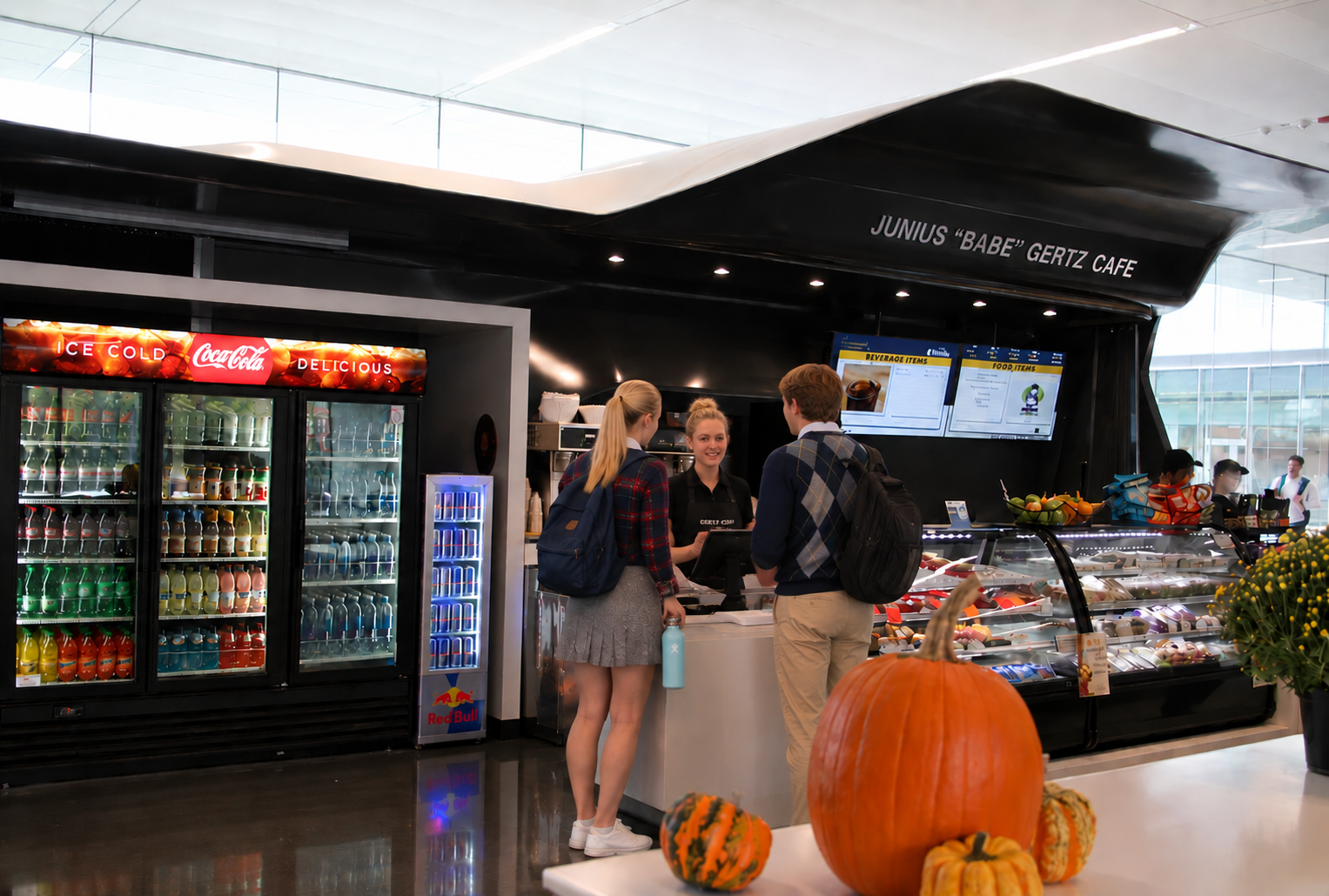
Junius “Babe” Gertz Cafe

RHODE ISLAND WEATHER

https://standardsmichigan.com/136343-2/

Fascitelli Center for Advanced Engineering

Net Position $103.3M | Master Plan | Philanthropy

Ordinary Work, Permanent Places

Junius “Babe” Gertz represents a familiar pattern in the history of the educational settlement.  Fortunes are often made not through glamorous enterprises but through ordinary work done exceptionally well. Gertz and his brother built a Rhode Island business around swimming pools, water filtration and the practical engineering needed to make them work. Commercial success eventually became philanthropy, and philanthropy became a permanent part of campus life.

The pattern appears elsewhere. At the University of Michigan, Bert’s Café similarly carries the name of a businessman whose success outside the university eventually found permanent expression within it.

A name associated with a factory, shop or service business reappears on a café, commons or building used by generations of students. Gertz Café is especially fitting: practical engineering wealth returned to an engineering school as an everyday gathering place.

Junius “Babe” Gertz Cafe

Iced Americano


Layout mode
Predefined Skins
Custom Colors
Choose your skin color
Patterns Background
Images Background
Standards Michigan
error: Content is protected !!
Skip to content