
Construction Trailer Coffee
- Home Page 173



Captain Kangaroo
This content is accessible to paid subscribers. To view it please enter your password below or send mike@standardsmichigan.com a request for subscription details.

Campus Electric Transit

University of Michigan | Washtenaw County
Widespread use of electric vehicles (EVs) on large university campuses offers significant possibilities but also presents challenges. Possibilities include reduced carbon emissions, aligning with sustainability goals, as EVs produce zero tailpipe emissions compared to gasoline-powered vehicles. Campuses could deploy electric shuttles, maintenance vehicles, or shared EV fleets, decreasing reliance on fossil fuels. EVs could integrate with campus microgrids, leveraging renewable energy sources like solar panels. They also promote quieter environments, reducing noise pollution in academic settings. Universities could foster innovation by integrating EV infrastructure into research, such as smart grid technology or battery development.
Pros include environmental benefits, lower operating costs (electricity is cheaper than fuel), and enhanced campus branding as eco-friendly. EVs require less maintenance, saving long-term costs. Students and staff benefit from cleaner air and modern transportation options.
Cons include high upfront costs for EVs and charging infrastructure, straining budgets. Limited range and charging times may disrupt campus operations, especially for time-sensitive tasks. Charging station availability could lead to congestion or inequitable access. Battery production raises ethical concerns about resource extraction. Retrofitting existing fleets and managing grid demand pose logistical hurdles.
Balancing these factors requires strategic planning, but EVs could transform campus mobility sustainably.
We have followed standards setting action in this domain since 1993. During todays colloquium at 15:00 UTC we will answer questions about our involvement, guided by our Safer-Simpler-Lower Cost – Longer Lasting advocacy in all relevant standards. Use the login credentials at the upper right of our home page.
National Electrical Manufacturers Association
EV Charging Stations Integration into Public Lighting Infrastructure
Drivers and Barriers to Implementation of Connected, Automated, Shared, and Electric Vehicles
Et al.
Wireless EV Charging
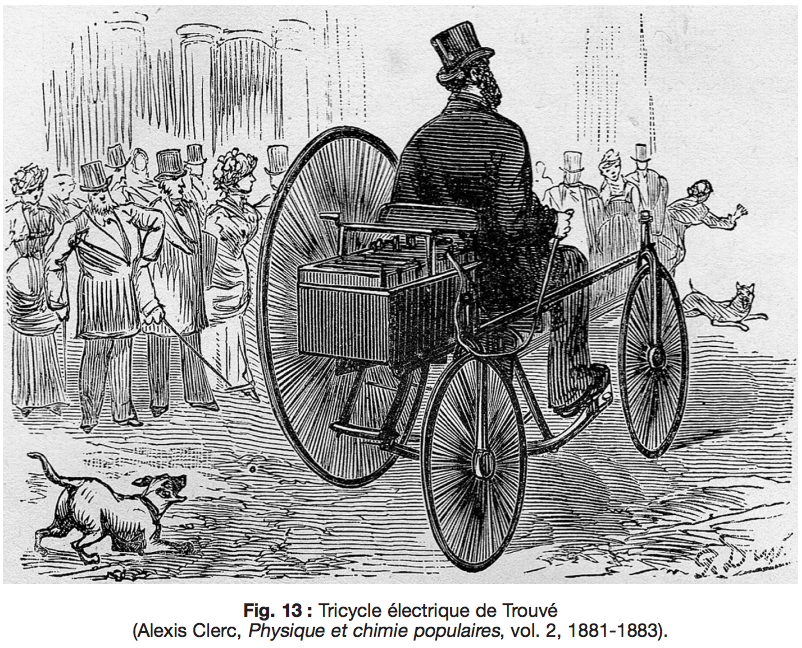
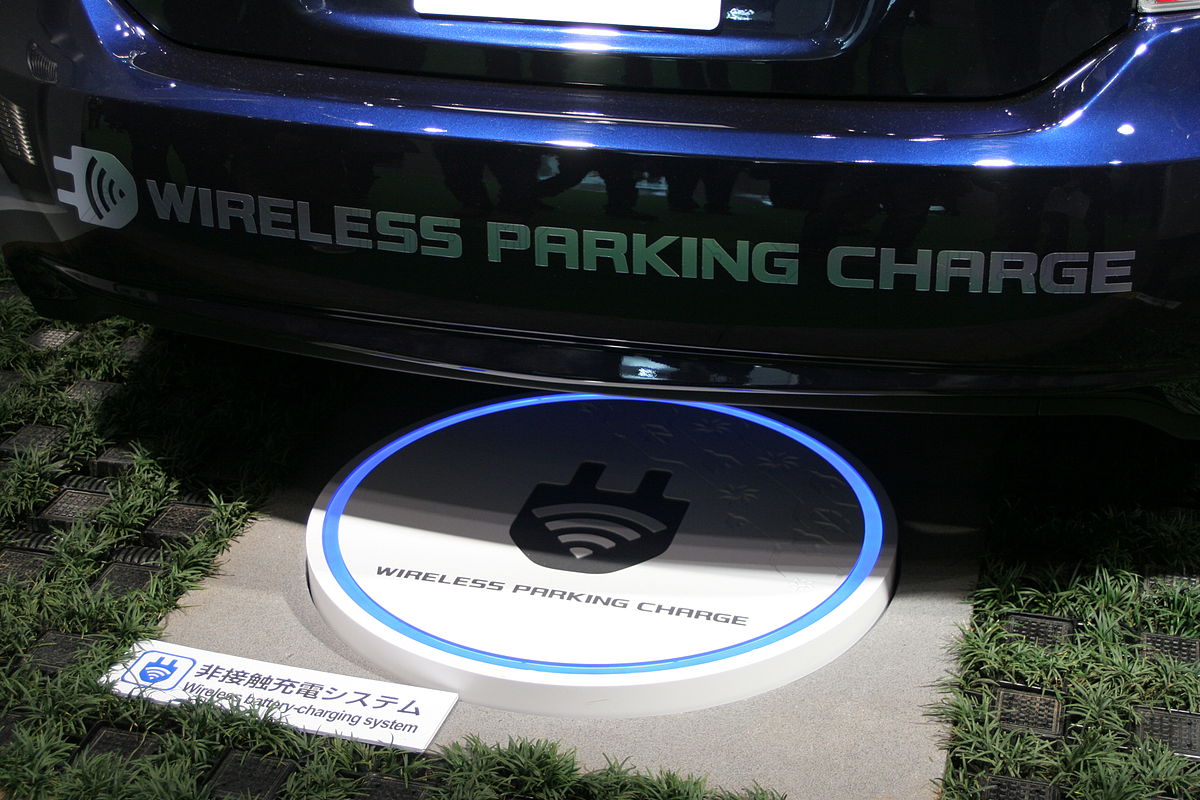
Wireless electric vehicle charging on streets uses electromagnetic induction to transfer power without physical connectors. A primary coil, embedded in the road surface, generates an alternating magnetic field when energized by an external power source. A secondary coil, installed on the EV’s underside, captures this field, inducing an electric current that charges the vehicle’s battery. Efficient power transfer requires precise alignment between coils, often aided by sensors or magnetic guidance systems.
Operating typically at frequencies of 20–100 kHz, the system ensures safe, non-contact energy transfer with efficiencies up to 90%. Power levels vary from 3.3 kW for slow charging to 22 kW or higher for faster systems. Infrastructure includes power inverters, communication modules for vehicle-grid interaction, and safety mechanisms to prevent electromagnetic interference or hazards. Dynamic charging, where EVs charge while moving, extends this concept using sequential coil activation along roads.


Electric Vehicle Power Transfer System
Updated July 15, 2025
2026 National Electrical Code Table of Contents
2026 NEC First Draft: How Did We Get Here?
Public Input Transcript: First Draft | Public Comment Transcript: Second Draft

2023 National Electrical Code | Current Issues and Recent Research
August 5, 2021
The 2020 National Electrical Code (NEC) contains significant revisions to Article 625 Electric Vehicle Power Transfer Systems. Free access to this information is linked below:
You will need to set up a (free) account to view Article 625 or you may join our colloquium today.
Public input for the 2023 Edition of the NEC has already been received. The work of the assigned committee — Code Making Panel 12 — is linked below:
NFPA 70_A2022_NEC_P12_FD_PIReport_rev
Mighty spirited debate. Wireless charging from in-ground facilities employing magnetic resonance are noteworthy. Other Relevant Articles:
- Article 240: Overcurrent Protection: This article includes requirements for overcurrent protection devices that could be relevant for EV charging systems.
- Article 210: Branch Circuits: General requirements for branch circuits, which can include circuits dedicated to EVSE.
- Article 220: Load Calculations: Guidelines for calculating the electrical load for EVSE installations.
- Article 230: Services: General requirements for electrical service installations, which can be relevant for EVSE.
- Article 250: Grounding and Bonding: Requirements for grounding and bonding, which are critical for safety in EVSE installations.
Technical committees meet November – January to respond. In the intervening time it is helpful break down the ideas that were in play last cycle. The links below provide the access point:
Public Comment Report Panel 12
We find a fair amount of administrative and harmonization action; fairly common in any revision cycle. We have taken an interest in a few specific concepts that track in academic research construction industry literature:
- Correlation with Underwriters Laboratory product standards
- Bi-Directional Charging & Demand Response
- Connection to interactive power sources
As a wiring safety installation code — with a large installer and inspection constituency — the NEC is usually the starting point for designing the power chain to electric vehicles. There is close coupling between the NEC and product conformance organizations identified by NIST as Nationally Recognized Testing Laboratories; the subject of a separate post.
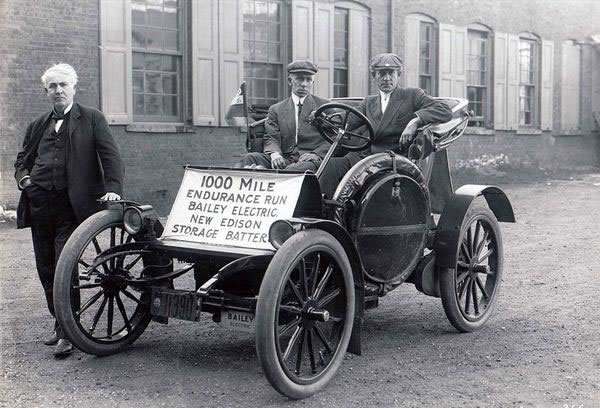
Edison electric vehicle | National Park Service, US Department of the Interior
After the First Draft is released June 28th public comment is receivable until August 19th.
We typically do not duplicate the work of the 10’s of thousands of National Electrical Code instructors who will be fanning out across the nation to host training sessions for electrical professionals whose license requires mandatory continuing education. That space has been a crowded space for decades. Instead we co-host “transcript reading” sessions with the IEEE Education & Healthcare Facilities Committee to sort through specifics of the 2020 NEC and to develop some of the ideas that ran through 2020 proposals but did not make it to final ballot and which we are likely to see on the docket of the 2023 NEC revision. That committee meets online 4 times monthly. We also include Article 625 on the standing agenda of our Mobility colloquium; open to everyone. See our CALENDAR for the next online meeting
Issue: [16-102]
Category: Electrical, Transportation & Parking, Energy
Colleagues: Mike Anthony, Jim Harvey
More
U.S. NATIONAL ELECTRIC VEHICLE SAFETY STANDARDS SUMMIT | DETROIT, MICHIGAN 2010

Force Majeure
In his books, The Black Swan and Antifragile, Nassim Nicholas Taleb observes that freak disasters—rare, high-impact events—are unpredictable and often underestimated due to their low probability. He calls these “Black Swan” events, characterized by their extreme rarity, severe consequences, and retrospective predictability. Taleb argues that people and systems are overly reliant on normalcy and linear models, ignoring the potential for such outliers.
These disasters expose the fragility of complex systems, like financial markets or infrastructure, which are unprepared for extreme shocks. In Antifragile, he contrasts fragile systems with antifragile ones, which thrive under stress. Taleb emphasizes that freak disasters are not anomalies but inevitable in a complex world, urging risk management that accounts for uncertainty rather than predictability. He critiques overconfidence in forecasting and advocates for building resilience to mitigate the devastating effects of these unpredictable events.
We cover this ground, more than tangentially, in our activism in disaster management standards setting. Our coverage of this topic dates back to 1993 which the links below should reveal. We will expand upon this topic as more information is derived from this past week’s events in Kerr County Texas.
“Extreme events and how to live with them” Nassim Nicholas
Talebhttps://t.co/fWYvN0v1ud@DarwinCollege @nntaleb@nyutandon @UMassAmherst pic.twitter.com/S83c8LgLs4— Standards Michigan (@StandardsMich) February 11, 2021



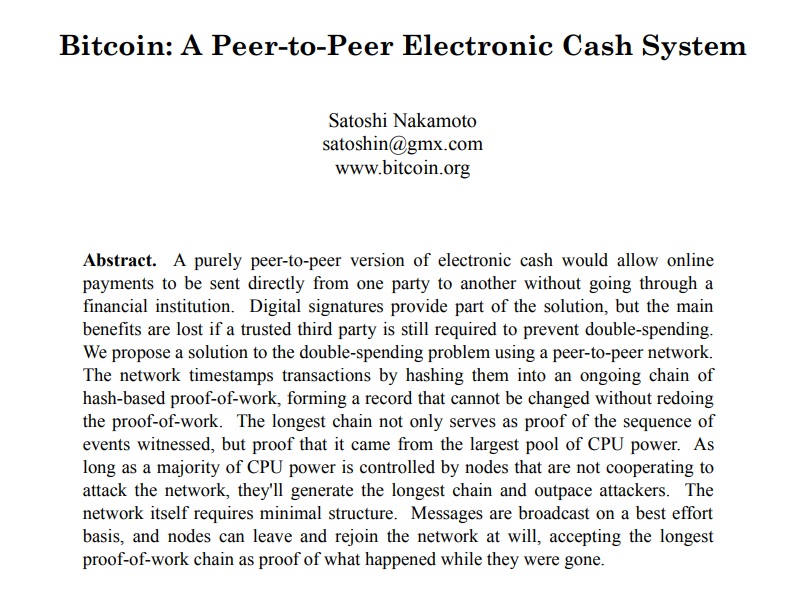
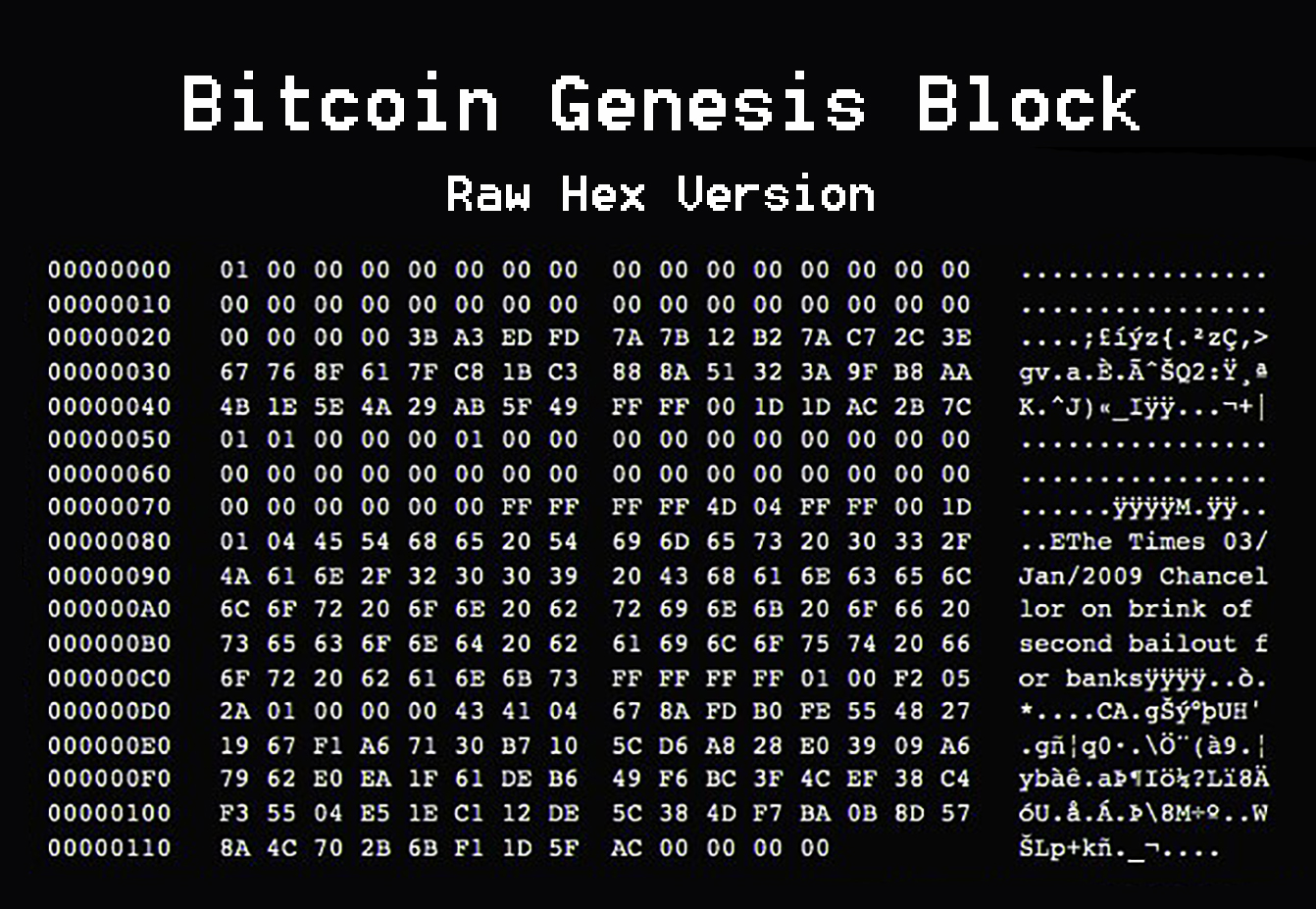
Original White Paper: Bitcoin
Bitcoin and Open-Source
Bitcoin is developed under an open-source model and released under the MIT License. As an open-source project, the Bitcoin source code is publicly accessible, allowing users to examine, modify, and distribute it within the terms of the MIT License.
Yet,…
— Satoshi Nakamoto (@satoshi) December 8, 2023
New update alert! The 2022 update to the Trademark Assignment Dataset is now available online. Find 1.29 million trademark assignments, involving 2.28 million unique trademark properties issued by the USPTO between March 1952 and January 2023: https://t.co/njrDAbSpwB pic.twitter.com/GkAXrHoQ9T
— USPTO (@uspto) July 13, 2023
Standards Michigan Group, LLC
455 East Eisenhower Parkway, Suite 300
Ann Arbor, MI 48108 USA
888-748-3670
DIRECTIONS
 |
 |
|
 |
 |
|
 |
 |