



University of California Merced Power Plant*

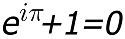
Exploration of the Theory of Electric Shock Drowning
Jesse Kotsch – Brandon Prussak – Michael Morse – James Kohl
Abstract: Drowning due to electric shock is theorized to occur when a current that is greater than the “let go” current passes through a body of water and conducts with the human body. Drowning would occur when the skeletal muscles contract and the victim can no longer swim. It is theorized that the likelihood of receiving a deadly shock in a freshwater environment (such as a lake) is higher than the likelihood in a saltwater environment (such as a marina). It is possible that due to the high conductivity of salt water, the current shunts around the individual, while in freshwater, where the conductivity of the water is lower than that of the human; a majority of the current will travel through the individual. The purpose of this research is to either validate or disprove these claims. To address this, we used Finite Element analysis in order to simulate a human swimming in a large body of water in which electric current has leaked from a 120V source. The conductivity of the water was varied from .005 S/m (pure water) up to 4.8 S/m (salt water) and the current density through a cross sectional area of the human was measured. With this research, we hope to educate swimmers on the best action to take if caught in such a situation.
CLICK HERE to order complete paper.
This content is accessible to paid subscribers. To view it please enter your password below or send mike@standardsmichigan.com a request for subscription details.
This content is accessible to paid subscribers. To view it please enter your password below or send mike@standardsmichigan.com a request for subscription details.
Kentucky Building Code: Chapter 18 Soils and Foundations

We are proud to have been named one of the Best Colleges for Future Leaders by @Time! @ukypres said the recognition is “a testament to our power, purpose and unending commitment to graduating a strong and informed workforce positioned for success.”
Learn more at… pic.twitter.com/sU6ZwBw1Cm
— University of Kentucky (@universityofky) November 30, 2023
Good Luck on midterms Wildcats! YOU GOT THIS💙 pic.twitter.com/3J3mEmr2TJ
— University of Kentucky (@universityofky) October 17, 2022
Standards Nebraska | STDMi: Morill Land Grant Act
Soaking up the warm weather and the spring views 🌸 pic.twitter.com/CXSPB6ryn7
— University of Nebraska-Lincoln (@UNLincoln) March 28, 2025
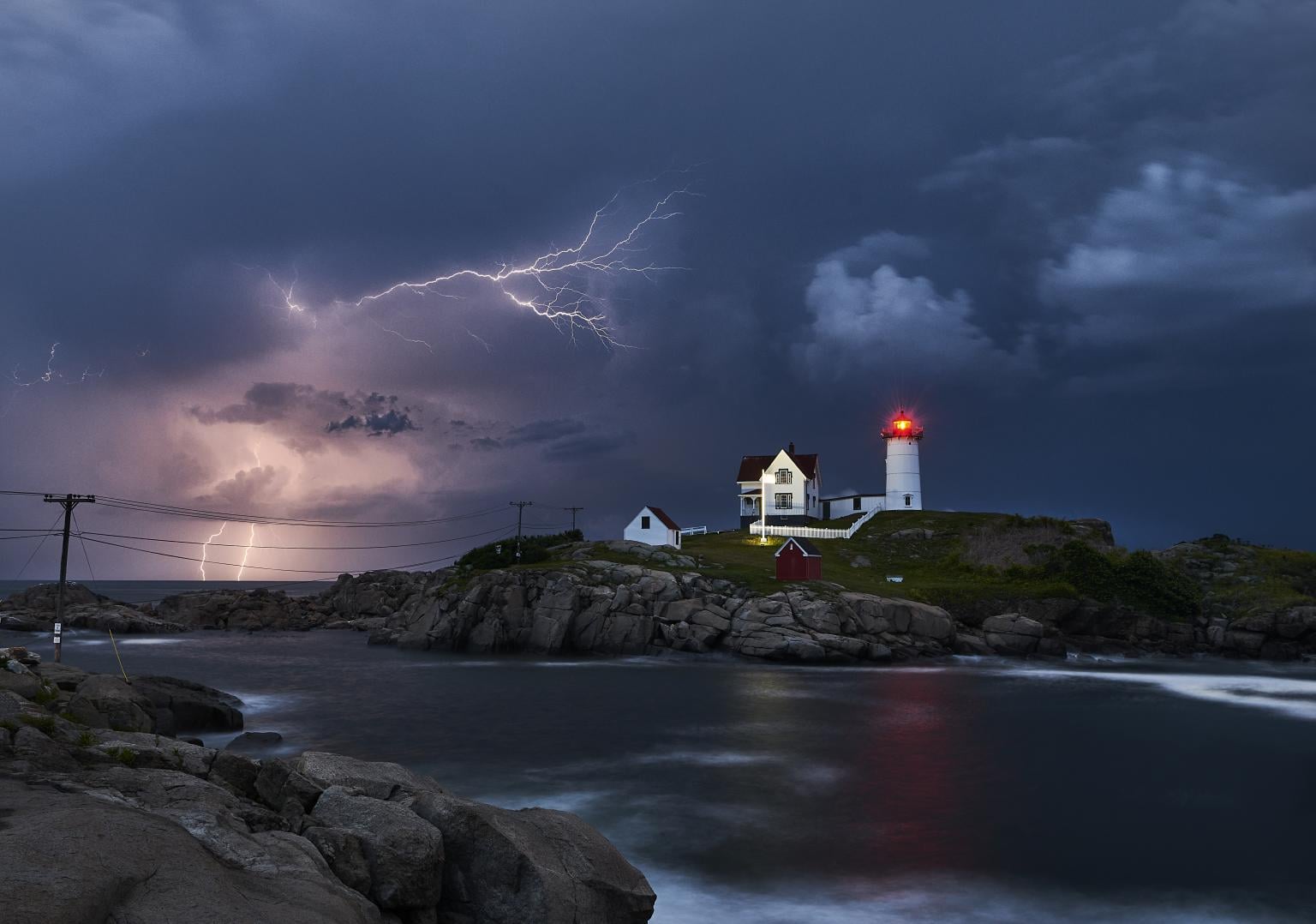
Image Credit: Unknown
We use the term “backup” power system to convey the complexity of electrical power sources when the primary source is not used; either as a scheduled or an unscheduled event. Best practice literature in this domain has been relatively stable, even though challenged by newer primary source of power technologies. We are running our daily colloquium in parallel with the recurring 4 times monthly meetings of the IEEE Education & Healthcare Facilities Committee. You are welcomed to join us with the login credentials at the upper right of our home page.
The College World Series begins this weekend in Omaha between Louisiana State University and Coastal Carolina.
Baseball is a pastoral game and lighting changed the experience of it. Since a baseball is less than 3-inches in diameter and routinely travels 400 feet at 100 miles per hour, illumination design must have outfielders in mind as well as other players and spectators.
FINALS MATCHUP SECURED 🤩
🖥️ https://t.co/vUbrNtVRPX
🎟️ https://t.co/i73Q25MuVk
📲 https://t.co/D9Ga3efNbI#MCWS pic.twitter.com/uO82Jy8d7x— NCAA Baseball (@NCAABaseball) June 19, 2025
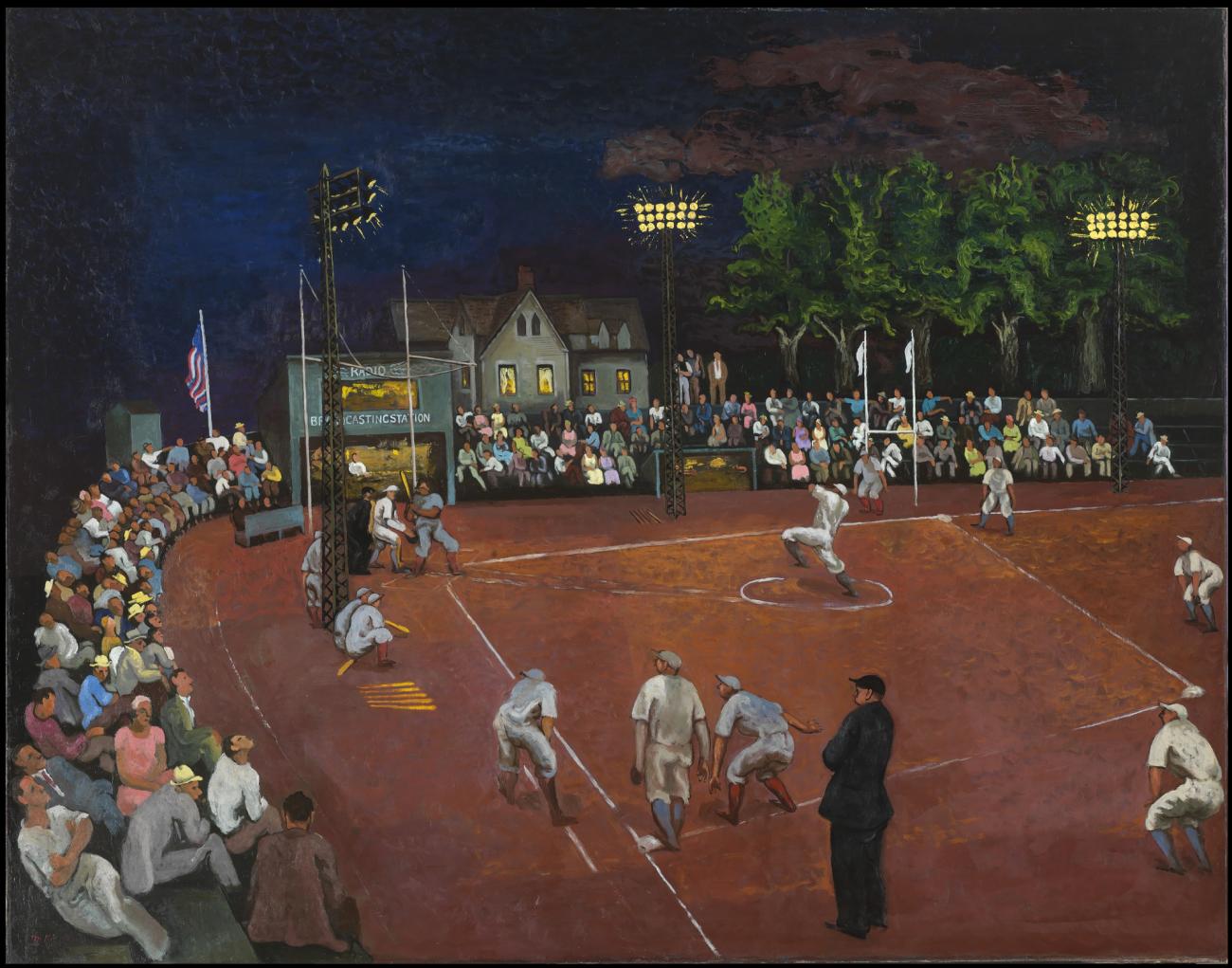
“Baseball at Night” | Morris Kantor (1934)
“Baseball is ninety percent mental
and the other half is physical.”
– Yogi Berra
After athletic facility life safety obligations are met (governed legally by NFPA 70, NFPA 101, NFPA 110, the International Building Code and possibly other state adaptations of those consensus documents incorporated by reference into public safety law) business objective standards may come into play. For business purposes, the documents distributed by the National Collegiate Athletic Association inform the standard of care for individual athletic arenas so that swiftly moving media production companies have some consistency in power sources and illumination as they move from site to site. Sometimes concepts to meet both life safety and business objectives merge.
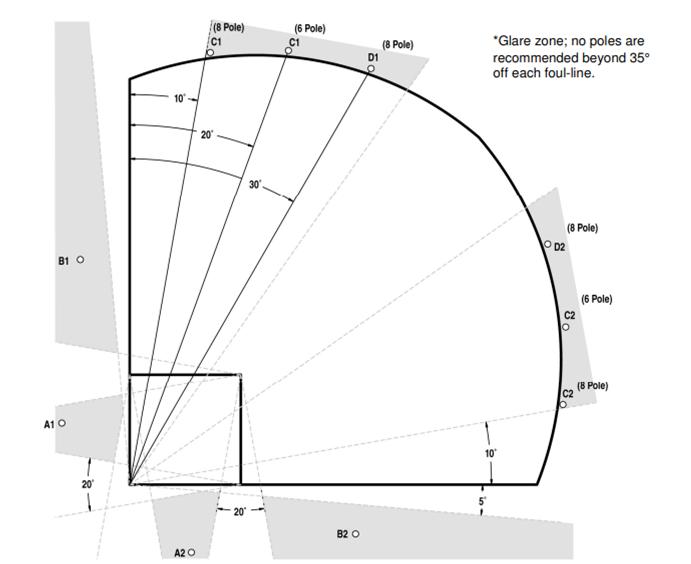
During the spring baseball season the document linked below provides guidance for illumination designers, contractors and facility managers:
Athletic programs are a significant source of revenue and form a large part of the foundation of the brand identity of most educational institutions in the United States. We focus primarily upon the technology standards that govern the safety, performance and sustainability of these enterprises. We cover the objectives of the energy conservation advocates in separate posts; notably advocates using the International Code Council and the ASHRAE suite to advance their agenda to press boxes and the entire baseball experience (interior and exterior) site in separate posts.
We collaborate very closely with the IEEE Education & Healthcare Facilities Committee where subject matter experts in electrical power systems meet 4 times each month in the Americas and Europe.
See our CALENDAR for our next Sport colloquium. We typically walk through the safety and sustainability concepts in play; identify commenting opportunities; and find user-interest “champions” on the technical committees who have a similar goal in lowering #TotalCostofOwnership.
Issue: [15-138]*
Category: Electrical, Energy Conservation, Energy, Athletics & Recreation
Colleagues: Mike Anthony, Jim Harvey, Jose Meijer, Scott Gibbs, George Reiher
More
Comparison of MH and LED performance for sport lighting application
A novel smart energy management system in sports stadiums
Tracking pitches for broadcast television
New update alert! The 2022 update to the Trademark Assignment Dataset is now available online. Find 1.29 million trademark assignments, involving 2.28 million unique trademark properties issued by the USPTO between March 1952 and January 2023: https://t.co/njrDAbSpwB pic.twitter.com/GkAXrHoQ9T
— USPTO (@uspto) July 13, 2023
Standards Michigan Group, LLC
455 East Eisenhower Parkway, Suite 300
Ann Arbor, MI 48108 USA
888-748-3670
 |
 |
|
 |
 |
|
 |
 |