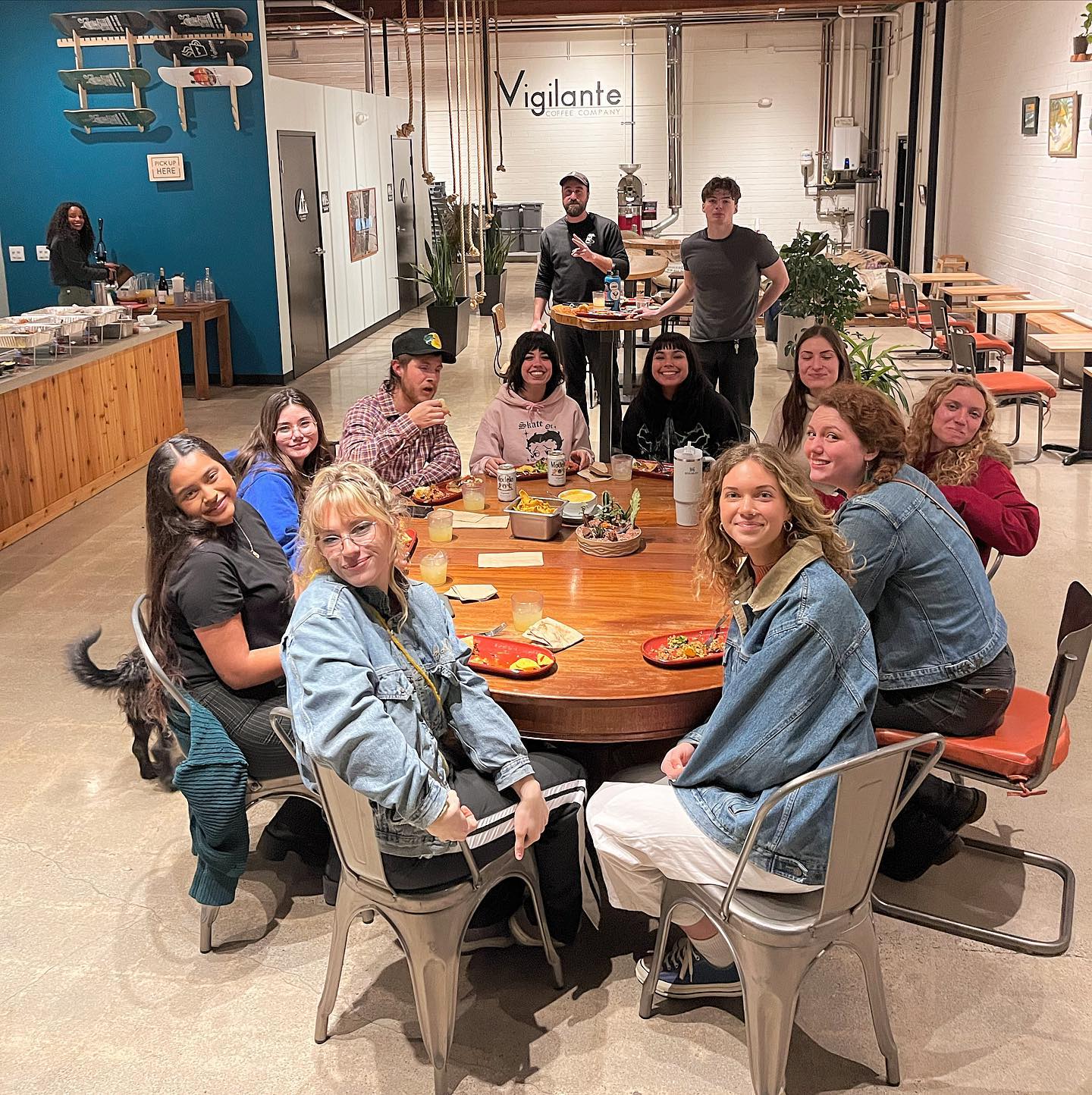
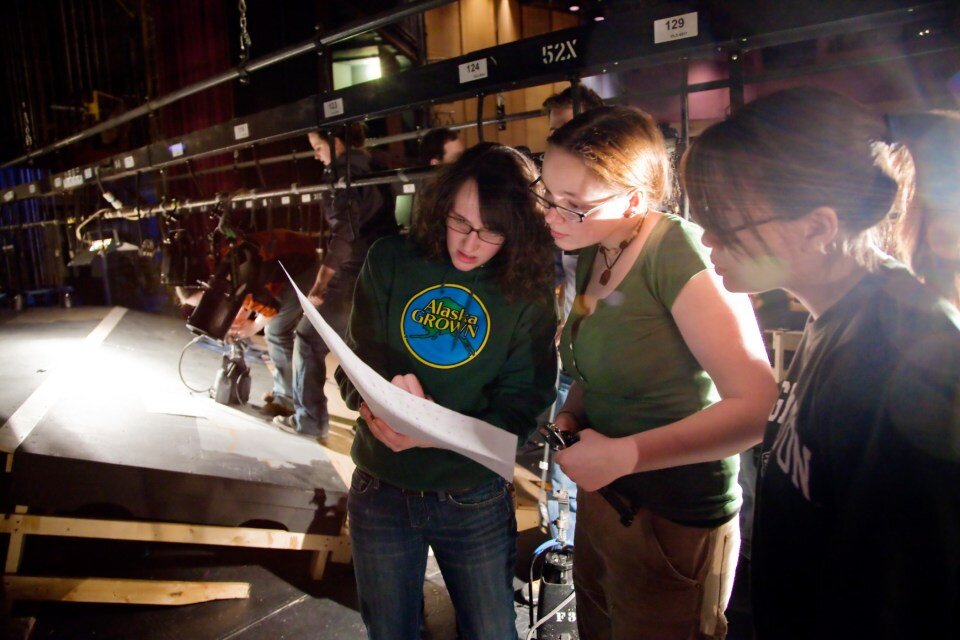
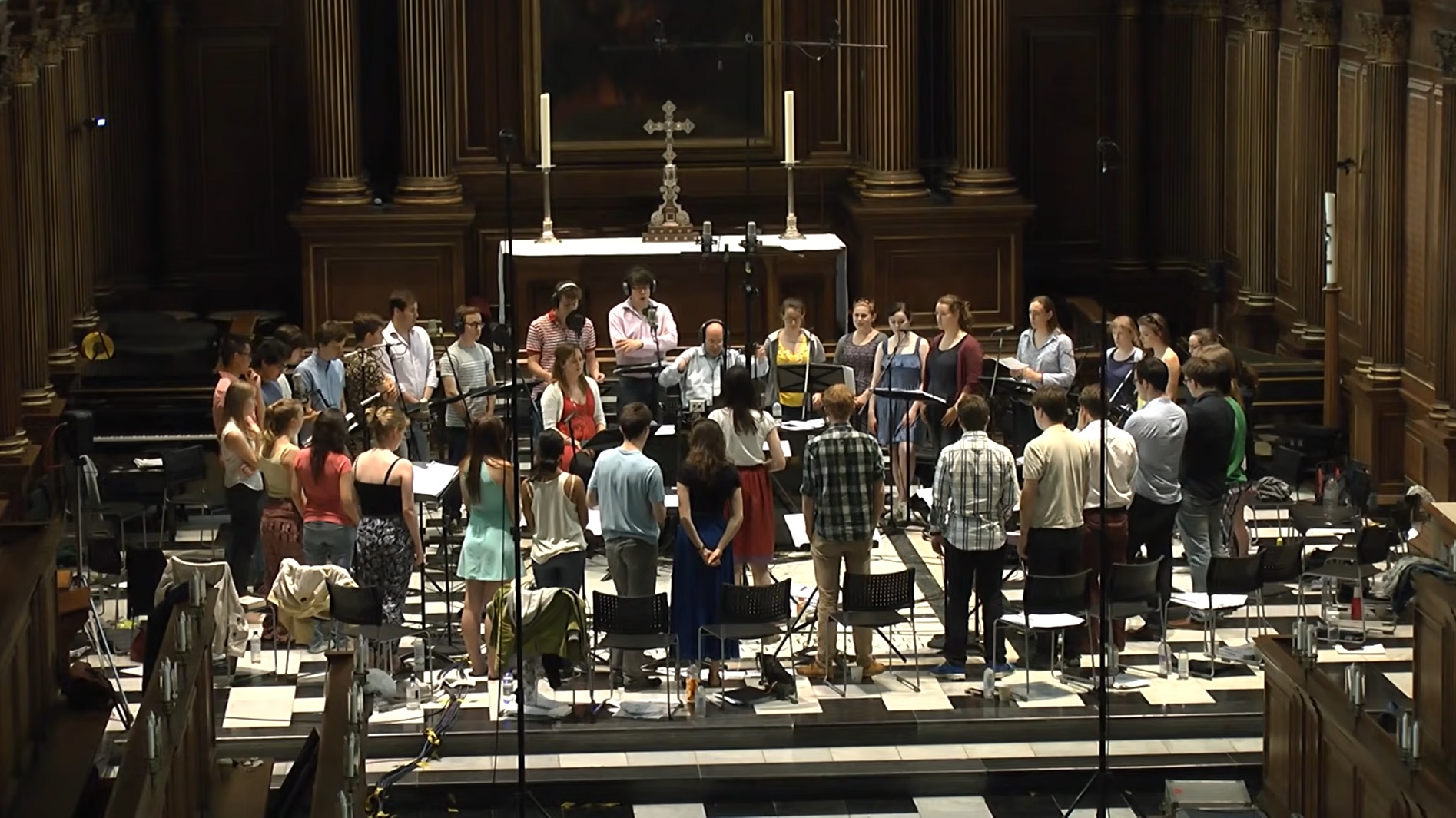
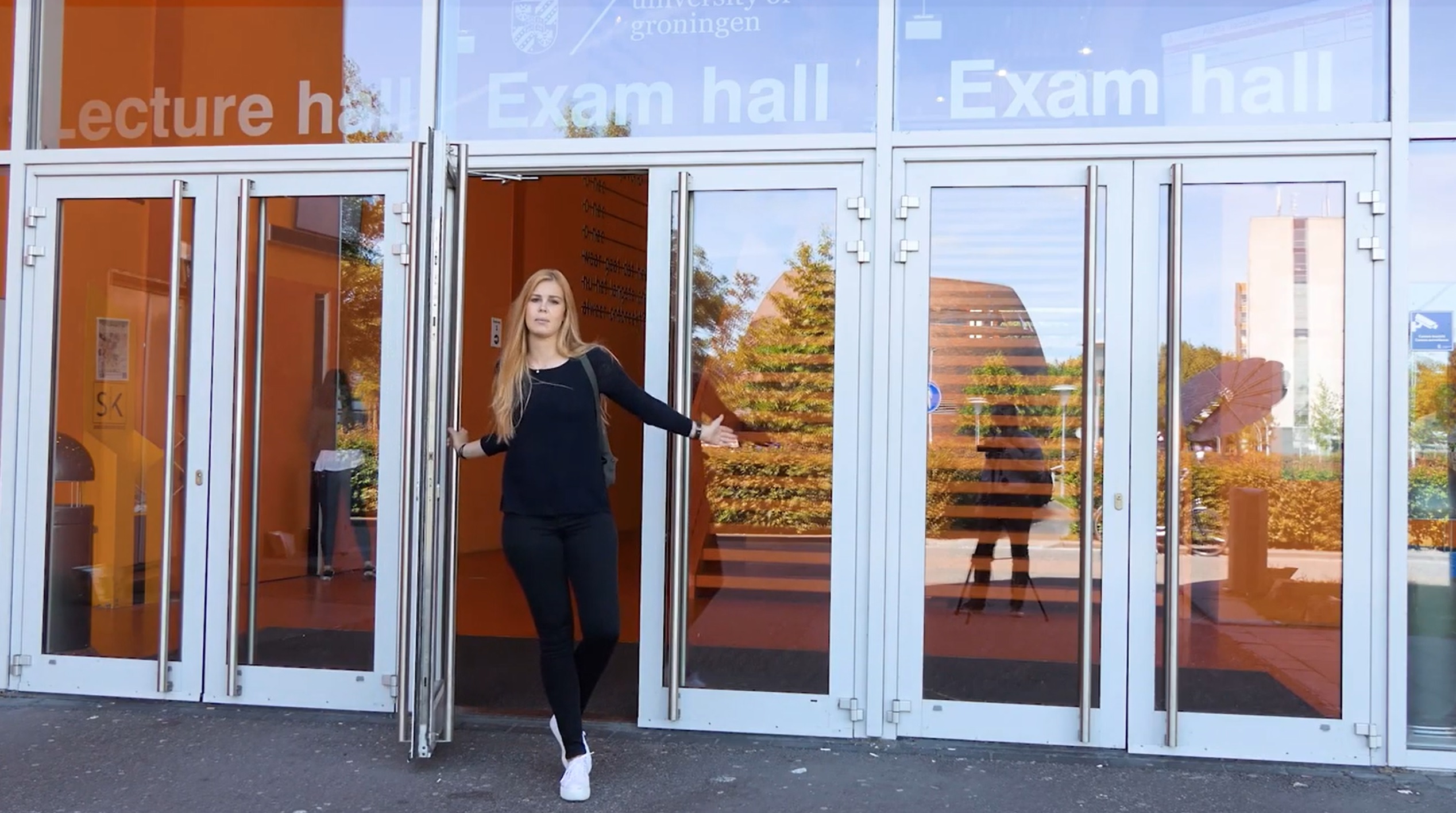
During this season of gratitude and celebration, I offer heartfelt thanks to our #UMD family — students, faculty, staff, alumni and friends — for being a part of and making your unique contributions to our community. Happy Thanksgiving! pic.twitter.com/W8ojWUpPpT
The term “lively arts” is attributed to American writer and poet James Thurber. It was popularized in the mid-20th century as a way to describe various forms of performing arts, such as theater, dance, music, and other creative expressions.
Curtain for the Lviv Theatre of Opera and Ballet
“What art is, in reality, is this missing link, not the links which exist.
It’s not what you see that is art; art is the gap”
— Marcel Duchamp
Today we refresh our understanding of the literature that guides the safety and sustainability goals of lively art events in educational settlements. Consortia have evolved quickly in recent years, leading and lagging changes in the content creation and delivery domain. With this evolution a professional discipline has emerged that requires training and certification in the electrotechnologies that contribute to “event safety”; among them:
“The most stringent protection of free speech would not protect a man in falsely shouting fire in a theatre and causing a panic.” — Justice Oliver Wendell Holmes
Standard 62.1: This standard establishes minimum ventilation rates and indoor air quality requirements for commercial buildings, including theaters and auditoriums.
Standard 55: This standard specifies thermal comfort conditions for occupants in indoor environments, which can have an impact on air quality.
RP-16-17 Lighting for Theatrical Productions: This standard provides guidance on the design and implementation of lighting systems for theatrical productions. It includes information on the use of color, light direction, and light intensity to create different moods and effects.
RP-30-15 Recommended Practice for the Design of Theatres and Auditoriums: This standard provides guidance on the design of theaters and auditoriums, including lighting systems. It covers topics such as seating layout, stage design, and acoustics, as well as lighting design considerations.
DG-24-19 Design Guide for Color and Illumination: This guide provides information on the use of color in lighting design, including color temperature, color rendering, and color mixing. It is relevant to theater lighting design as well as other applications.
Dance and Athletic Floor Product Standards: ASTM F2118, EN 14904, DIN 18032-2
Incumbent standards-setting organizations such as ASHRAE, ASTM, ICC, IEEE, NFPA have also discovered, integrated and promulgated event safety and sustainability concepts into their catalog of best practice titles; many already incorporated by reference into public safety law. We explore relevant research on crowd management and spectator safety.
Note 40 school-related entrance and egress concepts (Search term: “School”)
Doors have long since been a simple “opening” or “fenestration”. Doors are “portals”; nodes on the geometry of the Internet of Small Things. There are 100’s of thousands of these nodes on any single college, university or school district. First costs run from $1000 per door in a classroom to $100,000 per door in hospitals with maintenance and operation costs commensurate with complexity of the hardware and software needed to maintain integration of the door with building security and energy systems.
We find the bulk of best practice identified in the catalogs of the following accredited standards developers for the United States construction markets:
The US federal government and all 50-states adapt safety and sustainability concepts from the foregoing publishers; either partially or whole cloth.
Today at the usual hour we examine the moment in the standard of care for doors in education communities in the United States. Join the colloquium with the login credentials at the upper right of our home page.
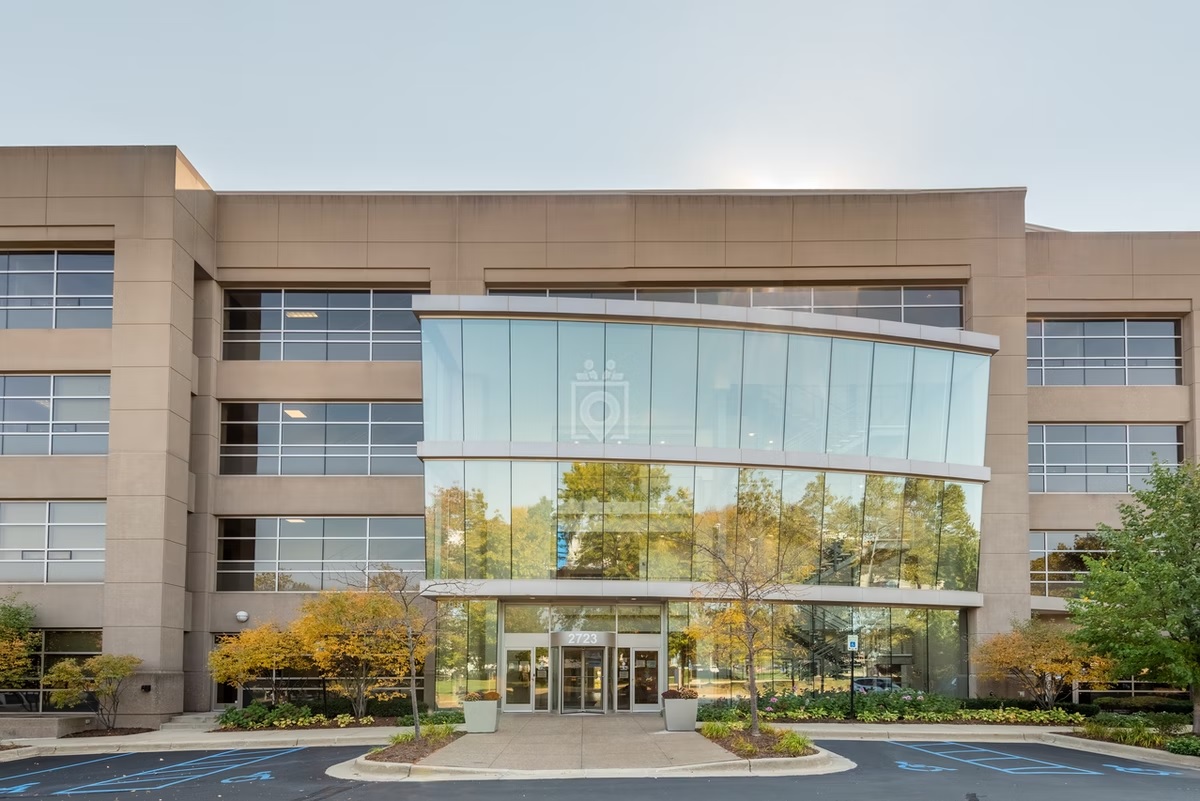
Standards Michigan Office Ann Arbor Michigan | 2723 South State Street Suite 150
It's all about those little details, folks! How cool is this hand-finished brass hinge??! It's one of our favorites.
You can find at House of Antique Hardware in their antique-by-hand finish. You can thank us later 🙂 pic.twitter.com/7C0kxGe31N
This content is accessible to paid subscribers. To view it please enter your password below or send mike@standardsmichigan.com a request for subscription details.
This content is accessible to paid subscribers. To view it please enter your password below or send mike@standardsmichigan.com a request for subscription details.
This content is accessible to paid subscribers. To view it please enter your password below or send mike@standardsmichigan.com a request for subscription details.
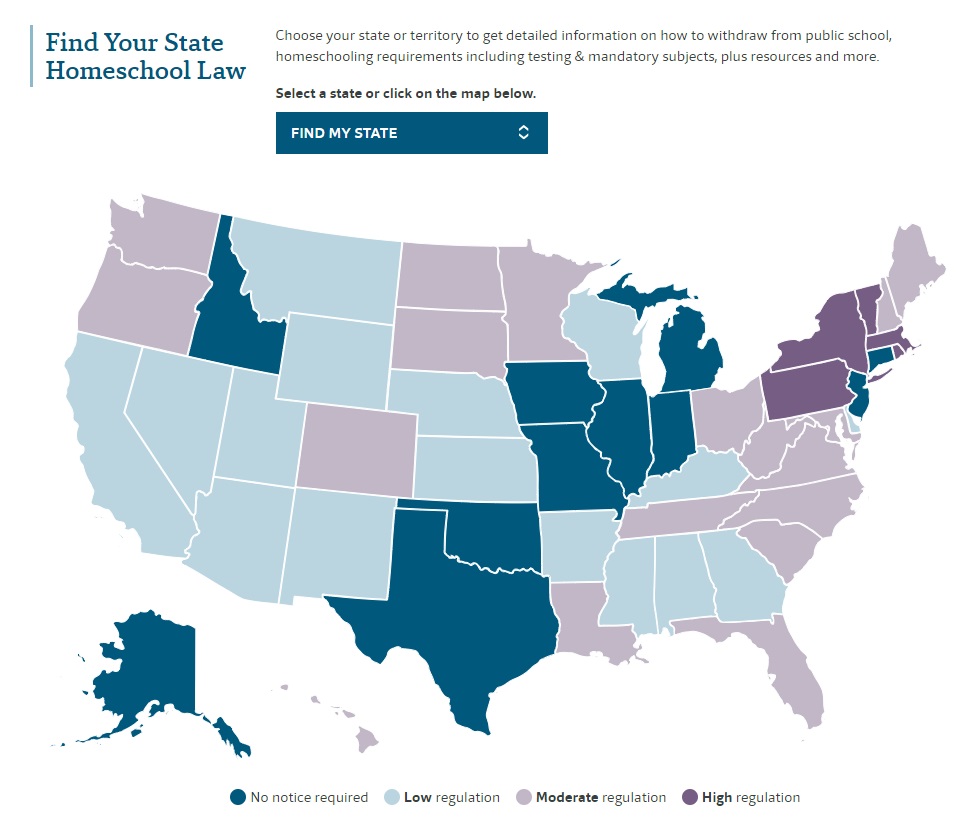
Education happening outside the home offers several advantages that contribute to the holistic development of children:
Socialization: Interacting with peers and teachers in a structured environment helps children learn social skills, cooperation, and conflict resolution, which are essential for navigating the complexities of adult life.
Diverse Perspectives: Schools expose children to a variety of viewpoints, backgrounds, and cultures, fostering tolerance, empathy, and understanding of diversity.
Specialized Instruction: Qualified educators are trained to teach specific subjects and tailor instruction to different learning styles, ensuring that children receive a well-rounded education.
Access to Resources: Schools provide access to resources such as libraries, laboratories, sports facilities, and technology that may not be available at home, enriching the learning experience.
Extracurricular Activities: Schools offer extracurricular activities like sports, music, drama, and clubs, which help children discover their interests, develop talents, and build leadership skills.
Preparation for the Real World: Schools simulate real-world environments, teaching children important life skills such as time management, responsibility, and teamwork, which are crucial for success in adulthood.
Professional Development: Educators undergo continuous training and development to stay updated with the latest teaching methodologies and educational practices, ensuring high-quality instruction for students.
While home-based learning can complement formal education and offer flexibility, the structured environment and resources provided by schools play a vital role in shaping well-rounded individuals ready to thrive in society.
This content is accessible to paid subscribers. To view it please enter your password below or send mike@standardsmichigan.com a request for subscription details.
New update alert! The 2022 update to the Trademark Assignment Dataset is now available online. Find 1.29 million trademark assignments, involving 2.28 million unique trademark properties issued by the USPTO between March 1952 and January 2023: https://t.co/njrDAbSpwBpic.twitter.com/GkAXrHoQ9T