#Standards helfen, Ergebnisse aus Forschungs- und Innovationsprozessen schneller zu marktfähigen Produkten und Dienstleistungen zu machen. Wie die Brücke erfolgreich geschlagen werden kann, erfahren Sie am 13. Juni live in Wien.💡🌍💫https://t.co/rupEcLC0qK#Bridgitpic.twitter.com/3vRVQjbWYq
Occupancy classification is “first principal concept”; the essential factor in architectural design because it helps determine the appropriate use of a building and the associated requirements for fire protection and life safety. Occupancy classification refers to the categorization of buildings or portions of buildings based on their intended use and the activities that will occur within them. The International Building Code provides a set of standards for occupancy classifications that are used by architects and building officials to ensure that buildings are designed and constructed to meet the necessary safety requirements. These standards help ensure that the building’s design and construction comply with fire and life safety codes and regulations.
A building that is classified as a business occupancy — as many classrooms and offices are in education communities — will have different requirements for fire protection and life safety compared to a building that is classified as a residential occupancy. Business occupancies may require fire suppression systems, while residential occupancies may require smoke alarms and carbon monoxide detectors. Additionally, occupancy classification affects the number of occupants allowed within a building, the type and size of exits required, the need for fire-resistant construction materials, and the placement and quantity of fire extinguishers and other fire protection equipment.*
* The European Union (EU) does not have an equivalent to the International Code Council (ICC) occupancy classification system. Instead, the EU has its own set of regulations and standards for building safety and design, which vary by country.
The main regulatory framework for building safety in the EU is the Construction Products Regulation (CPR), which sets out requirements for construction products and materials that are placed on the market within the EU. The CPR is supported by national building codes and standards, which are developed and enforced by each member state.
In addition to the CPR, the EU has several directives and regulations related to building safety, such as the Energy Performance of Buildings Directive (EPBD) and the Fire Safety of Buildings Directive (FSBD). These directives and regulations set out requirements for energy efficiency, fire safety, and other aspects of building design and construction.
Overall, while the EU does not have an occupancy classification system equivalent to the ICC, it has its own set of regulations and standards that aim to ensure building safety and design across its member states.
The English muffin, as we know it today, is a type of yeast-leavened bread product that is griddled or cooked on a stovetop. Historically, similar griddled bread products have been made in England for centuries. The term “muffin” itself has been used in English cuisine to refer to various types of bread products since at least the 18th century. These early muffins were typically made with yeast and were cooked on a griddle, similar to the modern English muffin.
How English are they? The answer lies in the nooks and crannies.
Abstract: A smart way to solve the common problem of conventional door-locking system is proposed using conventional lock key methodology and it can be cloned and used by anyone. The proposed system is to make a secure door lock security system with two factor authentications. The user has to use Radio Frequency Identification tag. The tag’s data will be saved in a database. When the tag is read by the Radio Frequency Identification reader, the user has to input a pass code. After the pass code is entered, the user will receive a One-time password on his mobile device to unlock the door. The biggest advantage of proposed system is that the introduction of two factor authentication to gain the access to the door, which makes it more secure.
This content is accessible to paid subscribers. To view it please enter your password below or send mike@standardsmichigan.com a request for subscription details.
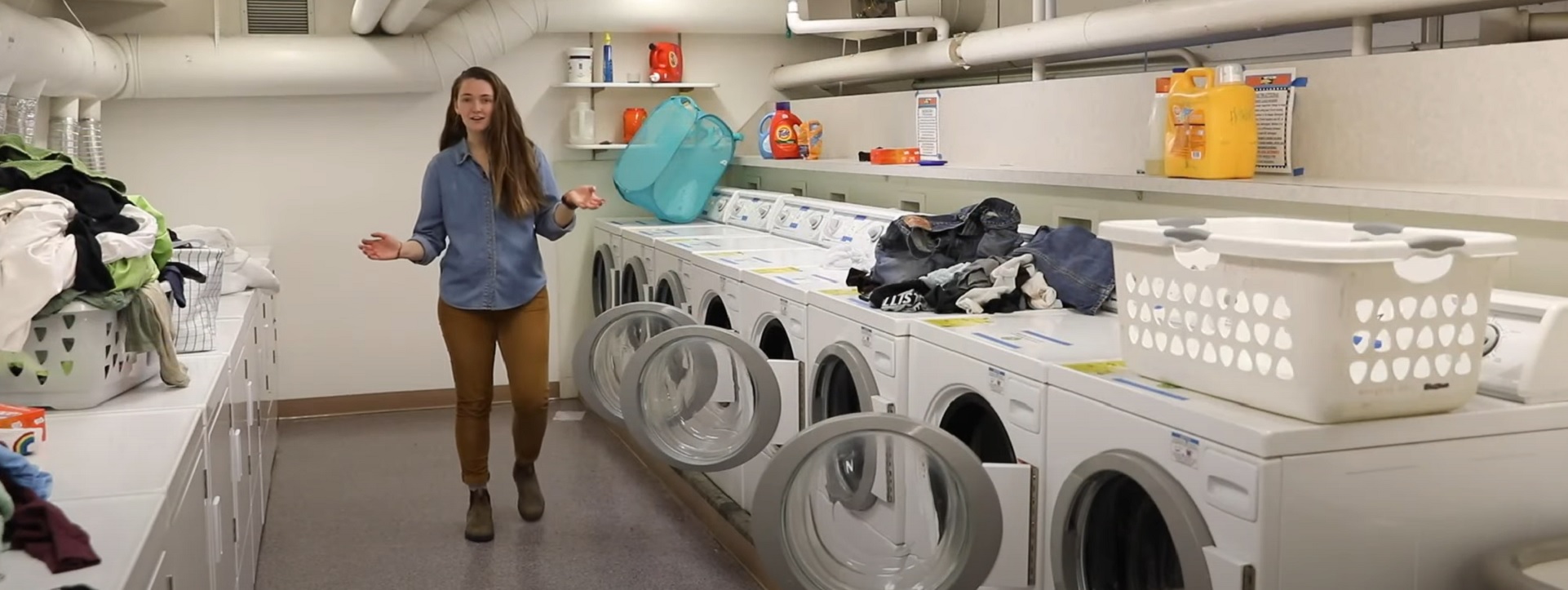
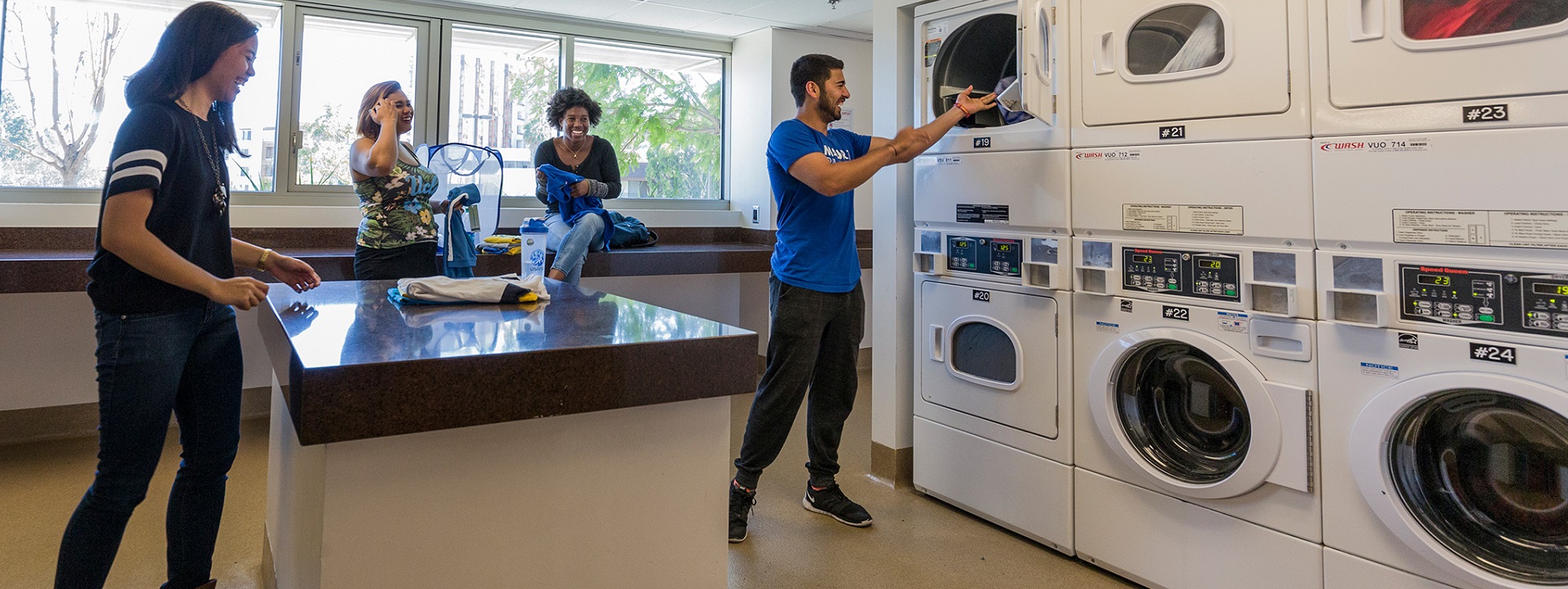
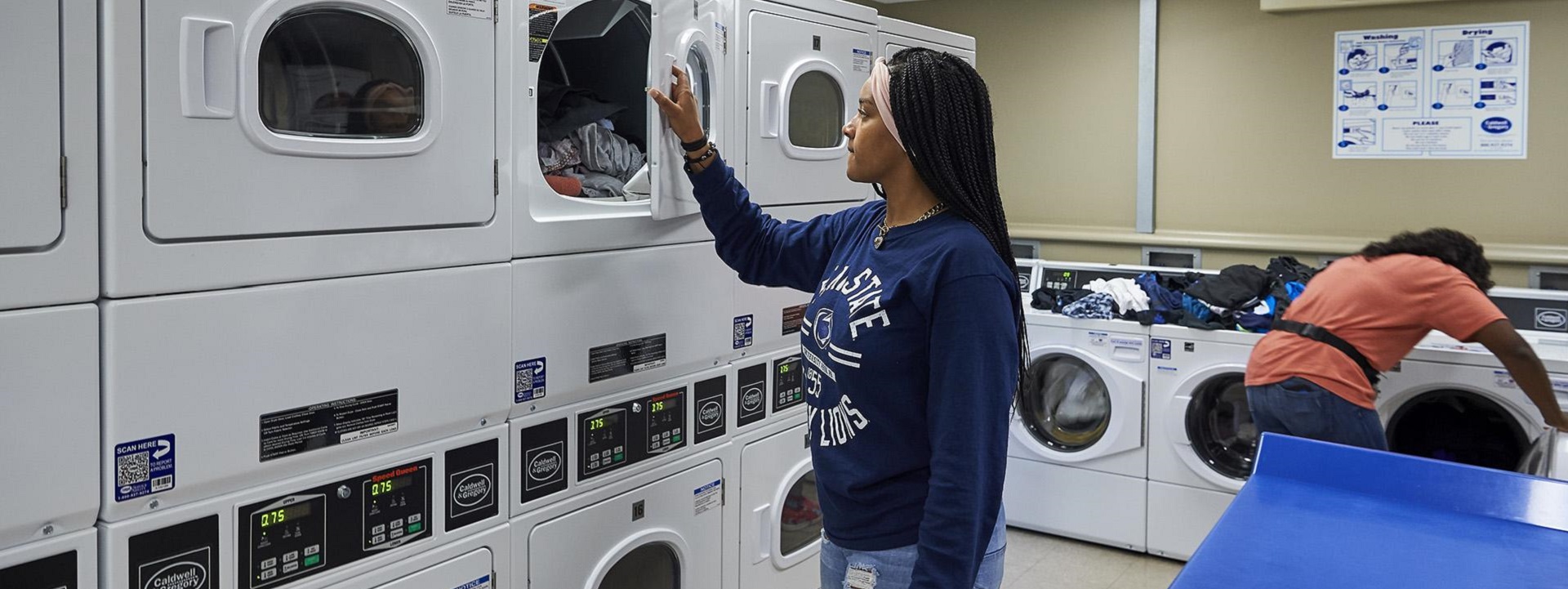
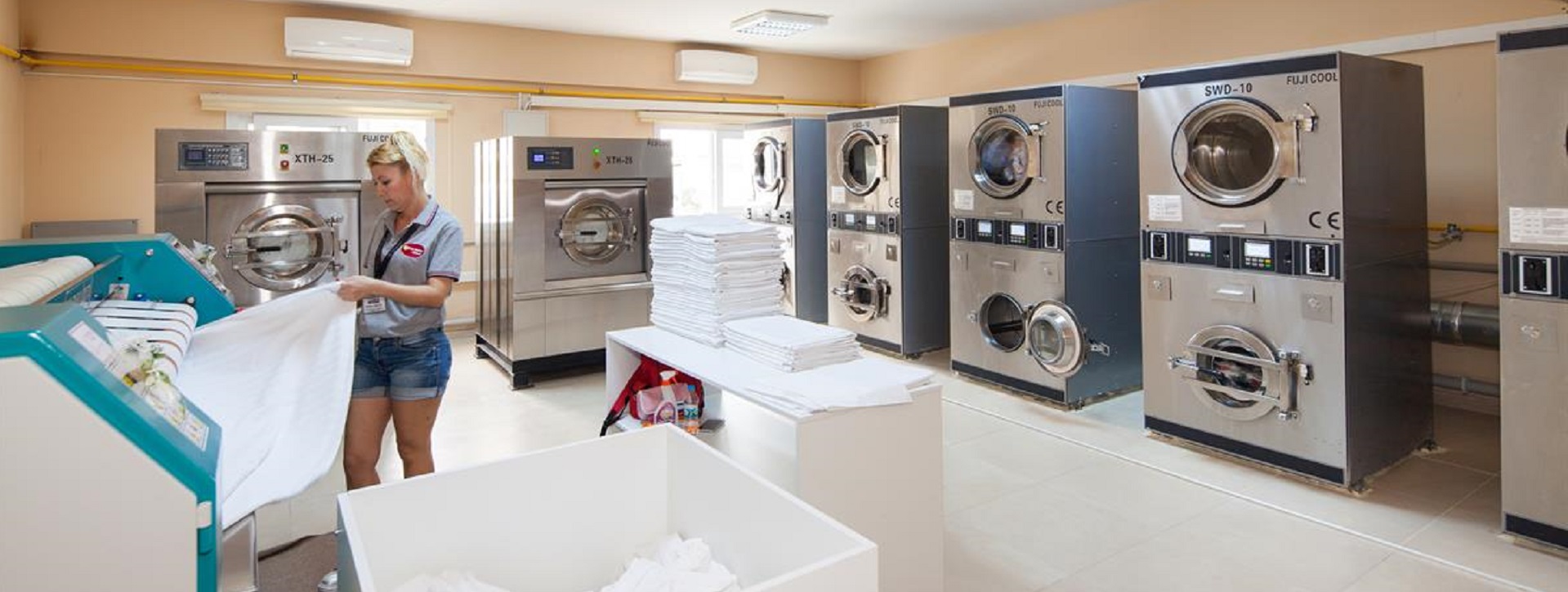
Most sanitation technologies are driven by electrical power — motors, pumps. heating and cooling elements, etc. The trajectory of product innovation, installation and maintenance practices are guided by electrical power capacity and availability.
Article 422 of the National Electrical Code covers safe wiring practices and is on the front end of new revision cycle. Comments on Public Input for the 2026 Revision will be received until 28 August 2024
New update alert! The 2022 update to the Trademark Assignment Dataset is now available online. Find 1.29 million trademark assignments, involving 2.28 million unique trademark properties issued by the USPTO between March 1952 and January 2023: https://t.co/njrDAbSpwBpic.twitter.com/GkAXrHoQ9T