
Azure
- Home Page 57


Burk-Bergman Boathouse
Standards Pennsylvania | Summer Watersport

Painting by Ed Ryder
The Burk-Bergman Boathouse is one of the oldest and most distinguished collegiate rowing facilities in the United States. Located at 11 Kelly Drive on Philadelphia’s historic Boathouse Row, it serves as the home of the University of Pennsylvania’s men’s heavyweight, men’s lightweight, and women’s varsity rowing programs. It is also the only collegiate boathouse on Boathouse Row; the remaining boathouses belong to rowing clubs and other organizations.
A medal in the Champ Fours, and we’re bringing the MacMahon Cup Team Points trophy back to Boathouse Row! Great weekend up in Boston!
📰 https://t.co/xxJncv8jgk#FightOnPenn 🔴🔵 pic.twitter.com/zI3Lirsn4Q
— Penn Heavyweight Rowing (@pennhwtrowing) October 22, 2023

A little less dramatic than a year ago (THANK GOODNESS!!!) but it’s always exciting to see your name come up during the NCAA selection show! Still feeling the vibes this morning! Work ahead.#FightOnPenn ❤️💙 pic.twitter.com/8IjPwG3Zun
— Penn Women’s Rowing (@PennWRowing) May 17, 2023
Penn rowing traces its origins to 1854, but the present boathouse was constructed in 1875–1876 for the University’s College Boat Club, making it among the oldest surviving collegiate boathouses in America. Over the next century, successive additions responded to growing participation, but the resulting building became a patchwork of spaces with limited accessibility and aging infrastructure. In 2022, following a comprehensive restoration and expansion, the facility was renamed the Burk-Bergman Boathouse in honor of legendary Penn rowing coaches Joe Burk and Stan Bergman, whose combined coaching careers span much of the twentieth century and produced national champions, Olympians, and Ivy League titles.
How to Get Recruited for Men’s College Rowing: Times, Standards and What Coaches Look For https://t.co/iwdmGimQvh
— Standards Michigan (@StandardsMich) July 31, 2026
Relata:
NCAA USA Rowing Host Operations Manual

Water and Electricity

Supporting swimming pools with electricity involves various essential functions such as filtration, heating, lighting, and sanitation. Ensuring safety and energy efficiency is crucial, and pool owners can take steps to minimize electricity costs and environmental impact. Key points:
Filtration and Circulation: Swimming pools rely on electric pumps to circulate water through filters, removing debris and maintaining water quality.
Heating: Electric heaters or heat pumps are used to regulate water temperature for comfort, especially in colder seasons.
Lighting: Underwater and pool area lighting enhance safety and aesthetics, typically powered by electricity.
Chlorination and Sanitation: Electric chlorinators or ozone generators help maintain water cleanliness and hygiene.
Automation: Electric control systems enable pool owners to manage filtration, heating, and lighting remotely for convenience and energy efficiency.
Energy Efficiency: Pool owners can invest in energy-efficient equipment, like variable-speed pumps and LED lighting, to reduce electricity consumption and operating costs.
Operations and Maintenance: Regular electrical maintenance ensures safe and reliable pool operation, preventing electrical faults and hazards. The electricity cost for pool operation can be significant, so pool owners should consider energy-efficient practices and equipment to reduce expenses.



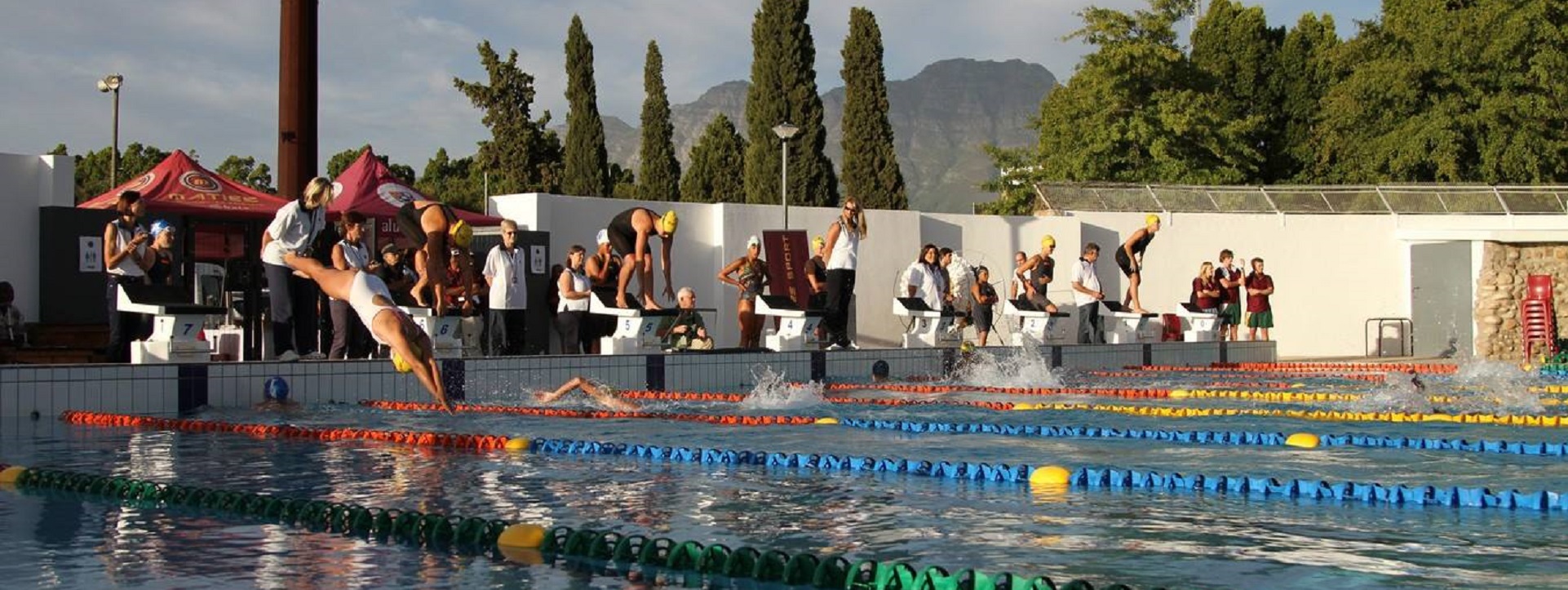

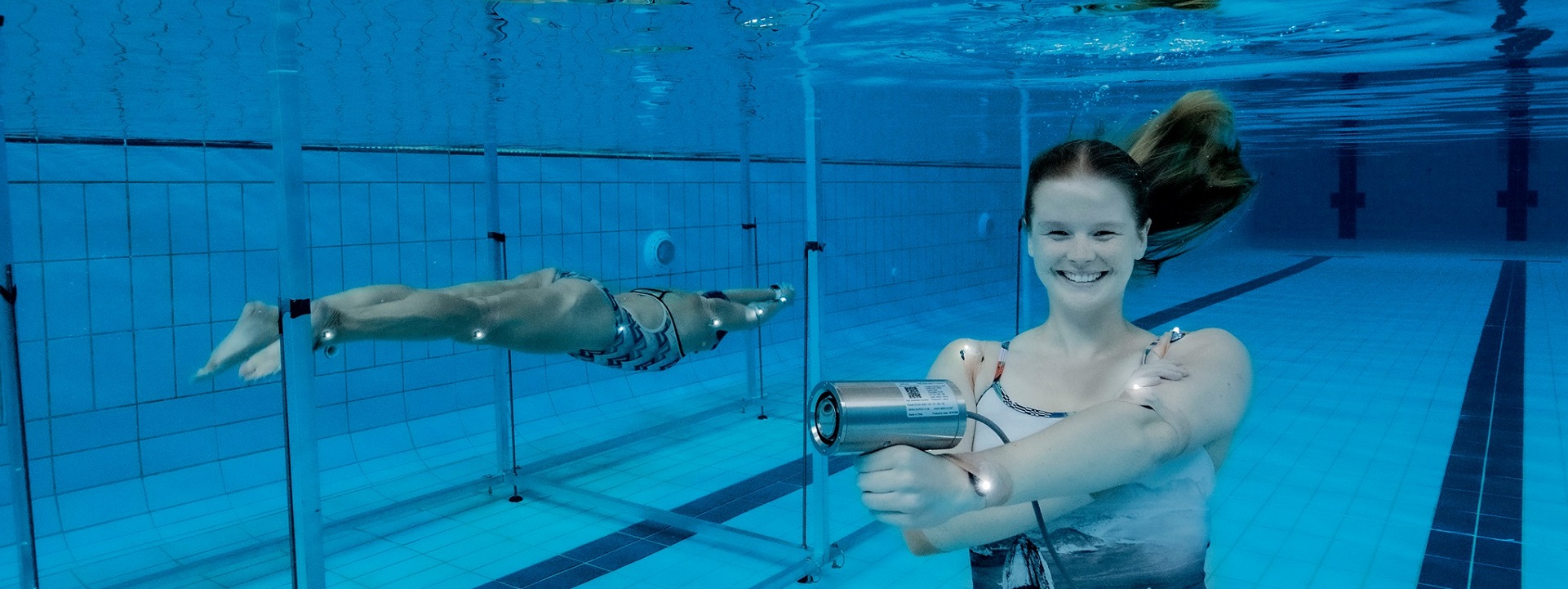

Education communities present one of the largest installed bases of artificially created bodies of water; the most abundance resource on earth. These bodies vary in size, purpose, and design but are all created by human intervention to serve specific needs, whether practical, recreational, or aesthetic. Safe and sustainable management of them in the Unite States are informed by best practice found in Article 680 of the National Electrical Code with scope statement below:
Construction and installation of electrical wiring for, and equipment in or adjacent to, all swimming, wading, therapeutic, and decorative pools; fountains; hot tubs; spas; and hydromassage bathtubs, whether permanently installed or storable, and to metallic auxiliary equipment, such as pumps, filters, and similar equipment.
Consultation on the First Draft of the 2026 revision closes August 24, 2024.
Related:
Pool, Fountain, Agriculture & Water Infrastructure Electrical Safety
https://www.si.com/extra-mustard/2016/08/15/michael-phelps-poses-bottom-university-michigan-pool-2005

Crain Memorial Research Grant

The GASB awards research grants of up to $10,000 each for projects undertaken by graduate students that inform its standard-setting activities. The award honors Gilbert W. Crain whose work helped establish governmental accounting as a rigorous academic discipline. The typical application cycle has proposals due at the end of May, with awards announced about a month later before a new cycle resumes.
Gilbert W. Crain Memorial Research Grant
Topics of current interest include:
- Digital assets
- Digital financial reporting
- Environmental credits
- GAAP utilization
- Fund balance
- Essentiality of note disclosures
- Other projects on the GASB technical agenda.
Related:
The joint FASB/GASB Postgraduate Technical Assistant Program places outstanding graduate accounting students with the Boards for a year, where they participate directly in standards development and research—a remarkable pathway into the accounting standards profession.

Endowment Standards
Relata:
Uniform Prudent Management of Institutional Funds Act
Financial Accounting Standards Board (FASB) Guidelines: Topic 958

Ryan Fieldhouse
Northwestern University Facilities
— Standards Michigan (@StandardsMich) April 10, 2026
There was a time when college buildings were most often named for scholars, presidents, and teachers whose lives were devoted to advancing knowledge. Their names reminded students that universities exist first to discover, preserve, and transmit learning.
Today, many new buildings bear the names of benefactors whose generosity made their construction possible. Modern research laboratories, residence halls, performing arts centers, and athletic facilities often require gifts measured in the tens or hundreds of millions of dollars. The name recognizes not only financial support but also a lasting commitment to the institution’s future.
Neither tradition is without merit. One honors intellectual achievement. The other honors stewardship. Together they tell the story of how universities endure: ideas require both those who create them and those who provide the means for them to flourish.
Perhaps the question is not whether a building should bear the name of a scholar or a donor, but whether its name reminds future generations why the institution was built in the first place.
Current Projects
We track action in the catalog of this consortia standards developer because we continually seek ways to avoid spending a dollar to save a dime; characteristic of an industry that is a culture more than it is a business.
Compensation—Retirement Benefits—Defined Benefit Plans | Comments due: August 10, 2026


While not an ANSI accredited the FASB/GASB standards setting enterprise’s due process requirements (balance, open-ness, appeal, etc.)* are “ANSI-like” and widely referenced in education enterprise management best practice. Recent action in its best practice bibliography is listed below
ACCOUNTING STANDARDS UPDATES ISSUED
For obvious reasons, we have an interest in its titles relevant to Not-For-Profit Entities
WHAT IS THE FASB NOT-FOR-PROFIT ENTITY TEAM
Inside the latest PCC meeting: a closer look at what’s shaping the Council’s current priorities. 🎥 Watch the update: https://t.co/VZ02TZwcVu
— FASB, GASB, and FAF (@FAFNorwalk) October 28, 2025
At present the non-profit titles are stable with the 2020 revision. That does not mean there is not work than can be done. Faculty and students may be interested in the FASG program linked below:
Also, the “Accounting for Environmental Credit Programs”, last updated in January, may interest colleges and universities with energy and sustainability curricula. You may track progress at the link below:
EXPOSURE DOCUMENTS OPEN FOR COMMENT

The Battle about Money
We encourage our colleagues to communicate directly with the FASB on any issue (Click here). Other titles in the FASB/GASB best practice bibliography are a standing item on our Finance colloquia; open to everyone. Use the login credentials at the upper right of our home page.
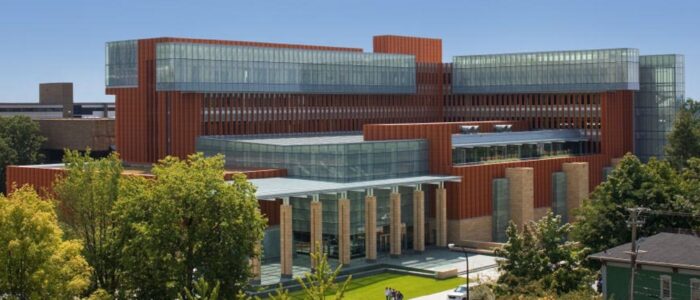
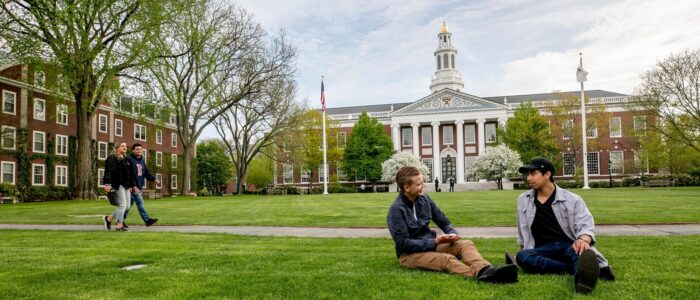

Issue: [15-190]
Category: Finance, Administration & Management, Facility Asset Management
Colleagues: Mike Anthony, Jack Janveja, Richard Robben
What do you think: Do investors need a clearer picture of non-financial donations made to not-for-profits?#FASB needs your feedback to help help the Board determine how to move forward. Share your thoughts by April 10.#giftsinkind #charitablegivinghttps://t.co/MBMhEOFUlE pic.twitter.com/o4pdMC0yXq
— FASB, GASB, and FAF (@FAFNorwalk) March 31, 2020

Educational Settlement Finance

Giovanni Paolo Panini, An architectural capriccio with figures among Roman ruins
The post-pandemic #WiseCampus transformation requires significant capital to meet the sustainability goals of its leadership. Campuses are cities-within-cities and are, to a fair degree, financed in a similar fashion. Tax-free bonds are an effective instrument for school districts, colleges and universities — and the host community in which they are nested — for raising capital for infrastructure projects while also providing investors with, say $10,000 to $100,000, to allocate toward a tax-free dividend income stream that produces a return in the range of 2 to 8 percent annually.
An aging population may be receptive to investment opportunities that protect their retirement savings from taxation.
Curious about the municipal bond market? Check out the MSRB’s new resource “Municipal Market Basics” to start your journey through the MSRB’s newly updated Education Center: https://t.co/BIMBxWpKGkhttps://t.co/PLhtaXzdD9 pic.twitter.com/FVARkkYZAD
— MSRB (@MSRB_News) November 28, 2023
Once a month, we walk through the prospectuses of one or two bond offerings of school districts, colleges and universities and examine offering specifics regarding infrastructure construction, operations and maintenance. We pay particular attention to details regarding “continuing operations”. Somehow the education industry has to pay for its green agenda. See our CALENDAR for the next Finance colloquium; open to everyone.
The interactive map provided by Electronic Municipal Market Access identifies state-by-state listings of tax-free bonds that contribute to the construction and operation of education facilities; some of which involved university-affiliated medical research and healthcare delivery enterprises.
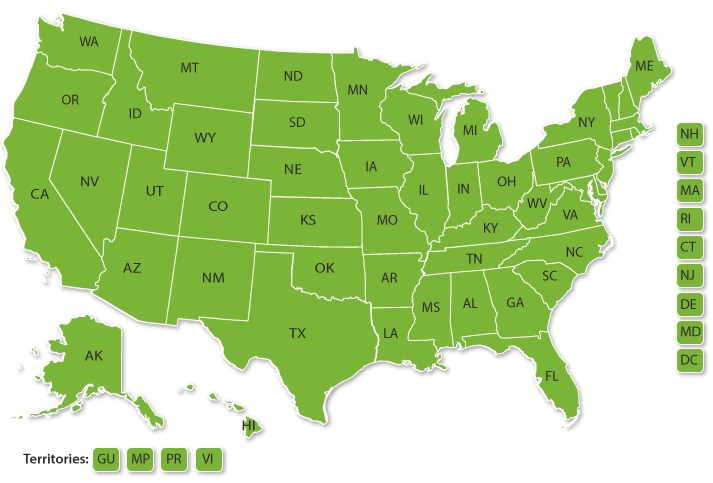
CLICK ON IMAGE FOR INTERACTIVE MAP
If you need help cutting through this list please feel free to click in any day at 11 AM Eastern time. Use the login credentials at the upper right of our hope page. We collaborate with subject matter experts at Municipal Analytics and UBS.
Issue: [Various]
Category: Administration & Management, Finance, #SmartCampus
Colleagues: Mike Anthony, John Kaczor, Liberty Ziegahn
*We see the pandemic as a driver for a step-reduction in cost in all dimensions of education communities. We coined the term with a hashtag about two years ago.
*College and university infrastructure projects are classified with public school districts under the rubric “municipal bonds” at the moment. CLICK HERE for more information.
Good question. pic.twitter.com/FtW0eSaQs7
— Thomas Sowell Quotes (@ThomasSowell) January 27, 2025
More:
Duke Law Review: Don’t ‘Screw Joe the Plummer’: The Sausage-Making of Financial Reform
School Bonds Michigan
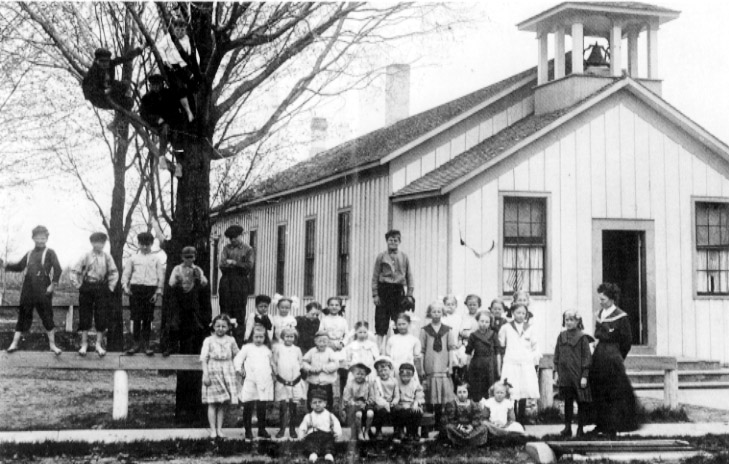
History of One Room Schools | Central Michigan University
School Construction Bonds Confirmed for August 2026 Election Referenda
| School District | Amount | Election Date |
|---|---|---|
| Harper Creek Community Schools (Calhoun County, MI) | $28,000,000 | Aug 4, 2026 |
| Homer Community School District (Calhoun County, MI) | $11,920,000 | Aug 4, 2026 |
For reasons that may be obvious, construction companies make markets with their public relation enterprises.
Why the 10-Year Treasury Note Matters to School Bonds
The yield on the U.S. 10-year Treasury note is the principal benchmark for long-term borrowing throughout the American economy, including the municipal bond market that finances schools, colleges, and universities. When Treasury yields rise, investors generally expect higher returns from tax-exempt school bonds as well. To attract buyers, educational institutions must offer higher interest rates, increasing the cost of financing new classrooms, laboratories, residence halls, athletic facilities, and utility infrastructure.
Conversely, when 10-year Treasury yields decline, borrowing costs often ease, enabling school districts and universities to finance capital improvements at lower interest expense and reducing the long-term burden on taxpayers or tuition revenue. Although the final interest rate on any bond issue also reflects the issuer’s credit quality, market demand, insurance, and overall economic conditions, daily movements in the 10-year Treasury yield remain one of the most closely watched indicators of the direction and relative cost of educational facility financing.
As a rule of thumb, every 0.25 percentage point (25 basis point) increase in the borrowing rate adds about $25,000 per year in interest for every $10 million of outstanding principal.
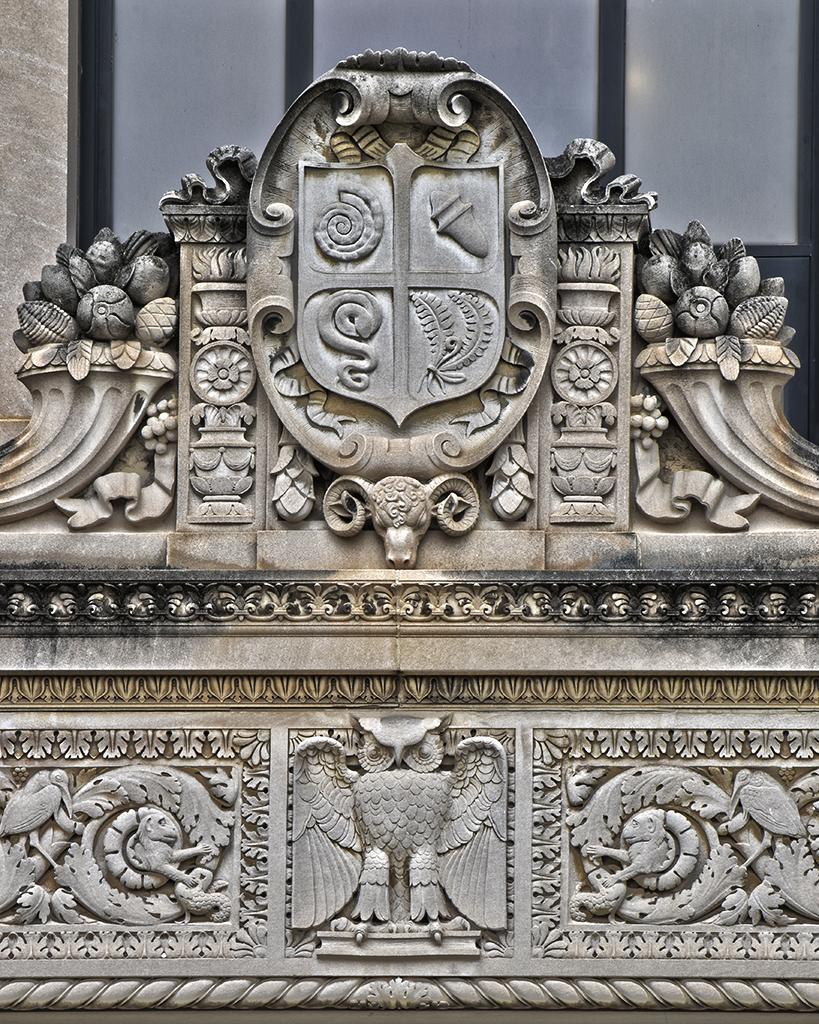
Albert Kahn detail at the Alexander G. Ruthven Building at the University of Michigan

Central Utility Plant — $407.8 million

Board of Trustee Minutes approving this project
Facilities Management | Utilities and Energy Management
“My Old Kentucky Home” University of Kentucky Tuba-Euphonium Studiohttps://t.co/7W4RIrw5XT@UKAgriculture@universityofky@UKYpreshttps://t.co/egQAPRUBwZ pic.twitter.com/0OVKVoEsgs
— Standards Michigan (@StandardsMich) September 5, 2020

New update alert! The 2022 update to the Trademark Assignment Dataset is now available online. Find 1.29 million trademark assignments, involving 2.28 million unique trademark properties issued by the USPTO between March 1952 and January 2023: https://t.co/njrDAbSpwB pic.twitter.com/GkAXrHoQ9T
— USPTO (@uspto) July 13, 2023
Standards Michigan Group, LLC
455 East Eisenhower Parkway, Suite 300
Ann Arbor, MI 48108 USA
888-748-3670
DIRECTIONS
 |
 |
|
 |
 |
|
 |
 |