
Patsy’s Pizzeria
- Home Page 58


Every day is a “standards” journey!
U.S. Representation in ISO | ISO Secretariats Held by the United States


More
The ISO Research Grant is awarded annually to one postgraduate student (Masters, PhD or postdoc) to conduct a research study related to a theme proposed by ISO. The grant amount is 25,000 CHF. A different theme is proposed each year, but the broad focus is on evaluating the impacts of international standards. We have covered it since its inception in the early days of the original Standards Michigan enterprise. (See ABOUT). We see no information on the next revision cycle but can provide information about the 2026 grant cycle in the link below:
ISO Research Grant 2022: Call for Proposals
ISO Research Grant 2021: ANSI Announcement

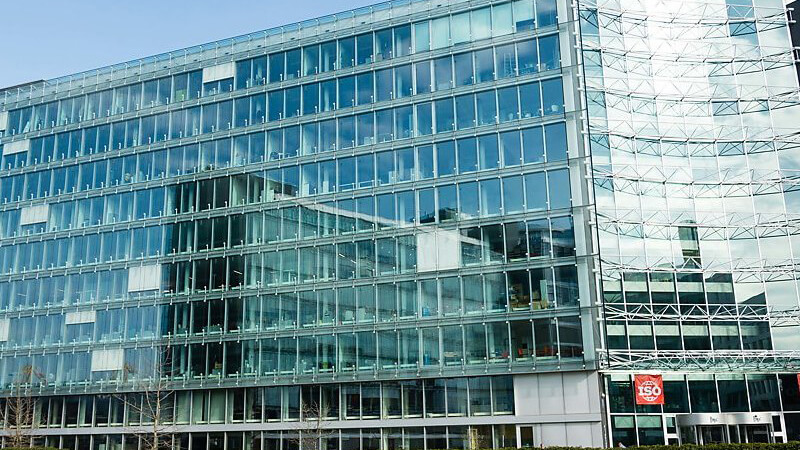
Mike Anthony at ISO Offices Genève

“you shall above all things be glad and young”
My last first day of high school! It sure has flown by, but ready to soak this year in before college 🤗😊@LDukesAntuono @JustinFell16 @micaelaminner @SHUgriffinsSB @CoachMandy13 @Coach_TessSU @ExtraInningSB pic.twitter.com/R4pA9T58E3
— Addison Belviso (Committed) (@AddiBelviso2027) August 18, 2026
My oldest starts kindergarten tomorrow, and (shamelessly) I'm going to be an absolute wreck😅
How it started, how it's going pic.twitter.com/f8sfiMFqsa
— Daniel Buck, “Youngest Old Man in Ed Reform” (@MrDanielBuck) August 18, 2026
Doesn’t seem possible! Off to college today, can’t believe how fast 18 years went! #gocats pic.twitter.com/BcZ9DI8Dfa
— Robbie Sieverding (@udbasketball) August 19, 2026
(sometimes numbered or referred to as poem 22) by E. E. Cummings.
It begins with the lines you recalled (phrased as “you shall above all things be glad and young”) and continues in Cummings’s characteristic style—lowercase letters, unconventional spacing/punctuation, and playful wordplay. It urges the addressee to stay joyful and youthful in spirit, notes that youth and gladness transform whatever life brings, includes a passage about love and mystery, and ends with the memorable preference for learning song from one bird over teaching stars not to dance.
The poem appears in collections of his work (such as Selected Poems and the complete poems editions). Because Cummings’s works remain under copyright, the full text isn’t reproduced here; you can find it in standard published editions or reliable poetry sites/anthologies that have permission.
2 web pages

Metering and Billing
Although electrical power delivered with both active and reactive components our interest lies primarily in the useable power component — watts (power) and watt-hour(energy). A secondary concern is whether or not energy useage meters are over-specified; particularly on points in building power chains downstream from the utility service meters.
Electrical meters, used for measuring electricity consumption, must comply with various codes and standards to ensure accuracy, safety, and reliability. Today at the usual hour – from the user point of view – we will review the status of key codes and standards relevant to electrical meter manufacturing, primarily focusing on North American standards. Use the login credentials at the upper right of our home page.
ANSI C12.1 – Code for Electricity Metering
- Specifies performance criteria for AC watt-hour meters, demand meters, pulse devices, and auxiliary devices.
- Covers testing, installation, accuracy classes, voltage/frequency ratings, and environmental tests (e.g., RF interference).
- Current edition: ANSI C12.1-2024.
ANSI C12.10 – Physical Aspects of Watt-hour Meters
- Defines physical and dimensional requirements for watt-hour meters, including socket and bottom-connected meters.
- Ensures compatibility with metering installations.
ANSI C12.20 – Electricity Meters – 0.1, 0.2, and 0.5 Accuracy Classes
- Establishes accuracy requirements for revenue-grade meters (0.1%, 0.2%, and 0.5% accuracy classes).
- Note: Content merged into ANSI C12.1 in recent updates, with C12.20 withdrawn.
ANSI C12.31 – Standard Definitions of AC Electrical Power
- Defines terms for active, reactive, and apparent power/energy, ensuring consistent measurement methodologies.
- Under revision as ANSI C12.31-202x.
- Published by the National Electrical Manufacturers Association (NEMA).
- Aligns with ANSI C12 standards, focusing on metering equipment specifications and safety.
UL 2735 – Standard for Electric Utility Meters
- Safety standard for electric meters, addressing electrical shock, fire hazards, and mechanical risks.
- Ensures meters meet safety requirements for installation and operation.
NFPA 70 – National Electrical Code (NEC)
- While not specific to manufacturing, NEC governs meter installation requirements (e.g., meter base mounting, grounding).
- Relevant for ensuring meters comply with installation safety standards. We cover this topic of a safety point of view in the sessions linked below:
Related:
Comparative Feedback on Consumers’ Energy-Saving Behavior: A College Dormitory Example

Energy Standard for Sites & Buildings: Metering
Section 8 Key points:
Metering for New Buildings: New buildings larger than 25,000 square feet must be equipped with metering to measure the electrical energy usage of the entire building.
Tenant Spaces: In buildings with tenant spaces, individual tenant spaces larger than 10,000 square feet must also be separately metered.
Subsystem Metering: Buildings with electrical loads exceeding specified thresholds must have additional metering to measure energy use for various subsystems, including:
HVAC systems
Lighting systems
Plug loads
Process loads
These metering requirements are intended to help building owners and operators monitor energy consumption, identify opportunities for energy savings, and comply with building energy codes and standards.
Despite best intentions a fair question to ask: What does over metering look like? (University of Alberta Research)
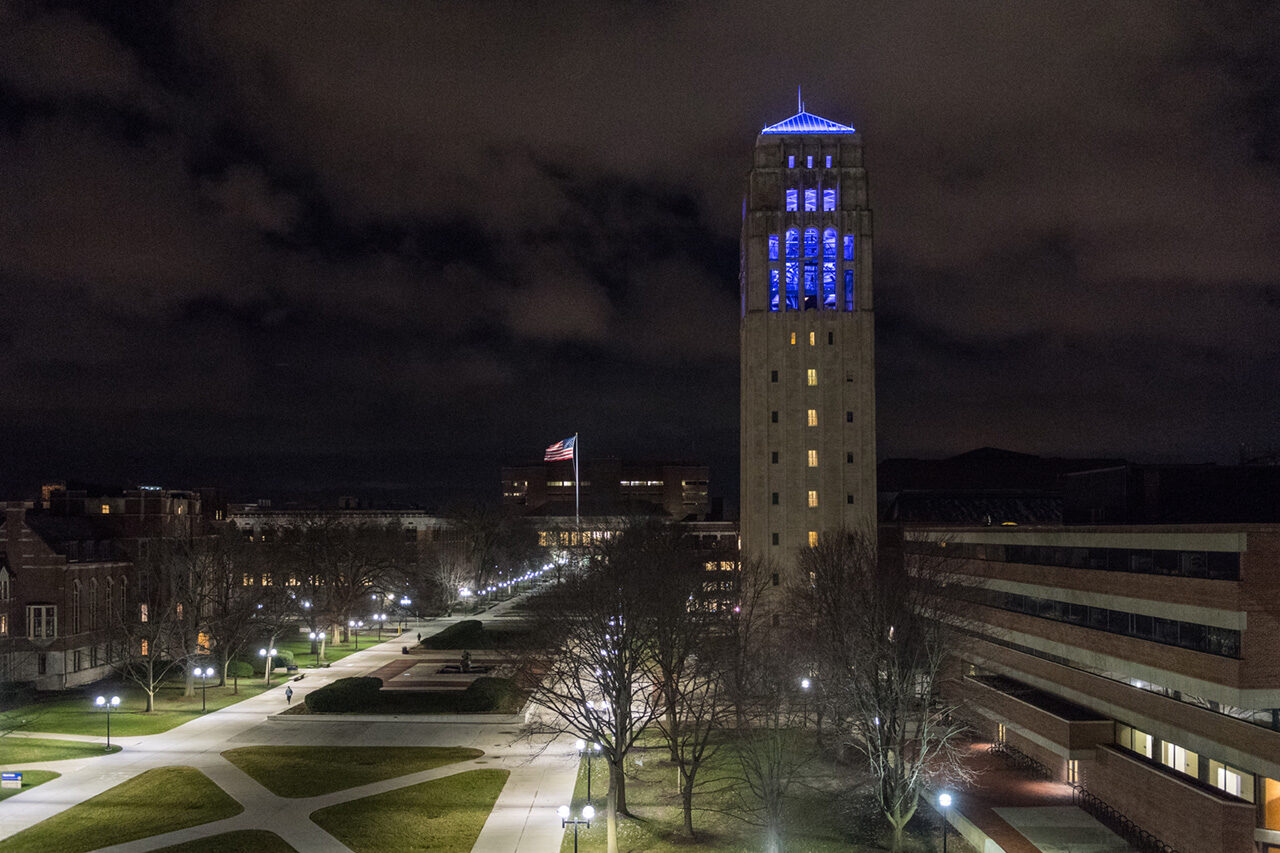
University of Michigan
The American Society of Heating, Refrigerating, and Air Conditioning Engineers (ASHRAE) is an ANSI-accredited continuous-maintenance standards developer (a major contributor to what we call a regulatory product development “stream”). Continuous maintenance means that changes to titles in its catalog can change in as little as 30-45 days. This is meaningful to jurisdictions that require conformance to the “latest” version of ASHRAE 90.1
Among the leading titles in its catalog is ASHRAE 90.1 Energy Standard for Sites and Buildings Except Low-Rise Residential Buildings. Standard 90.1 has been a benchmark for commercial building energy codes in the United States and a key basis for codes and standards around the world for more than 35 years. Free access to ASHRAE 90.1 version is available at the link below:
READ ONLY Version of 2022 ASHRAE 90.1
If you cannot access it with the link above, try the link below and select 90.1 from the title list:
Current Popular ASHRAE Standards and Guidelines
Chapter 9: Lighting, begins on Page 148, and therein lie the tables that are the most widely used metrics (lighting power densities) by electrical and illumination engineers for specifying luminaires and getting them wired and controlled “per code”. Many jurisdictions provide access to this Chapter without charge. Respecting ASHRAE’s copyright, we will not do so here but will use them during today’s Illumination Colloquium, 16:00 UTC.
Keep in mind that recently ASHRAE expanded the scope of 90.1 to include energy usage in the spaces between buildings:
25 January 2023: Newly Released ASHRAE 90.1-2022 Includes Expanded Scope For Building Sites
At this time, there are no redlines open for public comment
Online Standards Actions & Public Review Drafts
Education industry facility managers, energy conservation workgroups, sustainability officers, electric shop foreman, electricians and front-line maintenance professionals who change lighting fixtures, maintain environmental air systems are encouraged to participate directly in the ASHRAE consensus standard development process.
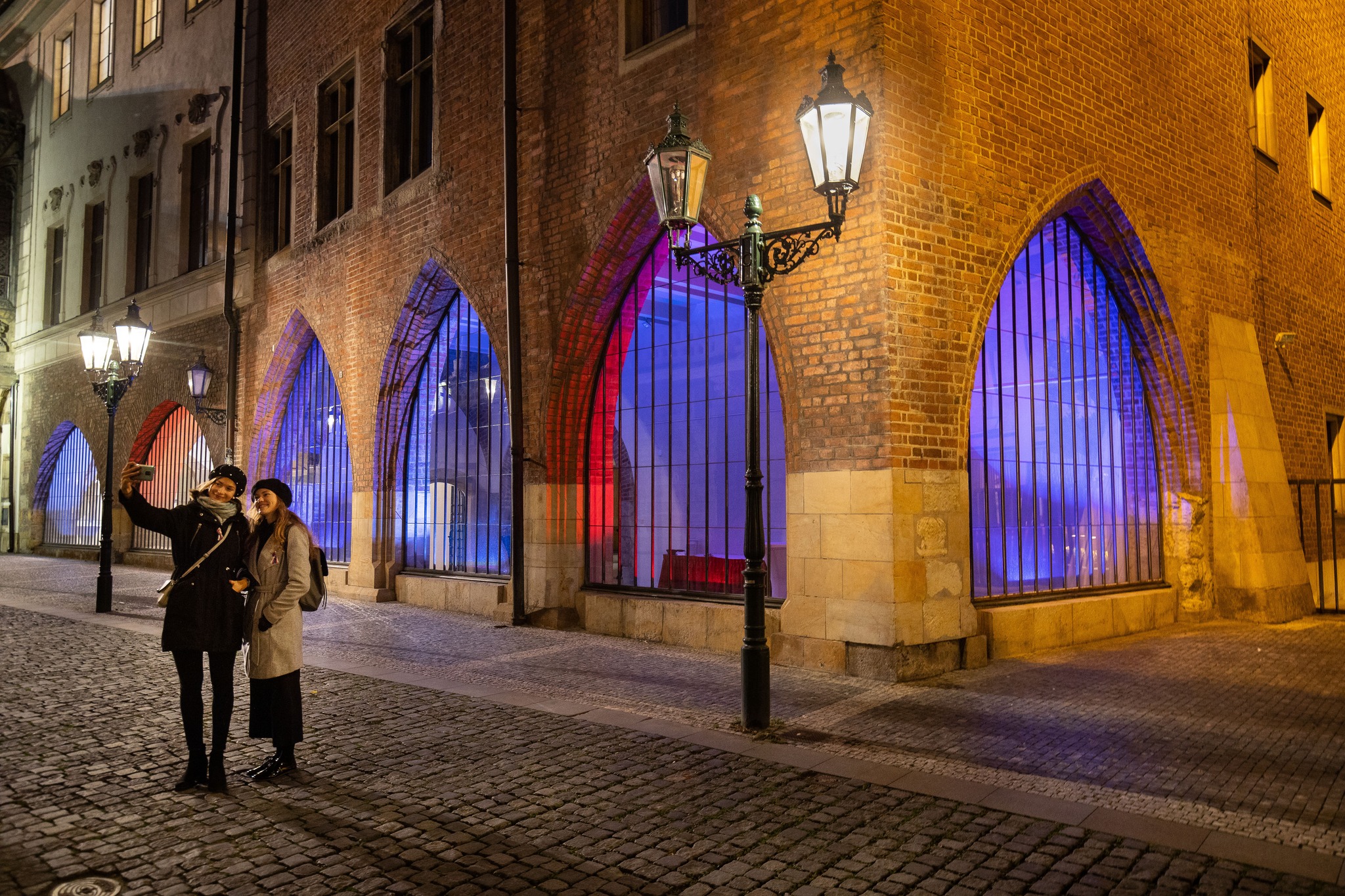
Univerzita Karlova
We also maintain ASHRAE best practice titles as standing items on our Mechanical, Water, Energy and Illumination colloquia. See our CALENDAR for the next online meeting; open to everyone.
Issue: [Various]
Category: Mechanical, Electrical, Energy Conservation, Facility Asset Management, US Department of Energy, #SmartCampus
Colleagues: Mike Anthony, Larry Spielvogel, Richard Robben
Under Construction: ASHRAE WORKSPACE
More:
US Department of Energy Codes Program: Power and Lighting

Electric Service Metering & Billing
Today at 16:00 UTC we review best practice for engineering and installing the point of common coupling between an electrical service provider its and an purchasing — under the purview of NEC CMP-10.
Committee topical purviews change cycle-to-cycle. Here’s the transcript for today’s session: CMP-10 Second Draft Report (368 pages)
Use the login credentials at the upper right of our home page.
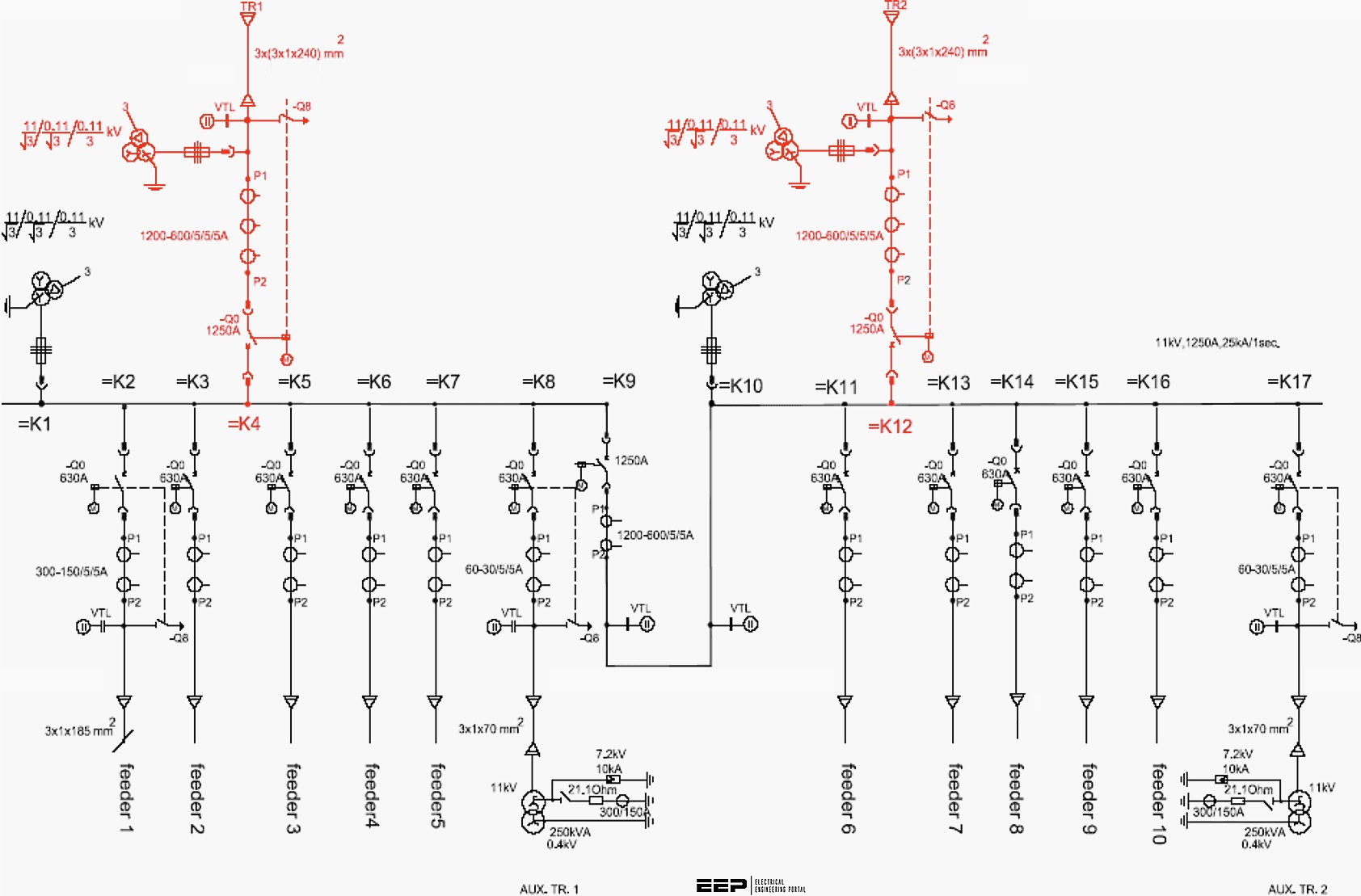
The relevant passages of the National Electrical Code are found in Article 230 and Article 495. We calibrate our attention with the documents linked below. These are only representative guidelines:
University of Michigan Medium Voltage Electrical Distribution
Texas A&M University Medium Voltage Power Systems
University of Florida Medium Voltage Electrical Distribution
Representative standards for regulated utilities for purchased power:
Detroit Edison Primary Service Standards (Green Book)
American Electric Power: Requirements for Electrical Services
Pacific Gas & Electric Primary Service Requirements
The IEEE Education & Healthcare Facilities Committee curates a library of documents similar to those linked above.
Design of Electrical Services for Buildings
We are in the process of preparing new (original, and sometimes recycled) proposals for the 2026 National Electrical Code, with the work of Code Panel 10 of particular relevance to today’s topic:
First Draft Meetings: January 15-26, 2024 in Charleston, South Carolina
Electrical meter billing standards are generally regulated at the state or local level, with guidelines provided by public utility commissions or similar regulatory bodies. These tariff sheets are among the oldest in the world. There are some common standards for billing and metering practices, including:
- Meter Types: There are various types of meters used to measure electricity consumption, including analog (mechanical) meters, digital meters, and smart meters. Smart meters are becoming more common and allow for more accurate and real-time billing.
- Billing Methodology:
- Residential Rates: Most residential customers are billed based on kilowatt-hours (kWh) of electricity used, which is the standard unit of energy.
- Demand Charges: Some commercial and industrial customers are also subject to demand charges, which are based on the peak demand (the highest amount of power drawn at any one point during the billing period).
- Time-of-Use Rates: Some utilities offer time-of-use (TOU) pricing, where electricity costs vary depending on the time of day or season. For example, electricity may be cheaper during off-peak hours and more expensive during peak hours.
- Meter Reading and Billing Cycle:
- Monthly Billing: Typically, customers receive a bill once a month, based on the reading of the electricity meter.
- Estimation: If a meter reading is not available, some utilities may estimate usage based on historical patterns or average usage.
- Smart Meter Readings: With smart meters, some utilities can provide daily or even hourly usage data, leading to more precise billing.
- Meter Standards: The standards for electrical meters, including their accuracy and certification, are set by national organizations like the National Institute of Standards and Technology (NIST) and the American National Standards Institute (ANSI). Meters must meet these standards to ensure they are accurate and reliable.
- Utility Commission Regulations: Each state has a utility commission (such as the California Public Utilities Commission, the Texas Public Utility Commission, etc.) that regulates the rates and billing practices of electricity providers. These commissions ensure that rates are fair and that utilities follow proper procedures for meter readings, billing cycles, and customer service
- Large University “Utilities”. Large colleges and universities that generate and distribute some or all of their electric power consumption have developed practices to distribute the cost of electricity supply to buildings. We will cover comparative utility billing practices in a dedicated colloquium sometime in 2025.
Michigan Public Service Commission | Consumer’s Energy Customer Billing Rules

Greensleeves

“My Lady Greensleeves” | Dante Gabriel Rossetti 1863

Water and Fire
Tradition is tending the flame, not worshiping the ashes.”
— Gustav Mahler
One student’s desire to get involved with the water community eventually led to the creation of the a student chapter of AWWA at West Virginia University. Read more about Kara Cunningham’s journey in #AWWAConnections.https://t.co/f8X2yFcciB pic.twitter.com/IjLwg038Os
— American Water Works Association (@awwa) November 26, 2025
Manufacturers are required to meet the NEC and CEC electrical codes to have their food equipment sold and used in the United States and Canada. Watch our video for more details. pic.twitter.com/d0vUf4zUl2
— NSF (@NSF_Intl) June 30, 2023

Morrill Land-Grant Act
IEEE Rural Electric Power Conference | Agricultural Extension Offices

“Harvest Rest” 1865 George Cole
“Agriculture is our wisest pursuit, because it will in the end
contribute most to real wealth, good morals, and happiness.”
— Thomas Jefferson
From the Wikipedia: Land-grant university
“…A land-grant university (also called land-grant college or land-grant institution) is an institution of higher education in the United States designated by a state to receive the benefits of the Morrill Acts of 1862 and 1890.
The Morrill Acts funded educational institutions by granting federally controlled land to the states for them to sell, to raise funds, to establish and endow “land-grant” colleges. The mission of these institutions as set forth in the 1862 Act is to focus on the teaching of practical agriculture, science, military science, and engineering (though “without excluding… classical studies”), as a response to the industrial revolution and changing social class. This mission was in contrast to the historic practice of higher education to focus on a liberal arts curriculum. A 1994 expansion gave land grant status to several tribal colleges and universities….”
Link to the original legislation:
THIRTY-SEVENTH CONGRESS / Approved July 2, 1862

The Morrill Land-Grant Act has not undergone significant changes in its core structure within the past decade. However, there have been important developments and discussions surrounding its implementation, particularly regarding the use of land originally designated under the Act.
One key area of focus has been the ongoing management of trust lands associated with land-grant universities. Investigations have revealed that many of these lands continue to generate substantial revenue, often through activities such as fossil fuel production, mining, timber sales, and agriculture.
For instance, between 2018 and 2022, trust lands associated with land-grant universities generated over $6.7 billion in revenue. These investigations have also highlighted the historical context of how these lands were acquired, often from Indigenous nations, sparking ongoing debates about equity and restitution.
📢 REMINDER
If you are seeking eligibility for the Farmer Bridge Assistance Program, ensure your 2025 acreage reporting is factual and accurate by 5 PM ET on Dec. 19, 2025. Qualifying FBA payments are scheduled to be released by Feb. 28, 2026. https://t.co/ABBRK1b9xh pic.twitter.com/cLHZI2zeLq
— Dept. of Agriculture (@USDA) December 15, 2025
Several universities associated with the Morrill Land-Grant Act continue to generate significant revenue from fossil fuels, timber, and agricultural activities. Here are some examples:
- Washington State University (WSU): WSU benefits from timber sales on its trust lands, which have generated over $1.1 billion in revenue from 1889 to 2022. These lands are used for timber production, grazing, and other activities (Grist).
- University of Arizona: The university’s trust lands are involved in grazing, timber, and fossil fuel production. These lands generate revenue through leases for activities such as mining and oil extraction (Grist).
- University of Texas: The Permanent University Fund, which includes land-grant lands, generates revenue primarily through oil and gas production. The University of Texas system benefits significantly from these fossil fuel activities (Grist).
- University of Wyoming: Like other land-grant institutions, the University of Wyoming manages trust lands that produce revenue through activities like coal mining and grazing (Grist).
These activities raise important questions about the environmental and ethical implications of continuing to use land-grant trust lands in this manner, especially given the historical context of how these lands were acquired.
Point / Counterpoint

Building a better blueberry
Michigan Central | Strange Matter Coffee (MSU Union)
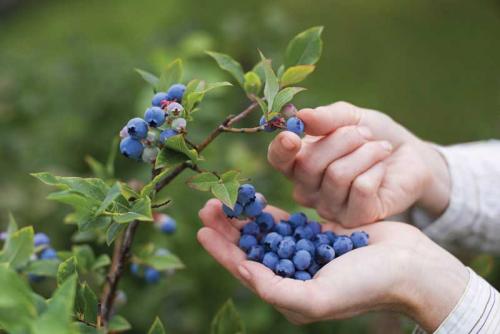
Building a better blueberry: A Spartan breeder perfects one of Michigan’s finest fruits
Blueberry Varieties for Michigan
No place like home. 💚 pic.twitter.com/BAh1EX9F58
— MSU (@michiganstateu) July 24, 2026
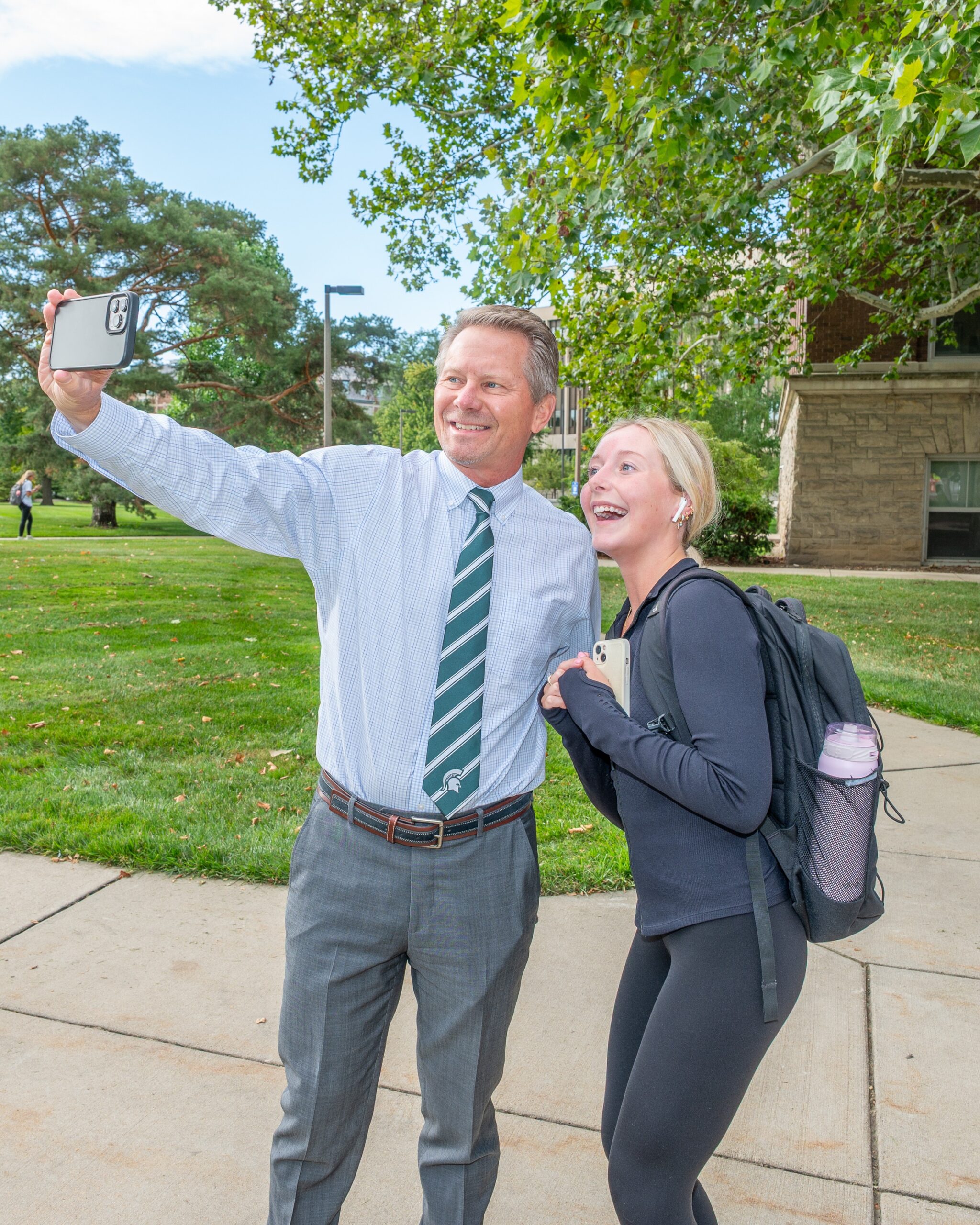
Michigan State University | Ingham County
New update alert! The 2022 update to the Trademark Assignment Dataset is now available online. Find 1.29 million trademark assignments, involving 2.28 million unique trademark properties issued by the USPTO between March 1952 and January 2023: https://t.co/njrDAbSpwB pic.twitter.com/GkAXrHoQ9T
— USPTO (@uspto) July 13, 2023
Standards Michigan Group, LLC
455 East Eisenhower Parkway, Suite 300
Ann Arbor, MI 48108 USA
888-748-3670
DIRECTIONS
 |
 |
|
 |
 |
|
 |
 |