
“Rainy Days and Mondays” | Paul Williams & Roger Nichols
- Home Page 7



Student Health and Wellness Center
The Center provides comprehensive healthcare services to students. Located on the Logan campus, the clinic offers a range of medical services including general health check-ups, vaccinations, mental health support, and chronic disease management. Staffed by experienced physicians, nurse practitioners, and support staff, the clinic aims to address both physical and mental health needs. Students can access acute care for illnesses and injuries, preventive care, women’s health services, and counseling.
The clinic also provides lab services, prescriptions, and referrals to specialists when needed. With a focus on promoting wellness and healthy lifestyles, the USU Student Health Clinic ensures that students receive quality care in a supportive environment, contributing to their overall well-being and academic success. The clinic operates on an appointment basis, with some walk-in availability, and is committed to maintaining confidentiality and respect for all students.
Old Main 1890 | C.A. Randall Architect
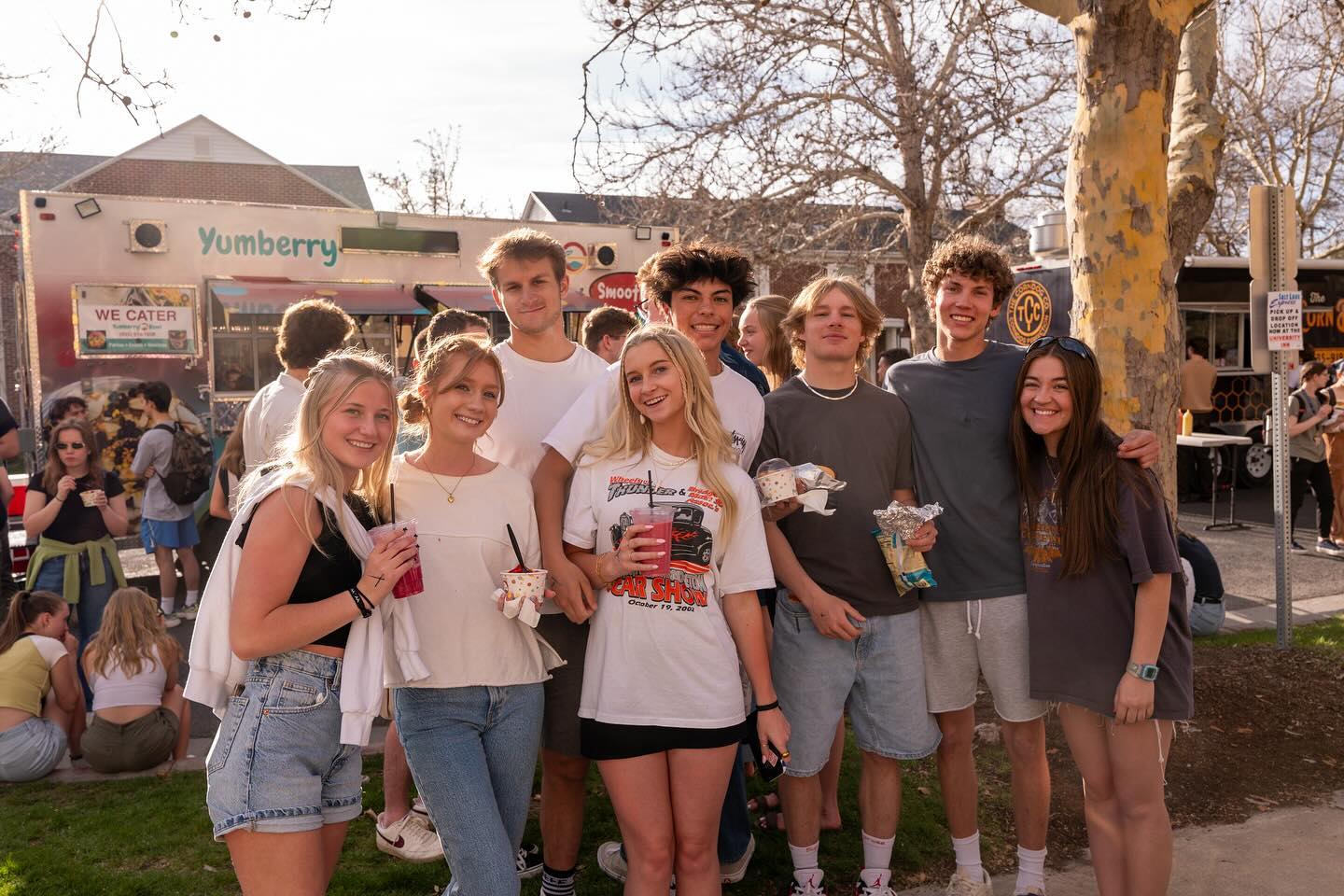


Daylight Saving Time
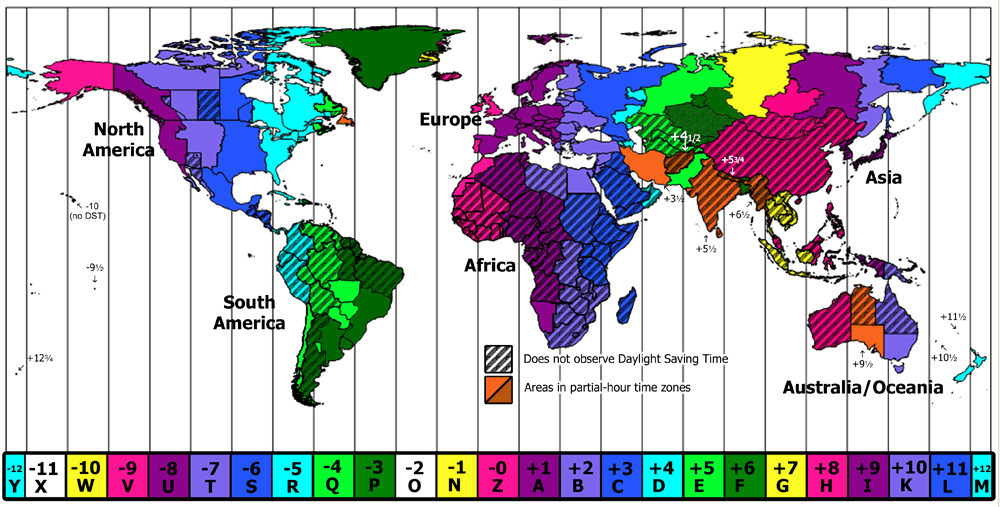
Standard Time Act of 1918 | 18th November 1883 “The Day of Two Noons”
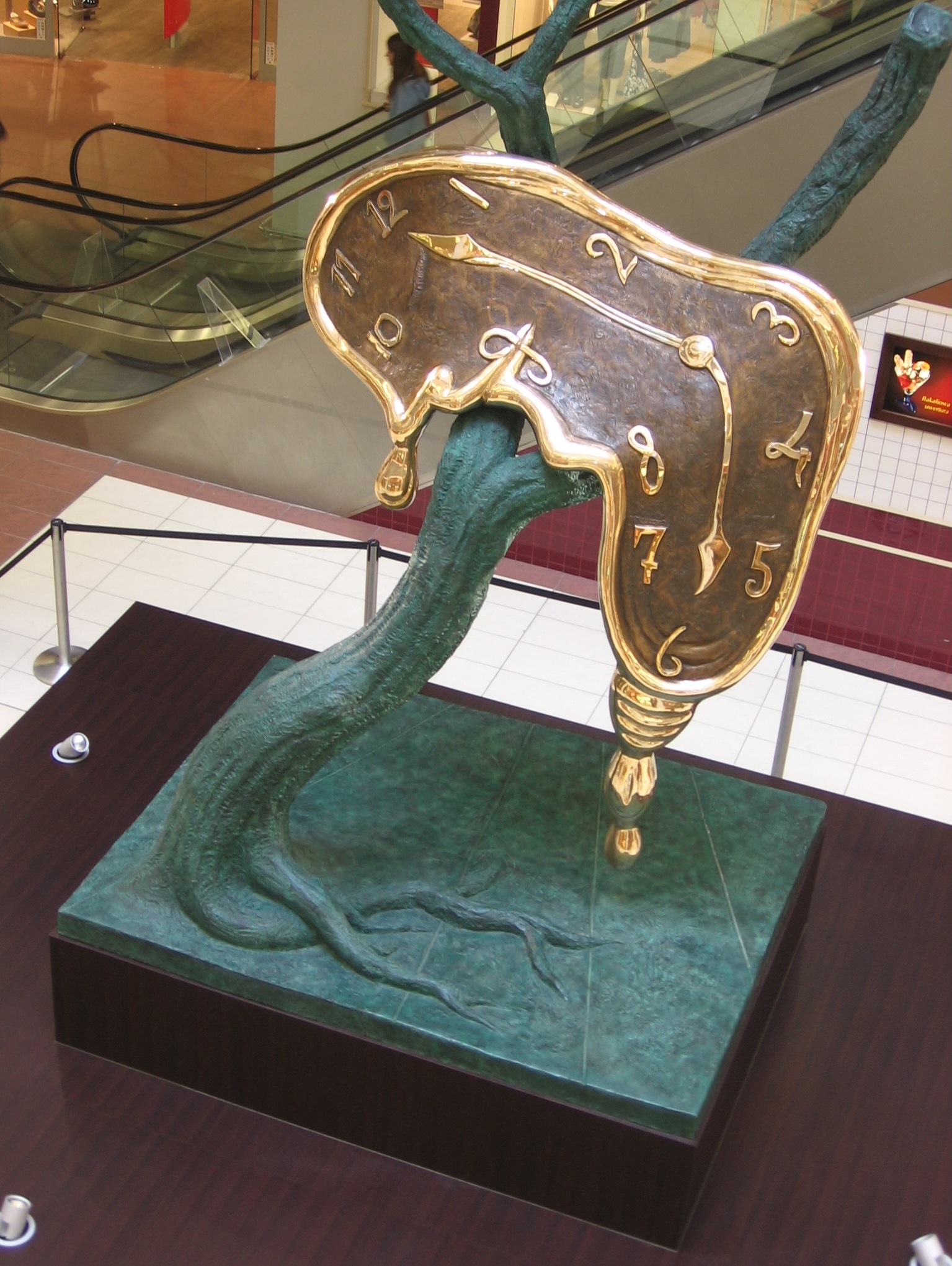
Homage to Salvador Dalí’s famous painting “The Persistence of Memory (1931)”
Start Date: Daylight Saving Time begins on Sunday, March 9, 2025. This is the second Sunday in March, following the schedule established by theEnergy Policy Act of 2005.

Ovid “The Metamorphoses”
Superseded: Daylight Saving Time Rules

“Time After Time” 1947 Frank Sinatra
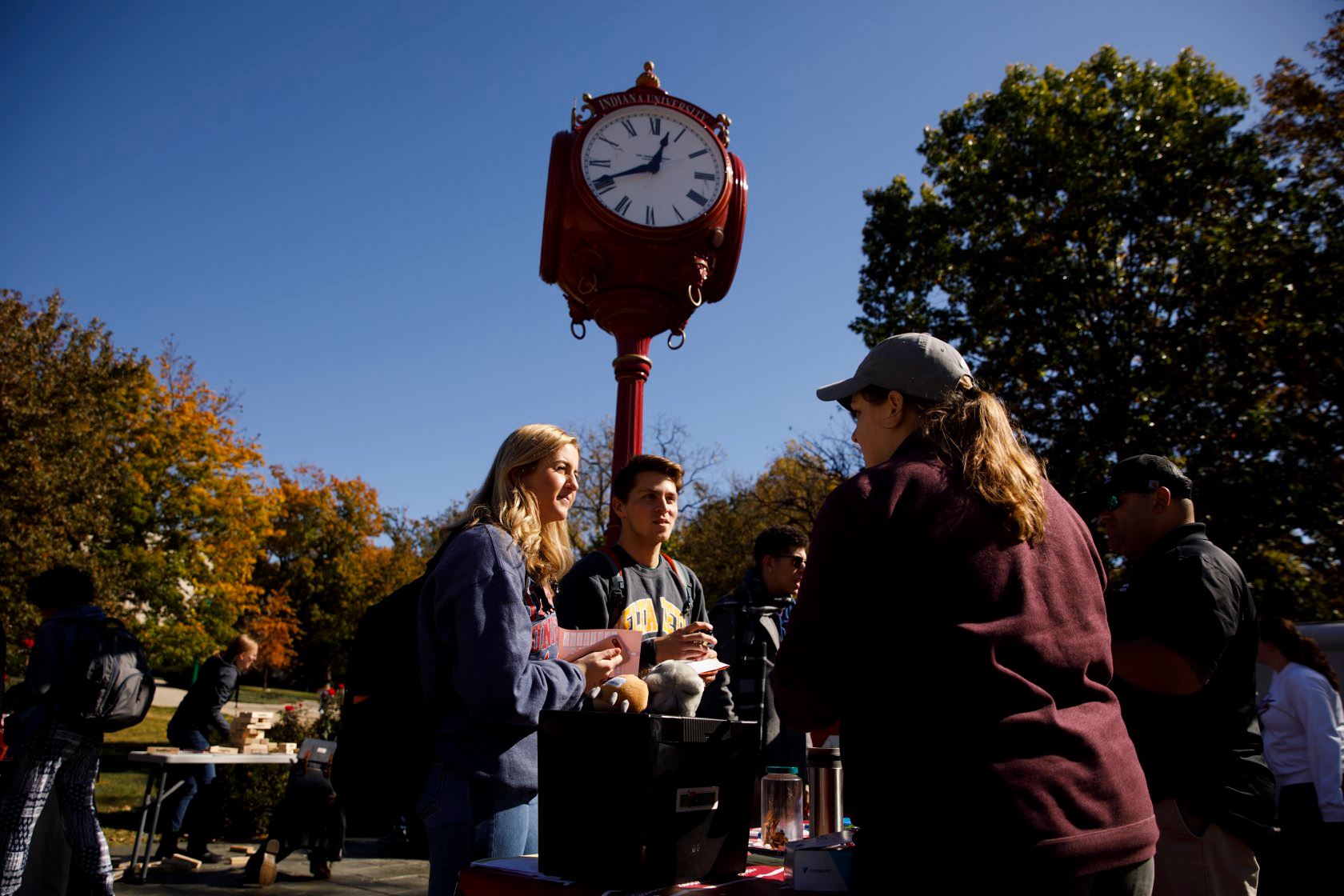
Indiana University | Monroe County

“Time After Time (Cindy Lauper Cover) | University of Delaware
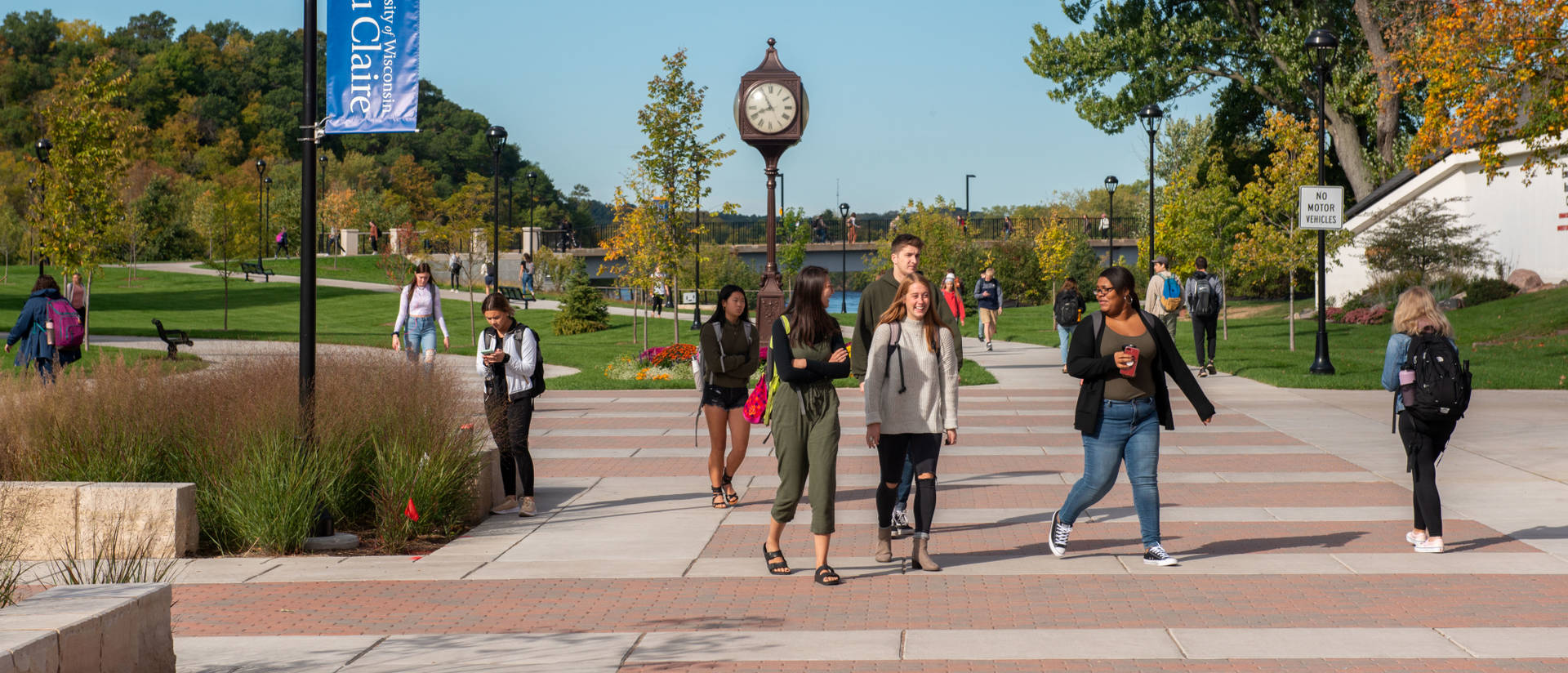
University of Wisconsin Eau Clair
Ω

Campus Clocks

Best Coffee Spots Near Campus
|
“The coffee-house is an original British institution, but as there are daily effusions of wit and humor in several of these little periodical papers, I think we may be justly said to have our Coffee-houses among us.” (From “The Spectator,” No. 9, March 10, 1711) |
Michigan Central | Major Projects | University of Michigan Capital Plan
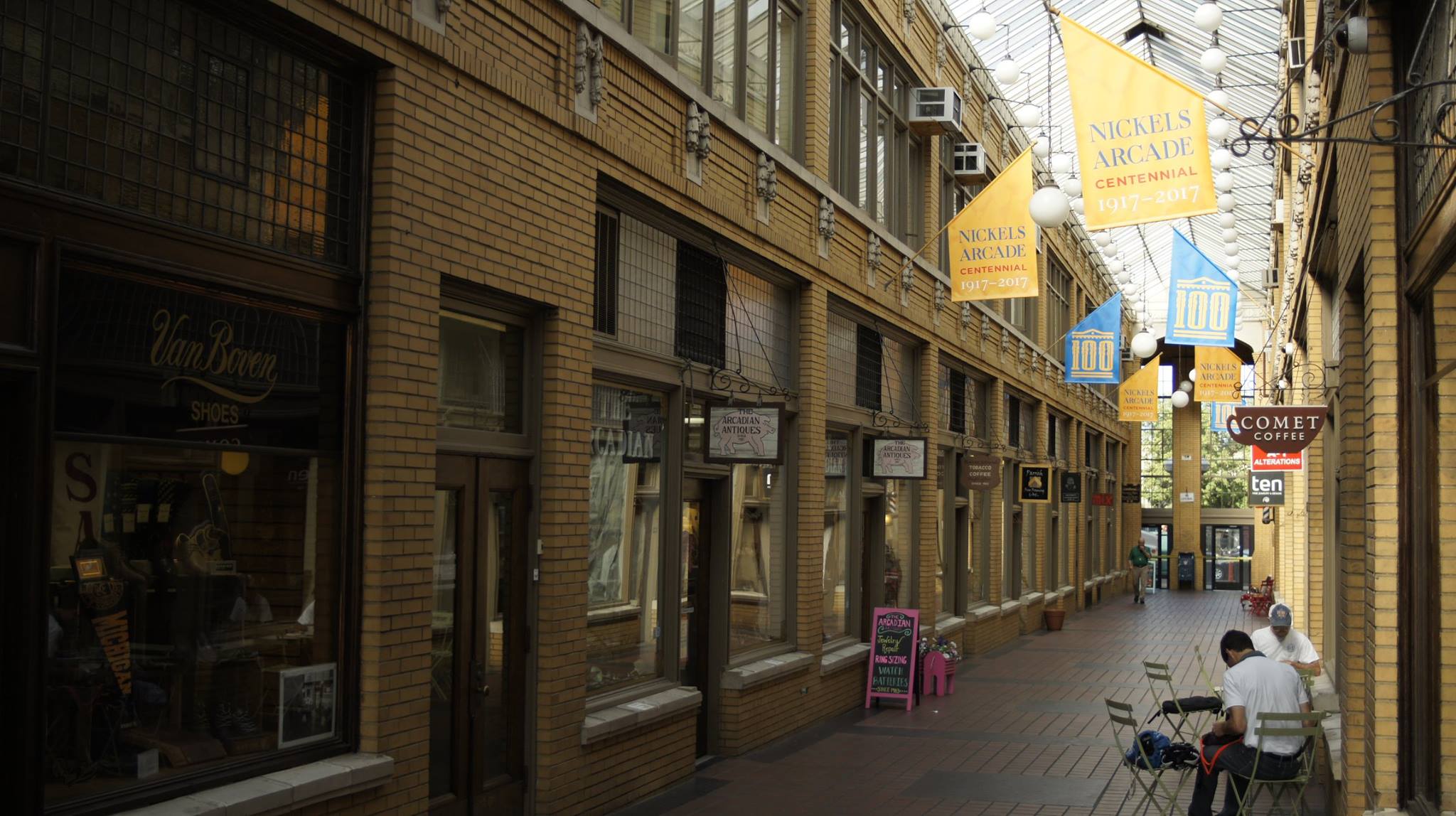
Ellie Younger: Best Coffee Spots Near Campus
Artisanal coffee departs from mass-market approaches and replaces it with emphasis on craftsmanship, quality, and attention to detail throughout the entire process—from cultivation to brewing. Key aspects:
» Artisanal coffee producers often prioritize high-quality beans. They might focus on specific varieties, regions, or even single-origin beans, showcasing unique flavors and characteristics.
» The roasting process is considered an art in itself. Artisanal coffee roasters carefully roast the beans to bring out the best flavors. They may experiment with different roasting profiles to achieve specific taste profiles.
» Unlike mass-produced coffee, artisanal coffee is often roasted in smaller batches. This allows for better quality control and the ability to pay closer attention to the nuances of each batch.
» Artisanal coffee is appreciated for its distinct flavor profile. Roasters and baristas might highlight tasting notes, aromas, and other characteristics that make each cup unique.
» Artisanal coffee shops or enthusiasts often explore various brewing methods, such as pour-over, AeroPress, or siphon brewing. These methods can be more time-consuming but are believed to extract the best flavors from the beans.
From the way the beans are ground to the water temperature during brewing, artisanal coffee enthusiasts pay attention to every detail to ensure a superior cup of coffee.
— Publisher Marketing
The Decline of Men in Colleges
The Great Good Place: Ray Oldenburg
|
“I have often pleased myself with considering the two different scenes of life which are carried on at the same time in those different places of rendezvous, and putting those of the playhouse and the coffee-house together.” (From “The Spectator,” No. 10, March 12, 1711) |
America’s Cultural Revolution: How the Radical Left Conquered Everything
|
“For decades, left-wing radicals patiently built a revolution in the shadows. Then suddenly, after the death of George Floyd, their ideas exploded into American life. Corporations denounced the United States as a “system of white supremacy.” Universities pushed racially segregated programs that forced students to address their racial and sexual “privilege.” And schools injected critical race theory in the classroom, dividing children into “oppressor” and “oppressed.” In this New York Times bestseller, Christopher F. Rufo exposes the inner history of the left-wing intellectuals and militants who slowly and methodically captured America’s institutions, with the goal of subverting them from within. With profiles of Herbert Marcuse, Angela Davis, Paulo Freire, and Derrick Bell, Rufo shows how activists have profoundly influenced American culture with an insidious mix of Marxism and racialist ideology. They’ve replaced “equality” with “equity,” subverted individual rights in favor of group identity, and convinced millions of Americans that racism is endemic in all of society. Their ultimate goal? To replace the constitution with a race-based redistribution regime, administered by “diversity and inclusion” commissars within the bureaucracy. America’s Cultural Revolution is the definitive account of the radical Left’s long march through the institutions. Through deep historical research, Rufo shows how the ideas first formulated in the pamphlets of the Weather Underground, Black Panther Party, and Black Liberation Army have been sanitized and adopted as the official ideology of America’s prestige institutions, from the Ivy League universities to the boardrooms of Wal-Mart, Disney, and Bank of America. But his book is not just an exposé. It is a meticulously-researched and passionate refutation of the arguments of CRT—and a roadmap for the counter-revolution to come.” |
“To be at home is to have a place in the world which is yours, where you are not a stranger and where you find the outlines of your identity. In the modern world, however, where the sense of home has been eroded by technology and bureaucracy, architecture can create a substitute for this sense, by defining spaces which answer to the dreams and memories of the people who live in them.”
— Roger Scruton

Roadway Electric
Rules for electric supply (power) and communication (telecommunication) lines and equipment, including those along or crossing roadways across and along campus perimeters. Copyright restrictions prohibit our sharing of the First Draft. IEEE should be making this draft free of charge according to ANSI’s Incorporation by Reference Recommendations but, alas, we pick our battles. We have purchased the Draft Copy and have been discussing the changes for the past several weeks and will continue to do so until the March 24th deadline.

Relevant sections:
Sections 1–3 and 9 (Introduction, Definitions, References, Grounding Methods) — apply to all parts.
Part 1 (Rules 100–199): Electric supply stations and equipment (substations; generally not roadway-specific).
Part 2 (Rules 200–299): Safety Rules for the Installation and Maintenance of Overhead Electric Supply and Communication Lines — primary coverage for roadway scenarios.
Part 3 (Rules 300–399): Safety Rules for the Installation and Maintenance of Underground Electric Supply and Communication Lines.
Part 4 (Rules 400–499): Rules for the Operation of Electric Supply and Communication Lines and Equipment (work practices, employee/public safety).

Wires, Roads, and Real-World Challenges at Clemson University
Challenges with Aging Electrical Infrastructure at California State University Fresno
Conceptual Study to Underground Utility Wires in Berkeley (UC Berkeley Campus Area)

7th Edition (2018): Geometric Design of Highways & Streets
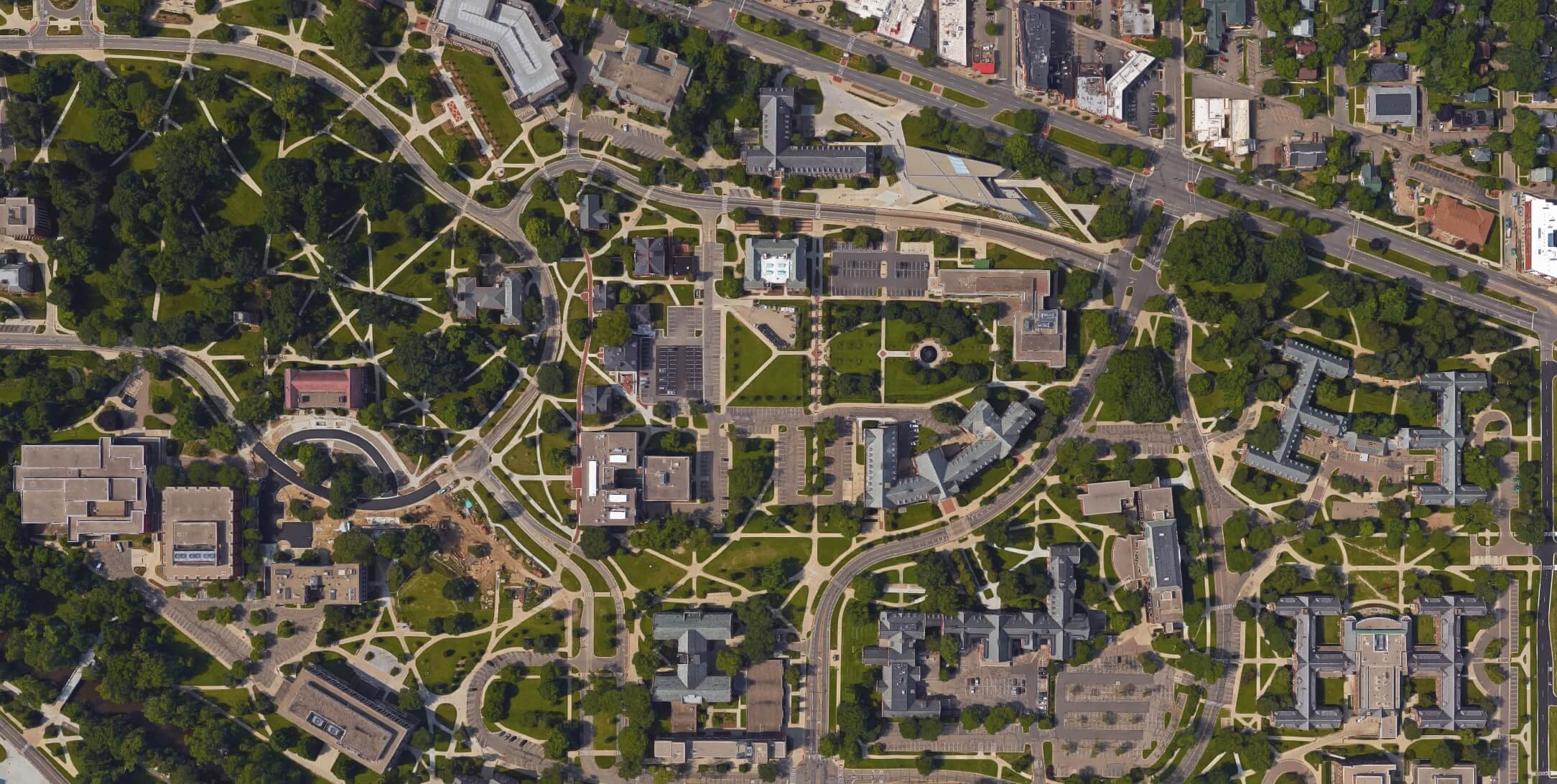
Michigan State University

The American Association of State Highway and Transportation Officials is a standards setting body which publishes specifications, test protocols, and guidelines that are used in highway design and construction throughout the United States. Despite its name, the association represents not only highways but air, rail, water, and public transportation as well. Its technical committees are responsible for route numbering recommendations.
Although AASHTO sets transportation standards and policy for the United States as a whole, AASHTO is not an agency of the federal government; rather it is an organization of the states themselves. Policies of AASHTO are not federal laws or policies, but rather are ways to coordinate state laws and policies in the field of transportation.
One of its consensus products — the so-called “Green Book” — is heavily referenced in campus design guidelines and construction contracts because most education communities exist within municipal infrastructure. Power, water supply, sewers to schools and campuses large and small all tend to follow transportation pathways. The Green Book is revised periodically, the 2018 Edition the most recent.
SUMMARY OF KEY REVISIONS AND UPDATES
We do not advocate in this product at the moment but follow the movement in concepts relevant to education communities; notably the recent reorganization that emphasizes transportation of people, rather than focusing primarily on moving vehicles. A new chapter discusses multimodal level of service and puts greater emphasis on lower-speed, walkable, urban zones in which new mobility technologies are emerging (such as micro-scooters on campuses)
We maintain the AASHTO catalog on our Pathways, Zoning and Mobility colloquia. See our CALENDAR for the next online meeting, open to everyone.

Standards March: Water
Curated list of our interest and accomplishments in water-related codes, standards and related best practice literature.
International Building Code | Chapter 29 Plumbing Systems

“Àguas de março” (A.C.Jobim)
Escola Municipal de Música de Sant Andreu | Catalunya Província de Barcelona @joanchamorro
print(“Lunch Hour 1600 UTC”)\n weekday(2)
print(“Padrão Brasil”)https://t.co/wFPKtBBD2R pic.twitter.com/vibSBRmBC3— Standards Michigan (@StandardsMich) March 6, 2024
A good understanding of waves in shallow water, typically in coastal regions, is important for several environmental and societal issues: submersion risks, protection of harbors, erosion, offshore structures, wave energies, etc.https://t.co/E6T2woxQ67@_CIRM @CIGLR_UM pic.twitter.com/DUnk6rlFW9
— Standards Michigan (@StandardsMich) February 24, 2021
Water Cycle Equation:
Precipitation = Runoff + Infiltration + Evapotranspiration + ΔStoragehttps://t.co/DdIA3UWUxy
Georgia Southern University Civil Engineering & Constructionhttps://t.co/rVhv4tyuBt@GeorgiaSouthern pic.twitter.com/9yo5NZrJQH— Standards Michigan (@StandardsMich) September 10, 2020
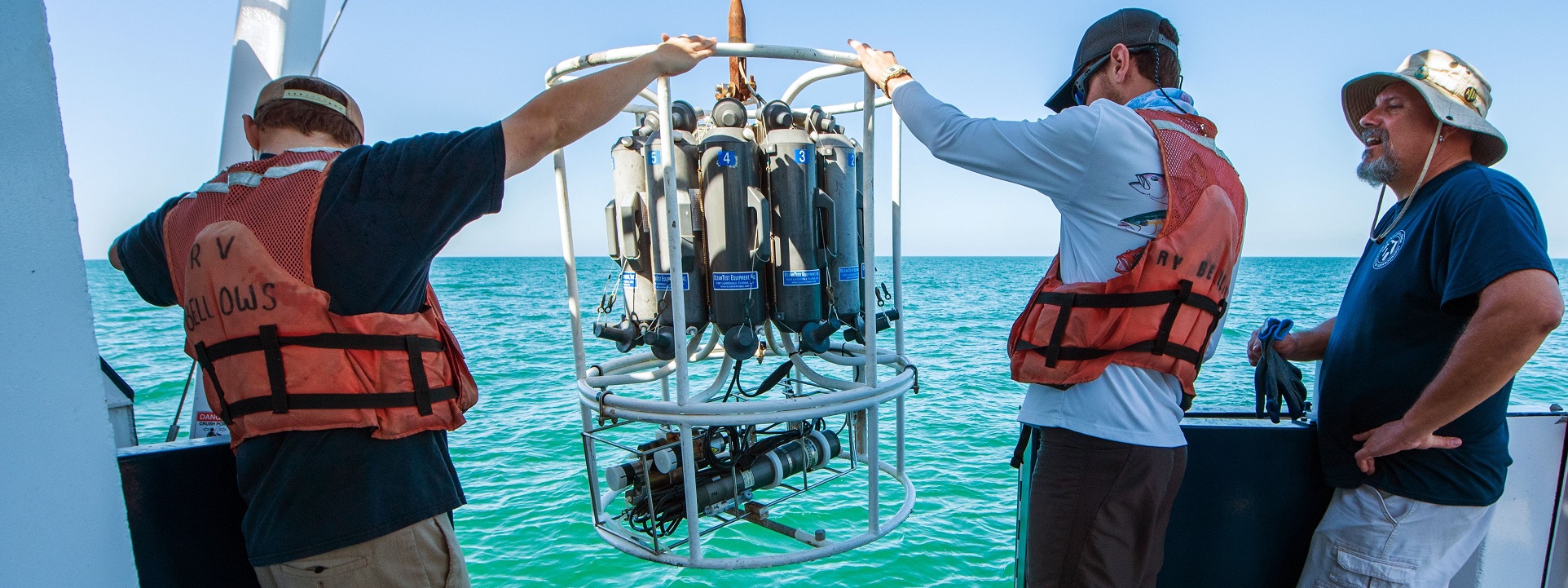
Florida Gulf Coast University | Lee County
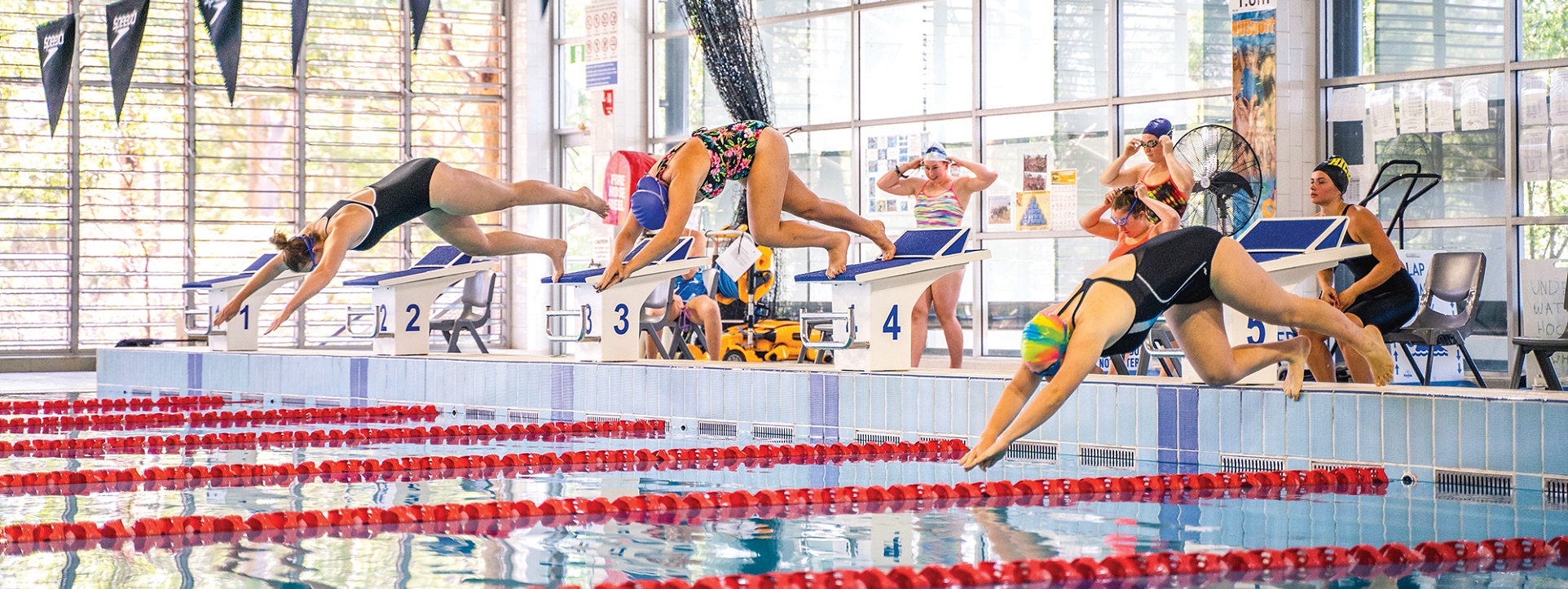
University of Newcastle | New South Wales

University of Southern California | Orange County
We are marking up NSF 50 Standard for Recreational Water Facilities RE: piping changeshttp://t.co/9TDj8D4Ic4 pic.twitter.com/OsGIo5w6q2
— Standards Michigan (@StandardsMich) January 7, 2015
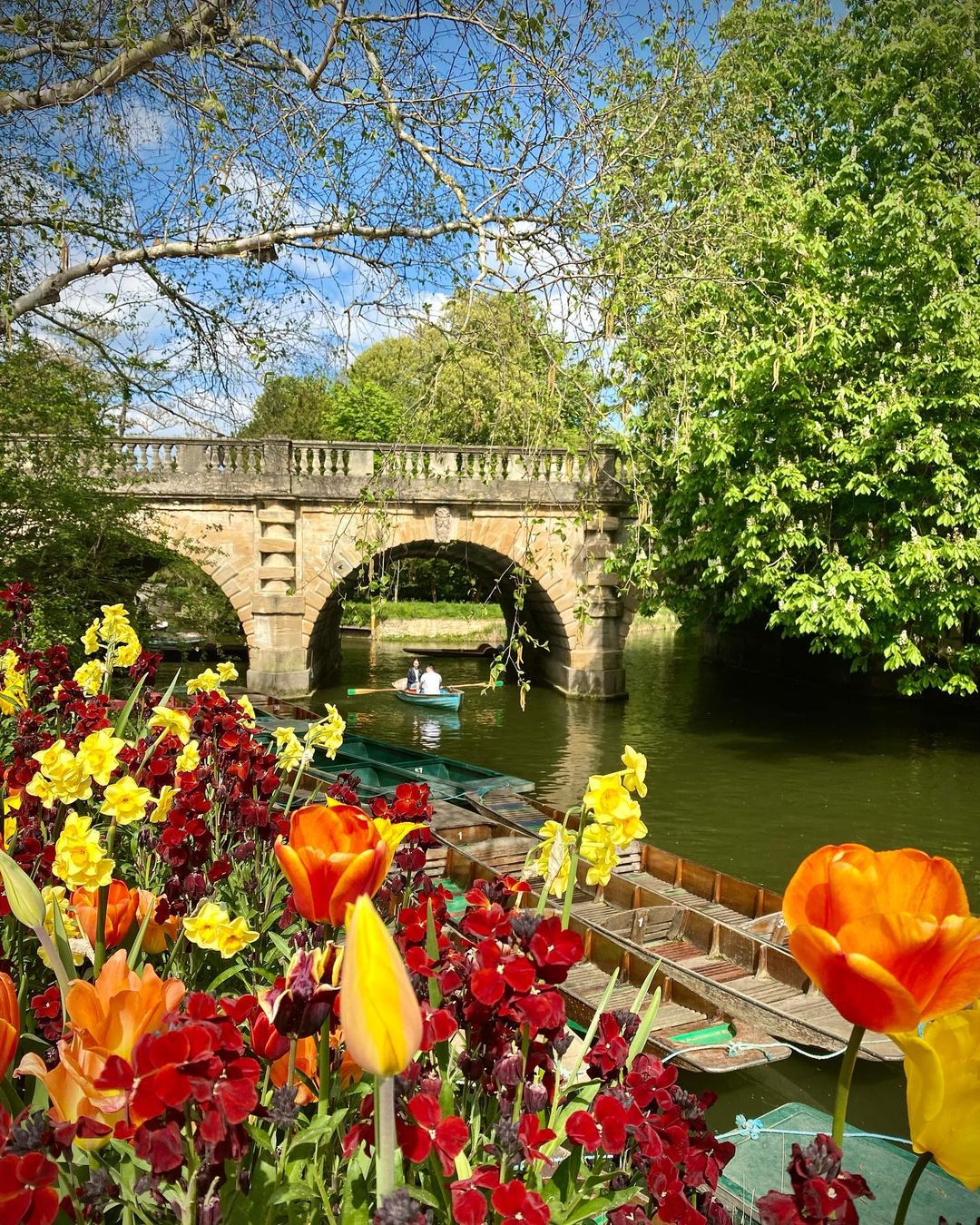
Today we review live public consultation notices from standards setting organizations creating best practice literature and policy templates for water safety and sustainabilityhttps://t.co/sM4vKIpRTK pic.twitter.com/T5kJ1LpYrC
— Standards Michigan (@StandardsMich) August 4, 2020
A good understanding of waves in shallow water, typically in coastal regions, is important for several environmental and societal issues: submersion risks, protection of harbors, erosion, offshore structures, wave energies, etc.https://t.co/E6T2woxQ67@_CIRM @CIGLR_UM pic.twitter.com/DUnk6rlFW9
— Standards Michigan (@StandardsMich) February 24, 2021
“Microfiber Release to Water, Via Laundering, and to Air, via Everyday Use: A Comparison between Polyester Clothing with Differing Textile Parameters”
University of Plymouth @PlymUni
Consiglio Nazionale delle Ricerche @CNRsocial_https://t.co/suKmOp56HD pic.twitter.com/kJ0uFFwmAN— Standards Michigan (@StandardsMich) September 25, 2021
Duke University Press – A Future History of Water
Andrea Ballesterohttps://t.co/cm4ybE6W76 pic.twitter.com/5RmPdmtMr7— Standards Michigan (@StandardsMich) May 15, 2020
RT @wef: Where is the world’s hidden groundwater? https://t.co/cTCqljIFsu #environment #water pic.twitter.com/OoVxrzvh3q
— Standards Michigan (@StandardsMich) December 11, 2015
ANSI Seeks Comments on ISO Proposal for Water Products
Comments due December 8thhttps://t.co/PbCprmGyFc @standardsaus @ansidotorg @IFMA pic.twitter.com/ToDwD0K4R9— Standards Michigan (@StandardsMich) November 5, 2017
Boiler University https://t.co/p8HkfwQh5b
Ritchie and Steven discuss steam boiler mathematics: Horsepower, Pounds Per Hour, Boiler Horsepower Formula, Pounds Per Hour Formula, Convert Steam to hot water formula, Heat exchanger, Steam Load@WareInc pic.twitter.com/EosfgvE01S— Standards Michigan (@StandardsMich) February 4, 2021
Help us mark up standards that provide regulators w/specifics needed for wise use of waterhttps://t.co/4SQhP6k8YO https://t.co/lfBrUvgudy
— Standards Michigan (@StandardsMich) November 10, 2015

Vegetation & Animal Management
Facility Management units in educational settlements rarely deal with tree obstruction on overhead supply sources except where off-campus sources provide power to agricultural units. The NESC does not provide specific tree‑species or pruning schedules—that is often left to local utility standards guided by NESC clearances. The IEEE Education & Healthcare Facilities Committee deals with these borderline cases, often collaborating with the IEEE Rural Electric Power Conference.
NESC Minimum Vertical Clearances (Rule 232)
| Voltage (kV) | Minimum Vertical Clearance (ft) |
|---|---|
| 0 – 750 V | 12 ft |
| 0.75 – 22 kV | 18 ft |
| 22 – 46 kV | 22 ft |
| 46 – 72.5 kV | 26 ft |
| 72.5 – 121 kV | 30 ft |
| 121 – 145 kV | 32 ft |
| 145 – 230 kV | 37 ft |
| 230 – 345 kV | 40 ft |
| 345 – 500 kV | 44 ft |
| 500 – 750 kV | 50 ft |
NESC Minimum Lateral Clearances (Rule 234)
| Voltage (kV) | Minimum Lateral Clearance (ft) |
|---|---|
| 0 – 750 V | 3 ft |
| 0.75 – 22 kV | 3 ft |
| 22 – 46 kV | 4 ft |
| 46 – 72.5 kV | 5 ft |
| 72.5 – 121 kV | 6 ft |
| 121 – 145 kV | 6 ft |
| 145 – 230 kV | 8 ft |
| 230 – 345 kV | 10 ft |
| 345 – 500 kV | 12 ft |
| 500 – 750 kV | 14 ft |
2022 Guide for Animal Deterrents for Electric Power Supply Substations
New update alert! The 2022 update to the Trademark Assignment Dataset is now available online. Find 1.29 million trademark assignments, involving 2.28 million unique trademark properties issued by the USPTO between March 1952 and January 2023: https://t.co/njrDAbSpwB pic.twitter.com/GkAXrHoQ9T
— USPTO (@uspto) July 13, 2023
Standards Michigan Group, LLC
2723 South State Street | Suite 150
Ann Arbor, MI 48104 USA
888-746-3670
DIRECTIONS
 |
 |
|
 |
 |
|
 |
 |