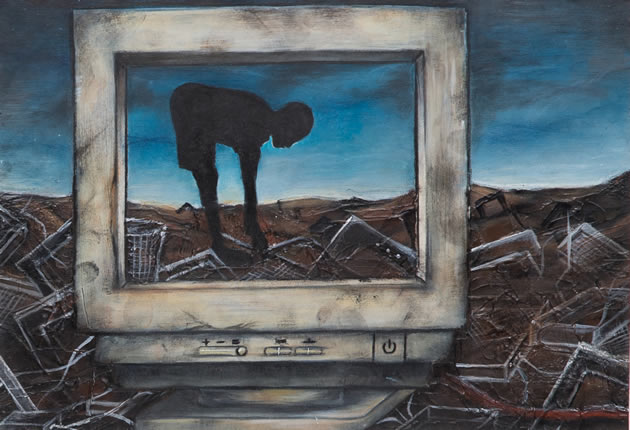
We are observers in the development of a new ANSI accredited electronic equipment recycling standard produced with the leadership of NSF International; a Michigan-based standards developer (founded at the University of Michigan) not far from our own offices and one of the largest in the world.
The electronic recycling space is growing quickly — reaching far upstream the value chain into how electronic equipment is designed in the first place. An overview of the project is available in the link below:
This standard moved swiftly to market under NSF International’s continuous maintenance process. We bring it to the attention of the education facilities industry as a recommendation for lowering #TotalCostofOwnership. Participation as a User interest in American national standards development reduces “wheel reinvention” in which many recycling workgroups unnecessarily start from scratch, eliminates the need to attend costly workshops hosted by trade associations and significantly minimizes destructive competition.
This title is on the standing agenda of our Redivivus colloquium. Since our interest lies primarily with electrotechnology we collaborate with the IEEE Standards Association. See our CALENDAR for the next online meeting; open to everyone.
District energy plants for campuses are more easily modified over time than built from scratch due to their centralized, modular design and existing infrastructure. These systems, supplying heating, cooling, and sometimes power to multiple buildings, are designed with scalability in mind. District energy plants for campuses are more easily modified over time than built from scratch due to their centralized, modular design and existing infrastructure. These systems, supplying heating, cooling, and sometimes power to multiple buildings, are designed with scalability in mind.
Today at the usual hour we examine the status of best practice literature and prepare responses to relevant public consultations. Use the login credentials at the upper right of our home page.
The following list cites key codes, standards, recommended practices, and guidelines applicable to campus district energy systems, which provide heating, cooling, and sometimes power to multiple buildings. These are widely recognized in the United States and often internationally, ensuring safety, efficiency, and environmental compliance.
ASHRAE Standard 90.1 – Energy Standard for Sites and Buildings Except Low-Rise Residential Buildings
Description: Establishes minimum requirements for energy-efficient design of buildings, including district energy systems for heating and cooling, covering system efficiency, controls, and insulation.
Relevance: Ensures campus energy systems meet energy performance benchmarks and optimize thermal distribution.
ASME B31.1 – Power Piping
Description: Governs the design, construction, and maintenance of piping systems for steam, hot water, and other fluids used in district heating systems.
Relevance: Applies to high-pressure steam and hot water piping in campus district energy systems.
NFPA 54/ANSI Z223.1 – National Fuel Gas Code
Description: Provides safety requirements for the installation and operation of fuel gas piping systems, appliances, and venting for gas-fired equipment in district energy plants.
Relevance: Ensures safe operation of gas-fired boilers or cogeneration systems in campus energy facilities.
ASHRAE Guideline 0 – The Commissioning Process
Description: Outlines a systematic process for commissioning building systems, including district energy systems, to ensure they meet design intent and operational requirements.
Relevance: Critical for verifying that campus heating, cooling, and power systems perform as designed.
International Energy Conservation Code (IECC)
Description: Sets energy efficiency requirements for building systems, including district energy systems connected to buildings, focusing on reducing energy waste.
Relevance: Guides energy-efficient design and operation of campus-wide heating and cooling networks.
NFPA 85 – Boiler and Combustion Systems Hazards Code
Description: Provides safety standards for the design, installation, operation, and maintenance of boilers and combustion systems used in district energy plants.
Relevance: Ensures safe operation of large boilers in campus central plants.
ASME Boiler and Pressure Vessel Code (BPVC), Section I
Description: Governs the design, fabrication, and inspection of boilers used in district energy systems.
Relevance: Ensures structural integrity and safety of high-pressure boilers in campus energy systems.
ASHRAE Standard 188 – Legionellosis: Risk Management for Building Water Systems
Description: Provides guidelines for managing Legionella risk in water systems, including cooling towers and hot water systems in district energy setups.
Relevance: Critical for maintaining water quality and preventing health risks in campus cooling and heating systems.
API Recommended Practice 2000 – Venting Atmospheric and Low-Pressure Storage Tanks
Description: Offers guidelines for the safe venting of storage tanks used for fuel or other liquids in district energy systems.
Relevance: Applies to fuel storage for backup generators or boilers in campus energy plants.
EPA’s Clean Air Act Regulations (40 CFR Part 60 and 63)
Description: Regulates emissions from boilers, engines, and other combustion equipment in district energy systems to ensure compliance with air quality standards.
Relevance: Ensures campus energy systems meet federal environmental requirements for emissions control.
Additional Notes:
Jurisdiction-Specific Codes: Local building codes, such as those based on the International Building Code (IBC) or state-specific amendments, may apply and should be verified for campus projects.
Sustainability Guidelines: Guidelines like LEED (Leadership in Energy and Environmental Design) or ASHRAE’s Building Decarbonization resources may be relevant for campuses pursuing sustainability goals.
Verification: Consult local authorities having jurisdiction (AHJs) and campus-specific requirements, as codes may vary by region or institution.
The heating and cooling requirements of K-12 schools, college and university educational, medical research and healthcare delivery campuses are a large market for boiler pressure vessel manufacturers, installers, maintenance personnel and inspectors. The demand for building new, and upgrading existing boilers — either single building boilers, regional boilers or central district energy boilers — presents a large market for professional engineering firms also. A large research university, for example, will have dozens, if not well over 100 boilers that heat and cool square footage in all climates throughout the year. The same boilers provide heating and cooling for data centers, laundry operations, kitchen steam tables in hospitals and dormitories.
“…The International Boiler and Pressure Vessel Code establishes rules of safety — relating only to pressure integrity — governing the design, fabrication, and inspection of boilers and pressure vessels, and nuclear power plant components during construction. The objective of the rules is to provide a margin for deterioration in service. Advancements in design and material and the evidence of experience are constantly being added…”
Many state and local governments incorporate the BPVC by reference into public safety regulations and have established boiler safety agencies. Boiler explosions are fairly common, as a simple internet search on the term “school boiler explosion” will reveal. We linked one such incident at the bottom of this page.
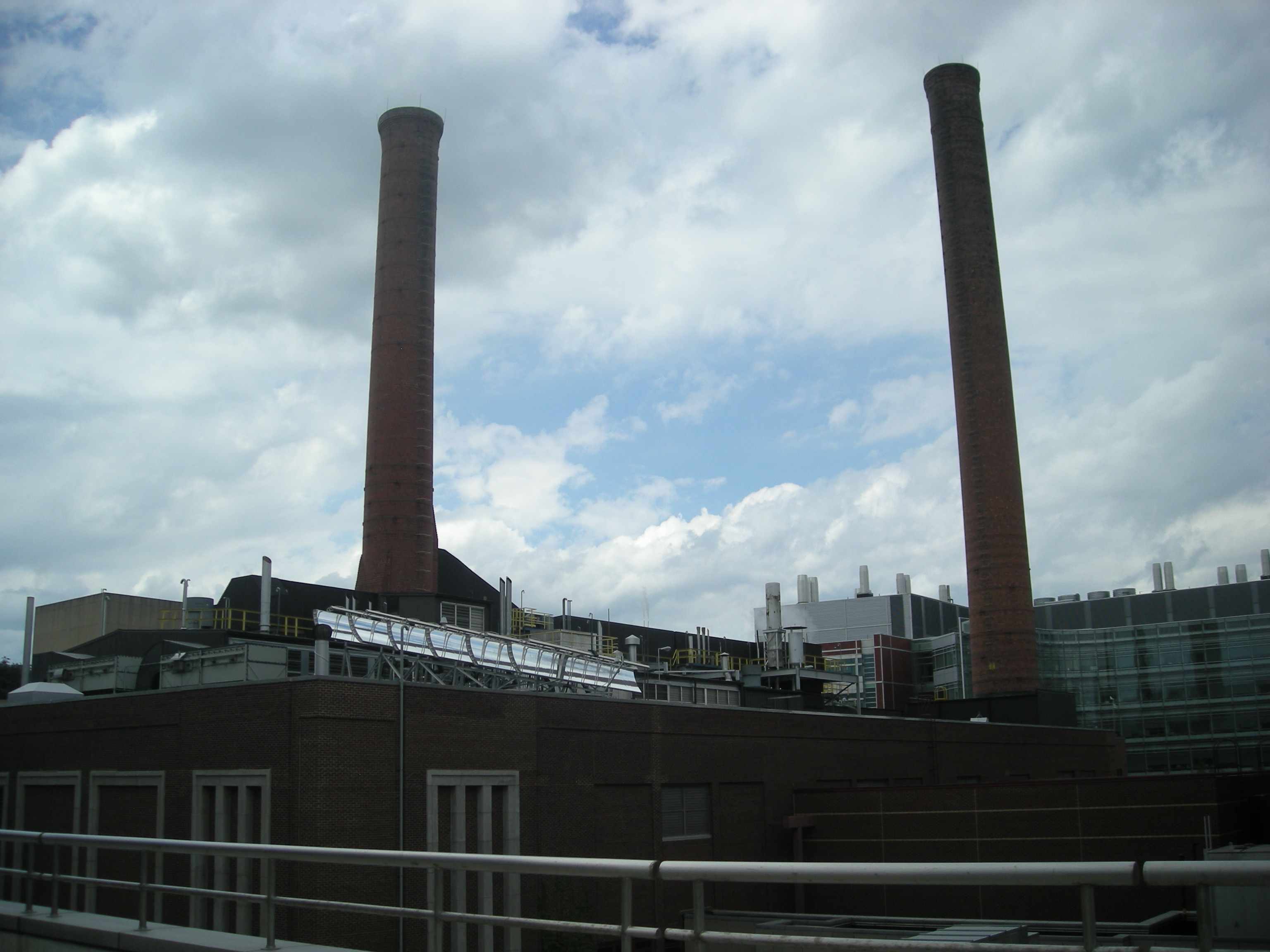
University of Michigan Central Heating Plant
The 2023 Edition of the BPVC is the current edition; though the document is divided into many sections that change quickly.
Two characteristics of the ASME standards development process are noteworthy:
Only the proposed changes to the BPVC are published. The context surrounding a given change may be lost or not seen unless access to previous version is available. Knowledgeable experts who contribute to the development of the BPVC usually have a previous version, however. Newcomers to the process may not.
The BPVC has several breakout committees; owing to its longer history in the US standards system and the gathering pace of complexity in this technology.
We unpack the ASME bibliography primarily during our Mechanical, Plumbing and Energy colloquia; and also during our coverage of large central laundry and food preparation (Kitchens 100) colloquia. See our CALENDAR for the next online meeting, open to everyone.
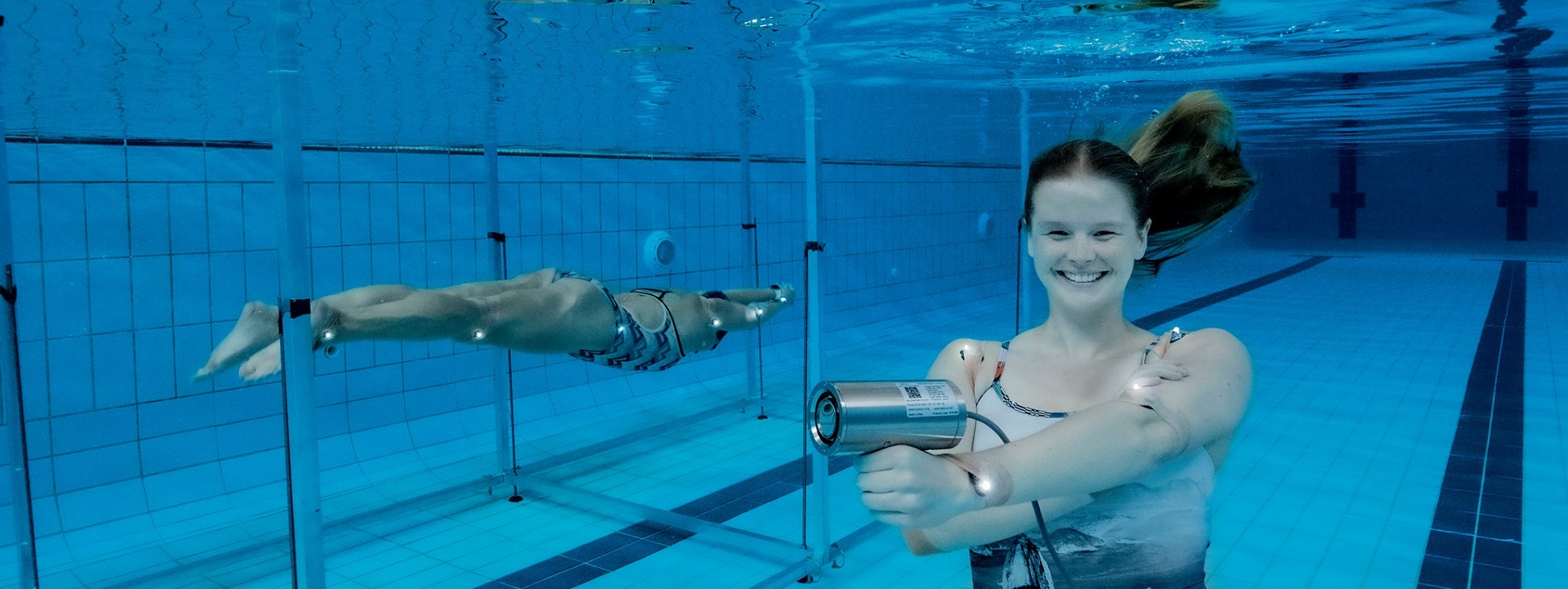
Abstract: Drowning due to electric shock is theorized to occur when a current that is greater than the “let go” current passes through a body of water and conducts with the human body. Drowning would occur when the skeletal muscles contract and the victim can no longer swim. It is theorized that the likelihood of receiving a deadly shock in a freshwater environment (such as a lake) is higher than the likelihood in a saltwater environment (such as a marina). It is possible that due to the high conductivity of salt water, the current shunts around the individual, while in freshwater, where the conductivity of the water is lower than that of the human; a majority of the current will travel through the individual. The purpose of this research is to either validate or disprove these claims. To address this, we used Finite Element analysis in order to simulate a human swimming in a large body of water in which electric current has leaked from a 120V source. The conductivity of the water was varied from .005 S/m (pure water) up to 4.8 S/m (salt water) and the current density through a cross sectional area of the human was measured. With this research, we hope to educate swimmers on the best action to take if caught in such a situation.
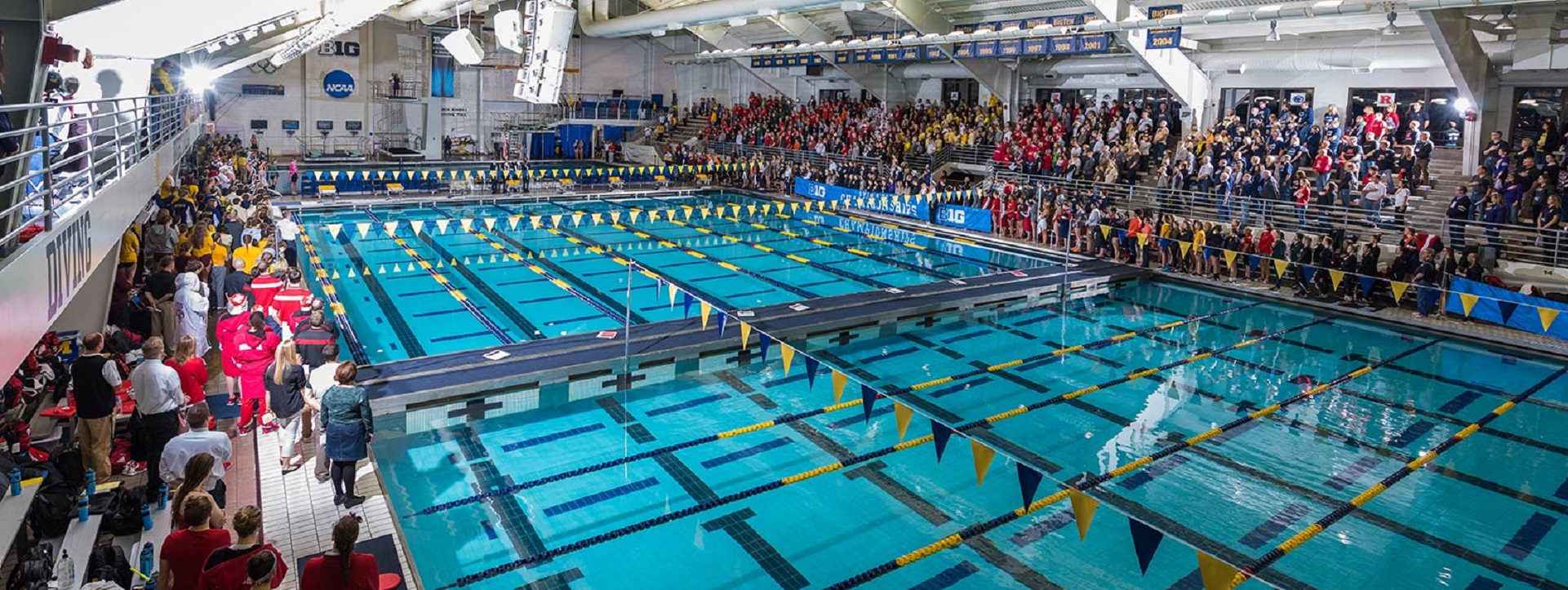
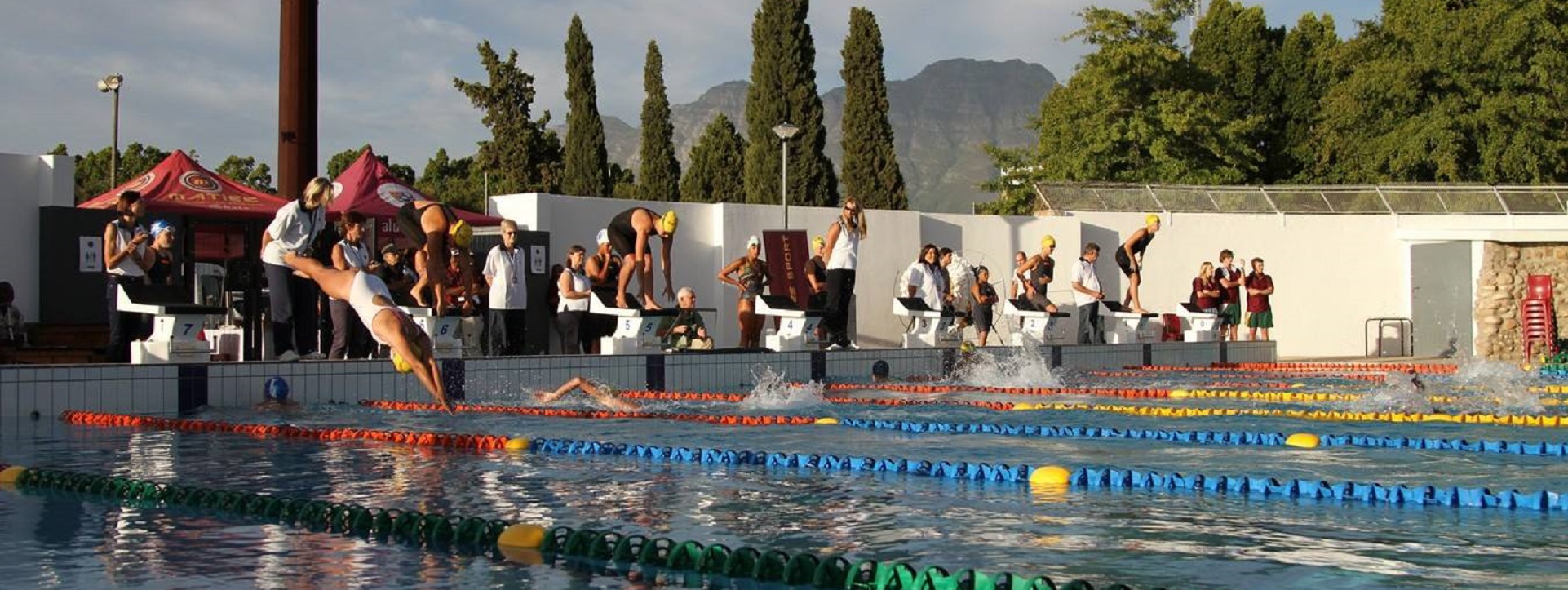
A standard Olympic-sized swimming pool is defined by the following dimensions:
Length: 50 meters
Width: 25 meters
Depth: A minimum of 2 meters
Lanes: 10 lanes, each 2.5 meters wide
The total area of the pool is therefore 1,250 square meters, and it holds approximately 2,500 cubic meters (or 2.5 million liters) of water.
The organization that sets the standards for Olympic-sized pools is the Fédération Internationale de Natation (FINA) — now World Aquatics — the governing body for swimming, diving, water polo, synchronized swimming, and open water swimming. FINA establishes the regulations for the dimensions and equipment of competition pools used in international events, including the Olympic Games.
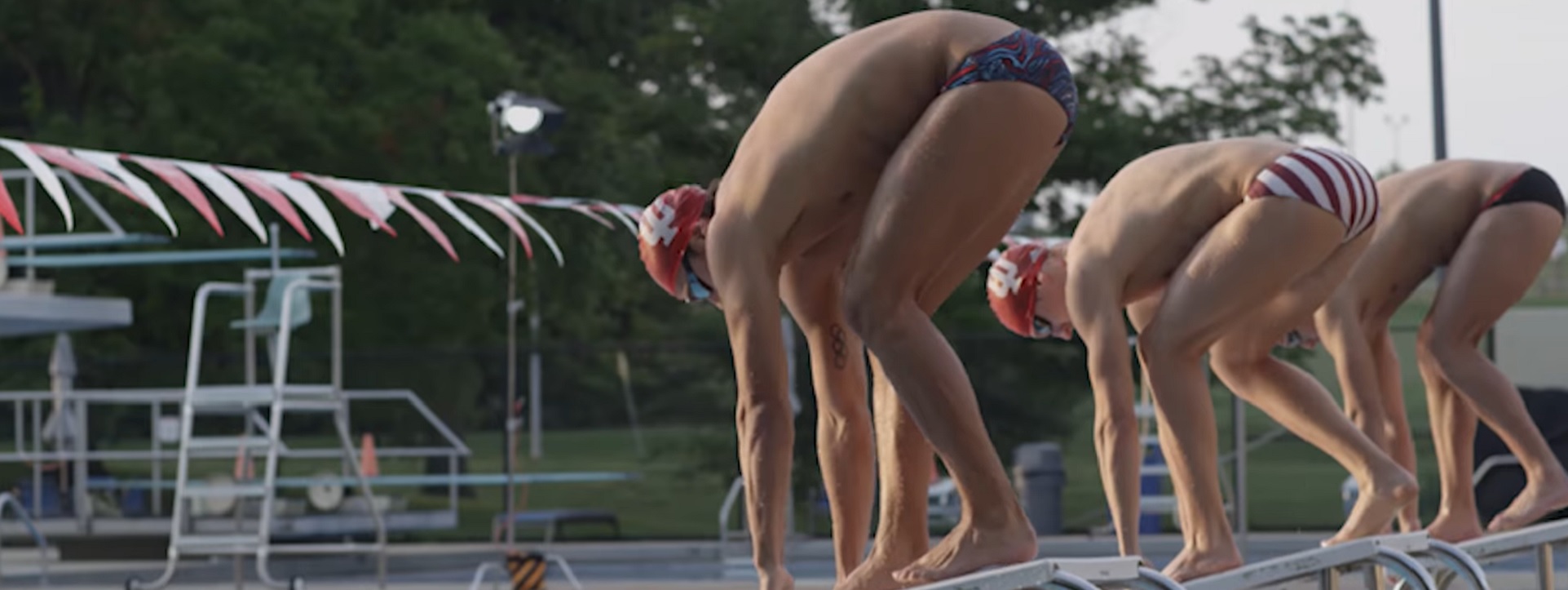
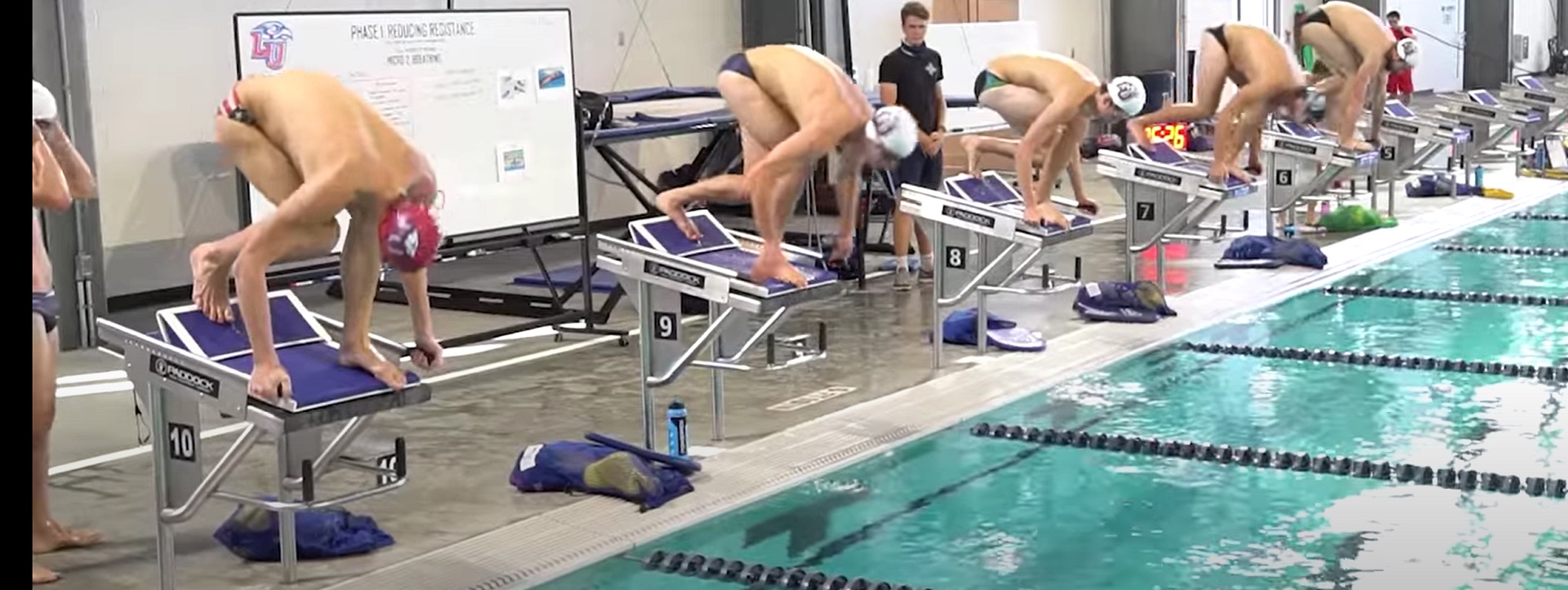
The top ten universities that have produced Olympic champion:
Lucas Hyman is the co-author of “Sustainable On Site CHP Systems: Design, Construction and Operations” published by McGraw-Hill 2010 ISBN 978-0-07-160317-1, Co-Editor Martin Meckler is a graduate of the University of Michigan. Mike Anthony contributed Chapter 23 — Government Mission Critical – A combined FMECA and time value of money study on Critical Operations Power Systems.
Goss Engineering was one of the engineers for the University of California Merced; the first university campus with an energy infrastructure begun from “scratch”. Here, Lucas offers his insight into the subtle energy economic trade-offs between centralized and de-centralized systems.
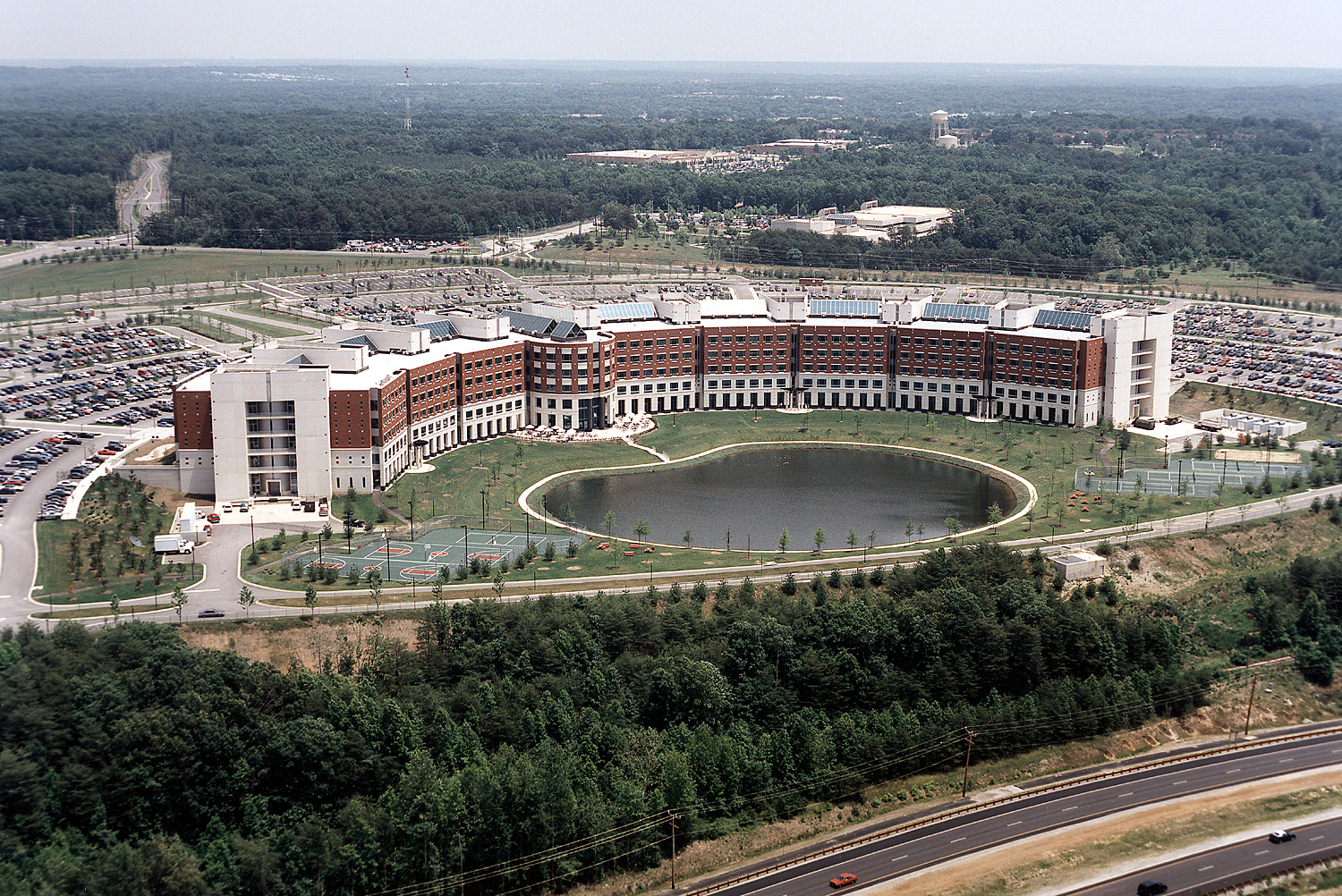
Today at the usual hour we take will take a broad view of the technical standards catalog of all military branches as they apply to the educational settings of each of the US military branches. Use the login credentials at the upper right of our home page.
“Overgrown military establishments are under any form of government inauspicious to liberty, and are to be regarded as particularly hostile to republican liberty.” Farewell Address, September 19, 1796.
United States defense standards are used to help achieve standardization objectives by the U.S. Department of Defense. Standardization is beneficial in achieving interoperability, ensuring products meet certain requirements, commonality, reliability, total cost of ownership, compatibility with logistics systems, and similar defense-related objectives. Defense standards are also used by other non-defense government organizations, technical organizations, and industry.
Military technical standards and public sector technical standards differ primarily in their purposes, scope, and requirements. Military standards — such as MIL-STD and MIL-SPEC — are designed to ensure high reliability, durability, and performance under extreme conditions, as they often pertain to defense systems, weaponry, and other critical applications. These standards prioritize security, robustness, and interoperability in challenging environments, and typically involve stringent testing and certification processes.
In contrast, public sector technical standards, like those developed by the International Organization for Standardization or the Institute of Electrical and Electronics Engineers, are geared towards broader civilian applications. They focus on safety, quality, efficiency, and compatibility for a wide range of industries, including manufacturing, technology, and services. These standards aim to facilitate trade, ensure consumer safety, and promote innovation and best practices. While public sector standards also emphasize reliability and performance, they are generally less rigid than military standards, reflecting a broader range of use cases and operational conditions.
New update alert! The 2022 update to the Trademark Assignment Dataset is now available online. Find 1.29 million trademark assignments, involving 2.28 million unique trademark properties issued by the USPTO between March 1952 and January 2023: https://t.co/njrDAbSpwBpic.twitter.com/GkAXrHoQ9T