The development of this standard is coordinated with the ICC Group A Codes. We have tracked concepts in it previous revisions; available in the link below.
As always, we encourage our colleagues with workpoint experience to participate directly in the ICC Code Development process. CLICK HERE to get started.
Issue: [15-283]
Category: Athletics & Recreation, Architectural, Public Safety
Contact: Mike Anthony, Jack Janveja, Richard Robben
“We worry about what a child will become tomorrow,
yet we forget that he is someone today.”
– Stacia Tauscher
Today we run a status check on the stream of technical and management standards evolving to assure the highest possible level of security in education communities. The literature expands significantly from an assortment of national standards-setting bodies, trade associations, ad hoc consortia and open source standards developers. CLICK HERE for a sample of our work in this domain.
School security is big business in the United States. According to a report by Markets and Markets, the global school and campus security market size was valued at USD 14.0 billion in 2019 and is projected to reach USD 21.7 billion by 2025, at a combined annual growth rate of 7.2% during the forecast period. Another report by Research And Markets estimates that the US school security market will grow at a compound annual growth rate of around 8% between 2020 and 2025, driven by factors such as increasing incidents of school violence, rising demand for access control and surveillance systems, and increasing government funding for school safety initiatives.
Because the pace of the combined annual growth rate of the school and campus security market is greater than the growth rate of the education “industry” itself, we’ve necessarily had to break down our approach to this topic into modules:
Security 100. A survey of all the technical and management codes and standards for all educational settings — day care, K-12, higher education and university affiliated healthcare occupancies.
Security 200. Queries into the most recent public consultations on the components and interoperability* of supporting technologies
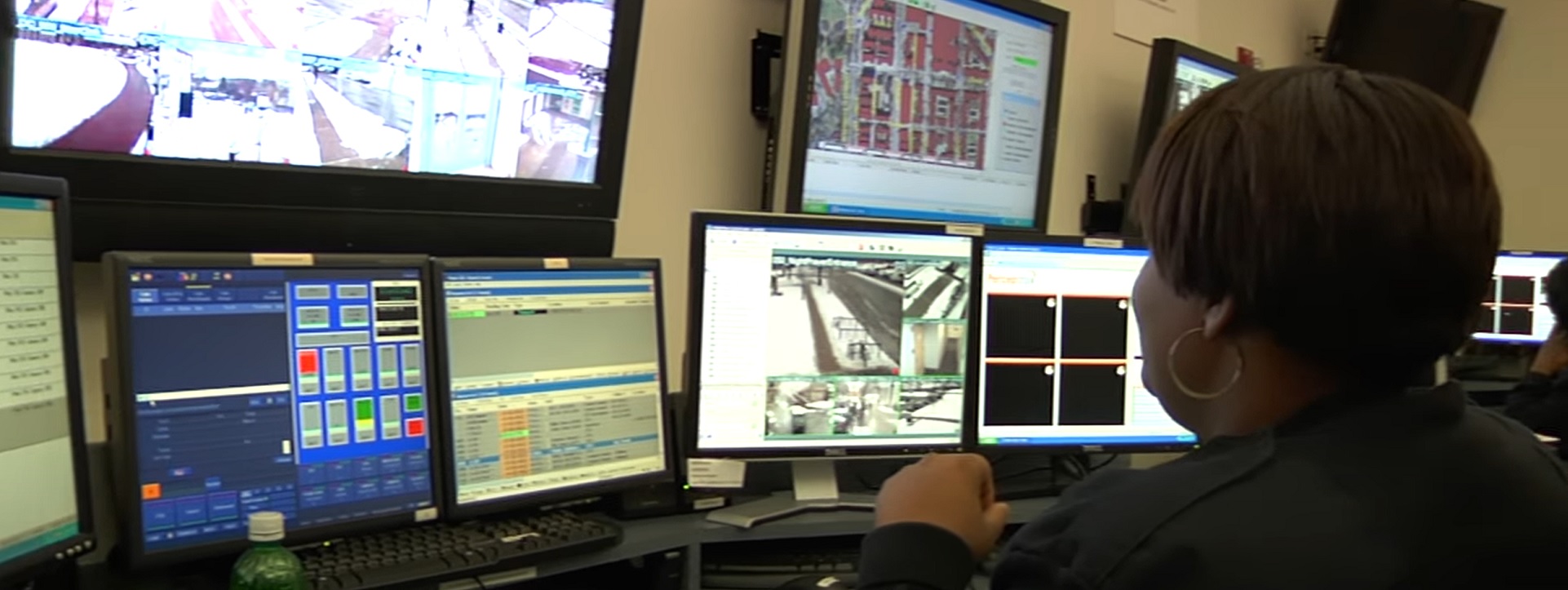
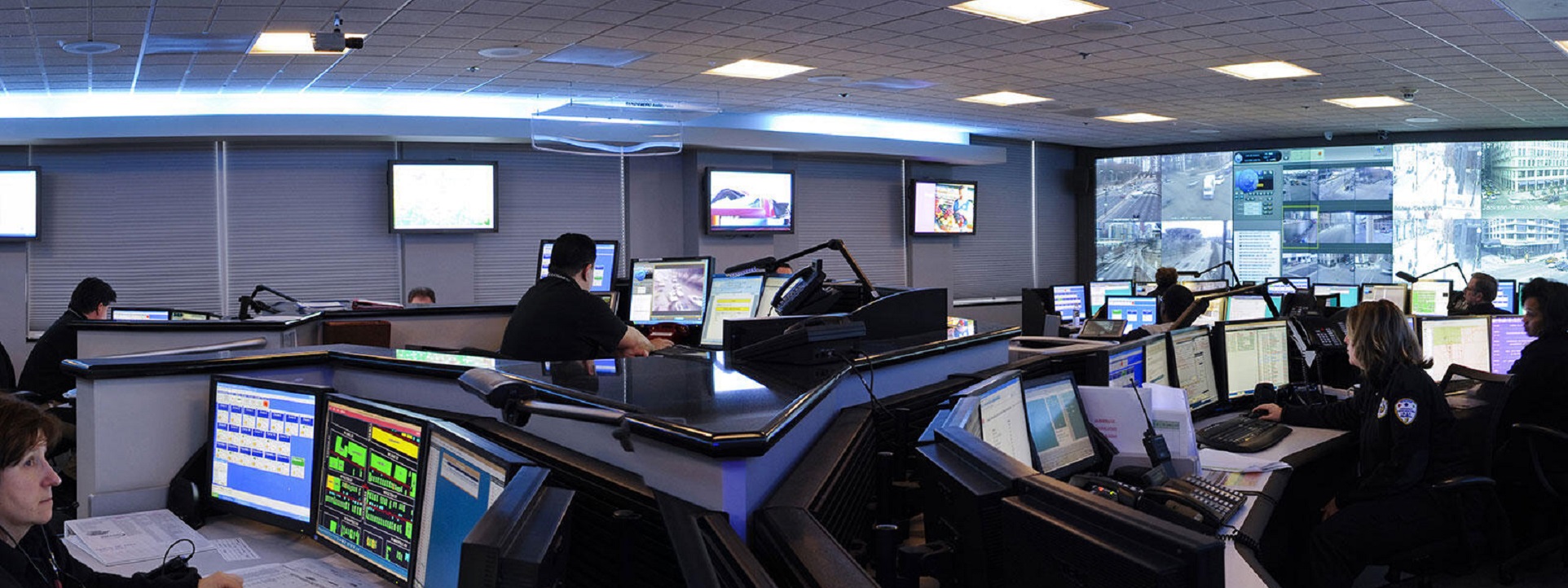
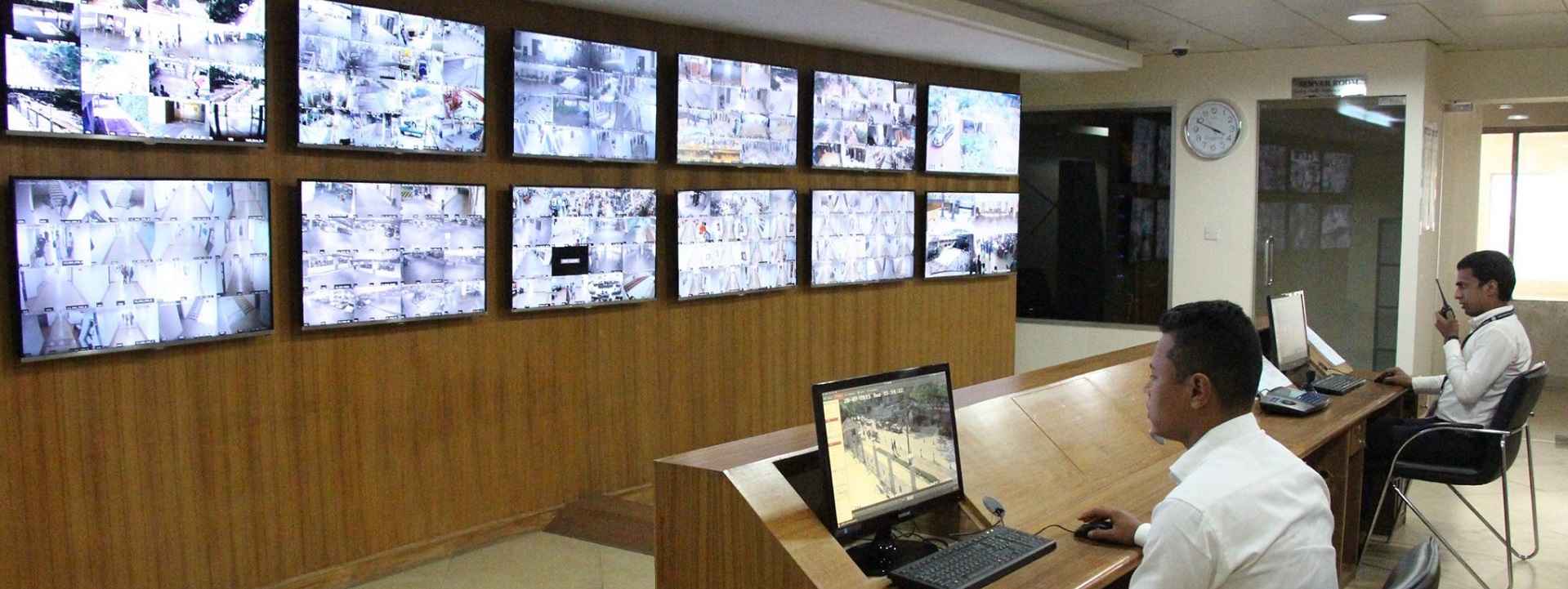
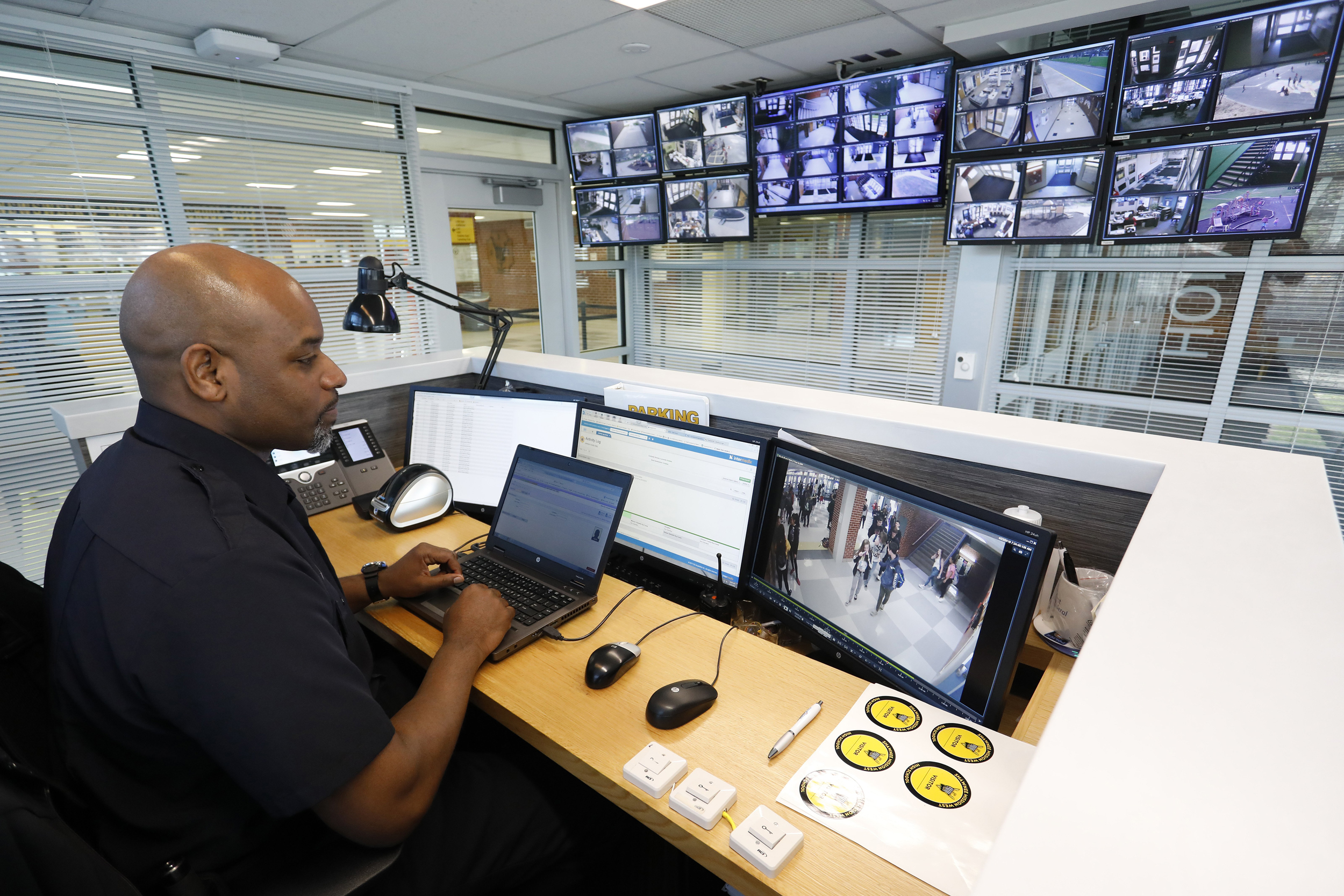
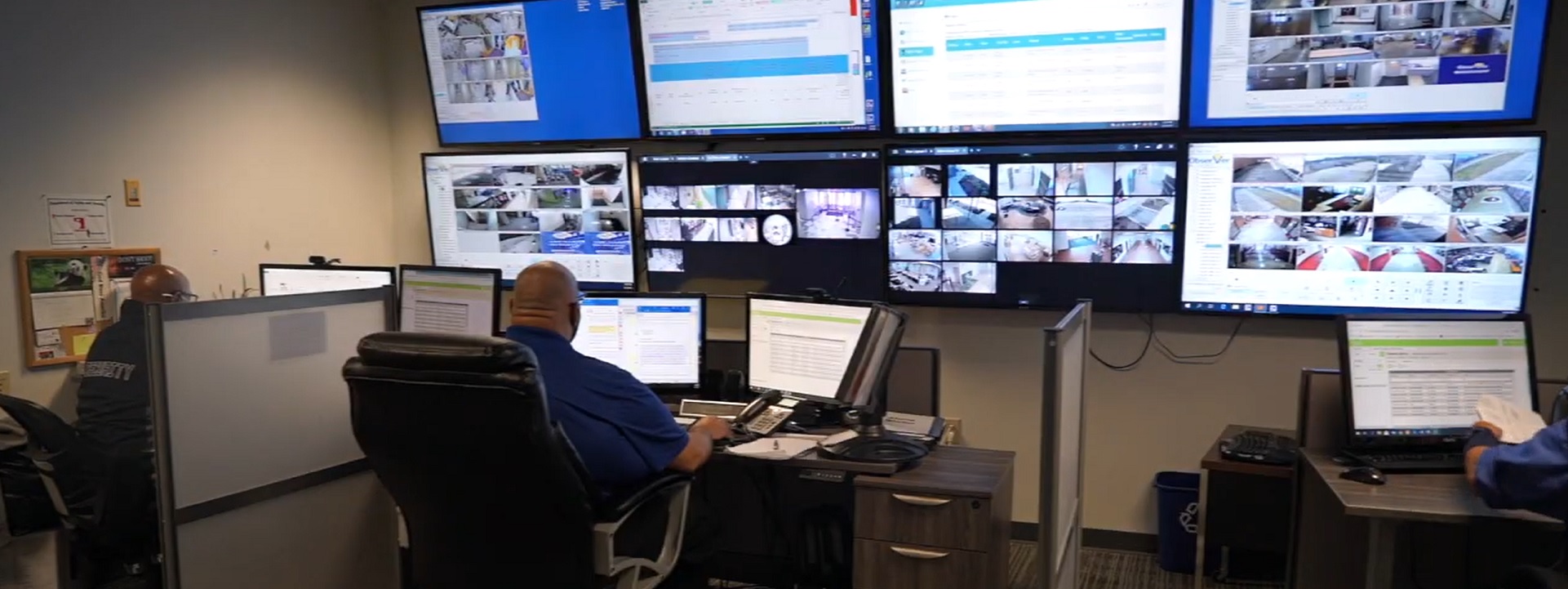
Video surveillance: indoor and outdoor cameras, cameras with night vision and motion detection capabilities and cameras that can be integrated with other security systems for enhanced monitoring and control.
Access control:doors, remote locking, privacy and considerations for persons with disabilities.
Panic alarms: These devices allow staff and students to quickly and discreetly alert authorities in case of an emergency.
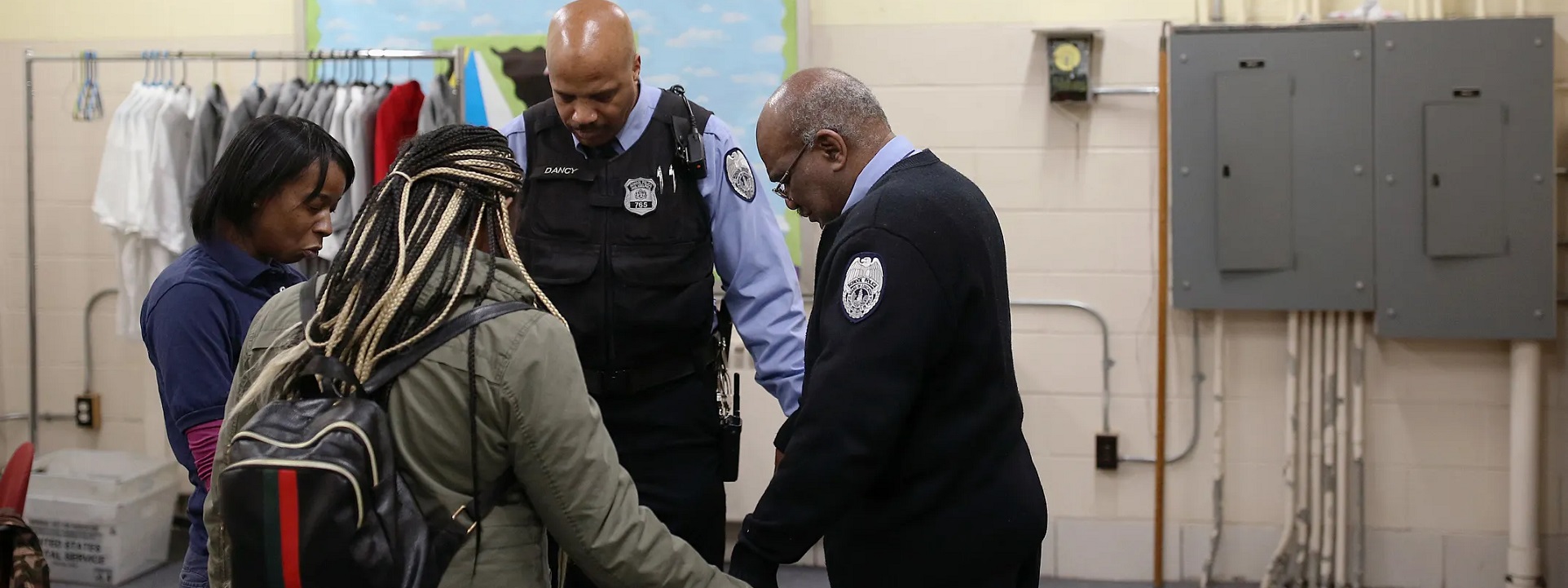
Metal detectors: These devices scan for weapons and other prohibited items as people enter the school.
Mass notification systems: These systems allow school administrators to quickly send emergency alerts and notifications to students, staff, and parents.
Intrusion detection systems: These systems use sensors to detect unauthorized entry and trigger an alarm.
GPS tracking systems: These systems allow school officials to monitor the location of school buses and track the movements of students during field trips and other off-campus activities.
Security 300. Regulatory and management codes and standards; a great deal of which are self-referencing.
As always, we reckon first cost and long-term maintenance cost, including software maintenance for the information and communication technologies (i.e. anything with wires) installed in the United States. Cybersecurity is outside our wheelhouse and beyond our expertise. In order to do any of the foregoing reasonably well, we have to leave cybersecurity standards to others.
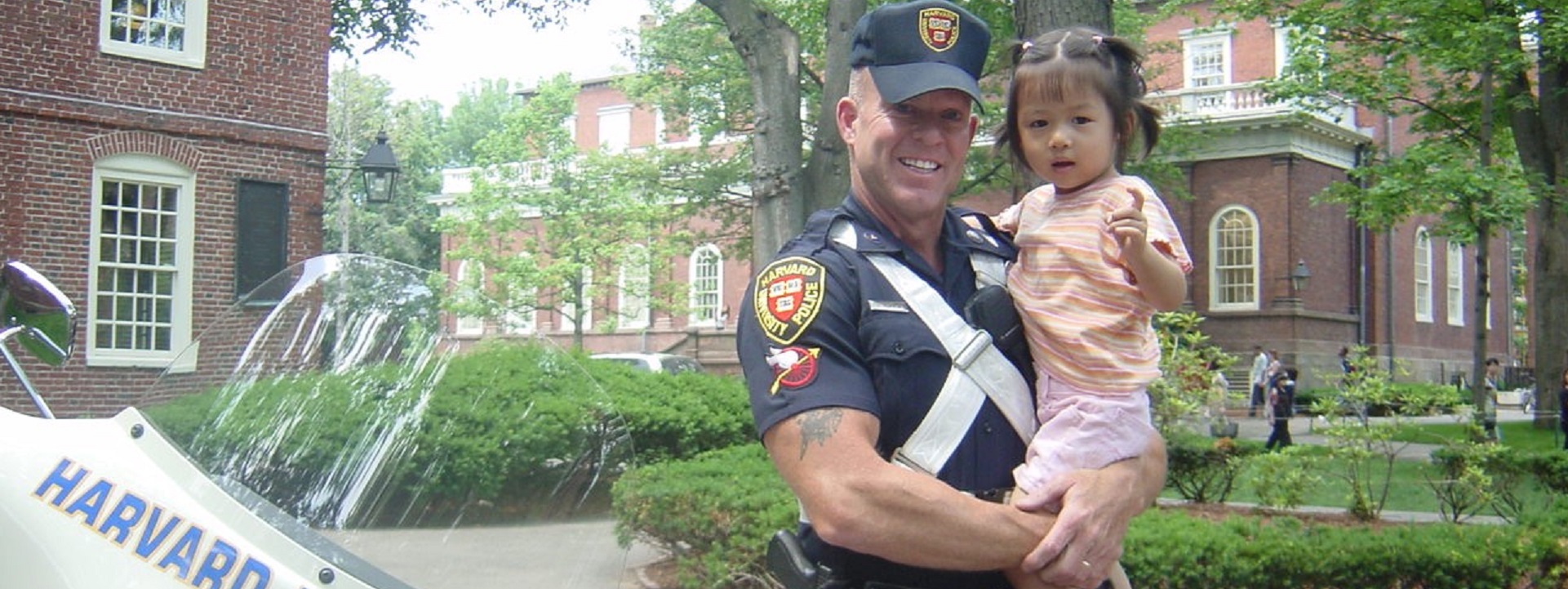
Today, we proudly recognize the dedicated men and women of MSU Police, who serve our Spartan community with courage, integrity, and unwavering commitment. Every day, our officers work to protect campus safety and foster a secure… pic.twitter.com/LndAo4TiSs
Education Community Safety catalog is one of the fast-growing catalogs of best practice literature. In developing district security plans, K-12 school leaders stress that school safety is a cross-functional responsibility and every individual’s participation drives the success of overall safety protocols. We link a small sample below and update ahead of every Security colloquium.
* Interoperability refers to the ability of different technologies or systems to communicate and work together seamlessly. In the context of school security technologies, interoperability can help improve the effectiveness of security systems and make it easier for school personnel to manage and respond to potential security threats. Here’s what we look for:
Standardization: By standardizing communication protocols and data formats, school security technologies can be made more compatible with each other, making it easier for different systems to communicate and share information.
Integration: School security technologies can be integrated with each other to provide a more comprehensive security solution. For example, access control systems can be integrated with video surveillance systems to automatically trigger alerts when an unauthorized person enters a restricted area.
Open Architecture: Open architecture solutions enable different security systems to be connected and communicate with each other regardless of their manufacturer or supplier. This approach makes it easier to integrate different technologies and avoid vendor lock-in.
Cloud-based Solutions: Cloud-based security solutions can enable interoperability by providing a centralized platform for managing and monitoring different security systems. This approach can also simplify the deployment of security technologies across multiple locations.
Collaboration: School security technology providers can work together to develop interoperability standards and best practices that can be adopted across the industry. Collaboration can help drive innovation and improve the effectiveness of security systems.
Kelechi M. Ikegwu – Evelyn Sowells – Howard Hardiman
Department of Computer Systems Technology, North Carolina A&T State University
ABSTRACT. The horrific and tragic deaths that have resulted from infamous school shootings have deprived Americans of the sense of security in what has traditionally been a nurturing and safe environment. This paper will discuss different preventive methods for school shootings. The most current preventive methods are examined for fitness based on a variety of school shootings that have occurred in the past. Then a framework for a new school shooting protection device is proposed and evaluated. Concepts from computer vision, anomaly detection, and electromagnetic propulsion are discussed with respect to the proposed framework. Ideally, the goal of the framework presented in this paper is to prevent deaths and injuries from occurring during a school shooting. With the framework, an efficient and comparatively affordable preventive method could be released in the near future.
“Always the eyes watching you and the voice enveloping you. Asleep or awake, working or eating, indoors or out of doors, in the bath or in bed—no escape. Nothing was your own except the few cubic centimeters in your skull.”
“At any rate, they could plug in your wire whenever they wanted to. You had to live—did live, from habit that became instinct—in the assumption that every sound you made was overheard, and, except in darkness, every movement scrutinized.”
“It was terribly dangerous to let your thoughts wander when you were in any public place or within range of a telescreen. The smallest thing could give you away.”
“Fire at Full Moon” 1933 | Paul Klee
Hard upon conclusion of the fall semester, educational settlements ebb in population as students return to their home fires.
Today we pull together best practice in the systems — the people and the technologies — that sustain campus safety and stability during the Thanksgiving, Christmas and New Year holidays.
Join us at 16:00 UTC with login credentials at the upper right of our home page.
“Center Grove Schools enters the 2022/2023 school year with a new high-tech safety partner — Centegix CrisisAlert — purchased in part with school safety grant money that pairs with their Emergency Operations Center that opened in January 2022. The CrisisAlert program puts security at the fingertips of all teachers and staff.
Both systems address what the district learned it had to work on from a school safety assessment back in 2018 – live monitoring and faster response times in an emergency. Seven-hundred cameras will scan every school in real-time from the district’s Emergency Operations Center. — More”
Today is an “off-year” federal election but there are many appeals to voters for more money to build new, or expand or maintain educational settlements. We may have to pick through a few bond offerings. We maintain an ongoing concern for the security of polling places; many which are located in schools, colleges and universities.
In the United States, polling places can be located in a variety of public and private facilities, not just in public schools. While public schools are commonly used as polling places due to their widespread distribution and accessibility, they are not necessarily the largest proportion of polling places nationwide. The specific locations of polling places can vary by jurisdiction and are determined by local election officials. Other common polling place locations include community centers, churches, libraries, government buildings, and private residences.
The selection of polling places is based on factors like accessibility, convenience, and the need to accommodate a specific number of voters within a given precinct or district. The goal is to ensure that voters have reasonable access to cast their ballots on election day. The use of public schools as polling places is widespread but not universal, and the distribution of polling places across various types of facilities can vary from one region to another.
The political party that claims that “democracy is at stake” today’s election is the same political party that seeks to federalize state election laws, pack the Supreme Court, remove the Electoral College, remove US national borders and abolish voter identification will be voting in today’s off-year elections. In other words: it wants to abolish democracy. Its partisans have long since metastasized in education communities where polling places for students, faculty, staff and nearby residents are hosted.
Join us in post-irony America today when we focus only on the safety and environmental condition of these polling places. Where there is closer agreement. Catalogs, titles, chapters, sections and passages that inform best practice on this topic:
Vereenigde Oostindische Compagnie | Dutch East India Company
FM Global is one of several organizations that produce technical and business documents that set the standard of care for risk management in education facilities. These standards — Property Loss Prevention Data Sheets — contribute to the reduction in the risk of property loss due to fire, weather conditions, and failure of electrical or mechanical equipment. They incorporate nearly 200 years of property loss experience, research and engineering results, as well as input from consensus standards committees, equipment manufacturers and others.
In July FM Global updated its standard FM 2510 Flood Abatement Equipment which should interest flood barrier manufacturers, standard authorities, industrial and commercial facilities looking to protect their buildings from riverline flooding conditions.
The following updates were proposed and mostly adopted:
Modifications to the opening barrier protocol to include water performance testing at lower depths;
Additional tests that apply to open-cellular rubber compounds (i.e., foam-type rubber) which are commonly used as gaskets on flood barriers need to be added to the Standard to sufficiently assess their quality;
Addition of adhesive testing. Many barrier designs use adhesives to bond the gasket material to the barrier. Adhesives are not addressed under the current protocol; Modify the flood abatement pump section to clarify approval of pump packages vs. wet-end only;
Additional requirements for electric drive and submersible flood pumps;
Modifications to backwater valve section to be inclusive of all types of “backwater valves” besides the traditional check valve.
Additional requirements for waterproofing products for building penetrations. Products in this category include collars, plugs, elastomeric seals, and types of putty.
This standard also contains test requirements for the performance of flood barriers, flood mitigation pumps, backwater valves, and waterproofing products for building penetrations, as well as an evaluation of the components comprising these products to assure reliability in the barrier’s performance.
While there are a number of noteworthy colleges and universities that have grown near rivers and lakes — twenty-five of which are listed HERE — severe weather and system failures present flooding risks to them all.
Another Data Sheet — I-40 Floods — was updated in October. Both Data Sheets are available for download at the link below:
You will need to set up (free) access credentials.
You may contact FM Global directly: Josephine Mahnken, (781) 255-4813, josephine.mahnken@fmapprovals.com, 1151 Boston-Providence Turnpike, Norwood, MA 02062
Our “door” is open every day at 11 AM Eastern time to discuss any consensus document that sets the standard of care for the emergent #SmartCampus. Additionally, we dedicate one session per month to Management and Water standards. See our CALENDAR for the next online teleconference. Use the login credentials at the upper right of our home page.
“A Dance to the Music of Time” 1640 Nicolas Poussin
“The voice of the intellect is a soft one,
but it does not rest until it has gained a hearing.”
— Sigmund Freud
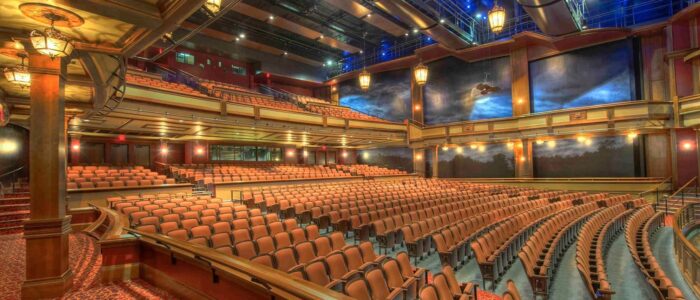
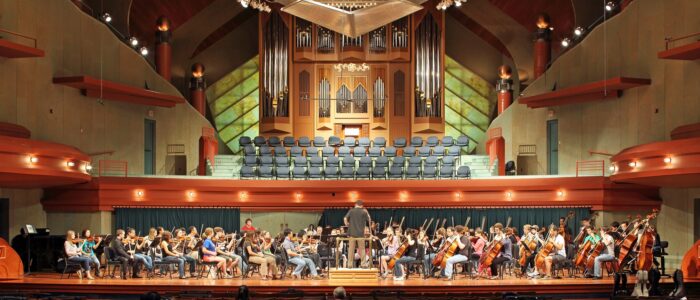
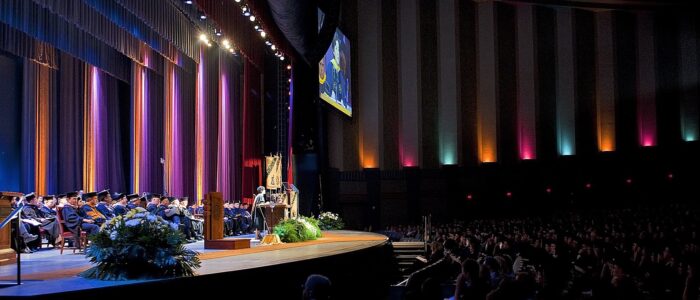
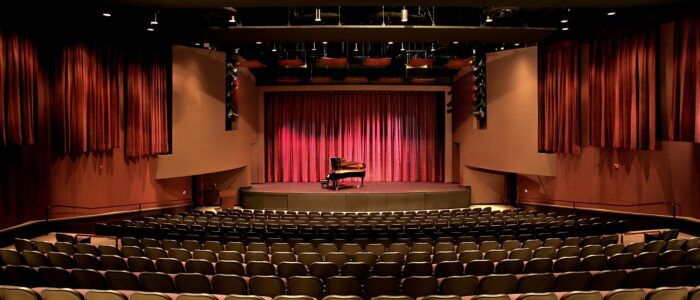
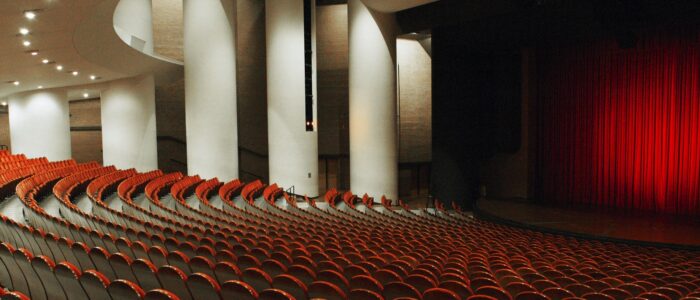
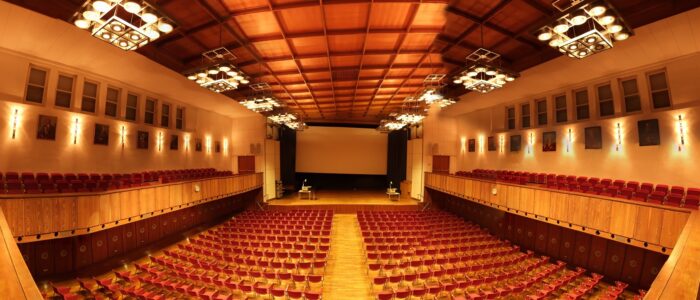
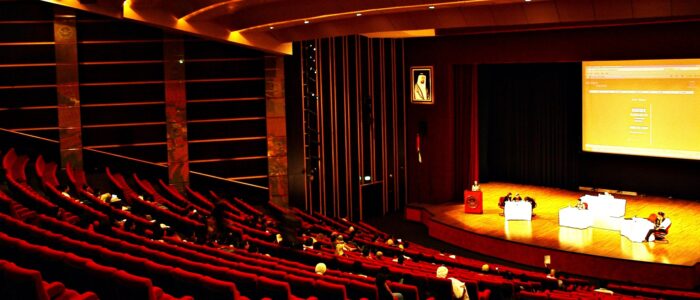
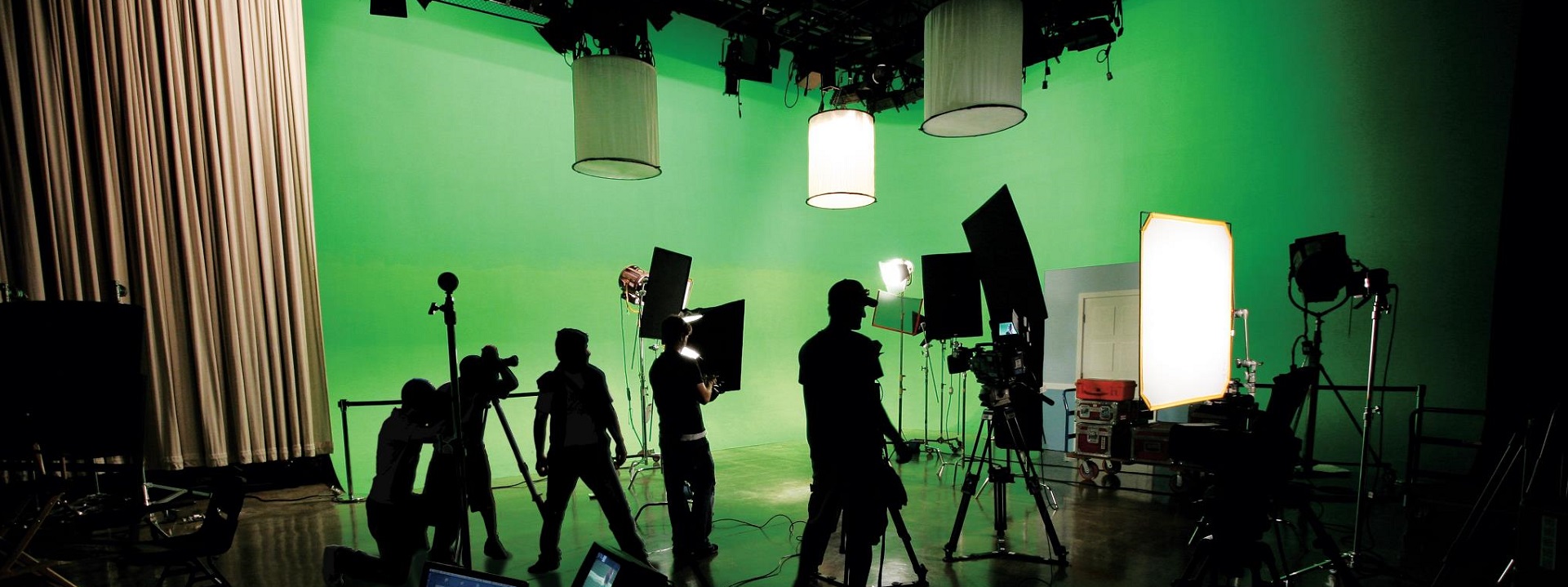
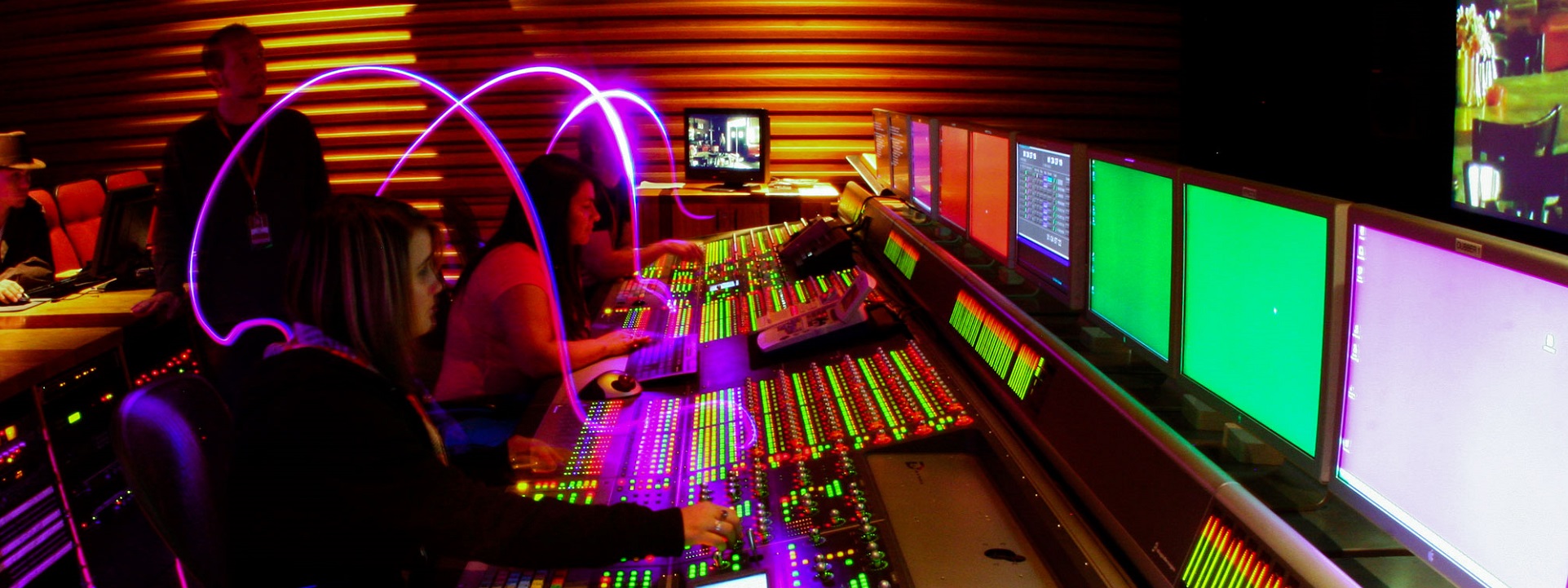
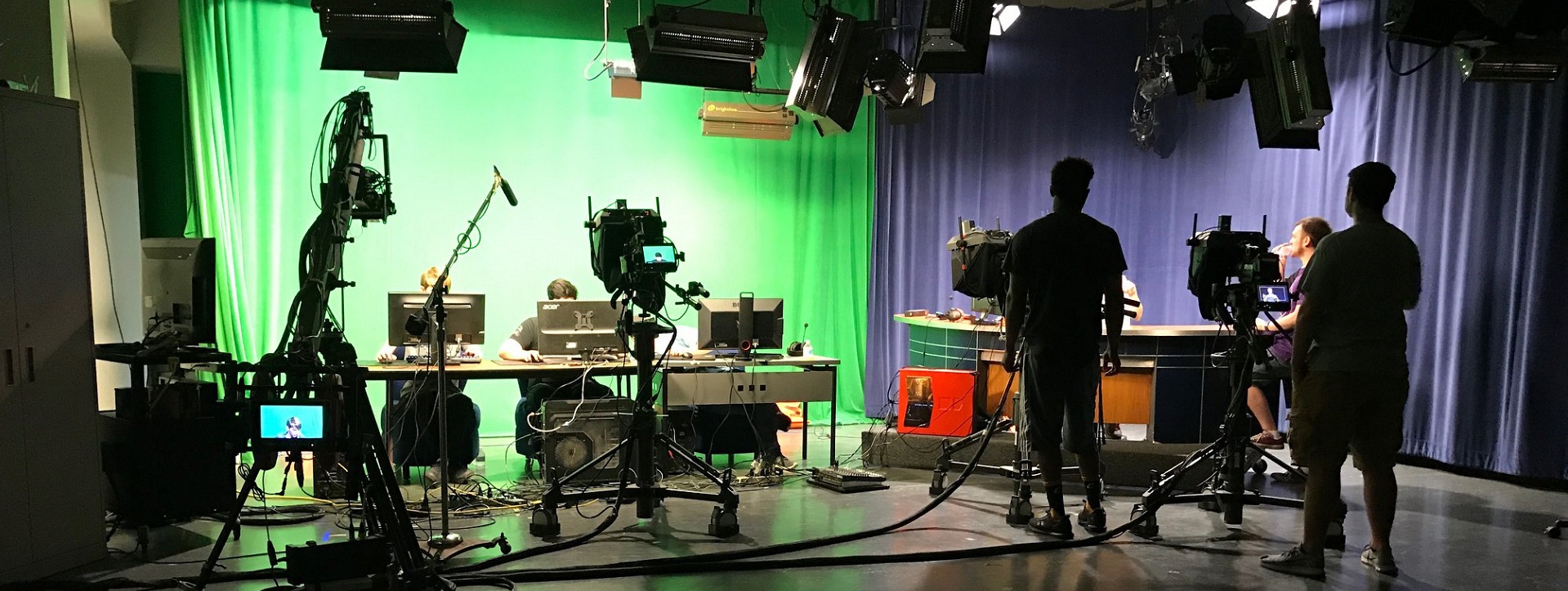
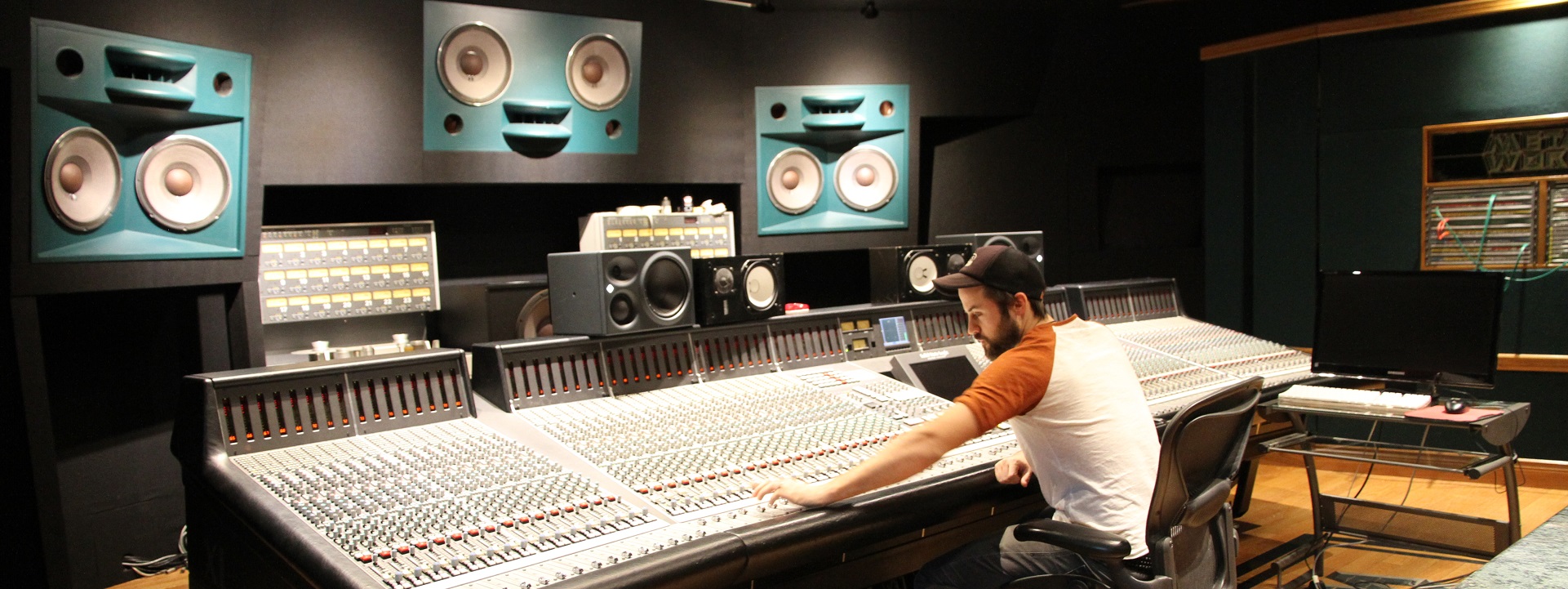
The education industry provides a large market for occupancy classes — athletic stadiums, student assembly spaces, performance theaters, large lecture halls– that depend upon effective audio systems*. To an unexpected degree the structural engineering, specification of materials and electrical system design and operation is informed by acoustical considerations. So does the integration of fire safety and mass notification systems into normal state enterprises so it is wise to follow and, ideally, participate in leading practice discovery and promulgation of audio standards.
The Audio Engineering Society — one of the first names in this space — has a due process platform that welcomes public participation. All of its standards open for public comment completed their revision cycle mid-November as can be seen on its standards development landing page below:
Note that AES permits access to those revision even after the comment deadline. You are encouraged to communicate directly with the Direct communication with the standards staff at Audio Engineering Society International Headquarters, 551 Fifth Avenue, Suite 1225, New York NY 10176, Tel: +1 212 661 8528
We keep the AES suite on the standing agenda of our periodic Lively Arts teleconference. See our CALENDAR for the next online meeting.
This facility class is one of most complex occupancy classes in education facilities industry so we also collaborate with experts active in the IEEE Education & Healthcare Facilities Committee. Much of the AES suite references, and borrows from, International Electrotechnical Commission system integration and interoperability standards. The IEEE E&H committee meets online again four times monthly in European and American time zones. The meeting dates are available on the IEEE E&H website
Issue: [19-23]
Category: Electrical, Academic, Athletics, Fire Safety, Public Safety, #WiseCampus
Contact: Mike Anthony, Jim Harvey
*Mass notification systems are governed by NFPA 72 and, while life safety wiring is separate from other wiring, the management of these systems involve coordination between workgroups with different business objectives and training.
New update alert! The 2022 update to the Trademark Assignment Dataset is now available online. Find 1.29 million trademark assignments, involving 2.28 million unique trademark properties issued by the USPTO between March 1952 and January 2023: https://t.co/njrDAbSpwBpic.twitter.com/GkAXrHoQ9T