Transcripts for Today:
CMP-6 Public Input Report: Conductors & Cords, Chapter 9 Tables…
CMP-6 Public Input Report: Branch Circuits, Feeders, Services, Manufactured Buildings….
Use the login credentials at the upper right of our home page.


Transcripts for Today:
CMP-6 Public Input Report: Conductors & Cords, Chapter 9 Tables…
CMP-6 Public Input Report: Branch Circuits, Feeders, Services, Manufactured Buildings….
Use the login credentials at the upper right of our home page.
DECEMBER 2025 ICC COMMITTEE ON HEALTHCARE Minutes
2025 REPORT OF THE COMMITTEE ACTION HEARINGS

Safety and sustainability for any facility, not just university-affiliated healthcare facilities, usually begin with an understanding of who, and how, shall occupy the built environment. University settings, with mixed-use occupancy arising spontaneously and temporarily, often present challenges and they are generally well managed.
First principles regarding occupancy classifications for healthcare facilities appear in Section 308 of the International Building Code, Institutional Group I; linked below:
2021 International Building Code Section 308 Institutional Group I

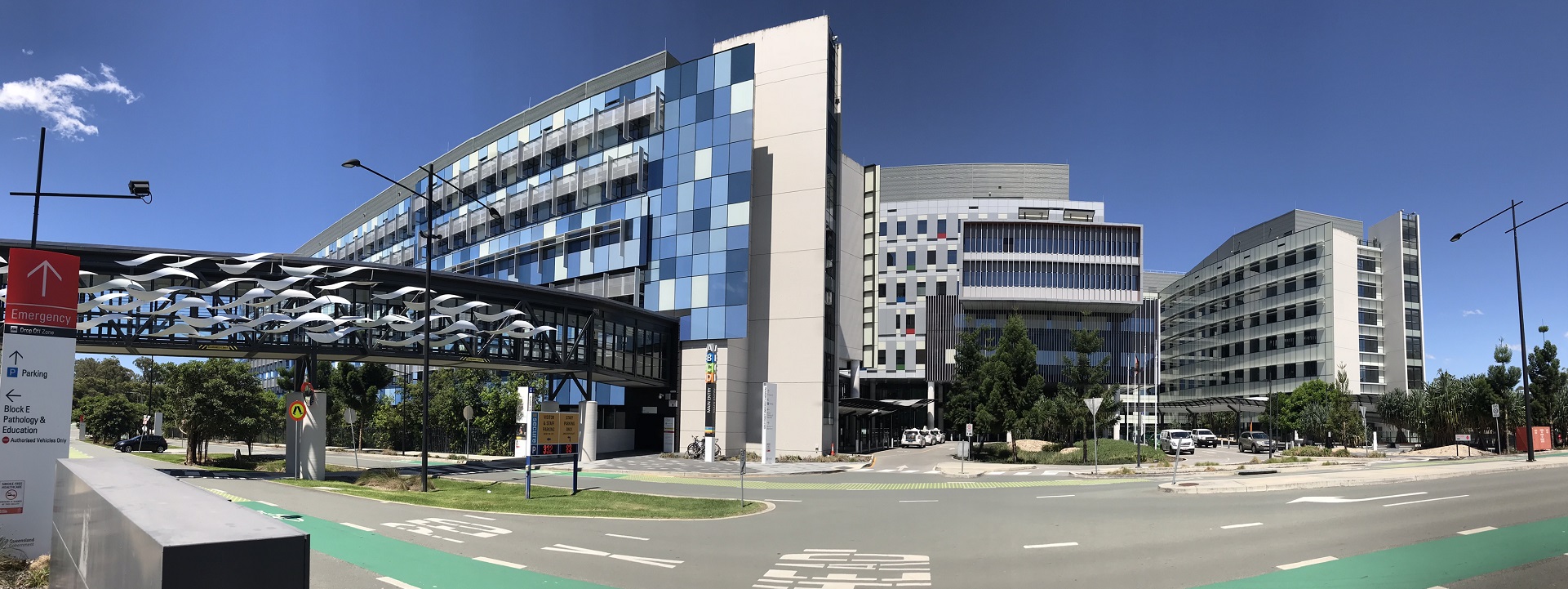
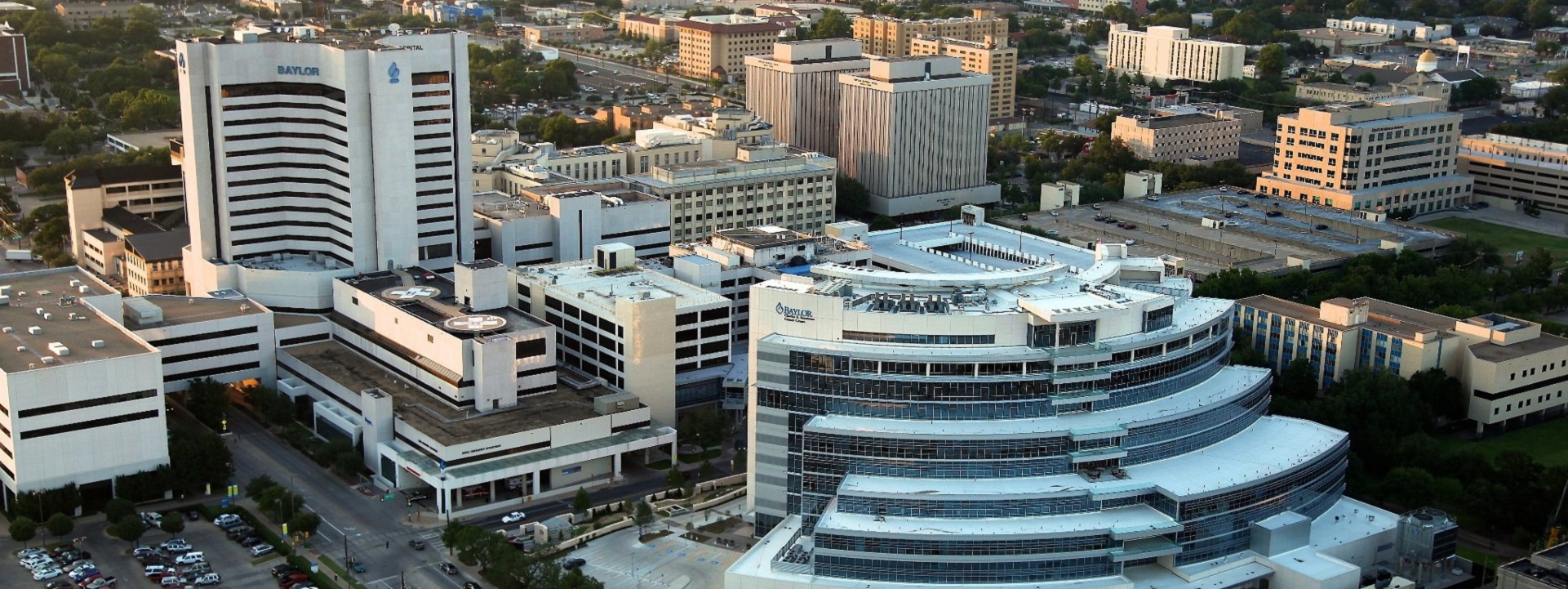
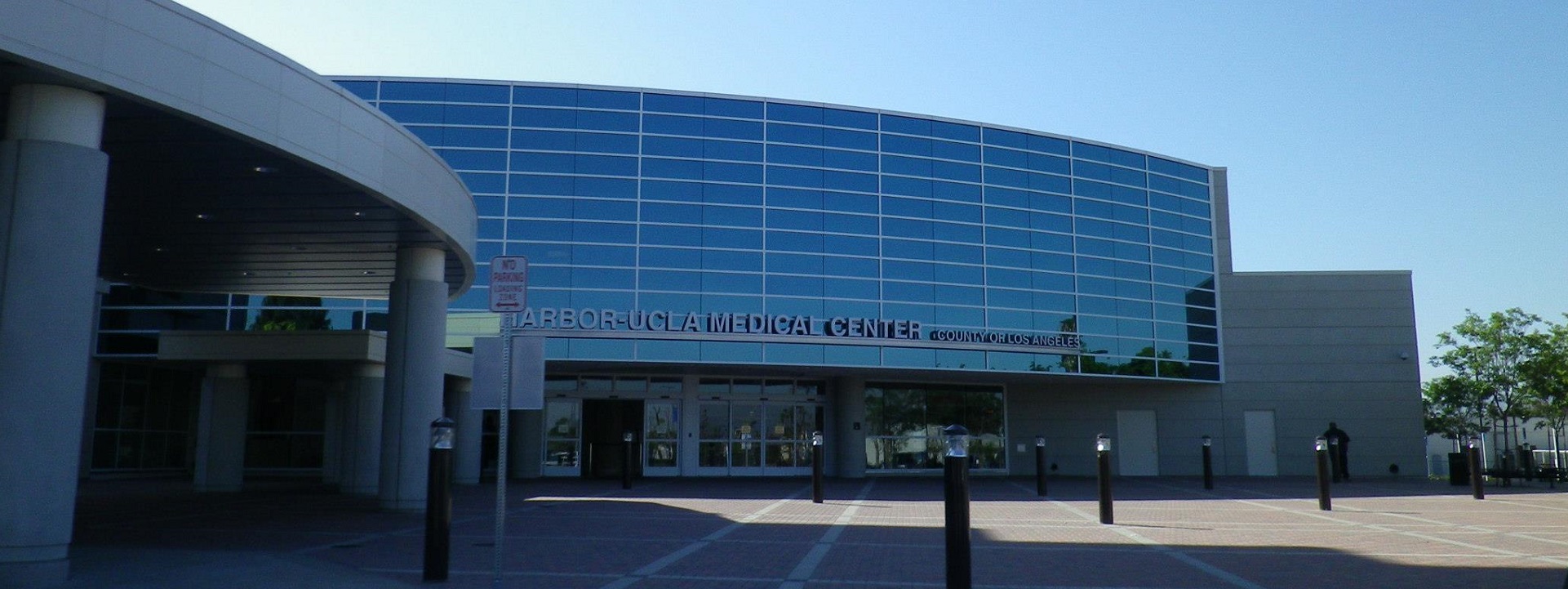
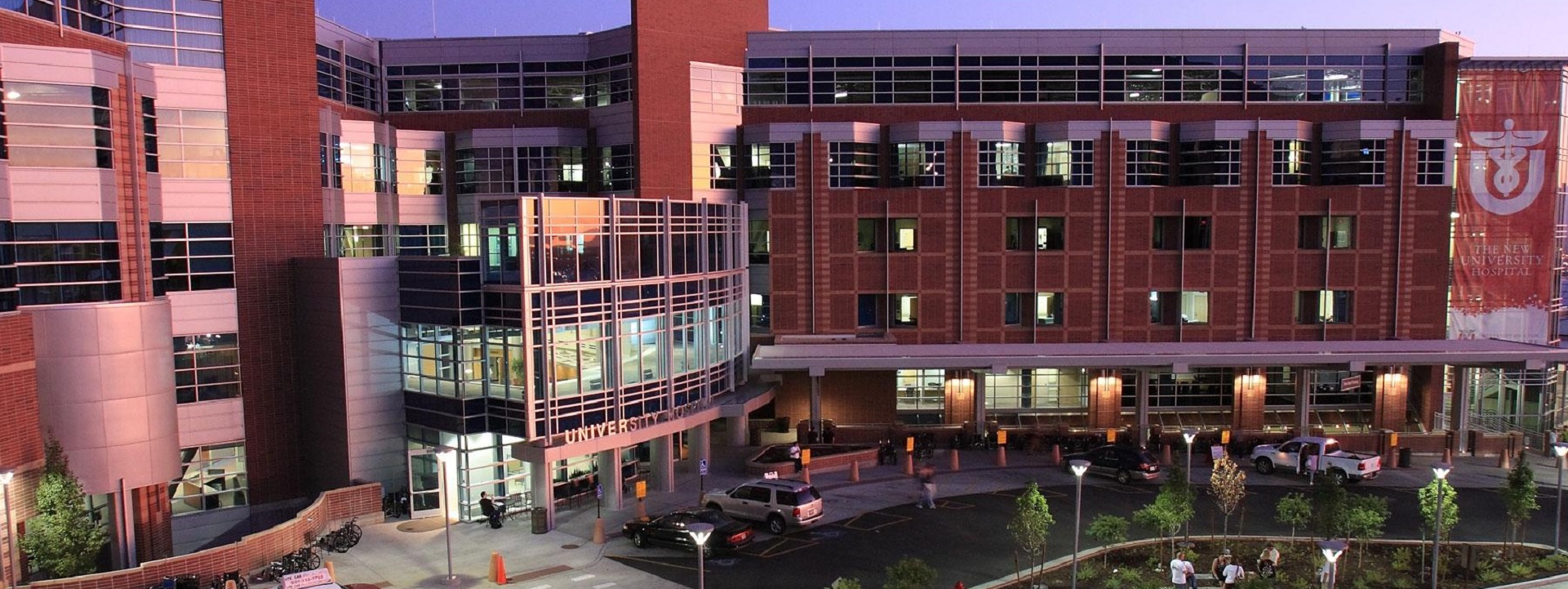
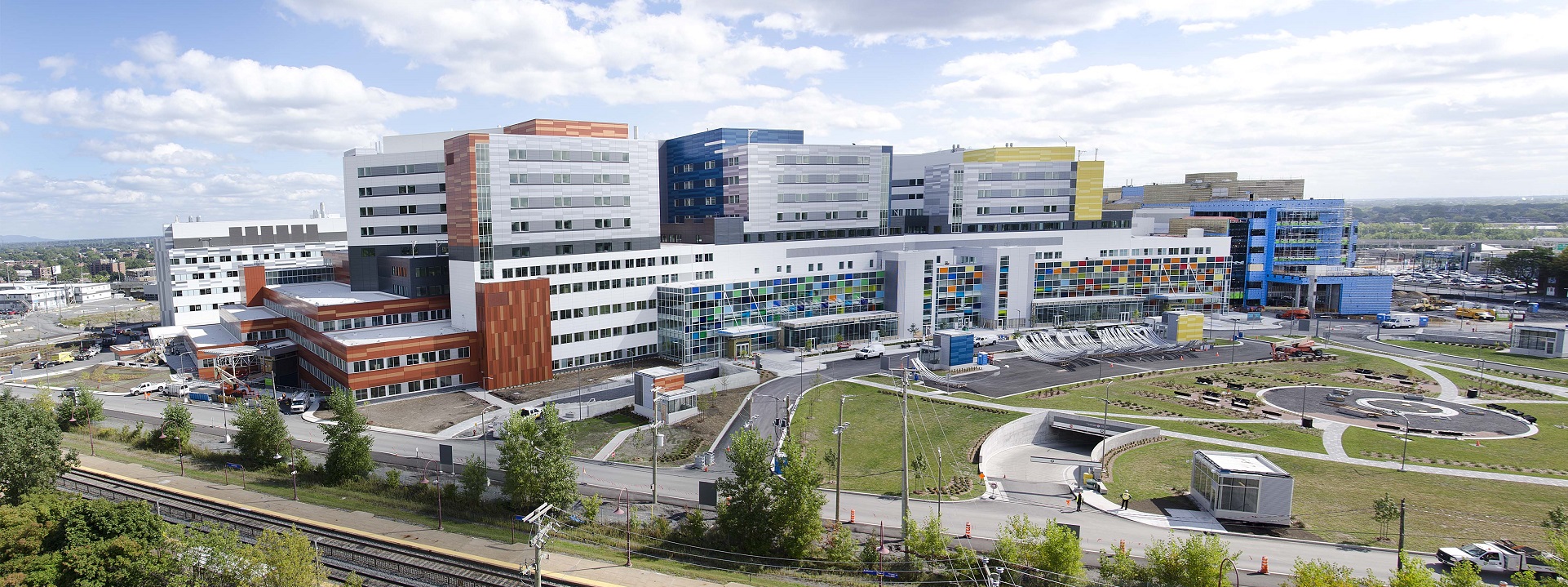
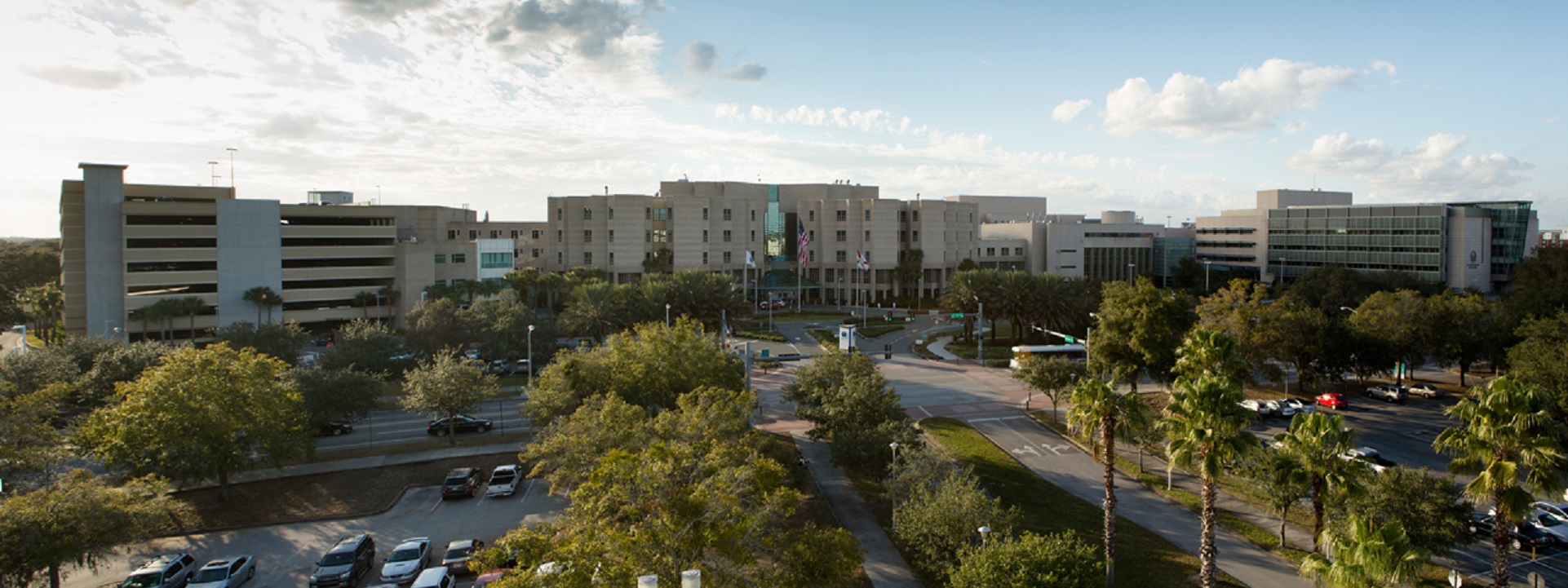
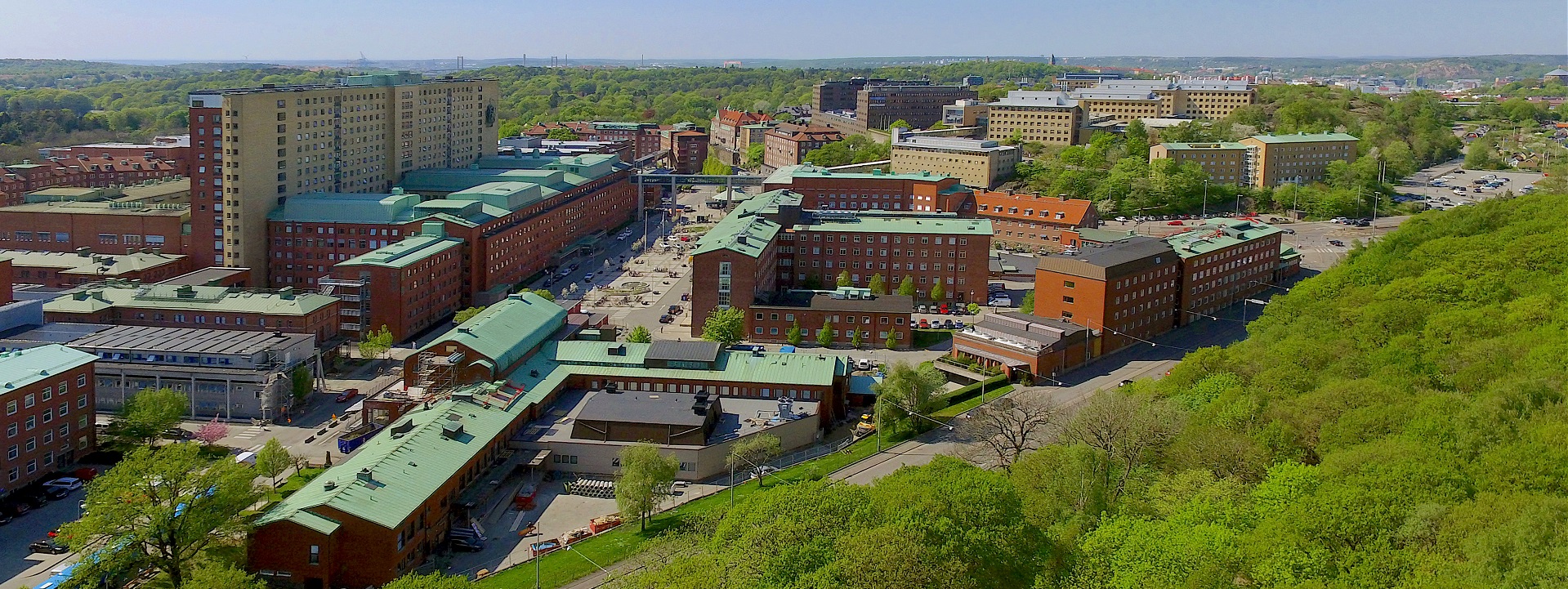
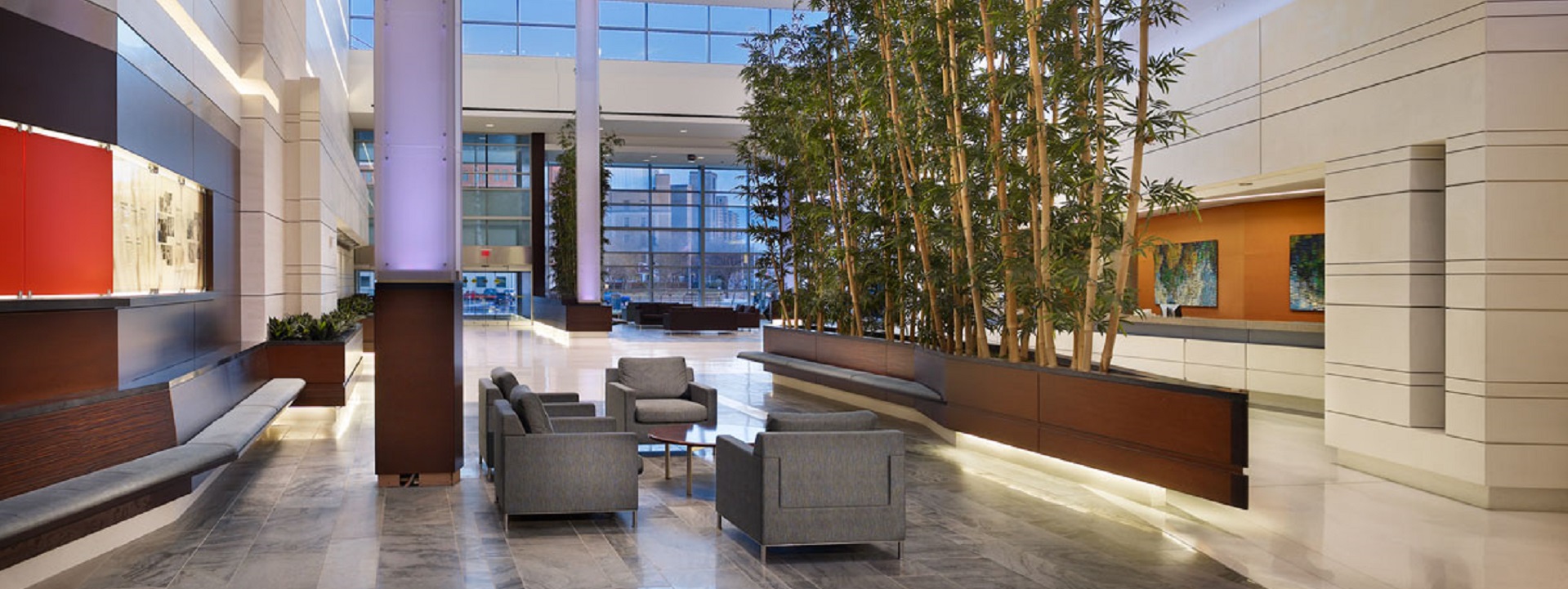
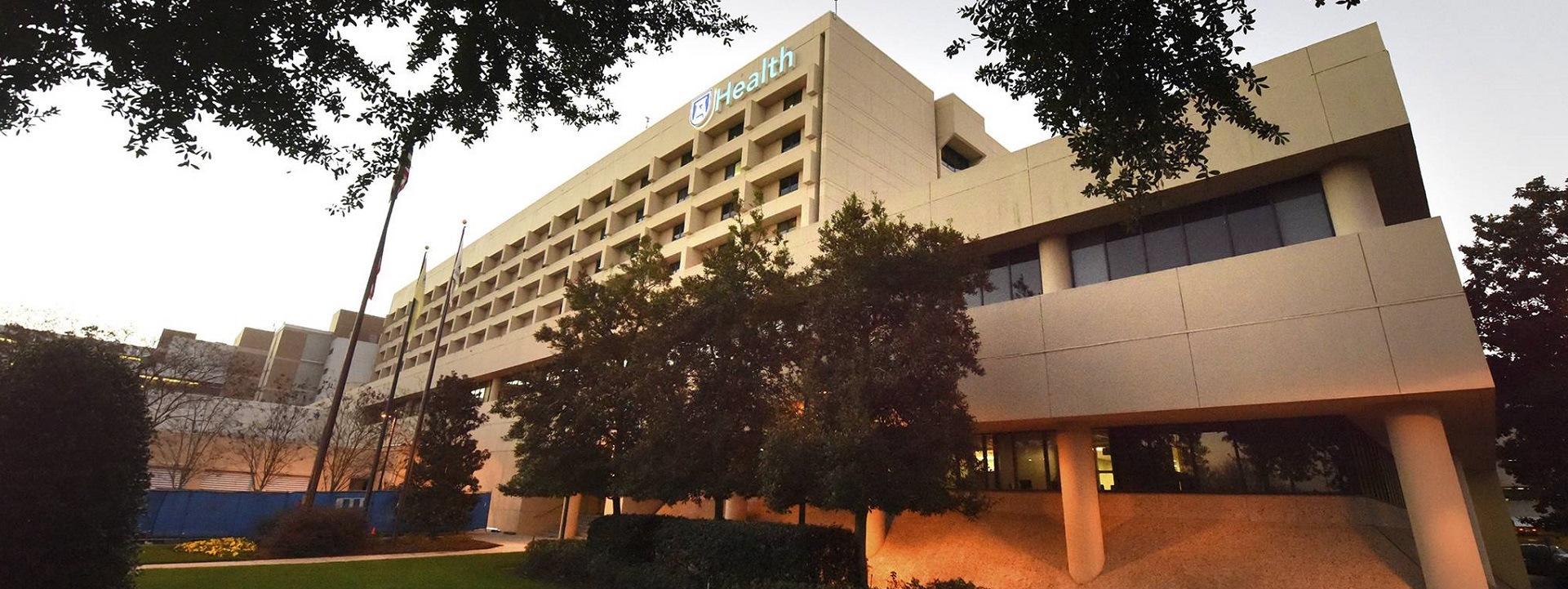
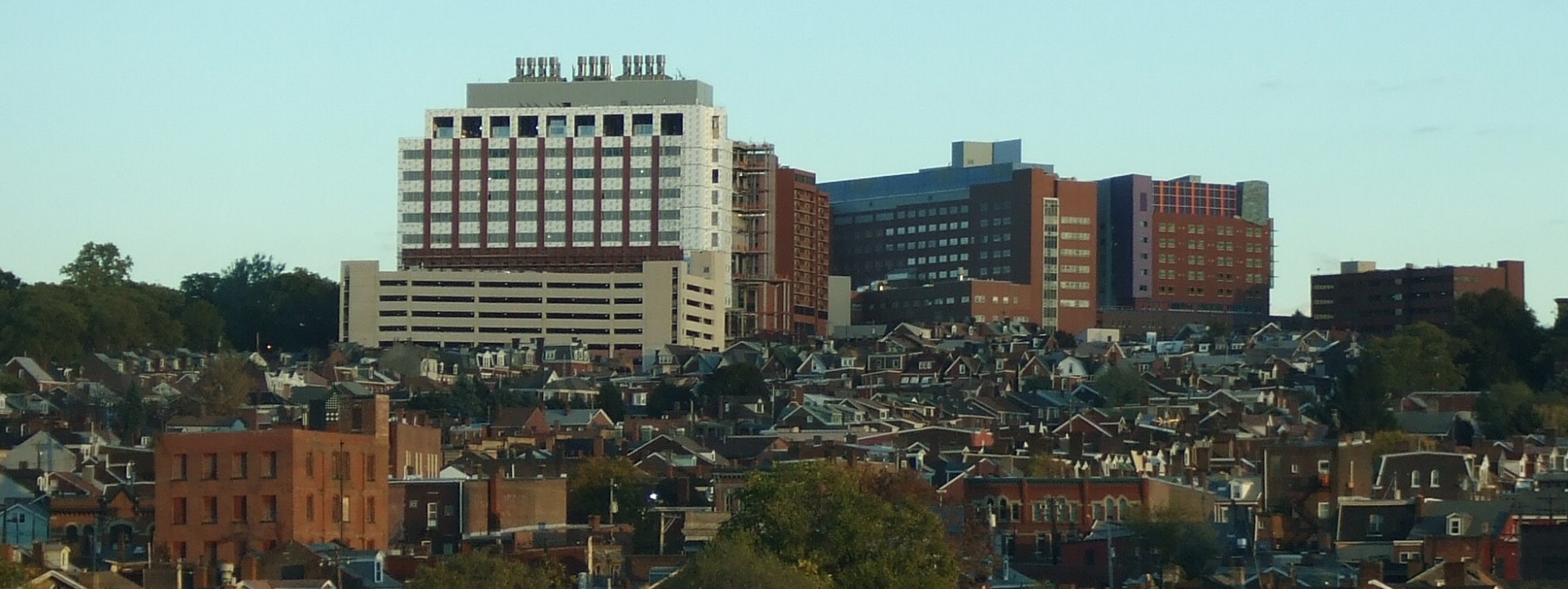
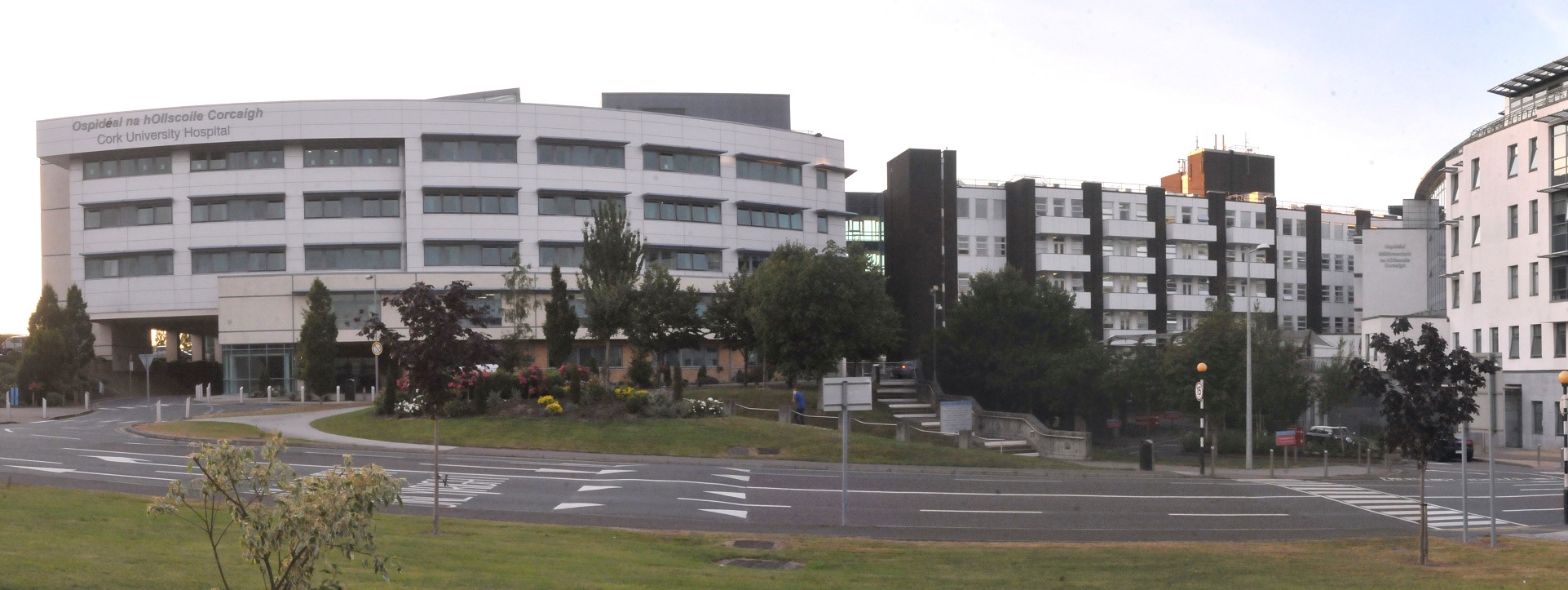
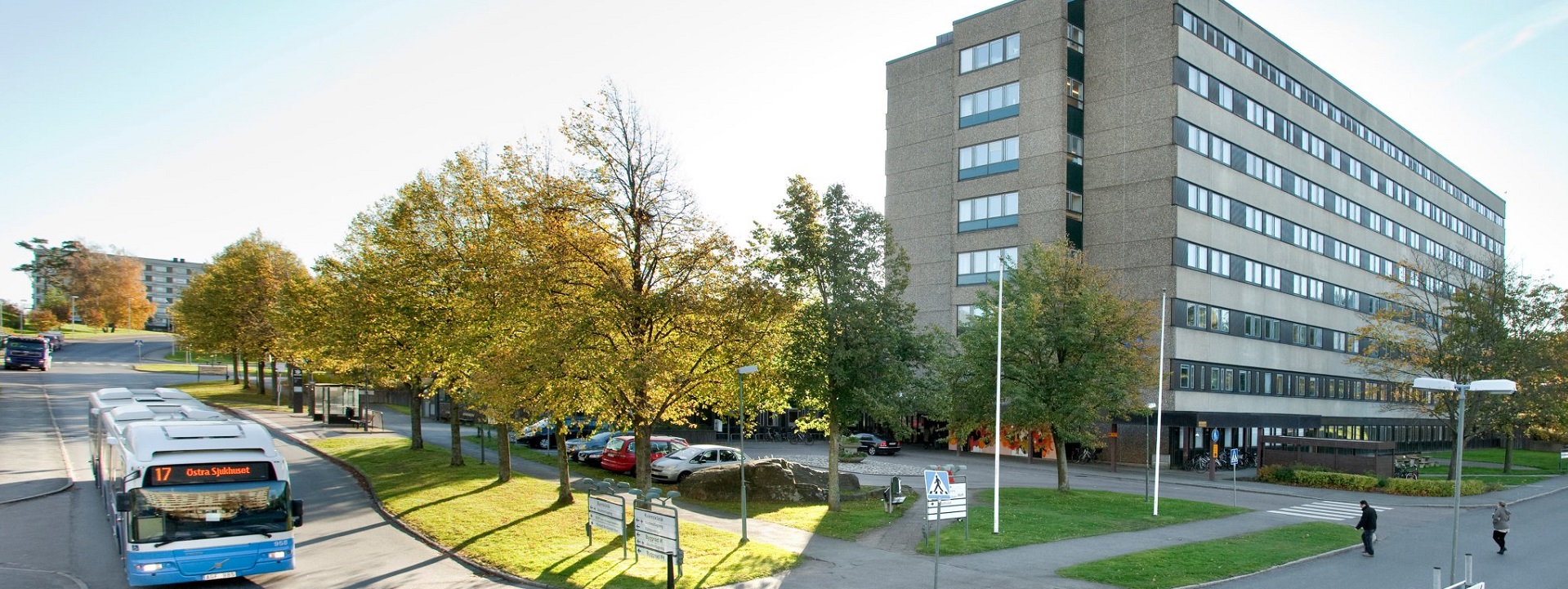

There are thousands of healthcare code compliance functionaries and instructors; most of them supported by trade associations and most of them authoritative. Hewing to our market discipline to track only the concepts that will affect university-affiliated healthcare enterprises only. There are a few noteworthy differences between corporate healthcare businesses and university affiliated healthcare enterprises (usually combined with teaching and research activity) that we identify on this collaboration platform.
We collaborate closely with the IEEE Education & Healthcare Facilities Committee which takes a far more global view of the healthcare industry. That committee meets online 4 times monthly in European and American time zones.
Finally, we encourage our colleagues to participate directly in the ICC Code Development process. Contact Kimberly Paarlberg (kpaarlberg@iccsafe.org) for more information about its healthcare committees and how to participate in the ICC code development process generally. Tranches of ICC titles are developed according to the schedule below:
2024/2025/2026 ICC CODE DEVELOPMENT SCHEDULE
Issue: [18-166]
Category: Architectural, Healthcare Facilities, Facility Asset Management
Colleagues: Mike Anthony, Jim Harvey, Richard Robben
More
The ICC Code Development Process

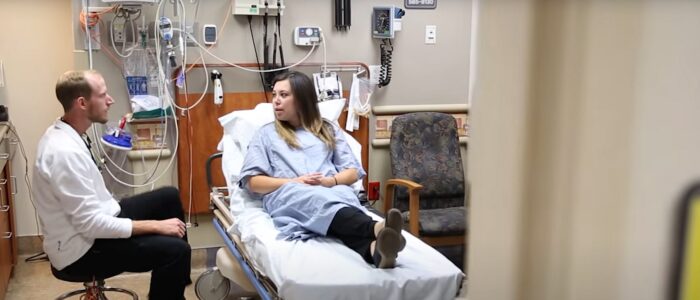
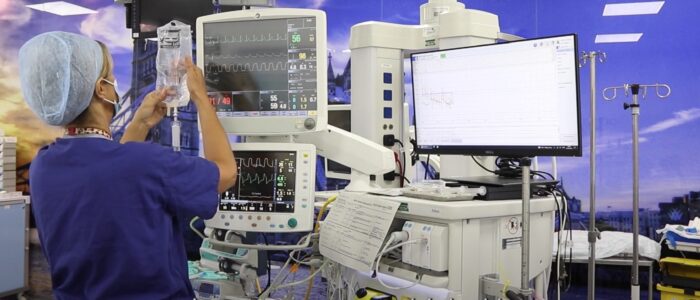
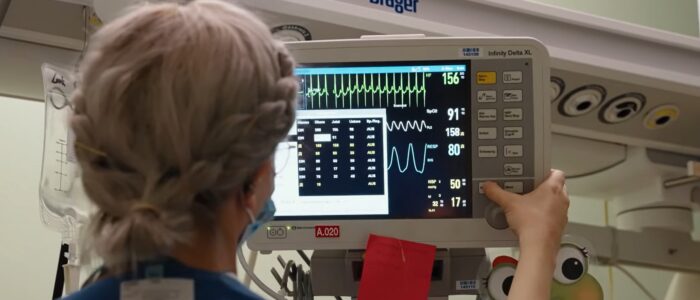
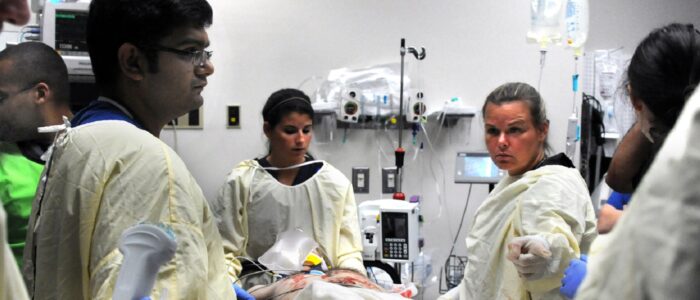
The pandemic provides background for the importance of ventilation systems in healthcare settings and reminder that there is plenty of work to do. The scope of ASHRAE 189.3 – Design, Construction and Operation of Sustainable High Performance Health Care Facilities — lies in this domain:
Purpose. The purpose of this standard is to prescribe the procedures, methods and documentation requirements for the design, construction and operation of high-performance sustainable health care facilities.
Scope.This standard applies to patient care areas and related support areas within health care facilities, including hospitals, nursing facilities, outpatient facilities, and their site. It applies to new buildings, additions to existing buildings, and those alterations to existing buildings that are identified within the standard. It provides procedures for the integration of sustainable principles into the health care facility design, construction and operation process including:
Noteworthy: Related title ASHRAE/ASHE Standard 170 Ventilation of Healthcare Facilities
Public consultation on Addendum m regarding definition of “room units” and the heating and cooling of such units closes January 27th
Public consultation on Standard 189.3-2021, Design, Construction, and Operation of Sustainable High-Performance Health Care Facilities closes November 11.
We maintain this title on the standing agenda of our periodic Health, Energy and Mechanical colloquia. See our CALENDAR for the online meeting; open to everyone.
October 9 Update
As of the date of this post, two redlines have been released for public consultation
Proposed Addendum L to Standard 170-2021, Ventilation of Health Care Facilities
Proposed Addendum i to Standard 170-2021, Ventilation of Health Care Facilities
The consultation closes October 29th.
Other redlines are released and posted at the link below:
Public Review Draft Standards / Online Comment Database
Because this title is administered on ASHRAE’s continuous maintenance platform, public consultations run 30 to 45 days. You may also submit an original idea to the ASHRAE standards development enterprise. CLICK HERE to get started.
We maintain this title on the standing agenda of our periodic Health, Energy and Mechanical colloquia. See our CALENDAR for the online meeting; open to everyone.





Issue: [Various]
Category: Mechanical, Electrical, Energy, Facility Asset Management
Colleagues: David Conrad, Richard Robben, Larry Spielvogel
A simple web search finds several articles and reports discussing how college and university presidents’ compensation (including base salary, bonuses, incentives, and total pay packages) can be linked—directly or indirectly—to success in building new facilities, capital projects, infrastructure development, or related fundraising/capital campaigns.
Nominally, while compensation may not be tied exclusively to constructing new buildings, many public and private institutions incorporate performance-based incentives (e.g., bonuses or deferred pay) connected to strategic goals like fundraising for capital campaigns, enrollment growth, research expansion, or completing major infrastructure initiatives. These often involve new facilities as key outcomes, since presidents frequently lead capital campaigns to fund buildings, renovations, or campus expansions. The topic comes up — tacitly — in annual compensation reviews .
Readings Pro & Con:
Overall, explicit ties to “building new facilities” are more common indirectly—through fundraising targets, capital campaign success, or strategic growth metrics—rather than line-item bonuses for specific construction projects. Critics argue this can incentivize flashy new builds over maintenance or academics, while proponents see it as aligning pay with institutional advancement. Compensation data often comes from sources like the Chronicle of Higher Education’s annual surveys or CUPA-HR reports.
Our coverage:
UNC-Chapel Hill announces plans to develop campus extension in Carolina North
The Vertical Density of Urban Apartments Is Catastrophic for Fertility
Could Bigger Apartments Reverse America’s Birth Decline?
Global Consistency in Presenting Construction & Life Cycle Costs
New Construction Release Schedule: https://www.census.gov/construction/c30/release.html
The next report will be released February 27th; possibly the result of government shutdowns. Given that the regular monthly cadence has been interrupted we will continue placing it on our first day of the month custom.
There’s been a significant redesign of the look and feel of the monthly Census Bureau reports construction activity. Today we sort through the rather more granular statistics that inform our recommendations for facility spend.
Total #construction activity for October 2025 ($2,175.2 billion) was 0.5% above September 2025 ($2,164.3 billion).
Learn more: https://t.co/vO6ZkjBJMY #CensusEconData #ConstructionSpending pic.twitter.com/CYux8HXJ3W
— U.S. Census Bureau (@uscensusbureau) January 21, 2026
December 1, 2025
It has been 20 years since we began tracking educational settlement facility spend. Starting this month we will examine federal government data together with the best available data about space utilization to enlighten our response to the perfectly reasonable question: “Are we over-building or under-building or building ineffectively”. Use the login credentials at the upper right of our home page.
United States: Schools of Architecture
The Society for College and University Planning (Ann Arbor, Michigan)
National Center for Education Statistics
The Financial Impact of Architectural Design: Balancing Aesthetics and Budget in Modern Construction

Homeschooling
2022 International Existing Building Code
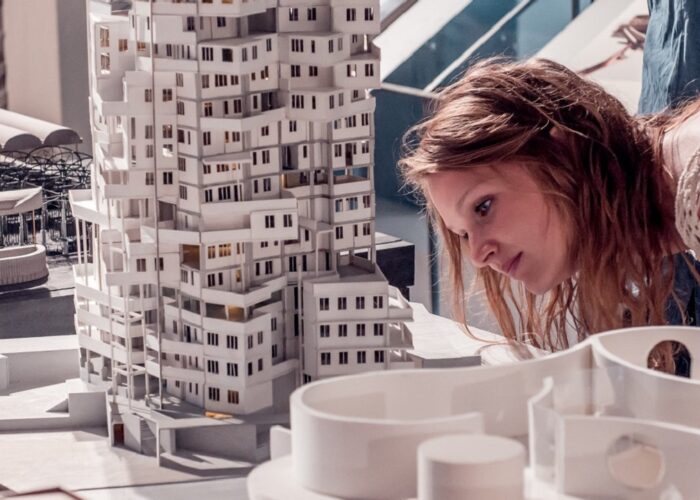
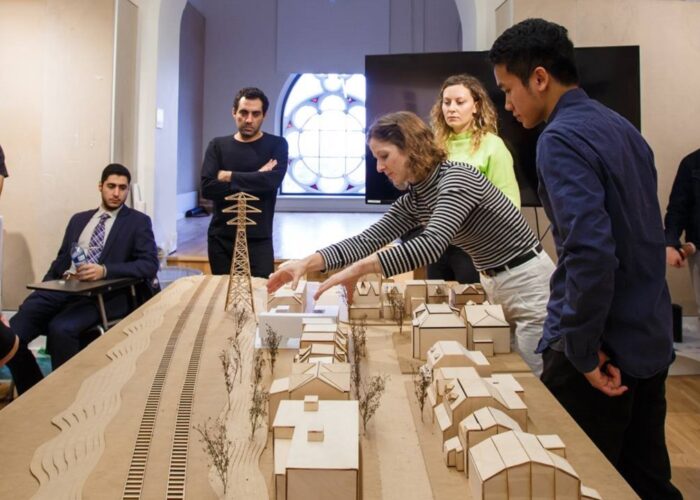
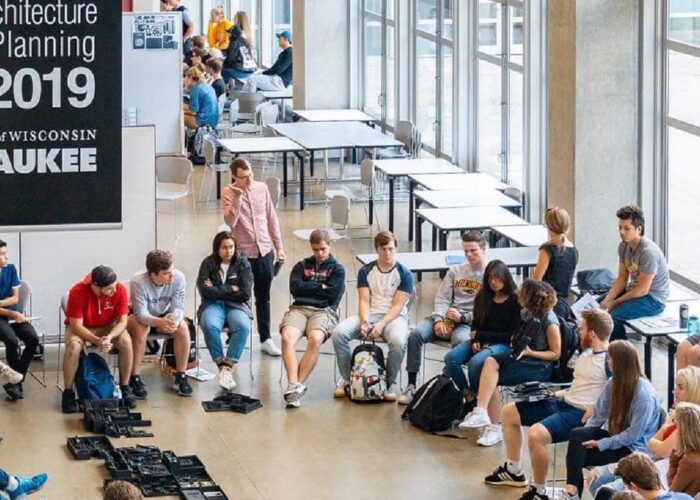
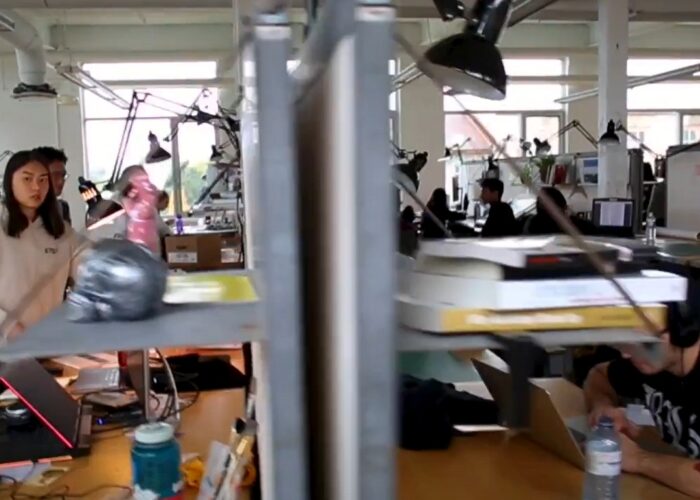
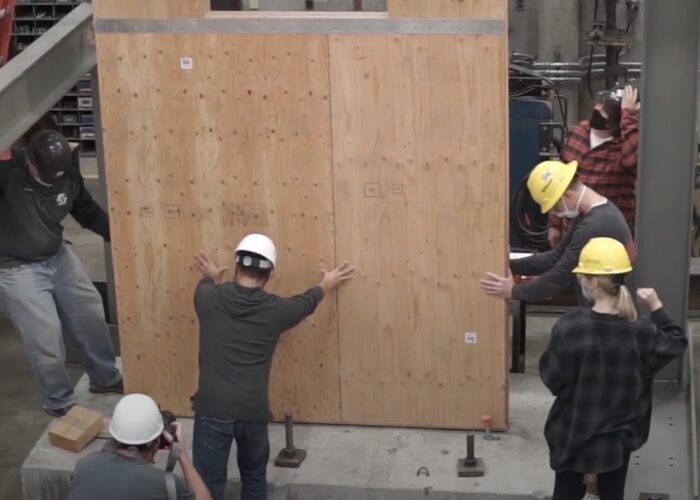

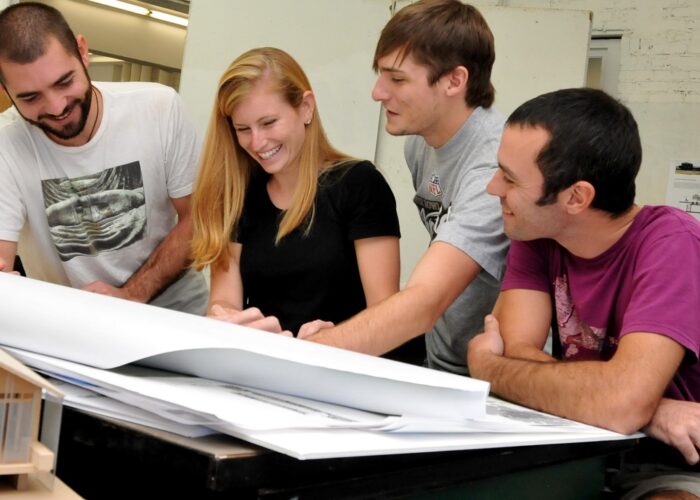
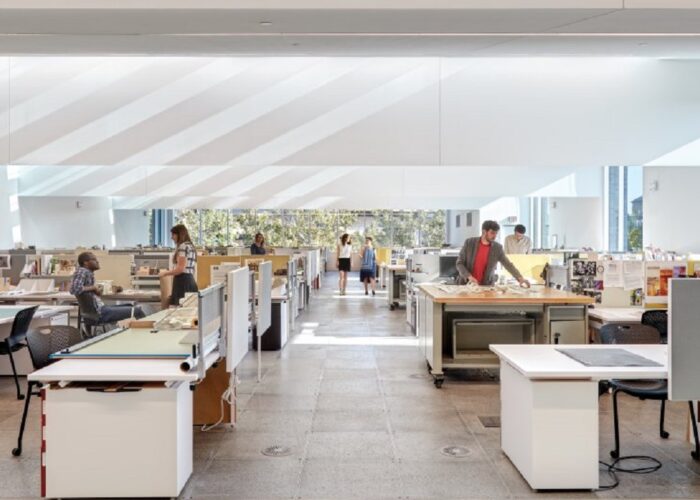

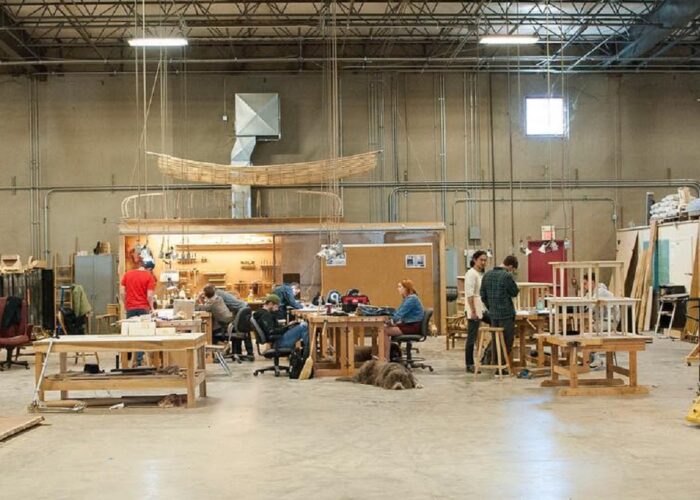
As reported by the US Department of Commerce Census Bureau the value of construction put in place by August 2025 by the US education industry proceeded at a seasonally adjusted annual rate of $137.604 billion. This number does not include renovation for projects under 50,000 square feet and new construction in university-affiliated health care delivery enterprises. Reports are released two months after calendar month. The complete report is available at the link below:
MONTHLY CONSTRUCTION SPENDING August 2025 (released two months after calendar month)
Total construction activity for June 2025 ($2,136.2 billion) was 0.4 percent below the revised May 2025 estimate ($2,143.9 billion).
Learn more: https://t.co/ljpaYyKjuX#CensusEconData pic.twitter.com/TS6ewzZhc4
— U.S. Census Bureau (@uscensusbureau) August 1, 2025
This spend makes the US education facilities industry (which includes colleges, universities, technical/vocational and K-12 schools, most university-affiliated medical research and healthcare delivery enterprises, etc.) the largest non-residential building construction market in the United States after commercial property; and fairly close. For perspective consider total public + private construction ranked according to the tabulation most recently released:
$137.604 billion| Education Facilities
$155.728 billion | Power
$69.625 billion | Healthcare
Keep in mind that inflation figures into the elevated dollar figures. Overall — including construction, energy, custodial services, furnishings, security. etc., — the non-instructional spend plus the construction spend of the US education facilities is running at a rate of about $300 – $500 billion per year.
LIVE: A selection of construction cameras at US schools, colleges and universities
We typically pick through the new data set; looking for clues relevant to real asset spend decisions. Finally, we encourage the education facilities industry to contribute to the accuracy of these monthly reports by responding the US Census Bureau’s data gathering contractors.

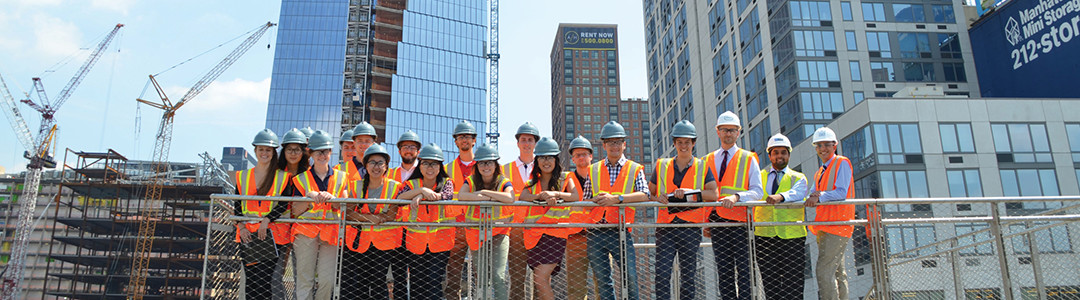
Reconstruction of Ancient Agora
As surely as people are born, grow wealthy and die with extra cash,
there will be a home for that cash to sustain their memory and to steer
the cultural heritage of the next generation in beautiful settings.

More
National Center for Educational Statistics
AIA: Billings Index shows but remains strong May 2022
National Center for Education Statistics
Sightlines: Capital Investment College Facilities
OxBlue: Time-Lapse Construction Cameras for Education
US Census Bureau Form F-33 Survey of School System Finances
Global Consistency in Presenting Construction & Life Cycle Costs
United States National Weather Service
| Research Without Old Data and Old References |
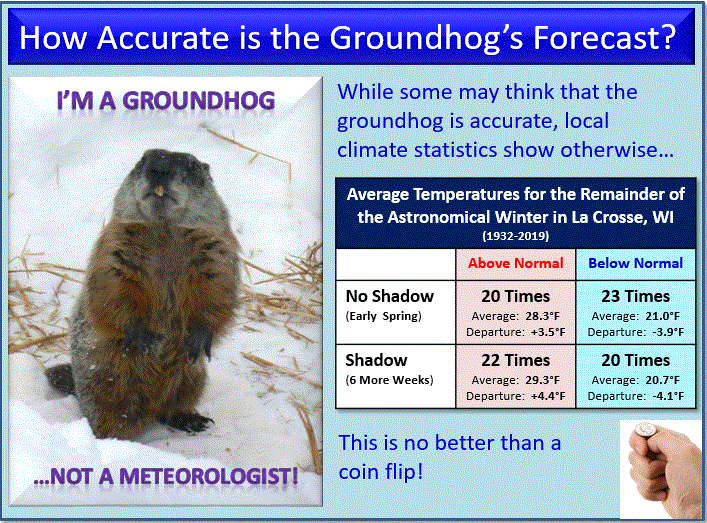
Background: The use of older data and references is becoming increasingly disfavored for publication. A myopic focus on newer research risks losing sight of important research questions already addressed by now-invisible older studies. This creates a ‘Groundhog Day’ effect as illustrated by the 1993 movie of this name in which the protagonist has to relive the same day (Groundhog Day) over and over and over within a world with no memory of it. This article examines the consequences of the recent preference for newer data and references in current publication practices and is intended to stimulate new consideration of the utility of selected older data and references for the advancement of scientific knowledge.
Methods: Examples from the literature are used to exemplify the value of older data and older references. To illustrate the recency of references published in original medical research articles in a selected sample of recent academic medical journals, original research articles were examined in recent issues in selected psychiatry, medicine, and surgery journals.
Results: The literature examined reflected this article’s initial assertion that journals are emphasizing the publication of research with newer data and more recent references.
Conclusions: The current valuation of newer data above older data fails to appreciate the fact that new data eventually become old, and that old data were once new. The bias demonstrated in arbitrary policies pertaining to older data and older references can be addressed by instituting comparable treatment of older and newer data and references.
Related:
ASTM International: Standard Practice for Calculating and Using Basic Statistics
Groundhog Day: Ancient Origins of a Modern Celebration (Library of Congress)
IMSDb: “GroundHog Day” The Complete Script
Harvard Business Review: When the Groundhog Predicts an Early Spring, Investors Get Optimistic
Indiana University: Groundhog Day Probability in Perspective
During today’s session we approach disaster avoidance, management and recovery literature from a different point of view than our customary approach — i.e. what happens when, a) there is failure to conform to the standard, b) there is no applicable standard at all. This approach necessarily requires venturing into the regulatory and legal domains.
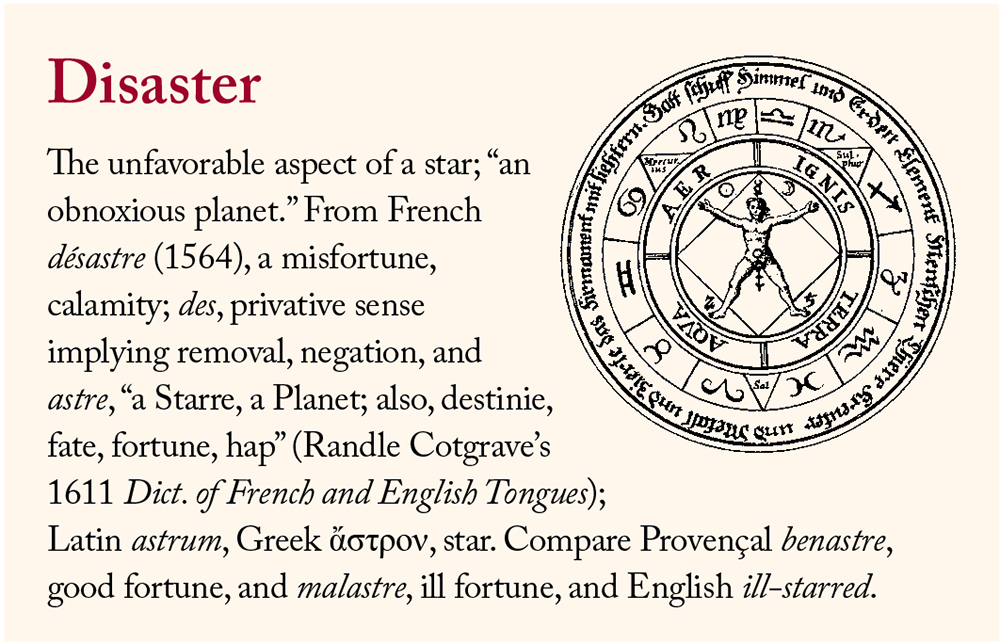
Thinking about how that groundhog lied to us 🤨🤨🤨 pic.twitter.com/ZQOzzteCzs
— Penny Kmitt (@pennylikeacoin) April 4, 2024
We will confine our approach to the following standards development regimes:
We may have time to review State of Emergency laws on the books of most government agencies; with special attention to power blackout disasters.
Use the login credentials at the upper right of our home page.
https://t.co/chd9RJVc7G
print(“Disaster”) pic.twitter.com/Lu6Dw3bARq— Standards Michigan (@StandardsMich) November 15, 2021
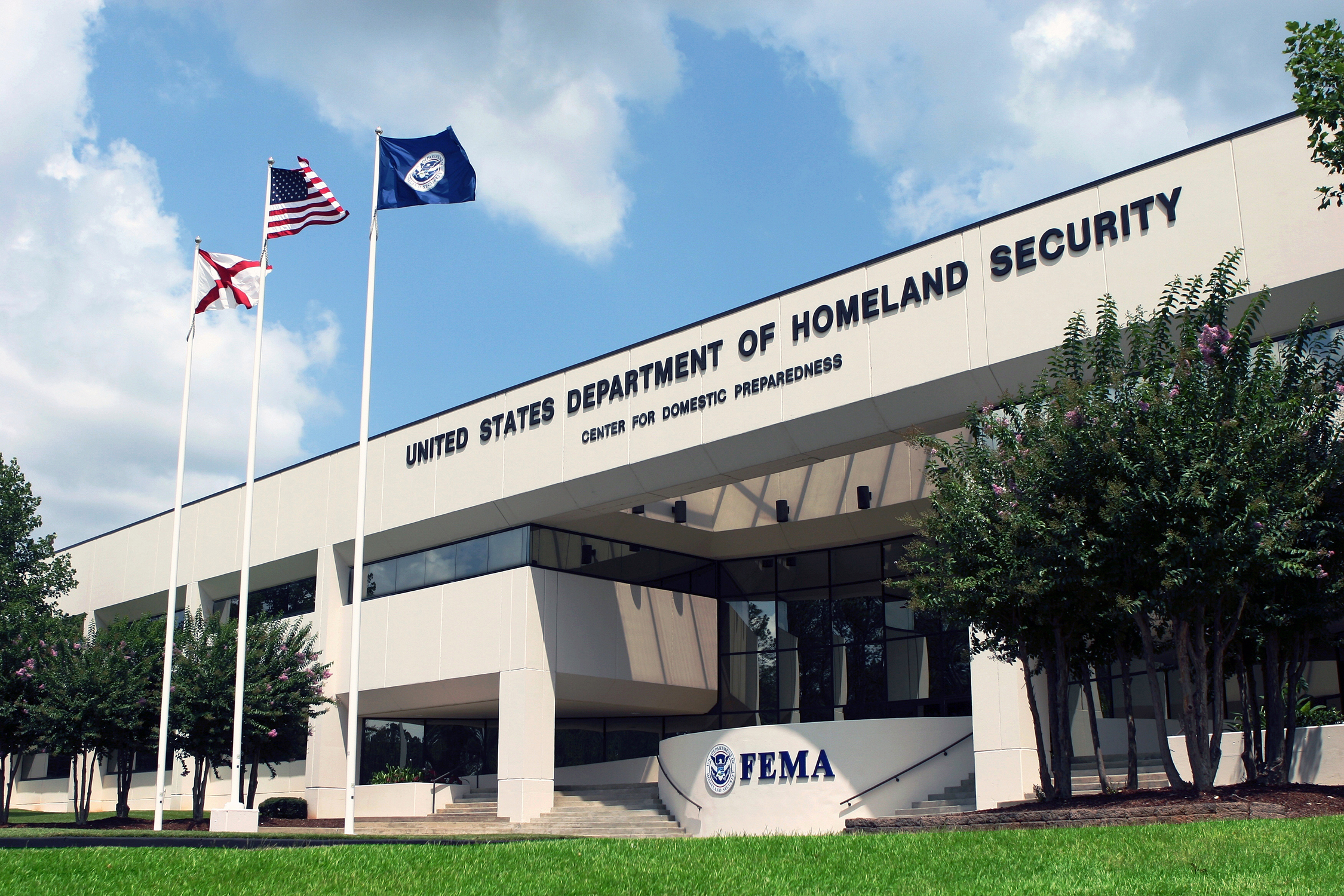
Estopinal College of Architecture and Planning
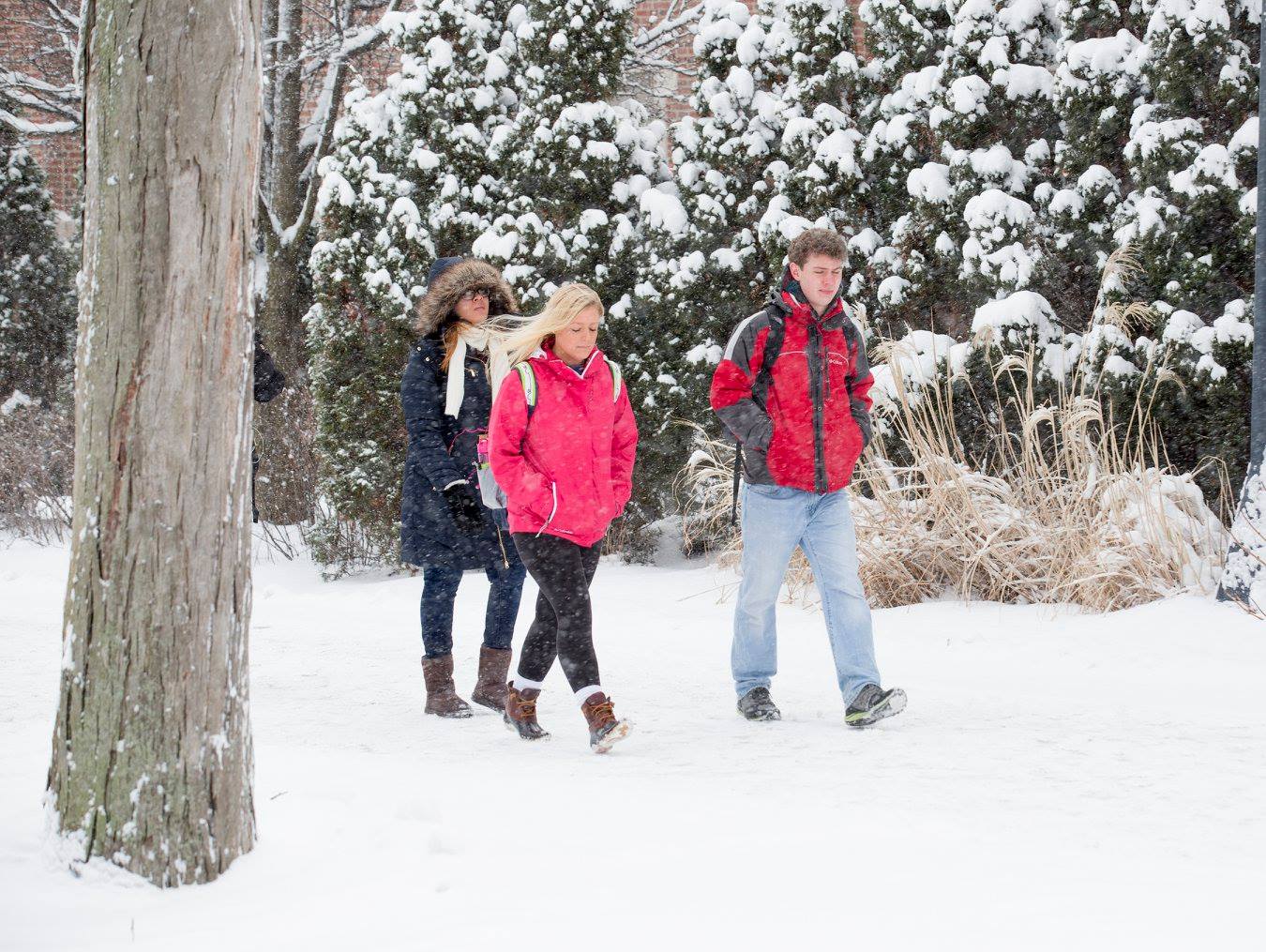
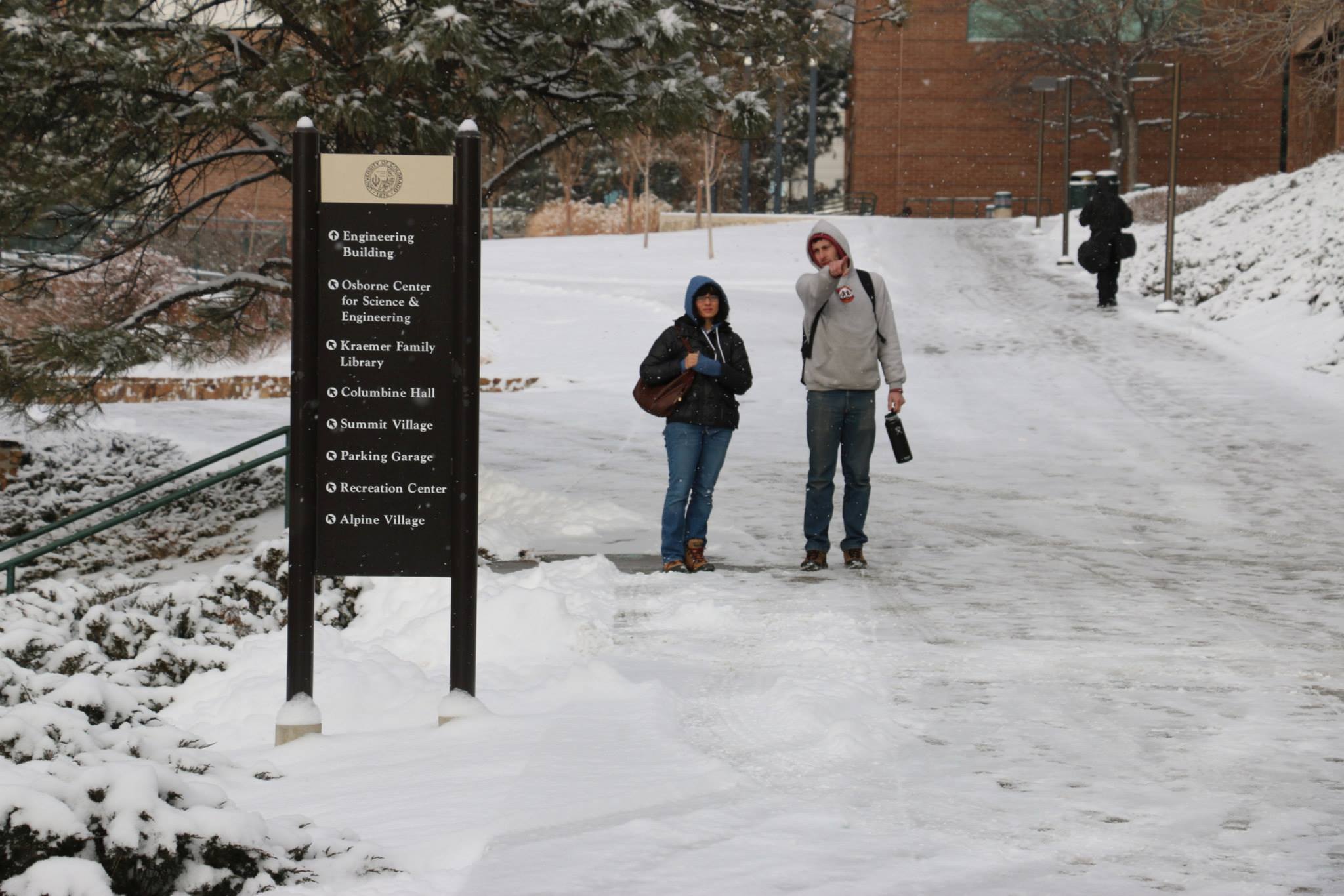
“Everyone begins as a child by liking Weather. You learn the art of disliking it as you grow up. Noticed it on a snowy day? The grown-ups are all going about groaning and saying it is ‘dreadful’ and they are nearly always worrying about some awful thing or other happening because of the snow. But the children? They are out in it, throwing snowballs, building snowmen, sliding down slopes on toboggans—having a marvelous time.” — C.S. Lewis (‘That Hideous Strength – A Modern Fairy Tale for Grownups, 1945)
Standards Nebraska | Statement of Net Position: $5.191B (Page 26)
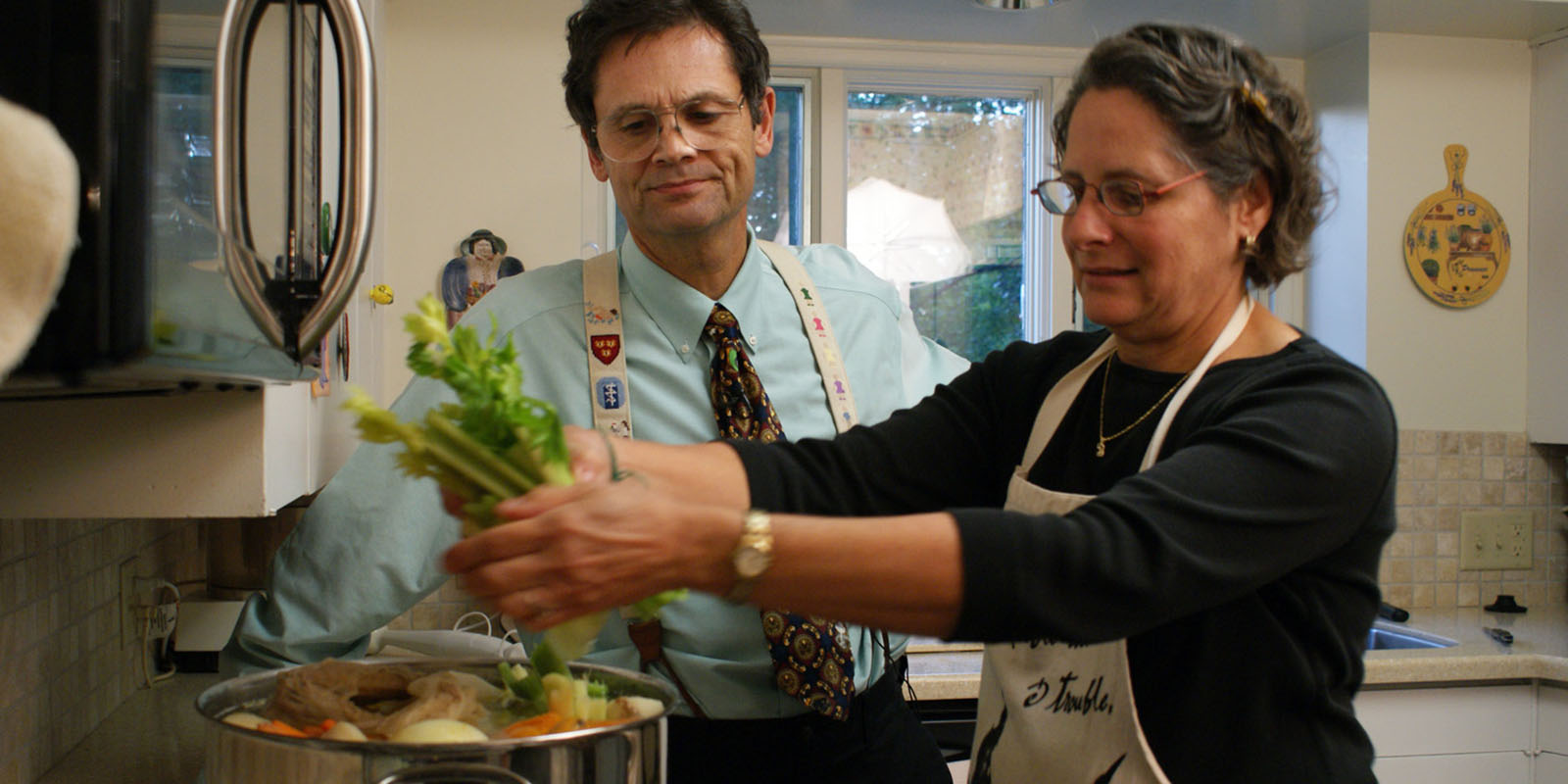
WRITTEN BY Kalani Simpson PUBLISHED May 25, 2021
Ingredients:
Directions:
(Note: This soup freezes well.) Matzo balls were prepared according to the recipe on the back of the box of matzo meal (Manischewitz).
b
Celebrating a decade of leadership!
Today marks the 10th anniversary of Chancellor Jeffrey P. Gold’s remarkable journey with UNMC. Thank you, @jeffreypgold, for your unwavering commitment to excellence and your visionary guidance to the UNMC community. https://t.co/jgGhyMH55r pic.twitter.com/fPxvyMsnz2
— University of Nebraska Medical Center (@unmc) February 1, 2024
NSF International (Ann Arbor, Michigan): Food Equipment Standards
This traditional Irish dish originated as a thrifty way to repurpose leftover meat. In the late 18th century, the concept evolved from using lamb or mutton, commonly tended by shepherds, hence the name. The dish typically comprises minced meat — lamb, beef or chicken — cooked with vegetables and gravy, topped with mashed potatoes.
Ingredients:
• 1 can chicken, drained
• ½ can canned sliced potatoes
• 2 tsp onion powder
• ½ cup canned peas, drained
• 2 tbsp Worcestershire sauce
• 1 tbsp butter
• Splash of milk
• 2 tsp salt
• 2 tsp black pepper
• 1 tsp nutmeg
Directions:
1. Heat potatoes in microwave safe bowl, ~2 mins. Mash the potatoes with the milk and butter, a Teaspoon each of salt, pepper, and garlic powder, stir well. Adjust seasoning. Set aside.
2. Add remaining ingredients, stir well.
3. Spoon the mashed potatoes evenly on top of the meat.
4. Cook covered in the microwave oven for 3-5 minutes on medium power.
5. Cut into 2 portions. Scoop out from the bottom to keep the layers intact.
More:
New Mexico State University Recipe
University of Illinois Venison Recipe
This video has been made available for informational and educational purposes only. UCCS hereby disclaims any and all liability to any party for any direct, indirect, implied, punitive, special, incidental or other consequential damages arising directly or indirectly from any use of this video, which is provided as is, and without warranties.
New update alert! The 2022 update to the Trademark Assignment Dataset is now available online. Find 1.29 million trademark assignments, involving 2.28 million unique trademark properties issued by the USPTO between March 1952 and January 2023: https://t.co/njrDAbSpwB pic.twitter.com/GkAXrHoQ9T
— USPTO (@uspto) July 13, 2023
Standards Michigan Group, LLC
2723 South State Street | Suite 150
Ann Arbor, MI 48104 USA
888-746-3670
 |
 |
|
 |
 |
|
 |
 |