




Vogue: Beaux Arts Architecture | Donaldson and Meier Architects
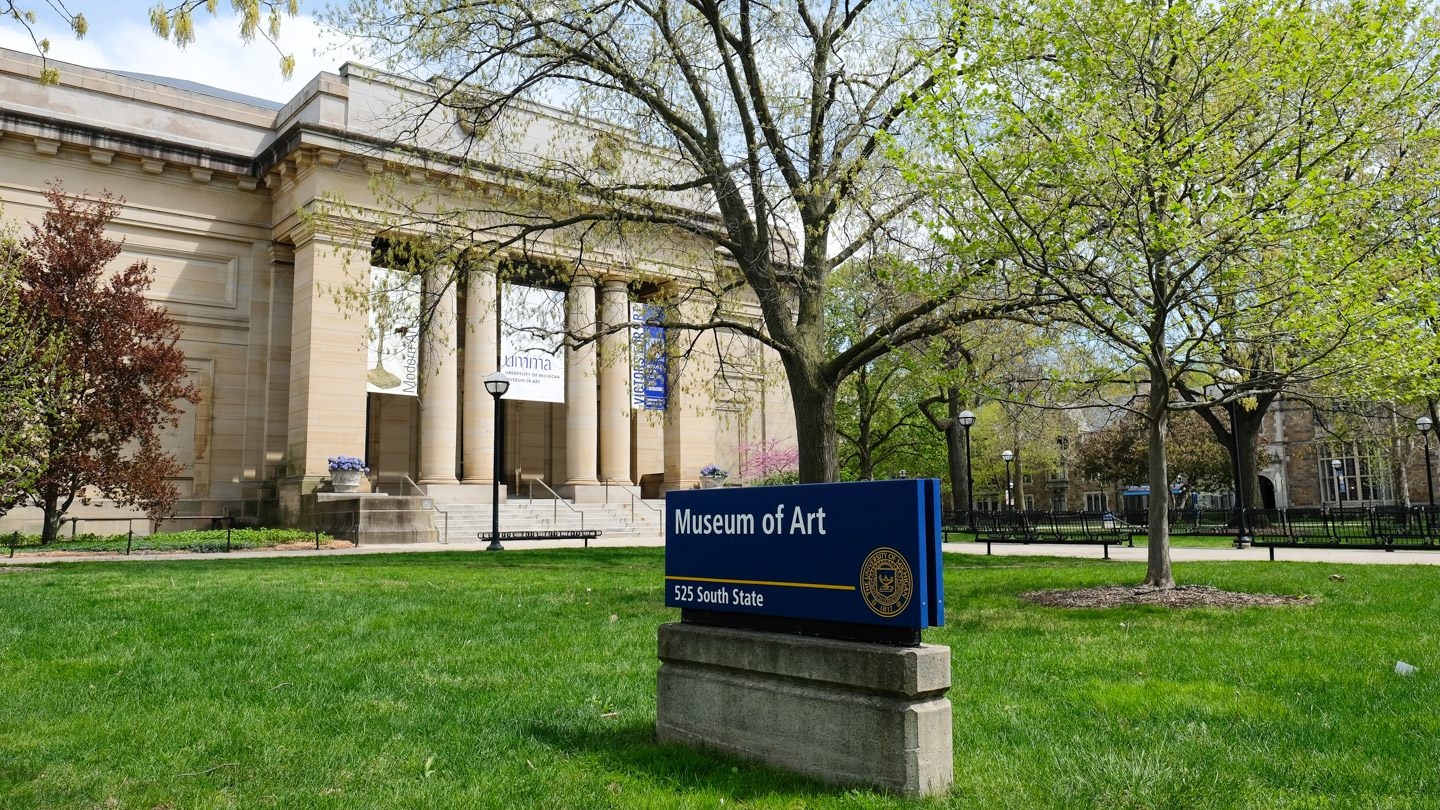
Alumni Memorial Hall was built as a war memorial and multi-purpose alumni building — not originally as an art museum; though it became — and still is — a gathering point for alumni who donated their collections to the University. Its inspiration originated in 1864 shortly after the Civil War, to honor University of Michigan students, faculty, and alumni who died in that conflict and all conflicts thereafter.
Standards Scotland | Standards Commission for Scotland
@freshairradio_edi What’s your hangover cure? How was your saturday fry up? Sophie from Edinburgh uni’s breakfast show wants to know!! Follow us on instagram for more @freshairbreakfast 🍳🍳 #breakfast #pollockhalls #edinburghuni
• Scottish porridge — rolled oats served with milk or cream, often accompanied by heather honey, raspberries, or brown sugar.
• Lorne sausage — Scots square sausage, frequently served in breakfast rolls or alongside eggs.
• Back bacon — lean rashers prepared on the griddle.
• Black pudding — a traditional side dish.
• Tattie scones — potato griddle cakes.
• Baked beans, grilled tomatoes, & mushrooms.
• Toast with Dundee marmalade.

Though modest in size (5.5 million population now — half the size of Michigan’s population) Scotland has exercised an influence upon Western learning far beyond its population. The Scottish Enlightenment fostered a culture that prized careful observation, practical invention, and disciplined inquiry. From James Watt’s improvements to the steam engine and Thomas Telford’s bridges and roads, to James Clerk Maxwell’s unification of electricity and magnetism, Scottish scientists and engineers transformed the modern world. Medicine advanced through Joseph Lister’s antiseptic methods and Alexander Fleming’s discovery of penicillin.
Scotland also gave enduring voice to moral philosophy through Adam Smith and David Hume, whose writings continue to shape commerce, law, and public life. Its universities educated generations of engineers, physicians, clergy, teachers, and public servants who carried these traditions throughout the English-speaking world. Their legacy reminds us that lasting progress is seldom the work of isolated genius alone. It emerges from institutions that honor disciplined scholarship, practical craftsmanship, and the faithful transmission of knowledge from one generation to the next.
Alma College Gratiot County Michigan: Scotland USA
_-_Edinburgh_Castle_and_the_Nor%27_Loch_-_NG_2104_-_National_Galleries_of_Scotland.jpg)
Nasmyth’s Edinburgh Castle and the Nor’ Loch
Today we review a draft of an article that covers, in our view, an obvious oversight in the 2026 National Electrical Code. It is an expansion of a proposal already submitted to the National Electrical Code Technical Correlating Committee and will support challenges to its adoption into the 2029 NEC revision. Use the login credentials at the upper right of our home page.
Restore the NESC to the Front End of the NEC
Michael A. Anthony | Glenn T. Keates
Abstract. It may seem like a small thing — to restore the cross-reference to the IEEE National Electrical Safety Code (NESC) at the front end of the NFPA National Electrical Code (NEC) where it used to be — but it is not. This paper explains why restoration of the NEC’s peer document is necessary in the 2029 Edition of the NEC, now under development.
The reasons are both technical and cultural, touching on a minefield of sensitivities about safety, sustainability, and economic development associated with the data center (artificial intelligence) zeitgeist.
Customer owned interactive sources are not new. Customer-owned load-side electric services at transmission voltages for private developers and university-adjacent hyperscale installations present consideration are new.[x]
The NESC, in contrast, maintains a clear “handshake” reference to the NEC in its Scope statement (Section 011). This paper argues for the restoration of a prominent NESC cross-reference in NEC Article 90.2(A)(2) for the 2029 edition. The proposal (Public Input No. 3687-NFPA 70-2026) has already been submitted to NFPA Technical Committee CMP-1.
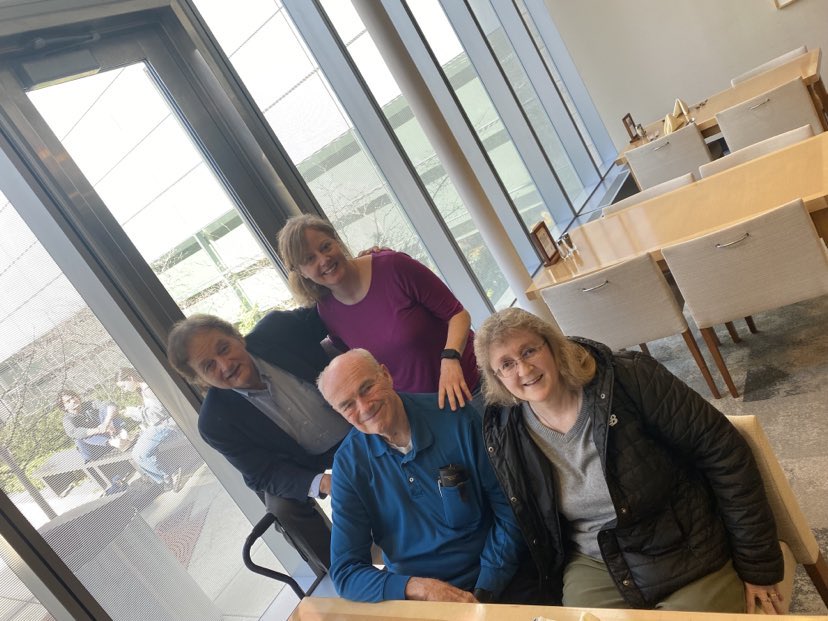
Mike Anthony and University of Michigan Electrical Engineer Colleagues
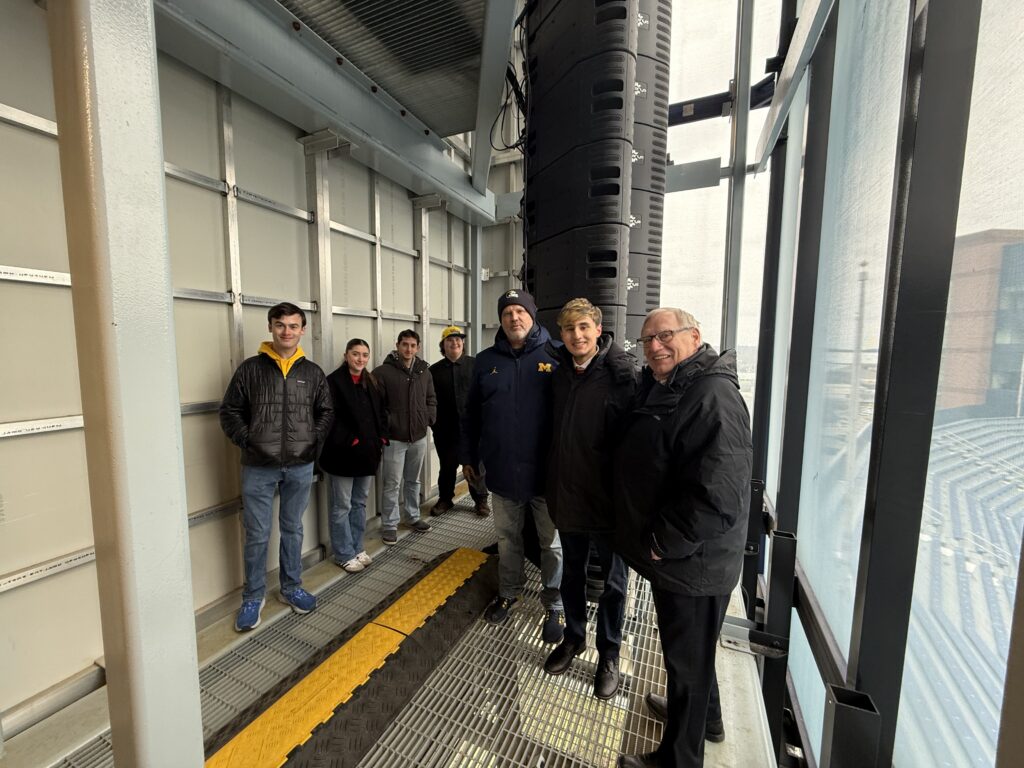
Glenn Keates with University of Michigan IEEE Students during March 2026 Scoreboard Tour

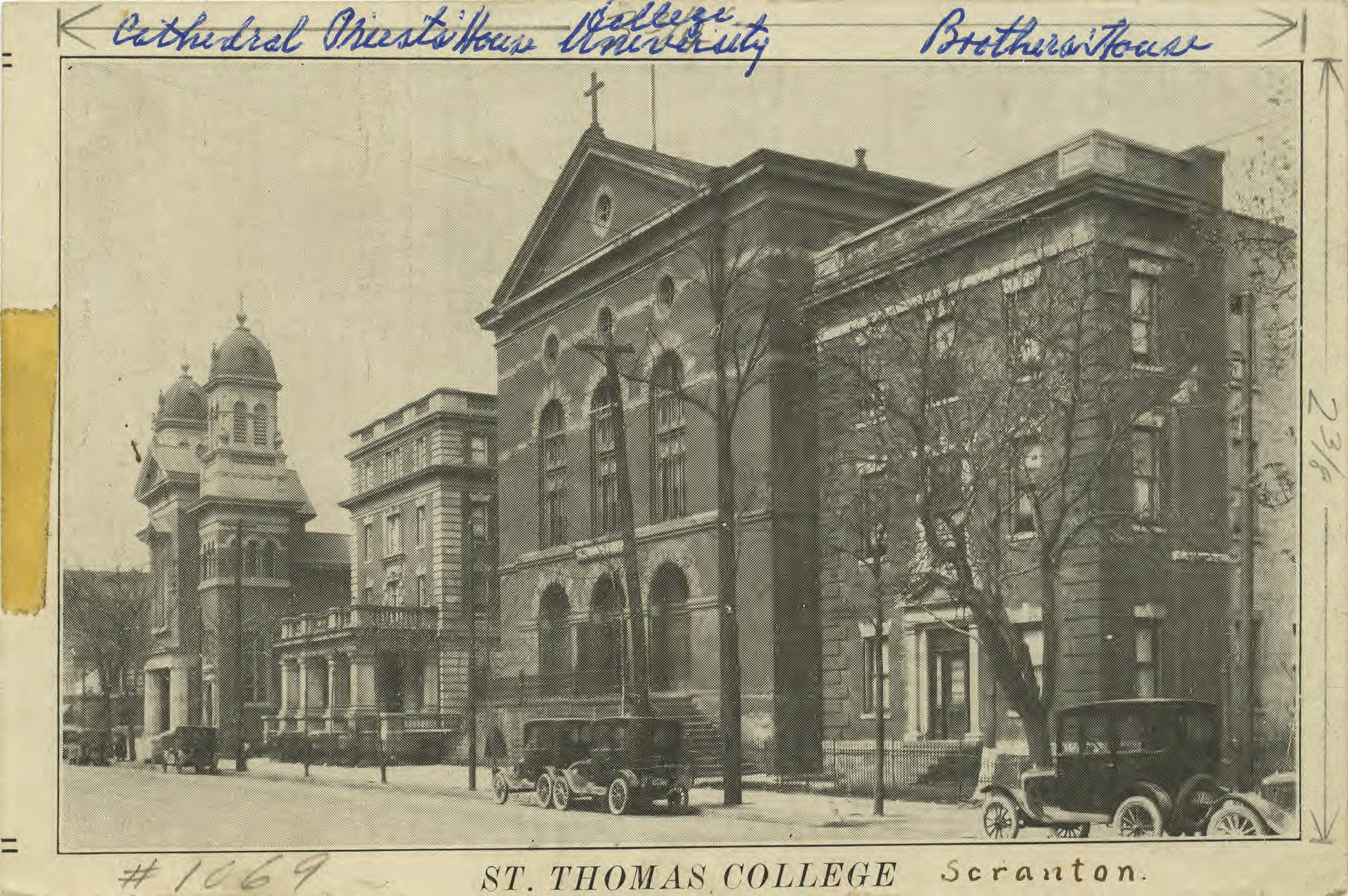
2025 Scranton Baseball Senior Day! 🎓#GoRoyals pic.twitter.com/yCfp5ci7AN
— Scranton Athletics (@RoyalAthletics) April 21, 2025
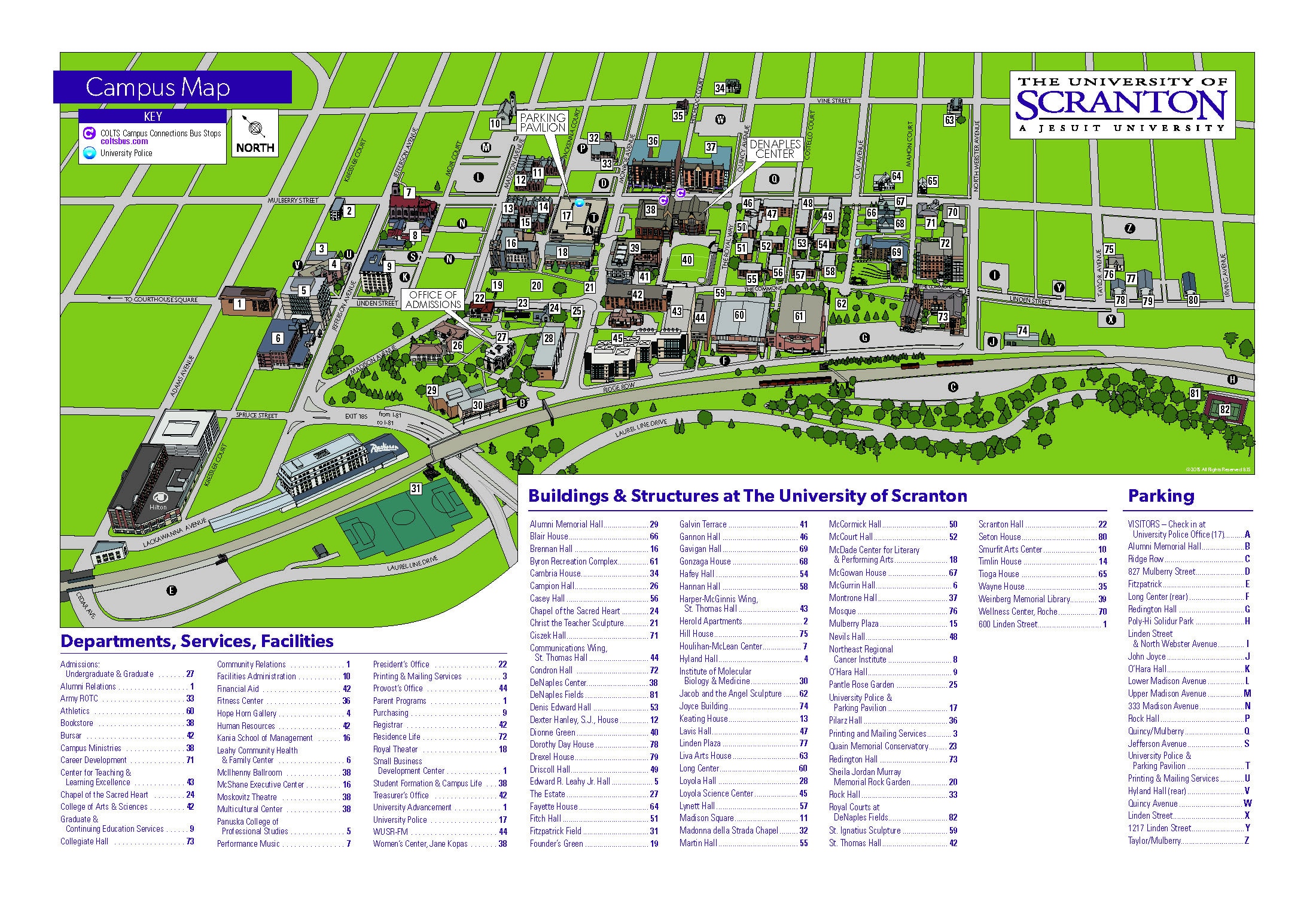

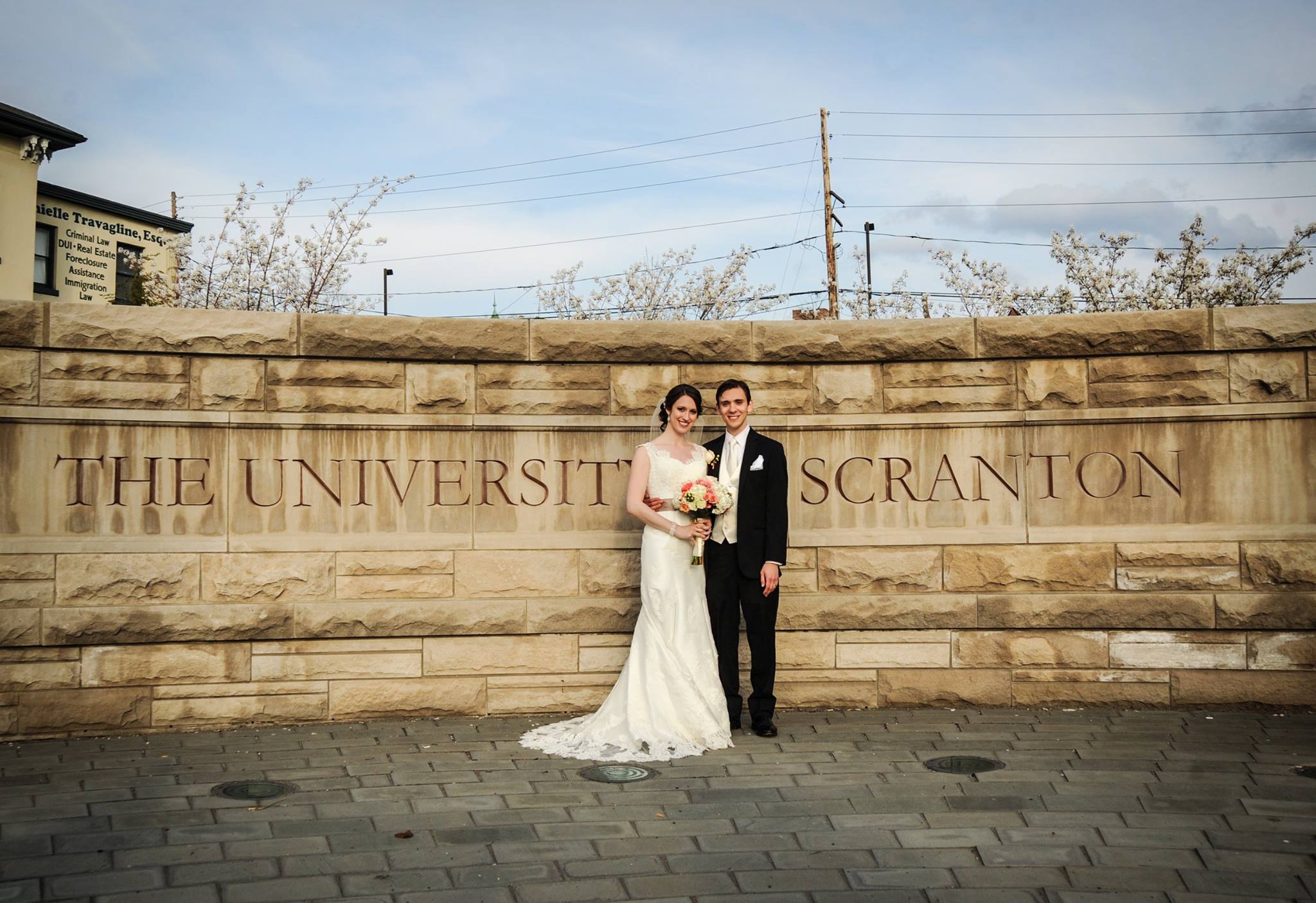

Delaware vs. Pennsylvania
Yale Hospitality Berkeley | Yale Facilities | 2024 Yale Endowment $41.4B
@mildredsauce grilled cheese and tomato soup lunch at yale: berkeley dining hall edition!! #yale #yaleuniversity #yaledining #yaledininghall #yalefood #yalelaw #student #college #collegefood #foodie #mukbang #collegelife #dininghall #dreamschool #ivyleague #collegehacks #mukbang #pizza #bestschool #grilledcheese #grilledcheesetomatosoup #tomatosoup #cooking #pickle #pickles #collegestudentlife #whatiate #whatieatinaday #everythingiate #whatieatinadayrealistic
When it comes to grilled cheese, butter is king. pic.twitter.com/mw38O6ikpC
— Jennifer (@LiLa__lee18) November 25, 2024
I’m in charge of dinner tonight, so Little Miss H and I are going to make Tomato Soup and Grilled Cheese sandwiches! It’s such an easy dinner that she can do almost all of it herself, I’ll just need to talk her through it. Find my recipe in the comments! pic.twitter.com/GVAi3t0I8f
— Prairie Wife (@PrairieHeels) December 4, 2024
Related:
This content is accessible to paid subscribers. To view it please enter your password below or send mike@standardsmichigan.com a request for subscription details.
The first movement of the 1931 “Grand Canyon Suite is a tone poem about dawn breaking over the Grand Canyon. It builds slowly through layered, ascending sonorities and expanding textures, mirroring the sun’s creeping rays.
It swells to full-orchestral climax of brass, capturing the canyon’s majestic reveal. The gentle ascent uses impressionistic colors rather than strong melodies, creating a cinematic sense of awe. The melodies are original.
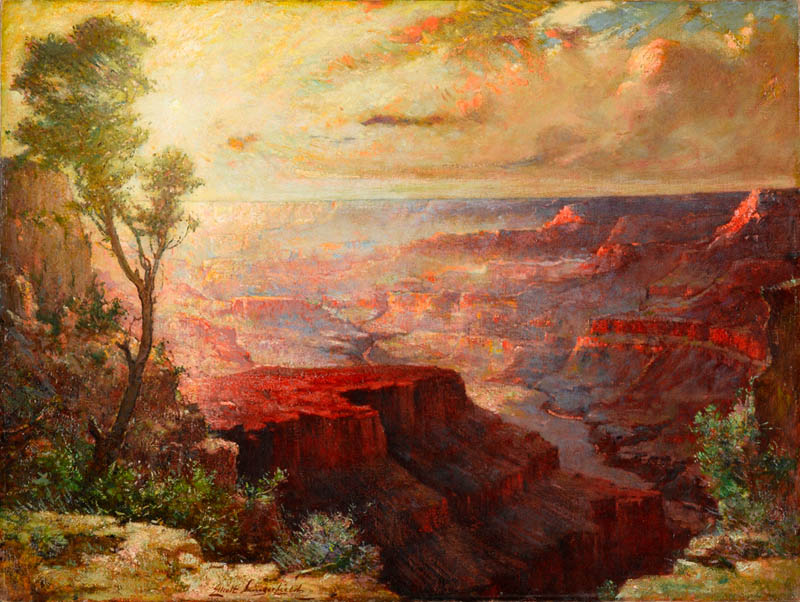
“The Grand Canyon” 1912 Elliot Daingerfeild | North Carolina Museum of Art
It’s the 88th day of the year! Happy World Piano Day!
.
.
.#brevardmusiccenter #brevardmusic #piano #worldpianoday pic.twitter.com/zK04lcM1Mv— Brevard Music Center (@brevardmusic) March 29, 2022
The relative thinness of most Asian classical music repertoires helps explain why East Asian students so often excel in the Western tradition. Western classical music presents an immense, densely notated canon—centuries of works across every genre, style period, and technical demand—that requires years of systematic absorption. By contrast, the core repertoires of Chinese, Japanese, and Korean court and literati traditions are far smaller in volume and more limited in formal complexity. They rely heavily on oral transmission, short fixed pieces, or improvisation within narrow modal frameworks rather than the cumulative weight of thousands of fully notated, stylistically differentiated scores.
This comparative sparsity leaves Asian students with fewer deeply internalized musical habits, finger patterns, or stylistic reflexes competing for neural and muscular real estate. When they begin serious Western training, their ears and hands encounter less interference from prior classical conditioning. They can therefore allocate nearly all practice time and cognitive resources to mastering the specific demands of Western notation, equal temperament, functional harmony, large-scale form, and historically informed interpretation—without simultaneously maintaining fluency in a rival dense canon. The result is accelerated technical acquisition and a clearer channel for the intense, focused discipline that Western conservatory training rewards.
In other words, no one likes Asian classical music as much as Western classical music — even Asians — and this explains why they outperform Founding Stock American students in most classical orchestras. Founding Stock Americans are drawn to other American musical traditions.
New update alert! The 2022 update to the Trademark Assignment Dataset is now available online. Find 1.29 million trademark assignments, involving 2.28 million unique trademark properties issued by the USPTO between March 1952 and January 2023: https://t.co/njrDAbSpwB pic.twitter.com/GkAXrHoQ9T
— USPTO (@uspto) July 13, 2023
Standards Michigan Group, LLC
455 East Eisenhower Parkway, Suite 300
Ann Arbor, MI 48108 USA
888-748-3670
 |
 |
|
 |
 |
|
 |
 |