Clean the chicken, put it in a large pot and cover it with cold water. Bring the water to boil.
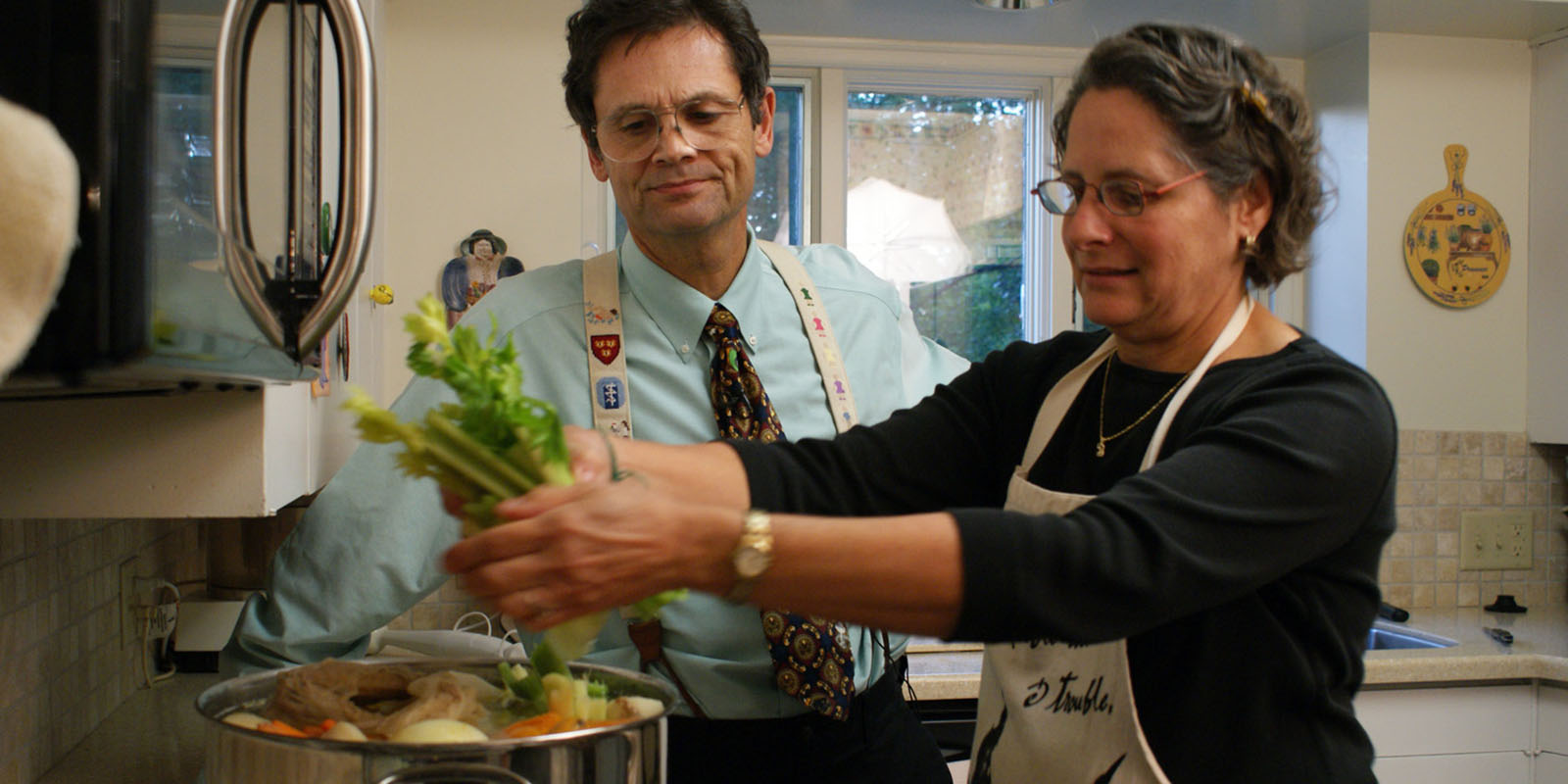
Add the chicken wings, onions, sweet potato, parsnips, turnips and carrots. Boil about 1 and a half hours. Remove fat from the surface as it accumulates.
Add the parsley and celery. Cook the mixture about 45 min. longer.
Remove the chicken. The chicken is not used further for the soup. (The meat makes excellent chicken parmesan.)
Put the vegetables in a food processor until they are chopped fine or pass through a strainer. Both were performed in the present study.
Add salt and pepper to taste.
(Note: This soup freezes well.) Matzo balls were prepared according to the recipe on the back of the box of matzo meal (Manischewitz).
Today marks the 10th anniversary of Chancellor Jeffrey P. Gold’s remarkable journey with UNMC. Thank you, @jeffreypgold, for your unwavering commitment to excellence and your visionary guidance to the UNMC community. https://t.co/jgGhyMH55rpic.twitter.com/fPxvyMsnz2
— University of Nebraska Medical Center (@unmc) February 1, 2024
Getting a dog during college can be an exciting thought for many students who are leaving home and are experiencing their first taste of true freedom; However, many young adults fail to consider the responsibilities and obligations that come with owning a dog while in school.
Dogs have the incredible ability to make you feel more relaxed and less stressed. A study actually found that when people took care of dogs for just three months, they showed significant drops in blood pressure and reactivity to stress. There’s no better feeling than coming home after a long day to your furry best friend who’s thrilled to see you.
They help motivate you to exercise.
Daily exercise is an essential part of a dog’s well-being and absolutely cannot be neglected. However, this requirement becomes mutually beneficial because it also ensures that you’re getting outside daily, intaking sunlight, and getting your own exercise. Even if you’re having a rough day and don’t feel like doing much, your dog will make sure that you go outside and get moving.
They make great companions if you live alone.
Dogs can be fantastic companions for students who choose to live alone. Living by yourself can be lonely. Your pet can serve as a companion to keep you occupied, as well as a solid guard dog when needed (or you can at least let them think they are).
Cons:
They require a time and patience.
If you’re thinking about getting a dog in college, be prepared to commit tons of time and attention to them. Training sessions will be vitally important in ensuring that your dog is potty-trained, can behave on a leash, and can be trusted around other dogs. You’ll also have to make time for vet appointments, play time, and letting them out on a consistent basis.
They can be expensive.
Dogs can be extremely expensive. Between vet bills, food, toys, and general dog supplies, the costs can quickly add up. Assessing your financial situation beforehand and determining whether or not now is the right time for you to get a dog, is absolutely essential.
They can cut into your social life; although can expand your social life with a starting point for common conversation with other dog lovers.
Like it or not, having a dog will cut into your social time with your friends. Staying out until 4 am on the weekends or being away from your house for 12 hours at a time is no longer feasible when your pet is waiting for you at home. Plan to make arrangements to fit your dog’s needs, which may mean missing out on social activities from time to time.
“All the months are crude experiments, out of which the perfect September is made” — Virginia Woolf
§
East Jordan High School | Charlevoix County Michigan
Our use of the term the essential works of “Educational Settlements” captures the self-contained energy of these places — kindergartens, classrooms, quads, dining halls, dorms, and nearby squares buzzing with student life amid broader higher-ed shifts like the “demographic cliff” (declining traditional enrollments), AI integration, skills-focused curricula, and financial pressures. (Related: Agora)
“…O chestnut tree;, great rooted blossomer, Are you the leaf, the blossom or the bold? O body swayed to music, O brightening glance, How can we know the dancer from the dance?”
We sweep through the world’s three major time zones; updating our understanding of the literature at the technical foundation of education community safety and sustainability in those time zones 24 times per day. We generally eschew “over-coding” web pages to sustain speed, revision cadence and richness of content as peak priority. We do not provide a search facility because of copyrights of publishers and time sensitivity of almost everything we do.
Our daily colloquia are typically doing sessions; with non-USA titles receiving priority until 16:00 UTC and all other titles thereafter. We assume policy objectives are established (Safer-Simpler-Lower-Cost, Longer-Lasting). Because we necessarily get into the weeds, and because much of the content is time-sensitive and copyright protected, we usually schedule a separate time slot to hammer on technical specifics so that our response to consultations are meaningful and contribute to the goals of the standards developing organization and to the goals of stewards of education community real assets — typically the largest real asset owned by any US state and about 50 percent of its annual budget.
1. Leviathan. We track noteworthy legislative proposals in the United States 118th Congress. Not many deal specifically with education community real assets since the relevant legislation is already under administrative control of various Executive Branch Departments such as the Department of Education.
We do not advocate in legislative activity at any level. We respond to public consultations but there it ends.
We track federal legislative action because it provides a stroboscopic view of the moment — the “national conversation”– in communities that are simultaneously a business and a culture. Even though more than 90 percent of such proposals are at the mercy of the party leadership the process does enlighten the strengths and weakness of a governance system run entirely through the counties on the periphery of Washington D.C. It is impossible to solve technical problems in facilities without sensitivity to the zietgeist that has accelerated in education communities everywhere.
Michigan Great Lake Quilt
Michigan can 100% water and feed itself. Agriculture is its second-largest industry.
Standards exist to sustain the ordinary rhythms of civilization. Behind every meal, classroom, laboratory, concert, hospital, farm, playing field and family home stands a network of standards that quietly enables daily life. Our work is to understand, improve and explain those standards in service to the educational settlements they support. ANSI Standards Action
Standards help make the world’s biggest sporting event safer and more competitive. For a brief history of #football to modern safety standards like ASTM’s performance specification for #soccer goals or standards for turf testing, read “Kicking Safety Up a Notch at the World Cup.”…
— National Institute of Standards and Technology (@NIST) July 9, 2026
ANSI ADA 1119-2025 covers a system for coding tooth developmental stages, improving clarity, consistency & interoperability in dental data. From pediatric #Dentistry, #Orthodontics, and forensic use, this standard improves data quality. @AmerDentalAssnhttps://t.co/ckytZLBprh
— National Institute of Standards and Technology (@NIST) June 12, 2026
You can view a list of all draft @NIST cybersecurity and privacy publications that are open for public comment on the Computer Security Resource Center. Your thoughtful reviews and comments are greatly appreciated and help us improve our publications. https://t.co/uOC96rxHpHpic.twitter.com/3iJoKqshN6
A NIST researcher has a goal—create a viable alternative to mammograms that is pain-free, highly accurate, and can save even more lives than mammograms do. It’s possible within our lifetimes.
ANSI invites high school and college students to explore the impact of #Standards on society through the 2025–2026 Student Paper Competition. Students are encouraged to research and write about how standards shape industries, innovation, safety, and daily life.
Young professionals (including students!): make sure to sign up for the @YPC social during AIM. It will be a great time to meet other like-minded professionals in the industry. https://t.co/VIIPLLI1LEpic.twitter.com/weAjRSGJGO
Cold #beer. Hot coffee. Spicy food. Learn how sensory scientists evaluate aroma, mouthfeel, flavors, and more in the things you use and enjoy every day. Join our guest Ali Schultz @newbelgiumbeer as we discuss sensory science on ASTM’s podcast. Listen where you get your… pic.twitter.com/hOHuoRaK9O
Smart meters generate thousands of data points each year. How do utilities keep that data consistent? ANSI C12.19-2021 defines standardized data tables for utility end devices—supporting interoperability and #SmartGrid communication. @NEMAupdateshttps://t.co/xsejQGX5gT
Find all the latest ASTM standards, books, journals, technical reports, related products, and more in our interactive catalog. Use the smart navigation to find exactly what you need and order online.https://t.co/7wUF6nw0OB#ASTMpic.twitter.com/T4lr76V29Q
Based on ANSI/ASHRAE Standard 55, Thermal Environmental Conditions for Human Occupancy, this course covers the theory and principles of the standard. It is intended to bridge the gap between the design practitioner’s knowledge of the built environment and its thermal relationship… pic.twitter.com/4aCsGGUVSK
APRIL 30TH DEADLINE FOR APPLICATIONS: KATHERINE & BRYANT MATHER #SCHOLARSHIP. Available to fulltime undergraduate students completing their sophomore year of college (or later), or graduate students who are pursuing degrees especializing in cement or #concrete materials… pic.twitter.com/wQLaQqJrVj
— National Institute of Standards and Technology (@NIST) March 22, 2026
The odds of picking a perfect 64-team #MarchMadness bracket are 1 in 9.2 quintillion! Like the tournament’s history, #Basketball‘s journey is full of unforgettable moments. From peach baskets to global icons, learn how standards play a key role in the game.…
Students! It’s not too soon to start working on your applications for the Bioprocess Startup and Fountain Wars competitions! Deadline is April 15. https://t.co/lMxIVgjb54pic.twitter.com/3Mi8pcUd1x
Born in Liscannor, Ireland in 1840, submarine inventor John Phillip Holland’s designs were adopted by the U.S. Navy in 1900. Happy St. Patrick’s Day! pic.twitter.com/X4ModlH2uD
— National Institute of Standards and Technology (@NIST) March 14, 2026
Risk has always been a part of human society in general and the business world in particular. Standards to create a common language and approach to enterprise risk management aim to minimize those risks. https://t.co/R6acA2tLtx#riskmanagementpic.twitter.com/79c4FtI9mC
— ASTM Student Fans (@ASTMStudentFans) March 2, 2026
Acoustics matter more than we think—and Erik Miller-Klein wants us to listen up. In this video Erik highlights that 39% of building occupants say poor acoustics hurt their ability to work. Yet, less than 10% of U.S. projects involve acoustical designers. Erik challenges us to… pic.twitter.com/Bej3bIg7jx
Last week, the USPTO welcomed our U.K. partners to America’s Innovation Agency and participated in the U.S. – U.K. IP Working Group at the Chamber of Commerce—a bi-annual, industry-led forum hosted with the BritishAmerican Business. pic.twitter.com/dwDD3MlC6t
3.4 billion people. No plumbing. No electricity. Less than $0.05 per person per day.
That’s the scale—and the solution—behind ISO 30500, an international standard for non-sewered sanitation systems developed through global collaboration, led by ANSI and @AssociationAsn.
In honor of NIST’s 125th anniversary this year, anonymous donors commissioned a musical piece from composer @AlexCapMX to honor NIST and its contributions to science.
— National Institute of Standards and Technology (@NIST) March 4, 2026
📣 NSAI is seeking new members for our standards committees
We are establishing new technical committees on Light Gauge Steel, Mass Engineered Timber, and the National Annex for Eurocode 5 (structural fire design).
Dearest gentle reader… 💐 A bit of legal tea: “BRIDGERTON” is a federally registered trademark, protecting the name and entertainment services behind @Netflix’s hit series, so audiences know the true source of the romance, rivalry, and scandal. pic.twitter.com/xdy04zoxPu
Calling all artists! @DeptVetAffairs and the Veterans Day National Committee are now accepting submissions for the 2026 Veterans Day Poster Contest, with the winning design shared at VA facilities across the country. pic.twitter.com/nZBRqD0hkB
America’s research influence is eroding as China rapidly gains ground.
Per @Clarivate, the share of Highly Cited Researchers based in the U.S. has fallen from 53% to 37% since 2014, while China’s share rose significantly.https://t.co/4r5DWvWyQ5
At a recent USPTO Hour, America’ Branding Agency dives into how name, image, likeness (NIL) connects with branding and trademarks – on the field, off the field, and everywhere between.
Scientists have designed experiments to show that atomic clocks tick faster when moving and slower in stronger gravity. Now, a generation of precise clocks is allowing physicists to push such measurements to new extremes.
— National Institute of Standards and Technology (@NIST) February 25, 2026
This #NationalEngineersWeek, we celebrate the innovators transforming ideas into reality. We are proud to support the next generation of leaders through research funding, student scholarships, & industry innovation.
What’s your big idea?
Submit to #ASCE2027’s Call for Content – OPEN NOW through March 4, 2026 – for an opportunity to share it during the new flagship event for infrastructure professionals: https://t.co/wF0bm1HprT. pic.twitter.com/XM2OTGQHBJ
We’re throwing it back this month to our longest-selling SRM: limestone! Developed in 1910, this material was originally used by the construction industry to assess the components of its building materials. And its purpose hasn’t changed much since then. pic.twitter.com/MB5CtY4CCi
— National Institute of Standards and Technology (@NIST) February 23, 2026
From walkable skate-shoes to more comfortable fits, stronger curved blades, and balance-driven designs, patents have been sharpening ice skates for more than a century. ⛸️ pic.twitter.com/ITzdKfqanY
A person dines out ~3 times/month and orders take-out ~4.5 times/month. To assure that we can safely enjoy our meals from a commercial kitchen, NSF/ANSI 4-2025 provides #FoodProtection and #Sanitation requirements for commercial food equipment. @NSF_Intlhttps://t.co/5JkDMgWwIm
Vad är en standard? Syftet med standarder är att skapa enhetliga och transparenta rutiner som vi kan enas kring. Det ligger ju i allas intresse att höja kvaliteten, undvika missförstånd och slippa uppfinna hjulet på nytt varje gång. https://t.co/zKhgPXPdpWpic.twitter.com/oKejdKSm47
— Svenska institutet för standarder, SIS (@svenskstandard) July 15, 2019
Roses are red,
Violets are blue,
You’re like a standard reference material,
Reliable and true. pic.twitter.com/ensl7oc2iG
— National Institute of Standards and Technology (@NIST) February 14, 2026
From Lupercalia to love letters 💌 Valentine’s Day has evolved over centuries. Today, standards assure that the chocolates, cards, and flowers we exchange are safe, reliable, and responsibly produced. #ValentinesDay#ConsumerSafety❤️🌹🍫 https://t.co/r7KMB0eUPt
As fans tune in to the #WinterOlympics, a reminder that inventions like U.S. Pat. 5,784,809 improved snowboard boot flexibility and comfort, while U.S. Pat, 6,523,851 enabled touring bindings for uphill climbs and downhill runs, helping athletes shred with confidence. 🏂 pic.twitter.com/4TLDVbjvoc
Following an industry-wide job task analysis, the Healthcare Facility Design Professional (HFDP) Certification exam content outline will be updated starting March 1.
Apply by Feb. 28 to receive a 50% discount and sit for the HFDP exam March 1 – 31.
Following an industry-wide job task analysis, the Healthcare Facility Design Professional (HFDP) Certification exam content outline will be updated starting March 1.
Apply by Feb. 28 to receive a 50% discount and sit for the HFDP exam March 1 – 31.
Hut-hut-hike! 🏈 The NFL logo, Vince Lombardi Trophy design, and the terms “Super Bowl” and “Super Sunday” are all federally registered trademarks that help tell fans who’s bringing them “The Big Game.” pic.twitter.com/gJDxdqqm7J
The newly revised ANSI/ISEA Z87.1-2025 sets the benchmark for occupational and educational #Eye and #Face protection. 🥽 The 2025 edition provides clearer guidance on performance, testing, and marking, which helps organizations select the right protection for specific hazards and… pic.twitter.com/tkMa03s4bO
— National Institute of Standards and Technology (@NIST) February 6, 2026
The newly revised ANSI/ISEA Z87.1-2025 sets the benchmark for occupational and educational #Eye and #Face protection. 🥽 The 2025 edition provides clearer guidance on performance, testing, and marking, which helps organizations select the right protection for specific hazards and… pic.twitter.com/tkMa03s4bO
APPA members kept the collaborative learning going at this year’s offered courses:💡 Institute for Facilities Management, 🎒 Leadership Academy, and 💻 T3. pic.twitter.com/g8SzfMfQFH
— APPA – Leadership in Educational Facilities (@APPA_facilities) February 5, 2026
SAE Scholarships are dedicated to developing the future engineering workforce. Apply today for one (or more!) of the many scholarships we offer. Applications will be accepted all of February. Don’t delay! https://t.co/lv8eD79Ib8pic.twitter.com/M9Ge7ZLC1w
First invented by television producer Tony Verna in 1963, instant replay technology helps ensure fans see the biggest moments of the big game. Although he did not receive one for instant replay, Verna sought patents for similar inventions later in life. pic.twitter.com/hR7LwRXSI4
Last week, CEN and CENELEC took part in Open Source Week, engaging with the vibrant and diverse open source ecosystem. Our colleagues Amirifar Nooshin and Yannis Chourmouziadis participated in the Open Source Policy Summit where they had constructive discussions.#TrustStandardspic.twitter.com/MxwGDFzvZ1
ASHRAE is honored to welcome and host so many esteemed VIP guests at the Leadership Luncheon. This group truly represents ASHRAE’s continued commitment to collaboration with organizations throughout the built environment.#MyASHRAEpic.twitter.com/DCl8QIiS28
Winter storms are on the way; #Corrosion is a major concern. From bridges, and utility equipment, winter’s salty conditions can hasten #Rust & degradation. ASTM B117-26 helps evaluate materials meant to withstand harsh, corrosive environments. @ASTMIntlhttps://t.co/qAzr3TTMXR
ASHRAE announces nominees for the 2026-27 Slate of Officers and Directors. Members will vote on the nominees via electronic ballot in May, including who will serve as ASHRAE President for the 2026-27 Society year. To see the full list of nominees, visit https://t.co/lJdqfCz264.… pic.twitter.com/UJnF0nC2bY
Preservation of old standards may be useful. In converting material into an ASTM standard, form, style, terminology are areas that require particular attention. Here, we address the rationale for offering these versions of standards, steps taken to make them conform to ASTM… pic.twitter.com/ZT1LWgxqLX
I scream. You scream. We all scream for ICE CREAM CONES.🍦On this day in 1924, Carl R. Taylor patented an ice cream cone rolling machine (No. 1,481,813), automating the process of shaping flat wafers into perfectly formed cones. pic.twitter.com/adaBY2f3xV
🗣️ “AI chatbots with hallucinate around 27% of the time, so we need to ensure employees have the AI literacy required to critically consider the output AI delivers” Laura Bishop PhD, BSI AI and Cybersecurity Sector Lead#BSI#TrustInAI#AIGovernance#AIStrategpic.twitter.com/0MyIpozyiR
Great turnout at the X12 standing Meeting. Especially, given the difficult weather across the country. A wonderful spread of food, as well. Great to see everyone and certainly appreciate the participation. pic.twitter.com/XlbODYcY40
Congrats to Scott Osborn, PE, retired professor, biological and agricultural engineering, University of Arkansas, for being named an ASABE Fellow! Osborn was selected for in teaching the next generation of engineers, invention and innovation in systems. https://t.co/UFTWhIrS2ipic.twitter.com/Q95ufpymMI
The 2026 ASHRAE HVAC&R Student Paper Competition concluded on January 22nd with presentations from four finalists. The four-person judging panel selected Felix Ekuful as the winner of the 2026 competition. His research focus is on developing advanced control strategies to improve… pic.twitter.com/RDbLiLopIK
NSAI has launched the public consultation for S.R. 66:2015 +A1:202X Standard Recommendation providing guidance to wastewater treatment products in conformance with the EN 12566 series of standards.
Just about every airspeed sensor in the United States can trace its calibration back, either directly or indirectly via calibration laboratories, to a wind tunnel on NIST’s Gaithersburg, Maryland, campus.
🤝Full house for the biannual Technical Body Officers Seminar focusing on key aspects of the standardization system, this day was again a valuable opportunity to exchange experiences and best practices with peers, strengthening our collective technical leadership. #TrustStandardspic.twitter.com/K2wujDboS7
If you design or operate health care facilities, Standard 170 sets the minimum.
ANSI/ASHRAE/ASHE Standard 170 defines the minimum ventilation requirements for health care facilities and is developed in partnership with FGI and ASHE for adoption by code-enforcing agencies.
We examine the proposals for the 2028 National Electrical Safety Code; including our own. The 2026 National Electrical Code where sit on CMP-15 overseeing health care facility electrical issues should be released any day now. We have one proposal on the agenda of the International Code Council’s Group B Committee Action Hearings in Cleveland in October. Balloting on the next IEEE Gold Book on reliability should begin.
FERC Open Meetings | (Note that these ~60 minute sessions meet Sunshine Act requirements. Our interest lies one or two levels deeper into the technicals underlying the administrivia)
Department of Electrical Engineering, National Taiwan University of Science and Technology, Taipei City, Taiwan
First Draft Proposals contain most of our proposals — and most new (original) content. We will keep the transcripts linked below but will migrate them to a new page starting 2025:
N.B. We are in the process of migrating electric power system research to the Institute of Electrical and Electronics Engineers bibliographic format.
Recap of the May meetings of the Industrial & Commercial Power Systems Conference in Las Vegas. The conference ended the day before the beginning of the 3-day Memorial Day weekend in the United States so we’re pressed for time; given all that happened.
We can use our last meeting’s agenda to refresh the status of the issues.
We typically break down our discussion into the topics listed below:
Codes & Standards:
While IAS/I&CPS has directed votes on the NEC; Mike is the only I&CPS member who is actually submitting proposals and responses to codes and standards developers to the more dominant SDO’s — International Code Council, ASHRAE International, UL, ASTM International, IEC & ISO. Mike maintains his offer to train the next generation of “code writers and vote getters”
Performance-based building premises feeder design has been proposed for the better part of ten NEC revision cycles. The objective of these proposals is to reduce material, labor and energy waste owed to the branch and feeder sizing rules that are prescriptive in Articles 210-235. Our work in service and lighting branch circuit design has been largely successful. A great deal of building interior power chain involves feeders — the network upstream from branch circuit panels but down stream from building service panel.
Our history of advocating for developing this approach, inspired by the NFPA 101 Guide to Alternative Approaches to Life Safety, and recounted in recent proposals for installing performance-based electrical feeder design into the International Building Code, appears in the link below:
Access to this draft paper for presentation at any conference that will receive it — NFPA, ICC or IEEE (or even ASHRAE) will be available for review at the link below:
NFPA 110 Definitions of Public Utility v. Merchant Utility
NFPA 72 “Definition of Dormitory Suite” and related proposals
Buildings:
Renovation economics, Smart contracts in electrical construction. UMich leadership in aluminum wiring statements in the NEC should be used to reduce wiring costs.
This paper details primary considerations in estimating the life cycle of a campus medium voltage distribution grid. Some colleges and universities are selling their entire power grid to private companies. Mike has been following these transactions but cannot do it alone.
Variable Architecture Multi-Island Microgrids
District energy:
Generator stator winding failures and implications upon insurance premiums. David Shipp and Sergio Panetta. Mike suggests more coverage of retro-fit and lapsed life cycle technicals for insurance companies setting premiums.
Reliability:
Bob Arno’s leadership in updating the Gold Book.
Mike will expand the sample set in Table 10-35, page 293 from the <75 data points in the 1975 survey to >1000 data points. Bob will set up meeting with Peyton at US Army Corps of Engineers.
Reliability of merchant utility distribution systems remains pretty much a local matter. The 2023 Edition of the NESC shows modest improvement in the vocabulary of reliability concepts. For the 2028 Edition Mike submitted several proposals to at least reference IEEE titles in the distribution reliability domain. It seems odd (at least to Mike) that the NESC committees do not even reference IEEE technical literature such as Bob’s Gold Book which has been active for decades. Mike will continue to propose changes in other standards catalogs — such as ASTM, ASHRAE and ICC — which may be more responsive to best practice assertions. Ultimately, improvements will require state public utility commission regulations — and we support increases in tariffs so that utilities can afford these improvements.
Mike needs help from IEEE Piscataway on standard WordPress theme limitations for the data collection platform.
Mike will update the campus power outage database.
Healthcare:
Giuseppe Parise’s recent work in Italian power grid to its hospitals, given its elevated earthquake risk. Mike’s review of Giuseppe’s paper:
Mike and David Shipp will prepare a position paper for the Harvard Healthcare Management Journal on reliability advantages of impedance grounding for the larger systems.
The Internet of Bodies
Forensics:
Giuseppe’s session was noteworthy for illuminating the similarity and differences between the Italian and US legal system in handling electrotechnology issues.
Mike will restock the committee’s library of lawsuits transactions.
Ports:
Giuseppe updates on the energy and security issues of international ports. Mike limits his time in this committee even though the State of Michigan has the most fresh water international ports in the world.
A PROPOSED GUIDE FOR THE ENERGY PLAN AND ELECTRICAL INFRASTRUCTURE OF A PORT
Other:
Proposals to the 2028 National Electrical Safety Code: Accepted Best Practice, exterior switchgear guarding, scope expansion into ICC and ASHRAE catalog,
Apparently both the Dot Standards and the Color Books will continue parallel development. Only the Gold Book is being updated; led by Bob Arno. Mike admitted confusion but reminded everyone that any references to IEEE best practice literature in the NFPA catalog, was installed Mike himself (who would like some backup help)
Mike assured Christel Hunter (General Cable) that his proposals for reducing the 180 VA per-outlet requirements, and the performance-base design allowance for building interior feeders do not violate the results of the Neher-McGrath calculation used for conductor sizing. All insulation and conducting material thermal limits are unaffected.
Other informal discussions centered on the rising cost of copper wiring and the implications for the global electrotechnical transformation involving the build out of quantum computing and autonomous vehicles. Few expressed optimism that government ambitions for the same could be met in any practical way.
Are students avoiding use of Chat GPT for energy conservation reasons? Mike will be breaking out this topic for a dedicated standards inquiry session:
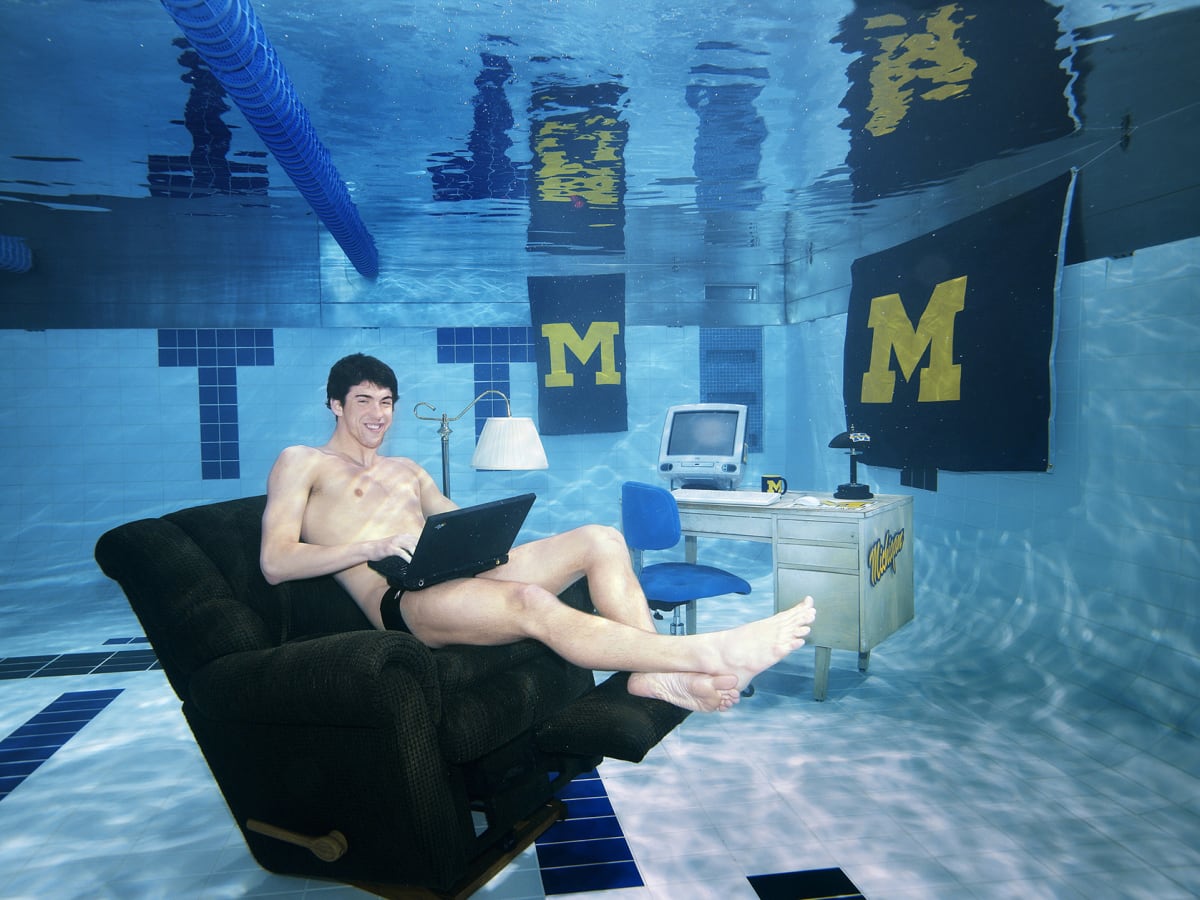
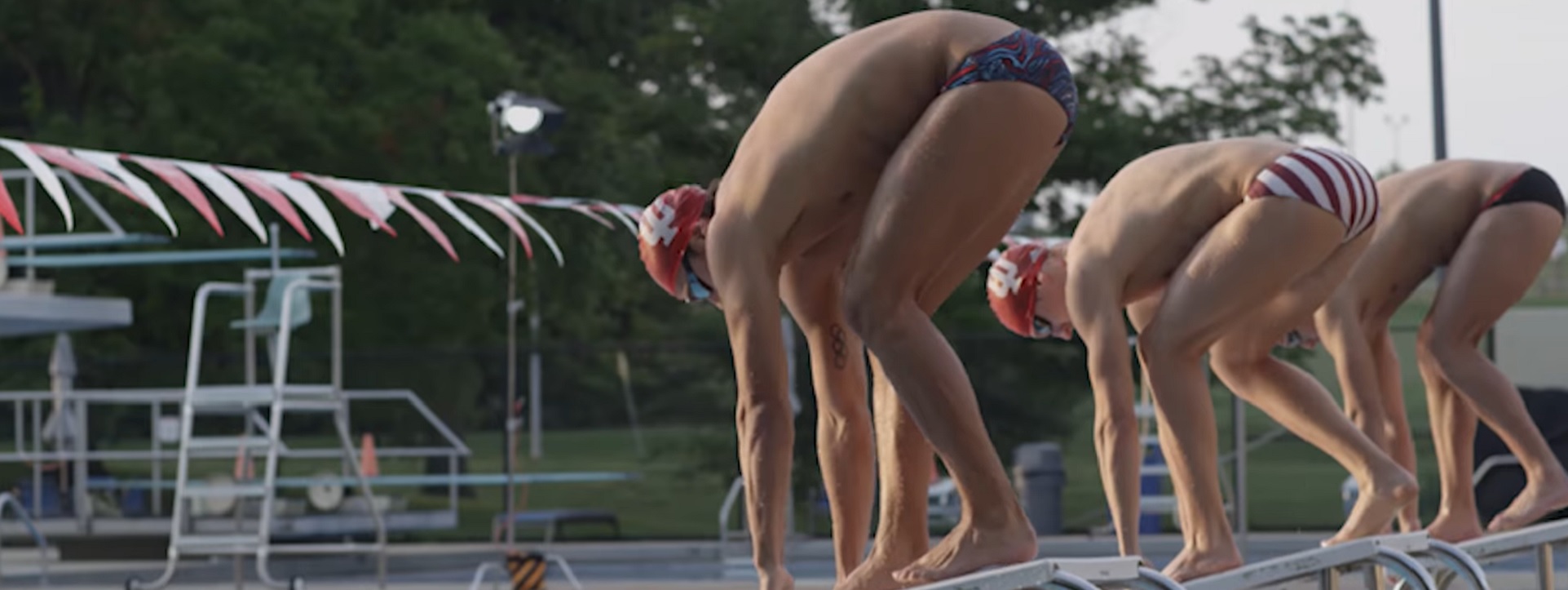
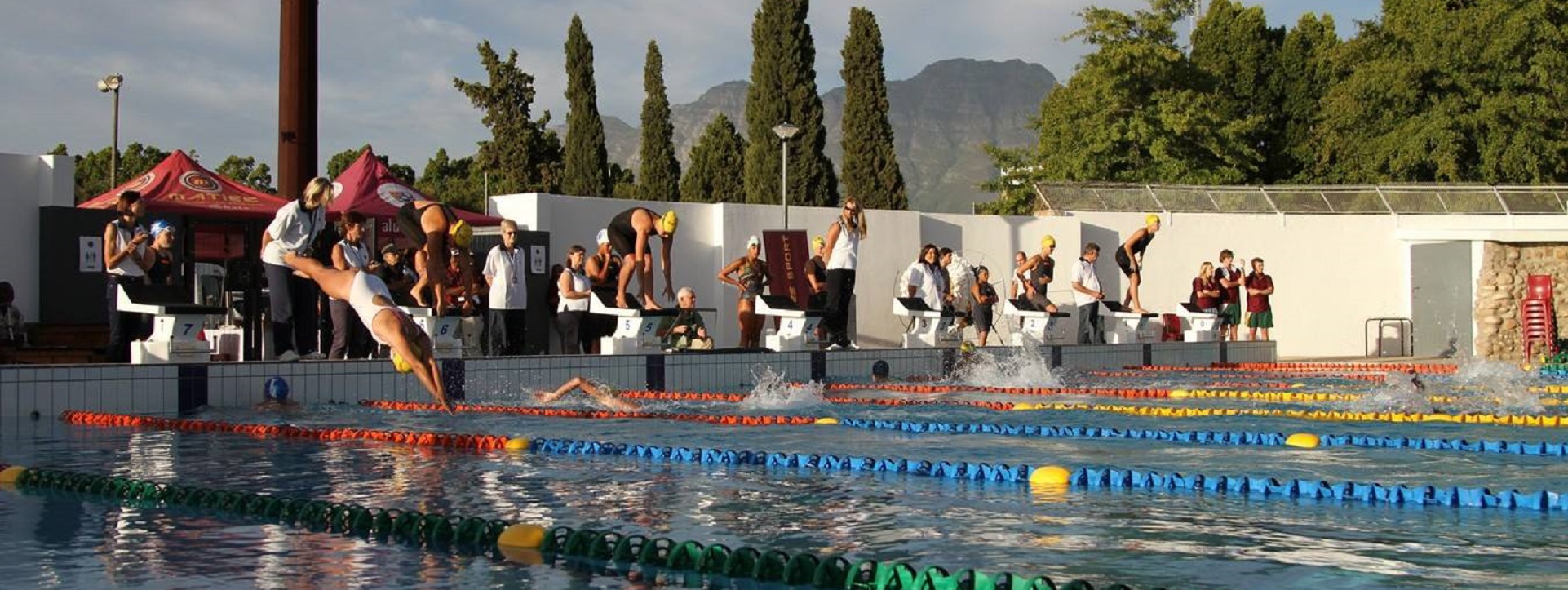
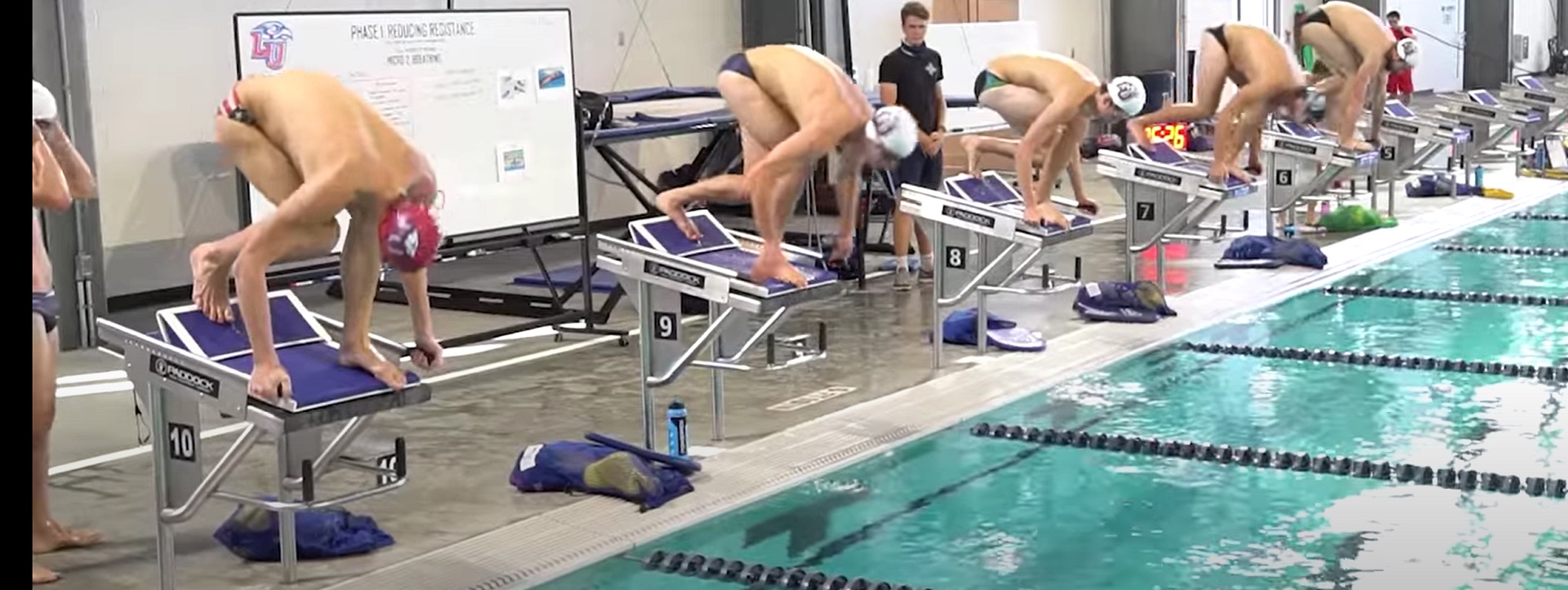
“Indianapolis hosted the Trials in 1924 when that Olympic team swam in Paris. One hundred years later, Trials are back in Indy as a team is selected for the Paris 2024 Olympic Games. The nation’s fastest swimmers will take to the water at Lucas Oil Stadium – the first time a pool will be built in an NFL Stadium.” — USA Swimming
And a small cabin build there, of clay and wattles made;
Nine bean-rows will I have there, a hive for the honey-bee,
And live alone in the bee-loud glade.
And I shall have some peace there, for peace comes dropping slow,
Dropping from the veils of the morning to where the cricket sings;
There midnight’s all a glimmer, and noon a purple glow,
And evening full of the linnet’s wings.
I will arise and go now, for always night and day
I hear lake water lapping with low sounds by the shore;
While I stand on the roadway, or on the pavements grey,
I hear it in the deep heart’s core.
— William Butler Yeats
Anglo-americká vysoká škola, z.ú. Czech Republic
Today we walk through literature governing the safety and sustainability of the open space features of education community estates. Unlike the titles for the building envelope, which are known to most design professionals and contractors, the standards for grounds and landscaping are widely scattered; many of them occupational safety related; created, administered and enforced by units of government.
Bucolia 100. We present a broad overview of the dominant standards catalogs incorporated by reference into public safety and sustainability legislation.
Bucolia 200. We drill into technical specifics of the titles in Bucolia 100.
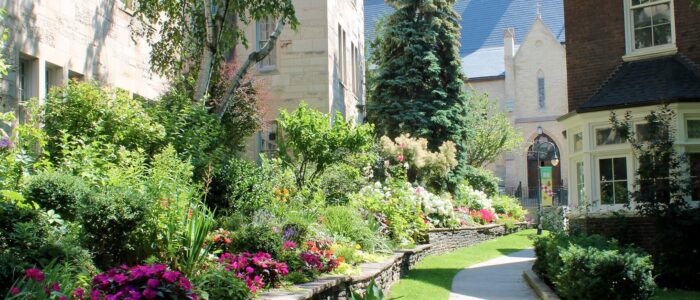
Bucolia 400. We pick through case studies in landscape, garden, tree and water literature. We also track titles about the reclamation of building roofs for permeable surfaces and gardens.
During the winter months (Bucolia 200) in the northern hemisphere we include snow and ice management; while covering summer month technologies for southern hemisphere (and vice-versa). Snowfalls in the southern hemisphere are mainly contained to the highlands and mountain ranges, which are almost exclusively in Victoria and Southern New South Wales, as well as the mountains in Tasmania. Winter does not pose as much of a cost burden to education facilities in the southern hemisphere as it does in the northern hemisphere.
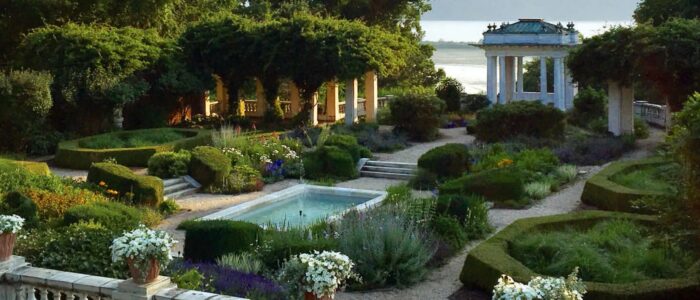
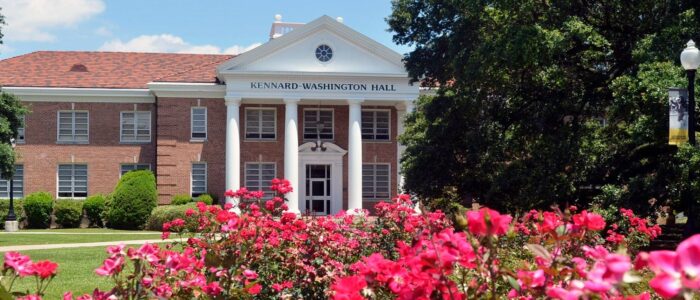
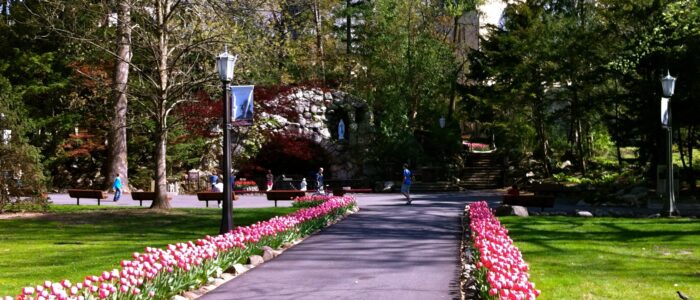
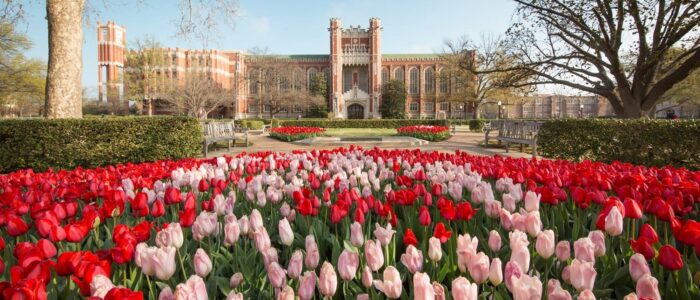
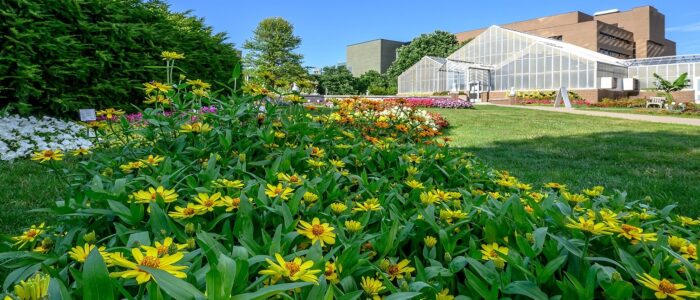
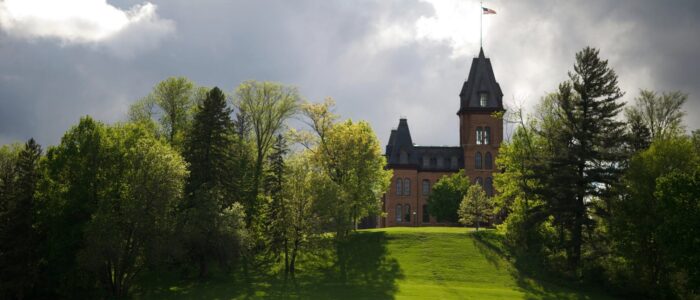
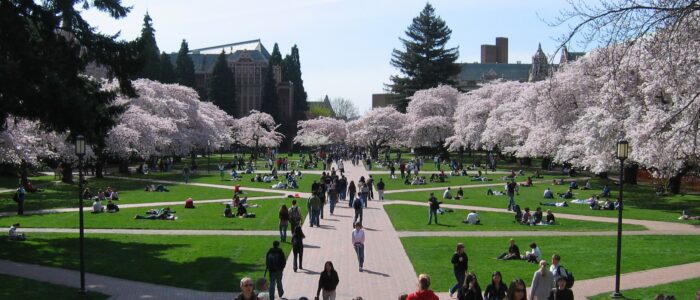
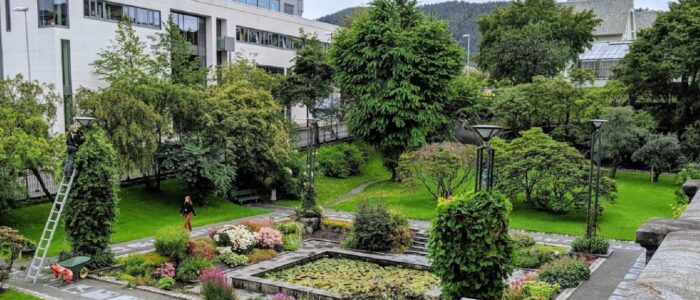
Students provide scale, movement and social meaning — i.e. the appearance of students, staff and visitors area part of the landscape’s lived character. Architecture, landscape and inhabitants become one composition.
Landscape standards refer to guidelines or regulations that specify the requirements for the design, installation, and maintenance of outdoor spaces such as parks, gardens, streetscapes, and public spaces. Landscape standards typically cover various aspects of landscape design, including vegetation selection, planting arrangements, irrigation systems, hardscape materials, and lighting.
These standards may be set by government agencies at the federal, state, or local level, or by professional organizations such as the American Society of Landscape Architects (ASLA). Landscape standards aim to ensure that outdoor spaces are safe, functional, and aesthetically pleasing while also promoting sustainability and environmental protection.
Landscape standards may also address issues such as accessibility for people with disabilities, water conservation, stormwater management, and erosion control. They may vary depending on the specific location, climate, and intended use of the outdoor space. Compliance with landscape standards may be required for approval of development projects, public funding, or other permits.
We track the standards catalog of two ANSI-accredited standards developers:
As a cross-cutting subjectSports Turf Managers Association ( involving soil and water and sun many other standards developers, and all levels of government, produce best practice literature for today’s topic. We’ll have a look at what’s moving among those.
To join us use the login credentials at the upper right of our home page.
New update alert! The 2022 update to the Trademark Assignment Dataset is now available online. Find 1.29 million trademark assignments, involving 2.28 million unique trademark properties issued by the USPTO between March 1952 and January 2023: https://t.co/njrDAbSpwBpic.twitter.com/GkAXrHoQ9T