More
Prospectus: Sports Turf Managers Association


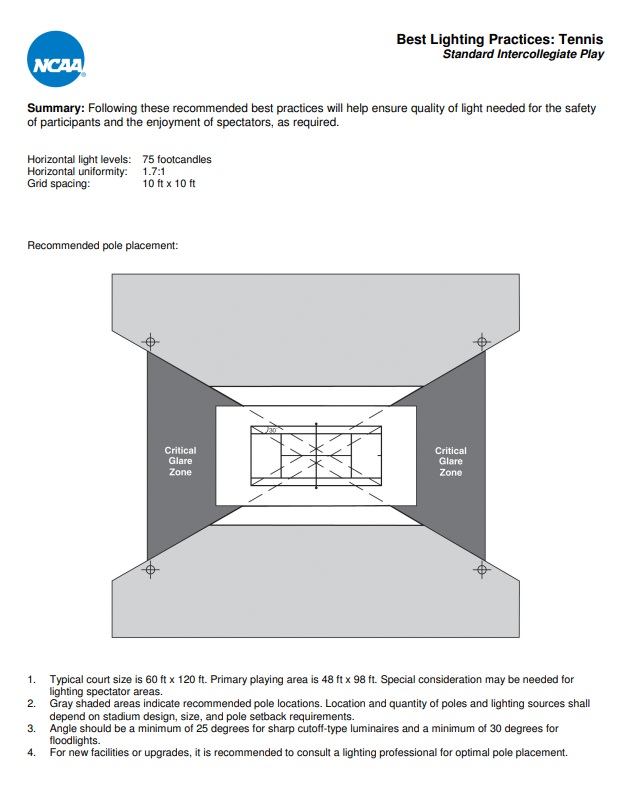
This facility is a key hub for UIL (University Interscholastic League) tennis in the Dallas-Fort Worth area,
GMC Varsity WIN 5-0 today against the Princeton Vikings! Great job ladies! #GoHawks @EAST_HAWKS Sycamore tomorrow AWAY! BRING IT, LADIES!!! pic.twitter.com/kEVXsFDzKM
— Lakota East Girls Tennis (@LEHSGirlsTennis) September 9, 2021
𝔸𝕋𝕃𝔸ℕ𝕋𝔸 𝕆ℙ𝔼ℕ
Andres Martin receives a wild card into the 2023 @ATLOpenTennis open for College Night! #TogetherWeSwarm | #AtlantaOpen
🔗: https://t.co/ZdwaQDfF0i pic.twitter.com/FkVVO4cAsV
— Georgia Tech Men’s Tennis (@GT_MTEN) June 27, 2023
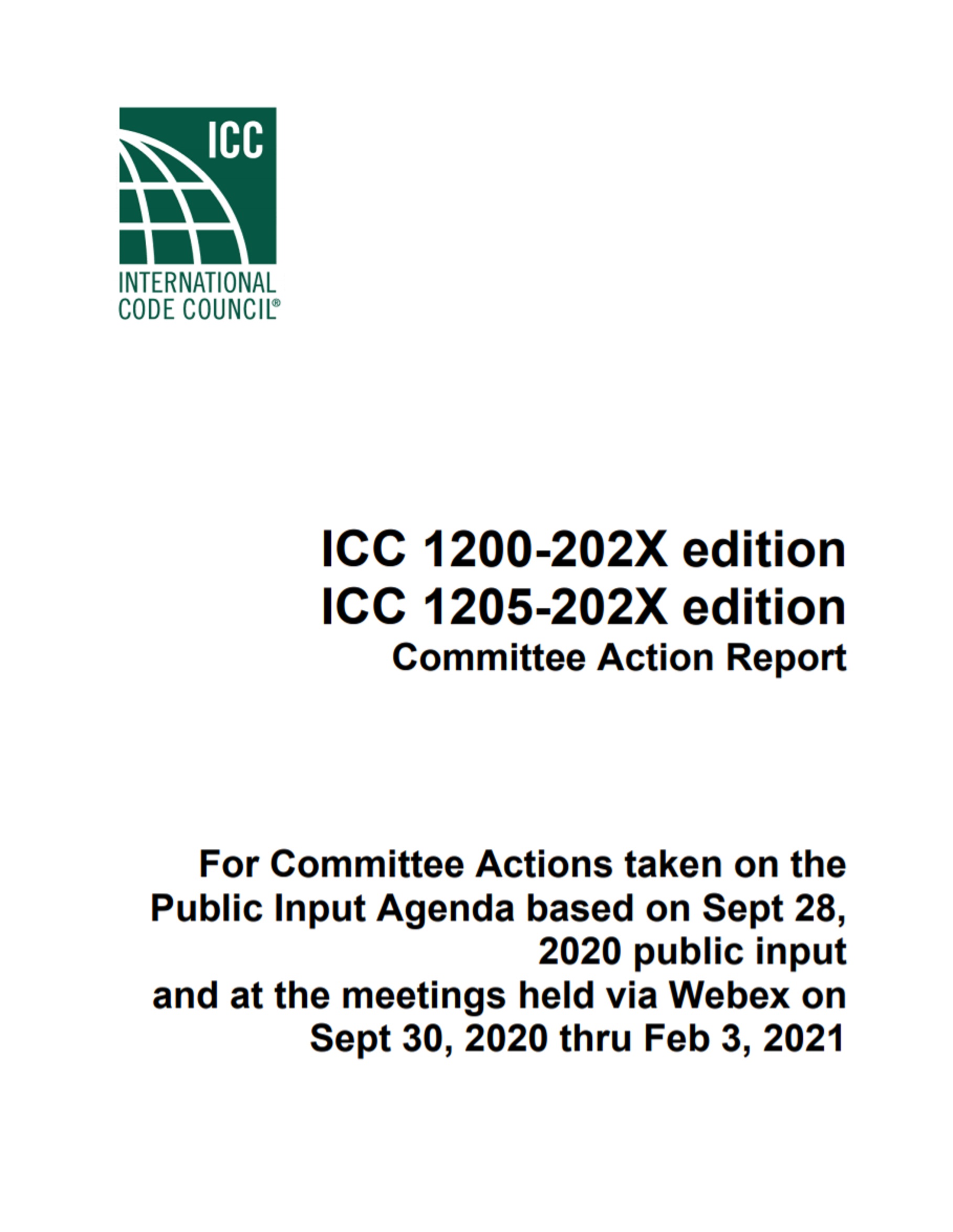
The latest version of the ICC/MBI Standard 1200 is the 2020 edition, specifically the ICC/MBI 1200-2020: Standard for Off-Site Construction: Planning, Design, Fabrication and Assembly. This standard, developed by the International Code Council (ICC) in collaboration with the Modular Building Institute (MBI), addresses the planning, design, fabrication, and assembly of off-site construction projects. It is part of a series of standards aimed at ensuring safety and compliance in off-site construction processes.
More
Lorem ipsum
US Offsite partnered with RSA to design, manufacture, and deliver five new modular buildings that met California’s snow-load standards and doubled classroom capacity — all in under 10 months.
Fire Alarm Basics | Prometheus
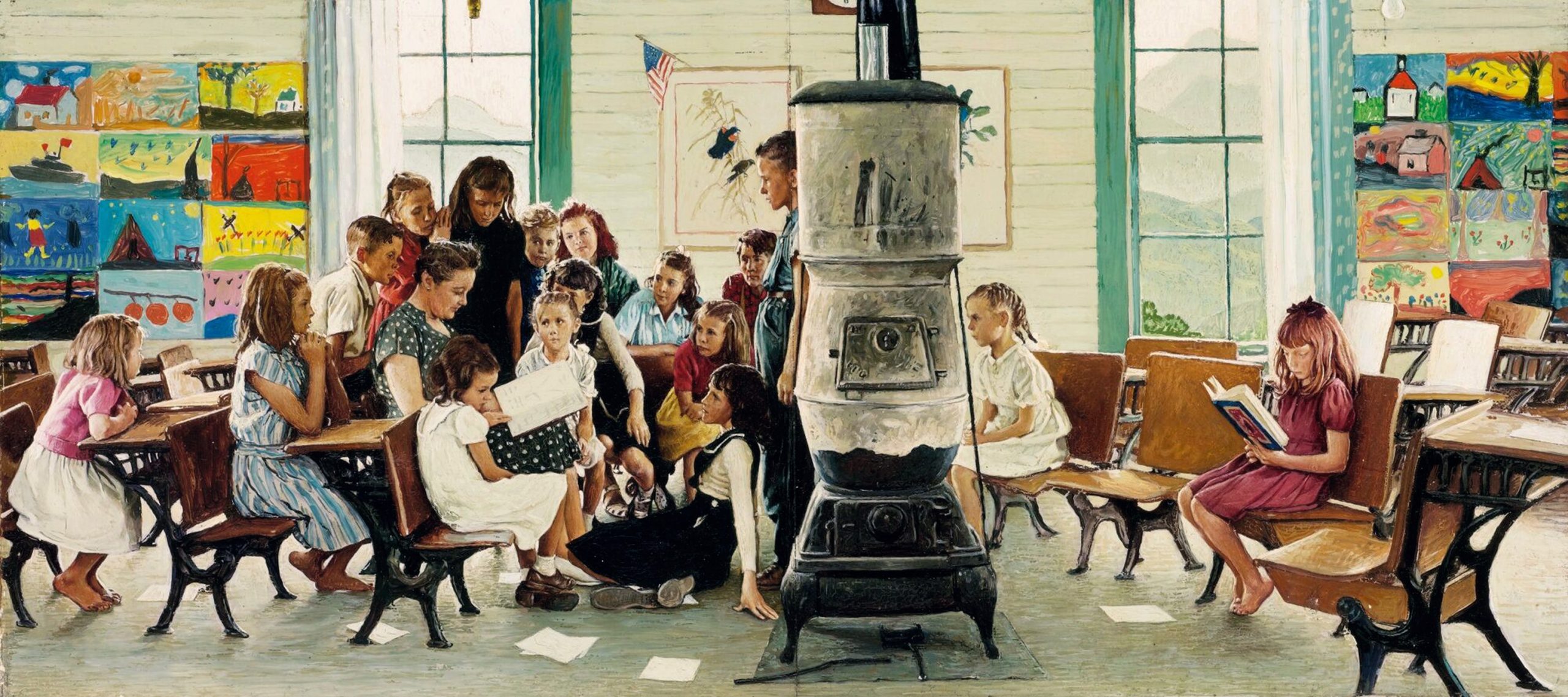
Today we run through recent action in fire safety best practice literature. Even though fire safety technologies comprise about 2-4 percent of a new building budget, the influence of the fire safety culture dominates all aspects campus safety; cybersecurity of public safety communication technology for example.
A small sample of the issues we have tracked in the past: (2002-2023). Items in RED indicate success in reducing cost with no reduction in safety (i.e. successful rebuttal, typically market-making by incumbents)
Fire Safety of University Dormitory Based on Bayesian Network
Gamification Teaching in School Fire Safety
Hospital Evacuation under Fire
One of the newer issues to revisit over the past few years is the fire safety of tents. Many colleges and universities are setting up large commercial tents outside buildings (within range of Wi-Fi) for students to congregate, study and dine. We are also seeing back and forth on fire safety in theatrical performance venues in the International Code Council building safety catalog.
We approach these titles with an eye toward driving risk-informed, performance requirements that reduce risk and cost for the user interest; while recognizing the responsibility of competitor stakeholders. It is not a friendly space for the user-interest who seeks to optimally resolve the competing requirements of safety and economy. Vertical incumbents completely dominate this domain.

Relevant NFPA Titles:
NFPA 10 Standard for Portable Fire Extinguishers
NFPA 13 Standard for the Installation of Sprinkler Systems
NFPA 25 Standard for the Inspection, Testing, and Maintenance of Water-Based Fire Protection Systems
NFPA 72 National Fire Alarm and Signaling Code®
NFPA 75 Standard for the Fire Protection of Information Technology Equipment
NFPA 76 Standard for the Fire Protection of Telecommunications Facilities
NFPA 92 Standard for Smoke Control Systems
International Code Council Group A 2021/2022 Code Cycle
Use the login credentials at the upper right of our home page.
More
NFPA Report: Structure Fires in Dormitories, Fraternities, Sororities and Barracks
ASTM Committee E0% on Fire Standards
Why do Humans Stare at Fire? : Scientific aspects of primal magic of fire
BSI Group Fire Safety || University of Nottingham Fire Safety Management
That’s a wrap on our 2024 open days! Thank you to everyone who came to visit us this year and to all of our wonderful staff and students who supported these events. ✨
If you want another look around our campuses, you can take a virtual tour at https://t.co/PXBidDxTYP #WeAreUoN pic.twitter.com/BiQXy7BgWl
— Uni of Nottingham #WeAreUoN (@UniofNottingham) October 12, 2024

“The prettiest sight I know,
Worth all your roses and snow,
Is the blaze of light on a Saturday night”
– E. Nesbit, ‘Saturday Song’
“Under Construction” State of the University Letter 2025
The Princeton Bonfire (a cherished campus tradition celebrating a sweep of football victories over Big Three rivals Harvard and Yale) has not yet occurred in 2025, as it depends on the outcomes of those games. The relevant schedule is:
If Princeton wins both (securing the “Big Three” title), the bonfire is traditionally lit on the Sunday evening immediately following the Yale game—that is, November 16, 2025, around 7 p.m. on Cannon Green. It would feature student-built stacks of wood, speeches, the Princeton University Band, and communal festivities.
NFPA Fire Protection Systems Catalog (Lorem ipsum)
Crosswalk: NFPA Fire Code and ICC International Fire Code

“Prometheus creating Man in the presence of Athena” 1802 Jean-Simon Berthélemy
Free public access to the current edition of NFPA’s parent fire safety document is linked below:
We attend to occupancy-specific chapters (listed below) because of their significant presence in education communities.
Chapter 25: Grandstands and Bleachers, Folding and Telescopic Seating, Tents and Membrane Structures (N.B)
Chapter 26: Laboratories Using Chemicals
Chapter 29: Parking Garages
Chapter 32: Motion Picture and Television Production Studio Soundstages and Approved Production Facilities
Chapter 35: Animal Housing Facilities
Chapter 36: Telecommunication Facilities and Information Technology Equipment
Chapter 50: Commercial Cooking
Chapter 52: Energy Storage Systems
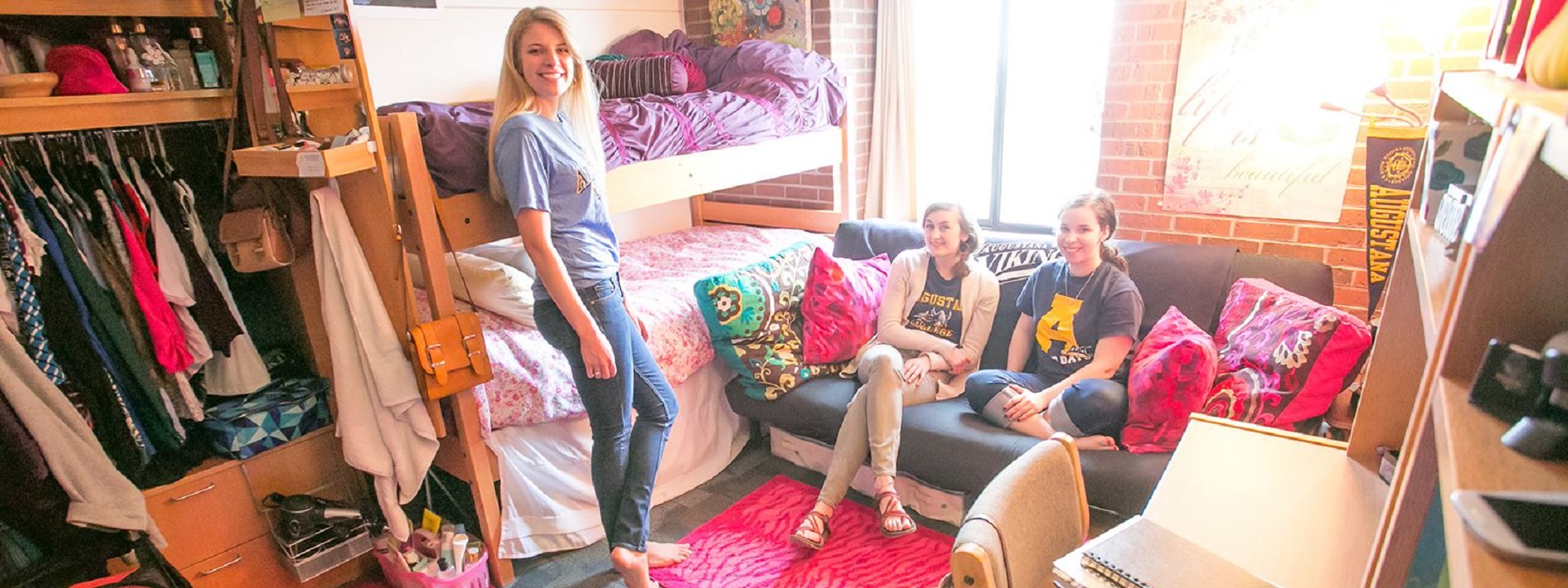
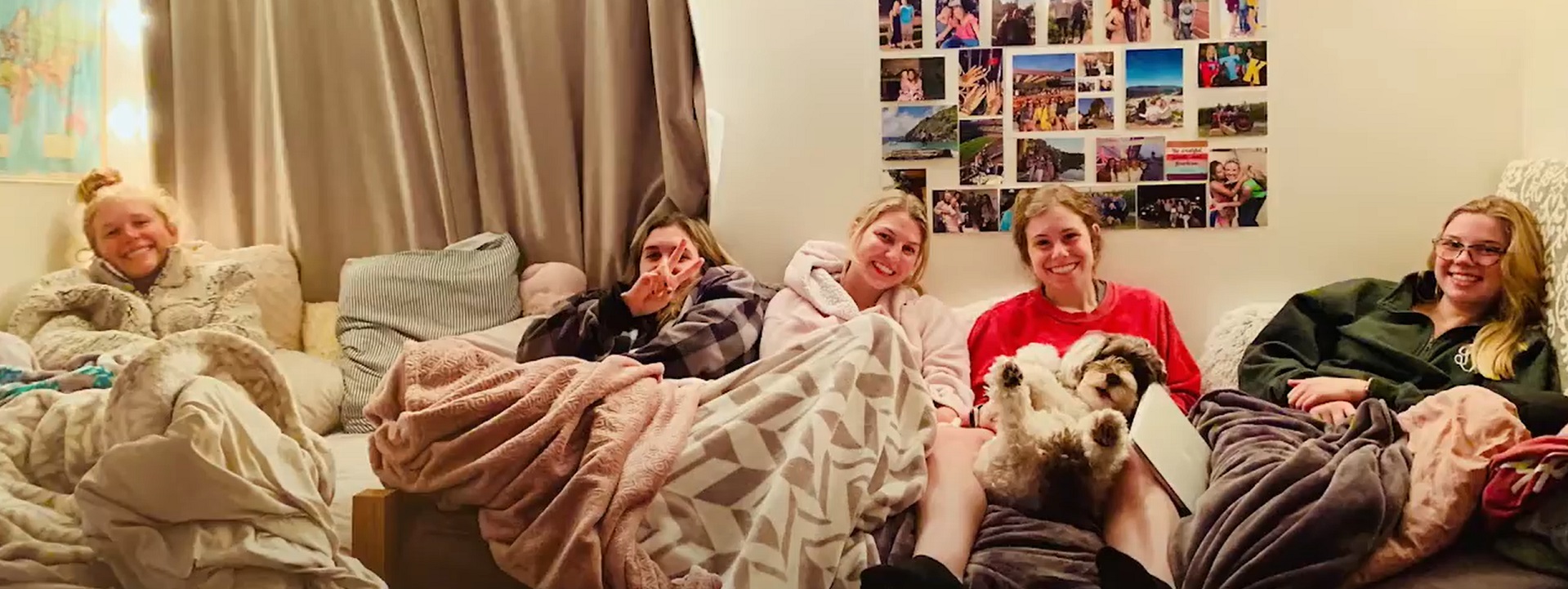
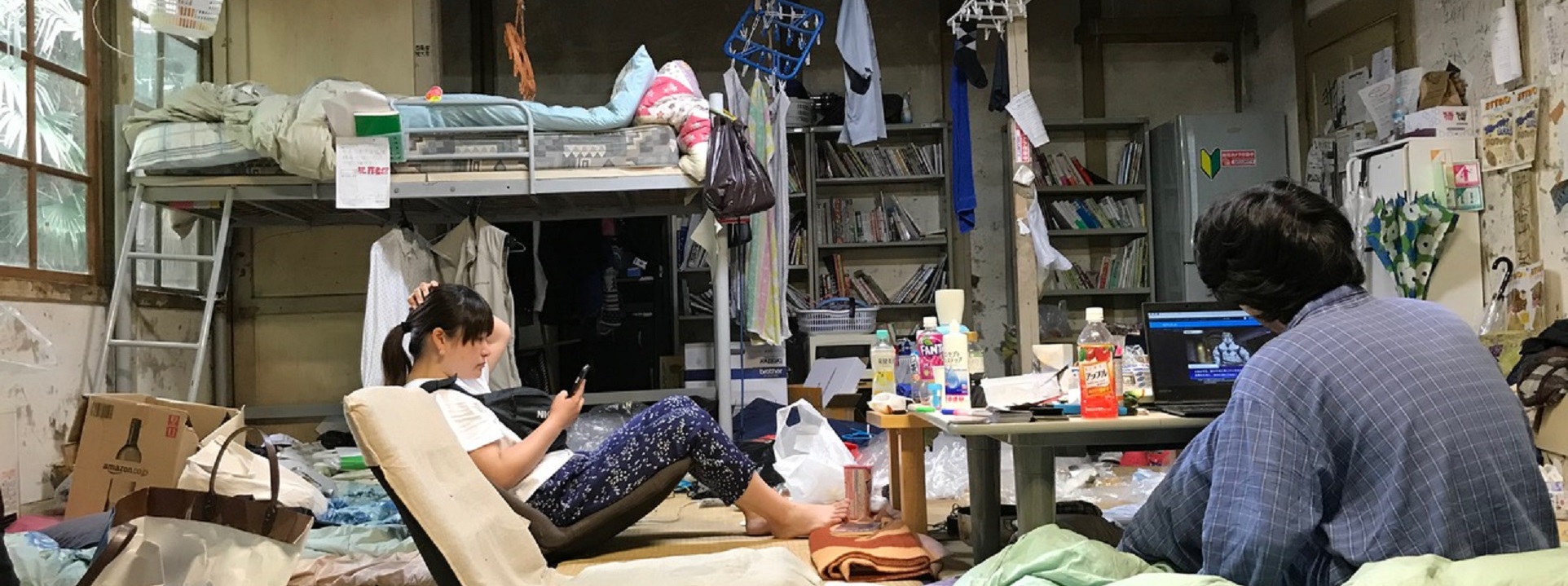
Some of the chapters reference other titles such as NFPA 45 Standard of Fire Protection for Laboratories Using Chemicals which support risk management in other occupancies. It is noteworthy that in the 2021 revision cycle of NFPA 1 there are relatively few new concepts regarding education facilities that have been proposed. You get a sampling of the ideas in play from the transcript of public input for the 2024 edition.
Public Input Report (525 Pages)
Use search terms such as school, college, university, dormitory(ies), laboratory(ies), classroom, children, day-care, student, et cetera for a sense of the ideas in play.
Results of the 2027 First Draft meetings have not yet been posted as on November 9, 2024. A preview of the ideas in play can be found in the meeting minutes of the several committees linked below:
Fire Code (FCC-AAC): First Draft Meeting Minutes
First Draft: Fundamentals of the Fire Code (FCC-FUN)
Special Equipment, Processes and Hazardous Materials (FCC-HAZ)
Building Systems and Special Occupancies (FCC-OCP)
Public comment on the First Draft of the 2027 revision will be received until April 24, 2025.
We include NFPA 1 on our periodic fire safety colloquia — identified by the mnemonic Prometheus — and march along peak interests.

Campus fire safety is domain relatively well-covered by other organizations such as the Center for Campus Fire Safety and HigherEd Safety so we place NFPA 1 in the middle of our priority tier. We are more interested in the harmonization of NFPA 1 with a competitor title International Fire Code; published by the International Code Council; to wit:
International Fire Code: The purpose of this code is to establish the minimum requirements consistent with nationally recognized good practice for proving a reasonable level of life safety and property protection from the hazards of fire, explosion or dangerous conditions in new and existing buildings, structures or premises and to provide a reasonable level of safety to fire fighters and emergency responders during emergency operations
Fire Code: The scope includes, but is not limited to, the following: (1) Inspection of permanent and temporary buildings, processes, equipment, systems, and other fire and related life safety situations (2) Investigation of fires, explosions, hazardous materials incidents, and other related emergency incidents (3) Review of construction plans, drawings, and specifications for life safety systems, fire protection systems, access, water supplies, processes, hazardous materials, and other fire and life safety issues (4) Fire and life safety education of fire brigades, employees, responsible parties, and the general public (5) Existing occupancies and conditions, the design and construction of new buildings, remodeling of existing buildings, and additions to existing buildings (6) Design, installation, alteration, modification, construction, maintenance, repairs, servicing, and testing of fire protection systems and equipment (7) Installation, use, storage, and handling of medical gas systems (8) Access requirements for fire department operations (9) Hazards from outside fires in vegetation, trash, building debris, and other materials (10) Regulation and control of special events including, but not limited to, assemblage of people, exhibits, trade shows, amusement parks, haunted houses, outdoor events, and other similar special temporary and permanent occupancies (11) Interior finish, decorations, furnishings, and other combustibles that contribute to fire spread, fire load, and smoke production (12) Storage, use, processing, handling, and on-site transportation of flammable and combustible gases, liquids, and solids (13) Storage, use, processing, handling, and on-site transportation of hazardous materials (14) Control of emergency operations and scenes (15) Conditions affecting fire fighter safety (16) Arrangement, design, construction, and alteration of new and existing means of egress
Note that both ICC and NFPA parent fire safety documents are developed on coincident 3-year cycles.
Issue: [18-90]
Category: Fire Safety, Public Safety
Colleagues: Mike Anthony, Joshua W. Elvove, Joe DeRosier, Casey Grant
New update alert! The 2022 update to the Trademark Assignment Dataset is now available online. Find 1.29 million trademark assignments, involving 2.28 million unique trademark properties issued by the USPTO between March 1952 and January 2023: https://t.co/njrDAbSpwB pic.twitter.com/GkAXrHoQ9T
— USPTO (@uspto) July 13, 2023
Standards Michigan Group, LLC
455 East Eisenhower Parkway, Suite 300
Ann Arbor, MI 48108 USA
888-748-3670
 |
 |
|
 |
 |
|
 |
 |