
Architectural Considerations for Dormitory Toilet and Bathing Facilities
- Home Page 138


God Beyond All Praising
This content is accessible to paid subscribers. To view it please enter your password below or send mike@standardsmichigan.com a request for subscription details.

Nourriture de printemps
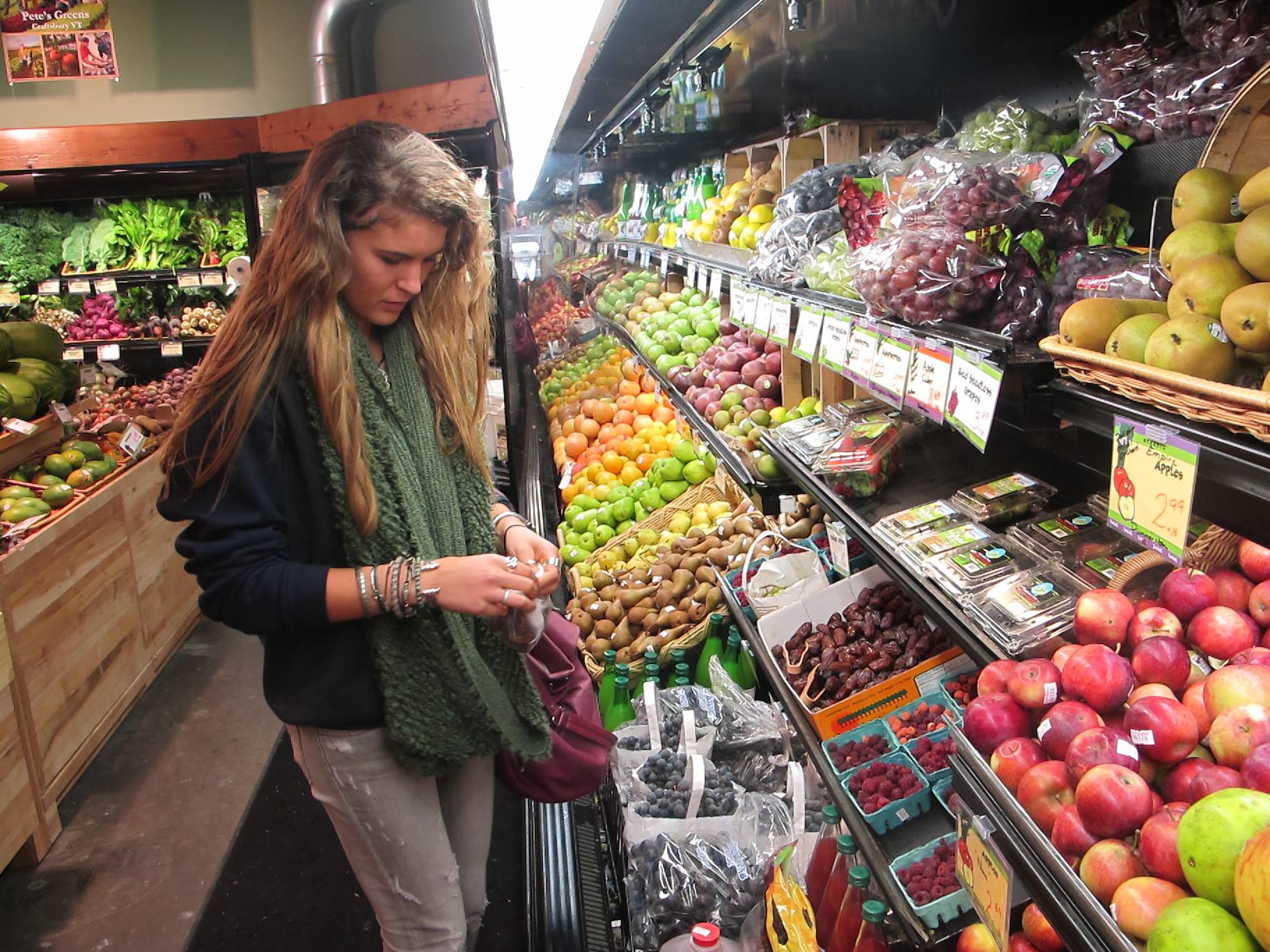 University of Vermont | Chittenden County

Today we break down the catalog for food safety in education communities; with primary attention to consultations from private standard developing organizations and federal agencies charged with food safety. We do so with sensitivity to animals and plants and sustainability of the global food supply chain. Many schools are the communal cafeterias for the communities that own and operate them and run at commercial scale.
We prepare responses to public consultations released by standards developing organizations which, in many cases, have significant conformance enterprises. Core titles are published by the ANSI accredited organizations listed below:
The ASHRAE catalog is the most cross-cutting and fastest moving catalog in the land. If you claim ownership of the United States energy domain you pretty much capture everything related campus safety and sustainability. Best to deal with it on a day-by-day basis as we usually do according to daily topics shown on our CALENDAR.
Association for Packaging and Processing Technologies
American Society of Agricultural and Biological Engineers
Institute of Electrical and Electronic Engineers
National Electrical Safety Code (Our particular interest lies in the safety and reliability of off-campus agricultural and research facilities that receive power from regulated utilities)
Kitchen Safety and Security System for Children
TupperwareEarth: Bringing Intelligent User Assistance to the “Internet of Kitchen Things”
Designing an IoT based Kitchen Monitoring and Automation System for Gas and Fire Detection
Re-Inventing the Food Supply Chain with IoT: A Data-Driven Solution to Reduce Food Loss
International Code Council
International Building Code Assembly Group A-2
International Building Code Group U Section 312 Agricultural Buildings
International Building Code Moderate Hazard Factory Industrial Group F-1 (Food Processing)
National Fire Protection Association
National Electrical Code Article 210 (Branch Circuits)
National Electrical Code Article 547 (Agricultural Buildings)
Standard for the Installation of Air-Conditioning and Ventilating Systems
Public Input Report for the 2024 Revision
Standard for Ventilation Control and Fire Protection of Commercial Cooking Operations
Public Input Report for the 2024 Revision
Food Equipment
Commercial Warewashing Equipment
Commercial Refrigerators and Freezers
Commercial Cooking, Rethermalization and Powered Hot Food Holding and Transport Equipment
Commercial Powered Food Preparation Equipment
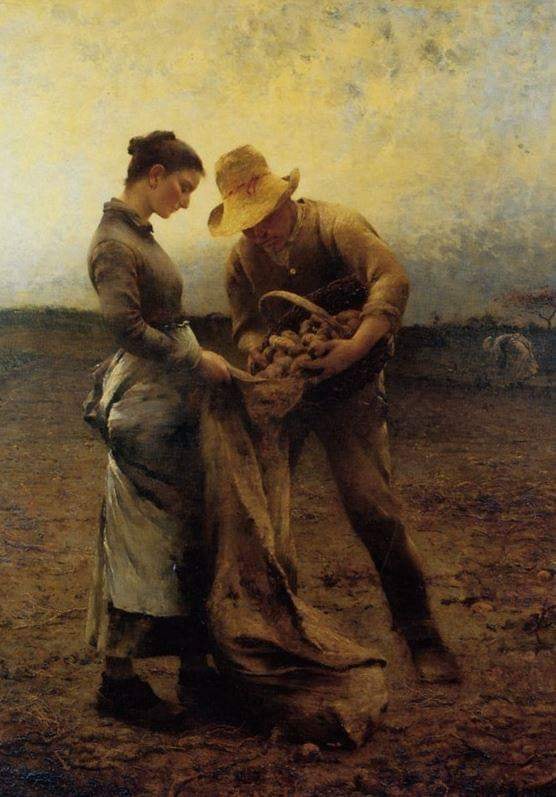
US Federal Government:
US Department of Agriculture
Food & Drug Administration (HACCP)
State Governments:
Lorem ipsum @StandardsState
Global:
International Organization for Standardization
International Electrotechnical Commission
Codex Alimentarius
Food safety and sustainability standards populate are of the largest domains we track so if we need a break0-out session, let’s do it. Use the login credentials at the upper right of our home page.
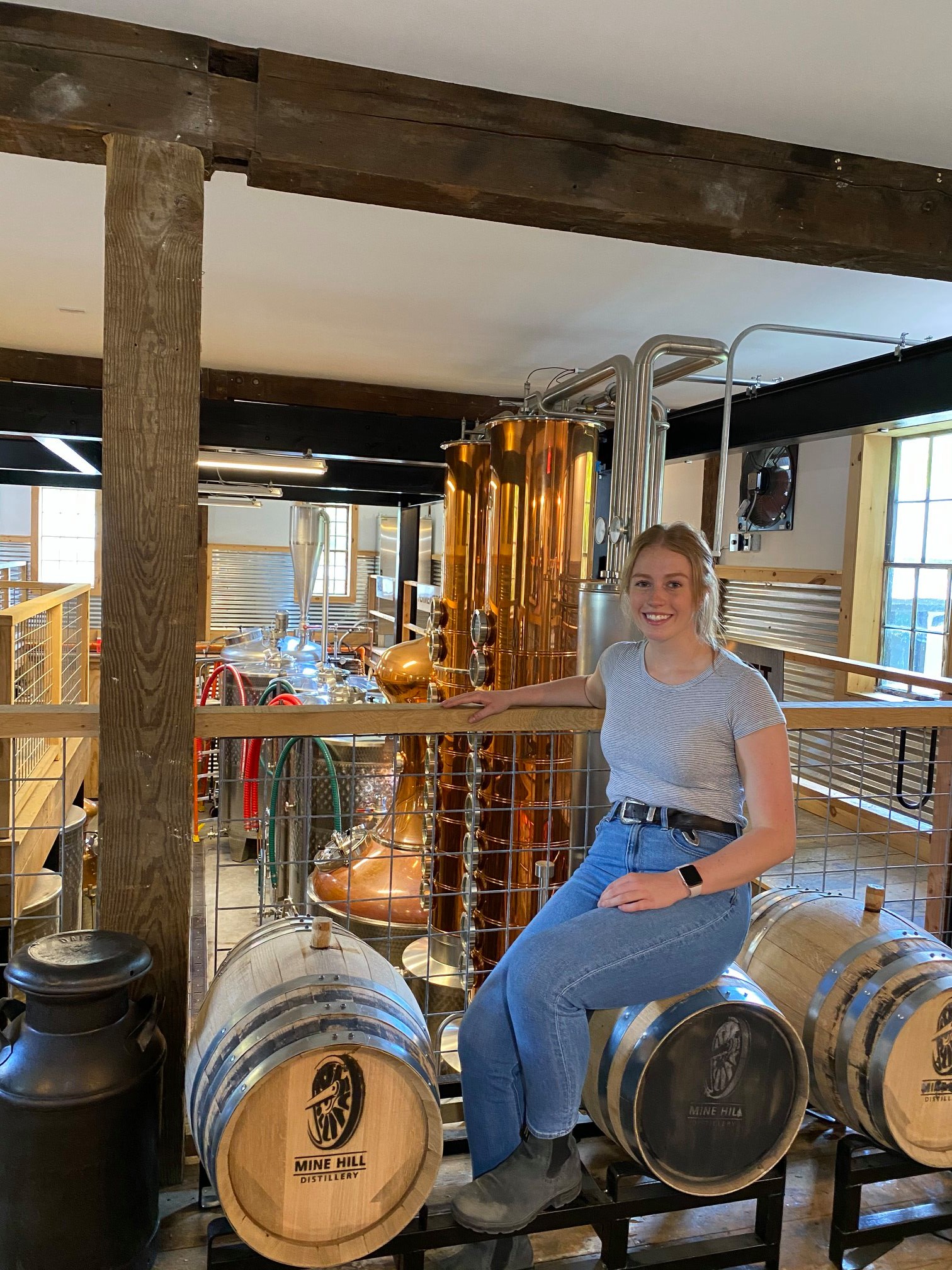 University of Kentucky College of Agriculture, Food and Environment
More
Standards supporting vertical farming
STANDARDS SUPPORT SOPHISTICATED FARMING METHODS THAT BRING PRODUCE TO YOUR TABLE
US Food & Drug Administration: Food Facility Registration Statistics (as of January 11, 2021)
National Grange of the Order of Patrons of Husbandry
The U.S. Land-Grant University System: An Overview
American Society of Agricultural and Biological Engineers Standards Development
The origin of the Land grant act of 1862
International Electrotechnical Commission: Keeping food safe from farm to plate
Council for the Advancement of Standards in Higher Education: Dining Services Programs
Science and Our Food Supply: A Teacher’s Guide for High School Classrooms

Union Brew

Student Experience | University of Liverpool

Your newest campus coffee shop is now open! ☕ Last week Union Brew officially opened in the heart of campus at @LiverpoolGuild 💚
We’ve got all the classics, from campus cappuccinos to a brand-new Matcha menu, refreshing smoothies, and irresistible cakes! 🍰 pic.twitter.com/Jo1VUz0iIs
— University of Liverpool (@LivUni) September 17, 2024
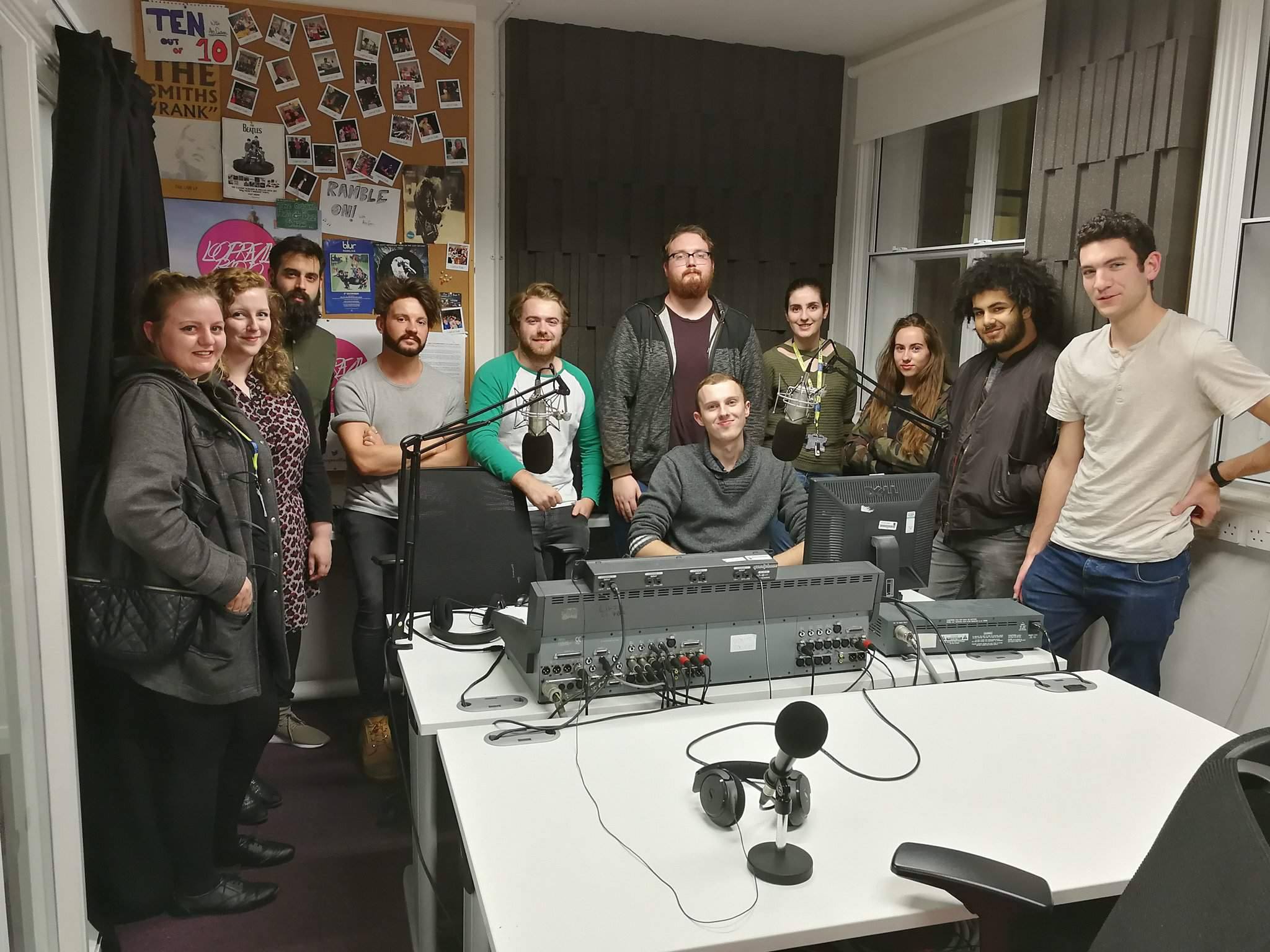
Click image to access livestream
Masterplan Estate Strategy 2026+
Related:

A Recipe for an Australian Standard

Three ways Artificial Intelligence is transforming agriculture and food
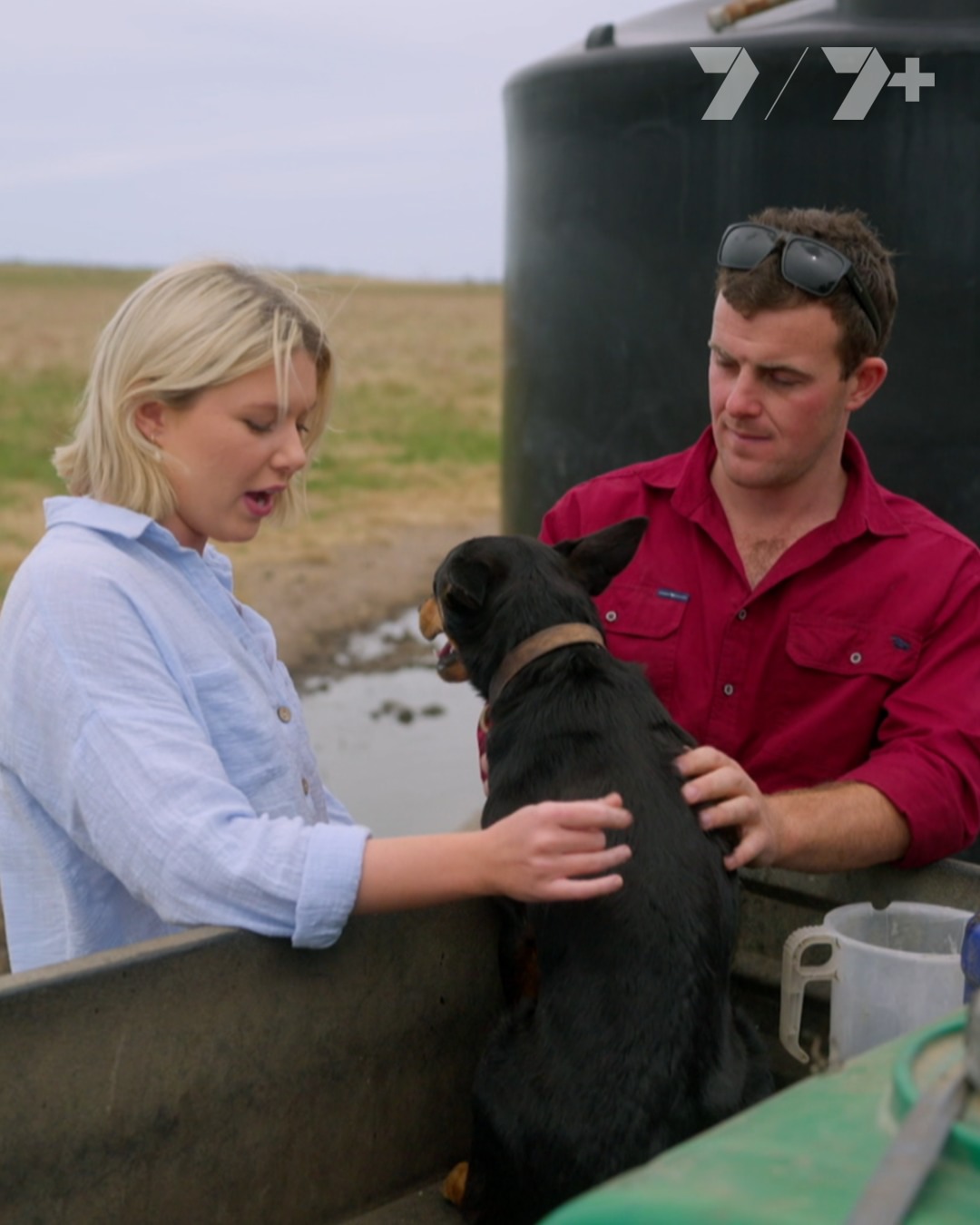
Farmer Wants a Wife
Yesterday, we launched our Iconic Nation Report 🎉It found the 2020s will provide unique economic, social and safety challenges, requiring thousands of new standards to lock in Australia’s economic productivity and keep consumers safe. Learn more here 👉 https://t.co/04QGs1IuIq pic.twitter.com/4lW69sef3U
— Standards Australia (@standardsaus) May 2, 2022

Ceramic Plumbing Fixtures
This content is accessible to paid subscribers. To view it please enter your password below or send mike@standardsmichigan.com a request for subscription details.


Animal domestication
In partnership with @Yeatssocietyirl, we are hosting a special virtual event to mark the 100th anniversary of the #poem ‘The Second Coming’ by WB #Yeats. Join us on Friday, 13 Nov at 7pm for an evening of discussion and #poetry readings.
🎟️ Register now: https://t.co/gfU24AEFGz pic.twitter.com/zDbzLjslL5
— National Library of Ireland (@NLIreland) November 5, 2020
Related:

Laboratory Chemical Safety Fixtures

“Der Alchemist” c. 1908 Max Fuhrmann
We use European Norm 15154-1 and 15154-2 to enlighten differences about laboratory risk is managed among different nations — specifically between the United States and Europe. The education industry has many instructional, research and healthcare settings in which laboratory chemicals are routinely used. The laboratories specifically, are significant revenue generators in research universities. We contribute to leading practice discovery for any technology that reduces risk to people and property. As we are classified as a “user-interest” in the global standards systems; we are also attentive to budget risk.
The European Norm documents are developed as a pair as shown below:
EN 15154-1 Emergency safety showers – Part 1: Plumbed-in body showers for laboratories – This document is a product specification, giving performance requirements for emergency safety body showers connected to the water supply. It is applicable to plumbed-in body showers only, located in laboratory facilities. It is not applicable to emergency safety showers used on industrial sites or in other such areas. Requirements are given in respect of the performance, installation, adjustment and marking of the showers as well as installation, operation and maintenance instructions to be given by the manufacturer. NOTE Attention is drawn to national regulations which may apply in respect of the installation and use of emergency safety showers.
EN 15154-2 Emergency safety showers – Part 2: Plumbed-in eye wash units – This document is a product specification, giving performance requirements for emergency safety eye wash units connected to the water supply. It is applicable to plumbed-in eye wash units only. Requirements are given in respect of the performance, installation, adjustment and marking of the eye wash units, as well as installation, operation and maintenance instructions to be given by the manufacturer. NOTE Attention is drawn to national regulations which may apply in respect of the installation and use of eye wash units.
The current version is dated 2006; to best of our knowledge (though there may be local adaptions that are dated later). The European Committee for Standardization website may contain more information about status and developmental trajectory. The International Organization for Standardization also administers two technical committees (ISO/TC 48 and ISO/TC212) also involved in laboratory safety and sustainability concepts.
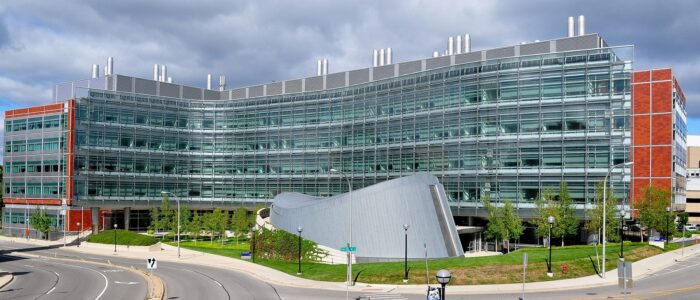

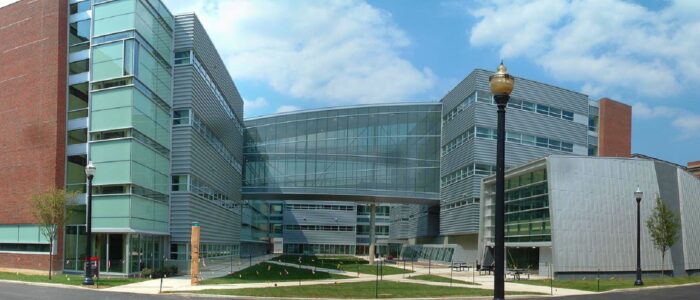
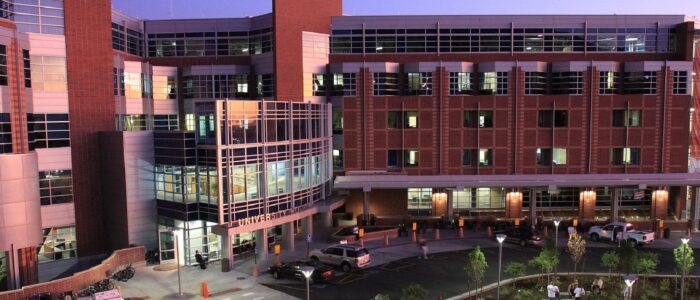
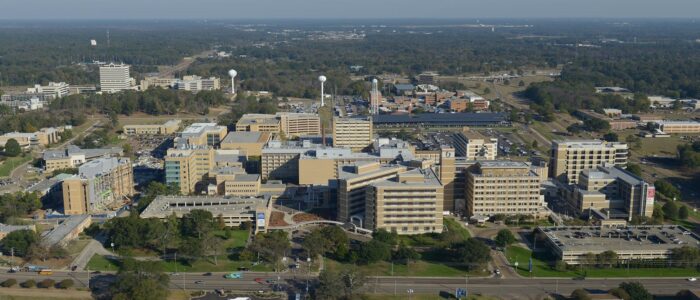

We do not advocate user-interest safety and sustainability concepts in this pair of standards at the moment. However, we do use EN 15154 et. al, for comparative purposes; setting it against the prevailing United State standard produced by the International Safety Equipment Association — ISEA 358.1-2014 Emergency Eyewash and Shower Standard.
We track public consultations on this topic during our periodic Laboratory and Water 200 colloquia. See our CALENDAR for the next online teleconference; open to everyone.
Issue: [13-28] [15-271] [19-155]
Category: International, Laboratory Safety, Mechanical, Plumbing,
Colleagues: Mike Anthony, Mark Schaufele, Richard Robben

New update alert! The 2022 update to the Trademark Assignment Dataset is now available online. Find 1.29 million trademark assignments, involving 2.28 million unique trademark properties issued by the USPTO between March 1952 and January 2023: https://t.co/njrDAbSpwB pic.twitter.com/GkAXrHoQ9T
— USPTO (@uspto) July 13, 2023
Standards Michigan Group, LLC
2723 South State Street | Suite 150
Ann Arbor, MI 48104 USA
888-746-3670
DIRECTIONS
 |
 |
|
 |
 |
|
 |
 |