HALF of the teams in the round of 16 will come from the states in red
College hoops runs through the midwest pic.twitter.com/fCQTjaWUFa
— BetMGM 🦁 (@BetMGM) March 23, 2026
These beautiful Dutch will not be around if they keep on importing Muslims pic.twitter.com/YsRYQp1YgD
— Evil Feynman (@evilfeynman) March 22, 2026
It's good day to be a Wolverine fan 🙌
📺 ABC#MarchMadness x @umichwbball pic.twitter.com/5XkMqJwrr5
— NCAA March Madness (@MarchMadnessWBB) March 22, 2026
The moment Caroline Harvey became a Patty Kazmaier Award winner 😊 pic.twitter.com/kkNNXIl4MF
— Wisconsin Hockey (@BadgerWHockey) March 21, 2026
Two national championships in two days. FENCING SCHOOL!!
@NDFencing pic.twitter.com/ajoFANtKJE
— Reilly Fangman (@reillyfangman) March 22, 2026
🏆🏆🏆🏆🏆🏆🏆🏆 + 🏆 =
🏆🏆🏆🏆🏆🏆🏆🏆🏆
Our kind of math.#WFrozenFour x @BadgerWHockey pic.twitter.com/wXdrocJ8mz
— NCAA Ice Hockey (@NCAAIceHockey) March 23, 2026
“Your 2026 collegiate champions, the University of Utah‼️”#GoUtes 🏆 pic.twitter.com/fi1Pm3iQD8
— Utah Ski Team (@utahskiteam) March 14, 2026
CUE COUNTRY ROADS!!! 🎶 pic.twitter.com/hhXwEAG9bO
— WVU Rifle (@WVURifle) March 14, 2026
Ran it back 🏆
For the 21st time, the Mountaineers are National Champions! pic.twitter.com/dZhPqJv0QS
— WVU Rifle (@WVURifle) March 14, 2026
The joy on her face was amazing, God bless her.💖 pic.twitter.com/iT6akwcA4K
— Love Music (@khnh80044) March 12, 2026
Built for it 🧱
Mountaineers head to NCAA National Championship Friday and Saturday
📰 https://t.co/iFf311G4pH#HailWV pic.twitter.com/a5joy93OyC
— WVU Rifle (@WVURifle) March 12, 2026
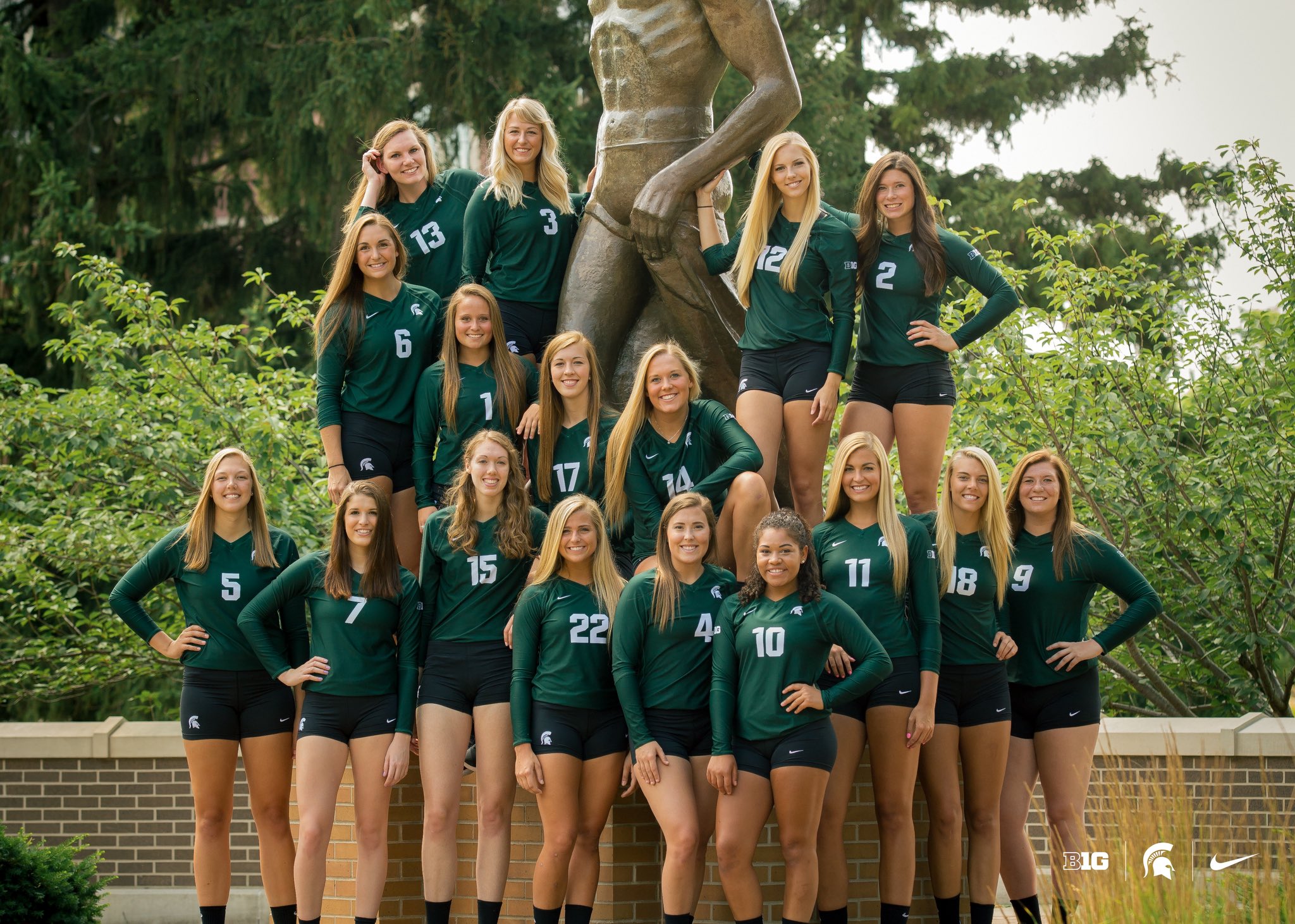
Michigan State University | Ingham County
📣 NSAI is seeking new members for our standards committees
We are establishing new technical committees on Light Gauge Steel, Mass Engineered Timber, and the National Annex for Eurocode 5 (structural fire design).
We’re inviting designers, consultants, academics, and… pic.twitter.com/wiv17lXgp9
— NSAI (@NSAI_Standards) March 2, 2026
Coming home with a lot of hardware 🏆 pic.twitter.com/Vv9L4REmsc
— WVU Rifle (@WVURifle) March 2, 2026
5 YEARS IN A ROW! 🏆#TidalTown pic.twitter.com/gXx9I7zcM3
— uncwswimdive (@uncwswimdive) March 1, 2026
Michigan roots. Unshakable heart. A golden finish. 🥇 https://t.co/nZmHF319nE
— Pure Michigan (@PureMichigan) February 22, 2026
Once was fun, twice is very nice! UVM Olympian Ben Ogden has done it again, capturing silver in the men’s cross-country team sprint w/teammate Gus Schumacher! This is the first medal for Team USA in this event and makes Ogden the team’s most decorated men’s cross-country skier. https://t.co/0SxTfMnKQI
— University of Vermont (@uvmvermont) February 18, 2026
Charlie Stramel sealed the game for @MSU_Hockey with his third of the game in OT 💥 pic.twitter.com/gwOUobsi10
— Big Ten Hockey (@B1GHockey) January 31, 2026
Danya Spoor – Clemson Track and Field pic.twitter.com/uAK3Hjx1ca
— World Athletes (@world_athelete) January 31, 2026
I’m not even an Indiana fan, but I never get tired of watching this. It’s one of the best things I’ve ever seen in football.
I hope somebody makes a movie out of it with Jerry Goldsmith writing the score.
— Denny Burk (@DennyBurk) January 23, 2026
Rocky Mountain Intercollegiate Skiing Association
RMISA Announces 2026 Alpine Schedule Changes https://t.co/sWwus8EY74
— Standards Michigan (@StandardsMich) January 11, 2026
Raw emotion from freshman Abbey Hayes following Creighton’s loss to Kentucky in the Elite Eight.
You can tell how badly she wanted this one for her older teammates. 💙@KETV | #GoJays pic.twitter.com/GqSh5qKtHK
— Matt Sottile (@MSottileTV) December 13, 2025
JUST IN: Indiana quarterback Fernando Mendoza honors his mother during his speech after winning the Heisman Trophy.
Mendoza’s mother suffers from Multiple Sclerosis (MS).
“Mom, this is your trophy as much as it is mine. You’ve always been my biggest fan … Your sacrifices,… pic.twitter.com/wYC8qZJHFj
— Collin Rugg (@CollinRugg) December 14, 2025
19.72M FOR AXELINA. 🤯
COLLEGIATE RECORD.
SWEDISH NATIONAL RECORD.
SCHOOL RECORD. pic.twitter.com/wxuCayNG0M— Nebraska Track & Field/Cross Country (@HuskerTFXC) December 12, 2025
Fernando Mendoza’s post game interview after winning the Big Ten
byu/justletmeregisteryou insports
JANE. HEDENGREN. 🤯
✅ SCHOOL RECORD
✅ NCAA RECORD (by 8 seconds btw)
✅ 10TH FASTEST 5000M BY AN AMERICAN
✅ 11TH INDOOR 5000M TIME IN THE WORLD
✅ FIRST COLLEGIATE WOMAN TO RUN SUB 14:50 (indoor AND outdoor)ARE. YOU. KIDDING???!!! pic.twitter.com/pKDqexpUkH
— BYU Track & Field/Cross Country (@BYUTFXC) December 6, 2025
Ending the fall season with a dub 🎯 pic.twitter.com/tmjIff6hIx
— Ole Miss Rifle (@OleMissRifle) November 23, 2025
Best thing about being 12-0… pic.twitter.com/jfGpEnTXVu
— Ohio State Football (@OhioStateFB) December 1, 2025
The highest single-season hit percentage in @b1gvolleyball history. ✍️@aandijackson has capped B1G play with a .559 hit%! pic.twitter.com/9tqusyW28J
— Nebraska Volleyball (@HuskerVB) December 1, 2025
@UNC_BearsVB @BigSkyConf Champions! Go Bears! pic.twitter.com/oNCWBGY2RH
— Andy Feinstein (@PresFeinstein) November 27, 2025
CHASE DOWN❗️ Şilan Ayyildiz finishes 9th individually at the cross country national championship to lead the Ducks to a 3rd place finish. Ayyildiz went from 18th to 9th place over the final K 😮💨 #GoDucks pic.twitter.com/spP7A0UEmo
— oregontf (@OregonTF) November 23, 2025
Dominic Zvada postgame walk off celebration 〽️#GoBlue pic.twitter.com/uTpJWX0l8n
— Michigan Football on UMGoBlue (@UMGoBlog) November 15, 2025
The future of college cross country is no longer about coaching but about recruiting.
Foreigners are recruited to take American scholarships. Many of the runners are older than your typical college age athlete.
Then they are called American Champions. Shame. pic.twitter.com/x8uEahTOX6
— Maggs (@aspen_lindsay) November 23, 2025
History was made at the Yale Bowl.
Yale topped previously undefeated Harvard in the 141st playing of The Game, earning a share of the Ivy League title and the league’s first-ever automatic bid to the NCAA FCS playoffs.
Highlights from @YaleAthletics: https://t.co/yzDxolHzpB pic.twitter.com/EvueCJDcej
— Yale University (@Yale) November 23, 2025
Rachel Forsyth’s season isn’t done yet! She will compete in her second-straight NCAA Championship! 🟢⚪ pic.twitter.com/Vz9sMgFdSH
— MSU Track & Field/Cross Country (@MSU_TFXC) November 15, 2025
Great chemistry between these dancers! Excellent.💃🕺❤️ pic.twitter.com/YNWsVt1PrB
— Love Music (@khnh80044) November 15, 2025
❤️🔥 Jason Colacino and Katie Boyle – Honky Tonk Now THAT’S what I call pure elegance, charm, and undeniable heat!! 🔥💖 pic.twitter.com/AgxGaFELpL
— Love Music (@khnh80044) November 14, 2025
BYU’s Jane Hedengren just beat the defending 5K and 10K national champion by 42 seconds head-to-head at regionals. FORTY-TWO SECONDS! We are witnessing greatness. 🏃♀️ pic.twitter.com/6ELw3anmhL
— BoozeCougs (@BoozeCougs) November 14, 2025
LEm’s absolute banger of a nanny, all in the latest 🙌🙌 pic.twitter.com/W7HH63mEZo
— Fishing Niche (@FishingNiche) November 16, 2025
A moment @sacredheartwsoc will remember for a lifetime 🏆❄️☃️
And those snow angels and penguin slides?? 10/10 way to celebrate punching your second @NCAA Tournament ticket in program history‼️#NCAASoccer x 🎥 @MAACSports pic.twitter.com/KM17KIH2Rv
— NCAA Soccer (@NCAASoccer) November 9, 2025
— MythoAmerica 🌲 (@MythoAmerica) August 31, 2024
It was a great day at Forest Akers East hosting our first Big Ten Cross Country Championship since 2012! pic.twitter.com/hYEyyaeUyD
— MSU Track & Field/Cross Country (@MSU_TFXC) November 1, 2025
The Best Thing You’ll See Today@umichfootball & @Coach_SMoore made dreams come true yesterday for our guy Luke 💙💛@Dream_On_3 pic.twitter.com/drZoFXWFwp
— Blue By 90 (@bluebyninety) November 1, 2025
Another milestone in our College history reached – we’re proud to present our first ever official College golf team! pic.twitter.com/4hCTJVZhPA
— Bishop’s Stortford College (@BSCollege) October 17, 2025
The beats that get us dialed in 🎧🔥 pic.twitter.com/VvHFDurett
— Ole Miss Rifle (@OleMissRifle) October 15, 2025
Led by senior Chad Perrine and junior Luke Skuratowicz, three Hope College men’s cross country runners finished in the Top 30 of the 167-runner field at the Muskegon Community College Jayhawk Invitational on Saturday. Read the meet recap on the Hope Athletics website. #d3xc pic.twitter.com/Dynob8mVrX
— Hope College Athletics (@HopeAthletics) October 11, 2025
Freshmen check. Call your parents, kids! pic.twitter.com/oMTRgFlRmk
— Bobby Guntoro (@bobbygunt) September 27, 2025
Another Top 🔟 on Tour ⭐️
You’ve made the Auburn Family incredibly proud. #WarEagle | #AuburnBeingAuburn pic.twitter.com/fPYfM5FULq
— Auburn Men’s Golf (@AuburnMGolf) September 15, 2025
OQXC Girls @ Troy XC Invitational! #sd113a pic.twitter.com/5VLmByUE3z
— Ms. McCormick (@MsMcCormickOQMS) September 20, 2025
Seeing a game at Oklahoma is awesome (outside of the outcome)
An A+ experience and awesome fans…
Apples to apples it’s light years better than a Texas home game
Great parking, great tailgating, street of bars a block from stadium
Awesome. Would highly recommend pic.twitter.com/i6NB7SvMPW
— James T. Yoder (@JamesYoder) September 7, 2025
Sebastian Moniz connects on this corner kick recently propelling our boys’ soccer team. Great stuff! #BPSoccer ⚽️⚽️🥅⚽️⚽️ @BayPathSuper pic.twitter.com/M3bRFHQXS2
— BPPrincipalVT Co-Moderator @UnlockTheMiddle (@BPPrincipalVT) September 6, 2025
These are the male cheerleaders America wants.pic.twitter.com/lfA5Pn6BpG
— Bill Mitchell (@mitchellvii) August 30, 2025
Ryker Comstock is your Student Athlete of the Week!
🌟 Great news, @CCHS_Gladiators fans! Your amazing support has helped us win the @TMobile #FN5GL $5K Fridays #sweepstakes 🙌 We’re so proud of our @clarkecentral spirit! pic.twitter.com/HJosLUtXtL
— CCHS Athletics (@CCHS_Gladiators) August 31, 2025
WORLD. CHAMPION. 🥇🤩
Luca Urlando grabs the 200 fly world title and becomes the SECOND AMERICAN EVER to go 1:51. Unreal swim. #AQUASingapore2025 pic.twitter.com/LHoq7vZTxQ
— USA Swimming (@USASwimming) July 30, 2025
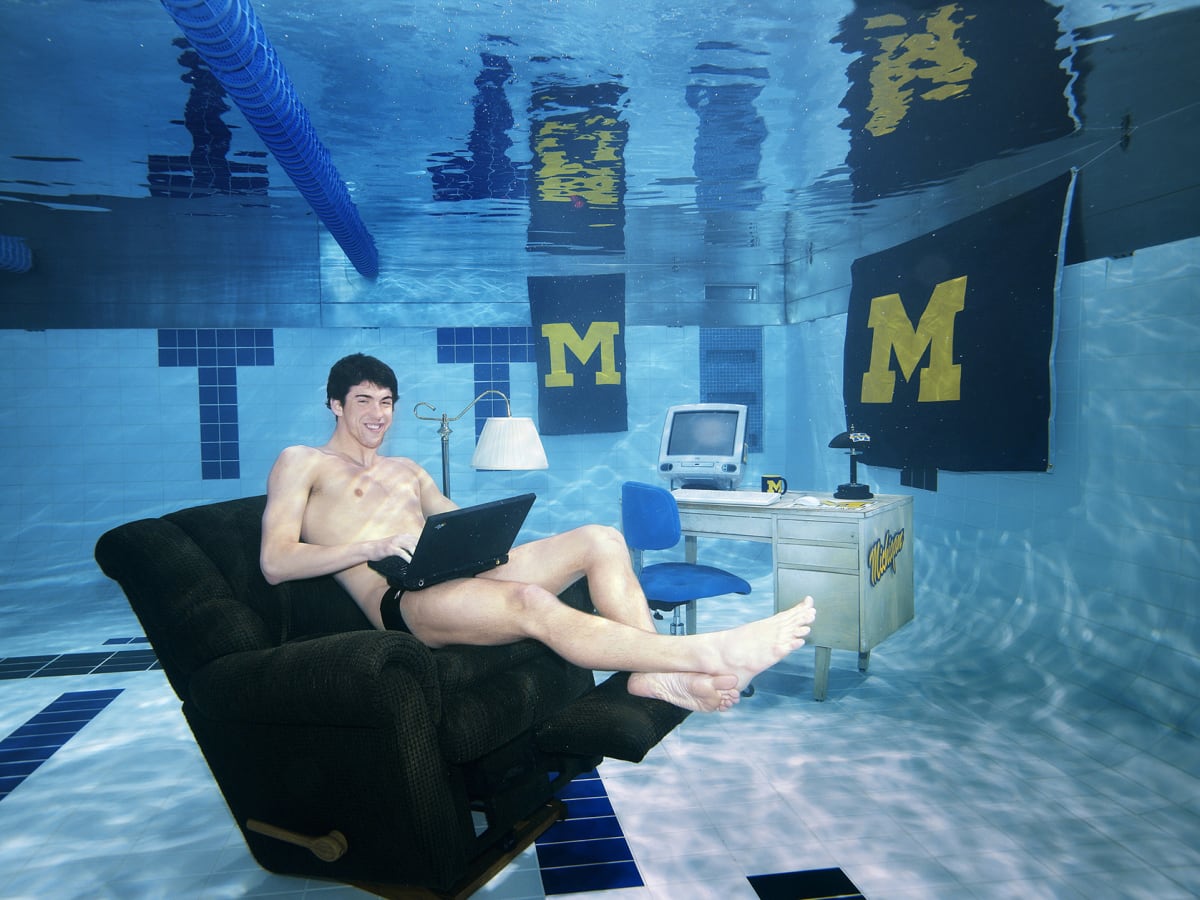
Michigan Girl, Our Michigan Girl….
Hail the victor 〽️🇨🇦
Savannah Sutherland captures the women’s 400m crown at Canadian Champs in 5️⃣1️⃣.5️⃣1️⃣ seconds.
📸: Sean Burges/Mundo Sports Image pic.twitter.com/62fOGNFQL4
— DyeStat (@DyeStat) August 1, 2025
🚨 NEW WORLD RECORD 🚨
TEAM USA JUST SMASHED THE MIXED 400 FREESTYLE RELAY WORLD RECORD!!!
Jack Alexy – 46.91 👀
Patrick Sammon – 46.70 👀
Kate Douglass – 52.43
Torri Huske – 52.44 pic.twitter.com/5VZcPu50KM— Kyle Sockwell (@kylesockwell) August 2, 2025
WHAT. A WAY. TO CLOSE.
The U.S. grabs gold AND a world record in the last event of #AQUASingapore2025 to end the meet ON TOP of the gold and total medal table 🔥🔥 pic.twitter.com/mdaooxhGY2
— USA Swimming (@USASwimming) August 3, 2025
Northwest High School junior Cooper Lutkenhaus has run the fastest 800-meter race in the world for any athlete younger than 18! Cooper set the new U18 world best at the USA Track & Field Outdoor Championships by running a time of 1:42.27 to earn silver. pic.twitter.com/5imZ9yZHLN
— Northwest ISD (@NorthwestISD) August 3, 2025
🏅History made.
The U.S. men’s four won gold for the first time at the U23 World Championships. Ryan Martin, Wilson Morton, Sam Sullivan, and Lyle Donovan are victorious in the A Final, winning by 2.25 seconds. pic.twitter.com/2fAtSEwewA
— USRowing (@usrowing) July 26, 2025
Kate Douglass just threw down a 52.04 split on the 4×100 free relay 🥶
The U.S. will be top seed tonight after the group’s 3:33.57 in prelims.#AQUASingapore2025 pic.twitter.com/H4Mke7NpZN
— USA Swimming (@USASwimming) July 27, 2025
Over the weekend, Anhelina Khmil earned a second place finish at the CEV Nations Cup Final in Portugal as part of the Ukrainian team! pic.twitter.com/2zuEa9wk9c
— TCU Beach Volleyball (@TCUBeachVB) July 20, 2025
The bottom of the ground was nothing for Emily Beisel! She moves into the Top 4 of her set by almost two tenths of a second to lock in her place at the Cheyenne Frontier Days Semifinals. pic.twitter.com/1uDeztOlZM
— The Cowboy Channel (@Cowboy_Channel) July 20, 2025
He swims like the art of poetry. pic.twitter.com/rrhMP83DQD
— The Figen (@TheFigen_) July 12, 2025
Catherine giving trophies to Amanda, who is the runner-up and Iga the ladies single winner! pic.twitter.com/rZSntPOGig
— Sabirah Lohn 💕🦕🦖 (@SabirahLohn) July 12, 2025
While other kids are learning TikTok dances, she just set a record tying a goat in 7 seconds flat. pic.twitter.com/ZPELIagdxv
— Desiree (@DesireeAmerica4) July 13, 2025
THE TIGERS ARE NATIONAL CHAMPIONS pic.twitter.com/0sk6iV8gRc
— LSU Baseball (@LSUbaseball) June 22, 2025
Savannah Sutherland d capped an incredible career at Michigan with her second NCAA title and has been named the 2024-25 Female Michigan Athlete of the Year! 〽️ #LeadersAndBest
THE TIGERS ARE NATIONAL CHAMPIONS pic.twitter.com/0sk6iV8gRc
— LSU Baseball (@LSUbaseball) June 22, 2025
INFO » https://t.co/Caza1OyrCy | #GoBlue pic.twitter.com/YD6HTdYd0p— Michigan Track & Field / Cross Country (@UMichTrack) June 23, 2025
𝐀𝐔𝐁𝐔𝐑𝐍 𝐁𝐄𝐈𝐍𝐆 𝐀𝐔𝐁𝐔𝐑𝐍
Our list of Fences Riders of the Year is getting long…
✔️ 2025: Avery Glynn (SEC & NCEA ROTY); Kate Hagerty (SEC Freshman ROTY)
✔️ 7-straight SEC ROTY awards
✔️ 4 of the last 7 NCEA ROTY honors
✔️ 7 SEC Freshman ROTY awards#WarEagle pic.twitter.com/1bRaWk4ytY— Auburn Equestrian (@AuburnEQ) June 23, 2025
When you realize you’re the national champion AND you set the collegiate record 🥹 pic.twitter.com/BPUEuZmZMP
— Michigan Track & Field / Cross Country (@UMichTrack) June 15, 2025
Last practice before Eugene. #NCAATF x 🎥 @BYUTFXC
pic.twitter.com/3kNxStxS9Z— NCAA Track & Field (@NCAATrackField) June 6, 2025
Feelin’ Super 🦸♂️
🖥️ https://t.co/vUbrNtVRPX
🎟️ https://t.co/i73Q25MuVk
📲 https://t.co/D9Ga3efNbI#RoadToOmaha pic.twitter.com/1dpxaU8SEG— NCAA Baseball (@NCAABaseball) June 3, 2025
Kate Douglass and Shaine Casas are your #ToyotaNationals high point winners! 🙌 pic.twitter.com/bA9JJSWxEP
— USA Swimming (@USASwimming) June 8, 2025
💨💨💨
Savannah Sutherland sets the Hodges Stadium facility record and for the second straight year she sets the NCAA East First Round record in the 400H! pic.twitter.com/u48jsKv3Zm
— Michigan Track & Field / Cross Country (@UMichTrack) June 1, 2025
Meanwhile at the airport.. 😂 pic.twitter.com/BKRrslNY7x
— Buitengebieden (@buitengebieden) May 29, 2025
Kävin varastamassa rikkailta rahat ja nyt jakelen ne köyhille. Kenelle laitetaan ja paljonko? pic.twitter.com/AFUva64UPN
— Päivi Ekdahl 🇫🇮🇺🇦 (@EkdahlPaivi) May 31, 2025
Our medalist boats!!! 🥉🥉🥉🥉 #RowBlue pic.twitter.com/5qcjoirtmj
— Michigan Rowing (@umichrowing) May 18, 2025
Michigan just won the men’s gymnastics National Championship. pic.twitter.com/FYCWB4a9eK
— Scott Bell (@sbell021) April 20, 2025
Iconic.
Michigan ties its uneven bars record with a 49.725 in the first rotation of the evening.#GoBlue pic.twitter.com/6V5UKAkRDj
— Michigan Women’s Gymnastics (@UMichWGym) March 18, 2023
This Sunday, watch live on the BBC on in-person in our free Fan Parks.
Raw, unscripted live sport. This is The Boat Race. pic.twitter.com/foS7NqdOYL
— The Boat Race (@theboatrace) April 6, 2025
Ivan Puskovitch is a NATIONAL CHAMPION 🏆
He captures a start-to-finish victory in the #OWNats 5K! pic.twitter.com/LS3wRPGeqw
— USA Swimming (@USASwimming) April 6, 2025
— Navy Athletics (@NavyAthletics) March 29, 2025
Oh the beauty of @MorayGC & the @ScotStuSport Golf Championships. The perfect fit! pic.twitter.com/RQ7fX3Wsvx
— College Links Golf (@CLG_Scotland) March 29, 2025
The men got next 👊👊
Tune in to ESPN+ from March 26-29 to catch the men’s @NCAA Division I Swimming & Diving Championships. pic.twitter.com/JytMBGFJHS
— USA Swimming (@USASwimming) March 26, 2025
Our special guest for puck drop, @taylorheise9 🏒#WFrozenFour pic.twitter.com/re7L1gpRGU
— NCAA Ice Hockey (@NCAAIceHockey) March 23, 2025
The Broncos take the Last Call in Saint Paul and #FrozenFaceoff title in double OT! 🙌#NCHChockey // #BroncosReign pic.twitter.com/Nki7IvKLPr
— The NCHC (@TheNCHC) March 23, 2025
Sliding into the weekend like…🛷❄️ pic.twitter.com/GoSpxcuAcj
— AccuWeather (@accuweather) March 21, 2025
Your Duke family is proud of you guys! Dom and Gavin both fared well in the state tournament!! Dom went 2-2, and Gavin went 7-1! Gavin finished 3rd overall in his weight class!! Congratulations to both boys!! @WEVSD_sports @whsladydukes @AndyPeltz pic.twitter.com/5yEMNYkU7Q
— Robert Figuly (@RobertFiguly) March 23, 2025
Another @MSU_Hockey BIG10 Championship! What an exciting night at Munn Arena for our Spartan players, coaches, students and fans. Go Green!! pic.twitter.com/u9ZWUTeBVc
— Kevin Guskiewicz (@KevinGuskiewicz) March 23, 2025
Molly Miller making sure plenty of Lopes are involved when she cuts down the nets. @MollyMiller33 @GCU_WBB pic.twitter.com/2BhbuCDe48
— Jordan Hamm (@JordyHamm) March 15, 2025
Damn. Big Ten tournament champion in his first year as head coach. Let the dancing begin! #GoBlue pic.twitter.com/Zd57LBUwJF
— Santa Ono (@SantaJOno) March 16, 2025
Men’s 400m Champion
🥇 Will Floyd (@UGATrack)
📊 45.43#NCAATF x 🎥 ESPN+ pic.twitter.com/lcIb0zTYMX— NCAA Track & Field (@NCAATrackField) March 15, 2025
Every Thursday, coach Brandon runs men’s IM threshold practice and Coach Sarah & I run the women’s IM group. It’s one of those “all hands on deck” type of day. Last night, in the 400 IM the men went 1-2-3-5-10-11 and the women went 2-3-4-5-6-10-17-22. pic.twitter.com/pCfhLWSvoA
— Bobby Guntoro (@bobbygunt) March 1, 2025
TRE HOLLOMAN FOR THE WIN!!!!!
What a shot at the buzzer! Michigan State pulls off the win at Maryland, 58-55. #Spartans have won four games in a row, including three straight against ranked opponents.pic.twitter.com/1NMM6xdH46
— Hobie Artigue (@HeyItsMeHobie) February 27, 2025
Amanda Moll just broke the @NCAATrackField Pole Vault record with a height of 16-1.25 (4.91-meters)🤯#B1GTF x @UWTrack pic.twitter.com/5OUCmOS2QW
— Big Ten Network (@BigTenNetwork) March 1, 2025
Recapping Day ✌ of #MWITF https://t.co/7jbGnmF65r
— Air Force Track & Field/XC (@AF_TFXC) March 1, 2025
EASTON TALT 😱#NCAABaseball x 📹 FloBaseball / @BeaverBaseball pic.twitter.com/RUsWYVFOxi
— NCAA Baseball (@NCAABaseball) March 1, 2025
Great day in the weight room at Weatherford High School! We have football, basketball, girls and boys track programs working hard. We are blessed with the best facilities in the state! pic.twitter.com/gvH85GZmoM
— Rick Weaver (@rickweaver98) February 21, 2025
Peak German engineering pic.twitter.com/BxyzCVFSdU
— miss white (@cinecitta2030) February 22, 2025
The Revere Varsity Competition Squad traveled to Big Walnut High School today to compete in the OASSA State of Ohio Cheerleading Championships! They finished in fourth place, D3 Non Build Division!!! We are so proud of you ladies! @RevereLocal pic.twitter.com/evF06thfAD
— Doug Faris (@DougFaris) February 23, 2025
Wow! What an amazing couple of weeks for ‘OE’ Justin Davies. He broke the Welsh indoor 800m record at the Keely Klassic and then went on to become the British champion at the UK Indoor Championships! #uptherose 🌟🏅 pic.twitter.com/fgFq5AOX09
— Sport & PE | King Edward’s School (@KESBathSport) February 24, 2025
My girl shot her first ever perfect 5 bullseyes at her county tournament today
Great job girl! pic.twitter.com/Xhyl1bEK0R— kelli chalfant (@cf_farms7) February 22, 2025
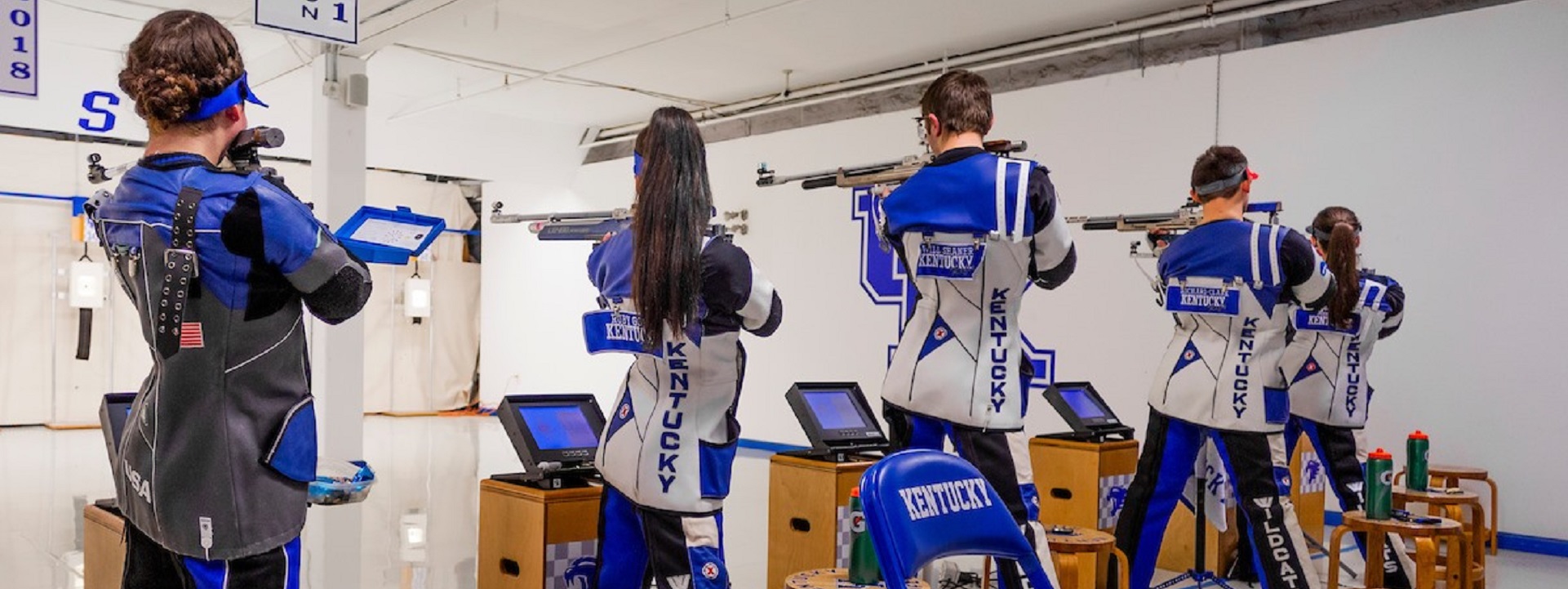
NCAA Rifle 🤝 Historic Memorial Coliseum
Rifle National Championships
📅 March 14-15
🏟️ Historic Memorial Coliseum
🎟️ https://t.co/MgMeX9j7ER #T37 #WeAreUK pic.twitter.com/mDooaFpvfu— UK Rifle (@UKRifle) February 14, 2025
A new ASTM standard addresses safety elements of #PoleVaulting areas. It establishes safety, performance, and maintenance recommendations for indoor/outdoor, and private-use pole vault facilities. https://t.co/pq1pCCQZRE pic.twitter.com/oz08sWDt4l
— ASTM International (@ASTMIntl) February 13, 2025
“With this executive order, THE WAR ON WOMEN’S SPORTS IS OVER.” –President Donald J. Trump 🇺🇸 pic.twitter.com/g97jV4eEPW
— The White House (@WhiteHouse) February 6, 2025
“We’re putting every school receiving taxpayer dollars on notice that if you let men take over women’s sports teams or invade your locker rooms, you will be investigated for violations of Title IX and risk your federal funding.” –President Donald J. Trump 🇺🇸 pic.twitter.com/MUd6FAetWr
— President Donald J. Trump (@POTUS) February 6, 2025
Draw two is in the books at the #OUA Men’s Curling Championship! 🥌
The @queensgaels got the better of the @LUVoyageurs 6-3, scoring 3 in the first end to take an early lead, while the @tmubold scored early and often to beat the @OT_Ridgebacks 10-1.
The @brockbadgers took down… pic.twitter.com/mc6CndjeZ9
— Ontario University Athletics (@OUAsport) February 7, 2025
👟 Our Gryphon Track and Field team heads to the state of the New York for today’s meet in the Cornell Upstate Challenge!
📅 Sat. Jan 17
📍 @CornellSports (Ithaca, NY)#GryphonPride pic.twitter.com/ahH5AuzEZE— Guelph Gryphons (@guelph_gryphons) January 18, 2025
Sunrise swim with @uncwswimdive on Saturday morning! pic.twitter.com/q7PExy1pWe
— Bobby Guntoro (@bobbygunt) January 11, 2025
Remember when it was so cold the rivers and lakes iced over? Our college wild swimmers certainly do – they took the plunge (without wetsuit insulation) and lived to report back! 🥶 pic.twitter.com/CKyLK0ySMu
— Trinity College (@TrinityOxford) January 17, 2025
“We’re feeling confident in our performance so far. We’re being challenged, but so far have managed to stay sharp.” – Catherine Clifford, third
This quote sums up the Canadian women’s performance thus far at the World University Games, as they remain undefeated after two wins on… pic.twitter.com/jetQK1TtbH
— Curling Canada (@CurlingCanada) January 18, 2025
A B1G @HuskerWBB WIN ‼️#B1GWBBall on @BigTenNetwork 📺 pic.twitter.com/1sjIY2H4Ri
— Big Ten Women’s Basketball (@B1Gwbball) January 17, 2025
Track and Field Collects Seven Wins at SVSU Classic https://t.co/UpoAphESGe
— svsuathletics (@svsuathletics) January 18, 2025
“Rowing is more poetry than sport.” — George Pocock (‘Boys in the Boat’ 2024), a British-born boat builder, rowing coach, and influential figure in American rowing, best known for his craftsmanship of racing shells and his philosophical approach to the sport.
“There is no greater glory for a man than that which he wins with his own hands and feet.” (Homer, Iliad c. 8th Century BCE)