
For over two centuries we have been recognised as the finest #traditional gentlemen’s #barber and #perfumer in London, and have provided discerning #gentlemen with only the finest in #grooming products and services.https://t.co/4C9W4XbnwY#truefittandhill #since1805 pic.twitter.com/c58w1053jN
— Truefitt & Hill London (@TruefittHill) March 5, 2022

A Gentleman’s London
- Home Page 141

loading...
A Gentleman’s London

First Day of School
Donegan Acoustics
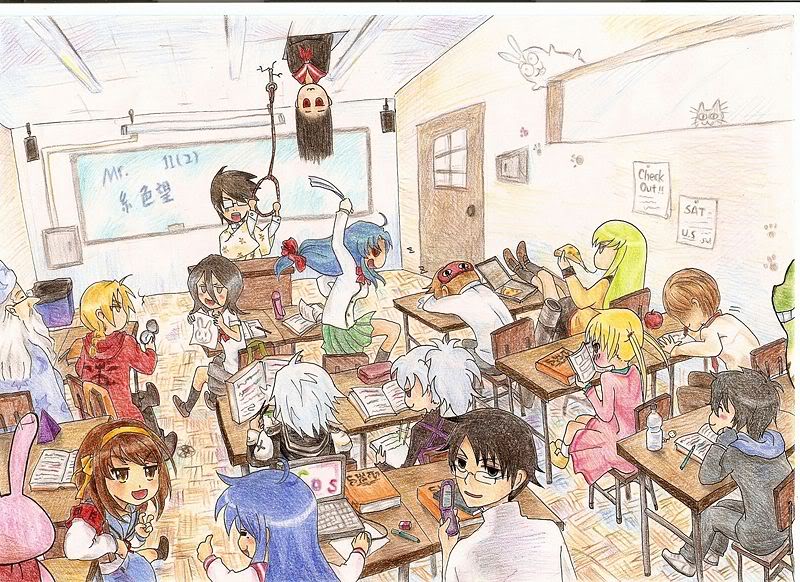
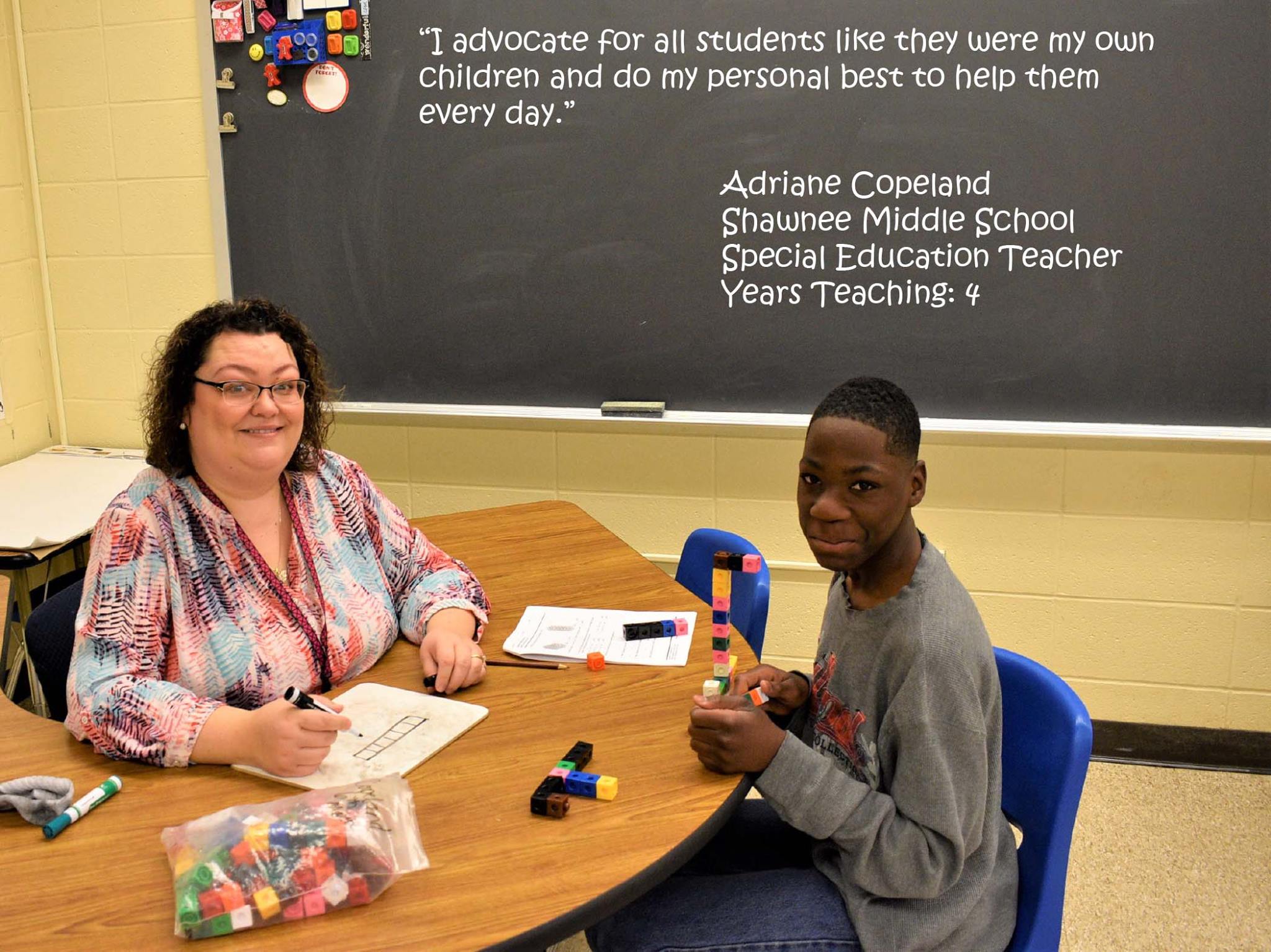
Today we take a cross cutting review of all the literature (codes, standards, guidelines, laws) that informs safe and sustainability occupancy load, means of egress, illumination, ambient air, plumbing, electric, communication and acoustics in classrooms.
Keen on your thoughts… https://t.co/IqI87vuVTz
And I’d love to see your classroom layout/displays if you want to share! Tag with #CanvasForThought pic.twitter.com/qZwxAaa6jm— 𝗗𝗿 𝗡𝗮𝘁𝗵𝗮𝗻𝗶𝗲𝗹 𝗦𝘄𝗮𝗶𝗻 (@NathanielRSwain) July 17, 2024
1. Building Codes
- International Building Code (IBC): Adopted by most states, it provides guidelines for the design and construction of buildings, including schools.
- International Existing Building Code (IEBC): Provides standards for the renovation and repair of existing school buildings.
- State and Local Building Codes: Many states and municipalities have additional or modified codes that must be followed.
2. Fire and Life Safety Codes
- National Fire Protection Association (NFPA) Codes:
- NFPA 101: Life Safety Code – Sets requirements for egress, fire protection, and emergency planning.
- NFPA 13: Installation of Sprinkler Systems – Specifies standards for automatic fire sprinkler systems.
- NFPA 72: National Fire Alarm and Signaling Code – Covers fire alarm system installation and maintenance.
- NFPA 70: National Electrical Code (NEC) – Outlines electrical wiring standards to prevent fire hazards.
3. Accessibility Standards
- Americans with Disabilities Act (ADA):
- ADA Standards for Accessible Design – Ensures that school facilities are accessible to individuals with disabilities.
- Architectural Barriers Act (ABA): Requires accessibility in buildings constructed with federal funds.
4. Environmental and Health Standards
-
- ASHRAE 62.1: Ventilation for Acceptable Indoor Air Quality.
- ASHRAE 90.1: Energy Standard for Buildings Except Low-Rise Residential Buildings.ASHRAE Standards
- Environmental Protection Agency (EPA) Regulations:
- EPA Lead and Asbestos Regulations: Governs the handling of lead and asbestos in school buildings.
- EPA’s Indoor Air Quality Tools for Schools: Provides guidelines to manage air quality.
5. Structural Standards
- American Society of Civil Engineers (ASCE):
- ASCE 7: Minimum Design Loads and Associated Criteria for Buildings and Other Structures.
- American Concrete Institute (ACI):
- ACI 318: Building Code Requirements for Structural Concrete.
6. Plumbing and Mechanical Codes
- International Plumbing Code (IPC): Provides guidelines for plumbing system design and installation.
- International Mechanical Code (IMC): Sets standards for heating, ventilation, and air conditioning (HVAC) systems.
7. Electrical Standards
- Institute of Electrical and Electronics Engineers (IEEE) Standards: Includes various electrical safety and installation standards relevant to school facilities.
8. Educational Specifications and Guidelines
- Council of Educational Facility Planners International (CEFPI) Guidelines: Provides best practices for school design that promote effective learning environments.
- State-Specific Educational Specifications: Many states have their own guidelines for the design of educational facilities to meet state-specific educational needs.
9. Safety and Security Standards
- Crime Prevention Through Environmental Design (CPTED) Guidelines: Suggests design strategies to enhance security in school environments.
- School Safety and Security Standards (state-specific): Some states have additional requirements for school security measures.
10. Sustainable Design Standards
- LEED (Leadership in Energy and Environmental Design) for Schools: Provides a framework for building green and energy-efficient schools.
- Green Building Initiative (GBI) Standards: Focuses on sustainable and energy-efficient building practices.
11. Maintenance Standards
- International Property Maintenance Code (IPMC): Provides guidelines for the maintenance of buildings, ensuring they remain safe and functional over time.
12. Other Relevant Standards
- Federal Emergency Management Agency (FEMA) Guidelines: Provides standards for building schools in disaster-prone areas (e.g., tornadoes, earthquakes).
- Occupational Safety and Health Administration (OSHA) Standards: Ensures workplace safety, including in schools, covering areas like chemical safety, electrical safety, and more.
Local Considerations
- Local Zoning Laws and Ordinances: Schools must also comply with local land use regulations, which may affect building placement, size, and use.
Another public jubilation pic.twitter.com/dmQc6IBVbK
— Chelsea Finest💙💙😍 (@finest_che2325) July 20, 2024

Sisu
Standards Michigan Upper Peninsula
The Finnish presence in Northern Michigan stems from mass immigration during the late 19th and early 20th centuries. Between 1870 and 1929, over 350,000 Finns arrived in the U.S., with Michigan drawing about 40% due to its copper and iron mines, lumber mills, and farms.
Recruited from Norway’s mines starting in 1864, they settled in towns like Hancock, Calumet, Ishpeming, and Ironwood, drawn by the region’s harsh winters, long summer days, and forested terrain mirroring Finland’s.
By 1930, nearly 75,000 Finnish descendants lived there, forming the largest ethnic group in five northwestern UP counties (35% Finnish heritage per recent census). They built saunas, cooperatives, and Lutheran churches, including the Suomi Synod (1890) and Finlandia University (1896, since closed).
Cultural festivals like Heikinpäivä and pasties (adapted from Cornish miners) endure, sustaining a “Sauna Belt” legacy amid mining booms that rivaled California’s Gold Rush.

Copper Island Academy | Houghton County Michigan

Evensong “Last Rose of Summer”
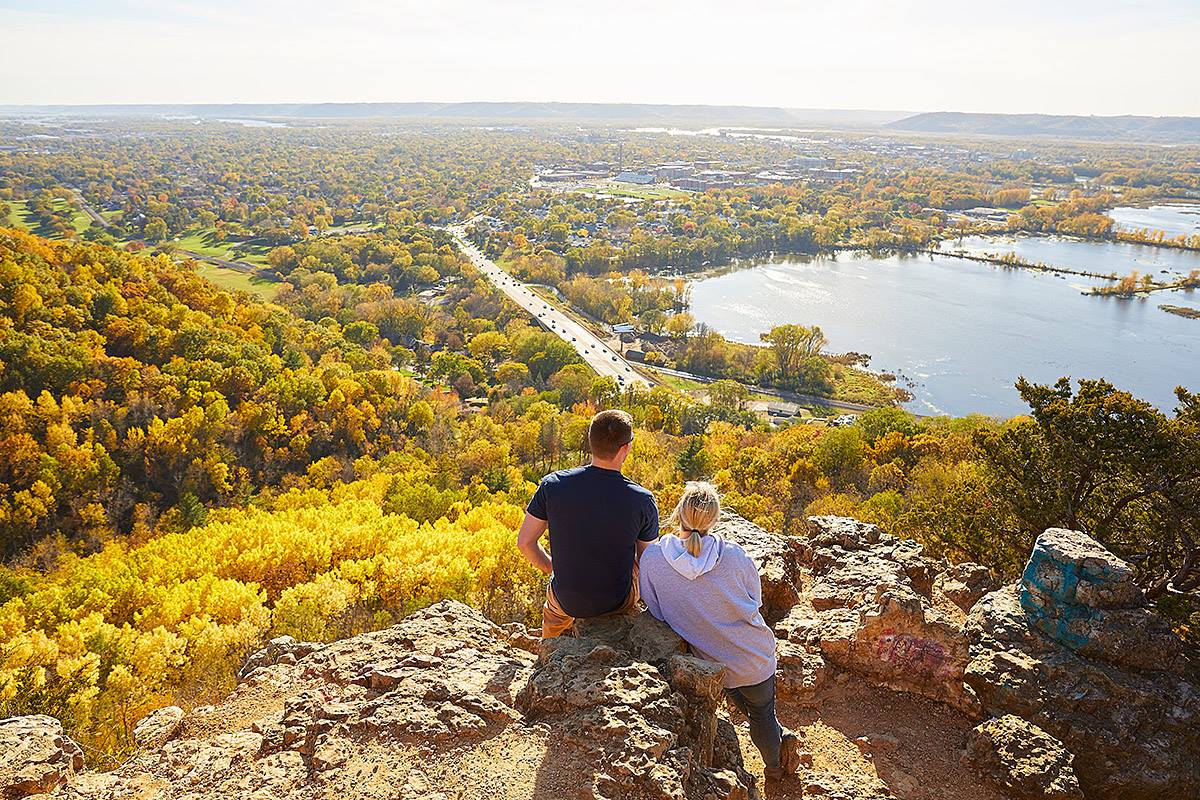
The cool parts of this job are the facilities I see – even the UWNR that I’ve operated before and still have labs to take with!!! pic.twitter.com/YCoNqV8gkJ
— Grace S. Vanderhei (@GraceMVanderhei) October 17, 2022

Boathouses
This content is accessible to paid subscribers. To view it please enter your password below or send mike@standardsmichigan.com a request for subscription details.

Autumn Week 40 | September 29 – October 5
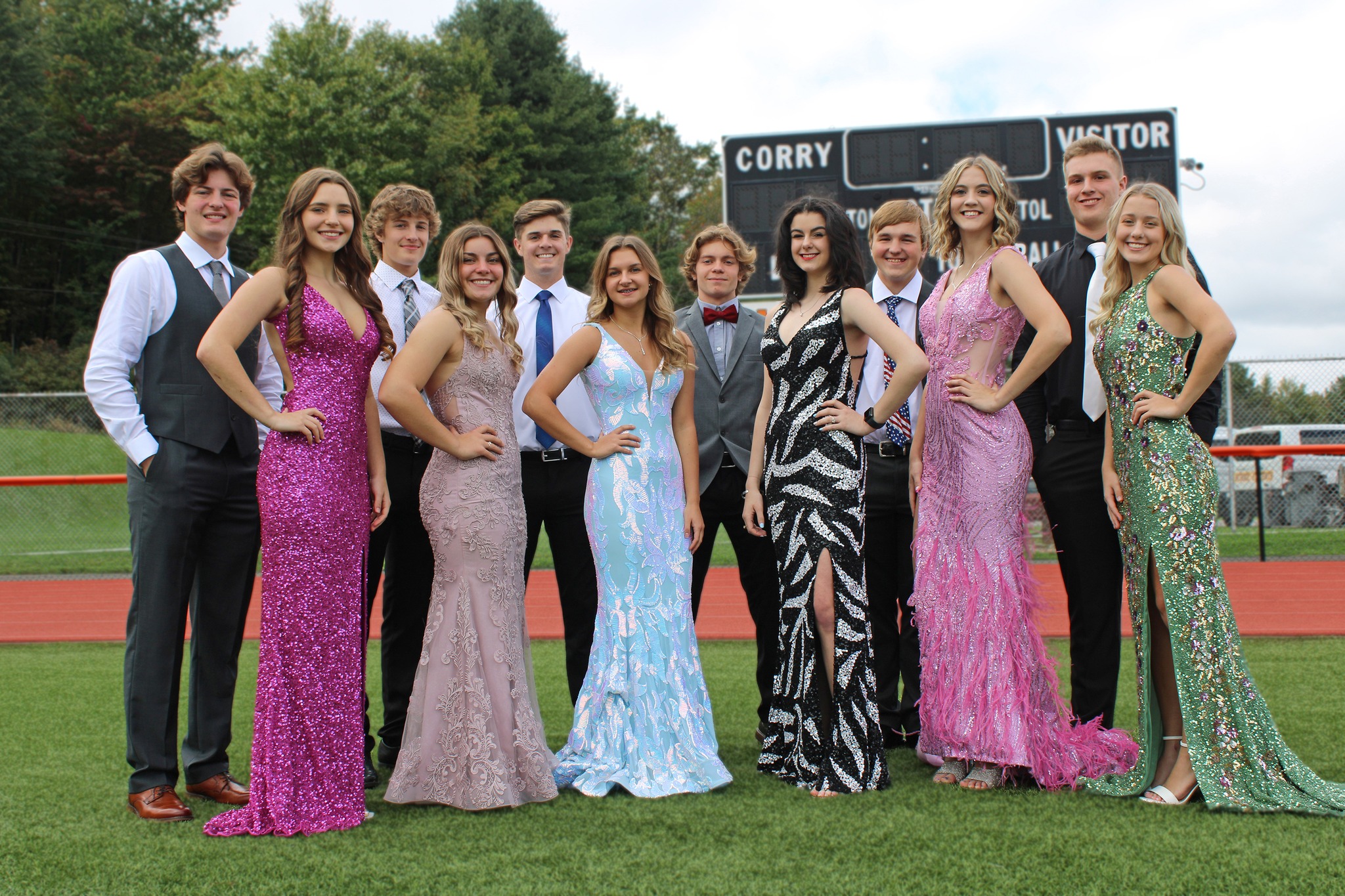
Erie County Pennsylvania
Monday | September 29 | Colloquium 15:00 UTC
Tuesday | September 30 | Colloquium 15:00 UTC
Wednesday | October 1 | Colloquium 15:00 UTC
Thursday | October 2 | Colloquium 15:00 UTC
“First the school, then the neighborhood.” Apart from safety codes, there are no standards as we work with them. But there are case studies
Friday | October 3 | Colloquium 15:00 UTC
Saturday | October 4
Sunday| October 5

Moody’s Bond Rating Standard
This content is accessible to paid subscribers. To view it please enter your password below or send mike@standardsmichigan.com a request for subscription details.

The Hunt for the Superior Matcha
This content is accessible to paid subscribers. To view it please enter your password below or send mike@standardsmichigan.com a request for subscription details.

Apple Cider Doughnuts
This content is accessible to paid subscribers. To view it please enter your password below or send mike@standardsmichigan.com a request for subscription details.
Healthier Hot Chocolate Recipe (VGT, GF)
This content is accessible to paid subscribers. To view it please enter your password below or send mike@standardsmichigan.com a request for subscription details.
New update alert! The 2022 update to the Trademark Assignment Dataset is now available online. Find 1.29 million trademark assignments, involving 2.28 million unique trademark properties issued by the USPTO between March 1952 and January 2023: https://t.co/njrDAbSpwB pic.twitter.com/GkAXrHoQ9T
— USPTO (@uspto) July 13, 2023
Welcome
Standards Michigan Group, LLC
455 East Eisenhower Parkway, Suite 300
Ann Arbor, MI 48108 USA
888-748-3670
DIRECTIONS
 |
 |
|
 |
 |
|
 |
 |
Layout mode
Predefined Skins
Custom Colors
Choose your skin color
Patterns Background
Images Background
error: Content is protected !!
Skip to content