
We’re running into file access problems. As soon as they are available the results will be posted here.

IEEE JTC PES/IAS NFPA 70 Update
- Home Page 19

loading...

Facility Management
“The work of the eyes is done.
Go now and do the heart-work
on the images imprisoned within you.”
— Rainer Maria Rilke (1929 “Letters to a Young Architect”)
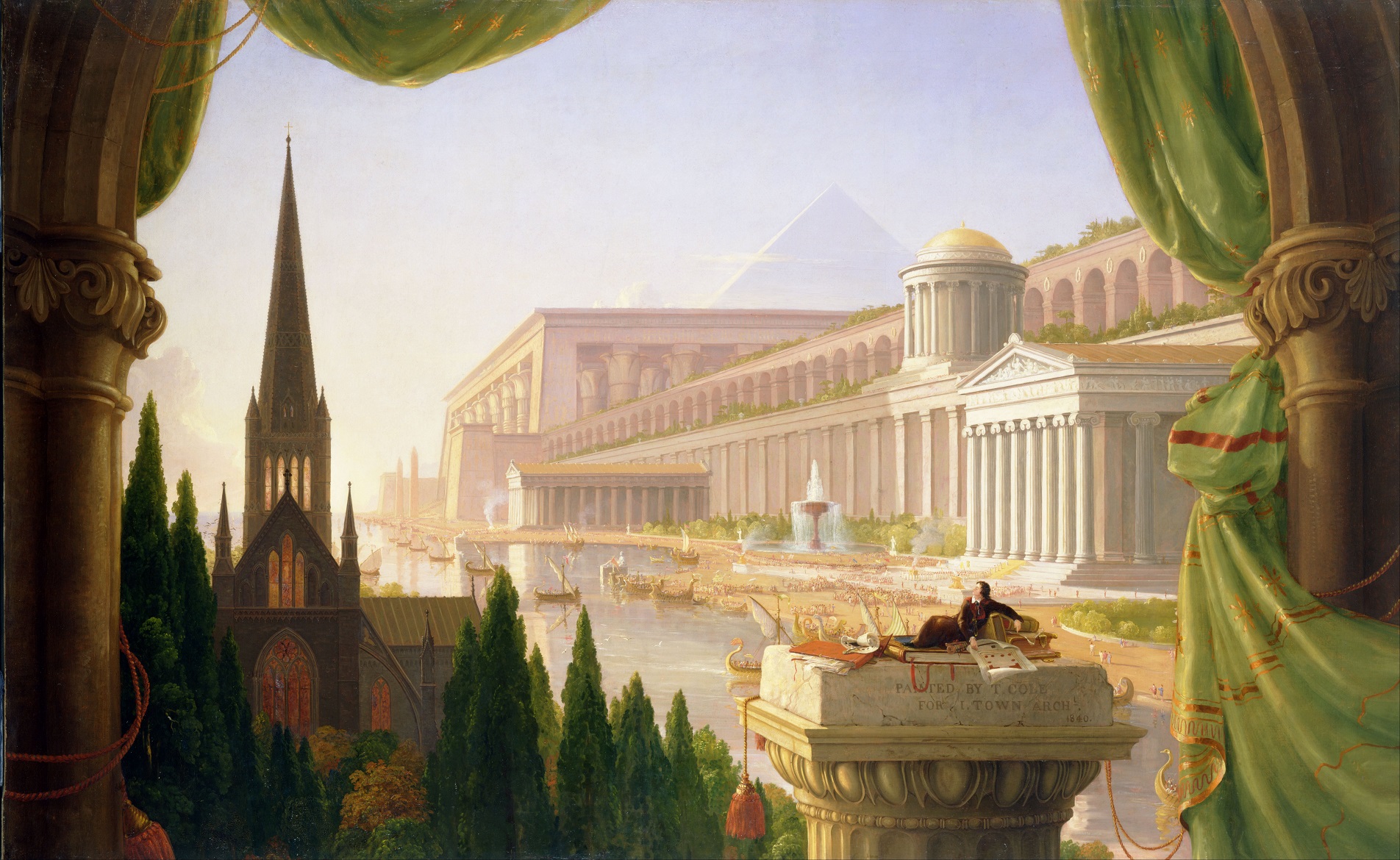
“Architect’s Dream” 1840 | Thomas Cole

The internationalization of the education industry continues at a brisk pace and so do the enterprises that support the primary business of learning, teaching and discovering. Educational campuses, and related university-affiliated medical research and healthcare enterprises, represent one of the largest assets owned and operated by any state.
In a state such as the State of Michigan, for example, with a gross state product of about $500 billion, the value of public real property assets may be on the order of $50 billion*. If taking 2 percent off the cost owning, operating and maintaining those assets every year resulted in a savings of $1 billion million every year simply because conformance to a standard that reduced destructive competition and redundancy is meaningful, then those agencies should pay attention. Alas, they do not, or not yet; a condition we describe in our ABOUT.
There is no reason to believe that internationalization of campus facility management practices cannot be as transformative to an industry as the ISO 9000 catalog of management standards were to, say, to the Michigan automobile industry 50-odd years ago. In other words, the Michigan experience with globalization of its core industry was hastened precisely because of the conformance template that the ISO-9000 suite provided.
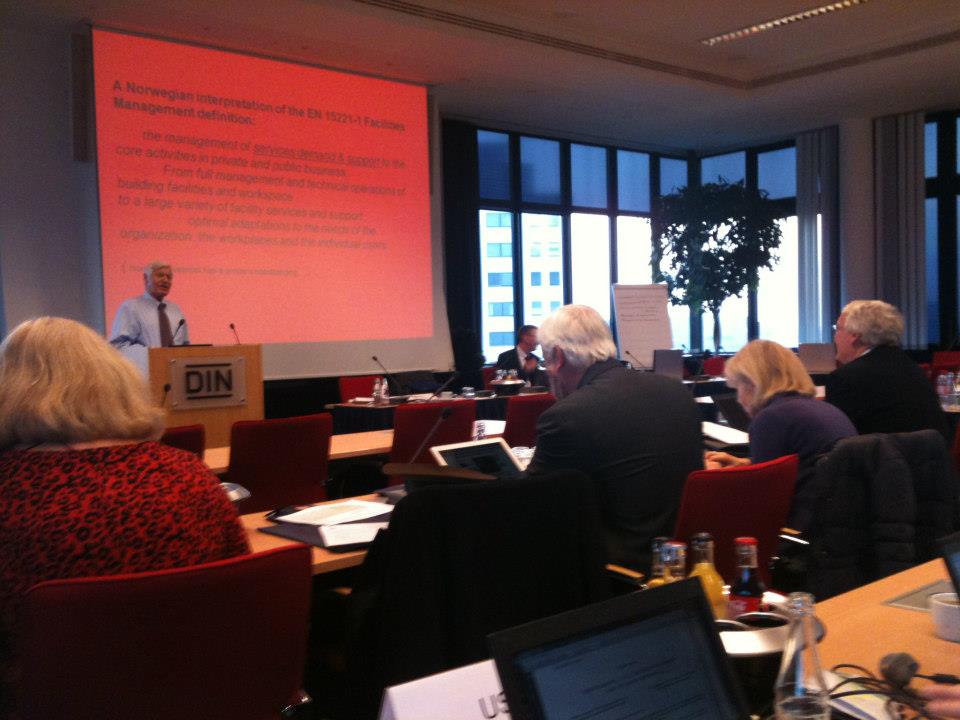
ISO/TC 267 Project Kickoff Meeting | Berlin 2012 | The University of Michigan was the first US university to participate in the launch of this standard and acted as a technical liaison for IFMA.
The business plan for this committee is linked below and provides a high level overview of committee goals and organization:
ISO/TC 267 / Facility Management / EXECUTIVE SUMMARY
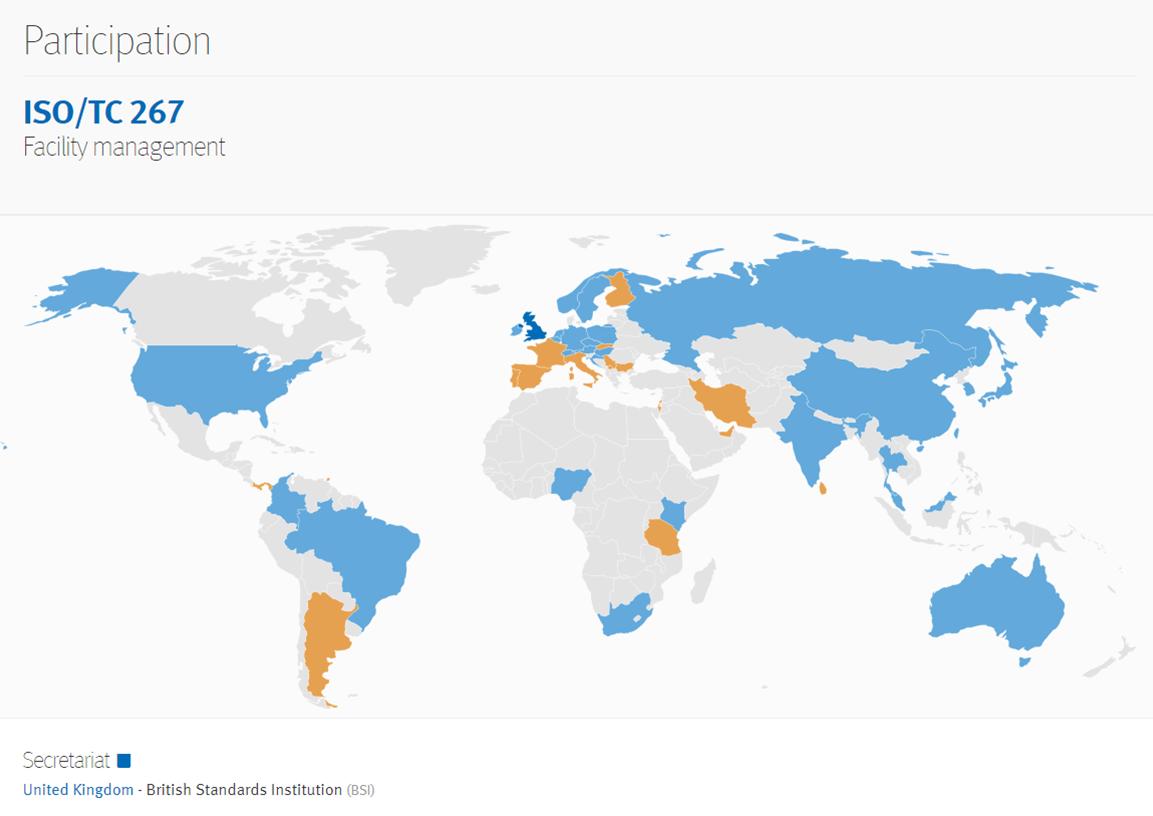
CLICK ON IMAGE
The landing page for this committee is linked below:
The list of work ISO/TC 267 titles are listed in the link below. Four are published standards and two are currently under development:
ISO 267 Facility Management Standards Catalogue
Note that ISO 41018 — Facility management — Development of a facility management policy — was published in July 2022.
At the moment ANSI has identified the US TAG Administrator as the International Facility Management Association however direct management of the US delegation is also being supported by ANSI staff. You are encouraged to communicate directly with ANSI’s US Technical Advisory Group leader to TC 267. Contacts at ANSI are Jason Knopes <JKnopes@ansi.org> and Rachel Hawthorne <rhawthorne@ansi.org>.
We place ISO/TC 267 consensus products on each of our monthly Management, and International Standards. See our CALENDAR for next online meetings, open to everyone.
Issue: [11-33]
Category: Facility Asset Management, International
Colleagues: Mike Anthony, Christine Fischer, Jack Janveja, Richard Robben
LEARN MORE:
ISO Focus January 2015 Anthony-Robben – Education Enterprise pp 33-37

Fountains

“Temple, Fountain and Cave in Sezincote Park” | Thomas Daniell (1819) | Yale Center for British Art
From time to time we break from our interest in lowering the cost of our “cities-within-cities” to enjoy the work of our colleagues responsible for seasonal ambience and public art. We have a dedicated post that celebrates the accomplishments of our gardeners and horticultural staff. Today we dedicate a post to campus fountains–a focal point for gathering and a place for personal reflection for which there is no price.
Alas, we find a quickening of standards developing organizations growing their footprint in the spaces around buildings now. They used to confine the scopes of their standardization enterprises to the building envelope. That day will soon be behind us as an energized cadre of water rights social justice workers, public safety, sustainability and energy conservation professionals descend upon campus fountains with prescriptive requirements for evaporation rates, bromine concentrations, training, certification and inspections. In other words regulators and conformity functionaries will outnumber benefactors and fountain designers 1 million to 1.
We will deal with all that when the day comes. For the moment, let’s just enjoy them.
We are happy to walk you through the relevant structural, water safety, plumbing and electrical issues any day at 11 AM EST during our daily standing online teleconferences. Click on any image for author attribution, photo credit or other information.

Purdue University

The Great Court at Trinity College, Cambridge

Regent University

University of Washington

Hauptgebäude der Ludwig-Maximilians-Universität München, Bayern, Deutschland

College of the Desert / Palm Desert, California

California Institute of Technology
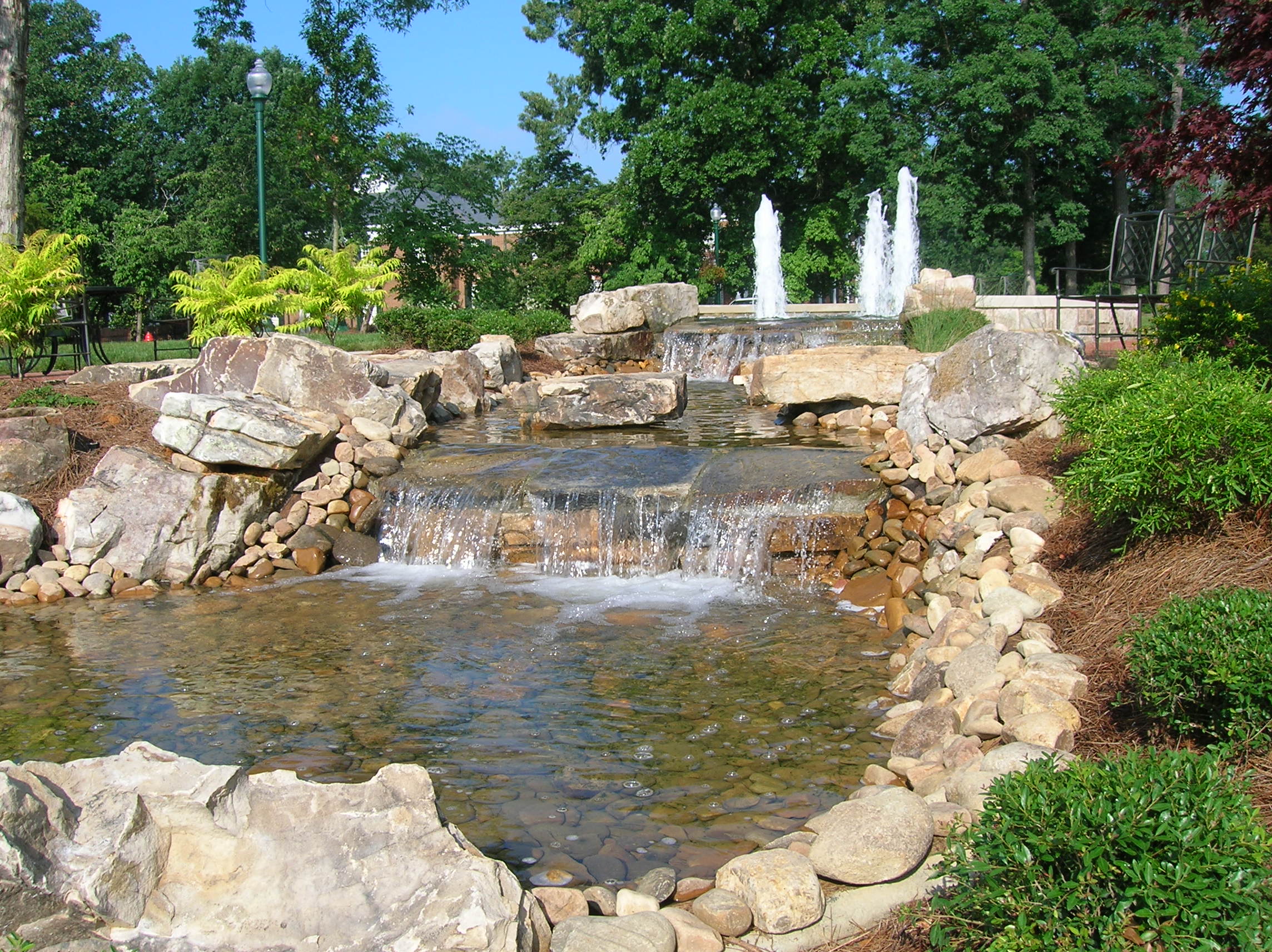
Berry College
_(2).jpg)
Utah Valley University

Universitat d’Alacant / Sant Vicent del Raspeig, Spain

Collin County Community College / Plano, Texas

University of Toledo
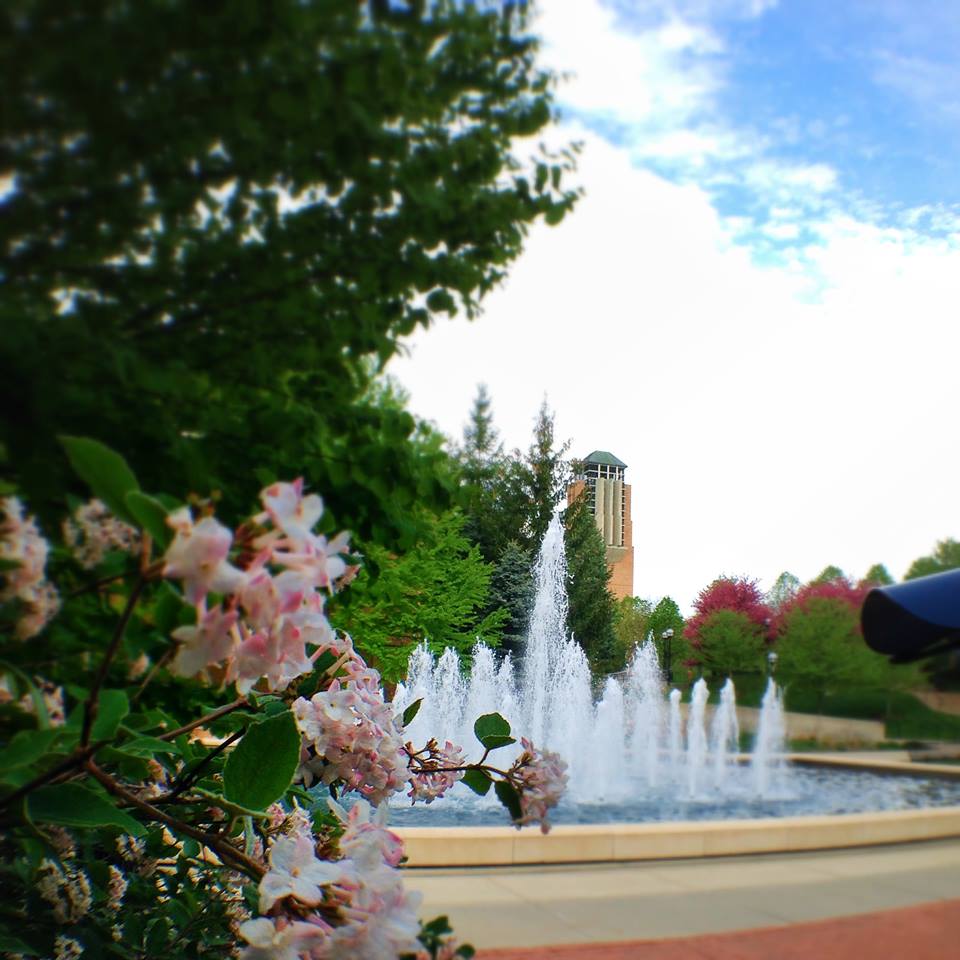
University of Michigan College of Engineering
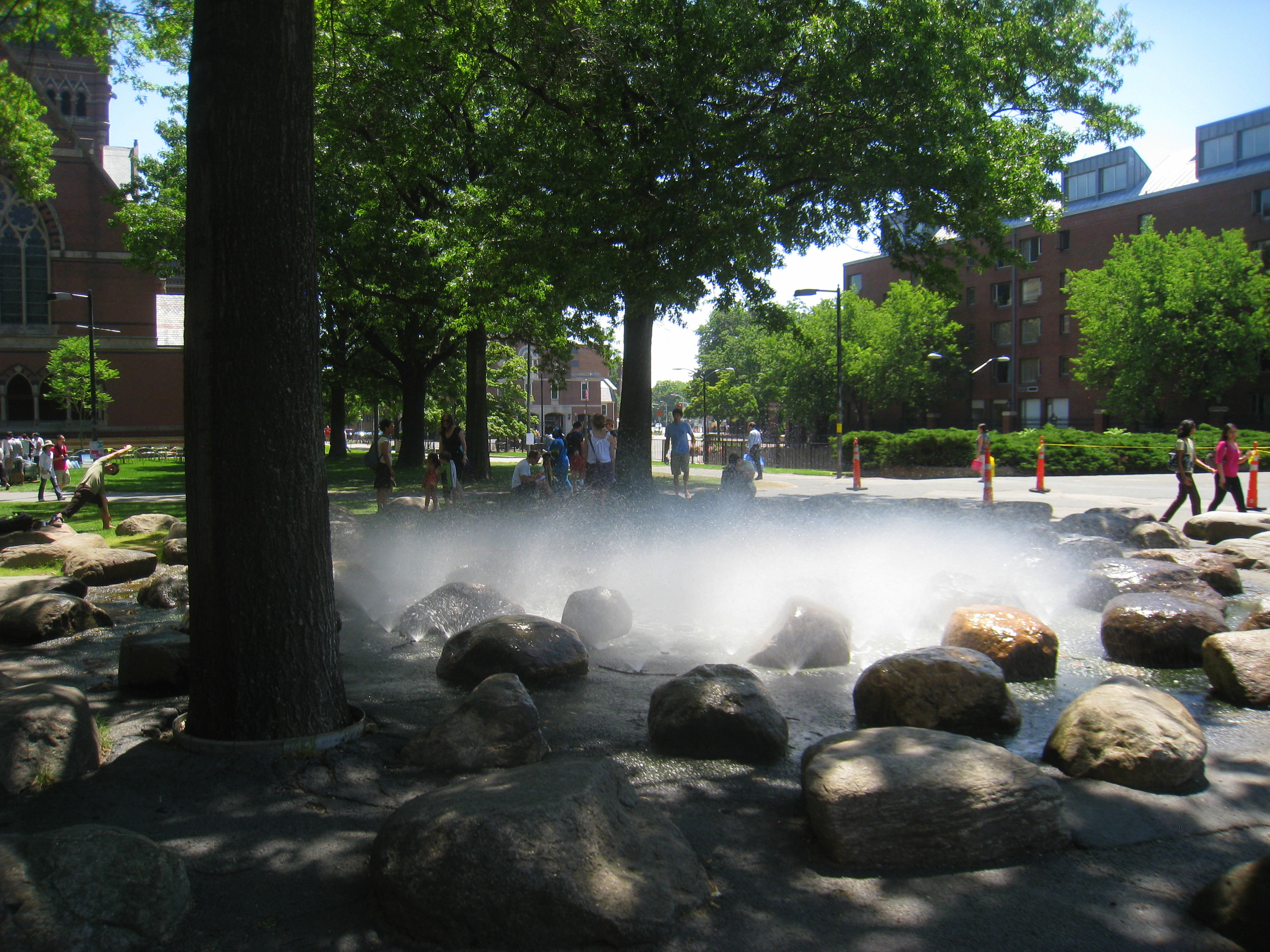
Harvard University

Florida State University
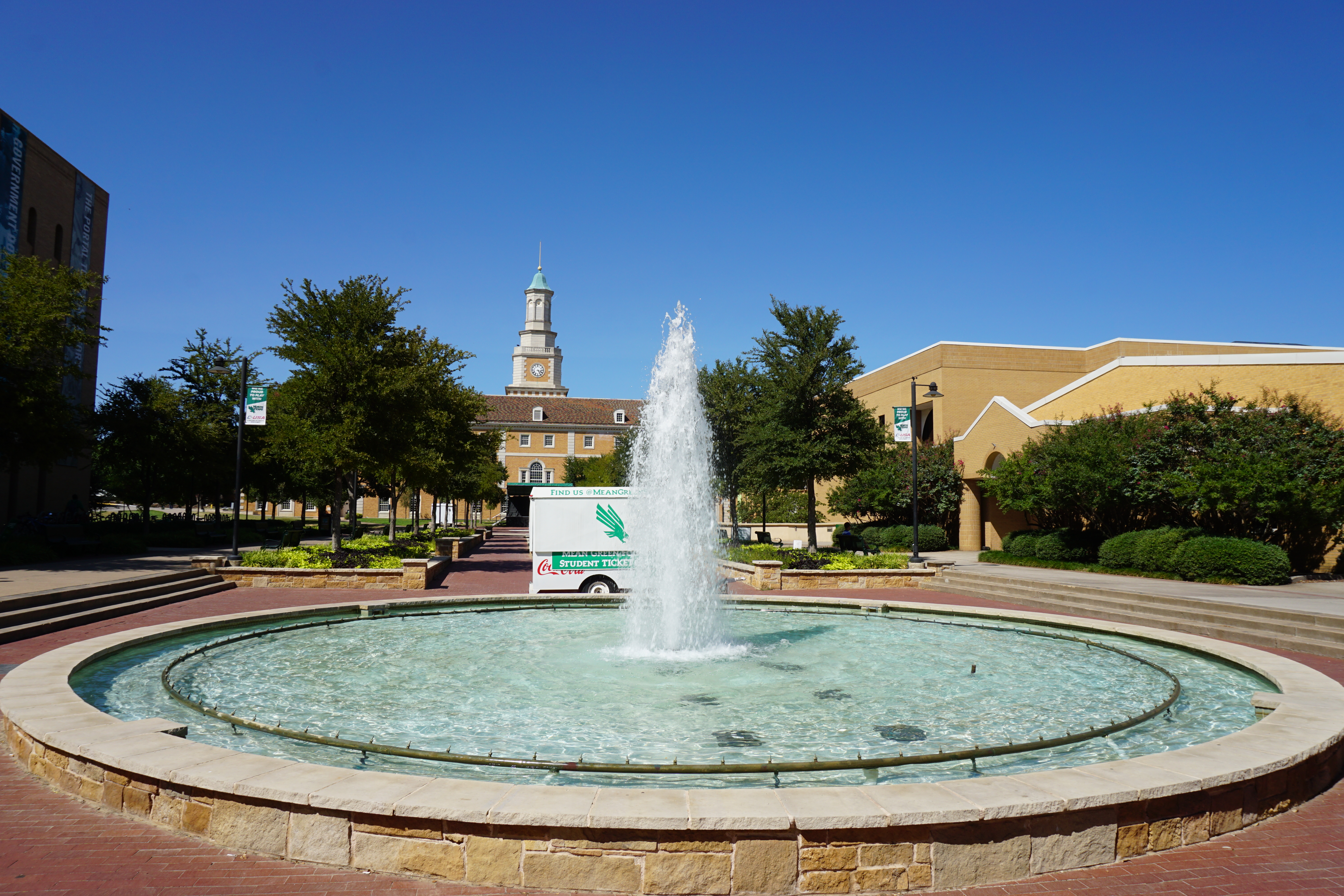
University of North Texas

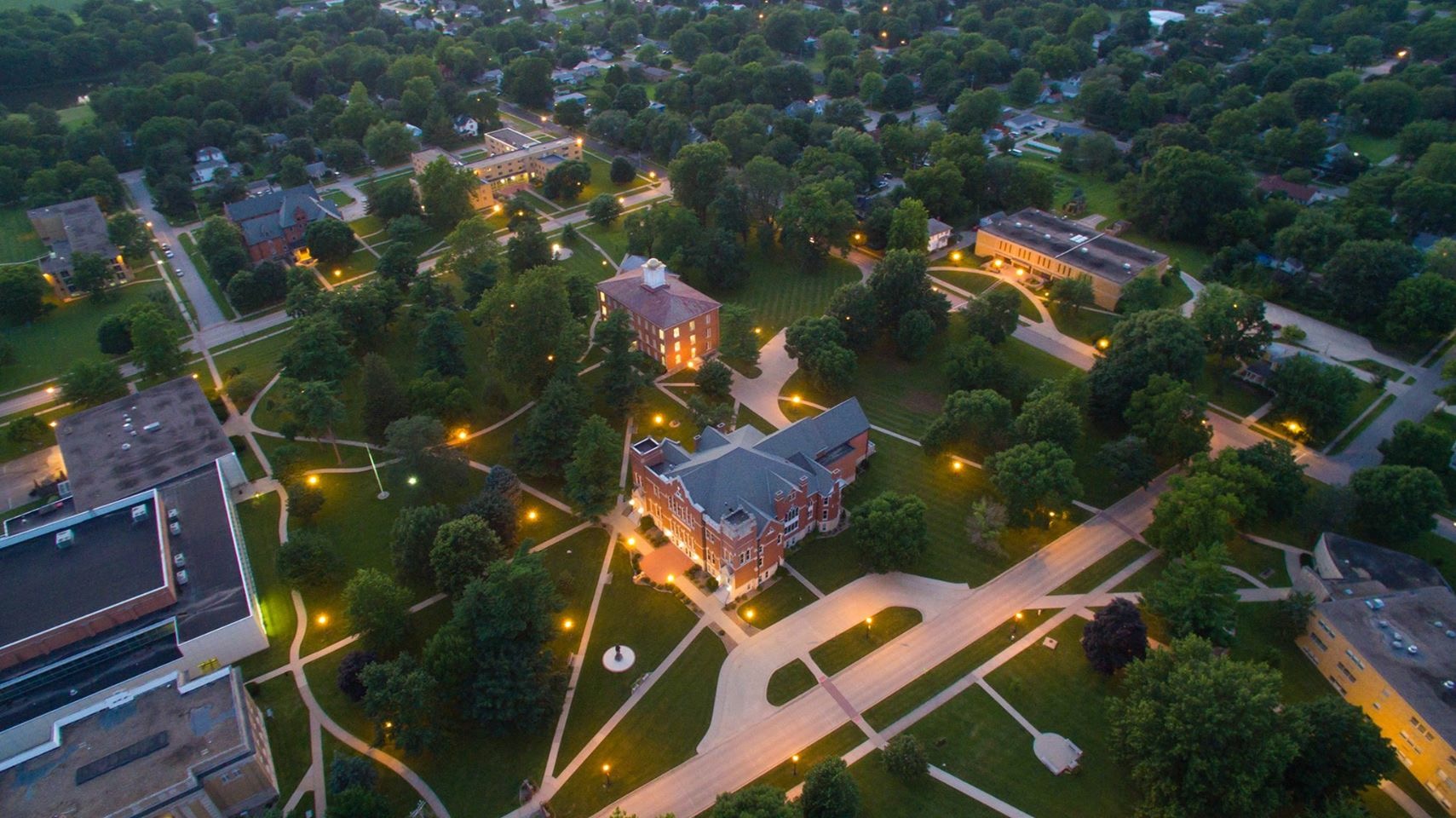
Abiit sed non oblitus | Iowa
Iowa Wesleyan University is a private university in Mount Pleasant, Iowa with a founding affiliation with the United Methodist Church. It is Iowa’s first co-educational institution of higher learning and the oldest of its type west of the Mississippi River. It is one of several colleges and universities in the United States funded through the National Institute of Food and Agriculture program. These institutions receive funding for research, education, and outreach programs related to agriculture, food, and natural resources.
With an enrollment consistently below 1000 students the university will close at the end of the 2022–23 academic year owing to financial challenges.
More:
Iowa Wesleyan University to close after nearly 2 centuries
Long-struggling Iowa Wesleyan to close due to budget shortfall; USDA to take over campus
Owing $26 million to the USDA, Iowa Wesleyan University announces closure
This poem about Julian of Norwich from WOUND is one of the most meaningful to me, written at the height of pandemic spring.
I am so grateful to @GrantaMag for giving it an online home: pic.twitter.com/k4SveIBAJh
— Dr. Maya C. Popa (@MayaCPopa) May 23, 2023

A History of Ballooning in America
Around the World in 80 Days | Those Magnificent Men in Their Flying Machines
MIT News:
MIT students see the Earth's curvature in reborn AeroAstro intro course.https://t.co/Mrsb18ICMl@MIT
A History of Ballooning in Americahttps://t.co/7ck7xMRQdf@ClementsLibrary pic.twitter.com/InTZ30g3Oe— Standards Michigan (@StandardsMich) August 21, 2026



“Knoxville: Summer of 1915”
Michigan Central | Library of Congress: Lyrics | Song of America
Student Musicians Perform Backyard Concerts | University of North Dakota@UofNorthDakotahttps://t.co/mOy8oKr6Ke pic.twitter.com/TkBfpLieHE
— Standards Michigan (@StandardsMich) June 25, 2022
Wharton Center completes 2025 Renovations

The History of Cool: How the Air Conditioner Changed Modern Architecture
Williams College is a private liberal arts college located in Williamstown, Massachusetts, USA. Founded in 1793, it is one of the oldest institutions of higher education in the United States. The college was established through a bequest of Colonel Ephraim Williams Jr., a war hero who died in the Battle of Lake George during the French and Indian War. In his will, Colonel Williams left funds for the establishment of a free school on the condition that it be located in Williamstown.

2026 NFPA 70 Tentative Interim Amendments
NFPA 70 | National Electrical Code | Noteworthy 2026 Tentative Interim Amendments
Issued Tentative Interim Amendments
TIA 26-1 | 680.21(C) — Swimming Pool Motors: Ground-Fault Protection
TIA 26-2 | 690.12(C) — Photovoltaic Systems: Rapid Shutdown Initiation Devices
TIA 26-3 | 430.132 (New) — Motors, Motor Circuits and Controllers
TIA 26-4 | 500.30(A) — Hazardous (Classified) Locations: Bonding
TIA 26-5 | 501.15(B)(2) — Class I, Division 2 Boundary Sealing
TIA 26-6 | 505.30(A) — Zone 0, 1 and 2 Hazardous Locations: Bonding
TIA 26-7 | 506.30(A) — Zone 20, 21 and 22 Hazardous Locations: Bonding
TIA 26-8 | 270.50 — Grounding Electrode Systems Over 1000 Volts AC / 1500 Volts DC
Proposed Tentative Interim Amendments
Proposed TIA 1874 | 625.43(D) — Electric Vehicle Power Transfer Systems: Emergency Shutoff
Proposed TIA 1892 | 625.54 — Electric Vehicle Power Transfer Systems: GFCI Protection for Personnel
Proposed TIA 1896 | 225.31(B) — Outside Branch Circuits and Feeders: Location of Disconnecting Means
Proposed TIA 1897 | Table 501.10(A)(1) — Class I, Division 1 Wiring Methods
Proposed TIA 1903 | 700.6(C) — Emergency Systems: Bypass and Isolation of Transfer Equipment
Proposed TIA 1912 | 624.44(A) — Electric Self-Propelled Vehicle Power Transfer Systems: Equipment Connection
Proposed TIA 1915 | Tables 270.122(B)(1), (B)(2) and (B)(3) — Equipment Grounding Conductors
Tentative Interim Amendments become effective between regular editions of NFPA 70. Proposed TIAs remain subject to the NFPA standards-development process and should be distinguished from issued TIAs incorporated into the current Code.
Check with Jeff Sargent for more information: jsargeant@nfpa.org
NFPA 70 | Tentative Interim Amendments. Among the more consequential Tentative Interim Amendments for educational and healthcare settlements are proposals affecting emergency transfer equipment, electric vehicle charging and building disconnects.
700.6(C) — Emergency Transfer Equipment: Proposed revisions address bypass and isolation requirements for transfer equipment, with implications for maintaining emergency electrical systems without unnecessarily interrupting the loads those systems are intended to protect.
625.54 — Electric Vehicle Supply Equipment: Proposed revisions address GFCI protection and its interaction with EV charging equipment, an increasingly important issue for campus fleet, commuter and residential charging infrastructure.
225.31(B) — Building Disconnects: Proposed revisions address the location of disconnecting means for separately supplied buildings and structures, a practical concern for large educational settlements with distributed feeders, substations and multiple buildings under common management.
“`
Mashed Cauliflower
This content is accessible to paid subscribers. To view it please enter your password below or send mike@standardsmichigan.com a request for subscription details.

Morning Hymn and Alleluia
Nonnberg Abbey (Stift Nonnberg) in Salzburg, Austria.
In both the stage musical and the 1965 film The Sound of Music, the nuns of Nonnberg Abbey sing the traditional “Morning Hymn” (also known as “Rex Admirabilis,” part of the Preludium sequence with “Dixit Dominus” and “Alleluia”). This occurs early in the story as part of the abbey scenes involving Maria and the other nuns.
Nonnberg is a real Benedictine nunnery (founded around 712–715 and the oldest continuously existing nunnery in the German-speaking world). The real Maria von Trapp was a postulant/novice there before being sent to the von Trapp family, and exterior shots (courtyard, gates, etc.) were filmed on location. Interiors were recreated on a Hollywood set because filming inside was not permitted.
Paul Rogers has seen Jefferson State’s impact on the region through his involvement in the banking industry, and as a JSCC Foundation board member.#communitycollege #highereducation #workforcedevelopment pic.twitter.com/d5SFKkEocd
— Jefferson State (@jeffstate) January 22, 2026
New update alert! The 2022 update to the Trademark Assignment Dataset is now available online. Find 1.29 million trademark assignments, involving 2.28 million unique trademark properties issued by the USPTO between March 1952 and January 2023: https://t.co/njrDAbSpwB pic.twitter.com/GkAXrHoQ9T
— USPTO (@uspto) July 13, 2023
Welcome
Standards Michigan Group, LLC
455 East Eisenhower Parkway, Suite 300
Ann Arbor, MI 48108 USA
888-748-3670
DIRECTIONS
 |
 |
|
 |
 |
|
 |
 |
Layout mode
Predefined Skins
Custom Colors
Choose your skin color
Patterns Background
Images Background
error: Content is protected !!
Skip to content