Bucolia 300

Loading
loading...

Bucolia 300

July 17, 2026
mike@standardsmichigan.com
No Comments

Arboreta

Why the “Arbor” in Ann Arbor Michigan?

Other Ways of Knowing Climate Change

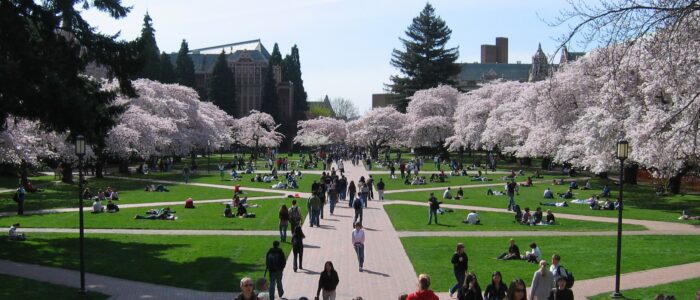
Anglo-americká vysoká škola, z.ú. Czech Republic

Today we walk through literature governing the safety and sustainability of the open space features of education community estates.   Unlike the titles for the building envelope, which are known to most design professionals and contractors, the standards for grounds and landscaping are widely scattered; many of them occupational safety related; created, administered and enforced by units of government.

During the fair seasons we examine the moment in landscape, garden, tree and water literature.  We also track titles about the reclamation of building roofs for permeable surfaces and gardens.

During the winter months in the northern hemisphere we include snow and ice management; while covering summer month technologies for southern hemisphere (and vice-versa).  Snowfalls in the southern hemisphere are mainly contained to the highlands and mountain ranges, which are almost exclusively in Victoria and Southern New South Wales, as well as the mountains in Tasmania.   Winter does not pose as much of a cost burden to education facilities in the southern hemisphere as it does in the northern hemisphere.

Arboreta

Landscape standards refer to guidelines or regulations that specify the requirements for the design, installation, and maintenance of outdoor spaces such as parks, gardens, streetscapes, and public spaces. Landscape standards typically cover various aspects of landscape design, including vegetation selection, planting arrangements, irrigation systems, hardscape materials, and lighting.

These standards may be set by government agencies at the federal, state, or local level, or by professional organizations such as the American Society of Landscape Architects (ASLA). Landscape standards aim to ensure that outdoor spaces are safe, functional, and aesthetically pleasing while also promoting sustainability and environmental protection.

Landscape standards may also address issues such as accessibility for people with disabilities, water conservation, stormwater management, and erosion control. They may vary depending on the specific location, climate, and intended use of the outdoor space. Compliance with landscape standards may be required for approval of development projects, public funding, or other permits.

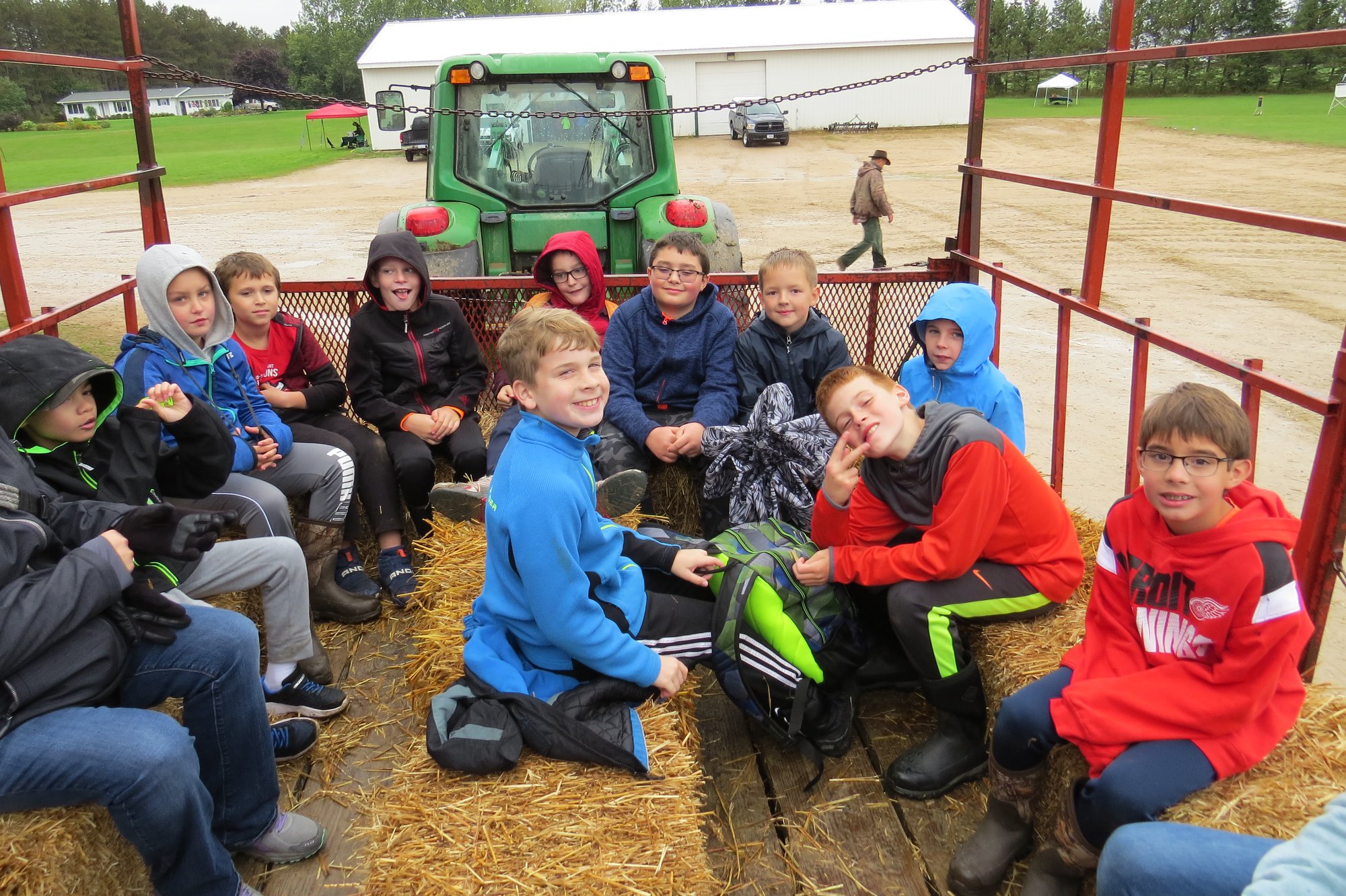
Father Marquette Catholic Academy | Marquette County Michigan

We track the standards catalog of two ANSI-accredited standards developers:

American Hort

Tree Care Industry Association

Additional practice titles applicable to accessory systems:

ASABE/ICC 802 Landscape Irrigation Sprinkler and Emitter Standard 

National Electrical Code: Article 411 Low-Voltage Lighting

Upcode Article 411

National Electrical Code: Article 225: Outside Branch Circuits and Feeders

Illumination Engineering Society (Lighting Library)

Land F/X: Landscape Lighting, Codes, Guidelines and Techniques  

OSHA Landscape and Horticultural Services

As a cross-cutting subject involving soil and water and sun many other standards developers, and all levels of government, produce best practice literature for today’s topic.  We’ll have a look at what’s moving among those.

To join us use the login credentials at the upper right of our home page.

"It is spring again. The earth is like a child that knows poems by heart." -- Rainer Maria Rilke

Standing Agenda / Bucolia

Water Safety & Sustainability

July 17, 2026
mike@standardsmichigan.com

No Comments

 AWWA C500 Metal-Seated Gate Valves for Water Supply Service | Consultation Closes July 27

AWWA COMMENT PERIOD ON AWWA G480, Water Conservation and Efficiency Program Operation and Management Closes June 23

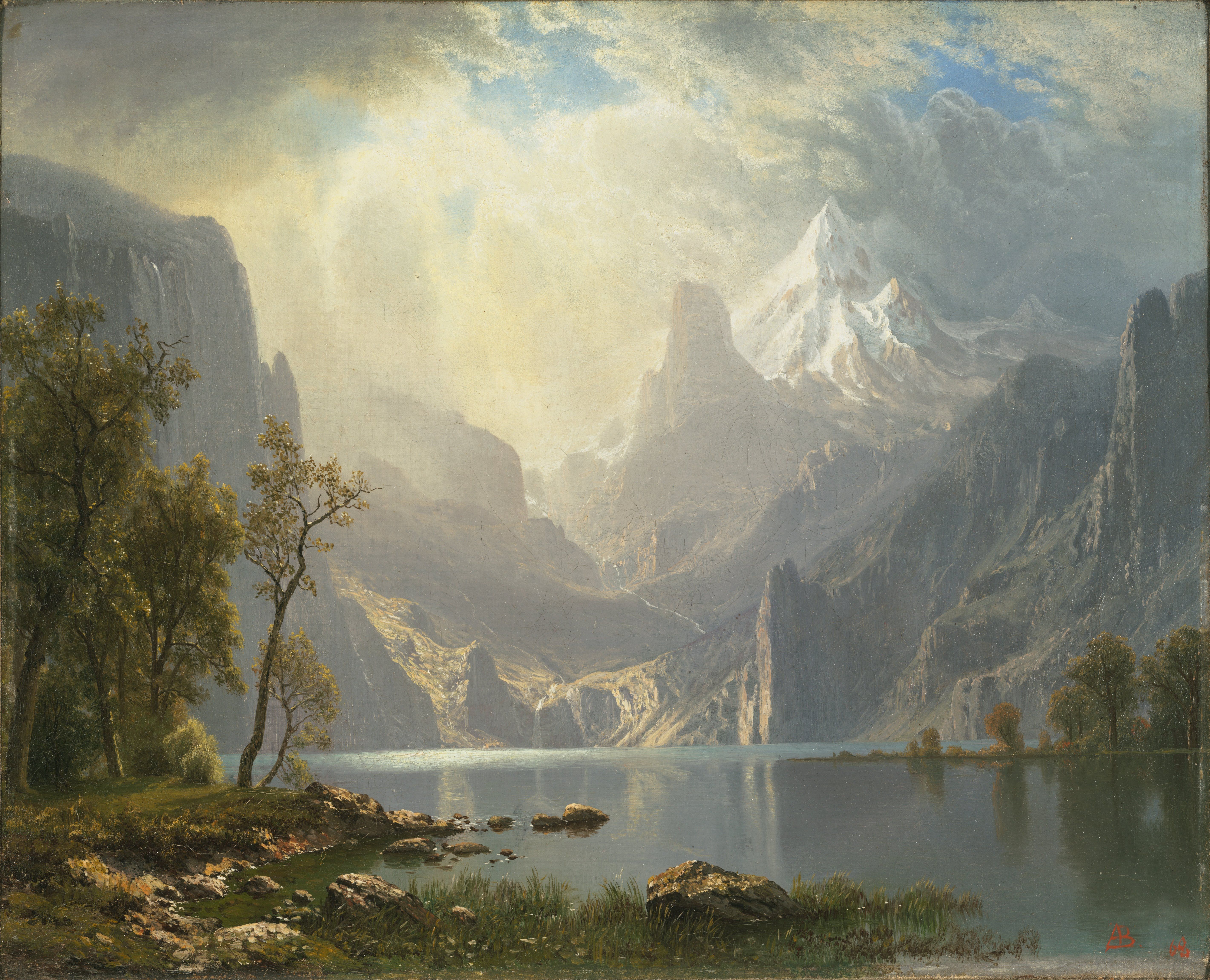
Harvard University Art Museum | In the Sierras, Lake Tahoe | Albert Bierstadt

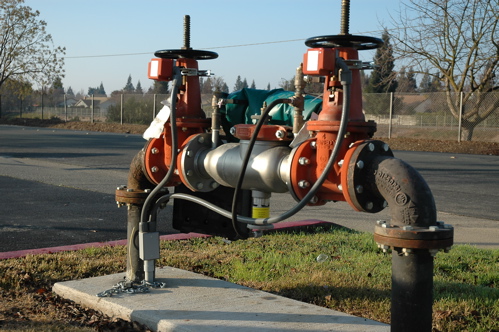
The American Water Works Association is one of the first names in accredited standards developers that administer leading practice discovery in backflow prevention consensus documents; usually referenced in local and state building codes; and also in education facility design guidelines and construction specifications.

The original University of Michigan standards enterprise gave highest priority to backflow standards because of their central importance of backflow management to education communities; especially large research universities nested within a municipal water system.  Backflow prevention; an unseen technology that assures a safe drinking water supply by keeping water running in one direction by maintaining pressure differences.  Analogous to the way we want electrical current to run in one direction, failure of backflow prevention technology poses a near-instantaneous health risk for the contamination of potable water supplies with foul water.  In the most obvious case, a toilet flush cistern and its water supply must be isolated from the toilet bowl.  In a less obvious case, but at greater scale, a damaged backflow prevention technology at a university research building can contaminate an host-community potable water supply.

There are other ANSI accredited standards developers in the backflow prevention technology space — the International Code Council, the IAPMO Group and ASSE International — for example.

Backflow Preventer

At the moment no AWWA redlines relevant to our objective are open for consultation.  Several relatively stabilized product standards are marked up but none dealing specifically with interoperability issues.  When they are uploaded you may access them at the link below:

AWWA Standards Public Comment Home Page

Students and Young Professionals

AWWA is the first name in US-based water standards so we maintain the AWWA catalog on our Plumbing & Water colloquia.   See our CALENDAR for the next online meeting; open to everyone.

Issue: [11-57]

Category: Water Safety, Plumbing, Mechanical

Colleagues: Mike Anthony, Richard Robben, Steve Snyder, Larry Spielvogel


LEARN MORE

Workspace / AWWA


Critter Control

July 17, 2026
mike@standardsmichigan.com
No Comments

This content is accessible to paid subscribers. To view it please enter your password below or send mike@standardsmichigan.com a request for subscription details.

Playgrounds

July 16, 2026
mike@standardsmichigan.com
No Comments
…”Your children are not your children.
They are the sons and daughters of Life’s longing for itself.
They come through you but not from you,
And though they are with you yet they belong not to you.
You may give them your love but not your thoughts,
For they have their own thoughts.
You may house their bodies but not their souls,
For their souls dwell in the house of tomorrow,
which you cannot visit, not even in your dreams…”


Dufferin-Peel Catholic District Schools | Ontario

Outdoor play facilities for school children are governed by several key codes and standards to ensure safety and accessibility. The European Standard EN 1176 outlines safety requirements for playground equipment, covering design, installation, and maintenance to minimize risks like entrapment and falls.

The Health and Safety at Work etc. Act 1974 mandates risk assessments and safe environments, while the Occupiers’ Liability Act 1957 (revised 1984) ensures playgrounds are reasonably safe for users.

The Consumer Protection Act 1987 holds manufacturers liable for defective equipment. The Children Act 1989 requires facilities to be suitable and safe. Ofsted emphasizes stimulating, inclusive, and varied play environments that promote physical and mental health, encouraging year-round outdoor learning. Compliance with these standards, alongside regular inspections (e.g., TÜV certification), ensures safe, durable, and engaging playgrounds that foster children’s development while minimizing injury risks.

Today at the usual hour we update our understanding of the technical literature that supports making these facilities safe, sustainable and enjoyable.  Use the login credentials at the upper right of our home page.

Playground Equipment

ASTM Playground Standards

Fences & Zoning

Bleachers, Folding Seating & Grandstands

Outdoor Power Equipment

Sichere Kinderspielplätze mit Standards

Sports, Recreational Facilities & Equipment

Gallery: Playgrounds

July 16, 2026
mike@standardsmichigan.com
No Comments

Management of Assets in Power Systems

July 15, 2026
mike@standardsmichigan.com
,
No Comments

From Case Studies to Standards

  • Has anyone built this?  (We hope so)
  • Has anyone measured it?
  • Has it failed anywhere?
  • Can it be inspected; when an how often?
  • Can it be maintained and can we train people to maintain it?
  • Is the additional complexity justified?  (Keep in mind Standards Michigan objective: Safer – Simpler – Lower Cost – Longer Lasting
  • Can we write enforceable Code language that will not limit innovation?

“Mount Fuji from Lake Yamanaka” Takahashi Shōtei (1871-1945) | Los Angeles County Museum of Art

The Japanese Standards Association is the Global Secretariat for a standardization project devoted to the discovery and promulgation of common methods and guidelines for coordinated lifetime management of network assets in power systems to support good asset management.  In addition, this may include the development of new methods and guidelines required to keep pace with development of electrotechnologies excluding generation assets; covered by other IEC standards.

There has, and will continue to be significant investment in electricity assets which will require ongoing management to realise value for the organizations. In the last 5 years, there has been USD 718 billion investment for electricity, spending on electricity networks and storage continued, reaching an all-time high of USD 277 billion in 2016. In the United States (17% of the total) and Europe (13%), a growing share is going to the replacement of ageing transmission and distribution assets.  A more fully dimensioned backgrounder on the business environment that drives the market for this title is available in the link below:

IEC/TC 123 Strategic Business Plan

Begun in 2018, this is a relatively new project with three stabilized titles:

IEC 60050-693 ED1: Management of network assets in power systems – Terminology

IEC 63223-2 ED1: Management of network assets in power systems – Requirements

IEC TS 63224 ED1: Management of network assets in power systems – Practices and case studies

Electropedia: The World’s Online Electrotechnical Vocabulary

It is early in this project’s lifecycle; far too early to find it referenced in public safety and energy laws in the United States where it would affect #TotalCostofOwnership.   Where we should, we follow the lead of the USNC/IEC for the United States, while still mindful that many of our IEEE colleagues follow the lead of their own national standards body.

Because this project fills an obvious gap in good practice literature we maintain this project on our 4 times monthly electrotechnology colloquium that we co-host with the IEEE Education & Healthcare Facilities Committee.   See our CALENDAR for the next online meeting; open to everyone.

World Standards Day 2023 webinars on latest information technologies

The importance of functional safety | 2023-10-11  IEC Editorial Team


USNC/IEC Workspace


Red, White and Blue Smoothie

July 15, 2026
mike@standardsmichigan.com
, , , , , ,
No Comments

COLLEGE PARK WEATHER

University System of Maryland | $12.225B

Strawberries

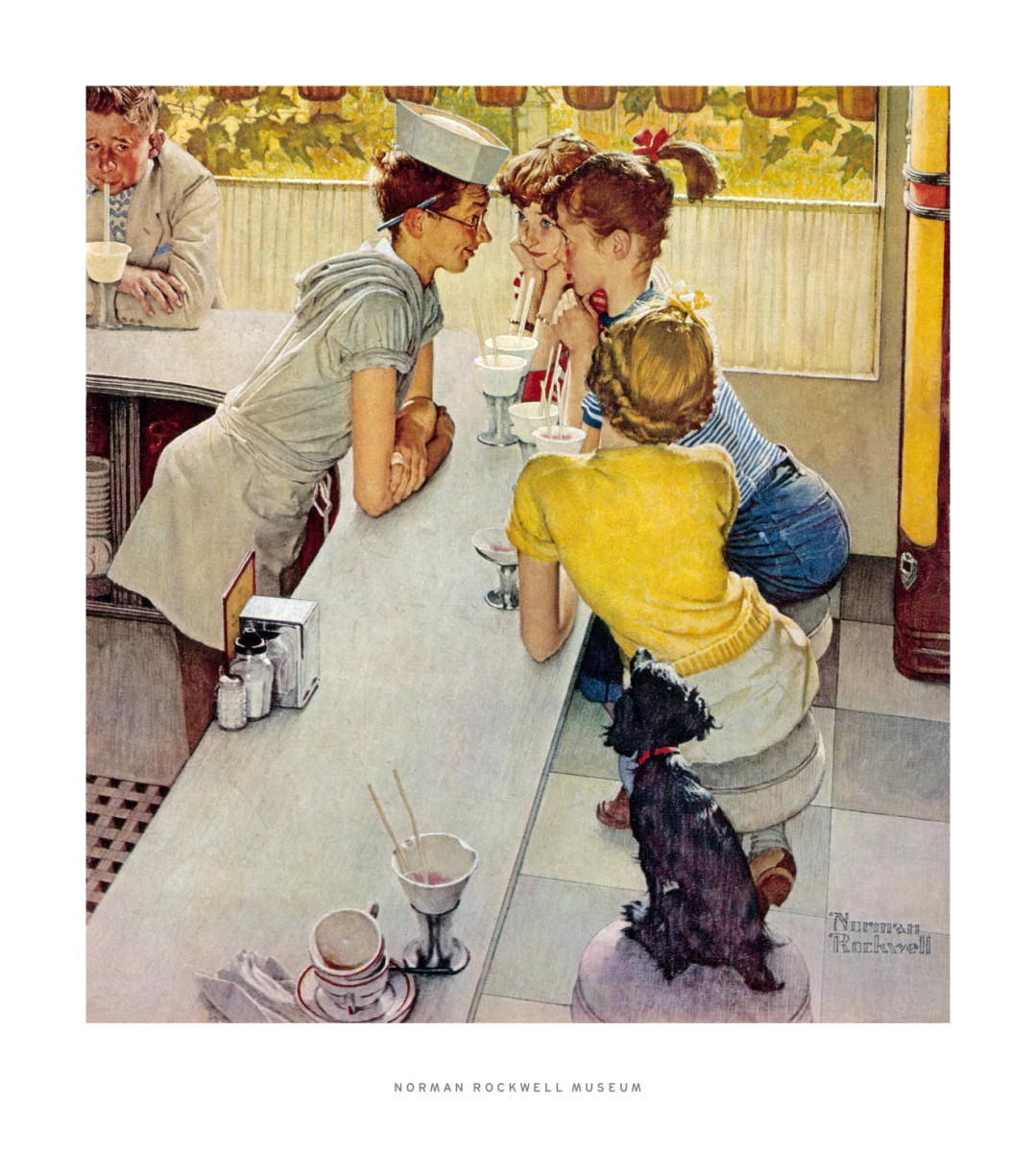
Soda Jerk, 1953 by Norman Rockwell - Paper Print - Norman ...

Blueberries

University of Maryland Extension

Standards Maryland

The choice of red, white, and blue in national flags often carries historical, cultural, and political significance. Here are some reasons why various nations have chosen these colors:

  1. Historical Connections:
    • United States: The colors were chosen for their flag in 1777 and have been interpreted to symbolize valor (red), purity (white), and justice (blue). The colors were influenced by the British Union Jack.
    • France: The Tricolour flag adopted during the French Revolution represents liberty (blue), equality (white), and fraternity (red).
    • United Kingdom: The Union Jack combines elements from the flags of England (red and white), Scotland (blue and white), and Ireland (red and white).
  2. Cultural and Political Significance:
    • Russia: The flag’s colors were adopted from the Dutch flag, symbolizing pan-Slavism (red for bravery, blue for faithfulness, and white for honesty).
    • Netherlands: The Dutch flag’s colors (originally derived from the Prince’s Flag) have historical roots, symbolizing the struggle for independence and liberty.
    • Czech Republic and Slovakia: Both countries use red, white, and blue to represent their Slavic heritage.
  3. Influence and Inspiration:
    • Chile, Costa Rica, and Panama: These countries were influenced by the colors and symbolism of other flags (e.g., the French and American flags) during their independence movements.
    • Australia and New Zealand: Both countries incorporate the Union Jack in their flags, reflecting their colonial history with the United Kingdom.
  4. Symbolism:
    • Croatia, Serbia, and Slovenia: The colors are traditional pan-Slavic colors, representing freedom and national unity.
    • Iceland and Norway: The colors reflect their historical and cultural ties to other Scandinavian countries.

The exact reasons can vary, but often the colors reflect a mix of historical alliances, cultural heritage, and political ideals.


Layout mode
Predefined Skins
Custom Colors
Choose your skin color
Patterns Background
Images Background
Standards Michigan
error: Content is protected !!
Skip to content