
Fruity French Toast Casserole
- Home Page 203


Blueberry Crisp
This content is accessible to paid subscribers. To view it please enter your password below or send mike@standardsmichigan.com a request for subscription details.

Lively 500
The term “lively arts” is attributed to American writer and poet James Thurber. It was popularized in the mid-20th century as a way to describe various forms of performing arts, such as theater, dance, music, and other creative expressions.

Curtain for the Lviv Theatre of Opera and Ballet
“What art is, in reality, is this missing link, not the links which exist.
It’s not what you see that is art; art is the gap”
— Marcel Duchamp
Today we refresh our understanding of the literature that guides the safety and sustainability goals of lively art events in educational settlements. Consortia have evolved quickly in recent years, leading and lagging changes in the content creation and delivery domain. With this evolution a professional discipline has emerged that requires training and certification in the electrotechnologies that contribute to “event safety”; among them:
Cornell University Legal Information Institute: Schenck v. United States (1919)
“The most stringent protection of free speech would not protect a man in falsely shouting fire in a theatre and causing a panic.” — Justice Oliver Wendell Holmes
OSHA General Duty Clause: 29 U.S. Code § 654 – Duties of employers and employees

Standard 62.1: This standard establishes minimum ventilation rates and indoor air quality requirements for commercial buildings, including theaters and auditoriums.
Standard 55: This standard specifies thermal comfort conditions for occupants in indoor environments, which can have an impact on air quality.
Audio Visual and Experience Association
Entertainment Services and Technology Association
Set design model for Giuseppe Verdi’s Otello, created for a Paris production in 1895@GallicaBnF
print(“Lively Arts”)https://t.co/93JWrmLwPh pic.twitter.com/RRxuzmGT4r— Standards Michigan (@StandardsMich) December 10, 2021
The Johnny Carson School of Theatre & Film commits to the philosophy that students of the lively arts must be provided w/ practical skills for employment in industry &
educational settings.https://t.co/DRe7qWJKgW@NebCarsonSchool
Print(“Lively”) #StandardsNebraska pic.twitter.com/7K8zfXYlZj— Standards Michigan (@StandardsMich) February 4, 2022
International Code Council
International Building Code: Section 303.2 Assembly Group A-1
Illumination Engineering Society
RP-16-17 Lighting for Theatrical Productions: This standard provides guidance on the design and implementation of lighting systems for theatrical productions. It includes information on the use of color, light direction, and light intensity to create different moods and effects.
RP-30-15 Recommended Practice for the Design of Theatres and Auditoriums: This standard provides guidance on the design of theaters and auditoriums, including lighting systems. It covers topics such as seating layout, stage design, and acoustics, as well as lighting design considerations.
DG-24-19 Design Guide for Color and Illumination: This guide provides information on the use of color in lighting design, including color temperature, color rendering, and color mixing. It is relevant to theater lighting design as well as other applications.
Institute of Electrical and Electronic Engineers
Research on Safety Integrity Level Assessment for Stage Machinery of Temporary Performance Site
Necessity of Establishing the Stage Technical Standards for Outdoor Live Performance Theater
Comparison of Technical Systems between Outdoor Live Performance Stage and Indoor Theater Stage
National Center for Spectator Sports Safety and Security
National Fire Protection Association
Life Safety Code
National Electrical Code
Articles 518-540: Arenas, Lecture Halls & Theaters
Society of Motion Picture Technology Engineers
Professional Lighting and Sound Association
Dance and Athletic Floor Product Standards: ASTM F2118, EN 14904, DIN 18032-2
Incumbent standards-setting organizations such as ASHRAE, ASTM, ICC, IEEE, NFPA have also discovered, integrated and promulgated event safety and sustainability concepts into their catalog of best practice titles; many already incorporated by reference into public safety law. We explore relevant research on crowd management and spectator safety.

“Art is anything you can get away with” — Marshall McLuhan
More
International Code Council (N.B. Changes to its Code Development Process)
International Building Code: Entertainment Occupancies
Section 410: Stages, Platforms and Technical Production Areas
National Electrical Code: Articles 518 – 540
Code-Making Panel 15 (NEC-P15): Public Input Report 10/1/2020
Code-Making Panel 15 (NEC-P15): Public Comment Report 11/18/2021
ASHRAE 62.1 Ventilation for Acceptable Indoor Air Quality
Princeton University: Set Design & Construction
Building the Virtual Stage: A System for Enabling Mixed Reality Theatre
University of California: Special Effects Safety and Loss Prevention
University of San Francisco Special Effects Safety
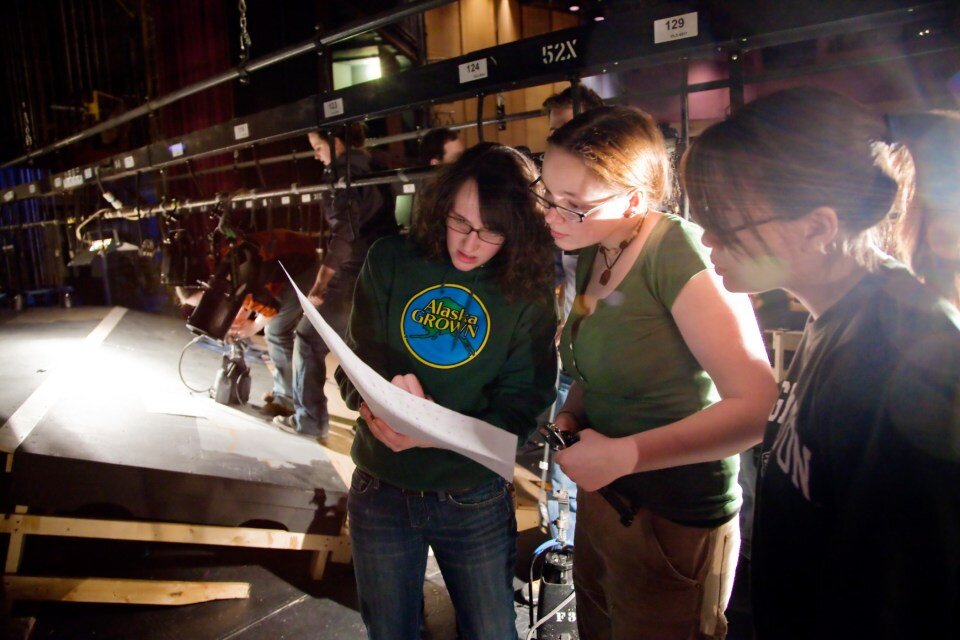

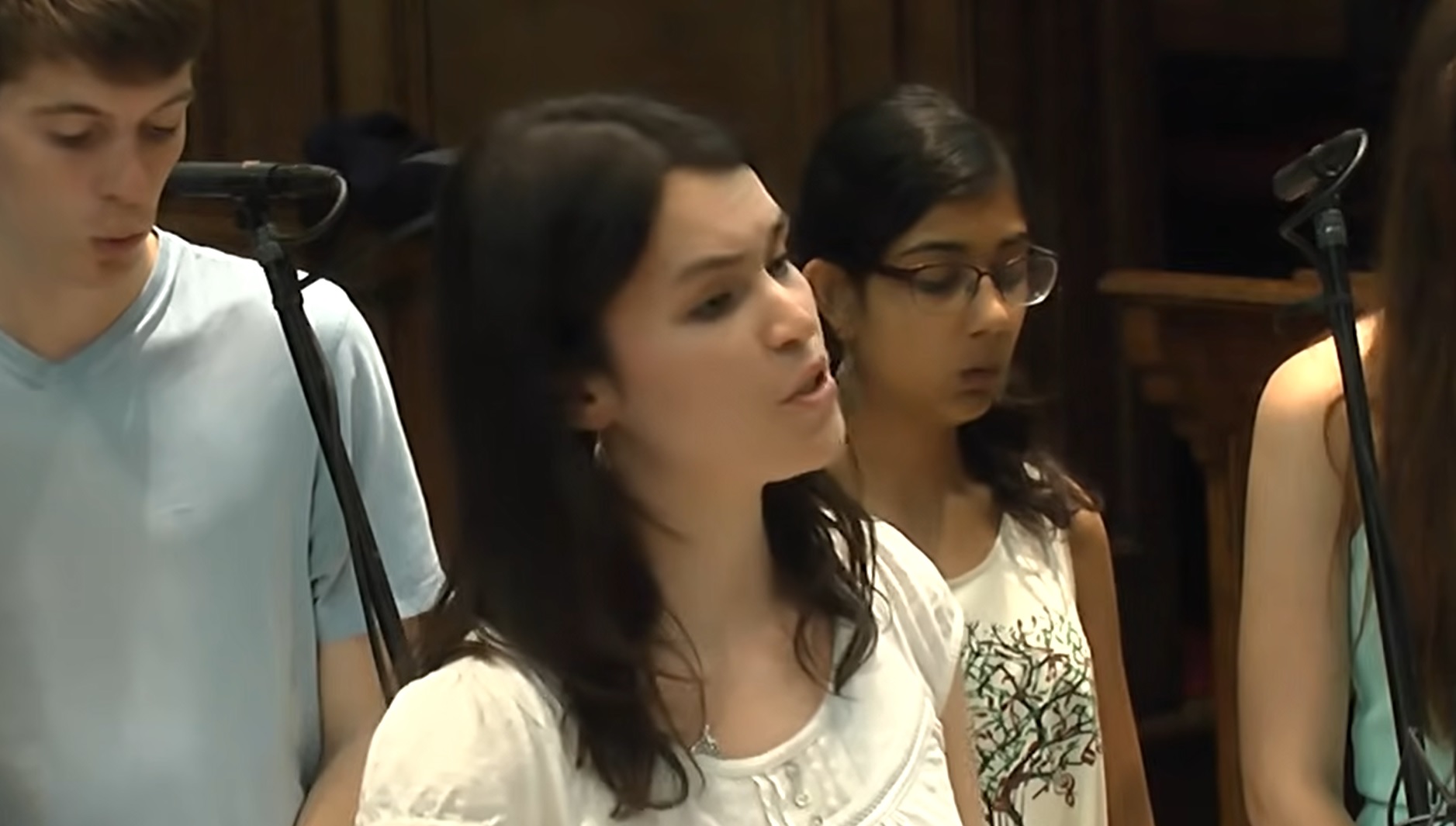
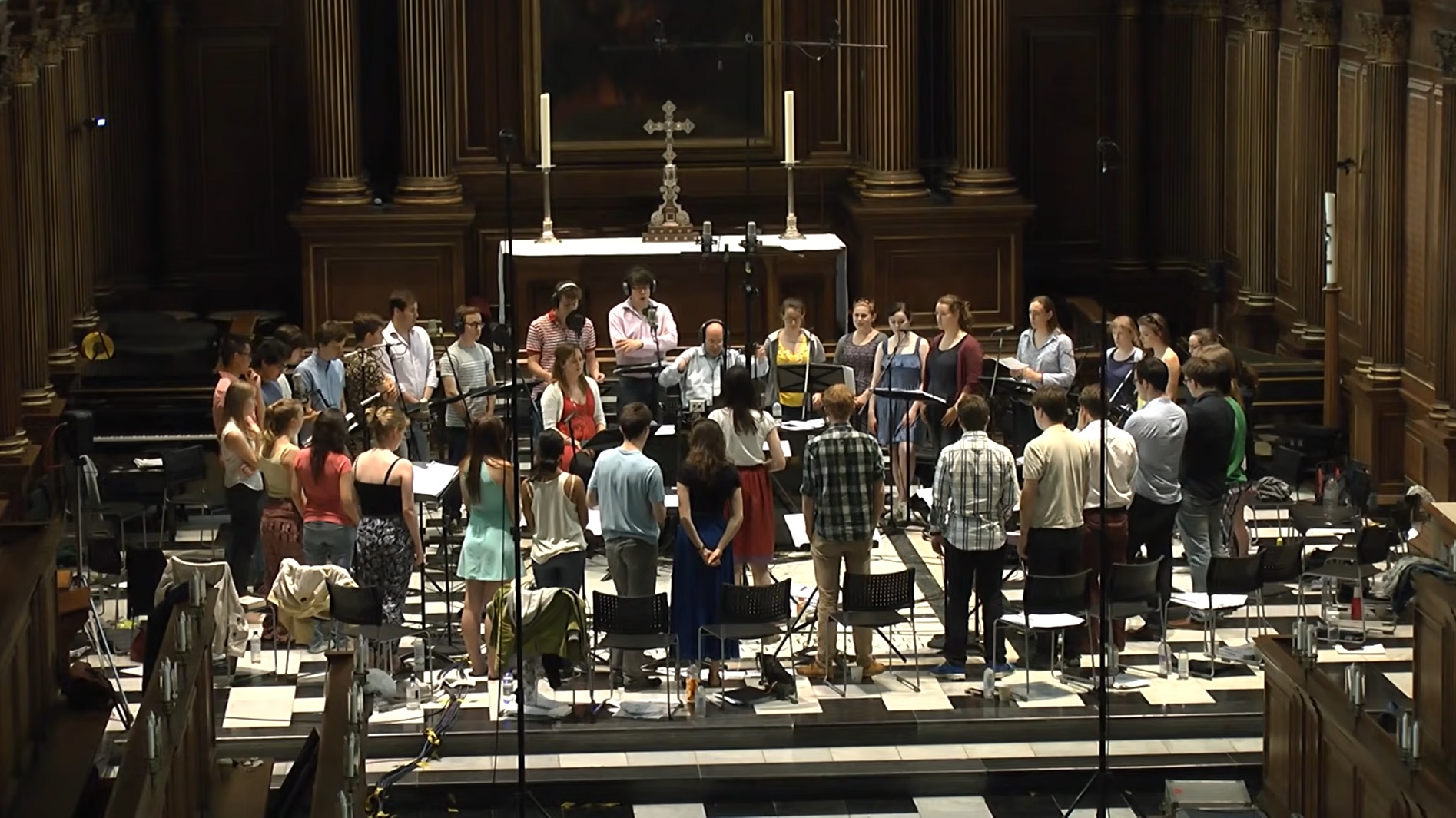
St. Ambrose University
This content is accessible to paid subscribers. To view it please enter your password below or send mike@standardsmichigan.com a request for subscription details.

Evensong “You Can Close Your Eyes”
This content is accessible to paid subscribers. To view it please enter your password below or send mike@standardsmichigan.com a request for subscription details.
Kawa po Polsku
This content is accessible to paid subscribers. To view it please enter your password below or send mike@standardsmichigan.com a request for subscription details.

Homeschool Laws By State
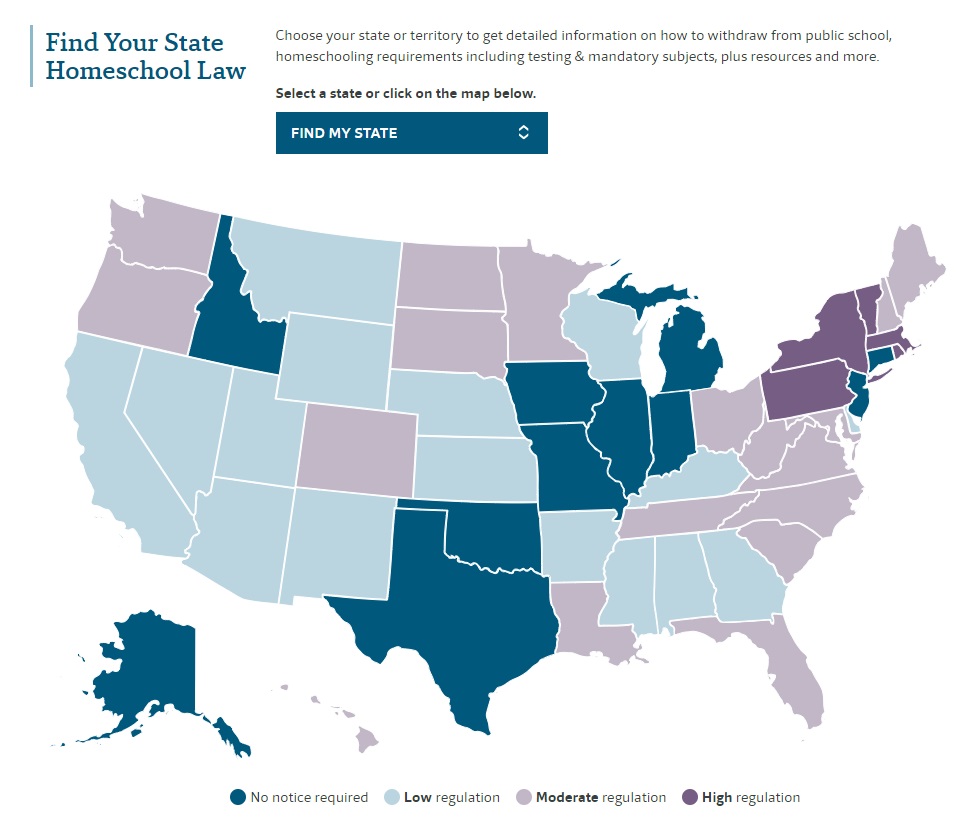

Education happening outside the home offers several advantages that contribute to the holistic development of children:
Socialization: Interacting with peers and teachers in a structured environment helps children learn social skills, cooperation, and conflict resolution, which are essential for navigating the complexities of adult life.
Diverse Perspectives: Schools expose children to a variety of viewpoints, backgrounds, and cultures, fostering tolerance, empathy, and understanding of diversity.
Specialized Instruction: Qualified educators are trained to teach specific subjects and tailor instruction to different learning styles, ensuring that children receive a well-rounded education.
Access to Resources: Schools provide access to resources such as libraries, laboratories, sports facilities, and technology that may not be available at home, enriching the learning experience.
Extracurricular Activities: Schools offer extracurricular activities like sports, music, drama, and clubs, which help children discover their interests, develop talents, and build leadership skills.
Preparation for the Real World: Schools simulate real-world environments, teaching children important life skills such as time management, responsibility, and teamwork, which are crucial for success in adulthood.
Professional Development: Educators undergo continuous training and development to stay updated with the latest teaching methodologies and educational practices, ensuring high-quality instruction for students.
While home-based learning can complement formal education and offer flexibility, the structured environment and resources provided by schools play a vital role in shaping well-rounded individuals ready to thrive in society.

Tobacco Crop Research
This content is accessible to paid subscribers. To view it please enter your password below or send mike@standardsmichigan.com a request for subscription details.
New update alert! The 2022 update to the Trademark Assignment Dataset is now available online. Find 1.29 million trademark assignments, involving 2.28 million unique trademark properties issued by the USPTO between March 1952 and January 2023: https://t.co/njrDAbSpwB pic.twitter.com/GkAXrHoQ9T
— USPTO (@uspto) July 13, 2023
Standards Michigan Group, LLC
455 East Eisenhower Parkway, Suite 300
Ann Arbor, MI 48108 USA
888-748-3670
DIRECTIONS
 |
 |
|
 |
 |
|
 |
 |