
Duplicate
- Home Page 227


Evensong “Capricho Arabe”
| Jamie Dupuis,originally from New Liskeard Ontario, studied under Philip Candelaria at the Cambrian College Sudbury Campus during which time he won a scholarship to the Musicians Institute in Hollywood, California. Since graduating he has worked as a professional musician, doing sessions, solo performances, weddings, bar gigs, festivals, composition, albums and YouTube videos featuring his virtuosity on the harp guitar. |

Creative Arts, Music, & Design


At the barbershop, it’s OK not to be OK
This content is accessible to paid subscribers. To view it please enter your password below or send mike@standardsmichigan.com a request for subscription details.

Flicker Characterization of Energy Saving Lamps

PT PLN (Persero), Jl. Trunojoyo Blok M I/135 Kebayoran Baru, Jakarta, Indonesia
Kawantech S.A.S, 6 Rue Françoise d’Eaubonne, Toulouse, France
School of Electrical Engineering and Informatics, Bandung Institute of Technology, Jalan Ganesha 10, Bandung, Indonesia
Université de Toulouse, Laplace, UMR 5213 (CNRS, INPT, UPS), 118 rte de Narbonne, Toulouse, France
Abstract: With the advent of Solid State Lighting came a renewed interest in the study of flicker. Potential effects include brightness enhancement, but also discomfort, ocular fatigue, phantom and stroboscopic effects. Both IEEE and IEC developed new metrics, but at the time of writing no firm consensus has been reached. Yet previous lamp studies in the Laplace laboratory showed that various flicker phenomenon are present on different lamps, but this feature is not documented. This paper focus on flicker changes w.r.t. applied voltage. The Indonesian power grid network is indeed characterized by large voltage variations; our purpose is to detect which lamps may exhibit too elevated flicker levels during out of nominal excursion and map such behavior with other electrical characteristics.
CLICK HERE to order complete paper
More
Harmonic Impacts on the Electrical Distribution Network by the Broad Usage of LED Lamps
LED lighting — Reduce the power consumption and increase the users comfort
The tale of a tea rookie: London Fog
This content is accessible to paid subscribers. To view it please enter your password below or send mike@standardsmichigan.com a request for subscription details.

Software Engineering Ethics Education
Four Opportunities for SE Ethics Education

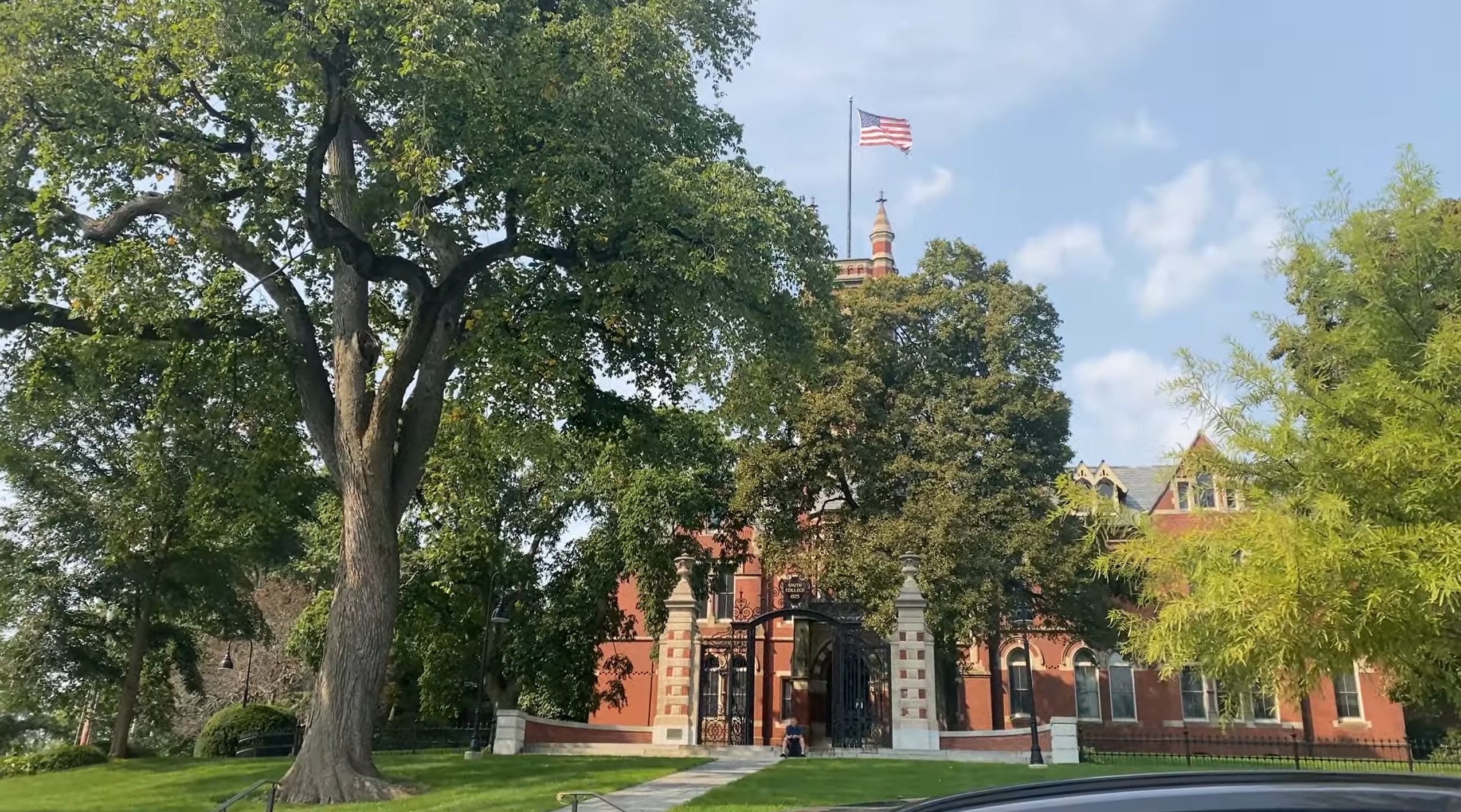
Smith College | Hampshire County Massachusetts

Sam Altman: OpenAI
There are no generally accepted best practices specifically tailored for Artificial General Intelligence (AGI) development, mainly because AGI remains largely theoretical and hasn’t been achieved yet. However, there are various principles, guidelines, and best practices within the broader field of artificial intelligence and machine learning that could inform AGI development efforts. Some of these include:
Ethical AI Principles: Many organizations and research institutions have proposed ethical principles for AI development, focusing on issues like fairness, transparency, accountability, and safety. These principles could be adapted and extended to AGI development.
Safety Guidelines: Concepts like AI alignment, robustness, and safety engineering are crucial for AGI development to ensure that the system behaves in desirable ways and doesn’t pose risks to humanity.
Interdisciplinary Approach: AGI development may require insights from various fields such as computer science, cognitive science, neuroscience, philosophy, and psychology. Collaborative efforts among experts from different disciplines can help in shaping best practices for AGI.
Research Ethics: Guidelines for conducting ethical research in areas like human subjects research, data privacy, and responsible publication are relevant for AGI development as well, especially considering the potential societal impacts of AGI.
Transparency and Openness: Promoting transparency and open research practices can help in fostering trust and collaboration within the AGI research community. Open access to data, code, and research findings can facilitate progress in AGI development while mitigating risks.
Risk Assessment and Mitigation: AGI researchers should consider potential risks and unintended consequences of their work, such as job displacement, economic disruption, and existential risks. Developing strategies for risk assessment and mitigation is essential.
Continuous Learning and Adaptation: AGI systems are expected to be capable of learning and adapting autonomously. Therefore, best practices for continual learning, model updating, and adaptation in AI systems are relevant for AGI development.
While there may not be specific standards or best practice literature exclusively dedicated to AGI, integrating insights and principles from related fields can guide responsible and effective AGI research and development. Additionally, as progress is made in AI research, new standards and best practices may emerge to address the unique challenges of AGI.

American College of Obstetricians and Gynecologists

Founded in 1951, ACOG is a membership organization for obstetrician–gynecologists. The College produces practice guidelines for health care professionals and educational materials for patients, provides practice management and career support, facilitates programs and initiatives to improve women’s health, and advocates for members and patients.
It provides several educational tracks for member certification and licensing largely derived from federal regulations. It also invites proposals from members about organizational priorities; one such linked below:
Abortion Misinformation Campaign
The link above also proves that no matter how well educated an organization’s members, the leadership of the organization is capable of shenanigans with federal law that leaves the regulation of abortion to states; closer to the cultural norms of local communities.


Related:
“A half truth is a full lie” — so goes the adage. In service of telling the full story — only half of which is told in the RFP linked above — a map of states is linked below.
Interactive Map: Abortion Laws by State
PROLOG: Gynecology and Surgery, Ninth Edition, has the latest evidence-based reviews of core topics in gynecology. This self-directed learning resource is designed to help #ObGyns and other #HCPs assess and update your clinical knowledge. Order now: https://t.co/AO9u4JDT8p pic.twitter.com/oPbg3l2DAx
— ACOG (@acog) January 31, 2024
Operations Desk
This content is accessible to paid subscribers. To view it please enter your password below or send mike@standardsmichigan.com a request for subscription details.

Athletics facilities upgrades: $390 Million
OSU was founded in 1890 as Oklahoma Agricultural and Mechanical College under the Morrill Land Grant Act of 1862 set in motion by President Abraham Lincoln. It has approximately 30,000 students across 1500 acres with 400 buildings. Its athletic department runs an operating budget of about $100 million.



H.R. 3410 Prohibit Federal funding of National Public Radio
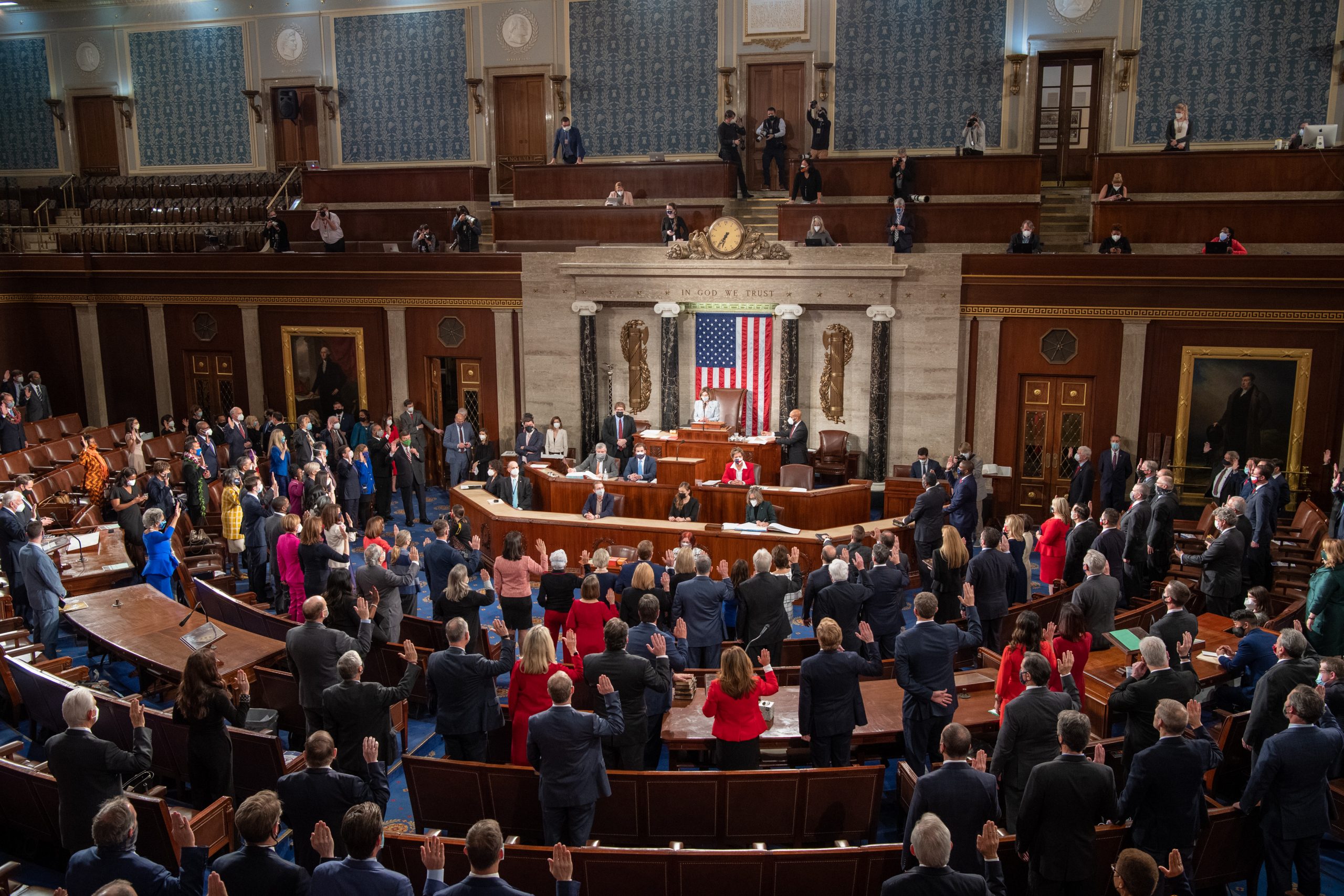
117th Congress Swearing In Floor Proceedings – January 3, 2021, House Chamber

New update alert! The 2022 update to the Trademark Assignment Dataset is now available online. Find 1.29 million trademark assignments, involving 2.28 million unique trademark properties issued by the USPTO between March 1952 and January 2023: https://t.co/njrDAbSpwB pic.twitter.com/GkAXrHoQ9T
— USPTO (@uspto) July 13, 2023
Standards Michigan Group, LLC
455 East Eisenhower Parkway, Suite 300
Ann Arbor, MI 48108 USA
888-748-3670
DIRECTIONS
 |
 |
|
 |
 |
|
 |
 |