


SNZ
- Home Page 3

loading...

2029 National Electrical Code Panel 3
CMP-3 Task Group 1
CMP-3 Task Group 2
CMP-3 Task Group 3
Update: July 21, 2026
Articles covered by CMP-3:
Article 206
Non-Power-Limited Remote-Control and Signaling Circuits | Article 300
General Requirements for Wiring Methods and Materials | Article 335
Instrumentation Tray Cable — formerly Article 727 | Article 720
Limited-Energy System Installations | Article 721
Limited-Energy Power Sources | Article 722
Limited-Energy Cables | Article 723
Raceways, Cable Routing Assemblies, and Cable Trays for Limited-Energy Systems | Article 724
Class 1 Power-Limited Remote-Control and Signaling Circuits | Article 725
Class 2 and Class 3 Power-Limited Circuits | Article 726
Class 4 Fault-Managed Power Systems | Article 728
Fire-Resistive Cable Systems | Article 760
Fire Alarm Systems | Article 772
Non-Power-Limited Remote-Control and Signaling Circuits | Article 300
General Requirements for Wiring Methods and Materials | Article 335
Instrumentation Tray Cable — formerly Article 727 | Article 720
Limited-Energy System Installations | Article 721
Limited-Energy Power Sources | Article 722
Limited-Energy Cables | Article 723
Raceways, Cable Routing Assemblies, and Cable Trays for Limited-Energy Systems | Article 724
Class 1 Power-Limited Remote-Control and Signaling Circuits | Article 725
Class 2 and Class 3 Power-Limited Circuits | Article 726
Class 4 Fault-Managed Power Systems | Article 728
Fire-Resistive Cable Systems | Article 760
Fire Alarm Systems | Article 772
Chapter 9 Tables
Top 10 Issues
| Issue | Summary |
|---|---|
| 1. Consistency of Code Language | Standardize terminology throughout the NEC by eliminating inconsistent wording, duplicate phrases, and varying expressions that describe the same technical concepts. |
| 2. Compliance with the NEC Style Manual | Many proposals seek removal of redundant requirements already addressed elsewhere in the Code, resulting in a cleaner, more concise document. |
| 3. Restoring Lost Requirements | Numerous submitters argue that important technical provisions disappeared during recent article reorganizations and should be restored. |
| 4. Article Organization | Improve article formatting, numbering, and overall structure to make the NEC easier to navigate and maintain. |
| 5. Emerging Technologies | Expand the Code to better accommodate fault-managed power, battery energy storage, portable power systems, EV-based power sources, hydrogen technologies, and new circuit classifications. |
| 6. Installation Clarification | Clarify requirements for raceways, wet locations, roof decks, cable trays, conductor spacing, barriers, and other installation practices. |
| 7. Installer Safety & Reliability | Enhance electrical safety through improved wiring practices, better physical protection, stronger cable support requirements, and fewer failure points. |
| 8. Definition Ownership | Assign definitions to the Code-Making Panels having primary technical expertise to improve long-term consistency and maintenance. |
| 9. Coordination with Other Standards | Improve harmonization between the NEC and companion standards such as UL, ANSI, NFPA 79, and hazardous-location requirements. |
| 10. Reducing Complexity | A recurring objective is to simplify the NEC by reducing duplication, improving readability, and making the Code easier for installers, inspectors, designers, trainers, and licensing authorities to use. |
The Public Inputs demonstrate a broad desire to make the National Electrical Code more consistent, technically complete, better coordinated with related standards, and easier to understand without compromising electrical safety. Many proposals emphasize restoring requirements inadvertently lost during recent reorganizations while preparing the Code to accommodate rapidly emerging electrical technologies.
Mike recommends these issues as priority for the Joint IEEE IAS/PES committee
Atul Arunkumar Shenoy, P.E., SMIEEE is Mike Anthony’s Alternate on CMP-3
Susan Newman Scearce is the Chairperson for CMP-3
Ω
2029 Public Input Submittals CMP-3
N.B. Public Input No. 2633-NFPA 70-2026 [ Global Input ] PDF Page 6, regarding re-organization of the NEC into below 1000 V and above 1000 V.
Noteworthy proposal concepts:
- Cable trays interfering with HVAC ductwork and fire sprinkler lines. Parallel cable tray feasibility
- Difficulty accessing lighting fixtures and fire alarm components for maintenance.
- Potential violation of plenum clearance and airflow requirements. Some cable trays in plenums reportedly contain non-plenum-rated cables, which is a fire code violation.
- Document flags this as a high-priority remediation item before any LED lighting retrofit proceeds.
- Existing security wiring (CCTV, access control, intrusion detection) is a mix of old analog coax and early Cat 5 cables.
- Many runs exceed recommended length for reliable video transmission. Frequent signal degradation and reliability complaints.
- Security cables are sharing overcrowded cable trays with power-limited lighting control wires and fire alarm cabling.
- Risk of electromagnetic interference (EMI) noted due to proximity to higher-voltage lines.
- Plenum space constraints make it difficult to add new IP-based security cameras without major reorganization.
- Current security wiring cannot support newer high-resolution IP cameras or PoE+ powered devices.
- Several editorial proposals by Mike Holt. (He’s generally correct on clarity improvements that he needs for educational purposes)
Ω
For discussion next meeting, when we march through all proposals of interest to IEEE:
- When electricians work in ceiling plenums above hallways while students pass below, several serious hazards emerge. Tools, screws, cable scraps, or ceiling tiles can fall, causing head injuries or slips. Disturbed dust, fiberglass, or potential asbestos particles may rain down, creating respiratory risks.
- Live electrical work on lighting or cable trays raises shock/fire dangers if a fault occurs or debris shorts circuits. Open plenums can compromise fire-rated barriers, allowing smoke or flames to spread rapidly in an emergency.
- Noise and visual distractions increase trip hazards for students. Without full barricades, lockout/tagout, and proper fall protection, these overhead activities expose young people to preventable injury. Scheduling work after hours or using full corridor closures is essential.
- Power-limited (Class 2) cabling operates at low voltage (<60V DC) with current/power caps (~100VA), dramatically reducing shock and fire risks. Installation is simpler and cheaper—no conduit or heavy mechanical protection needed in many cases, allowing flexible routing. LEDs run cooler and more efficiently with remote drivers, improving lifespan and energy savings. Easier maintenance and safer for retrofits.
- Severe distance and power limits due to voltage drop and 100W/5A caps require multiple drivers or shorter runs. Higher upfront costs for specialized power supplies. Potential reliability issues from more connection points. Less suitable for high-power or long-distance applications compared to line-voltage wiring.
Public Inputs Relevant to School and College Facilities
| Campus Facility | Relevant Issue | Why It Matters |
|---|---|---|
| Student Health Centers, Medical Schools & Campus Hospitals | Improved protection of underground feeders, raceways, and wiring methods, together with replacement of conductors damaged by water, fire, corrosion, or severe physical impact. | Enhances electrical reliability for healthcare occupancies where continuous operation is essential. |
| Athletic Stadiums & Arenas | Improved protection of underground services, direct-buried conductors, warning ribbons, and raceways. | Supports reliable electrical service for stadium lighting, scoreboards, concessions, and outdoor utility infrastructure. |
| Temporary Athletic & Campus Events | Recognition of modern portable power sources, including battery energy storage systems and portable fuel cells, in addition to traditional generators. | Useful for commencement ceremonies, concerts, athletic tournaments, festivals, and temporary event power. |
| Research Laboratories | Expanded wiring methods for hazardous (classified) locations, including ITC-HL cable installations. | May affect university research laboratories, pilot plants, engineering facilities, and chemical research buildings. |
| Residence Halls & Classroom Buildings | Improved protection against concealed wiring damage caused by nails, screws, and furring strips during construction and renovation. | Helps reduce wiring damage during frequent campus remodeling and maintenance projects. |
| Campus Utility Infrastructure | Clarifications involving direct boring, underground raceways, service feeders, and warning ribbon installation. | Relevant to the large underground electrical distribution systems commonly found on university campuses. |
Although these proposals would benefit campus infrastructure, the CMP-3 transcript contains very little discussion directed specifically at educational occupancies. Topics such as healthcare facilities (Article 517), stadium emergency systems, data centers, laboratories as occupancies, residence halls, libraries, and central utility plants largely fall within the jurisdiction of other NEC Code-Making Panels such as CMP-1 and CMP-15 where Mike has been a Principal or Alternate for IEEE.
April 29, 2026
At the request of IEEE Joint IAS/PES Standards Michigan, Mike Anthony moved to CMP-3 from CMP-15.
Articles Under CMP 3
- Article 300 — General Requirements for Wiring Methods and Materials
- Article 335 — Instrumentation Tray Cable (in some references for the 2029 cycle)
- Article 590 — Temporary Installations (being relocated/renumbered in the 2026 cycle, e.g., potentially to Article 140 in Chapter 1, as temporary wiring is not treated as a special occupancy)
- Article 720 — Limited-Energy System Installations (new/general article covering wiring methods for limited-energy systems)
- Article 721 — Limited-Energy Power Sources
- Article 722 — Limited-Energy Cable (covers cables for power-limited, fault-managed, etc.)
- Article 723 — Raceways, Cable Routing Assemblies, and Cable Trays for Limited-Energy Systems (newly created in the 2026 cycle)
- Article 725 — Class 2 and Class 3 Remote-Control, Signaling, and Power-Limited Circuits
- Article 726 — Class 4 Fault-Managed Power Circuits and Equipment
- Article 727 — Instrumentation Tray Cable
- Article 728 — Fire-Resistive Cable Systems
- Article 760 — Fire Alarm Systems (power-limited and non-power-limited portions)
CMP 3 also handles associated content in: Chapter 9 — Tables, including Tables 11(A) & (B) and Tables 12(A) & (B) (related to conductor properties and other supporting tables for the above topics).
- Notes on Changes and Scope
CMP 3 focuses on general wiring rules, cable types, raceways/trays for low-energy applications, and signaling/communications-related wiring (distinct from higher-power utilization equipment or special occupancies handled by other panels). - In the 2026 NEC cycle, there has been significant reorganization of Chapter 7 to consolidate limited-energy systems under articles like 720–726 (and related ones), moving away from older structures. This includes new articles for raceways/cable trays specific to limited-energy systems and adjustments to scopes for clarity.
- Article 206 (Non-Power-Limited Remote-Control and Signaling Circuits) appears in some 2026-related references as newly designated or relocated material handled in this area.
Temporary installations (Article 590) are transitioning out of “special” categories in restructuring efforts.
During today’s sessions of the IEEE E&H Committee and our own we will prepare draft proposals relevant to the safety and sustainability agenda of the USA education facility industry. Use the login credentials at the upper right of our home page.
Brown University Electrical Design Criteria | Information Technology Resources Policy
Posted December 20, 2025
The University of Michigan has supported the voice of the United States education facility industry since 1993 — the second longest tenure of any voice in the United States. That voice has survived several organizational changes but remains intact and will continue its Safer-Simpler-Lower Cost-Longer Lasting priorities on Code Panel 3 in the 2029 Edition.
Today, during our customary “Open Door” teleconference we will examine the technical concepts under the purview of Code Panel 3; among them:
Article 206 Signaling Circuits
Article 300 General Requirements for Wiring Methods and Materials
Article 335 Instrumentation Tray Cable
Article 590 Temporary Installations
Chapter 7 Large sections of limited energy cabling for signaling and information technology
Chapter 9 Conductor Properties Tables 11A & B, Tables 12A&B
Public Input on the 2029 Edition will be received until April 9, 2026.
Related:
- Since the lifespan of educational buildings make the building core and shell susceptible to multiple changes not typically associated with commercial buildings, additional pathways should be placed in areas where the core and shell components of the facility are likely to re-main for extended periods of time
- It is recommended that all areas of an educational building have wireless coverage unless prohibited

“What Happens When Data Centers Come to Town”
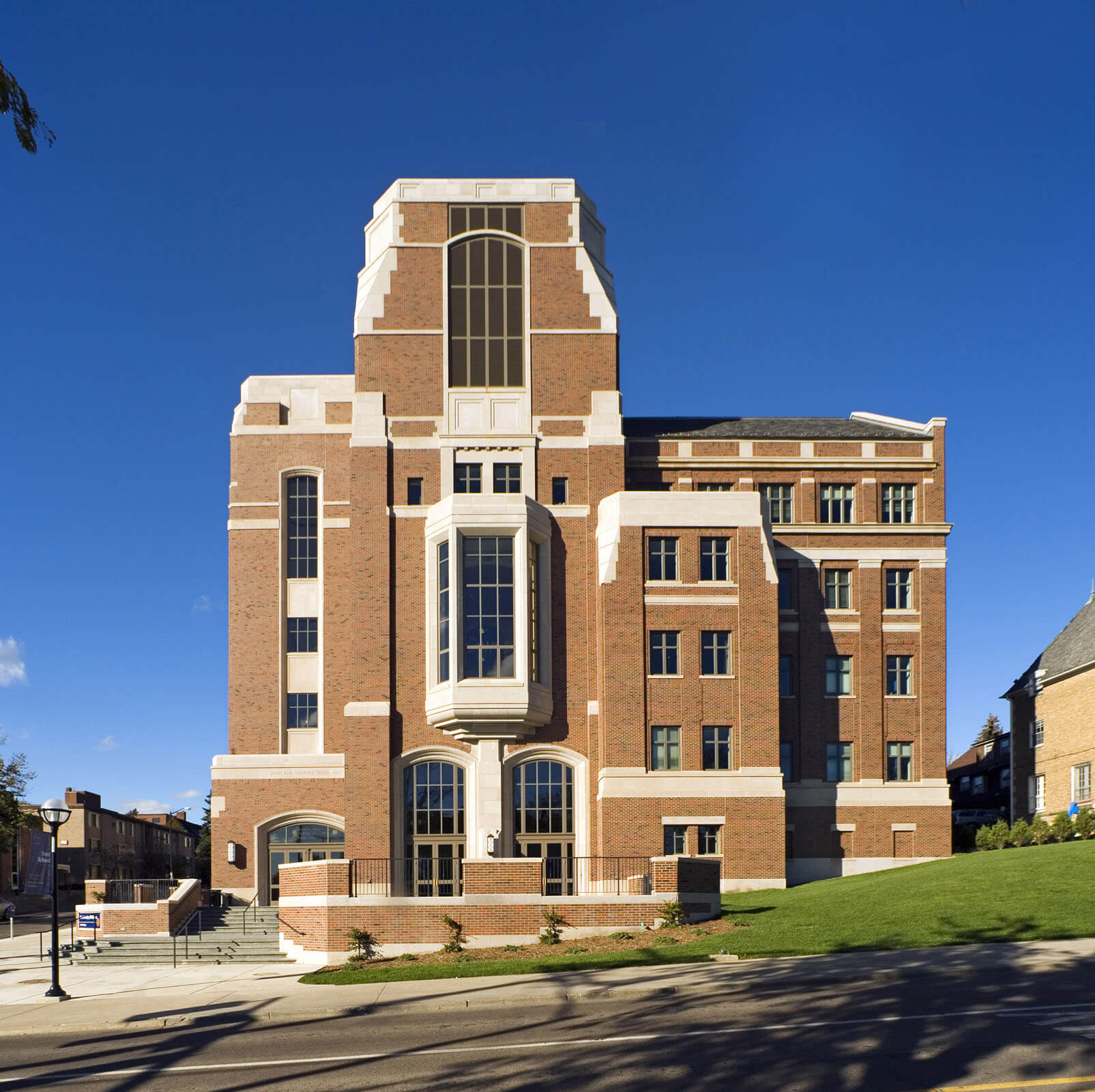
What Happens When Data Centers Come to Town
Terry Nguyen | BA Public Policy
Ben Green |Assistant Professor, School of Information and Gerald R. Ford School of Public Policy
Partner | Michigan Environmental Justice Coalition
Introduction. [Abstract]. The rapid growth of data centers, with their enormous energy and water demands, necessitates targeted policy interventions to mitigate environmental impacts and protect local communities. To address these issues, states with existing data center tax breaks should adopt sustainable growth policies for data centers, mandating energy audits, strict performance standards, and renewable energy integration, while also requiring transparency in energy usage reporting. “Renewable energy additionality” clauses should ensure data centers contribute to new renewable capacity rather than relying on existing resources. If these measures prove insufficient, states should consider repealing tax breaks to slow unsustainable data center growth. States without tax breaks should avoid such incentives altogether while simultaneously implementing mandatory reporting requirements to hold data centers accountable for their environmental impact. Broader measures should include protecting local tax revenues for schools, regulating utility rate hikes to prevent cost-shifting to consumers, and aligning data center energy demands with state climate goals to avoid prolonging reliance on fossil fuels.
Related:
Sharan Kalwani (Chair, Southeast Michigan Section IEEE): AI and Data Center Demand

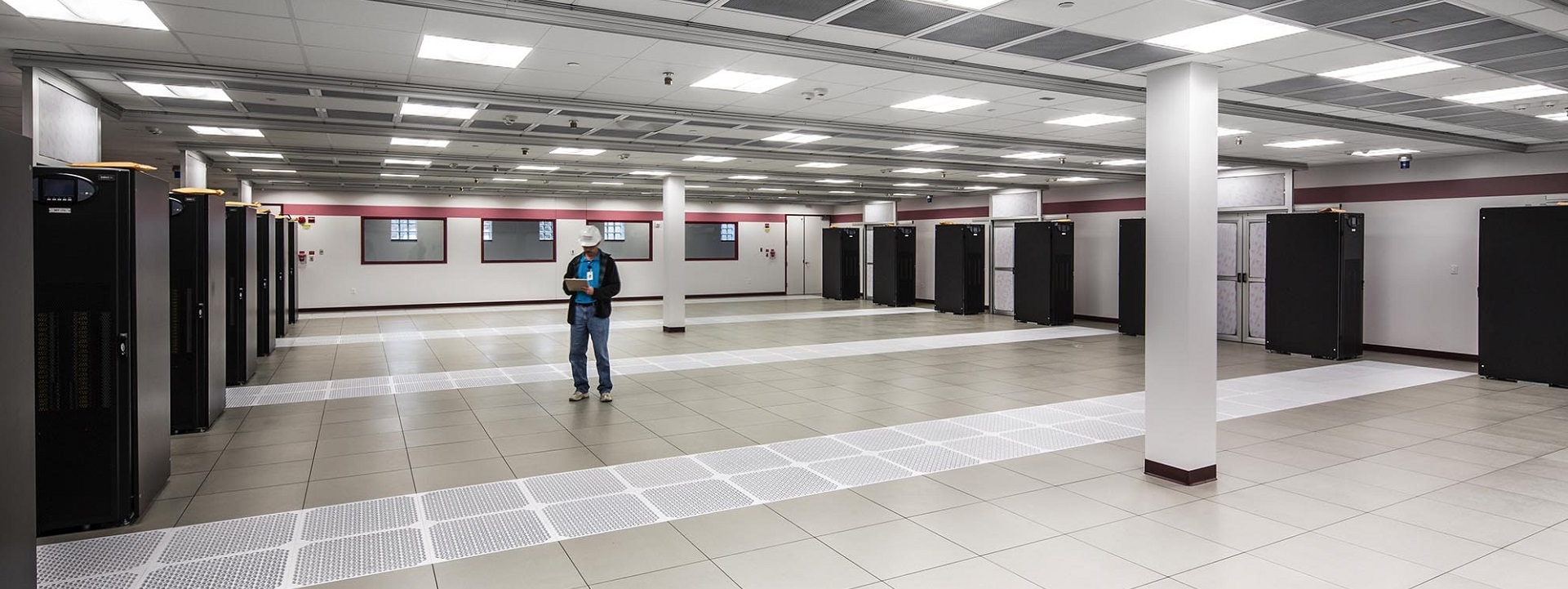
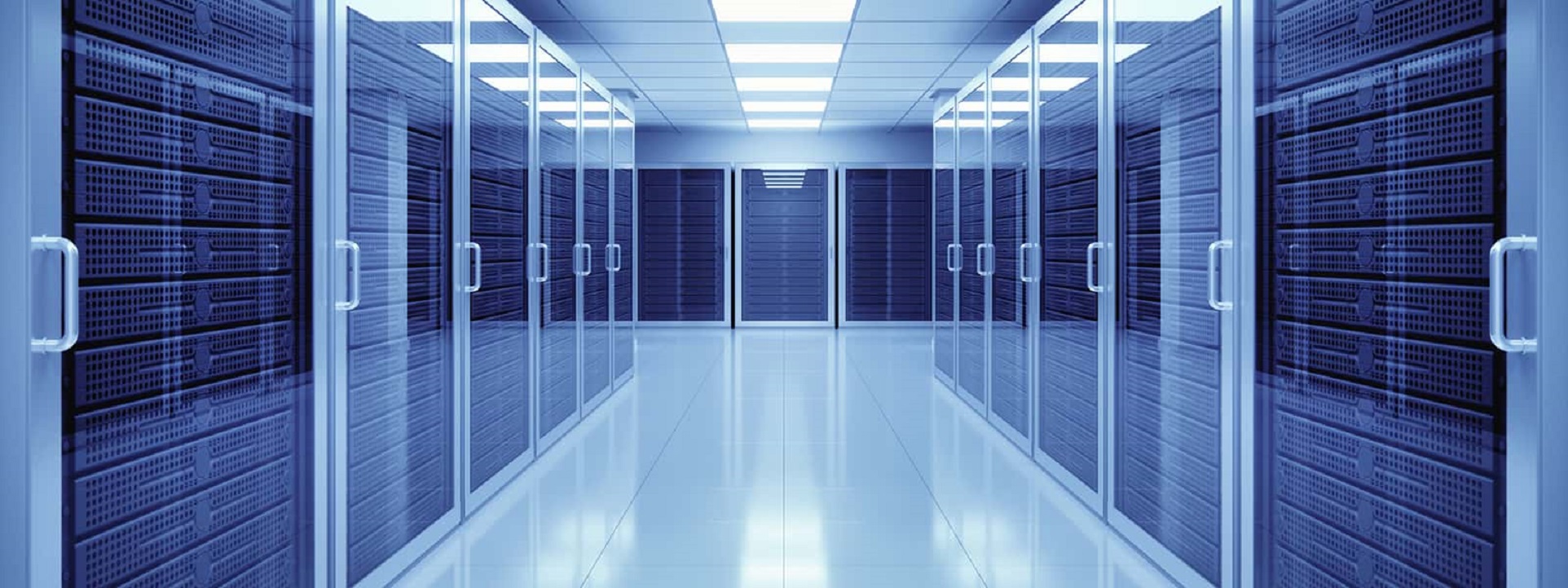
Data Center Operations & Maintenance
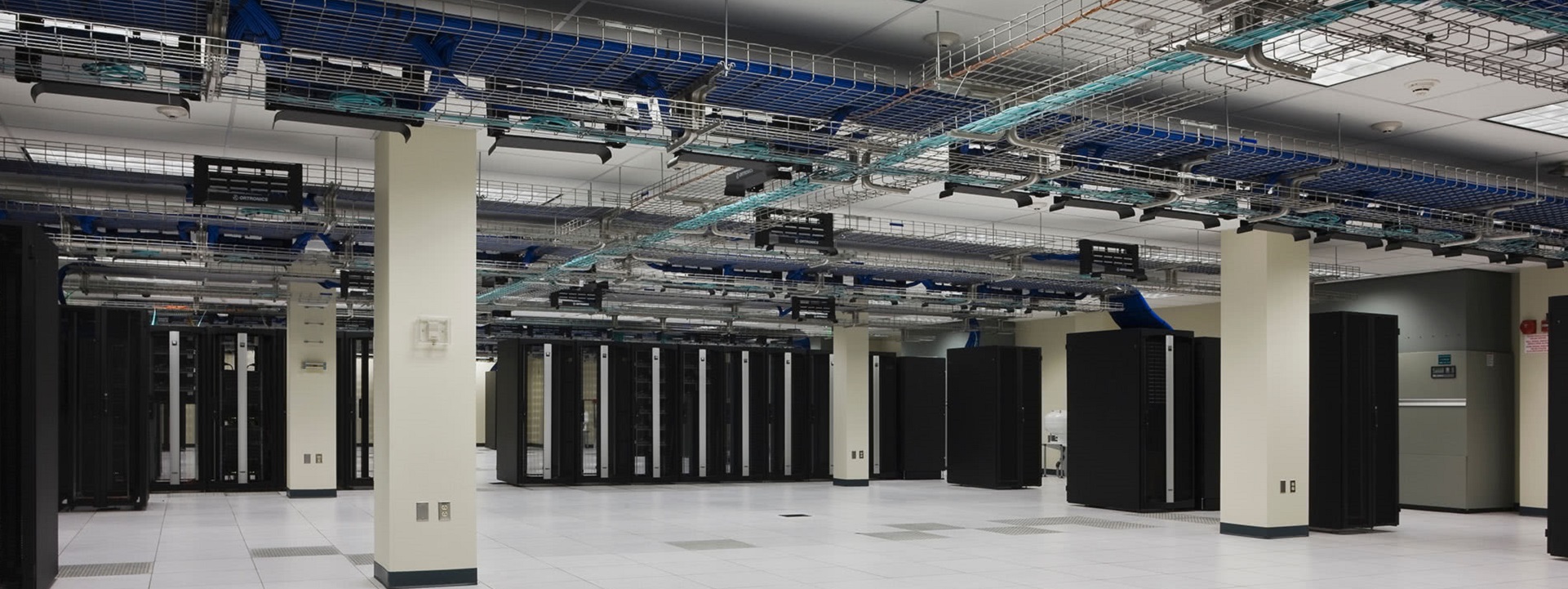
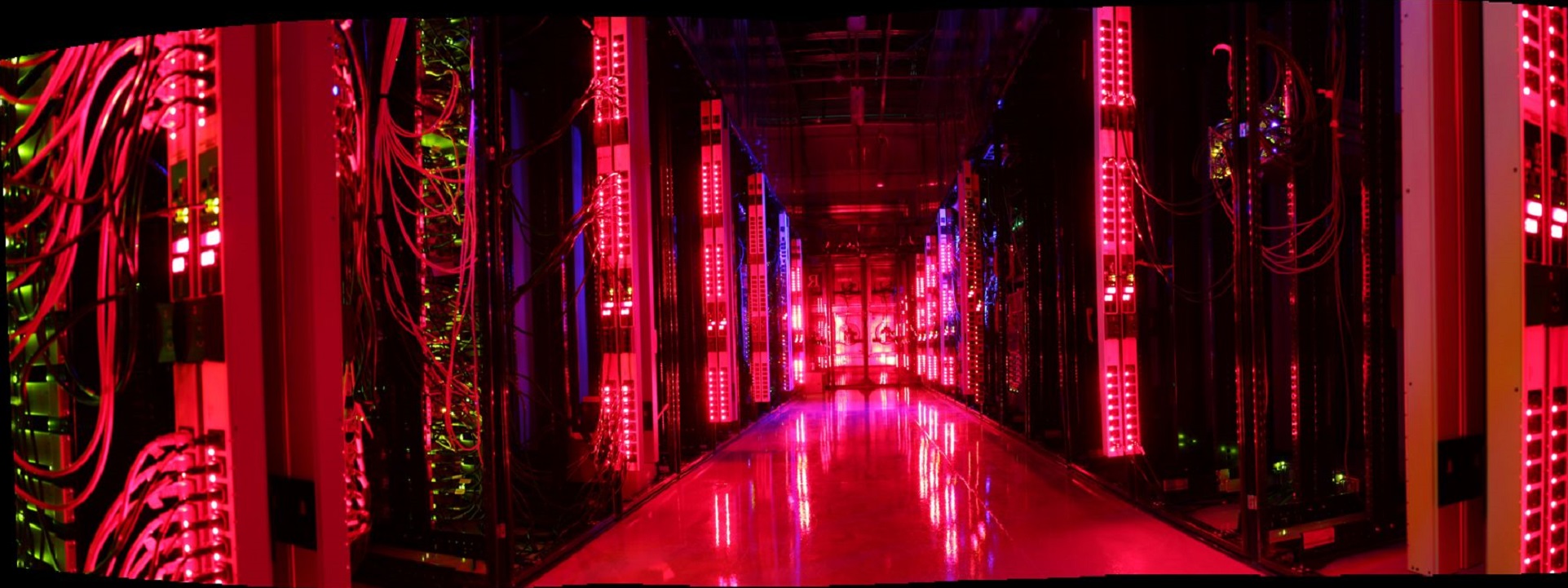
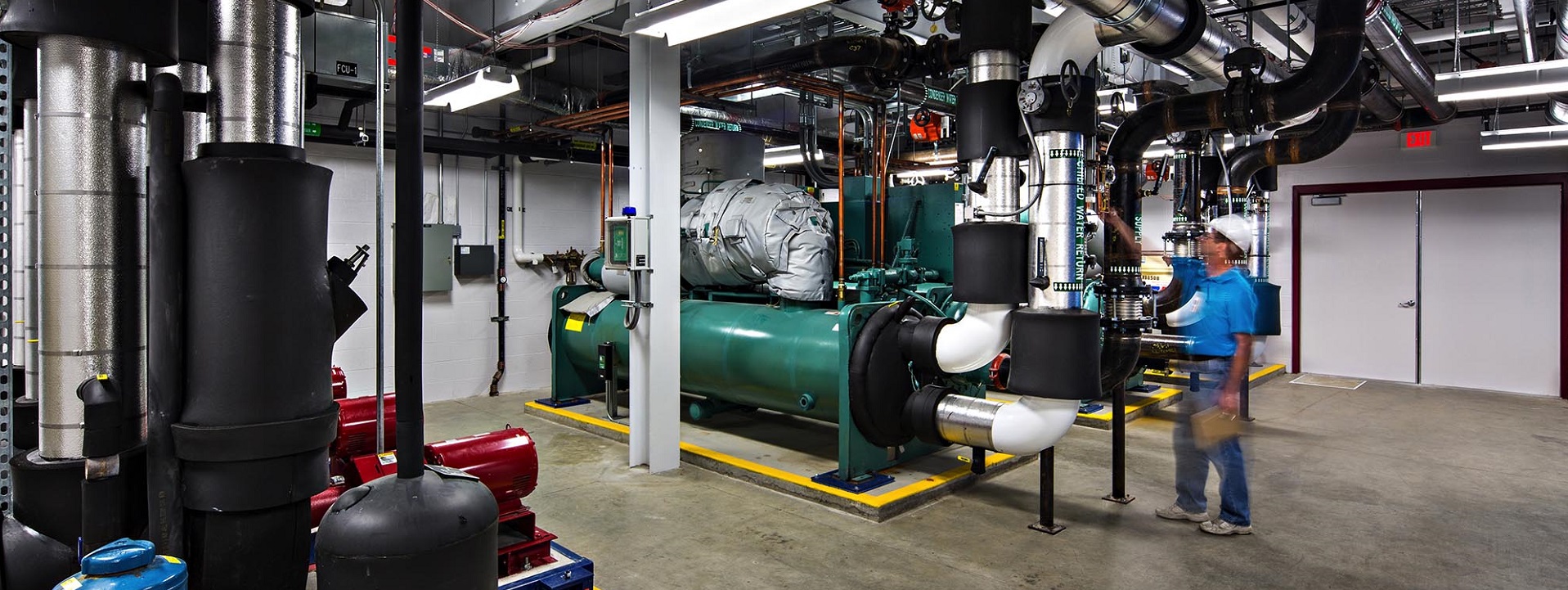
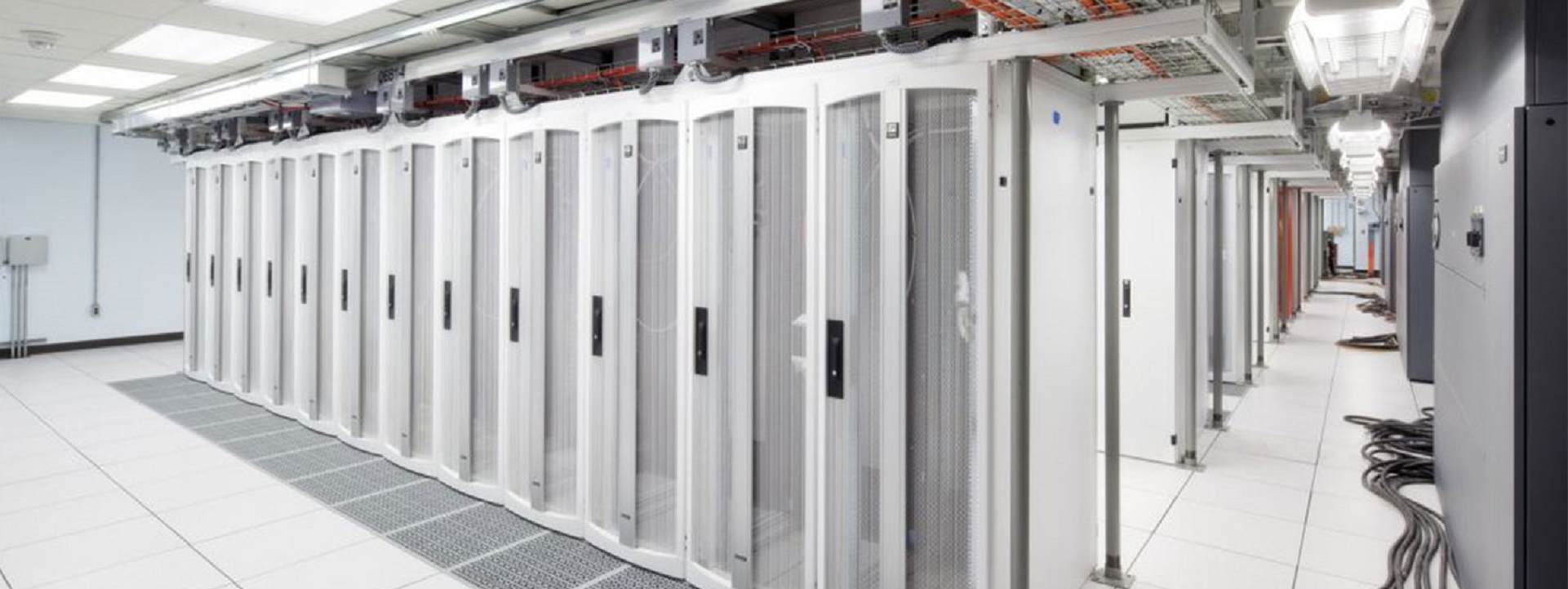
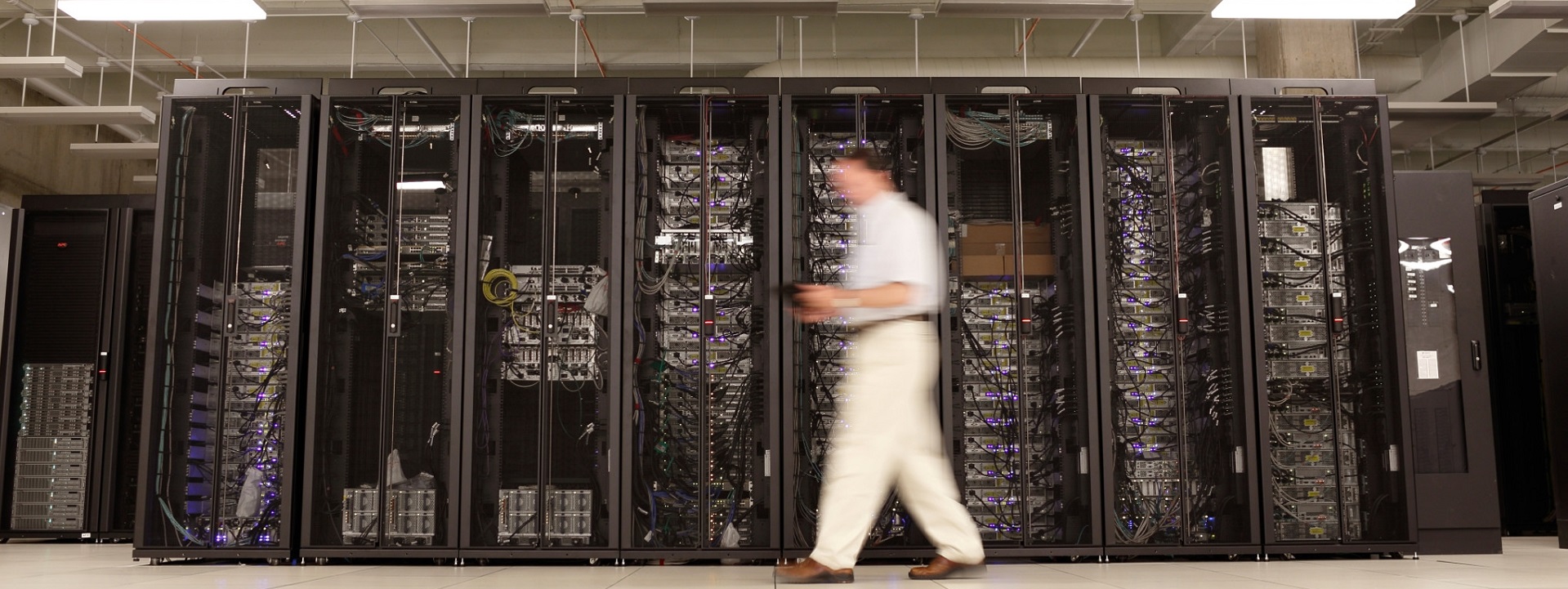

Information and communications technology (ICT) is a fast-moving economic space in which a mix of consensus, consortia and open-source standards form the broad contours of leading practice. ICT standards tend to follow international developments — more so than, say, fire safety standards which are more familiar to education facility leadership. All school districts, colleges, universities and university-affiliated health care systems have significant product, system, firmware and labor resources allocated toward ICT.
The Building Industry Consulting Service International (BICSI) is a professional association supporting the advancement of the ICT community in all markets. This community is roughly divided between experts who deal with “outside-plant” systems and “building premise” systems on either side of the ICT demarcation (or Point-of-Presence). BICSI standards cover the wired and wireless spectrum of voice, data, electronic safety & security, project management and audio & video technologies. Its work is divided among several committees as shown in the landing page of its standards setting enterprise, linked below:
BICSI International Standards Program
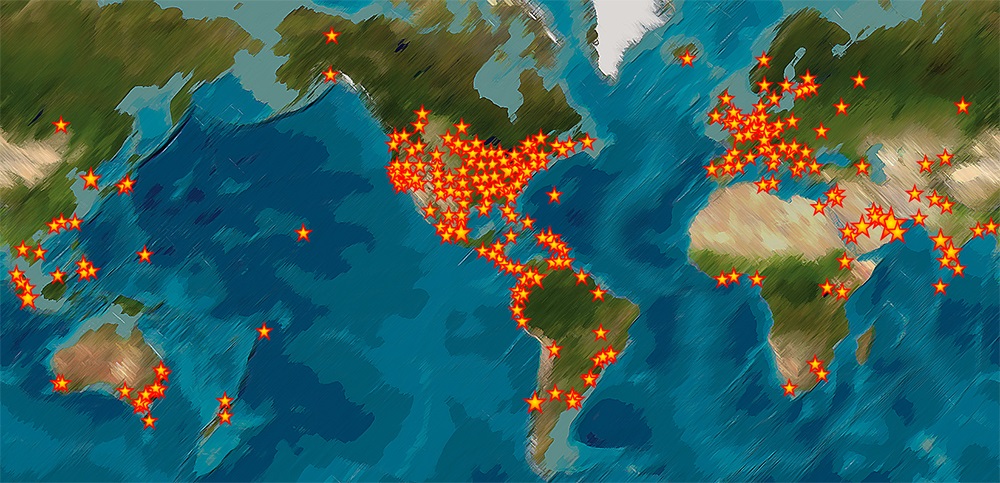
The stars on the map above indicate where BICSI Standards are currently in use (CLICK ON IMAGE).
Education communities are stewards of significant information and communication technology infrastructure. Accordingly, we track the development of BICSI 009 Data Center Operations and Maintenance Best Practices. This title provides requirements, recommendations, and best practices for the operation and maintenance of data centers including but not limited to standard operating procedures, emergency operating procedures, maintenance, governance, and management. Those comments are now being integrated into a revised standard to be released as soon as the restrictions of the pandemic are eased. For more information you may communicate directly with Jeff Silveira (jSilveira@bicsi.org)
As of this posting, all BICSI best practice titles are stable and current; though our recent communication with its leadership indicates that BICSI standards setting has been slowed by the pandemic.
A fair amount of content in BICSI standards are inspired by movement in safety concepts of the National Electrical Code; particularly on matters involving wiring, grounding and lightning protection. We maintain all BICSI best practice titles on the standing agenda of our Infotech 200 teleconference. See our CALENDAR for the next online meeting; open to the public. On this topic we collaborate with the IEEE Education & Healthcare Facilities Committee meets four times monthly in European and American time zones; also open to the public.
Issue: [19-30]
Category: Telecommunications, Infotech
Colleagues: Mike Anthony, Jim Harvey, Michael Hiler
LEARN MORE:
Did you know BICSI offers a complete library of our award winning technical manuals and published standards? Available in print or electronic download, this set is a perfect resource for your company. Learn more: https://t.co/fzBA8hqve9 pic.twitter.com/y9duVe0fCG
— BICSI (@BICSI) December 15, 2018


“Whatever It Is, I’m Against It”
A Proposed Data Center Campus for Wisconsin Rapids
The rapid growth of data centers presents genuine challenges to electric power systems: very large concentrated loads, accelerated interconnection schedules, new transmission requirements and concern over who ultimately pays for the necessary infrastructure. These problems deserve careful attention, but they are fundamentally engineering problems — and therefore problems capable of engineering solutions.
Electrical power systems have repeatedly adapted to new classes of load. Electrification of industry, air conditioning, electric heating and large computing facilities each altered planning assumptions in their time. Data centers will do the same.
Power engineers are already developing better methods for load forecasting, staged interconnection, demand response, energy storage, on-site generation and microgrids. Data centers themselves can become more flexible loads, reducing consumption during stressed grid conditions rather than operating continuously at maximum demand. Improved transmission planning, advanced protection and controls and better coordination between utilities, system operators and large customers will further reduce adverse effects.
The present difficulties should therefore not be mistaken for permanent conditions. Engineering practice evolves when operating experience reveals new constraints. The extraordinary concentration of electrical demand created by artificial intelligence will test the grid, but it will also accelerate improvements in how large loads are designed, connected, controlled and supplied.
How Stupid Would It Be to Put Data Centers in Space?
Riding the orbital data center wave
SpaceX and Google Are in Talks to Launch Data Centers in Orbit
Community Impact Strategies for Data Centers
1. Build vertically — Stack rack “white space” across three to five floors, including one or two below grade, to reduce building footprint and land consumption.
2. Make architecture an asset — Treat the exterior as an architectural statement appropriate to its community rather than as an anonymous industrial enclosure.
3. Support municipal infrastructure — Design electrical and standby-generation capacity to support critical municipal loads, including water and wastewater systems during major regional contingencies.
4. Co-locate emergency management functions — Provide space and resilient infrastructure for local or regional emergency management operations.
5. Provide community swing space — Incorporate adaptable space that can support sports, recreation and other community uses when not required for primary facility operations.
A data center need not be only a data center.A very large, extraordinarily well-powered and resilient building can return some of that resilience to the community hosting it.
Electricity
Natural Gas
Traffic
Water
Noise
Taxation
Security
Relata:
Dr. Gad Saad Named Global Ambassador for The Northwood Idea and Visiting Professor
Gad Saad (Northwood University Michigan) & Jordan Peterson (University of Toronto) discuss the intellectual intransigence in education settlements

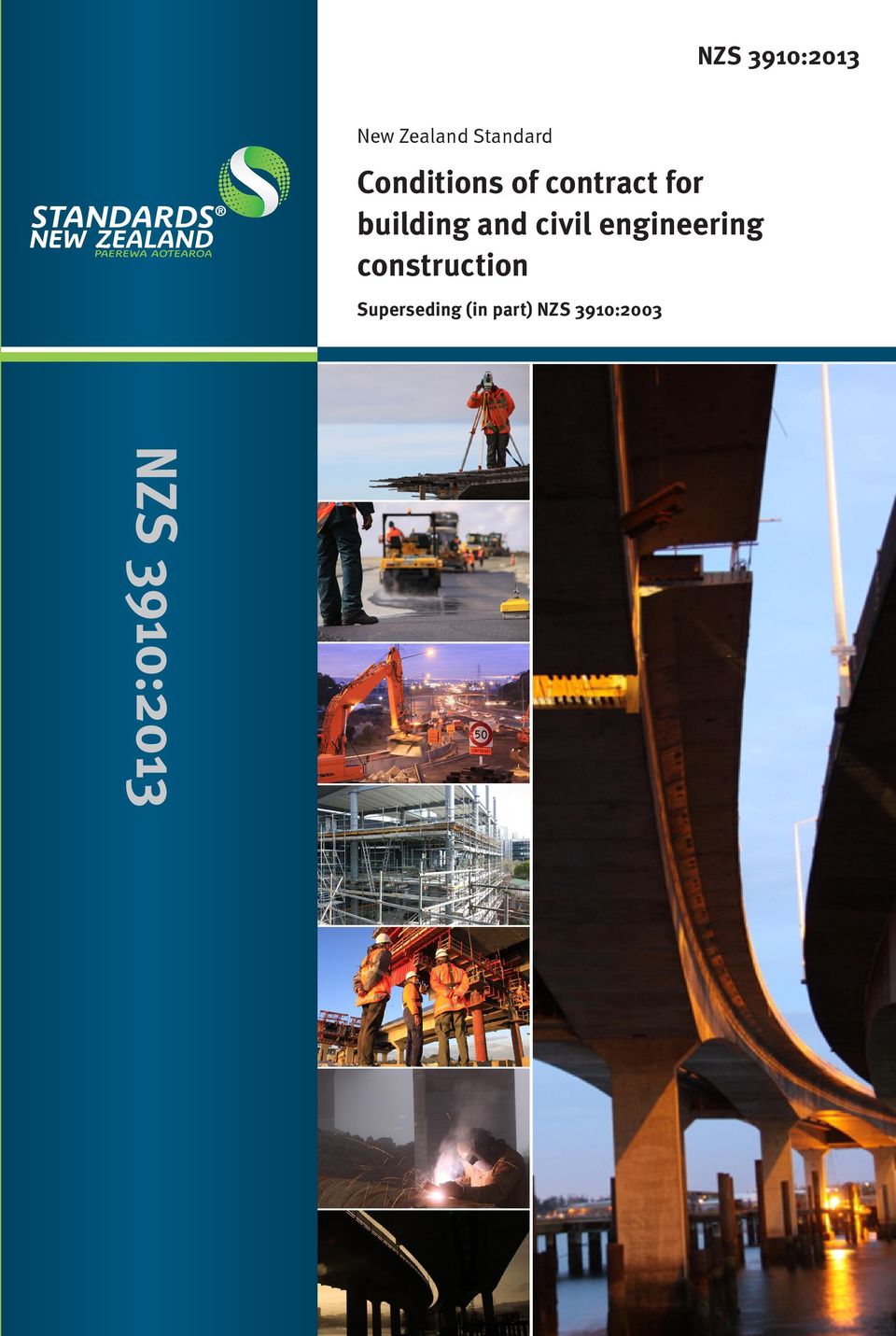
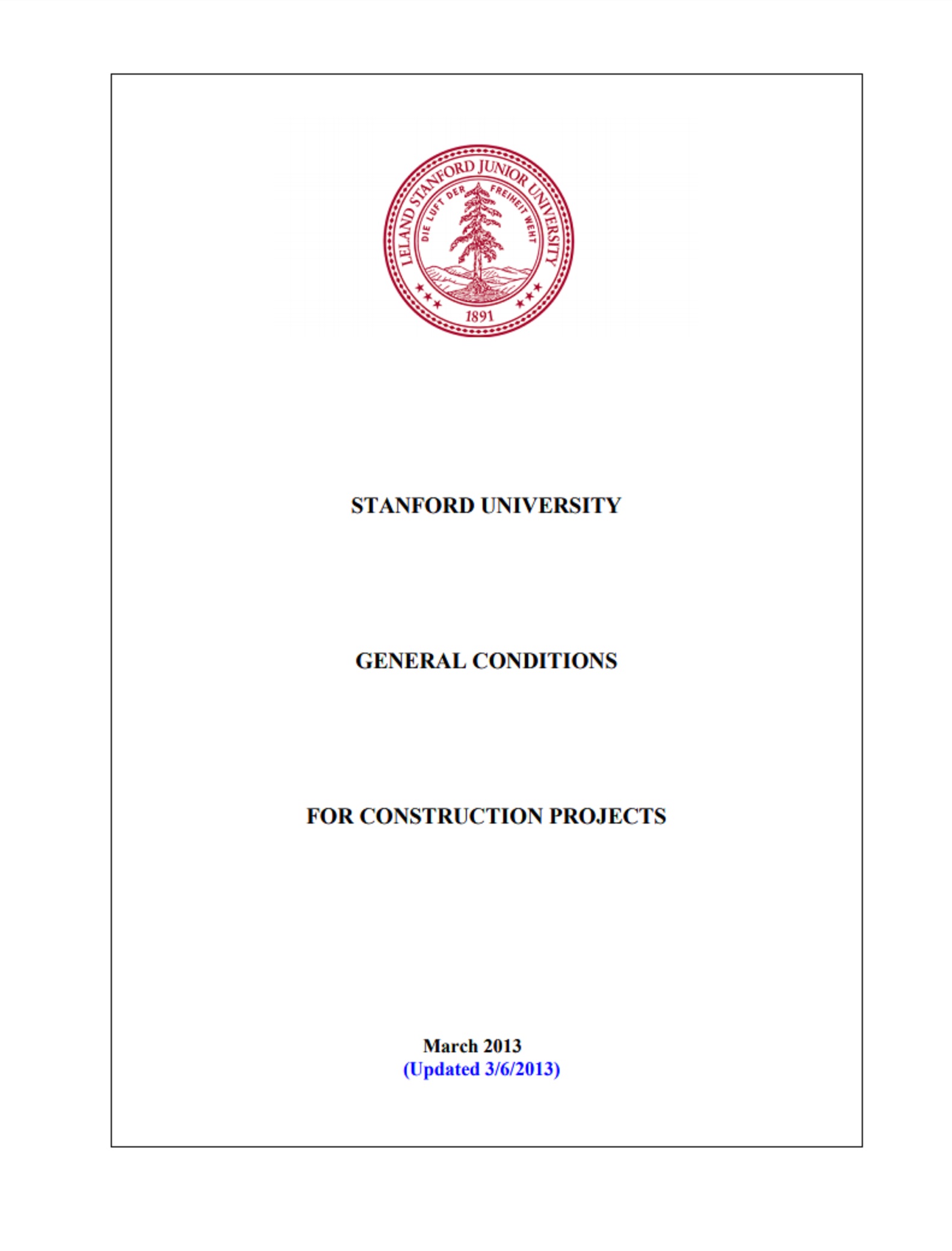
General Conditions of the Construction Contract
[DAILY INTERACTIVE 11 AM EST SESSIONS RESUME ON FRIDAY]
International Code Council: Current Code Development Cycle 2024-2026
International Building Code: Chapter 1 Scope and Administration
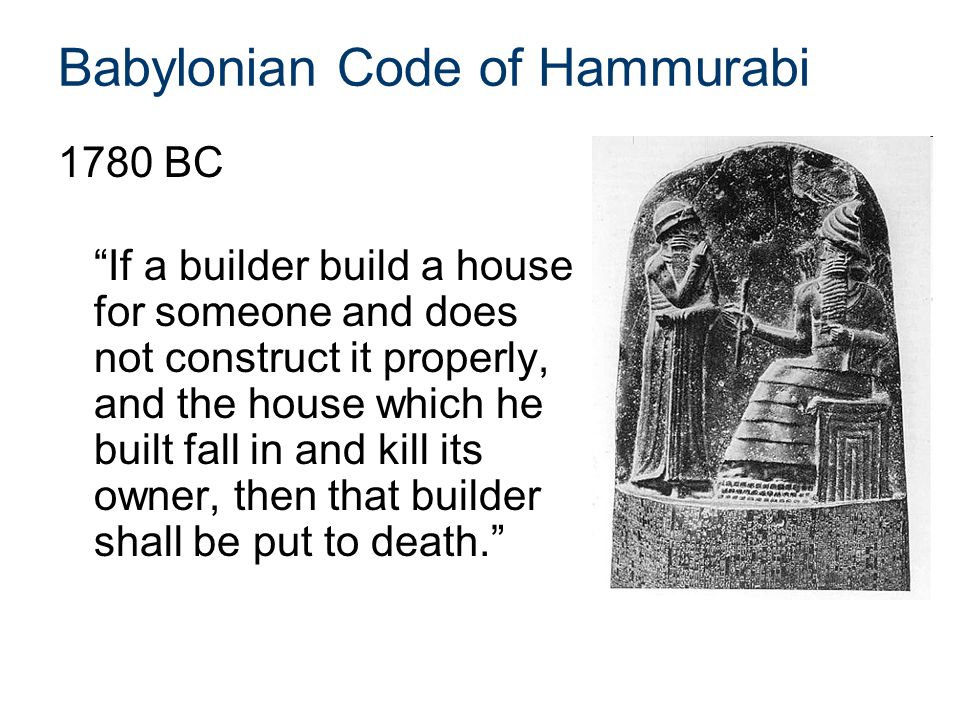
There are five key components needed to address in each construction contract as a protection against litigation in an industry that is rich in possibilities.
- Scope of the project. …
- Total cost and payment requirements. …
- Project timeline. …
- Lien law protection. …
- Dispute resolution.
Today at the usual hour we examine a few representative contracts:
University of Michigan Standard General Conditions
Wayne State University Supplementary Conditions of Construction
Princeton University: General Terms & Conditions for Construction Contracts
Universities Wisconsin: General Conditions of the Contract for Construction
The cost of compliance with general conditions in a typical construction project can vary widely depending on factors like project size, complexity, location, and specific requirements. General conditions refer to the indirect costs that support the project—things like project management, temporary facilities, safety measures, and administrative expenses—not the direct costs of labor, materials, or equipment tied to physical construction.
In percentage terms, general conditions typically account for 5% to 15% of the total project cost, with most projects falling in the 5% to 10% range for standard residential or commercial builds. Smaller projects might see percentages closer to or exceeding 10% because fixed costs (like a site trailer or a project manager’s time) don’t scale down as much as direct costs. Larger, more complex projects—like industrial or infrastructure work—might trend toward the lower end (5% or less) since direct costs dominate, diluting the relative impact of general conditions. For example, a $300,000 residential project might allocate $15,000 to $30,000 (5% to 10%) for general conditions, while a $10 million commercial project could see $500,000 or less (5%) if efficiencies kick in.
Related:
Global Consistency in Presenting Construction & Life Cycle Costs

“All Applicable Standards”
[DAILY INTERACTIVE 11 AM EST SESSIONS RESUME ON FRIDAY]
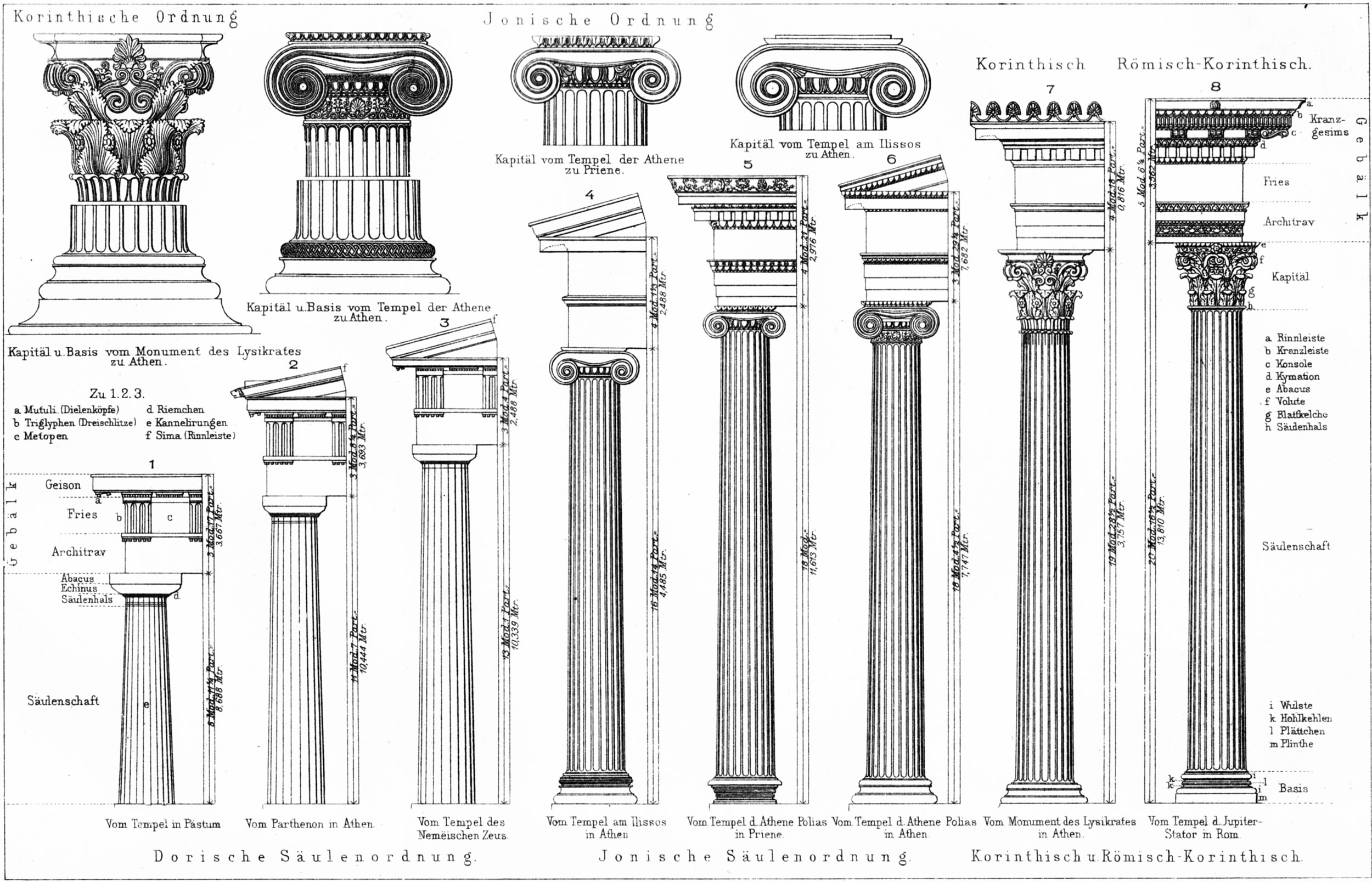
From time to time we drill into representative design guidelines and specifications for facility classes that are present on educational campuses; including projects involving the spaces between buildings — i.e. water, pathway, power and telecommunication infrastructure.
We place particular emphasis on the “General Conditions” of these guidelines and specifications because up to 20 percent of a construction project may involve the cost of general conditions; depending upon how many disciplines are involved.
We find excesses in the General Conditions that tend to inflate contingency requirements but also shortcomings that design professionals, construction project managers and building service engineers* should know about. Facility development units will likely want to tweak design and construction documents to harmonize with the latest changes in the codes and standards that govern the safety and sustainability agenda of the education facility industry.

Tulane University School of Architecture
Building services engineers are responsible for the design, installation, operation and monitoring of the technical services in buildings (including mechanical, electrical and public health systems, also known as MEP or HVAC), in order to ensure the safe, comfortable and environmentally friendly operation.
Building services engineers work closely with other construction professionals such as architects, structural engineers and quantity surveyors.
Building services engineers influence the architectural design of building, in particular facades, in relation to energy efficiency and indoor environment, and can integrate local energy production (e.g. façade-integrated photovoltaics) or community-scale energy facilities (e.g. district heating). Building services engineers therefore play an important role in the design and operation of energy-efficient buildings (including green buildings, passive houses and zero energy buildings. uses. With buildings accounting for about a third of all carbon emissions] and over a half of the global electricity demand, building services engineers play an important role in the move to a low-carbon society; a prevailing sentiment among many educational settlements.
Update: 29 November 2024

New update alert! The 2022 update to the Trademark Assignment Dataset is now available online. Find 1.29 million trademark assignments, involving 2.28 million unique trademark properties issued by the USPTO between March 1952 and January 2023: https://t.co/njrDAbSpwB pic.twitter.com/GkAXrHoQ9T
— USPTO (@uspto) July 13, 2023
Welcome
Standards Michigan Group, LLC
455 East Eisenhower Parkway, Suite 300
Ann Arbor, MI 48108 USA
888-748-3670
DIRECTIONS
 |
 |
|
 |
 |
|
 |
 |
Layout mode
Predefined Skins
Custom Colors
Choose your skin color
Patterns Background
Images Background
error: Content is protected !!
Skip to content