https://sousafoundation.net/

John Philip Sousa Foundation
- Home Page 75

loading...
University Radio Belt
which National Public Radio service region is the most saturated? I will guess that it is Lower Penninsula Michigan which has about 10 university affiliated radio stations
Your hypothesis is a good one, but with one important qualification.
If by “most saturated” you mean the greatest concentration of NPR-affiliated stations per square mile, then Michigan’s Lower Peninsula is certainly among the most densely served regions in North America, especially because so many stations are licensed to universities. However, it is probably tied with or slightly behind a few regions such as New England and parts of North Carolina.
Lower Peninsula Michigan is unusual because of its university-based network
Within a day’s drive you can receive programming from numerous university-affiliated public radio stations, including:
| Station | University |
|---|---|
| WUOM / Michigan Public | University of Michigan |
| WFUM | University of Michigan-Flint |
| WVGR | University of Michigan network |
| WKAR | Michigan State University |
| WEMU | Eastern Michigan University |
| WMUK | Western Michigan University |
| WCMU | Central Michigan University |
| WNMU | Northern Michigan University (Upper Peninsula) |
| WUCX | Delta College |
| WGVU | Grand Valley State University |
| Interlochen Public Radio | Interlochen Center for the Arts (educational institution) |
Michigan Public itself operates a five-transmitter network serving roughly 80% of the population in the southern Lower Peninsula.
Other highly saturated regions
Some other areas rival Michigan:
- Boston–Providence
- WBUR (Boston University)
- GBH
- Rhode Island PBS/Radio
- several nearby New England stations
- North Carolina Research Triangle
- WUNC (UNC)
- WFDD (Wake Forest)
- WNCU (North Carolina Central)
- plus several statewide public radio services
- Northern California
- KQED
- KALW
- KCSM (College of San Mateo)
- KCRW and others farther south
- Minnesota
- Minnesota Public Radio’s statewide network
- university stations
- strong regional overlap
Michigan’s distinctive feature
Michigan differs from most states because so many NPR member stations originated at public universities. The combination of:
- University of Michigan
- Michigan State
- Eastern Michigan
- Western Michigan
- Central Michigan
- Northern Michigan
- Grand Valley State
- Delta College
creates one of the largest concentrations of higher-education public broadcasting in the United States.
For your StandardsMich readership, an interesting observation is that this concentration reflects Michigan’s long-standing investment in public higher education. Few other states have such a dense network of university-affiliated public radio stations whose coverage areas overlap across a single peninsula. While it is difficult to declare a single “most saturated” NPR region without a formal coverage analysis, the Lower Peninsula of Michigan is a strong candidate and is almost certainly among the top few regions in North America.
suggest 10 terms of art to describe this condition
If you’re describing the unusually high concentration of public radio services in a region, especially one dominated by university licensees, here are several terms of art and coined phrases that could work for a StandardsMich article. Some are technical, while others are more journalistic or descriptive.
| Term | Style | Meaning |
|---|---|---|
| Public Radio Corridor | Technical | Continuous band of overlapping public radio coverage. |
| NPR Belt | Journalistic | Region with an unusually high concentration of NPR stations. |
| Public Broadcasting Corridor | Planning | Geographic corridor with dense public broadcasting infrastructure. |
| University Radio Belt | Higher education | Area where universities dominate public radio broadcasting. |
| Broadcast Saturation Zone | Engineering | Region with extensive signal overlap from multiple stations. |
| Educational Broadcast Cluster | Academic | Concentration of educational broadcast licensees. |
| Public Media Cluster | Communications | Regional grouping of public media organizations. |
| Academic Broadcasting Network | Descriptive | Informal network created by numerous university stations. |
| Higher Education Radio Ecosystem | Contemporary | Emphasizes collaboration and institutional relationships. |
| Scholarly Airwaves | Literary | Highlights the educational and cultural character of the broadcasts. |
For StandardsMich, I think these are particularly strong:
- University Radio Belt
- Public Radio Corridor
- Educational Broadcast Cluster
- Higher Education Radio Ecosystem
- Scholarly Airwaves (for essays with a more literary tone)
You might also consider some Great Lakes-themed phrases that fit your site’s focus:
- The Great Lakes Public Radio Belt
- Michigan Public Radio Corridor
- The Academic Airwaves of Michigan
- The Great Lakes Knowledge Network
- The Collegiate Broadcast Corridor
Among these, University Radio Belt is probably the most immediately understandable to readers, while Public Radio Corridor has a more formal, infrastructure-oriented feel that aligns well with your writing on standards, utilities, and higher education.

Cowboy Coffee
“We wish to suggest a structure
for the salt of deoxyribose nucleic acid (DNA).
This structure has novel features
which are of considerable biological interest….”
James Watson | “Nature” April 1953
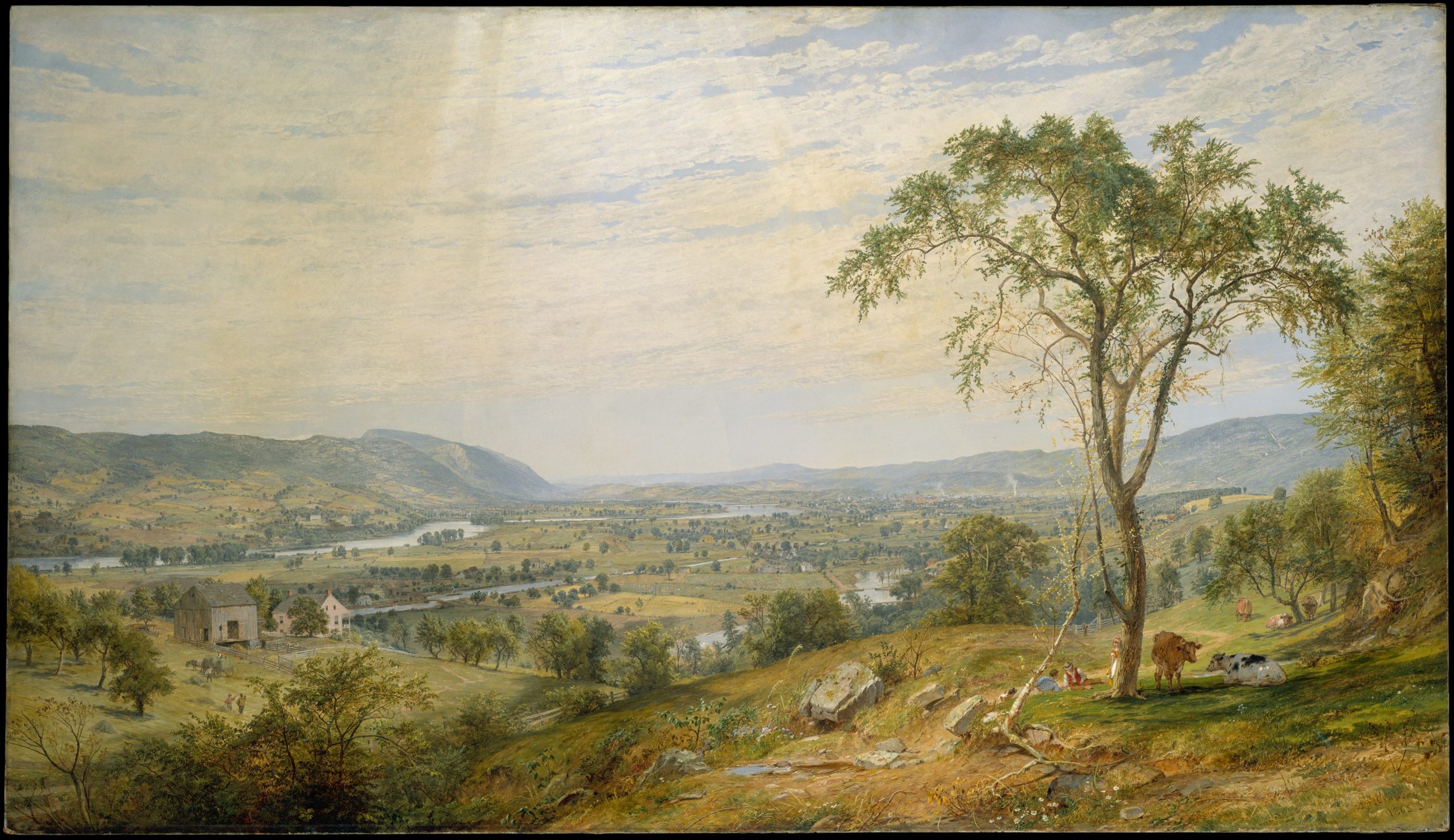
“The Valley of Wyoming” 1865 Jasper Cropsey
This simple method preparing hot coffee evolved from open flame; out on the range. The result is a strong, robust cup that retains grittiness due to the coarse grind and the absence of a filter. Cowboy coffee is more about utility and simplicity rather than precision and refinement, which aligns with the rugged and practical nature of cowboy life. Here’s how it’s typically made:
Ingredients:
Coarsely ground coffee beans, water.
Equipment:
A pot (often a simple metal or enamel coffee pot), a heat source (campfire or portable stove), and a way to separate the grounds from the liquid (like pouring or using a fine mesh strainer).
Process:
Add coarsely ground coffee to the pot. The amount can vary based on personal preference, but it’s generally a couple of tablespoons of coffee per cup of water.
Add water to the pot. Again, the ratio of coffee to water can be adjusted based on taste preferences.
Place the pot on the heat source and bring it to a near-boil. Watch it carefully to avoid boiling over.
Once it’s heated, let it steep for a few minutes. Some cowboys might toss in a crushed eggshell to help settle the grounds.
Remove the pot from the heat and let it sit for a moment to allow the coffee grounds to settle.
Pour the coffee carefully to avoid pouring the grounds into your cup.
Locals swear by it:
“Cowboy coffee ain’t as easy as it looks. It takes some know-how to make it right.” – Unknown
“You can’t compromise with a cup of weak coffee.” – Cowboy Proverb
“There are only two things that a cowboy can’t do without – his horse and his coffee.” – Unknown
“A cowboy’s day starts with coffee and ends with whiskey.” – Unknown
“Life is too short for bad coffee.” – Unknown
“Cowboy coffee: where the grounds are meant to be chewed, not sipped.” – Unknown
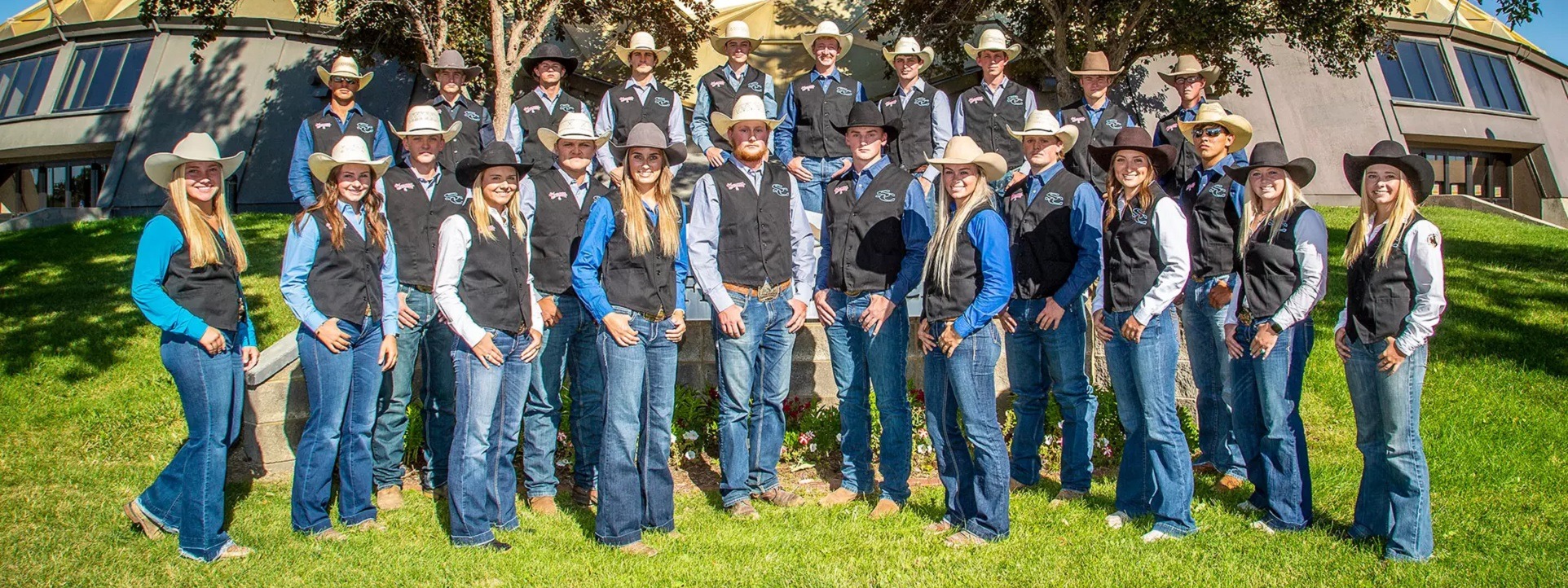
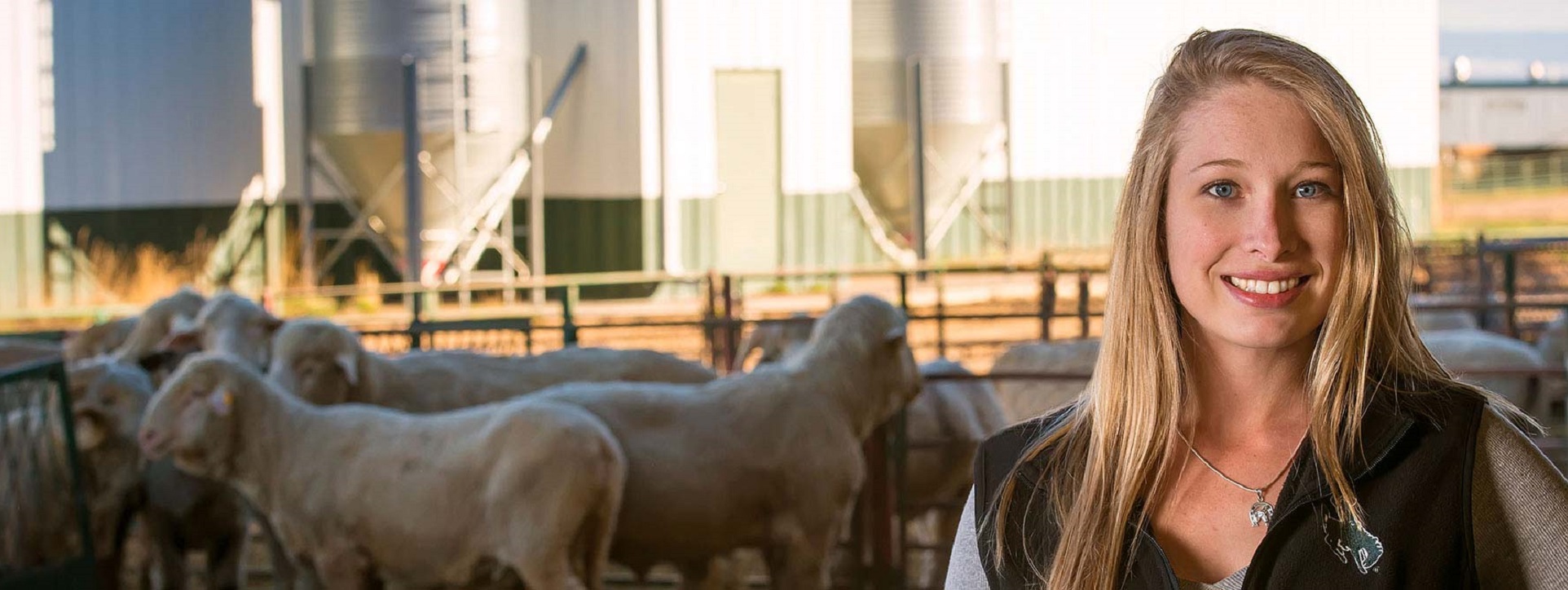
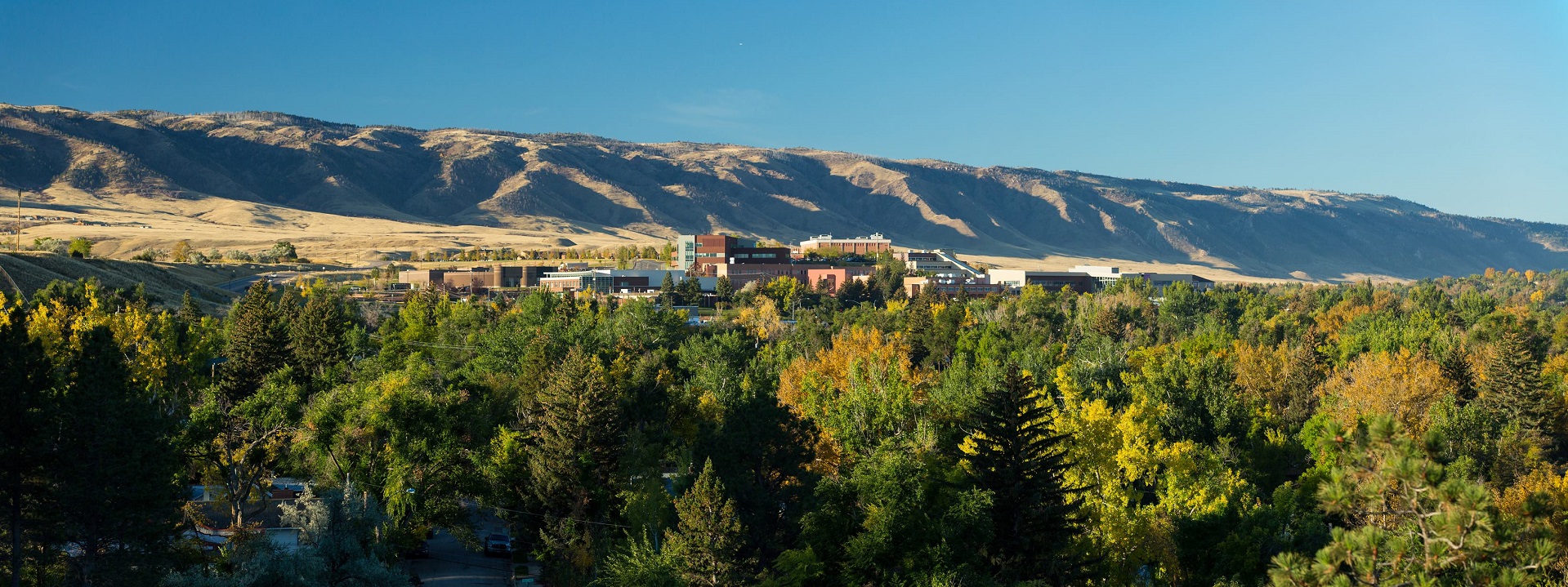
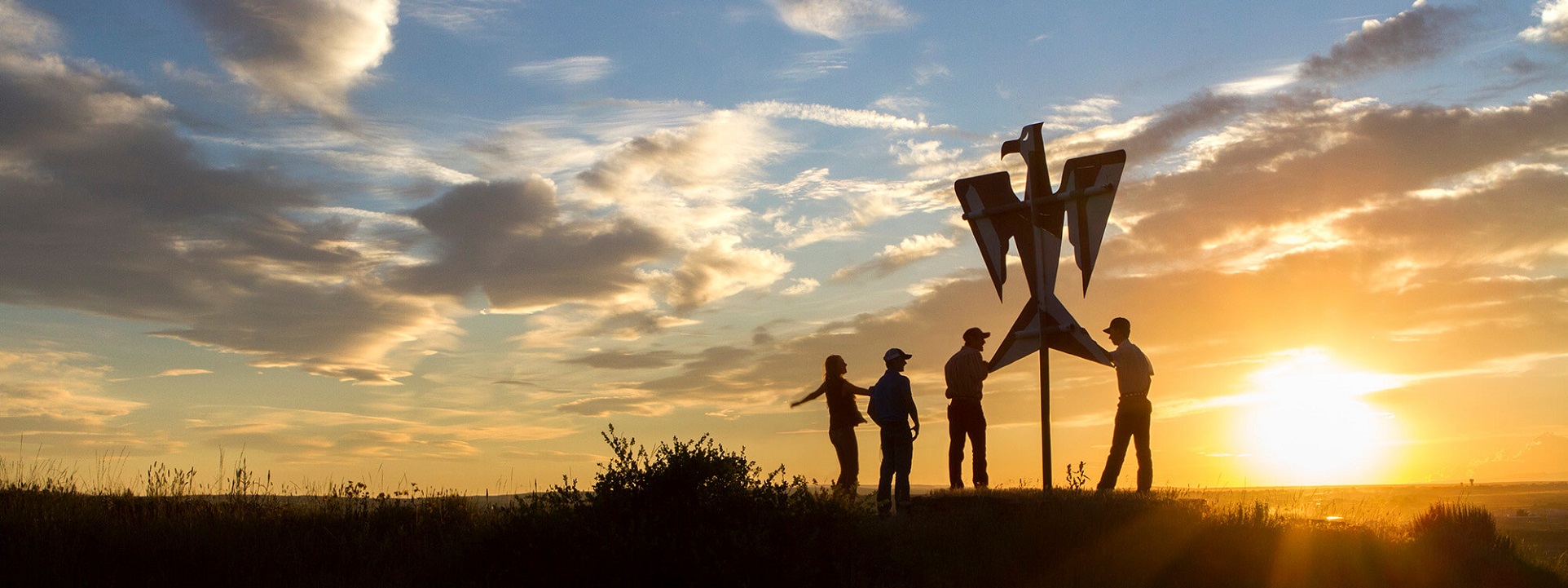
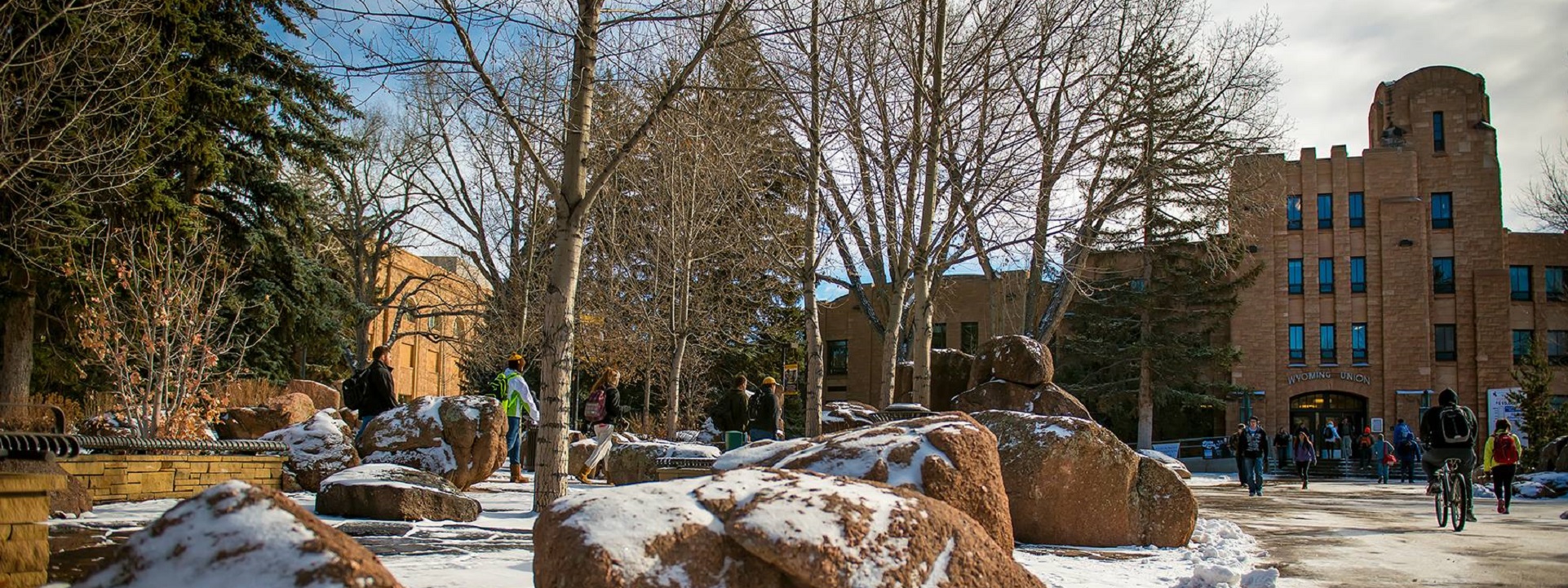
“The Liberals are Coming, and They’re Bringing Fancy Coffee” https://t.co/XykfCFYZgVhttps://t.co/exHU6TR2h9
America is changed by flight from miserable Blue States to better Red States—only to import the policies that created the misery they fled from in the first place. pic.twitter.com/OaVVgrTxJr— Standards Michigan (@StandardsMich) October 31, 2022


Global Café
Standards Iowa | Homophily Iowa
Net Position 2024: $2.785B | Comprehensive Campus Master Plan

The College has been named a recipient of the Iowa Architectural Foundation Community Enhancement Through Architecture & Design Awards for 2020. Details ➡️ https://t.co/k3lImfTv6m 🏫 🛠️ #SoGrinnellian #GrinnellIowa #GCPride pic.twitter.com/QCsWRttYqq
— Grinnell College (@GrinnellCollege) October 1, 2020

Built within the 2019 Humanities and Social Studies Center renovation the Administration named its on-campus café the “Global Café” to reflect its menu of internationally inspired foods and drinks while advancing the school’s commitment to global awareness and cultural exchange in a small Iowa town. USA college marketing departments, generally, persist in the hard sell of “globalism”.
Young people in their 20s prolong adolescence by moving to major cities because urban environments reward and enable delayed adulthood. High living costs, intense job markets, and abundant career opportunities push graduates to prioritize education, networking, and climbing professional ladders over settling down. Cities offer endless stimulation—nightlife, cultural events, dating apps, co-living spaces, and transient social circles—that make life feel like an extended gap year rather than a transition to responsibility.
In contrast, small or medium-sized towns such as Grinnell Iowa encourage earlier family formation. Lower costs of living, tighter-knit communities, and stronger social expectations create pressure to marry and have children by the mid-20s. Jobs are often more stable but less glamorous, leaving room (and necessity) for traditional milestones like buying a home or starting a family. Dating pools are smaller, and community oversight discourages prolonged “finding yourself” phases.
Big cities provide anonymity and optionality: one can reinvent identity, chase experiences, and defer commitments without immediate judgment. This environment sustains a psychologically adolescent state—exploration, low-stakes risk-taking, and self-focus—well into the late 20s or early 30s, while small-town life accelerates the shift to provider and parent roles. The result is a clear geographic divide in life timing.
Coimisean Inbhean na h-Alba
This content is accessible to paid subscribers. To view it please enter your password below or send mike@standardsmichigan.com a request for subscription details.

Campus Water Works
This content is accessible to paid subscribers. To view it please enter your password below or send mike@standardsmichigan.com a request for subscription details.

John Maynard Keynes
This content is accessible to paid subscribers. To view it please enter your password below or send mike@standardsmichigan.com a request for subscription details.

Towards Crafting Beer with Artificial Intelligence
Beer was discovered accidentally as a result of grains being left in water and undergoing fermentation. The process of making beer involves converting the starches in grains (such as barley or wheat) into sugars, which are then fermented by yeast to produce alcohol. It was often consumed as a safer alternative to water, which could be contaminated with disease-causing pathogens.
Beer was also used in religious ceremonies and was considered a valuable commodity for trade. Over time, beer-making techniques spread throughout the world, and different regions developed their own unique styles of beer; now supported by artificial intelligence algorithms that analyze chemical compounds to identify specific flavor and aroma profiles for more nuanced flavors.
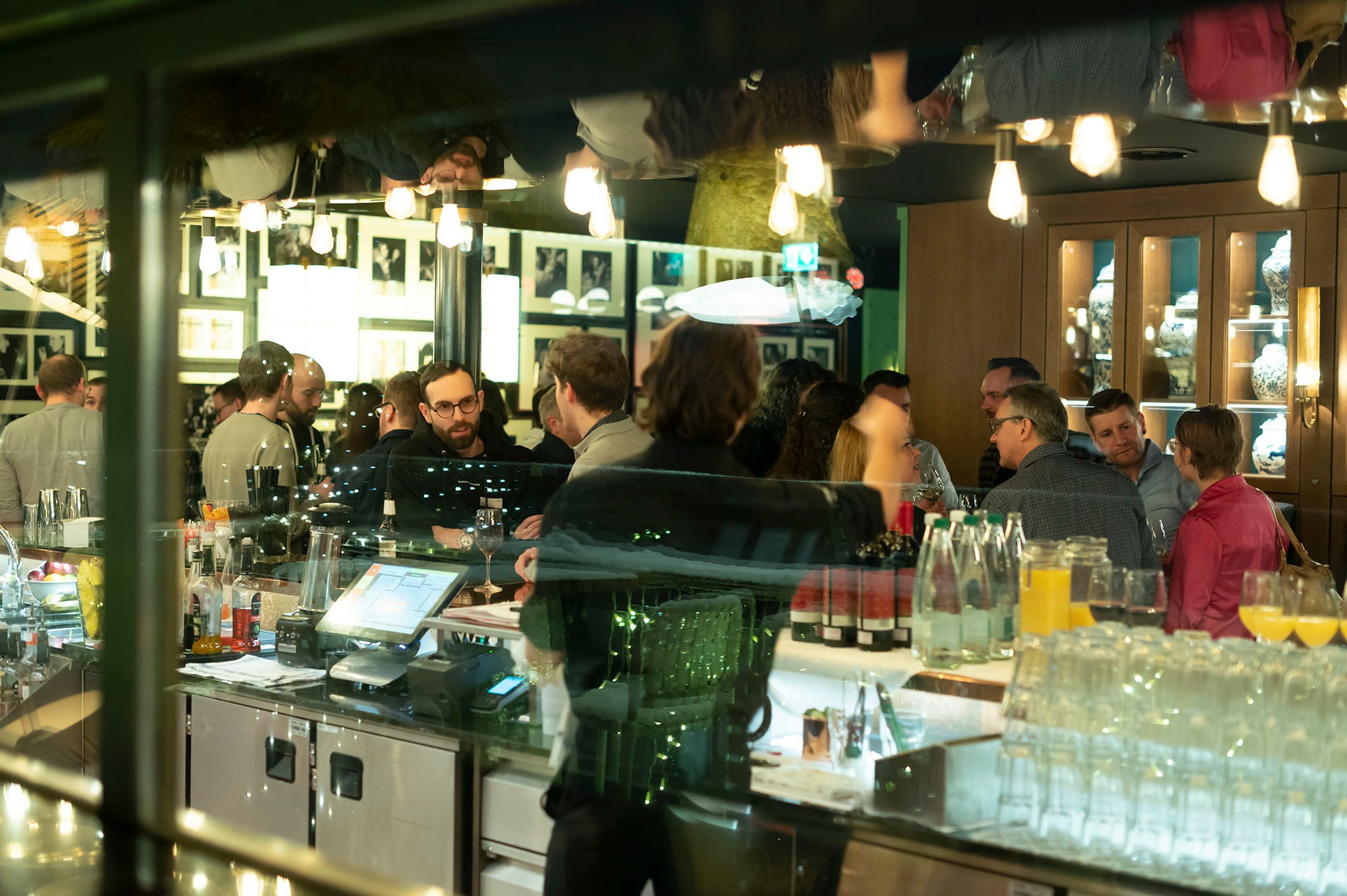
Towards Crafting Beer with Artificial Intelligence
Marc Bravin, et al
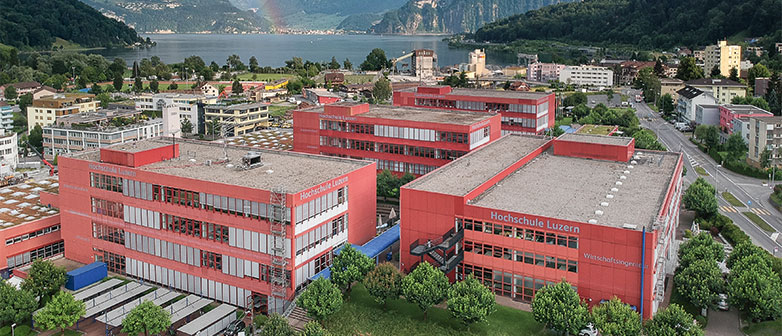
Lucerne University of Applied Sciences and Arts, Rotkreuz, Switzerland
Abstract: The art of brewing beer has a long tradition that dates back to the very dawn of civilization. While the brewing process has been automated to a great extent, the creation of new beer recipes remains the result of creativity and human expertise with only minor support from software to validate chemical constraints. We collected a dataset of 157,000 publicly available recipes from all over the world and created a transformer-based model to support the creative process in brewing by suggesting new beer recipe templates. As a proof of concept, we crafted the IPA “Deeper” along a recipe generated by our model. Over 100 international newspapers and radio stations have reported on the first AI-crafted beer from Switzerland over the past few months. For the first time, this paper reveals the underlying pipeline architecture of eight transformer networks trained end-to-end that made this remarkable success possible.
CLICK HERE for complete paper

There are several international organizations and agreements that set standards for beer production and labeling:
English Rosie
This content is accessible to paid subscribers. To view it please enter your password below or send mike@standardsmichigan.com a request for subscription details.
New update alert! The 2022 update to the Trademark Assignment Dataset is now available online. Find 1.29 million trademark assignments, involving 2.28 million unique trademark properties issued by the USPTO between March 1952 and January 2023: https://t.co/njrDAbSpwB pic.twitter.com/GkAXrHoQ9T
— USPTO (@uspto) July 13, 2023
Welcome
Standards Michigan Group, LLC
455 East Eisenhower Parkway, Suite 300
Ann Arbor, MI 48108 USA
888-748-3670
DIRECTIONS
 |
 |
|
 |
 |
|
 |
 |
Layout mode
Predefined Skins
Custom Colors
Choose your skin color
Patterns Background
Images Background
error: Content is protected !!
Skip to content