Category Archives: @NFPA

Loading
loading...

Fireplace Safety


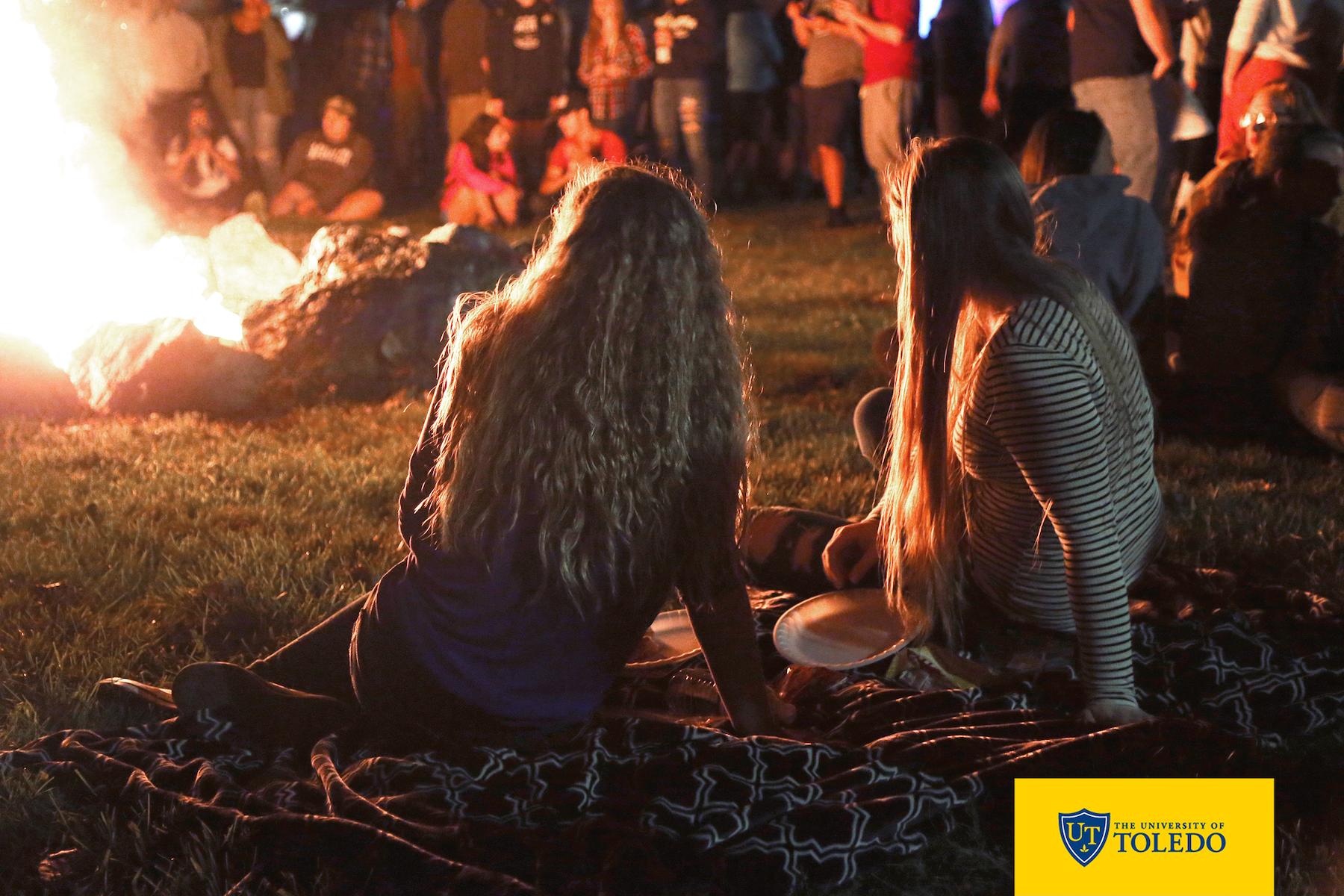
Many accommodations such as dormitories, fraternities and sororities have working fireplaces — wood burning and natural gas.  Community spaces such as student unions, libraries and recreation spaces also have fireplaces as a central feature.

The purpose of NFPA 211 is to reduce fire hazards by discovering and promulgating best practice for the safe removal of flue gases, the proper installation of solid fuel-burning appliances, and the correct construction and installation of chimneys, fireplaces, and venting systems.  The current 2019 Edition is linked below:

Free Access: NFPA 221 Standard for Chimneys, Fireplaces, Vents, and Solid Fuel-Burning Appliances

The 2024 has been released.  To guide our inquiry into safety and sustainability concepts for the 2027 Edition we like review the developmental transcripts of previous edition:

Public Input Report

Second Revisions Report

Public comment on the First Draft of the 2027 Edition will be received until June 3, 2025. 

Public comment on the Second Draft of the 2027 Edition will be received until March 31, 2026. 

We encourage facility managers to recommend improvements to this standard by setting up a (Free) NFPA account the link below:

Online submission of public input and public comments

We maintain this standard on our periodic Prometheus and Housing colloquia.  Consult our CALENDAR for the next online meeting, open to everyone

Link to parent standard:

Code ignis MMXXVII

NFPA 211: Articles and News

University of Rochester Fireplace Safety

American Gas Association: How Natural Gas Fuels Your Holiday Traditions

Natural Gas Transmission & Distribution


Life Safety Code

Today at the usual hour we sort through the NFPA stack for fire safety system aspects during renovation, alteration, or rehabilitation of buildings.  Two sections come to mind:

Chapter 43 (NFPA 101): Building Rehabilitation


NFPA 241: Safeguarding Construction, Alteration, and Demolition Operations
Use the login credentials at the upper right of our home page.

Educational and Day-Care Occupancies (July 23, 2025 Second Draft Transcript)

The Life Safety Code addresses those construction, protection, and occupancy features necessary to minimize danger to life from the effects of fire, including smoke, heat, and toxic gases created during a fire.   It is widely incorporated by reference into public safety statutes; typically coupled with the consensus products of the International Code Council.   It is a mighty document — one of the NFPA’s leading titles — so we deal with it in pieces; consulting it for decisions to be made for the following:

(1) Determination of the occupancy classification in Chapters 12 through 42.

(2) Determination of whether a building or structure is new or existing.

(3) Determination of the occupant load.

(4) Determination of the hazard of contents.

There are emergent issues — such as active shooter response, integration of life and fire safety systems on the internet of small things — and recurrent issues such as excessive rehabilitation and conformity criteria and the ever-expanding requirements for sprinklers and portable fire extinguishers with which to reckon.  It is never easy telling a safety professional paid to make a market for his product or service that it is impossible to be alive and safe.  It is even harder telling the dean of a department how much it will cost to bring the square-footage under his stewardship up to the current code.

The 2021 edition is the current edition and is accessible below:

NFPA 101 Life Safety Code Free Public Access

Public input on the 2027 Revision will be received until June 4, 2024.  Public comment on the Second Draft 2027 Revision will be received until March 31, 2026.


Since the Life Safety Code is one of the most “living” of living documents — the International Building Code and the National Electric Code also move continuously — we can start anywhere and anytime and still make meaningful contributions to it.   We have been advocating in this document since the 2003 edition in which we submitted proposals for changes such as:

• A student residence facility life safety crosswalk between NFPA 101 and the International Building Code

• Refinements to Chapters 14 and 15 covering education facilities (with particular attention to door technologies)

• Identification of an ingress path for rescue and recovery personnel toward electric service equipment installations.

• Risk-informed requirement for installation of grab bars in bathing areas

• Modification of the 90-minute emergency lighting requirements rule for small buildings and for fixed interval testing

• Modification of emergency illumination fixed interval testing

• Table 7.3.1 Occupant Load revisions

• Harmonization of egress path width with European building codes

There are others.  It is typically difficult to make changes to stabilized standard though some of the concepts were integrated by the committee into other parts of the NFPA 101 in unexpected, though productive, ways.  Example transcripts of proposed 2023 revisions to the education facility chapter is linked below:

Chapter 14 Public Input Report: New Educational Occupancies

Educational and Day Care Occupancies: Second Draft Public Comments with Responses Report

Since NFPA 101 is so vast in its implications we list a few of the sections we track, and can drill into further, according to client interest:

Chapter 3: Definitions

Chapter 7: Means of Egress

Chapter 12: New Assembly Occupancies

Chapter 13: Existing Assembly Occupancies

Chapter 16 Public Input Report: New Day-Care Facilities

Chapter 17 Public Input Report: Existing Day Care Facilities

Chapter 18 Public Input Report: New Health Care Facilities

Chapter 19 Public Input Report: Existing Health Care Facilities

Chapter 28: Public Input Report: New Hotels and Dormitories

Chapter 29: Public Input Report: Existing Hotels and Dormitories

Chapter 43: Building Rehabilitation

Annex A: Explanatory Material

As always we encourage front-line staff, facility managers, subject matter experts and trade associations to participate directly in the NFPA code development process (CLICK HERE to get started)

NFPA 101 is a cross-cutting title so we maintain it on the agenda of our several colloquia —Housing, Prometheus, Security and Pathways colloquia.  See our CALENDAR for the next online meeting; open to everyone.
 

Issue: [18-90]

Category: Fire Safety, Public Safety

Colleagues: Mike Anthony, Josh Elvove, Joe DeRosier, Marcelo Hirschler

More

ARCHIVE / Life Safety Code 2003 – 2018


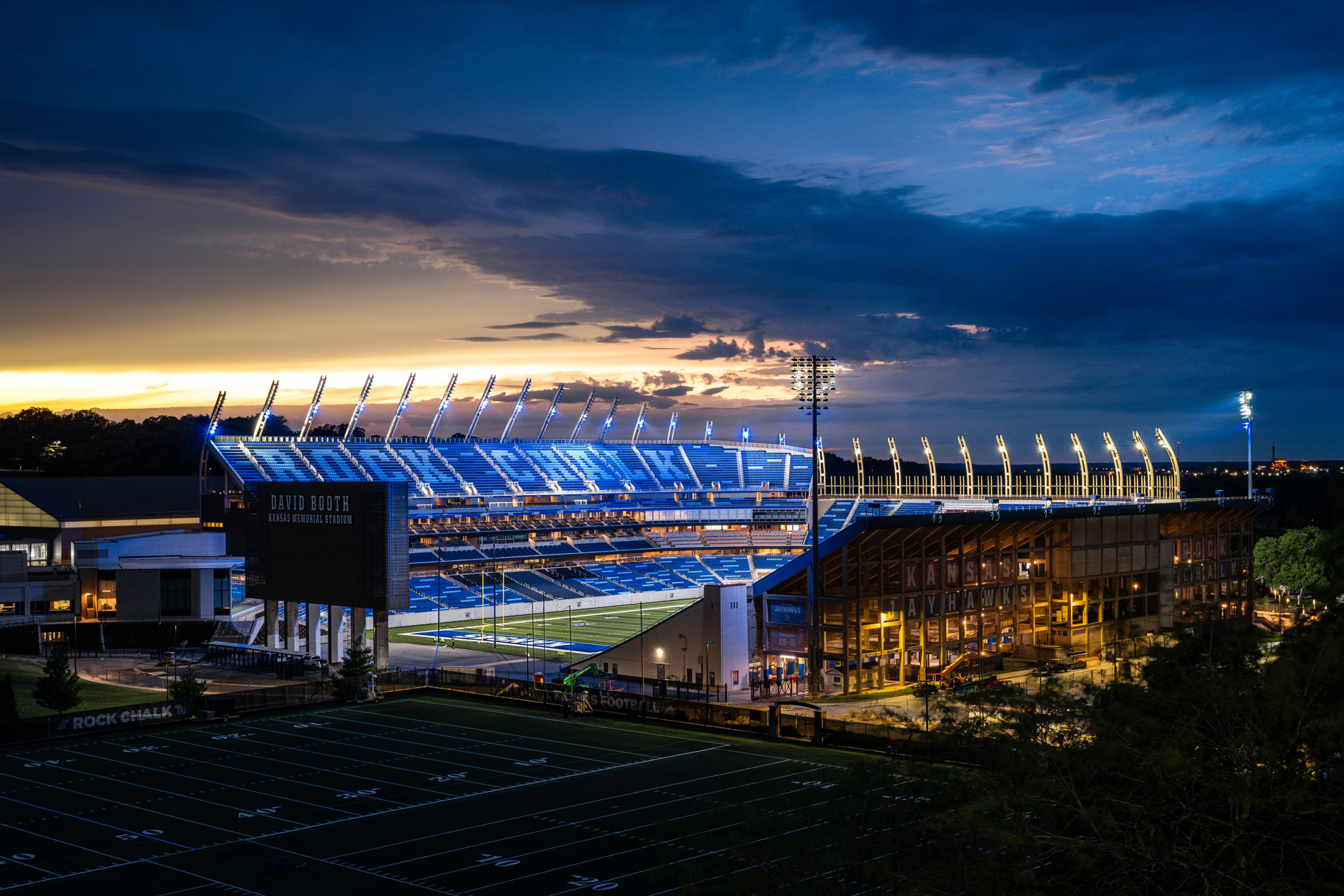
Fire and Life Safety in Stadiums

Farm Electrical Power

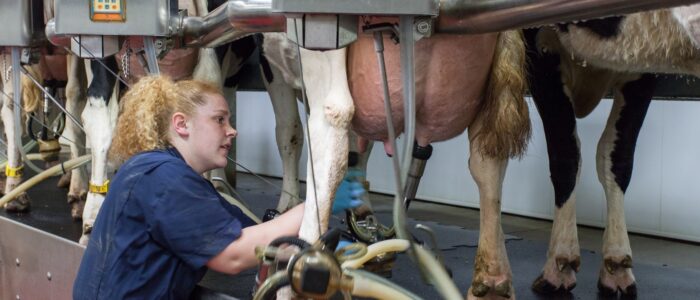
Many land grant colleges and universities are stewards of agricultural facilities that require reliable electrical power that is safe and sustainable for livestock well off the core campus distribution grid. Today we examine the 2026 National Electrical Code safe electric service rules with an eye toward the close date of April 6th for public input on the 2029 NEC.

2029 National Electrical Code


Updated: September 3, 2024

ACTION ITEMS:

Article 547: Agricultural Buildings

Public Input with Responses from CMP-7 (Start at PDF Page 187)

Public Input with Responses from CMP-2 Article 220 Part V: Farm Load Calculations (Start at PDF Page 28)

Related: National Electrical Safety Code (Higher Voltage Distribution Wiring from Merchant Utility to Off-Campus Agricultural Outbuildings)

Sunday, Animal, Farm, Agri august

Many land grant colleges and universities are stewards of agricultural facilities that require reliable electrical power that is safe and sustainable for livestock and animal habitat for sporting.

FREE ACCESS: 2023 National Electrical Code

The premise wiring rules for hazardous university owned buildings have been relatively stable.  Electrical professionals are guided by:

  1. Farm Load Calculations of Part V of Article 220,
  2. Corrosion mitigation with appropriate specification of power chain wiring
  3. Stray voltage and the equipotential plane
  4. Interactivity with regulated utility power sources.

Public response to the First Draft of the 2026 National Electrical Code will be received until August 28, 2024.  We coordinate our approach to the entire NFPA electrical suite with the IEEE Education & Healthcare Facilities Committee which meets 4 times monthly.  We typically refer to previous transcripts of technical committee actions to inform any changes (improvements) that we propose, if any.

2026 National Electrical Code Workspace

We maintain this issue on the standing agenda of our Power and Nourriture (Food) colloquia.  Feel free to join us with the login credentials at the upper right of our home page.


More:

2028 National Electrical Safety Code

Stray Voltage: Sources and Solutions

University of Nebraska: G87-845 Electrical Systems for Agricultural Buildings (Recommended Practices)

Cornell University Agricultural Safety and Health Program

Mike Holt

Fred Hartwell

National Safety Council  (22 deaths by electrocution on farms per 100,000 in 2017)

National Agricultural  Safety Database


Electric Service Metering & Billing

Electrical Safety

Today at 16:00 UTC we review best practice for engineering and installing the point of common coupling between an electrical service provider its and an purchasing — under the purview of NEC CMP-10.

Committee topical purviews change cycle-to-cycle.  Here’s the transcript for today’s session:  CMP-10 Second Draft Report (368 pages)

Use the login credentials at the upper right of our home page.

The relevant passages of the National Electrical Code are found in Article 230 and Article 495.  We calibrate our attention with the documents linked below.  These are only representative guidelines:

University of Michigan Medium Voltage Electrical Distribution

Texas A&M University Medium Voltage Power Systems

University of Florida Medium Voltage Electrical Distribution

Representative standards for regulated utilities for purchased power:

Detroit Edison Primary Service Standards (Green Book)

American Electric Power: Requirements for Electrical Services

Pacific Gas & Electric Primary Service Requirements

The IEEE Education & Healthcare Facilities Committee curates a library of documents similar to those linked above.

Design of Electrical Services for Buildings

We are in the process of preparing new (original, and sometimes recycled) proposals for the 2026 National Electrical Code, with the work of Code Panel 10 of particular relevance to today’s topic:

2026 National Electrical Code Workspace

First Draft Meetings: January 15-26, 2024 in Charleston, South Carolina


Electrical meter billing standards are generally regulated at the state or local level, with guidelines provided by public utility commissions or similar regulatory bodies.  These tariff sheets are among the oldest in the world.  There are some common standards for billing and metering practices, including:

  1. Meter Types: There are various types of meters used to measure electricity consumption, including analog (mechanical) meters, digital meters, and smart meters. Smart meters are becoming more common and allow for more accurate and real-time billing.
  2. Billing Methodology:
    • Residential Rates: Most residential customers are billed based on kilowatt-hours (kWh) of electricity used, which is the standard unit of energy.
    • Demand Charges: Some commercial and industrial customers are also subject to demand charges, which are based on the peak demand (the highest amount of power drawn at any one point during the billing period).
    • Time-of-Use Rates: Some utilities offer time-of-use (TOU) pricing, where electricity costs vary depending on the time of day or season. For example, electricity may be cheaper during off-peak hours and more expensive during peak hours.
  3. Meter Reading and Billing Cycle:
    • Monthly Billing: Typically, customers receive a bill once a month, based on the reading of the electricity meter.
    • Estimation: If a meter reading is not available, some utilities may estimate usage based on historical patterns or average usage.
    • Smart Meter Readings: With smart meters, some utilities can provide daily or even hourly usage data, leading to more precise billing.
  4. Meter Standards: The standards for electrical meters, including their accuracy and certification, are set by national organizations like the National Institute of Standards and Technology (NIST) and the American National Standards Institute (ANSI). Meters must meet these standards to ensure they are accurate and reliable.
  5. Utility Commission Regulations: Each state has a utility commission (such as the California Public Utilities Commission, the Texas Public Utility Commission, etc.) that regulates the rates and billing practices of electricity providers. These commissions ensure that rates are fair and that utilities follow proper procedures for meter readings, billing cycles, and customer service
  6. Large University “Utilities”.   Large colleges and universities that generate and distribute some or all of their electric power consumption have developed practices to distribute the cost of electricity supply to buildings.  We will cover comparative utility billing practices in a dedicated colloquium sometime in 2025.

Michigan Public Service Commission | Consumer’s Energy Customer Billing Rules

Electrical Safety

Starting 2025 — and continuing through 2026 — we change our approach to responding to public consultation in the development of the NFPA catalog.  Draft proposals are listed at the bottom of this page.

NFPA 70 National Electrical Code

2029 Public Input Closing Date: April 9, 2026
NFPA 70B Standard for Electrical Equipment Maintenance

Second Draft Comment Closing Date: January 3, 2025
NFPA 70E Standard for Electrical Safety in the Workplace

Public Input Closing Date: June  4, 2025

NFPA 72 National Fire Alarm and Signaling Code

Public Input Closing Date: June 4, 2025

NFPA 78 Guide on Electrical Inspections

Public Input Closing Date: June 4, 2025

NFPA 79 Electrical Standard for Industrial Machinery

Public Comment Closing Date: January 6, 2026

NFPA 110 Standard for Emergency and Standby Power Systems

Public Input Closing Date: June 4, 2025

NFPA 111 Standard on Stored Electrical Energy Emergency and Standby Power Systems

Public Input Closing Date: June 4, 2025

NFPA 730 Guide for Premises Security

NITMAM Close Date October 31, 2025

NFPA 731 Standard for the Installation of Premises Security Systems

NITMAM Close Date October 31, 2025

NFPA 780 Standard for the Installation of Lightning Protection Systems

NITMAM Close Date March 27, 2025

NFPA 855 Standard for the Installation of Stationary Energy Storage Systems

NITMAM Close Date March 27, 2025

NFPA 1078 Standard for Electrical Inspector Professional Qualifications

Public input June 4, 2025

Lorem ipsum


NFPA 101 Life Safety Code § UpCodes Free Access (Michigan 2012)

Means of Egress | Chapter 7

 First Draft (167 pages)

NFPA 70 National Electrical Code §  Upcodes Free Access (Michigan 2023)

Elevators | Article 620

Second Draft Report

National Electrical Definitions

Electric Vehicle Power Transfer System

Hospital Plug Load

Stationary Energy Storage Systems

Luminaires, Lampholders, and Lamps

Data Center Wiring

Electric Service Metering & Billing

Information & Communication Technology Cabling

Reconditioned Electrical Equipment

Landscape Lighting

Solarvoltaic PV Systems

Arenas, Lecture Halls & Theaters

Campus Electric Bulk Distribution

Farm Electrical Power

Marina & Boatyard Electrical Safety

Pool, Fountain, Agriculture & Water Infrastructure Electrical Safety

Lightning Protection Systems

Kitchen Wiring

Interconnected Electric Power Production Sources “Microgrids”

Outdoor Deicing & Snow Melting

NFPA 72

Definitions. 3.3.89 Dormitory Suite (NEW)

Here are 10 possible definitions or terms for college student housing facilities shared by 4 to 6 unrelated students:
  1. Dormitory Suite: A shared living space within a dormitory building, featuring individual or shared bedrooms, a common living area, and sometimes a small kitchen or bathroom, designed for 4–6 students.
  2. Apartment-Style Housing: On-campus or off-campus apartments with multiple bedrooms, a shared kitchen, living room, and bathroom(s), accommodating 4–6 students.
  3. Cooperative Housing (Co-op): A student-managed housing unit where 4–6 unrelated students share responsibilities for chores, cooking, and maintenance while living together in a house or apartment.
  4. Shared Residence Hall Unit: A section of a residence hall with private or semi-private bedrooms and shared common areas like a lounge or kitchen, housing 4–6 students.
  5. Cluster Housing: A group of bedrooms clustered around a shared living space, often including a kitchenette or bathroom, designed for 4–6 students in a residence hall or apartment complex.
  6. Pod-Style Housing: A modern dorm layout where 4–6 students share a compact unit with individual or paired bedrooms, a common area, and shared facilities like a bathroom or kitchen.
  7. Student Townhouse: A multi-level housing unit, typically off-campus or in university-owned complexes, with shared living spaces and multiple bedrooms for 4–6 students.
  8. Quad or Hex Apartment: An apartment specifically designed for 4 (quad) or 6 (hex) students, featuring shared amenities like a kitchen, living room, and bathroom(s).
  9. Communal House: An off-campus house leased by 4–6 students, with shared spaces like a living room, kitchen, and bathrooms, often independently rented but sometimes university-affiliated.
  10. Living-Learning Community Unit: A shared housing arrangement for 4–6 students in a residence hall, centered around a specific academic or thematic focus, with shared common areas to foster collaboration.
These definitions reflect common housing arrangements for unrelated college students, based on typical university housing structures and off-campus options.

Should show up in NFPA 101 and referral to them is appreciated.

Annex G.

Settlement.


Campus Fire Pump Network.


NFPA 110/111


NFPA 78 and 1078

Modular Office Furniture Wiring

2026 NEC CMP-18 Public Input Report

CMP-18 Second Draft Report

“Office in a Small City” (1953) / Edward Hopper

Modular furniture systems with integral power and telecommunication fittings require attention to power and digital pathways.   “Modular systems furniture” is a generic term for bundles of panels, worksurfaces, shelves, and other items sold by a single manufacturer as a package for furnishing offices.  The modular furniture system environment is characterized by close proximity to electrical energy.   Where there is electrical energy there are concerns for shock and fire safety.

Fire safety considerations appear in NFPA 70 National Electrical Code (NEC)– generally in Articles 210 (Branch Circuits), Article 220 (Branch Circuit, Feeder and Service Load Calculations) — and with more specific safety considerations appearing in Articles 604 (Manufactured Wiring Systems) and Article 605 (Office Furnishings).   The current edition of the National Electrical Code is linked below:

Public Access 2023 National Electrical Code

Over the past 30-odd years modular furniture manufacturers have worked out a lot of the bugs in products; making it easier for furniture contractors to deliver a safer and more effective installation.  What remains are site-specific conditions — such as lighting load, current draw of space heaters and personal air conditioners through the furniture power pathway — that must be reckoned with.   A sample of other considerations:

  • Harmonic heating of the furniture pathway caused by non-linear, harmonic load
  • The risk of double-phasing when circuit breakers are joined with handle ties back at the panelboard and share a neutral
  • Any lighting equipment used with the partitions must have of properly sized cord no more than 9 ft long
  • Modularity in power tap cords (“whips’) between furniture raceways and the first gathering point

There are other safety and sustainability issues related to USB outlets, and data/voice outlets[2] that we will cover in another post and in our collaborations with IEEE SCC-18 and the IEEE Education & Healthcare Facilities Committee (IEEE E&H).

Seneca College / Toronto

We find office wiring a relatively lively “promontary” in safety and sustainability circles.   The transcript of debate among interior wiring experts is always a good place to listen in on the technical discussion; linked below:

Public Input Report – 2023 National Electrical Code Panel 7 

Public Input Report – 2023 National Electrical Code Panel 18

We find manufactured wiring concepts tracking that effects office occupancies for all industries.  Market incumbents continue advocacy for more ground fault and tamper-resistant receptacles in day care and gymnasium.

A more significant debate tracks in Chapter 2 — related to office modular furniture wiring because electrical load calculations determine how designers specify branch circuits for all occupancy classifications present in education communities (which is nearly every occupancy type defined in the International Building Code):

Public Input Report – 2023 National Electrical Code Panel 2

,Standards Michigan, beginning with its inspiration in the original University of Michigan standards advocacy enterprises, has a long and storied engagement with Chapter 2 of the NEC covered here and also academic literature and also in research sponsored by NFPA’s Fire Protection Research Foundation.

We always encourage our workpoint experts in the thousands of electrical and telecommunication units in the education and healthcare facilities industry to participate directly in the NFPA Code Development process (CLICK HERE to join a committee).

Since both the National Electrical Code and the National Electrical Safety Code revision cycles are roughly coincident in 2021 we working on electrical power issues every day, collaborating with the IEEE E&H Committee.   Online meetings are open to everyone.


Issue: [16-102]

Category: Electrical, Interior Furnishings, Telecommunications

Colleagues: Mike Anthony, Jim Harvey, Massimo Mitolo


[1]  Rightsizing electrical power systems in large commercial facilities

[2] Commercial Building Telecommunications Cabling Standard


More


Luminaires, Lampholders, and Lamps

Best wiring safety practice for the illumination of educational settlement occupancies is scattered throughout the National Electrical Code with primary consideration for wiring fire safety:

  • Article 410 – Covers the installation of luminaires (fixtures), lampholders, and lamps, including requirements for wiring, grounding, and support.
  • Article 210 – Covers branch circuit requirements, including those for lighting circuits in dwellings and commercial buildings.
  • Article 220 – Provides guidelines for calculating lighting loads.
  • Article 225 – Addresses outside lighting installations.
  • Article 240 – Covers overcurrent protection for lighting circuits.
  • Article 250 – Deals with grounding and bonding, which is essential for lighting circuits.
  • Article 300 – Covers general wiring methods that apply to lighting circuits.

We have done a fair amount of work on this topic over the years, including writing the chapter on campus outdoor lighting for the soon-to-be-released IEEE 3001.9 Recommended Practice for the Design of Power Systems Supplying Lighting Systems in Commercial and Industrial Facilities.   

For our meeting please refer to the workspace we have set up for the 2026 Revision of the NEC:

2026 National Electrical Code Workspace

We will pick through specifics in the transcripts of Code Making Panels 10 and 18.


International Building Code: Chapter 12 Section 1204 Lighting

Standard for Parking Structures

Tallinna Ülikool | University of Estonia | Parking place art


Parking — the lack of it, the cost of it — has always been a sensitive issue in education communities.  Into the mix add the expansion of electric vehicle charging stations, ride sharing, and micromobility.   Their construction characteristics make them ideal locations for storage enterprises and emergency generators.  NFPA 88A Standard for Parking Structures asserts best practice of a small but important part of it; the construction and protection of, as well as the control of hazards in, open and enclosed parking structures. Things get complicated with other occupancy classes merge with it; especially so when electric vehicle battery fires present another order of magnitude of risk.

The 2023 Edition (recently released) can be read in the link below:

FREE ACCESS: Standard for Parking Structures

Insight into the ideas that are in play can be tracked in the transcripts linked below:

First Draft Meeting Agenda

Second Draft Meeting Agenda

Note the concern for the overlap and space between this title and passages in International Code Council catalog.  We limit our concern for fire safety and more education communities build high rise student accommodation with integral parking structures.   The bibliography is extensive (References Pages 92 – 99):

The 2027 edition of this standard is open for public input until June 4, 2024.  CLICK HERE to get started on your own.

We hold this title on the standing agenda of our Prometheus and Mobility colloquium.  See our CALENDAR for the next online meeting; open to everyone.
 

Issue: [17-235]

Category: Parking & Transportation, Space Planning, Facility Asset Management

Colleagues: Mike Anthony, Josh Elvove. Joe DeRosier

Gallery: Electric Vehicle Fire Risk

Data Center Wiring

The bookwheel, also known as a revolving bookcase, was invented by an Italian scholar and polymath named Agostino Ramelli. Ramelli was born in 1531 in Ponte Tresa, a town in present-day Italy, and he lived during the Renaissance period.

Ramelli’s invention, described in his work titled “Le diverse et artificiose machine del capitano Agostino Ramelli” (The Various and Ingenious Machines of Captain Agostino Ramelli), was published in 1588. This book showcased a collection of 195 mechanical devices.  
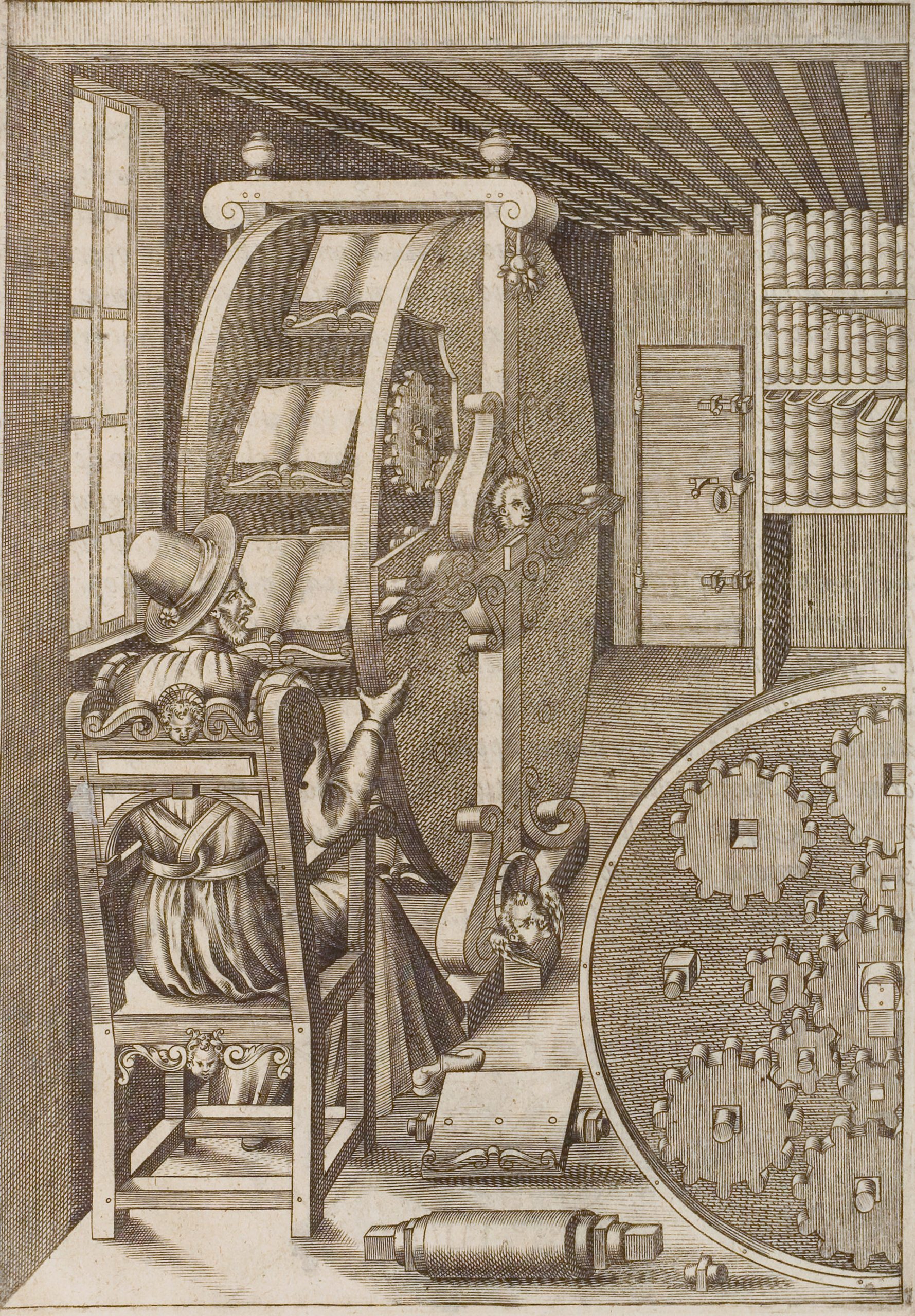
Ramelli’s work contributed to the growing interest in mechanical inventions during the Renaissance period. His bookwheel design remains a fascinating example of early engineering and ingenuity, highlighting the desire for knowledge and practical solutions in the pursuit of learning and scholarly endeavors.

2026 NEC Articles 645-646-647 Information Technology Equipment, et. al First Draft Report

2026 NEC Articles 645-646-647 Information Technology Equipment, et. al Second Draft Report

“Bookwheel” Early Data Center

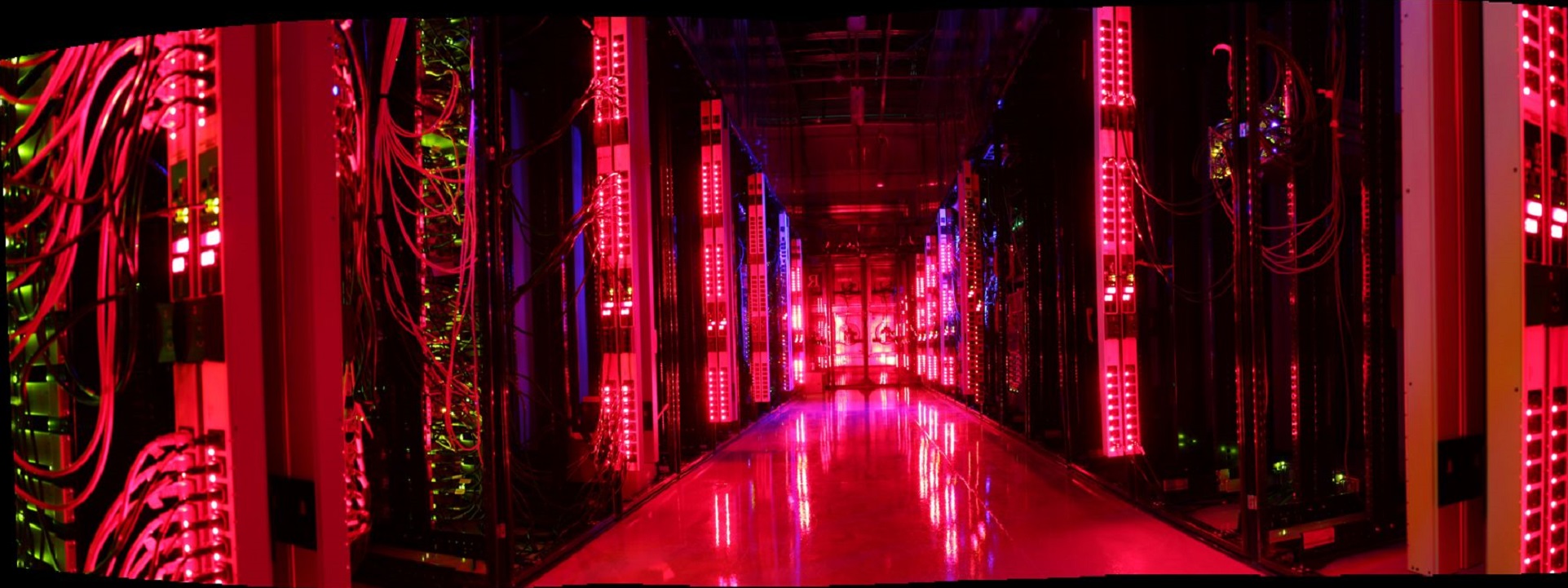
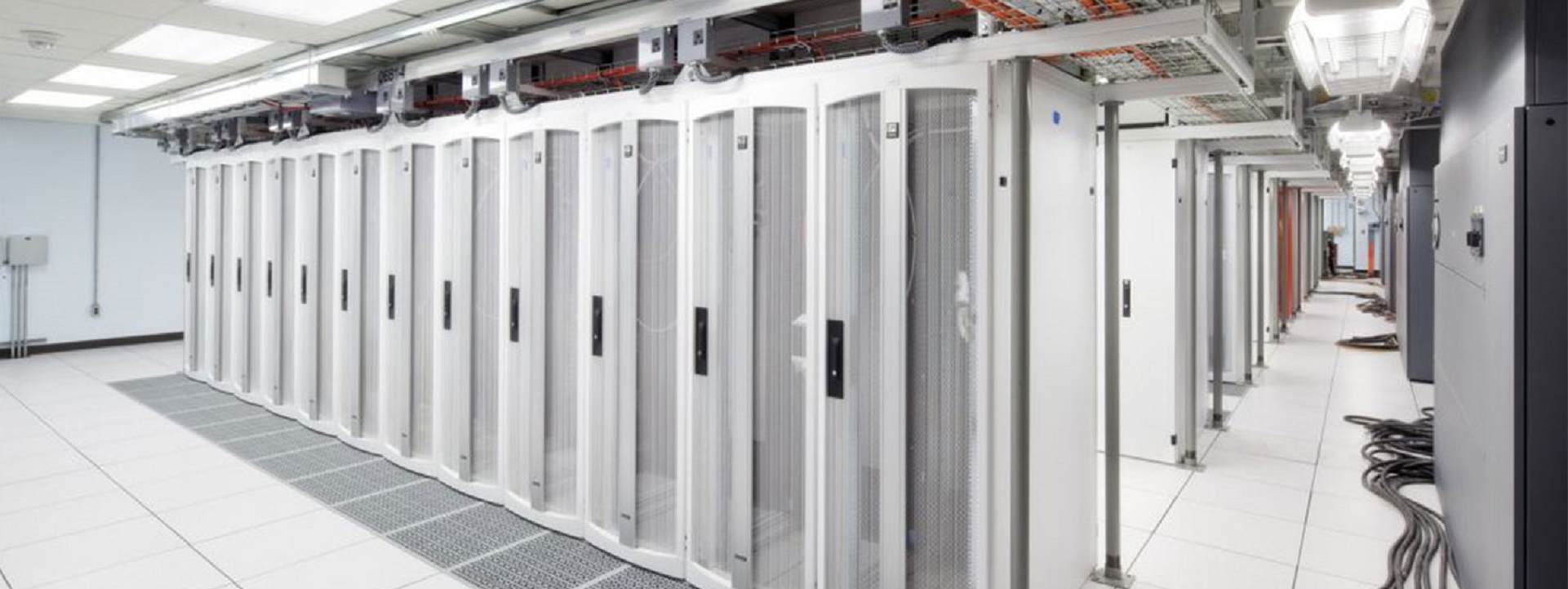
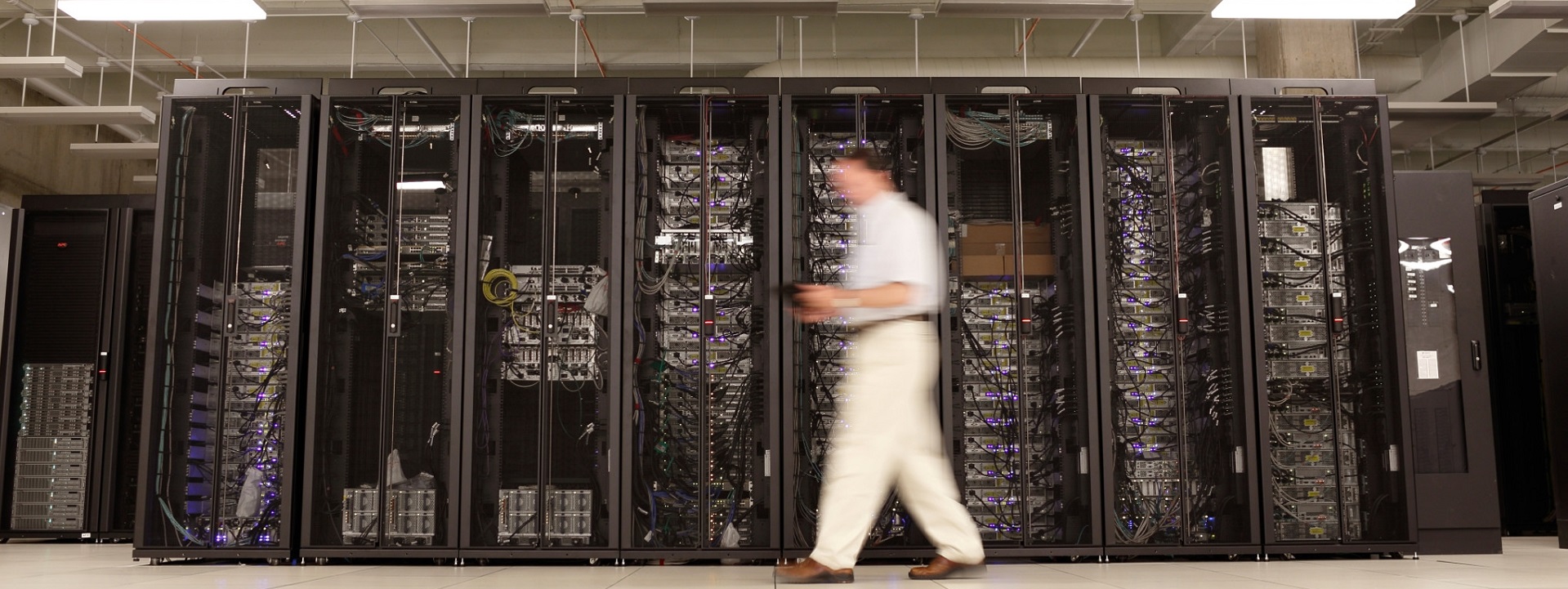
The standard of care for wiring safety for data centers —  a continually expanding presence in education communities even before the pandemic  — is established in National Electrical Code Articles 645 (Information Technology Equipment), Article 646 (Modular Data Centers) and Article 647 (Sensitive Electronic Equipment).   You will notice that these articles cover the topic comprehensively and bear the imprint of competing Producer-Interest groups.  There are no User-Interest representatives on Code-Making Panel 12 that represent the final fiduciary in education communities even though education communities are one of the largest markets for information and communication technology systems.

The current version of NFPA 70 is linked below:

2026 National Electrical Code

2023 National Electrical Code

Transcripts  of technical committee action during the 2026 revision (CMP-16) are linked below because they will inform our recommendations for the 2026 National Electrical Code.  Keep in mind that the Technical Correlating Committee is moving content around the Code in order to make the NEC easier to use by experts.

CMP-16 First Draft Report | Public Input with Committee Response 

CMP-16 Second Draft Report

The transcripts of technical committee action during the 2023 revision are linked below because they will inform our recommendations for the 2026 National Electrical Code.

Code‐Making Panel 12 Public Input Report

Code-Making Panel 12 Public Comment Report

National Electrical Code CMP-12

We will use these in our exploration of what we might propose for improvements in the 2026 revision.  Public comment on the First Draft of the 2026 Edition will be received until August 28th.

The issues that have been in play in these articles of the NEC are familiar to veterans of the “food fight” – occupancy classification, cable specifications, fire protection, ventilation, energy consumption, surge protection, licensing of engineers. etc.  We look for market-making excesses by opposing stakeholders that seek to limit their risk while raising the (financial) risk to education communities.

We encourage our colleagues to participate in the NFPA code development process directly.  We also encourage stakeholders in education communities — students, faculty and staff  to join us during any of the teleconferences we co-host with the IEEE Education & Healthcare Facilities Committee 4 times monthly in both European and American time zones.   See our CALENDAR for the next online meeting.

"One day ladies will take their computers for walks in the park and tell each other, "My little computer said such a funny thing this morning" - Alan Turing


Related standards:

NFPA 75: Standard for the Fire Protection of Information Technology Equipment

2024 International Building Code: Special Detailed Requirements Based on Occupancy and Use

2024 International Building Code: Section 304.1 Business Group B

Code ignis MMXXVII

Winter Holiday Fire Facts

NFPA Fire Protection Systems Catalog (Lorem ipsum)

Crosswalk: NFPA Fire Code and ICC International Fire Code

“Prometheus creating Man in the presence of Athena” 1802 Jean-Simon Berthélemy

Free public access to the current edition of NFPA’s parent fire safety document is linked below:

2024 NFPA 1 Fire Code 

We attend to occupancy-specific chapters (listed below) because of their significant presence in education communities.

Chapter 25: Grandstands and Bleachers, Folding and Telescopic Seating, Tents and Membrane Structures (N.B)

Chapter 26: Laboratories Using Chemicals

Chapter 29: Parking Garages

Chapter 32: Motion Picture and Television Production Studio Soundstages and Approved Production Facilities

Chapter 35: Animal Housing Facilities

Chapter 36: Telecommunication Facilities and Information Technology Equipment

Chapter 50: Commercial Cooking

Chapter 52: Energy Storage Systems

Some of the chapters reference other titles such as NFPA 45 Standard of Fire Protection for Laboratories Using Chemicals which support risk management in other occupancies.  It is noteworthy that in the 2021 revision cycle of NFPA 1 there are relatively few new concepts regarding education facilities that have been proposed.   You get a sampling of the ideas in play from the transcript of public input for the 2024 edition.

Public Input Report (525 Pages)

Use search terms such as school, college, university, dormitory(ies), laboratory(ies), classroom, children, day-care, student, et cetera for a sense of the ideas in play.

Results of the 2027 First Draft meetings have not yet been posted as on November 9, 2024.  A preview of the ideas in play can be found in the meeting minutes of the several committees linked below:

Fire Code (FCC-AAC): First Draft Meeting Minutes

First Draft: Fundamentals of the Fire Code (FCC-FUN)

Special Equipment, Processes and Hazardous Materials (FCC-HAZ)

Building Systems and Special Occupancies (FCC-OCP)

Public comment on the First Draft of the 2027 revision will be received until April 24, 2025.

We include NFPA 1 on our periodic fire safety colloquia — identified by the mnemonic Prometheus — and march along peak interests.

Campus fire safety is domain relatively well-covered by other organizations such as the Center for Campus Fire Safety and HigherEd Safety so we place NFPA 1 in the middle of our priority tier.   We are more interested in the harmonization of NFPA 1 with a competitor title International Fire Code; published by the International Code Council; to wit:

International Fire Code:   The purpose of this code is to establish the minimum requirements consistent with nationally recognized good practice for proving a reasonable level of life safety and property protection from the hazards of fire, explosion or dangerous conditions in new and existing buildings, structures or premises and to provide a reasonable level of safety to fire fighters and emergency responders during emergency operations

Fire Code: The scope includes, but is not limited to, the following: (1) Inspection of permanent and temporary buildings, processes, equipment, systems, and other fire and related life safety situations (2) Investigation of fires, explosions, hazardous materials incidents, and other related emergency incidents (3) Review of construction plans, drawings, and specifications for life safety systems, fire protection systems, access, water supplies, processes, hazardous materials, and other fire and life safety issues (4) Fire and life safety education of fire brigades, employees, responsible parties, and the general public (5) Existing occupancies and conditions, the design and construction of new buildings, remodeling of existing buildings, and additions to existing buildings (6) Design, installation, alteration, modification, construction, maintenance, repairs, servicing, and testing of fire protection systems and equipment (7) Installation, use, storage, and handling of medical gas systems (8) Access requirements for fire department operations (9) Hazards from outside fires in vegetation, trash, building debris, and other materials (10) Regulation and control of special events including, but not limited to, assemblage of people, exhibits, trade shows, amusement parks, haunted houses, outdoor events, and other similar special temporary and permanent occupancies (11) Interior finish, decorations, furnishings, and other combustibles that contribute to fire spread, fire load, and smoke production (12) Storage, use, processing, handling, and on-site transportation of flammable and combustible gases, liquids, and solids (13) Storage, use, processing, handling, and on-site transportation of hazardous materials (14) Control of emergency operations and scenes (15) Conditions affecting fire fighter safety (16) Arrangement, design, construction, and alteration of new and existing means of egress

Note that both ICC and NFPA parent fire safety documents are developed on coincident 3-year cycles.


Issue: [18-90]

Category: Fire Safety, Public Safety

Colleagues: Mike Anthony,  Joshua W. Elvove, Joe DeRosier, Casey Grant

Layout mode
Predefined Skins
Custom Colors
Choose your skin color
Patterns Background
Images Background
Standards Michigan
error: Content is protected !!
Skip to content