Guide to Premises Security

Loading
loading...

Guide to Premises Security

November 21, 2024
mike@standardsmichigan.com
No Comments

School of Aristotle | Gustav Spangenberg

Managing capital‐intensive campus infrastructure embedded within a politically sensitive community presents challenges not present in private industry real assets. Differences in everything from department culture to annual facility use patterns mean that facility managers cannot implement the same safety approaches in all buildings.  Approaches must be scaled and tailored to the occupancy type and informed by the interconnectedness and the specifics of a given facility.  Accordingly, the original University of Michigan standards advocacy enterprise (see ABOUT) began following the development of safety concepts in both NFPA 730 and NFPA 731 with the release of the 2008 Edition.   Thereafter, it collaborated with trade associations and subject matter experts from other universities (notably Georgetown University and Evergreen State University) to advocate user-interest concepts in the 2011 revisions.

Since 2008, campus security issues have only become more complex technically; across an expanding minefield of sensitivities.   Since 2008 we have observed the emergence of about one-hundred new consensus products being developed by the same number of new trade associations and producers presenting campus security solutions.

NFPA 730 Guide to Premise Security is a consensus document that describes construction, protection, occupancy features, and practices intended to reduce security vulnerabilities to life and property.  Related document — NFPA 731 Standard for the Installation of Electronic Premises Security Systems covers the application, location, installation, performance, testing, and maintenance of electronic premises security systems and their components.   The first is a performance document; the second a prescriptive document for the construction, operation and maintenance of electrotechnologies that support premise security.

Public consultation on the 2023 revision closed January 5, 2022 however the NITMAM process permits additional comment at the 2023 NFPA Annual meeting in Las Vegas in June 2023.

The 2026 Edition is now open for public input until January 4, 2024.

Public Comment on the First Draft of the 2026 Edition will be received until January 3, 2025

As always, we encourage direct participation by user-interests supporting the education facility industry.   You may do so by CLICKING HERE.

It is never a bad idea to key in comments on your own but if you would like some insight into our advocacy vectors since 2008 you are welcomed to click in our periodic Risk and Public Safety colloquia during which time we pick through technical, policy and enforcement specifics.   We have been hammering on Chapters 11 and 12, Education and Healthcare Facilities, respectively; for five cycles.   See our CALENDAR for the next online meeting; open to everyone.


Issue: [10-3], [11-58], [14-44] and [16-127]

Category: Electrical, Telecommunications, Information & Communications Technology, Public Safety, Risk Management, #SmartCampus

Colleagues: Mike Anthony, Jim Harvey, Richard Robben


More

Department of Homeland Security: K-12 School Security

National Campus Safety and Security Project

NFPA 730 2023 Public Input Report

NFPA 730 730_F2019_PMM_AAA_FD_PIresponses

NFPA 730_F2019_PMM_AAA_SD_PCresponses

ARCHIVE / NFPA 730 Guide to Premises Security


Development of a Touchable VR Planetarium for Both Sighted and Visually Impaired People

November 20, 2024
mike@standardsmichigan.com

No Comments

Development of a Touchable VR Planetarium for Both Sighted and Visually Impaired People

Kota Suzuki, et. al

Kogakuin University

Abstract: The authors proposed and developed a “touchable” VR planetarium. The user wears a VR headset and “touches” the stars with the controllers. Because we can’t touch the stars in reality, this application provides the users with additional value and experience of the planetarium. As this feature is valuable for visually impaired people to experience the starry sky, the authors also implemented the functions that help it. In the trial use by visually impaired people, they experienced the starry sky with the support functions and evaluated the VR planetarium as a valuable application.

Cinq ans après

November 17, 2024
mike@standardsmichigan.com
, ,
No Comments

“There’s no escape from belief”
— Jordan Peterson

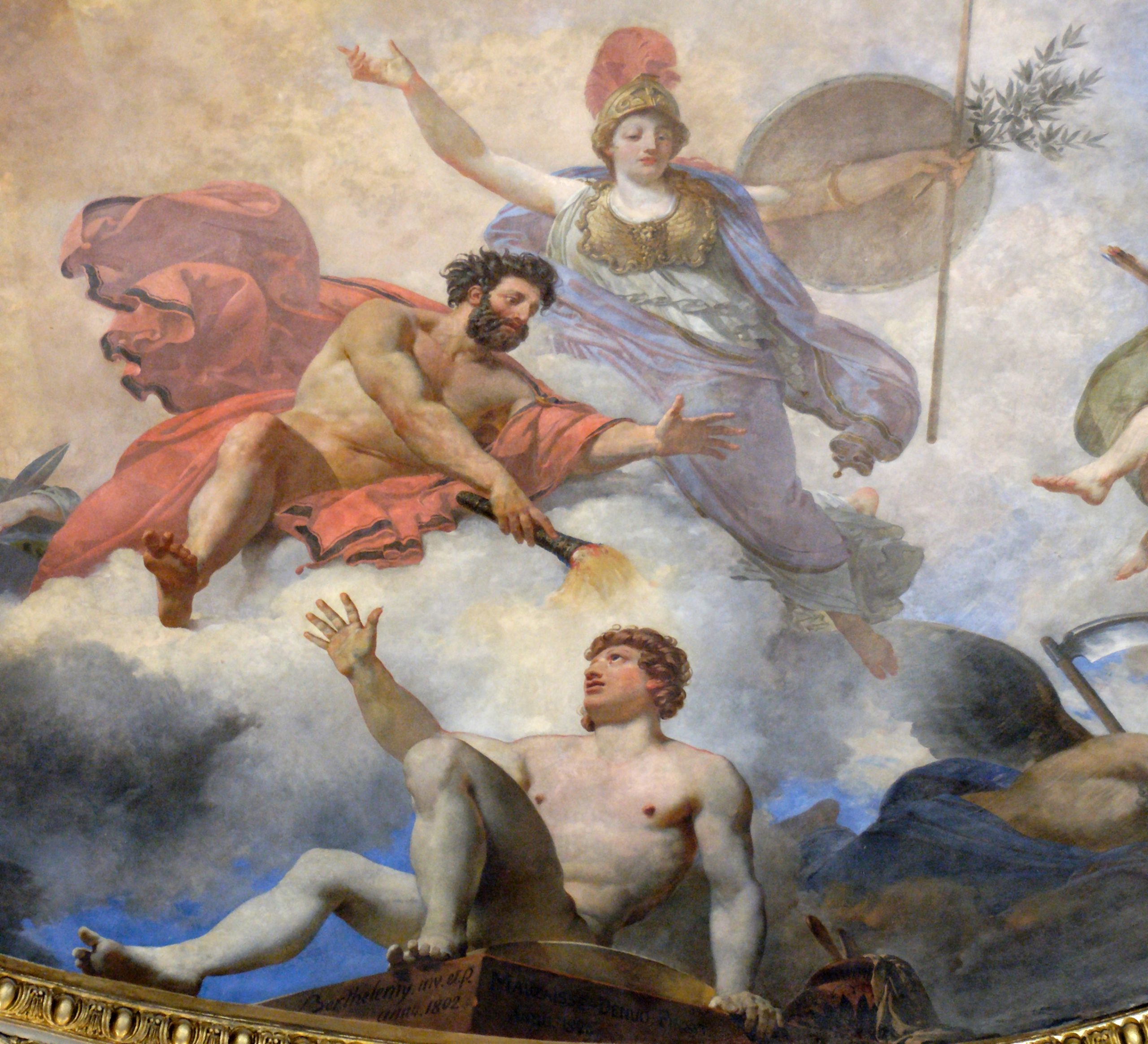
“Prometheus creating Man in the presence of Athena” 1802 | Jean-Simon Berthélemy

Fire Safety


Duncan Stroik Architect

November 17, 2024
mike@standardsmichigan.com
, , , ,
No Comments


“The ideal architect should be a man of letters, a skillful draftsman, a mathematician,

familiar with historical studies, a diligent student of philosophy,  acquainted with music,

not ignorant of medicine, learned in the responses of jurisconsults,

familiar with astronomy and astronomical calculations.”

— Vitruvius

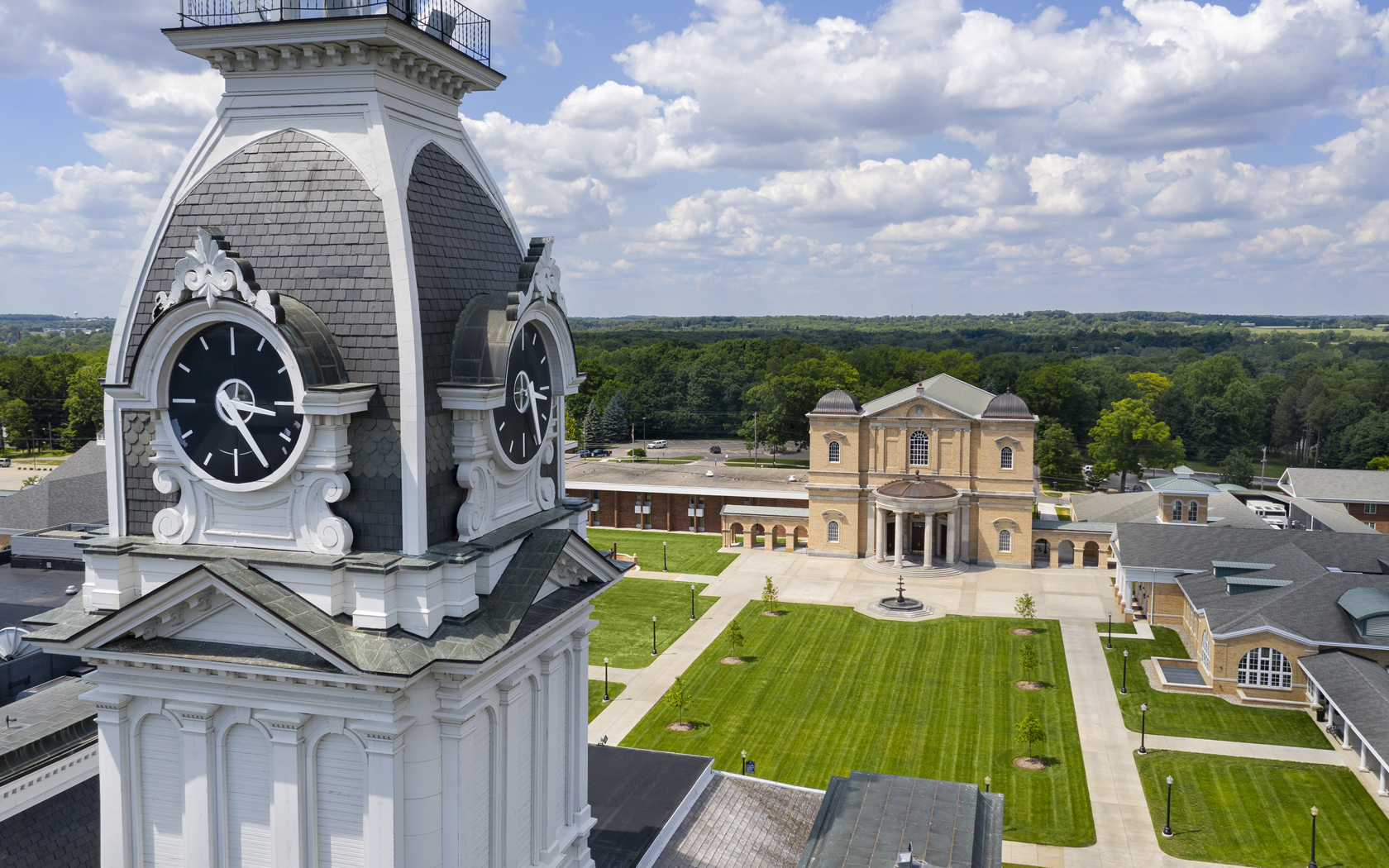
Duncan G. Stroik is a practicing architect, author, and Professor of Architecture at the University of Notre Dame specializing in religious and classical architecture.  Gathered here are images from Christ Chapel, Hillsdale College Michigan.  His award-winning work includes the Our Lady of the Most Holy Trinity Chapel in Santa Paula, California, the Shrine of Our Lady of Guadalupe in LaCrosse, Wisconsin, and the Cathedral of Saint Joseph in Sioux Falls, South Dakota.

A frequent lecturer on sacred architecture and the classical tradition, Stroik authored The Church Building as a Sacred Place: Beauty, Transcendence and the Eternal and is the founding editor of Sacred Architecture Journal. He is a graduate of the University of Virginia and the Yale University School of Architecture. Professor Stroik is the 2016 winner of the Arthur Ross Award for Architecture. In 2019, he was appointed to the U.S. Commission of Fine Arts.

Sacred Spaces

“Ten Books on Architecture” 30-20 B.C | Vitruvius


Church Facility Management

Perfect Irish Coffee

November 15, 2024
mike@standardsmichigan.com
,
No Comments

This content is accessible to paid subscribers. To view it please enter your password below or send mike@standardsmichigan.com a request for subscription details.

Eggnogg

November 15, 2024
mike@standardsmichigan.com
,
No Comments

This content is accessible to paid subscribers. To view it please enter your password below or send mike@standardsmichigan.com a request for subscription details.

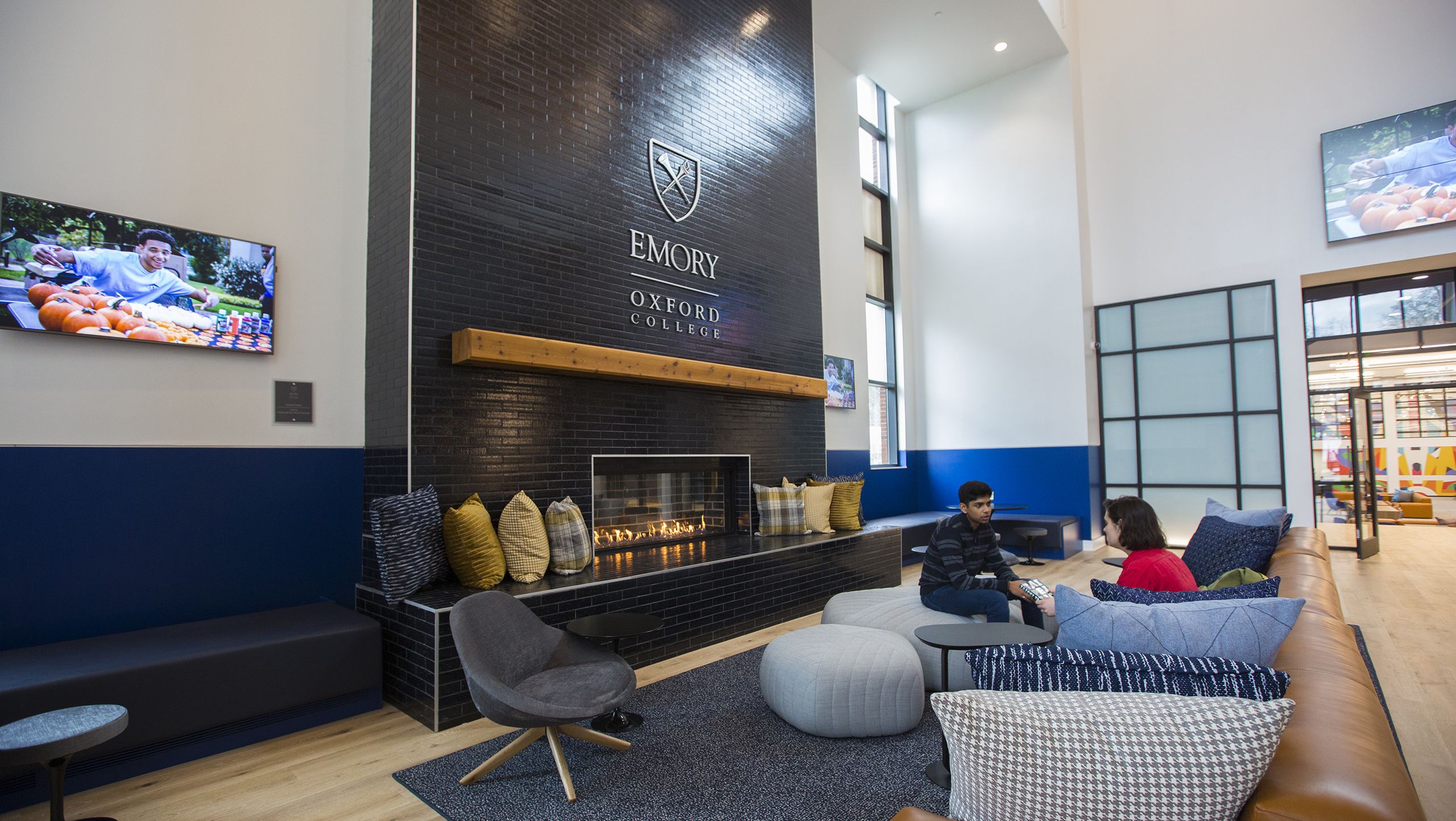
Oxford College Student Center

November 14, 2024
mike@standardsmichigan.com
, ,
No Comments

Emory University Facilities Management


Standards Georgia

Inglenook

International Building Code: Chapter 27 Electrical

November 12, 2024
mike@standardsmichigan.com
No Comments

§ 2701.1 Scope.  The provisions of this chapter and NFPA 70 shall govern the design, construction, erection and installation of electrical components, appliances, equipment and systems used in buildings and structures covered by this code.  The International Fire Code, the International Property Maintenance Code and NFPA 70 shall shover the use and maintenance of electrical components, appliances, equipment and systems.  The International Existing Building Code and NFPA 70 shall govern the alteration, repair, relocation, replacement and addition of electrical components, appliances, or equipment and systems.

CHAPTER 27 ELECTRICAL

Workspace / ICC

Layout mode
Predefined Skins
Custom Colors
Choose your skin color
Patterns Background
Images Background
Standards Michigan
error: Content is protected !!
Skip to content