
Public Consultations
- Home Page 3

loading...

Nuveen Private Placements
Nuveen — Infrastructure debt investment strategy
Nuveen Green Capital describes its C-PACE financing as having fixed interest rates of approximately 6%, typically over 20–30 years. For a home economics curriculum, I would teach three numbers together: 6% annual growth, 12 years to double and the Rule of 72 (Nevada Union High School).
Examples of Nuveen Educational Settlement Project Financing
1. Pacifica on Green | Champaign, Illinois
Near the University of Illinois Urbana-Champaign. $15.65 million C-PACE financing; 30-year term. Funding supported building-envelope and HVAC improvements, construction overruns and partial repayment of construction debt.
2. Madison Station | Rexburg, Idaho
Near Brigham Young University–Idaho. $15 million C-PACE financing within an approximately $30 million financing package for a 360-unit residential development serving students and young families.
3. 2008 North Broad Street | Philadelphia
Multifamily housing near Temple University. $5.215 million C-PACE financing for HVAC, roofing, insulation, lighting controls and water-conservation improvements.
4. 3151 Market Street | Philadelphia
Schuylkill Yards development near Drexel University. $87.3 million C-PACE financing for recapitalization of qualifying energy-efficient building improvements in a laboratory and office tower.
These are privately developed student housing or university-adjacent commercial projects, not necessarily university-owned facilities.
Relata:
TIAA Institute — Higher Education Real Estate Research
Child Tax-Advantaged Investment

WashU research helped shape important step with Trump Accounts https://t.co/GftjtVoGW2
— Standards Michigan (@StandardsMich) November 4, 2026
Relata:
U.S. Treasury Financial Education Modules
FDIC — Money Smart for Young People

Risk

“The Sampling Officials” | “Syndics of the Drapers’ Guild” 1662 Rembrandt
Today we run a status check on public consultations on best practice titles that set the standard of care for risk management in the education facility industry; including university-affiliated healthcare enterprises.
Open to everyone. Use the login credentials at the upper right of our home page. Some of topics we cover are listed below:
- Security standards (alarms, signaling, human resources, etc.)
- Property loss prevention standards
- Third party use of education facilities
- Athletic and recreational program risk
- OSHA regulations (electrical, fall, confined space risk, etc.)
- Information and communications technology risk
- Total cost of ownership standards
- Laboratory and chemical safety
FYI: 3 Tips for Protecting Remote Employees’ Data

530A Trump Accounts
These tax-deferred investment accounts, created under IRC §530A, allow parents or guardians to open one for any child under 18 with a Social Security number. Eligible children born 2025–2028 receive a one-time $1,000 federal seed contribution, invested in low-cost U.S. stock index funds. Families, employers, and donors can add up to $5,000 annually.
Funds grow tax-deferred until age 18, then convert to a traditional IRA. The program aims to build long-term wealth, introduce investing habits, and give every child—especially those from lower-income families—a tangible stake in the U.S. economy from childhood.

Large Language Models of Electric Power Sector
Standards Michigan supports the development of evaluation guidelines for Large Language Models serving the electric power sector, provided the project addresses the operational requirements of educational settlements, healthcare facilities and other complex institutional infrastructure. Evaluation criteria should extend beyond technical accuracy to include reliability, traceability, cybersecurity, interoperability, regulatory compliance and the consequences of erroneous recommendations. Particular attention should be given to electrical safety, power quality, emergency systems, distributed energy resources and continuity of operations.
We have particular interest in the interaction between merchant utilities and university owned district energy systems or distribution systems that have been spun off to private entities.
Evaluation datasets should incorporate authoritative references from IEEE, IEC, NFPA, NERC and applicable national regulations, with clear provisions for version control, jurisdictional differences and copyrighted standards. The guidelines should distinguish advisory applications from decisions affecting physical equipment, personnel safety and public welfare. Human oversight, reproducible testing and transparent disclosure of model limitations are essential.
Mike Anthony and Jim Harvey, C0-Founders of the IEEE E&H Subcommittee will apply to be among the ballot responders (if not the actual crafting of the standard). We encourage participation by facility operators, consulting engineers, utilities, insurers and academic researchers to ensure practical applicability across the infrastructure lifecycle.

Property Loss Prevention
Architect and Engineers Data Sheet Download | Updates January 2026
Several Data Sheet Updates July 2026: Data Centers and Steam Turbines among them
These are generally downloads. We are happy to pick through the changes to the Electrical stack depending upon interest.
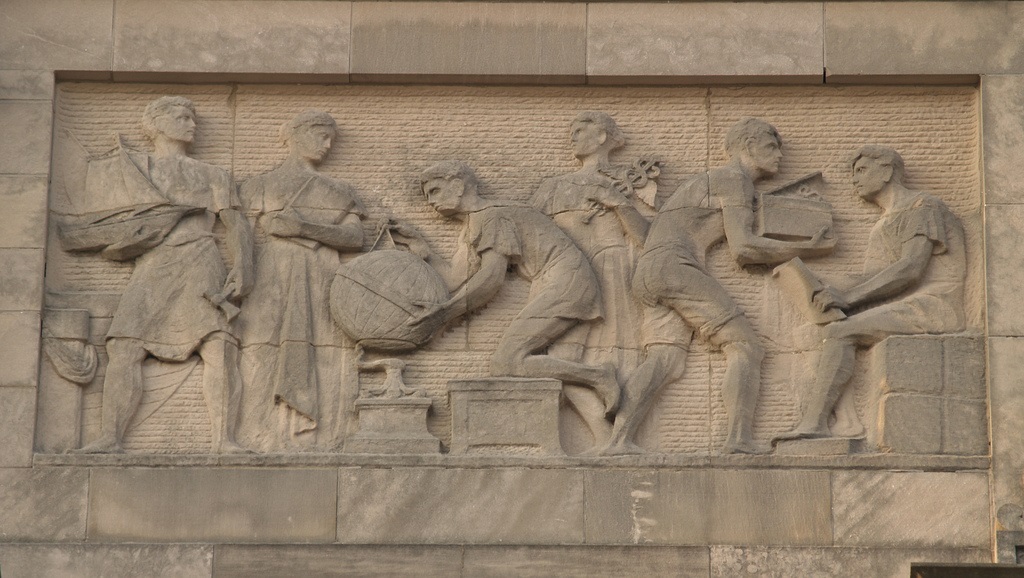
Left Panel Of George Julian Zolnay’s Allegorical “Academic, Business & Manual Education” Granite Frieze At Francis L. Cardozo High School (Washington, DC)
All fifty United States have their own “signature” disaster with which to reckon; some more than others. California has earthquakes, Florida has hurricanes, Missouri has floods; and so on, Life and property loss are preventable; but losses will persist because technical solutions notwithstanding, culture determines human behavior. It is impossible to be alive and safe.

FM Global is one of several organizations that curate privately developed consensus products that set the standard of care for many industries; education communities among them. These standards contribute to the reduction in the risk of property loss due to fire, weather conditions, and failure of electrical or mechanical equipment. They incorporate nearly 200 years of property loss experience, research and engineering results, as well as input from consensus standards committees, equipment manufacturers and others.
If you want FMGlobal as your insurance carrier, or to supplement your organization’s self-insurance program, then you will likely be assigned an FMGlobal conformity professional.
A scan of its list data sheets indicate a number of noteworthy updates of documents establishing minimum requirements for safety technologies common in education facilities:
- Safeguards During Construction, Alteration, and Demolition
- Roof Mounted Solar Photovoltaic Panels
- Maximum Foreseeable Loss
- Wind Design
- Repair of Wind-Damaged Single- and Multi-Ply Roof Systems
- Field Verification of Roof Wind Uplift Resistance
- Foam-Water Sprinkler Systems
- Cables and Bus Bars
- Natural Gas and Gas Piping
- Fire Protection for Gas Turbines and Electric Generators
- Fire Protection for Steam Turbines and Electric Generators
- Asset Integrity
- USA and Canada Cost Trends (excl. Puerto Rico)
- Vessels and Piping
Technical Reports Supporting Code Change
Note that the bulk of the safety concepts in the foregoing titles incorporate by reference the safety concepts that cross our radar every day FM Global provides direct access to the full span of its documents at this link:
FM GLOBAL PROPERTY LOSS PREVENTION DATA SHEETS
Note FM Global updates its standards every three months:
To respond to calls for public consultation you will need to set up (free) access credentials.
We keep FMGlobal titles — and the literature of other property insurers involved in standards setting — on the standing agenda of our Risk, Snow and Prometheus colloquia. See our CALENDAR for the next meeting.
Issue: [Various]
Category: Risk, Facility Asset Management
More
Deloitte University: Innovation in Insurance
University of Pennsylvania demonstrates the critical importance of sprinklers in dormitories
Syracuse University presents an eclectic mix of risk management challenges
Representative force majeure clauses.
Example 1: Basic Force Majeure Clause
“Neither party shall be liable for any failure or delay in performance of its obligations under this agreement due to events beyond its reasonable control, including but not limited to acts of God, war, terrorism, civil commotion, labor strikes, and natural disasters. The affected party shall promptly notify the other party of the force majeure event and take reasonable steps to mitigate its impact on performance. During the continuance of such events, the obligations of the affected party shall be suspended, and the time for performance shall be extended.”
Example 2: Detailed Force Majeure Clause
“In the event that either party is unable to perform its obligations under this agreement due to a force majeure event, the affected party shall promptly notify the other party in writing, specifying the nature and anticipated duration of the force majeure event. Force majeure events shall include, but are not limited to, acts of God, strikes, lockouts, government action or inaction, war, terrorism, epidemics, and natural disasters. The affected party shall use reasonable efforts to overcome or mitigate the effects of the force majeure event. If the force majeure event continues for a period of [specified duration], either party may terminate this agreement by providing written notice to the other party.”

Wildcat Den

Homecoming Schedule of Events | Michigan Upper Peninsula


§
Black coffee at restaurants should not be $5. I’m not drinking the whole pot. I just want a cup. pic.twitter.com/wxy5xO4srV
— Blonde Musings 🇺🇸 Courtney (@musings_blonde) February 1, 2026
Describe a Lake Superior sunset using one word. ✨ ✨
Photo by mkleetzoww on Instagram.
#sunset #Marquette #Marquettemi #lakesuperior #906 #earthweek #earthday https://t.co/f6RshphE6S
— Northern Michigan University (@NorthernMichU) April 19, 2023
Northern Michigan University | Marquette County

Security 400
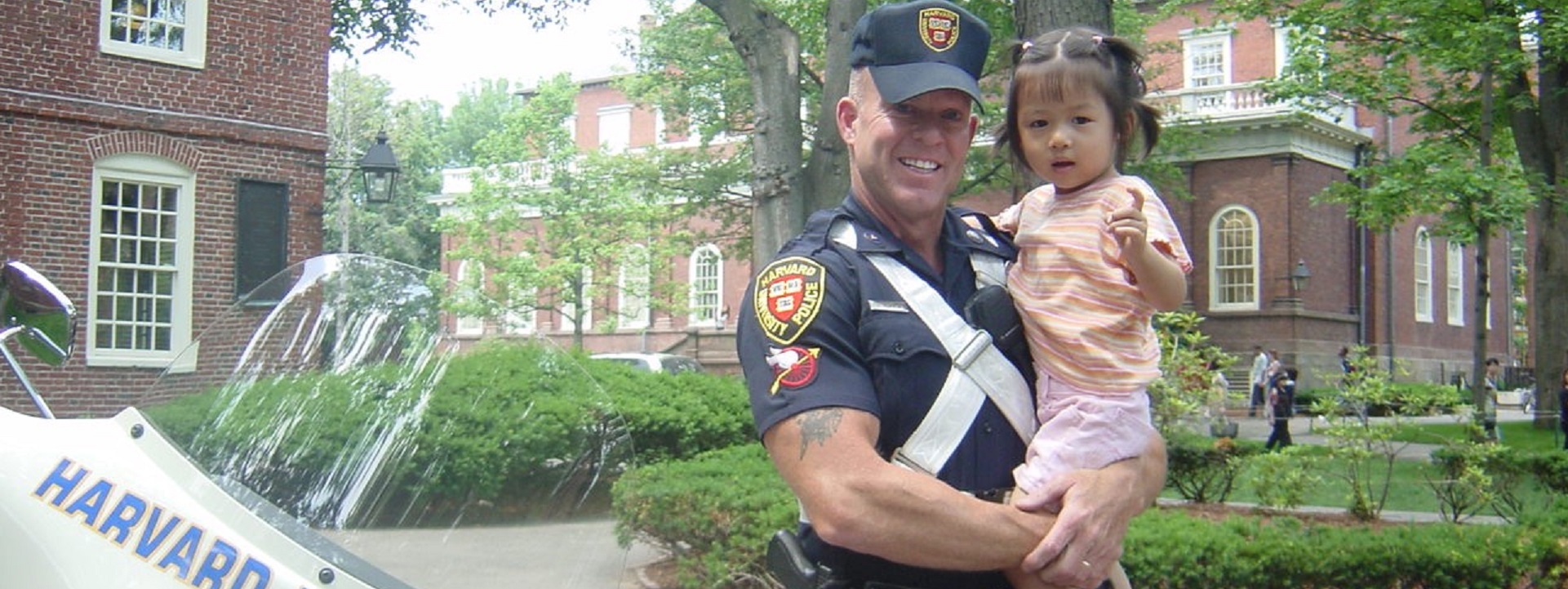
“We worry about what a child will become tomorrow,
yet we forget that he is someone today.”
– Stacia Tauscher
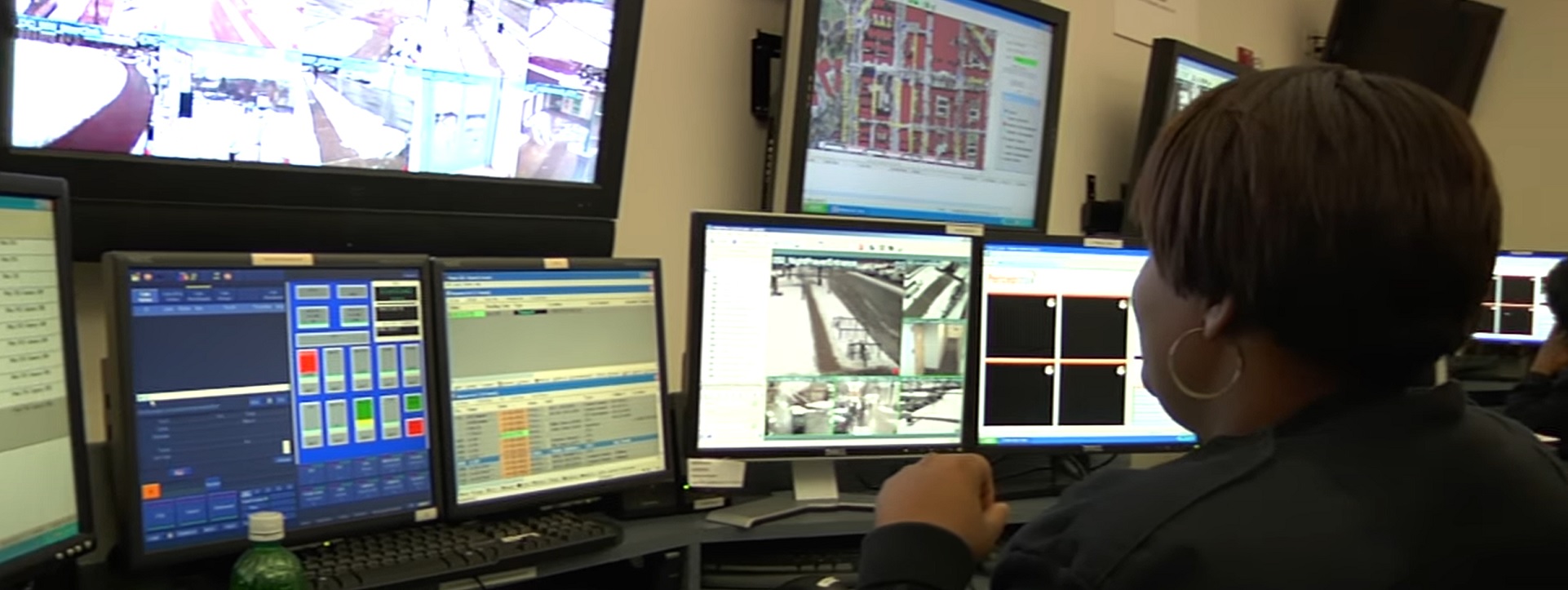
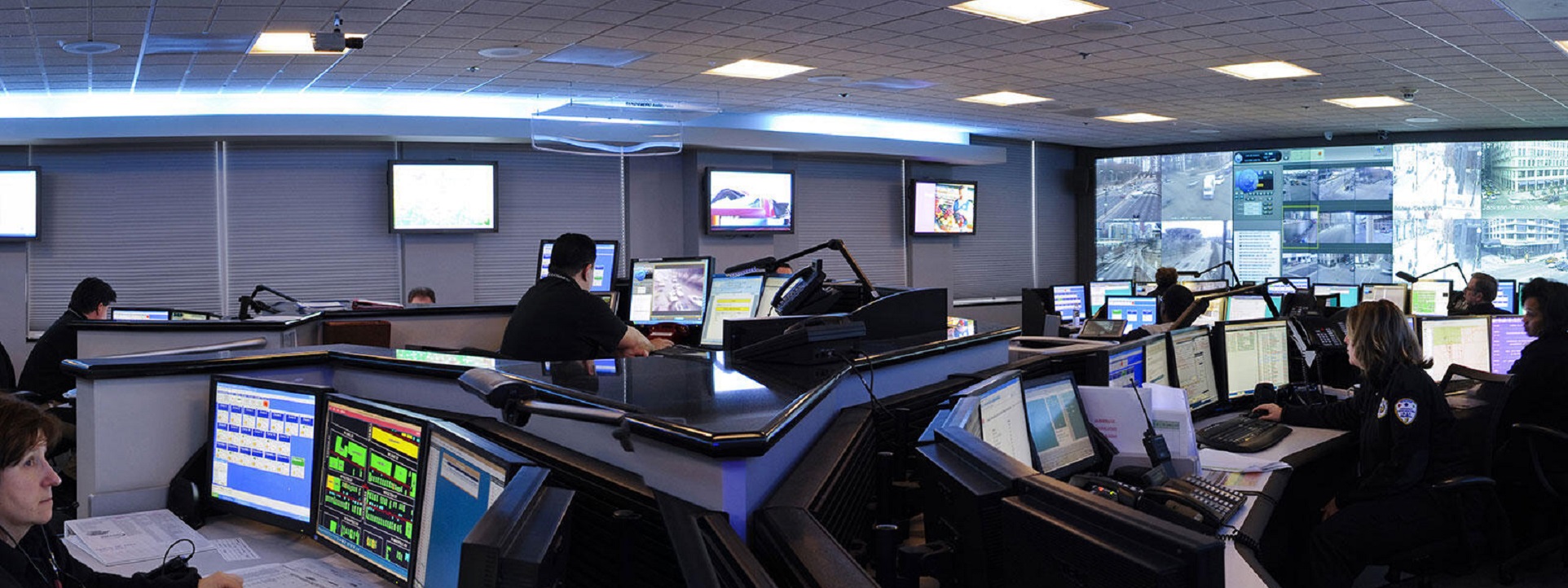
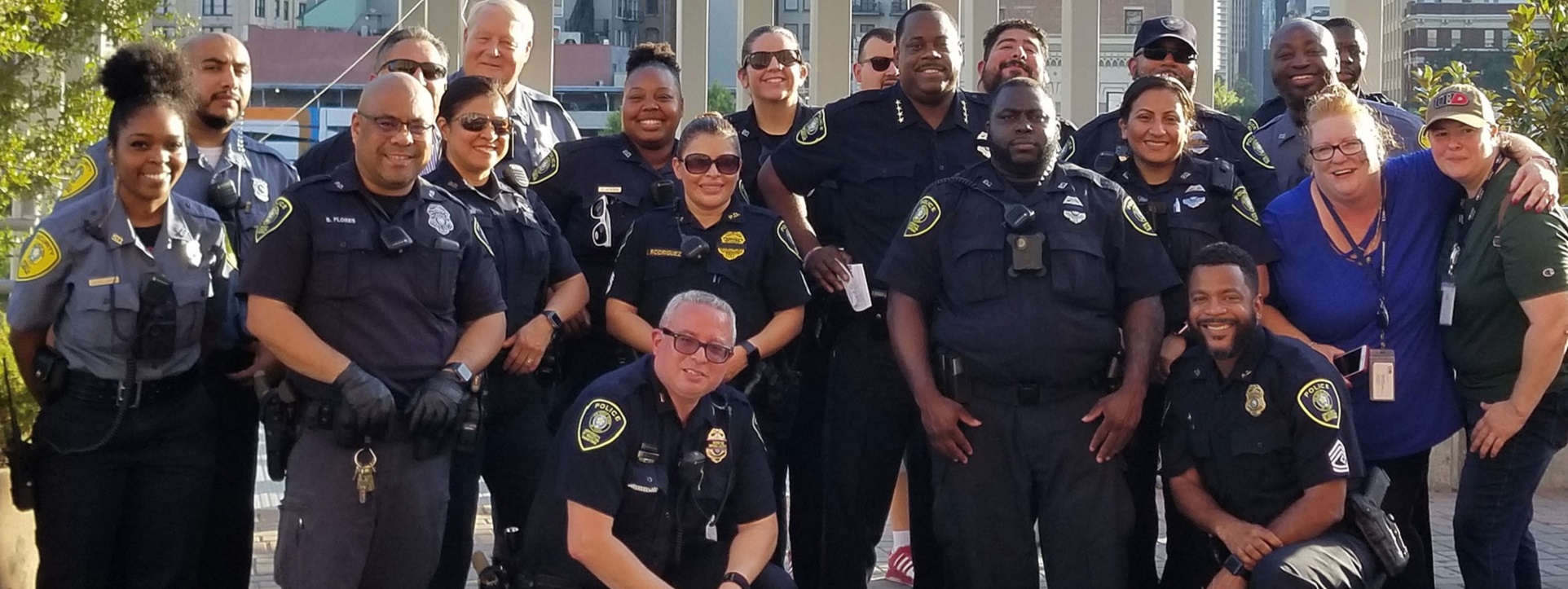
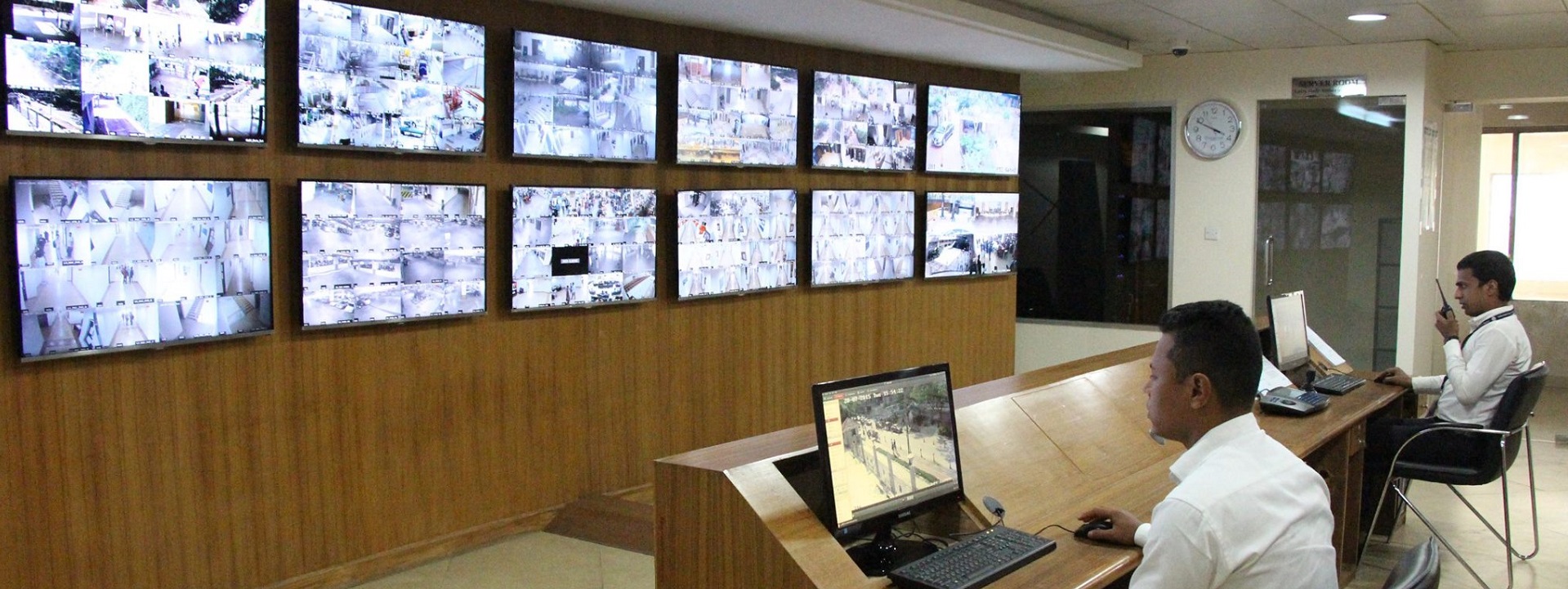
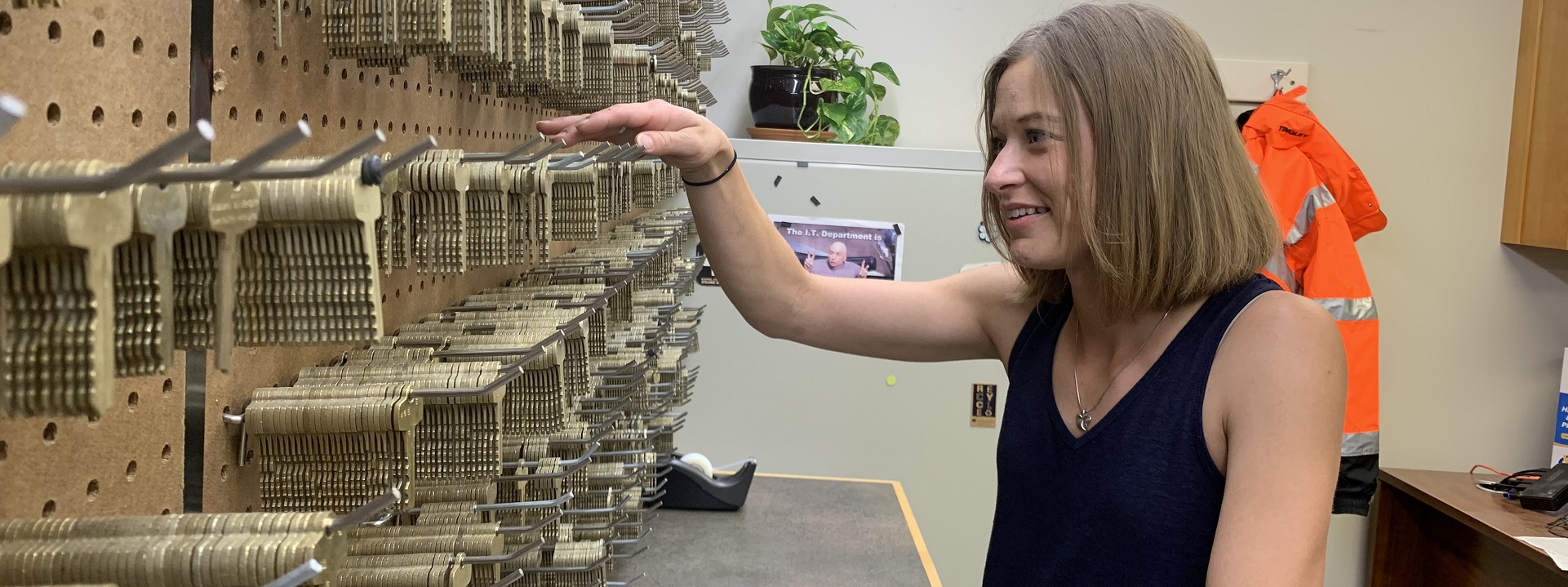
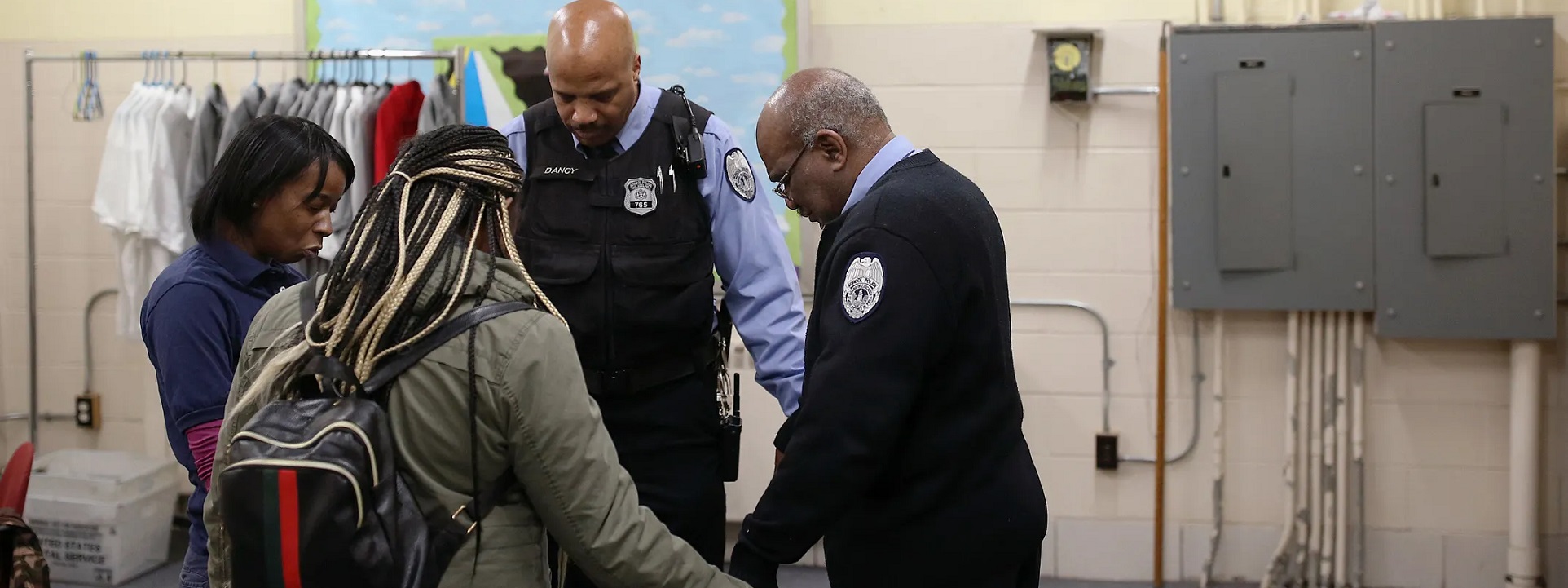
Today we run a status check on the stream of technical and management standards evolving to assure the highest possible level of security in education communities. The literature expands significantly from an assortment of national standards-setting bodies, trade associations, ad hoc consortia and open source standards developers. CLICK HERE for a sample of our work in this domain.
School security is big business in the United States. According to a report by Markets and Markets, the global school and campus security market size was valued at USD 14.0 billion in 2019 and is projected to reach USD 21.7 billion by 2025, at a combined annual growth rate of 7.2% during the forecast period. Another report by Research And Markets estimates that the US school security market will grow at a compound annual growth rate of around 8% between 2020 and 2025, driven by factors such as increasing incidents of school violence, rising demand for access control and surveillance systems, and increasing government funding for school safety initiatives.
Because the pace of the combined annual growth rate of the school and campus security market is greater than the growth rate of the education “industry” itself, we’ve necessarily had to break down our approach to this topic into modules:
Security 100. A survey of all the technical and management codes and standards for all educational settings — day care, K-12, higher education and university affiliated healthcare occupancies.
Security 200. Queries into the most recent public consultations on the components and interoperability* of supporting technologies
Video surveillance: indoor and outdoor cameras, cameras with night vision and motion detection capabilities and cameras that can be integrated with other security systems for enhanced monitoring and control.
Access control: doors, remote locking, privacy and considerations for persons with disabilities.
Panic alarms: These devices allow staff and students to quickly and discreetly alert authorities in case of an emergency.
Metal detectors: These devices scan for weapons and other prohibited items as people enter the school.
Mass notification systems: These systems allow school administrators to quickly send emergency alerts and notifications to students, staff, and parents.
Intrusion detection systems: These systems use sensors to detect unauthorized entry and trigger an alarm.
GPS tracking systems: These systems allow school officials to monitor the location of school buses and track the movements of students during field trips and other off-campus activities.
Security 300. Regulatory and management codes and standards; a great deal of which are self-referencing.
Security 400. Advanced Topics. NFPA 731 Standard for the Installation of Premises Security Systems
As always, we reckon first cost and long-term maintenance cost, including software maintenance for the information and communication technologies (i.e. anything with wires) installed in the United States. Cybersecurity is outside our wheelhouse and beyond our expertise. In order to do any of the foregoing reasonably well, we have to leave cybersecurity standards to others.
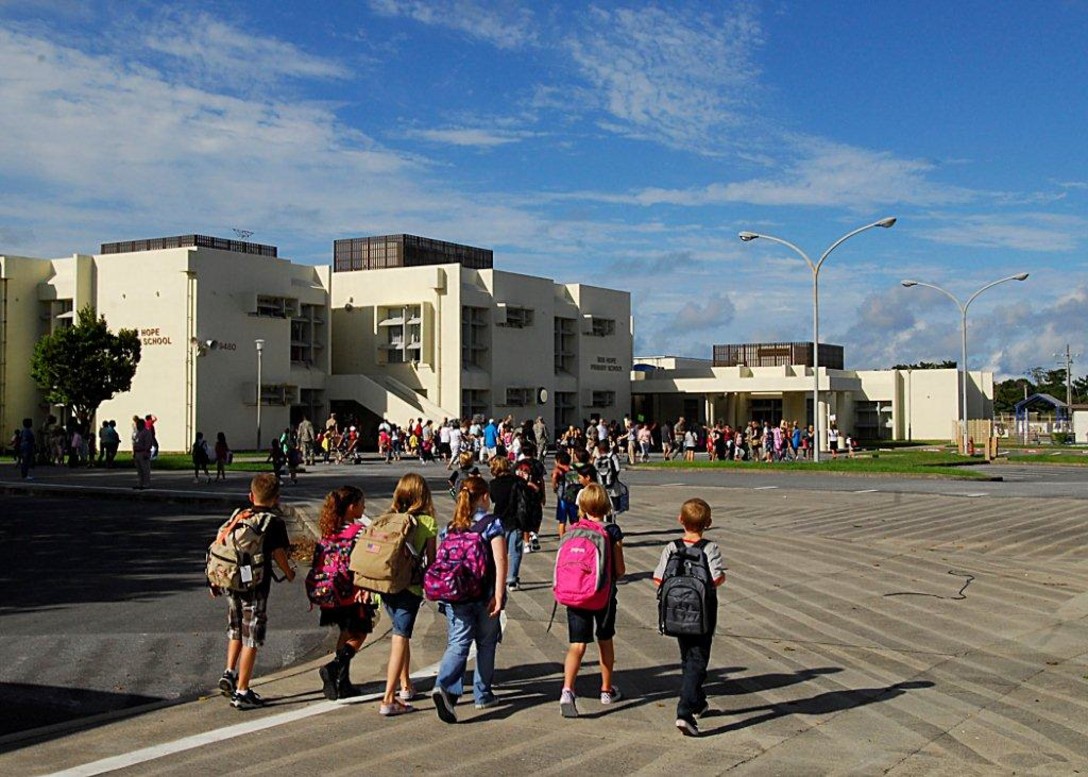
Bob Hope Primary School Kadena Air Base
Builders Hardware Manufacturers Association

Happy National Law Enforcement Appreciation Day!
Today, we proudly recognize the dedicated men and women of MSU Police, who serve our Spartan community with courage, integrity, and unwavering commitment. Every day, our officers work to protect campus safety and foster a secure… pic.twitter.com/LndAo4TiSs
— MSU Police and Public Safety (@msupolice) January 9, 2026
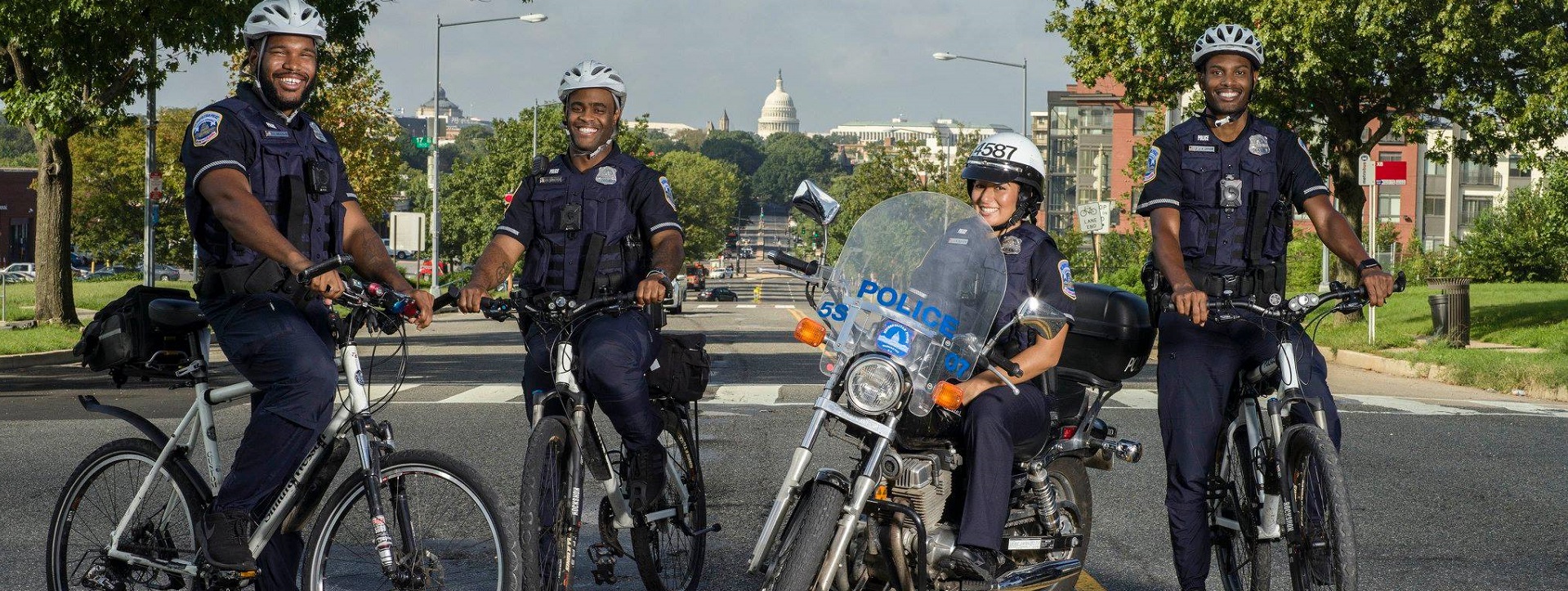
Education Community Safety catalog is one of the fast-growing catalogs of best practice literature. In developing district security plans, K-12 school leaders stress that school safety is a cross-functional responsibility and every individual’s participation drives the success of overall safety protocols. We link a small sample below and update ahead of every Security colloquium.
Artificial Intelligence Tries (and Fails) to Detect Weapons in School
Could AI be the future of preventing school shootings?
Executive Order 13929 of June 16, 2020 Safe Policing for Safe Communities
National Center for Education Statistics: School Safety and Security Measures
International Code Council
2021 International Building Code
Section 1010.1.9.4 Locks and latches
Section 1010.2.13 Delayed egress.
Section 1010.2.14 Controlled egress doors in Groups I-1 and I-2.
Free Access: NFPA 72 National Fire Alarm and Signaling Code
Free Access: NFPA 731 Standard for the Installation of Premises Security Systems
IEEE: Design and Implementation of Campus Security System Based on Internet of Things
APCO/NENA 2.105 Emergency Incident Data Document
C-TECC Tactical Emergency Casualty Care Guidelines
Department of Transportation Emergency Response Guidebook 2016
NENA-STA-004.1-2014 Next Generation United States Civic Location Data Exchange Format
Example Emergency Management and Disaster Preparedness Plan (Tougaloo College, Jackson, Mississippi)
Partner Alliance for Safer Schools
Federal Bureau of Investigation Academia Program
Most Dangerous Universities in America
Federal Bureau of Investigation: Uniform Crime Reporting Program
* Interoperability refers to the ability of different technologies or systems to communicate and work together seamlessly. In the context of school security technologies, interoperability can help improve the effectiveness of security systems and make it easier for school personnel to manage and respond to potential security threats. Here’s what we look for:
- Standardization: By standardizing communication protocols and data formats, school security technologies can be made more compatible with each other, making it easier for different systems to communicate and share information.
- Integration: School security technologies can be integrated with each other to provide a more comprehensive security solution. For example, access control systems can be integrated with video surveillance systems to automatically trigger alerts when an unauthorized person enters a restricted area.
- Open Architecture: Open architecture solutions enable different security systems to be connected and communicate with each other regardless of their manufacturer or supplier. This approach makes it easier to integrate different technologies and avoid vendor lock-in.
- Cloud-based Solutions: Cloud-based security solutions can enable interoperability by providing a centralized platform for managing and monitoring different security systems. This approach can also simplify the deployment of security technologies across multiple locations.
- Collaboration: School security technology providers can work together to develop interoperability standards and best practices that can be adopted across the industry. Collaboration can help drive innovation and improve the effectiveness of security systems.
New update alert! The 2022 update to the Trademark Assignment Dataset is now available online. Find 1.29 million trademark assignments, involving 2.28 million unique trademark properties issued by the USPTO between March 1952 and January 2023: https://t.co/njrDAbSpwB pic.twitter.com/GkAXrHoQ9T
— USPTO (@uspto) July 13, 2023
Welcome
Standards Michigan Group, LLC
455 East Eisenhower Parkway, Suite 300
Ann Arbor, MI 48108 USA
888-748-3670
DIRECTIONS
 |
 |
|
 |
 |
|
 |
 |
Layout mode
Predefined Skins
Custom Colors
Choose your skin color
Patterns Background
Images Background
error: Content is protected !!
Skip to content