The River Thames with St. Paul’s Cathedral on Lord Mayor’s Day
Today we examine standards, codes and regulations that inform how educational settlement essential works interacts with host community infrastructure. Use the login credentials at the upper right of our home page.
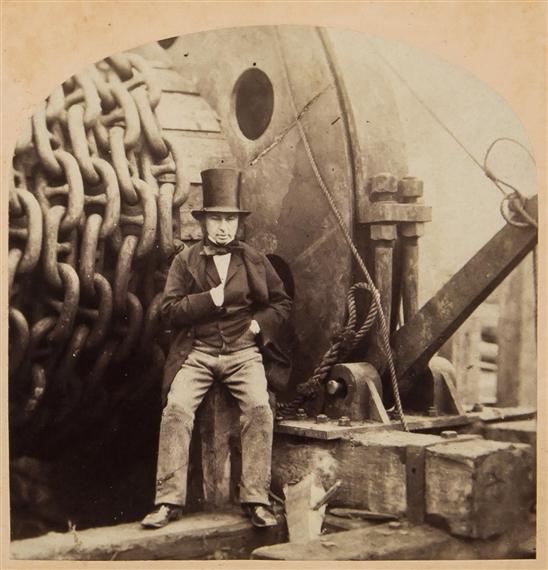
“No man, however bold or however high he may stand in his profession, can resist the benumbing effect of rules laid down by authority” — Isambard Kingdom Brunel
Isambard Kingdom Brunel came of age as Britain’s railway age accelerated. During the 1830s and 1840s, competing companies laid new lines across the country, forcing engineers to rethink gradients, bridges, tunnels, stations and the relationship between speed and distance.
As chief engineer of the Great Western Railway, Brunel pursued a remarkably direct route from London toward Bristol, employing major works such as the Box Tunnel and adopting his controversial broad gauge.
Railway expansion encouraged his characteristic systems thinking: rather than accepting inherited constraints, Brunel reconsidered the railway—track, structures, vehicles and connections—as an integrated technological system capable of being redesigned.
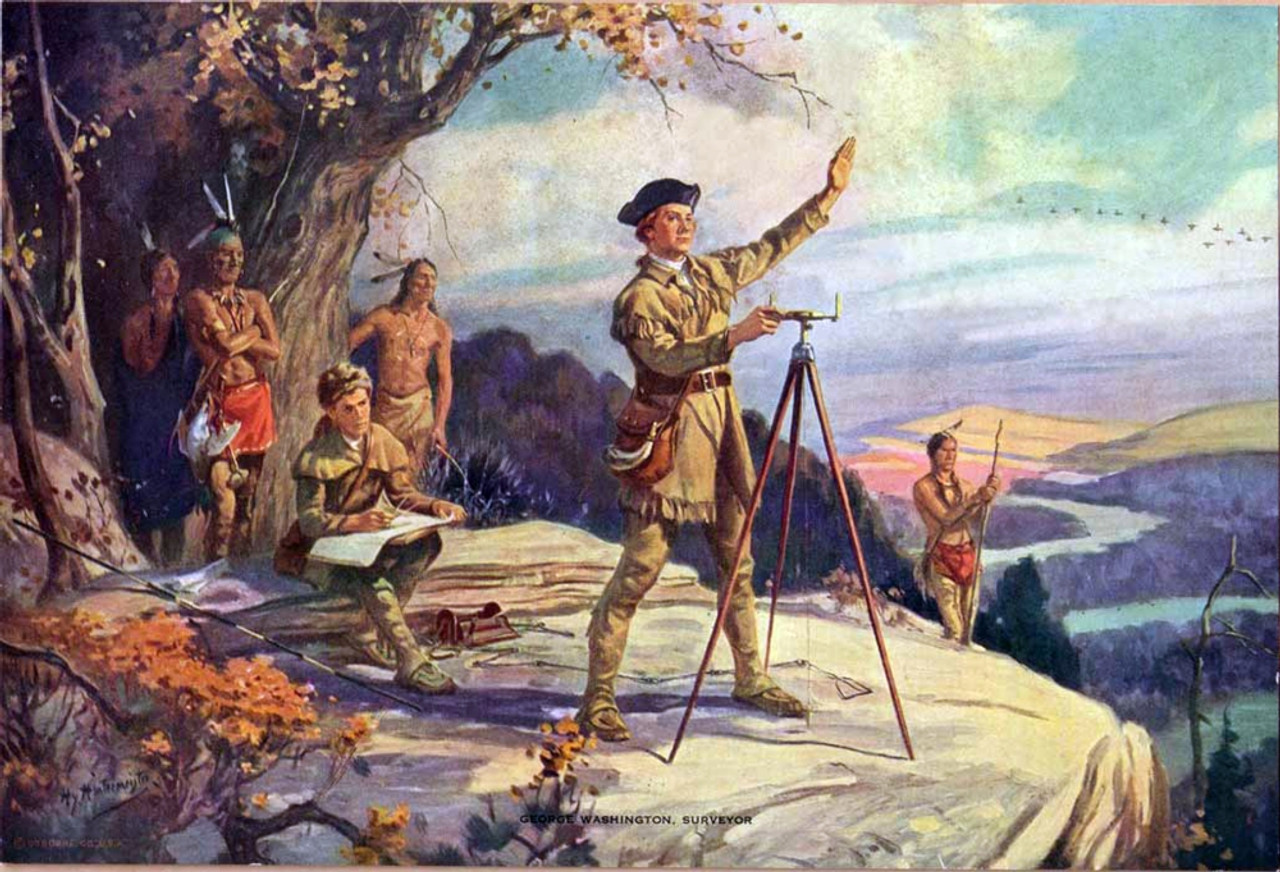
In the United States, land surveying is regulated by various professional organizations and government agencies, and there are several technical standards that must be followed to ensure accuracy and consistency in land surveying.
The best practice for land surveying is set by the “Manual of Surveying Instructions” published by an administrative division of the United States Department of the Interior responsible for managing public lands in the United States. The manual provides detailed guidance on the procedures and techniques for conducting various types of land surveys, including public land surveys, mineral surveys, and cadastral surveys.
Another important set of model standards for land surveying is the Minimum Standards for Property Boundary Surveys* published by the National Society of Professional Surveyors. These standards provide guidance on the procedures and techniques for conducting property boundary surveys, including the use of appropriate surveying equipment, the preparation of surveying maps and plats, and the documentation of surveying results. Land surveyors in the United States are also required to adhere to state and local laws and regulations governing land surveying, as well as ethical standards established by professional organizations such as the American Society of Civil Engineers.
The Morrill Land-Grant Act of 1862 granted each state 30,000 acres of federal land for each member of Congress from that state to establish colleges that would teach agriculture, engineering, and military tactics. This legislation led to the establishment of many public universities, including the Texas A&M University, the University of Wisconsin and Michigan State University.
United States Infrastructure: C Schools: D+ Energy: D+ Broadband: C+
America earned a better infrastructure grade. Its schools did not. For the education industry, the enduring problem is the stewardship of aging buildings, utility systems and supporting infrastructure.
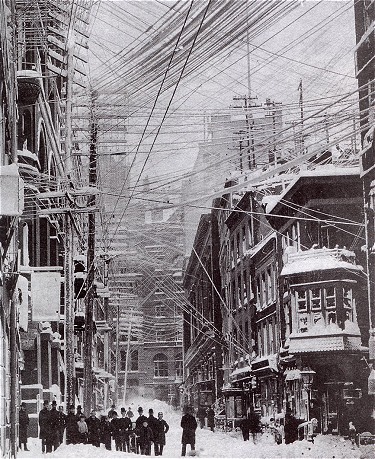
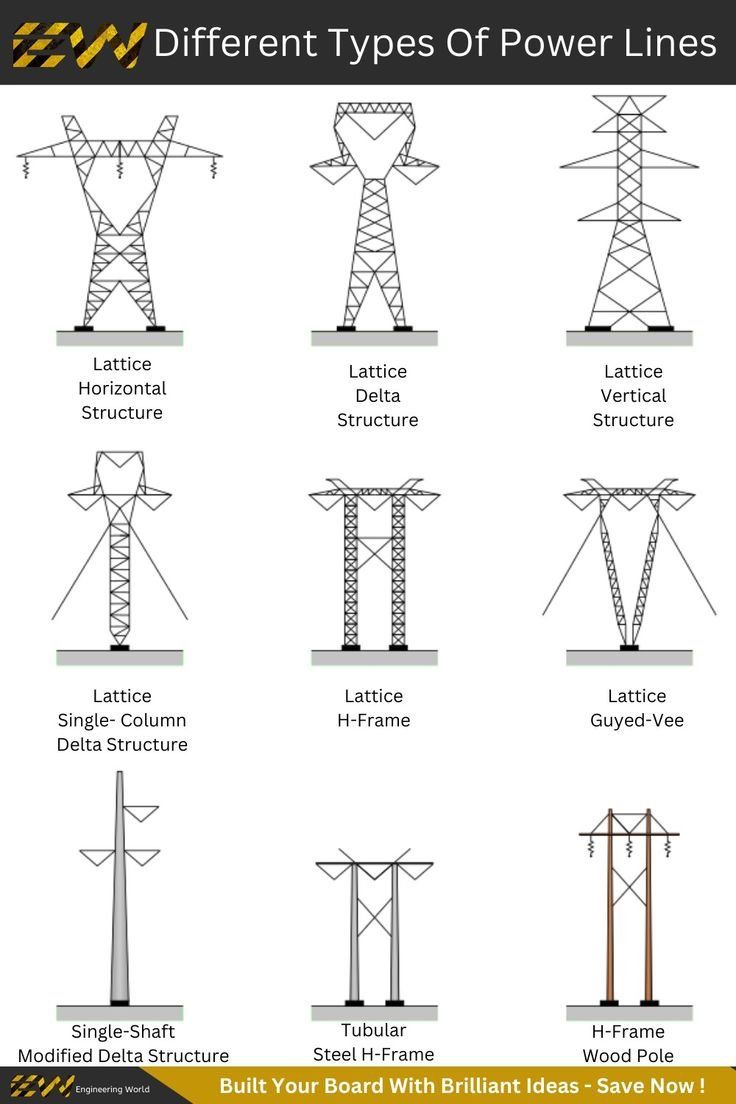
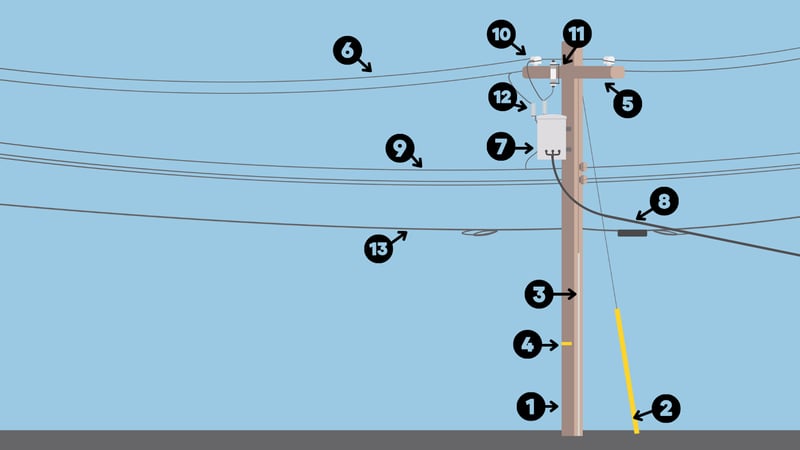
Abstract: This guide identifies the mechanisms and an analytic approach for developing consistent rules, agreements, and/or methodologies for the evaluation and inter-entity cooperation managing pole attachments on utility infrastructure that can contain both electric supply as well as communications wireline and wireless facilities.
The common safety codes and accepted good industry practices for joint use are referenced, including items such as clearances and strength/loading requirements, appropriate work rules during installation, maintenance and restoration, and general guidelines. The considerations within this guide can be used to help perform a detailed assessment of attachment installations where communications antennas and related wireline and wireless equipment are to be co-located on joint use structures.
Scope: This guide provides recommendations for the development of consistent guides, agreements, and/or methodologies for the evaluation and inter-company cooperation on managing pole attachments on Electric Utility infrastructure.
Purpose: The Joint Use Guide documents consistent approaches, methodologies and rules for the sharing and co-location of equipment with electric Transmission & Distribution (T&D) facilities for communications such as antennae and/or cable. With the emergence of new communications networks and emerging technologies which depend on widely distributed communications {e.g. 5G and Internet of Things ( IoT)}, the needs of vertical real-estate for use in communications is expected to dramatically increase in the coming years. While electric T&D facilities provide an excellent platform to help meet these needs, there are significant safety and reliability issues associated with their use.
CIP-014-4 strengthens the physical-security framework for transmission stations, substations and associated primary control centers whose loss through physical attack could cause instability, uncontrolled separation or cascading within an Interconnection. The revised standard tightens risk-assessment timelines, clarifies applicability and strengthens independent verification and oversight.
University cogeneration: Large campus cogenerating plants do not become subject to CIP-014-4 simply because it operates in parallel with the utility grid. The standard is directed principally at qualifying Transmission Owners and Transmission Operators and the critical transmission facilities identified through the prescribed risk assessment. When the plant gets to about 75 MVA and is connected at greater than 100 kV ( a fairly common “service” interconnect voltage, the NERC registration, the ownership boundary and the topology of the high-voltage interconnection all become consequential. The University of Michigan and MIT plants — the largest in the USA — lie on the boundary
Practical implication: Large research universities with interconnected cogeneration should nevertheless examine the physical security of the campus–utility interface: high-voltage substations, switchyards, protection and control systems, communications, black-start capability and operating arrangements with the serving utility. A campus facility outside CIP-014-4 may still affect — or depend upon — a transmission facility that is inside it. Resilience therefore becomes a shared engineering problem even where regulatory responsibility does not.
University district energy systems are significant stakeholders in bulk electrical transmission reliability because large educational settlements behave much like small cities. Hospitals, laboratories, data centers, residence halls, athletic facilities and central utility plants create substantial, concentrated electrical loads whose interruption may have consequences extending beyond ordinary commercial outages.
Many universities also operate combined heat and power plants, generators, thermal storage, microgrids and other distributed energy resources. These assets can reduce transmission demand, support local resilience and, where market and interconnection arrangements permit, participate in demand response or other grid-support activities. Conversely, disturbances on the bulk transmission system can disrupt campus generation, utility distribution and critical research or clinical operations.
Universities therefore occupy both sides of the reliability equation: they are dependent loads and potential reliability resources. Transmission planning, protection, restoration priorities, interconnection requirements and emergency operating procedures can directly affect the continuity, cost and resilience of university district energy systems.
Key point for us: FERC directed NERC on computational/large loads (E-1, RD26-7-000) — Ordered the North American Electric Reliability Corporation (NERC) to develop and submit new or modified Reliability Standards addressing reliability risks from integrating computational loads (e.g., data centers) into the Bulk-Power System, plus revisions to its Rules of Procedure (including registry criteria for such loads). Filings due by December 31, 2026.
The Commission voted on a series of mostly consent agenda items focused on electric reliability, market rules, compliance, infrastructure, and related matters. Some of them are relevant to large, sometimes privatized, campus power systems:
Major initiative to accelerate large-load interconnections. The Commission’s headline action was the issuance of six “show cause” orders directing every jurisdictional RTO/ISO (except Texas/ERCOT) to justify or reform how they connect very large electric loads, particularly AI data centers. The objective is to reduce delays while protecting grid reliability and ensuring that costs are appropriately assigned.
Large customers expected to bear infrastructure costs. FERC made clear that new large loads should generally pay for the transmission and distribution upgrades needed to serve them, rather than shifting those costs onto existing retail customers. This principle is expected to influence future tariff filings nationwide
Encouragement of customer-owned generation. The Commission encouraged tariff structures that would allow large customers to supply some or all of their own electricity—such as on-site generation, microgrids, or other behind-the-meter resources—to reduce impacts on the bulk power system.
MISO emergency demand-resource improvements. The Commission conditionally accepted tariff revisions from MISO that improve the visibility, dispatch, and operation of demand-side resources during grid emergencies beginning with the 2028–2029 planning year. This strengthens reliability during extreme system conditions.
A clear policy shift toward speed-to-power. The June meeting signaled perhaps the strongest policy emphasis in years on rapidly connecting new electric demand while maintaining reliability. The Commission characterized the integration of very large loads—especially AI-related facilities—as a national priority and indicated that existing interconnection practices may no longer be adequate
For universities, research campuses, hospitals, semiconductor manufacturers, and data center developers, the June 2026 meeting represents a significant shift in federal policy. Rather than treating large-load requests as exceptional cases, FERC is moving toward standardized, faster interconnection procedures coupled with clearer cost-allocation rules. Institutions planning major campus expansions or new energy-intensive facilities should monitor the forthcoming tariff revisions from their regional transmission organizations, as these changes could substantially affect project schedules, interconnection costs, and opportunities to incorporate on-site generation or microgrids.
Key Reliability & Cybersecurity Actions. FERC approved important updates to Critical Infrastructure Protection (CIP) Reliability Standards. These included modernized rules for virtualization (allowing secure use of virtual machines), enhanced security management controls for low-impact cyber systems (CIP-003-11), and refinements to the definition of “control center” to better protect high-risk assets. The changes aim to strengthen the bulk-power system against rising cyber threats and extreme weather while reducing unnecessary administrative burdens.
Electric Rate and Complaint Resolutions. The Commission resolved several long-running rate complaints, including setting a base return on equity (ROE) of 9.57% for New England Transmission Owners. It addressed complaints involving spot market sales exceeding price caps in the WECC region and cost allocation issues in MISO related to DOE emergency orders. Several tariff revisions and generator interconnection filings were also accepted.
Other Actions. FERC modernized Electric Quarterly Report (EQR) filing requirements, authorized multiple asset transactions and dispositions, and approved several natural gas pipeline, storage, and abandonment projects. A presentation on the 2025 State of the Markets Report was also delivered.
FERC’s involvement in CHP plants at universities and hospitals depends on and how the facility interacts with the bulk electric power system and wholesale markets. In many cases, FERC’s role is indirect—but it can become significant under certain conditions. We cover this topic separately in our periodic US Department of Energy Combined Heat & Power eCATALOG
Next Open Meeting: May 21. Keep in mind that much “bandwidth” is devoted to administrative issues; the technical specifics of primary interest to us referenced in case dockets that are referenced here: FERC Online
The current full complement of five FERC commissioners is relatively new as of December 23, 2025. The two most recent additions — Chairman Laura V. Swett (term expiring June 30, 2030) and Commissioner David A. LaCerte (term expiring June 30, 2026) — were confirmed by the U.S. Senate on October 7, 2025.
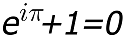
Ω
This restored FERC to its full five members after prior vacancies and transitions earlier in the year. The other commissioners (David Rosner, Lindsay S. See, and Judy W. Chang) have been in place since mid-2024 or earlier, but the current lineup only fully formed about two and a half months ago.
Ω
This followed changes tied to the new administration, including shifts in majority and leadership.
January 22. Issues of interest discussed at the FERC Open Meeting on January 22, 2026, centered primarily on electric sector matters related to generator interconnection reforms, expedited processes for resource adequacy. Our interest lies in the effect of FERC action will have on the utility costs of educational settlements which, of course, practically involves all utilities and how those decisions are reflected in state tariffs.
One issue of particular interest for Michigan: Midcontinent Independent System Operator, Inc. (MISO) Expedited Resource Addition Study (ERAS) process (Docket No. ER25-2454-002): The Commission addressed arguments on rehearing and sustained its prior July 21, 2025, order approving MISO’s ERAS framework. This provides an expedited interconnection study process for generation projects addressing urgent near-term resource adequacy and reliability needs in the MISO region. Discussions involved balancing reliability concerns (e.g., load growth, resource shortfalls) against claims of undue discrimination or preference in interconnection queuing, as raised by public interest groups. We will see these conclusions reflected in Michigan Public Service Commission action.Other agenda elements likely included routine administrative matters (e.g., A-1 Agency Administrative Matters, A-2 Customer Matters/Reliability/Security/Market Operations) and consent items (often non-controversial electric, gas, hydro, or certificate matters voted en bloc without discussion).
No major presentations were noted, and the meeting focused on these reliability/interconnection and market integrity issues amid broader grid challenges like queue backlogs, rapid load growth, and transitioning resources.The Q&A afterward involved energy media, with emphasis by Laura V. Swett on reliability concerns ahead of likely winter storms. The next public open meeting is scheduled for Thursday, February 19th.
December 18. The public meetings are dominated by administrative procedures and mutual admiration. Technical issues that require in-depth, expert-level understanding of complex laws, rules, guidelines, and precedents beyond surface-level awareness appear deeper into the FERC website. There you will generally find:
Nuanced interpretation of statutes and agency decisions
Awareness of historical context and evolving policies
Insight into how rules interact with technical, economic, and operational realities
Impacts of changes and navigate compliance strategically
As interest and time allows we can pick through technical specifics regarding FERC oversight of interstate electricity with the IEEE colleagues.
The University of Michigan has supported the voice of the United States education facility industry since 1993 — the second longest tenure of any voice in the United States. That voice has survived several organizational changes but remains intact and will continue its Safer-Simpler-Lower Cost-Longer Lasting priorities on Code Panel 3 in the 2029 Edition.
Today, during our customary “Open Door” teleconference we will examine the technical concepts under the purview of Code Panel 15; among them:
Article 120 Part VI
Article 517 Health Care Facilities
Article 518 Assembly Occupancies
Article 520 Theaters…and Performance Areas
Article 522 Control Systems for Permanent Amusement Attractions
Article 525 Carnivals, Circuses, Fairs and Similar Events
Since the lifespan of educational buildings make the building core and shell susceptible to multiple changes not typically associated with commercial buildings, additional pathways should be placed in areas where the core and shell components of the facility are likely to re-main for extended periods of time
It is recommended that all areas of an educational building have wireless coverage unless prohibited
The popularity of Georgia pecan pie can be attributed to several factors:
Abundance of Pecans: Georgia, particularly in the southern region of the United States, has a favorable climate for pecan trees. Pecans have been grown in Georgia for centuries, and the state has a long history of pecan cultivation. With such abundance, pecans became a staple ingredient in many traditional Southern recipes, including pecan pie.
Southern Culinary Tradition: Southern cuisine, known for its comfort foods and indulgent desserts, heavily features pecans in various recipes. Pecan pie is a classic Southern dessert that has been passed down through generations, becoming deeply ingrained in the culinary heritage of the region. Georgia, as a quintessential Southern state, plays a significant role in promoting and preserving these culinary traditions.
Cultural Significance: Pecan pie is not only a delicious dessert but also holds cultural significance in the South. It is often served during holidays and family gatherings, evoking feelings of warmth, nostalgia, and tradition. The act of sharing a slice of pecan pie with loved ones is a cherished tradition for many families in Georgia and throughout the South.
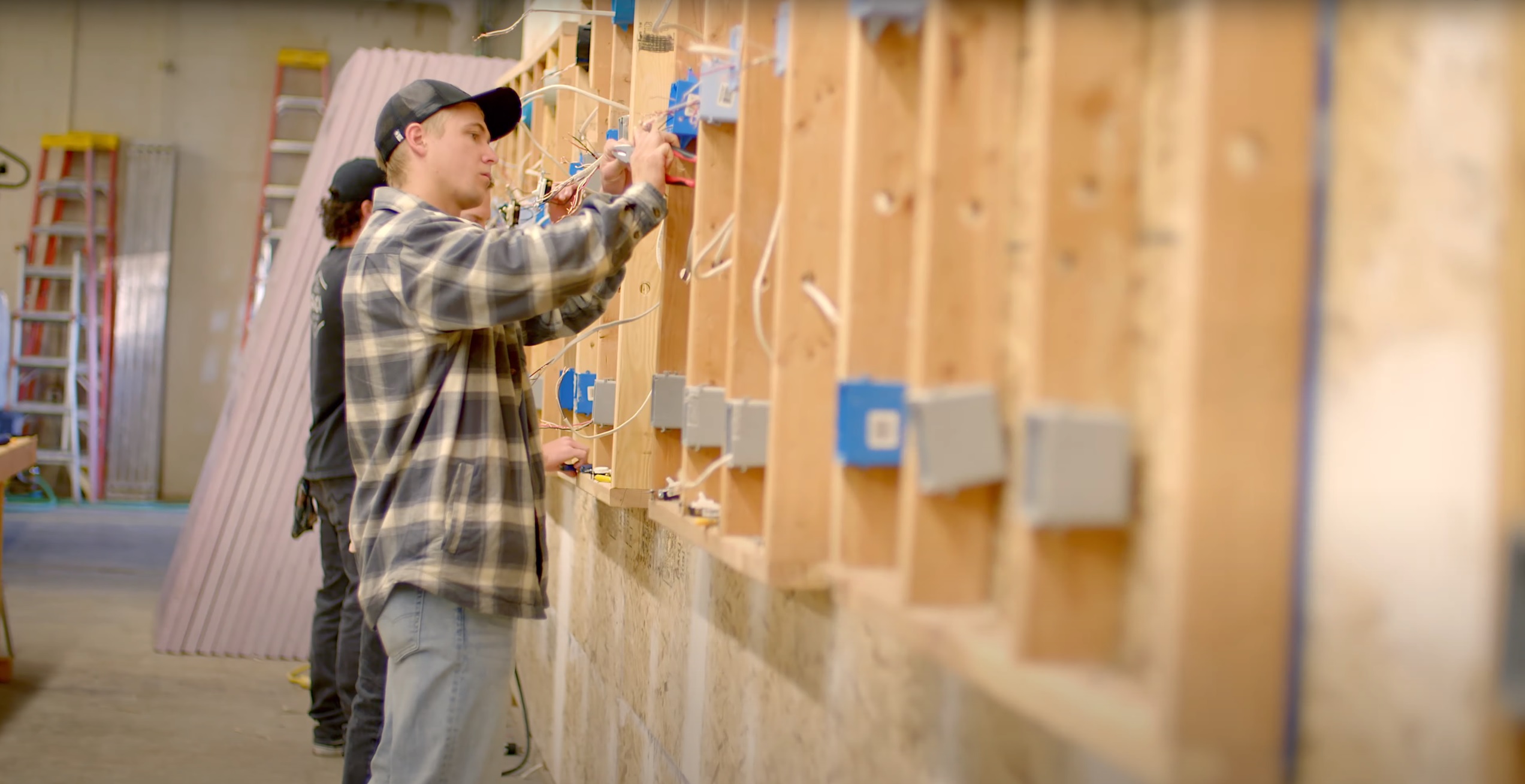
Today at the usual hour we sort through the college jobs of well-known Americans such as Herbert Hoover, Lyndon Johnson, Ronald Reagan, Gerald Ford, Barack Obama and James Wright, the president of Dartmouth College who worked as a janitor, night watchman, bartender, factory worker and miner—with links to electrical apprenticeships contributing to the artificial intelligence data-center zeitgeist.
Participating Colleges and Universities — receive Federal Work-Study allocations, determine individual student awards and ordinarily provide a nonfederal share of student wages through campus financial-aid and student-employment offices.
Off-Campus Public Agencies and Nonprofit Organizations — may employ Federal Work-Study students through agreements with participating colleges and universities, particularly for community-service employment.
MI Student Aid — provides Michigan students and families with state-level financial-aid guidance and information concerning federal work-study and other college-aid programs.
We find relatively few public consultations presented by accredited standards developers in the human resource domain; surprising because human resources are the largest cost center in nearly every industry. Alas, manufacturers, insurance and conformance companies remain the strongest voices; the “wicked problem” we describe in our ABOUT.
Even before the circumstances of the pandemic inspired a revisit of large government politics and cultural mashing in education communities in the United States we could hear the first footfalls of disruption when ANSI catalyzed the creation of a related entity in 2014, described in the link below:
The proper business of the education industry overall — and the ~$500 billion facility segment we track — is preparing the workforce everywhere to contribute to national economic priorities. There is a strong cultural component in the human resource domain — i.e. branding — the topic of another post. For now, we simply suggest that much of the economic activity of education communities is devoted to building a cohort (or guild) that creates an emotional bond that hastens learning and a continual desire to self-educate to remain part of the cohort.
At the moment, the WORKCRED program at this point in its development, appears to provides guidance to conformance and compliance organizations among its members. The user-interest in the education facility industry, at least dependent on a skilled workforce as any economic sector, and welcomed to participate. We identify the initiative here and will keep a weather-eye out for commenting opportunities on draft consensus products emerging from it. The link below should provide a more detailed overview of the program until a “commentable consensus product” suitable for incorporation by reference into legislation is released.
Of course, there will be cultural competition among the guardians of the cohort.
Organizations with their own credentialing enterprises for skilled trades, ICT, software engineering, etc. — are encouraged to communicate directly with the WORKCRED staff (CLICK HERE).
New update alert! The 2022 update to the Trademark Assignment Dataset is now available online. Find 1.29 million trademark assignments, involving 2.28 million unique trademark properties issued by the USPTO between March 1952 and January 2023: https://t.co/njrDAbSpwBpic.twitter.com/GkAXrHoQ9T