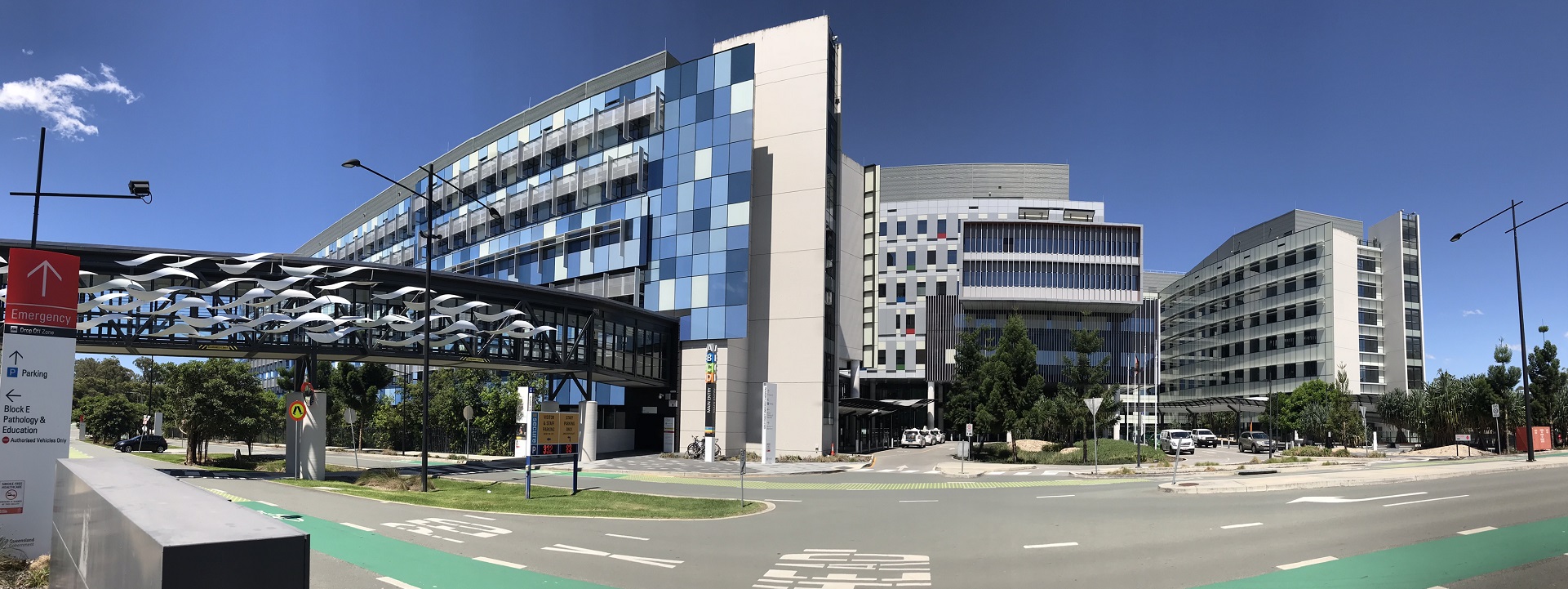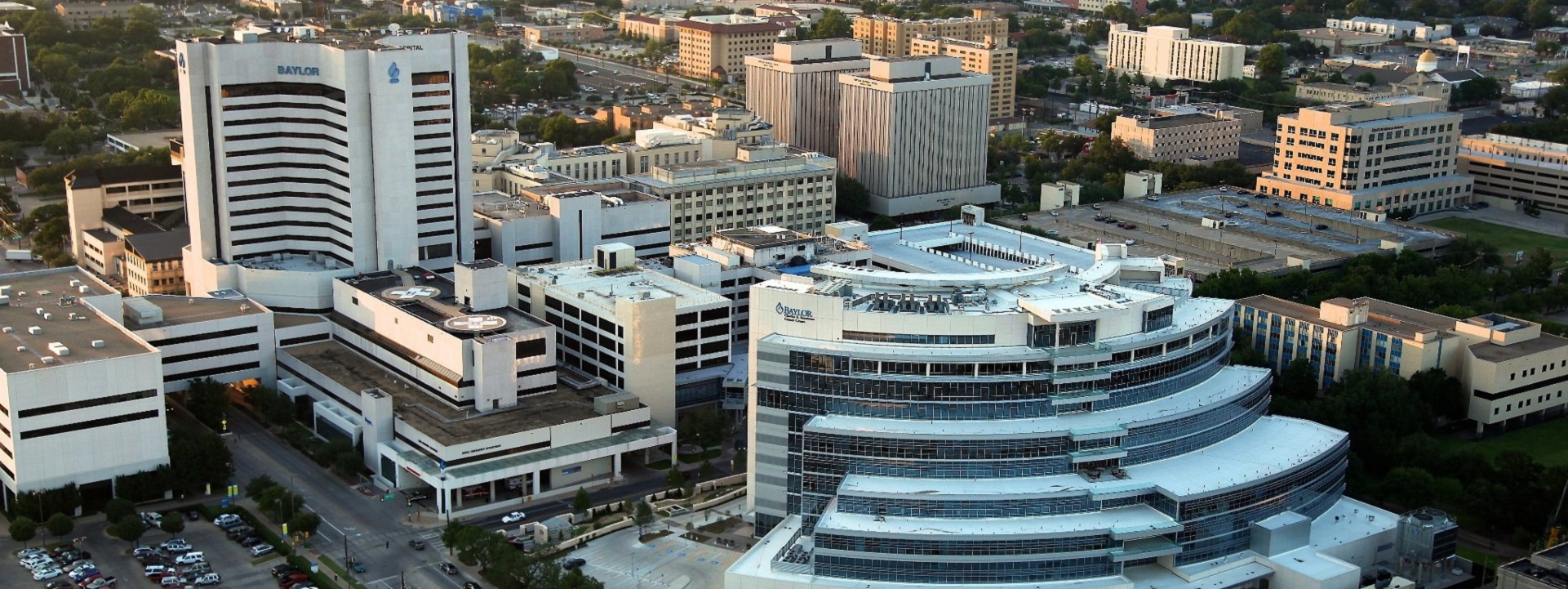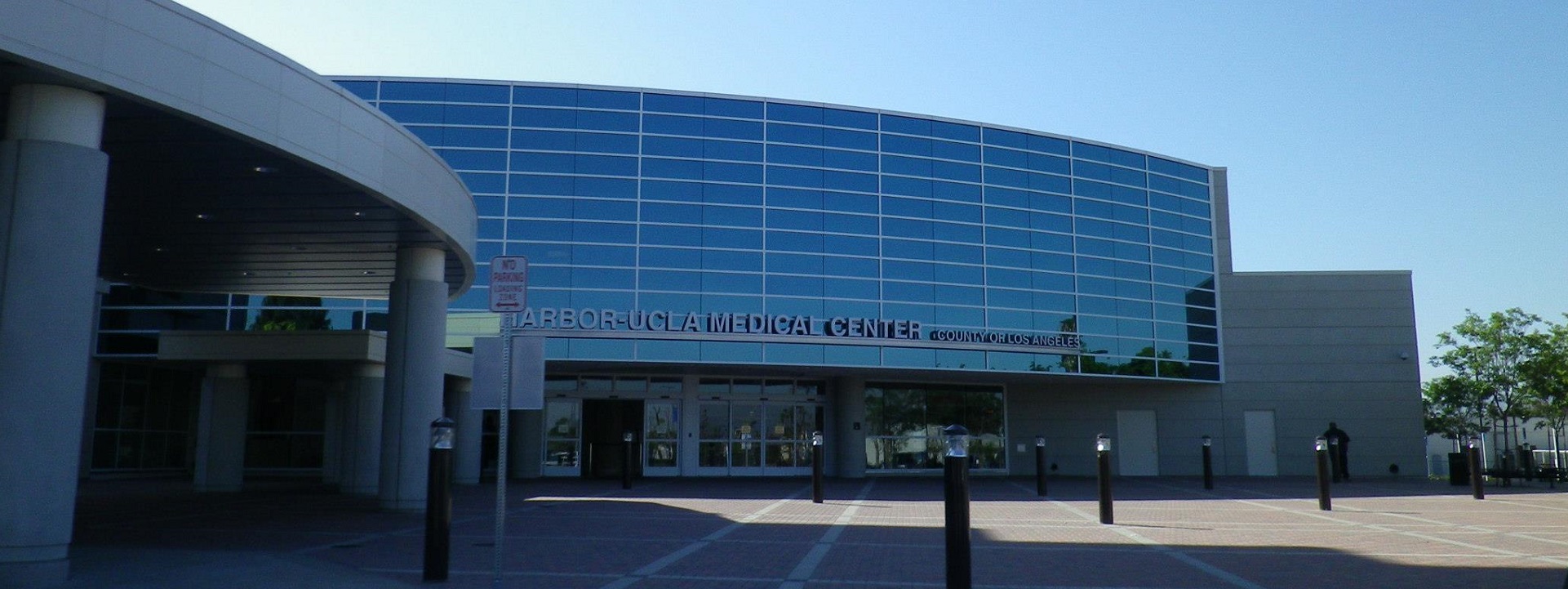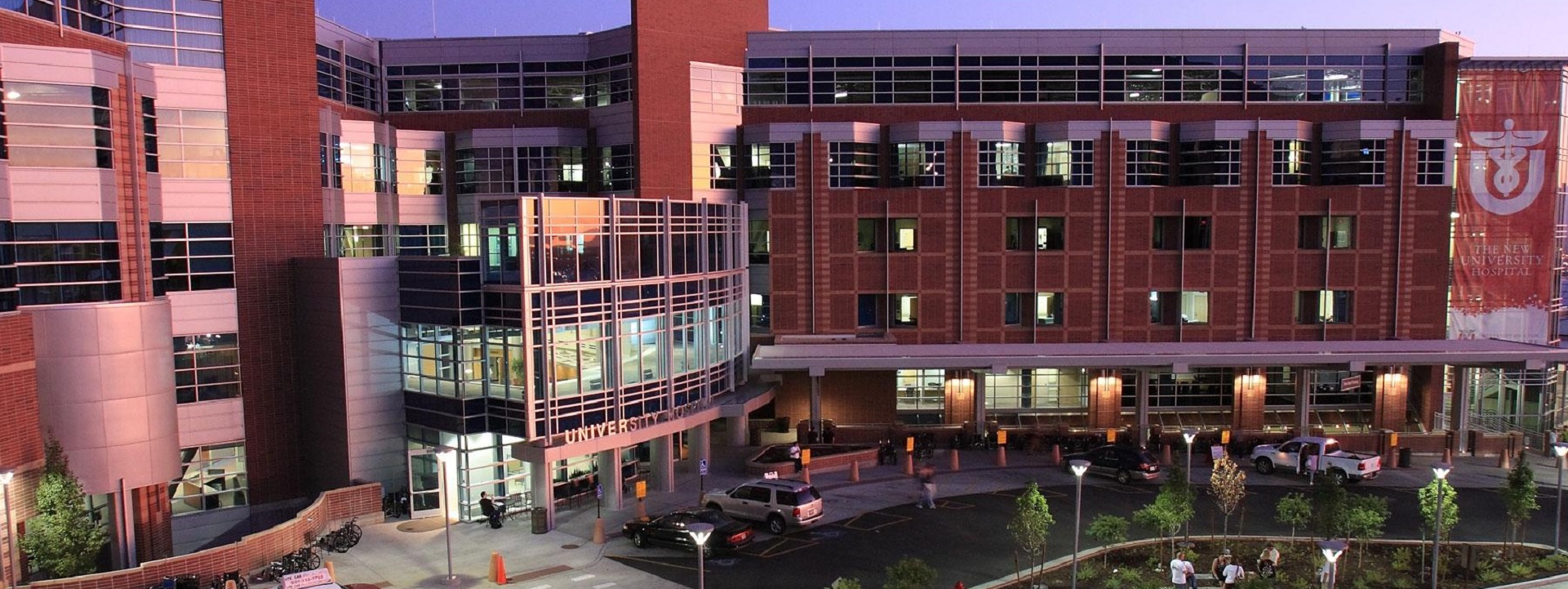
Student-run coffee shop

Loading
loading...

Student-run coffee shop

May 5, 2026
mike@standardsmichigan.com
, , , ,
No Comments

Standards Ohio | Ohio 937

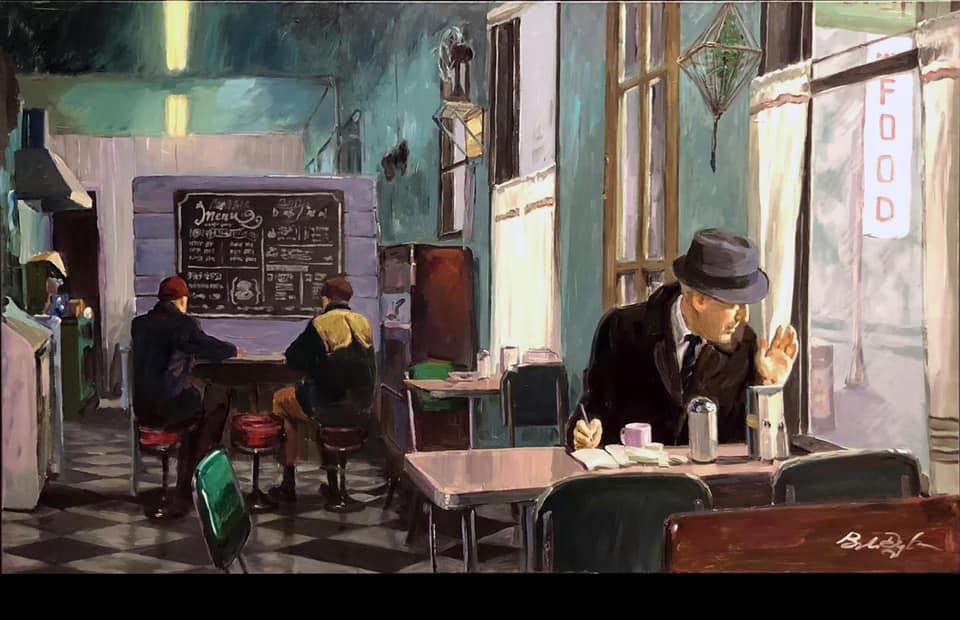
Artist: Bob Dylan (featuring Leonard Cohen)

There’s a new coffee shop in Cleveland, and it’s in John Marshall High School. The “Lawyers Café” serves lattes, healthy fruit smoothies, and Rising Star coffee, and it’s completely student-run. While they brew up the drinks as baristas and handle the budgets on the finance team, all of the scholars are getting hands-on job skills and learning what it takes to run their own small business.”

American Enterprise Institute: One Nation, Under Lawyers

“In those vernal seasons of the year, when the air is calm and pleasant, it were an injury and sullenness against Nature not to go out, and see her riches, and partake in her rejoicing with heaven and earth.”

— John Milton, Tractate of Education

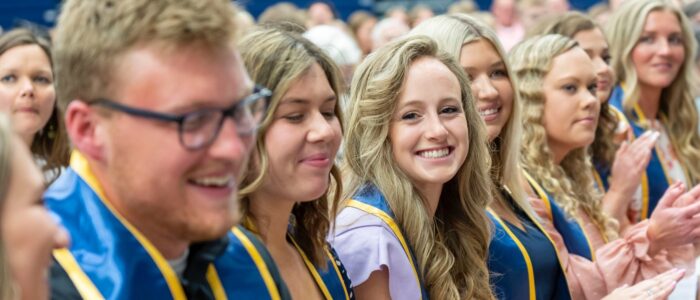
President George H. Bush’s prescient warning to graduates about the destabilizing dangers of “political correctness” to the American experiment in a constitutional republic.  Escalated by the presidencies of Barack Obama and Joseph Biden; accelerated by multinational social media conglomerates, free speech — globally — remains challenged and threatens the return to the tribalism that doomed ancient civilizations.  Higher education in America will have the heaviest hand in this transformation.

“Ironically, on the 200th anniversary of our Bill of Rights, we find free speech under assault throughout the United States, including on some college campuses. The notion of political correctness has ignited controversy across the land. And although the movement arises from the laudable desire to sweep away the debris of racism and sexism and hatred, it replaces old prejudice with new ones. It declares certain topics off-limits, certain expression off-limits, even certain gestures off-limits.”

Engineering Research: Coffee Science

Coffee

Readings

Wealth of Nations, Adam Smith

Capitalism and Freedom, Milton Friedman

Schumpter’s Theory of Creative Destruction

Electric Load Growth

May 5, 2026
mike@standardsmichigan.com
No Comments

Standards North Carolina

The February 19, 2025 webinar hosted by Duke University’s Nicholas Institute for Energy, Environment & Sustainability explored how the U.S. power grid can accommodate rapid new electricity demand from data centers, AI, manufacturing, and EVs with minimal new generation and transmission infrastructure.  The study focused on the 22 largest U.S. balancing authorities (covering ~95% of national load) and emphasized load flexibility as a practical near-term solution.

Three Main Takeaways:

  • Load flexibility is a critical tool to support economic growth while maintaining grid reliability and affordability. Large customers can temporarily curtail or shift usage during periods of grid stress, reducing the need for costly infrastructure expansions.
  • Up to nearly 100 GW of new large loads could be added with minimal impact. Using “curtailment-enabled headroom,” the grid could accommodate approximately 100 GW of additional load if customers allow an average curtailment of just 0.5% of maximum uptime per year (roughly two hours during peak events). Sensitivity cases ranged from 76 GW (at 0.25% curtailment) to 126 GW (at 1%).
  • The required curtailment time is comparable to existing demand-response programs already operating successfully across the United States and would not be overly burdensome for large users such as data centers.

Additional Insights: The U.S. power system already has significant built-in headroom because it is designed for rare peak events. Leveraging modest flexibility from new loads can unlock this capacity quickly, enabling faster integration of high-growth loads while keeping costs lower for ratepayers.  Overall, the session advocated shifting from a traditional “build more supply” mindset toward greater use of demand-side flexibility to balance rapid load growth with reliability, affordability, and decarbonization goals.

Electricity and Water Conservation on College and University Campuses

May 5, 2026
mike@standardsmichigan.com

No Comments

Electricity and Water Conservation on College and University Campuses…

John E. Petersen – Cynthia M. Frantz – Md. Rumi Shammin – Tess M. Yanisch – Evan Tincknell – Noel Myers

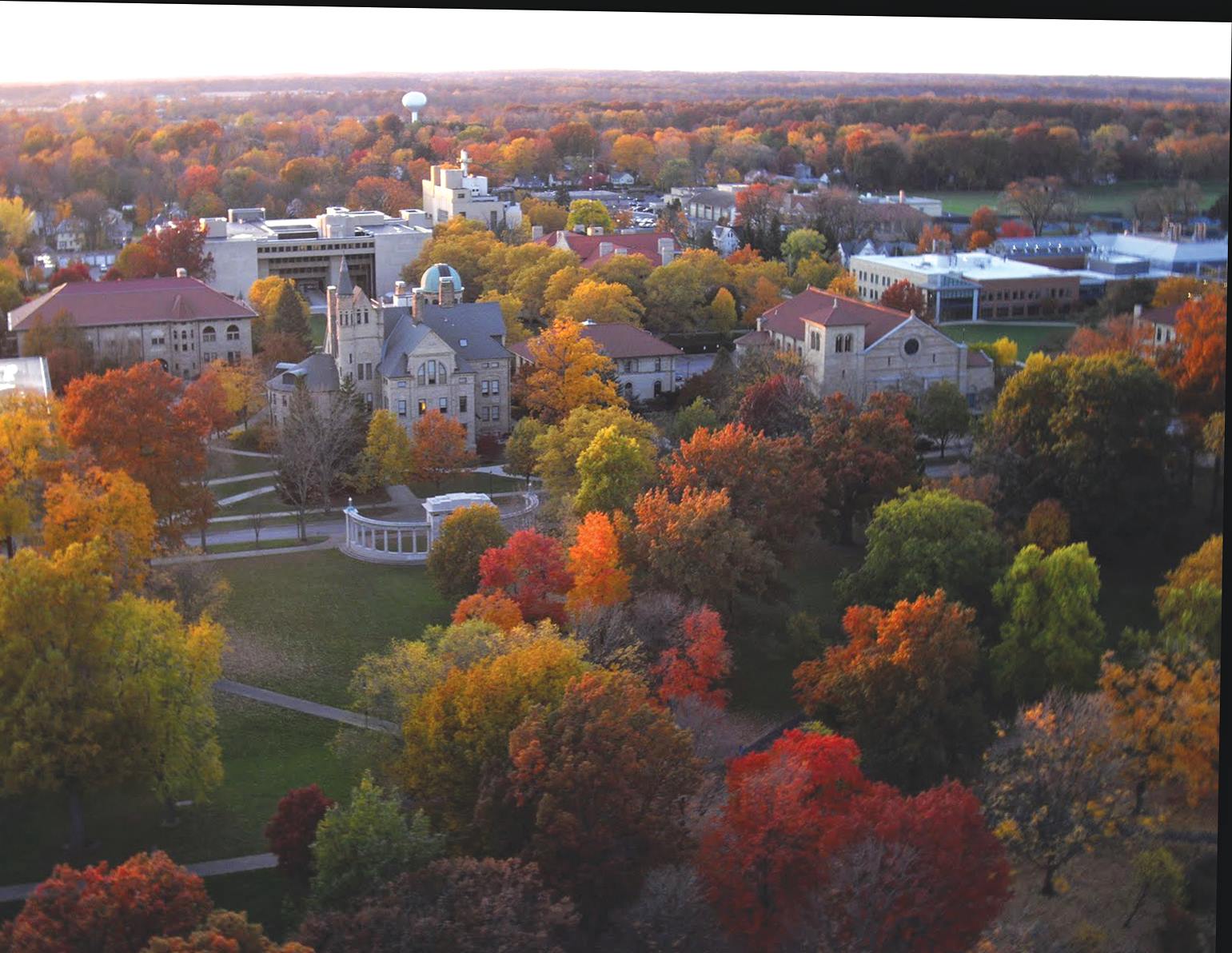
Oberlin College

Abstract. Campus Conservation Nationals” (CCN) is a recurring, nation-wide electricity and water-use reduction competition among dormitories on college campuses. We conducted a two year empirical study of the competition’s effects on resource consumption and the relationship between conservation, use of web technology and various psychological measures. Significant reductions in electricity and water use occurred during the two CCN competitions examined (n = 105,000 and 197,000 participating dorm residents respectively). In 2010, overall reductions during the competition were 4% for electricity and 6% for water. The top 10% of dorms achieved 28% and 36% reductions in electricity and water respectively. Participation was larger in 2012 and reductions were slightly smaller (i.e. 3% electricity). The fact that no seasonal pattern in electricity use was evident during non-competition periods suggests that results are attributable to the competition. Post competition resource use data collected in 2012 indicates that conservation behavior was sustained beyond the competition. Surveys were used to assess psychological and behavioral responses (n = 2,900 and 2,600 in 2010 and 2012 respectively). Electricity reductions were significantly correlated with: web visitation, specific conservation behaviors, awareness of the competition, motivation and sense of empowerment. However, participants were significantly more motivated than empowered. Perceived benefits of conservation were skewed towards global and future concerns while perceived barriers tended to be local. Results also suggest that competitions may be useful for “preaching beyond the choir”–engaging those who might lack prior intrinsic or political motivation. Although college life is distinct, certain conclusions related to competitions, self-efficacy, and motivation and social norms likely extend to other residential settings.

International Plumbing Code

International Mechanical Code Chapter 12: Hydronic Piping


Building Water Demand

Old-Fashioned Beef Stew

May 4, 2026
mike@standardsmichigan.com
, ,
No Comments

Standards Wyoming


Ingredients

  • 1/4 cup all-purpose flour
  • 1/4 teaspoon freshly ground pepper
  • 1 pound beef stewing meat trimmed and cut into inch cubes
  • 5 teaspoons vegetable oil
  • 2 Tablespoons red wine vinegar
  • 1 cup red wine
  • 3 1/2 cups beef broth homemade or low-sodium canned
  • 1 bay leaf
  • 1 medium onion peeled and chopped
  • 5 medium carrots peeled and cut into 1/4 inch rounds
  • 2 large baking potatoes peeled and cut into 3/4 inch cubes
  • 2 teaspoons salt

Instructions

  • Wash hands with soap and water for 20 seconds.

  • Combine the flour and pepper in a bowl, add the beef and toss to coat well. Heat 3 teaspoons of the oil in a large pot. Add the beef a few pieces at a time; do not overcrowd. Cook, turning the pieces until beef is browned on all sides, about 5 minutes per batch; add more oil as needed between batches.

  • Wash the counter and utensils that touched the raw meat. Wash hands with soap and water after handling raw meat.

  • Remove the beef from the pot and add the vinegar and wine. Cook over medium-high heat, scraping the pan with a wooden spoon to loosen any browned bits. Add the beef, beef broth, and bay leaf. Bring to a boil, then reduce to a slow simmer.

  • Cover the pot and cook, skimming broth from time to time, until the beef is tender, about 1 1/2 hours.

  • While the beef is cooking, scrub the onion, carrots, and potatoes with a clean vegetable brush under cold running water. Prepare vegetables as directed in the ingredients.

  • Add the onions and carrots to the pot and simmer, covered, for 10 minutes. Add the potatoes and simmer until vegetables are tender, about 30 minutes more. Add broth or water if the stew is dry. Season with salt and pepper to taste.

  • Serve immediately.

Old-Fashioned Beef Stew

Wyoming

Café au Lait with French Press

May 4, 2026
mike@standardsmichigan.com

No Comments

This content is accessible to paid subscribers. To view it please enter your password below or send mike@standardsmichigan.com a request for subscription details.

Healthcare Facilities Code

May 4, 2026
mike@standardsmichigan.com
, , ,
No Comments

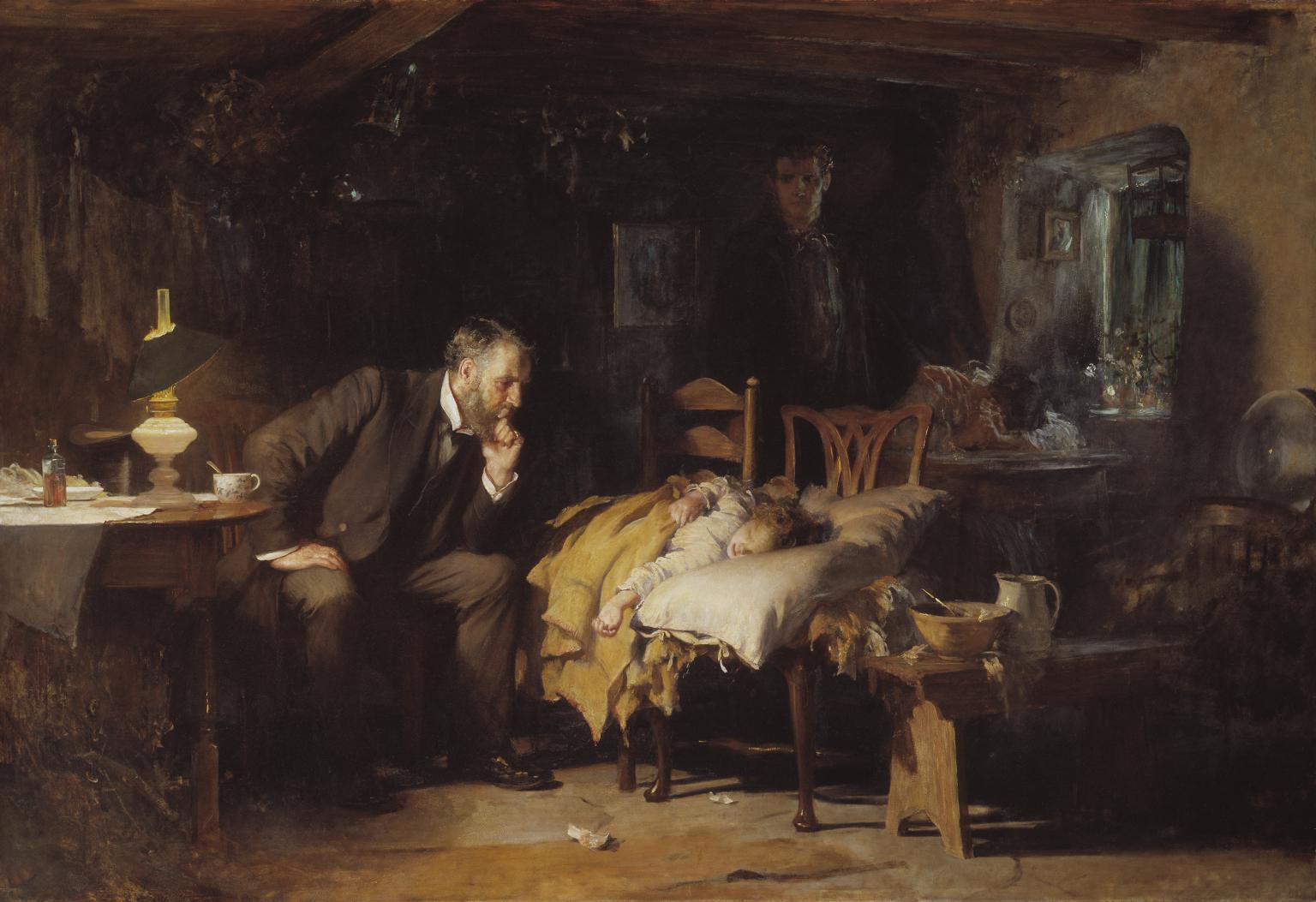
“The Doctor”  1891 Sir Luke Fildes

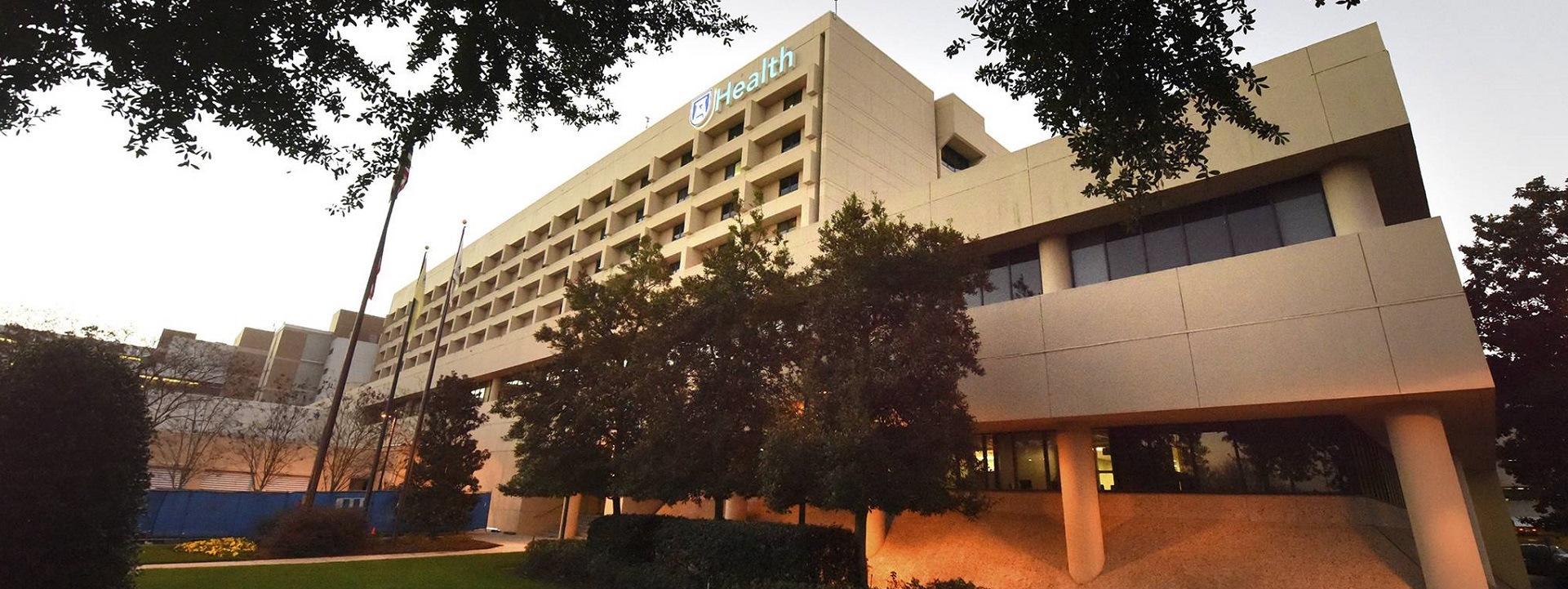
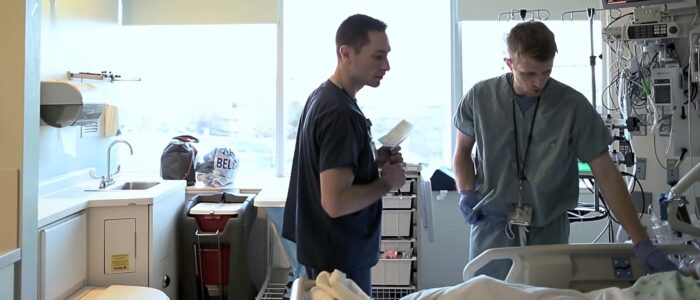
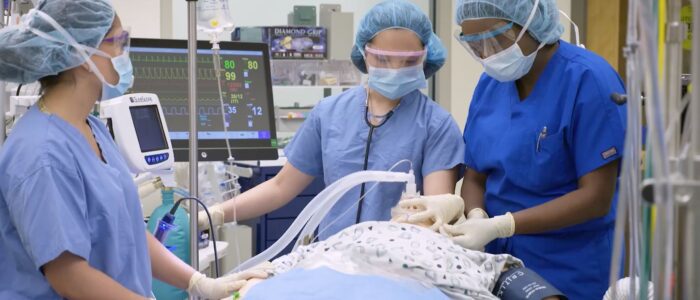
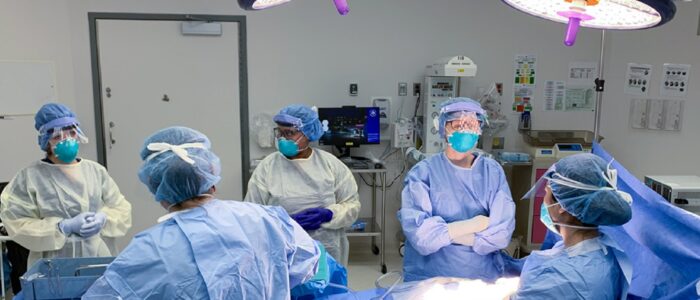
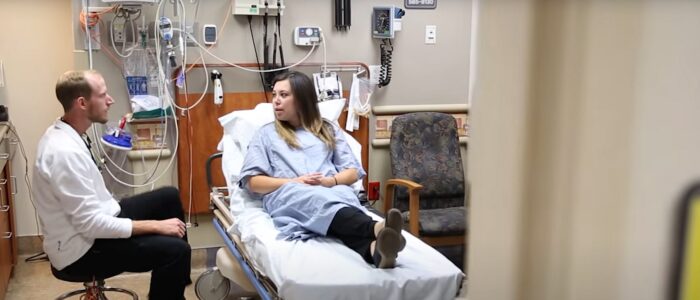
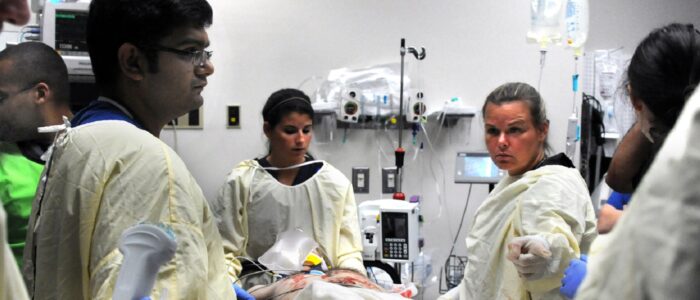
The NFPA 99 Healthcare Facilities Code committee develops a distinct consensus document (i.e. “regulatory product”) that is distinct from National Electrical Code Article 517; though there are overlaps and gaps that are the natural consequence of changing technology and regulations.  It is worthwhile reviewing the scope of each committee:

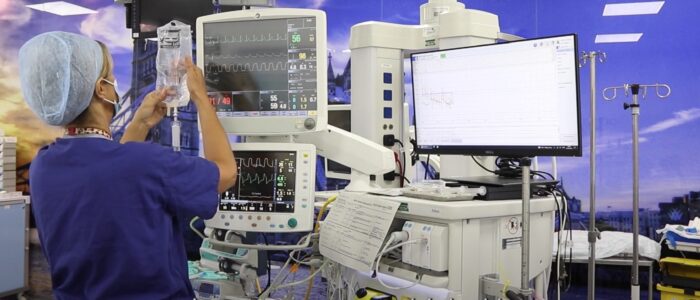
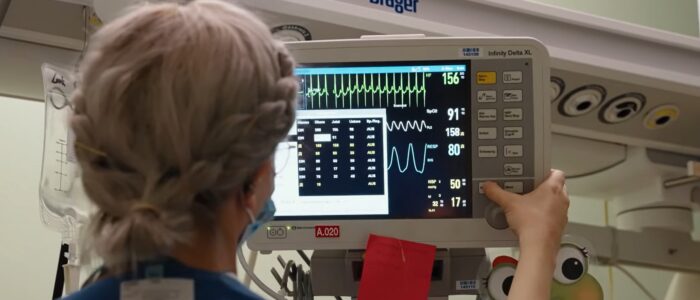
NFPA 99 Scope: This Committee shall have primary responsibility for documents that contain criteria for safeguarding patients and health care personnel in the delivery of health care services within health care facilities: a) from fire, explosion, electrical, and related hazards resulting either from the use of anesthetic agents, medical gas equipment, electrical apparatus, and high frequency electricity, or from internal or external incidents that disrupt normal patient care; b) from fire and explosion hazards; c) in connection with the use of hyperbaric and hypobaric facilities for medical purposes; d) through performance, maintenance and testing criteria for electrical systems, both normal and essential; and e) through performance, maintenance and testing, and installation criteria: (1) for vacuum systems for medical or surgical purposes, and (2) for medical gas systems; and f) through performance, maintenance and testing of plumbing, heating, cooling , and ventilating in health care facilities.

NFPA 70 Article 517 Scope:  The provisions of this article shall apply to electrical construction and installation criteria in healthcare facilities that provide services to human beings.  The requirements in Parts II and III not only apply to single-function buildings but are also intended to be individually applied to their respective forms of occupancy within a multi-function building (e.g. a doctor’s examining room located within a limited care facility would be required to meet the provisions of 517.10)   Informational Note: For information concerning performance, maintenance, and testing criteria, refer to the appropriate health care facilities documents.

In short, NFPA 70 Article 517 is intended to focus only on electrical safety issues though electrotechnology complexity and integration in healthcare settings (security, telecommunications, wireless medical devices, fire safety, environmental air control, etc.) usually results in conceptual overlap with other regulatory products such as NFPA 101 (Life Safety Code) and the International Building Code.

Several issues were recently debated by the Article 517 technical committee during the 2023 National Electrical Code Second Draft meetings

  • The conditions under which reconditioned electrical equipment be installed in healthcare settings; contingent on listing and re-certification specifics.
  • Relaxation of the design rules for feeder and branch circuit sizing through the application of demand factors.
  • Application of ground fault circuit interrupters.
  • “Rightsizing” feeder and branch circuit power chains (Demand factors in Section 517.22)
  • Patient care space categories
  • Independence of power sources (517.30)

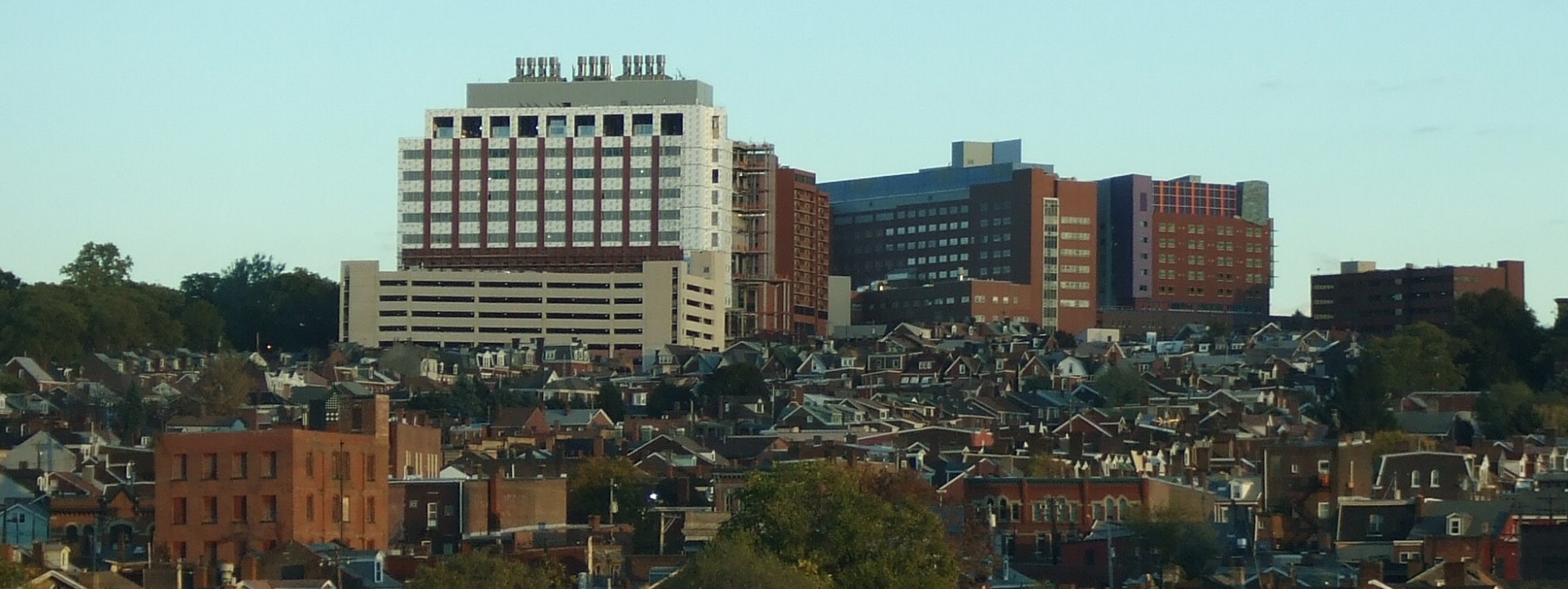
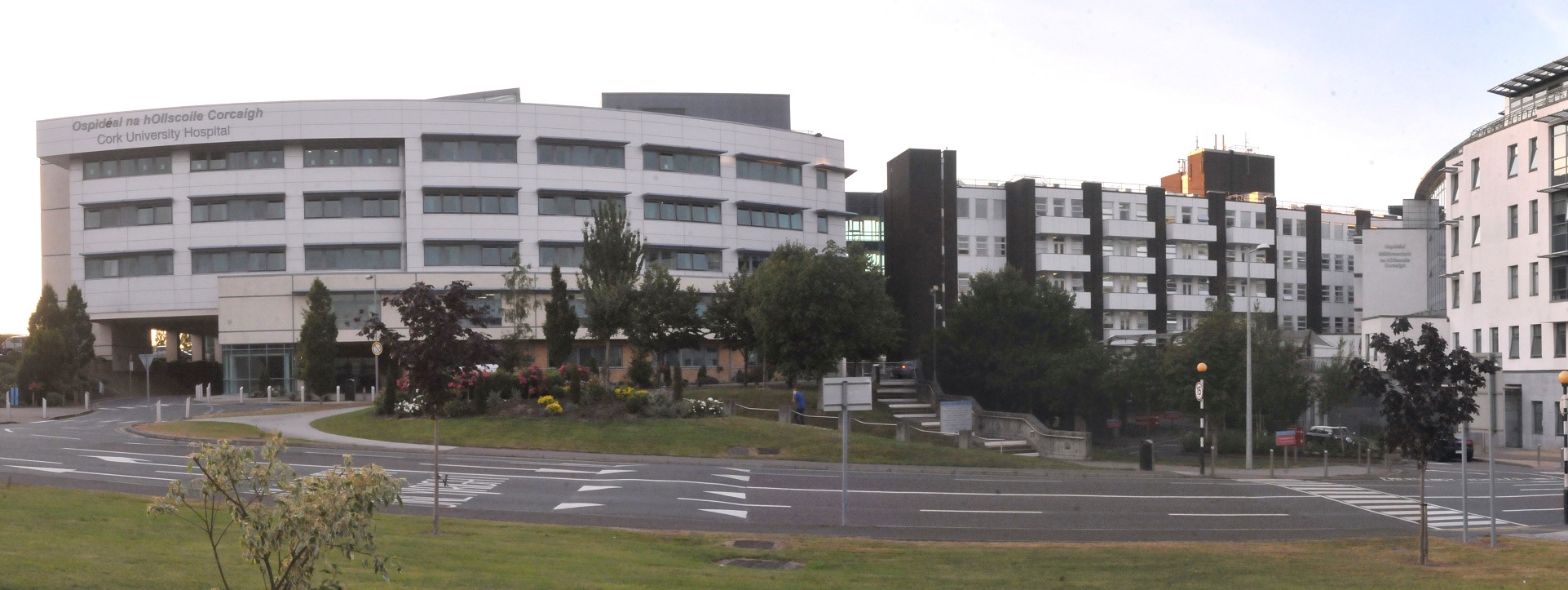
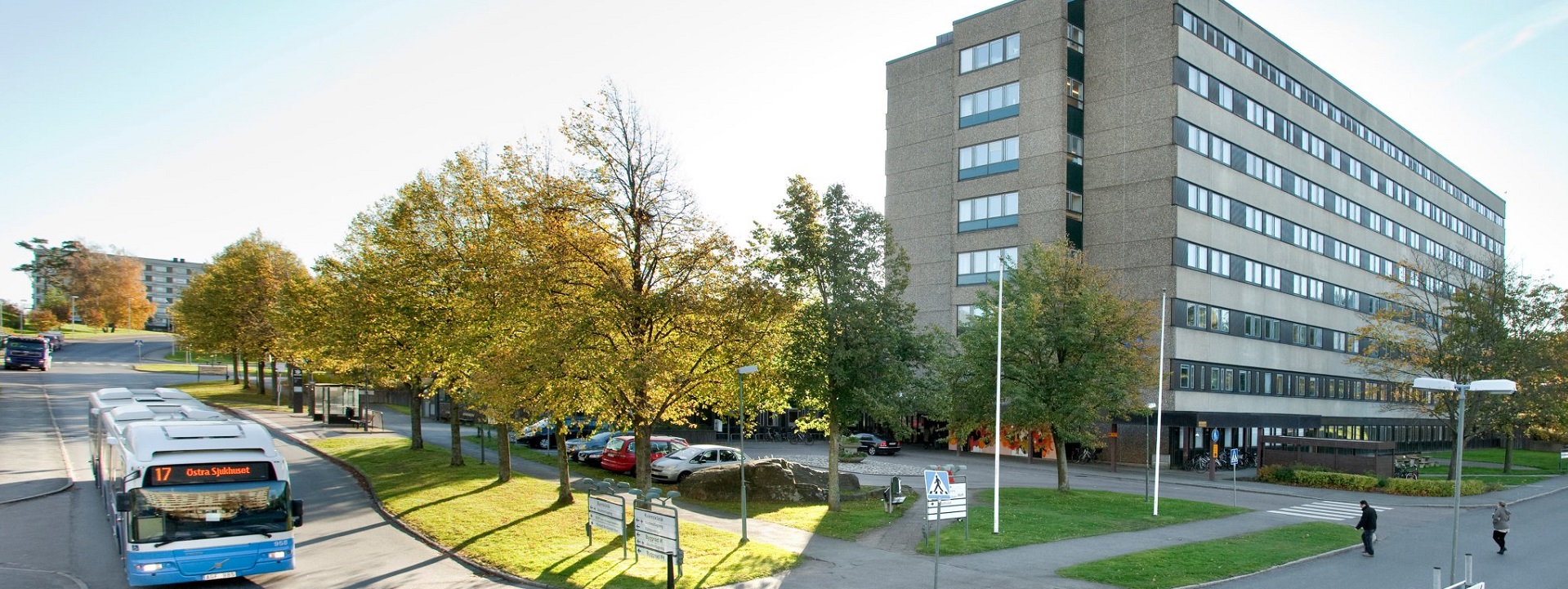
There are, of course, many others, not the least of which involves emergency management.  For over 20 years our concern has been for the interdependency of water and electrical power supply to university hospitals given that many of them are part of district energy systems.

We need to “touch” this code at least once a month because of its interdependence on other consensus products by other standards developing organizations.  To do this we refer NFPA 99 standards action to the IEEE Education & Healthcare Facilities Committee which meets online four times monthly in European and American time zones.

The transcript of NEC Article 517 Public Input for the 2023 revision of NFPA 70 is linked below.  (You may have to register your interest by setting up a free-access account):

Code-Making Panel 15 (NEC-P15) Public Input Report

Code-Making Panel 15 (NEC-P15) Public Comment Report

Technical committees will meet in June to endorse the 2023 National Electrical Code.

Public consultation on the Second Draft closes May 31st. Landing page for selected sections of the 2024 revision  of NFPA 99 are linked below:

Electrical Systems (HEA-ELS)

Fundamentals (HEA-FUN)

Health Care Emergency Management and Security (HEA-HES)

Second Draft Comments are linked below:

Electrical Systems (HEA-ELS)

Fundamentals (HEA-FUN)

Health Care Emergency Management and Security (HEA-HES)

NITMAM closing date: March 28, 2023

We break down NFPA 70 and NFPA 99 together and keep them on the standing agenda of both our Power and Health colloquia; open to everyone.  See our CALENDAR for the next online meeting.

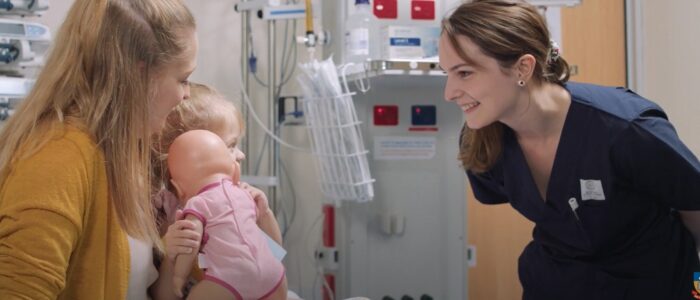
"The trained nurse has become one of the great blessings of humanity, taking a place beside the physician and the priest" - William Osler"While we try to teach our children all about life, our children teach us what life is all about" - Angela Schwindt "The true art of pediatrics lies not only in curing diseases but also in preventing them" - Abraham JacobiGermany

Issues: [12-18, [15-97] and [16-101]

Contact: Mike Anthony, Jim Harvey, Robert Arno, Josh Elvove, Joe DeRosier, Larry Spielvogel

NFPA Staff Liaison: Jonathan Hart

Archive / NFPA 99

Stovetop Lasagna

May 3, 2026
mike@standardsmichigan.com
, , ,
No Comments

Italian flag Accademia Italiana della Cucina Italian flag

Eat.Move.Save.

Standards Illinois | Altgeld & Illini Hall RenovationVirtual Tour

Strawberry Rhubarb Quinoa Porridge

May 3, 2026
mike@standardsmichigan.com

No Comments

Standards Nebraska  | Statement of Financial Accounts

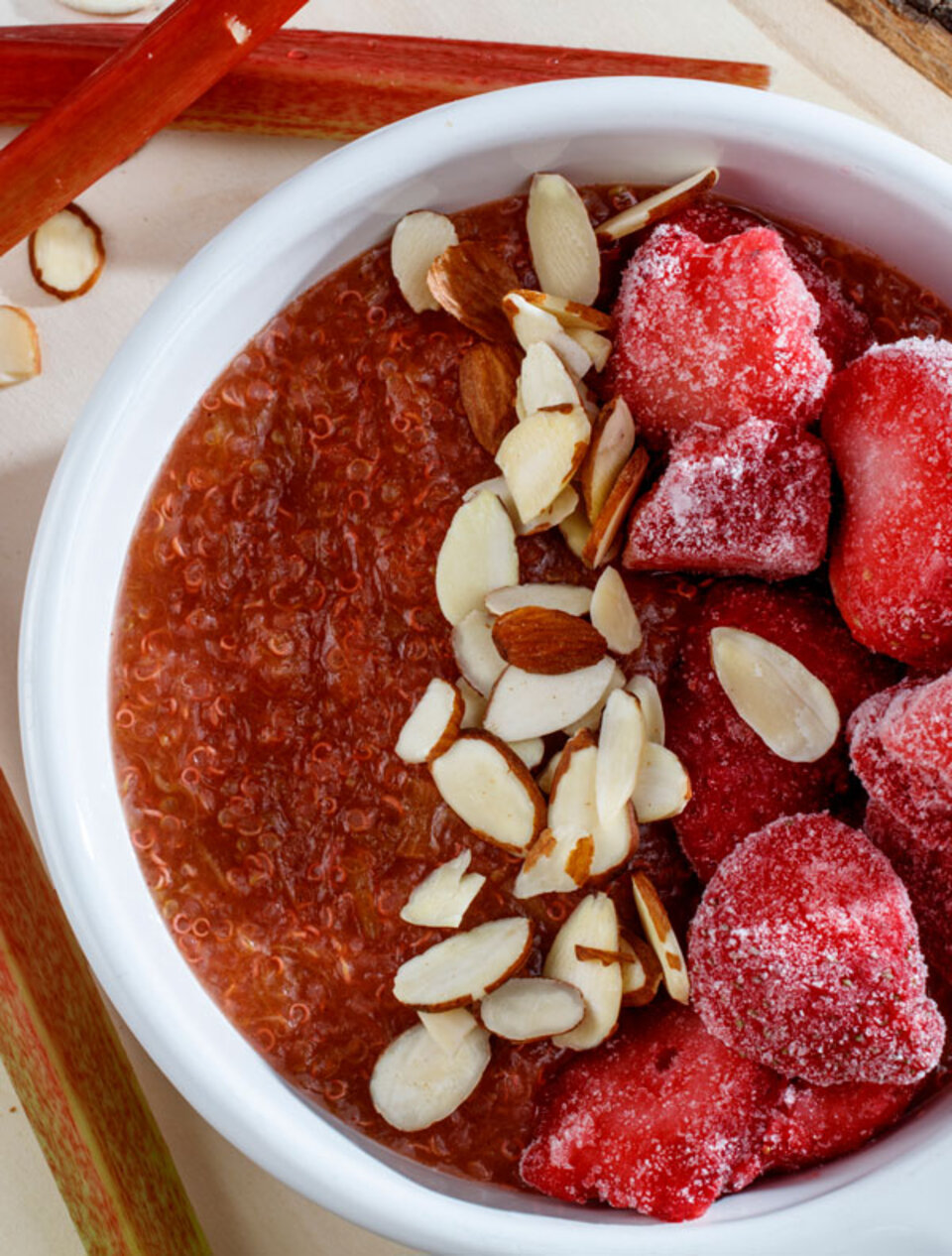
Strawberry Rhubarb Porridge

Click image for recipe

Presently we saw a curious thing: There were no clouds, the sun was going down in a limpid, gold-washed sky. Just as the lower edge of the red disc rested on the high fields against the horizon, a great black figure suddenly appeared on the face of the sun… the handles, the tongue, the share—black against the molten red. The fields below us were dark, and the sky was growing pale, and that forgotten plough had sunk back to its own littleness somewhere on the prairie.” — Willa Cather (My Antonia, 1918)

April 24, 2020: NU regents greenlight $600M Memorial Stadium rebuild and renovations

Nebraska Electric Transmission Rules and Regulations

https://www.facebook.com/share/p/18TnuPqjqj/

Nebraska’s Artistic Heritage: ‘The Cradle of Liberty’ 1940 Dale Nichols

No photo description available.

Eero Saarinen

May 2, 2026
mike@standardsmichigan.com
No Comments

This content is accessible to paid subscribers. To view it please enter your password below or send mike@standardsmichigan.com a request for subscription details.

Layout mode
Predefined Skins
Custom Colors
Choose your skin color
Patterns Background
Images Background
Standards Michigan
error: Content is protected !!
Skip to content