Pennsylvania’s school building codes are an adaptation of the stack developed by the International Code Council. The most recent update includes enhanced requirements for safety (e.g., emergency escape paths, smoke alarms, surge protection), structural design (e.g., decks, snow loads), and energy efficiency, applying to new school construction, additions, and major renovations.
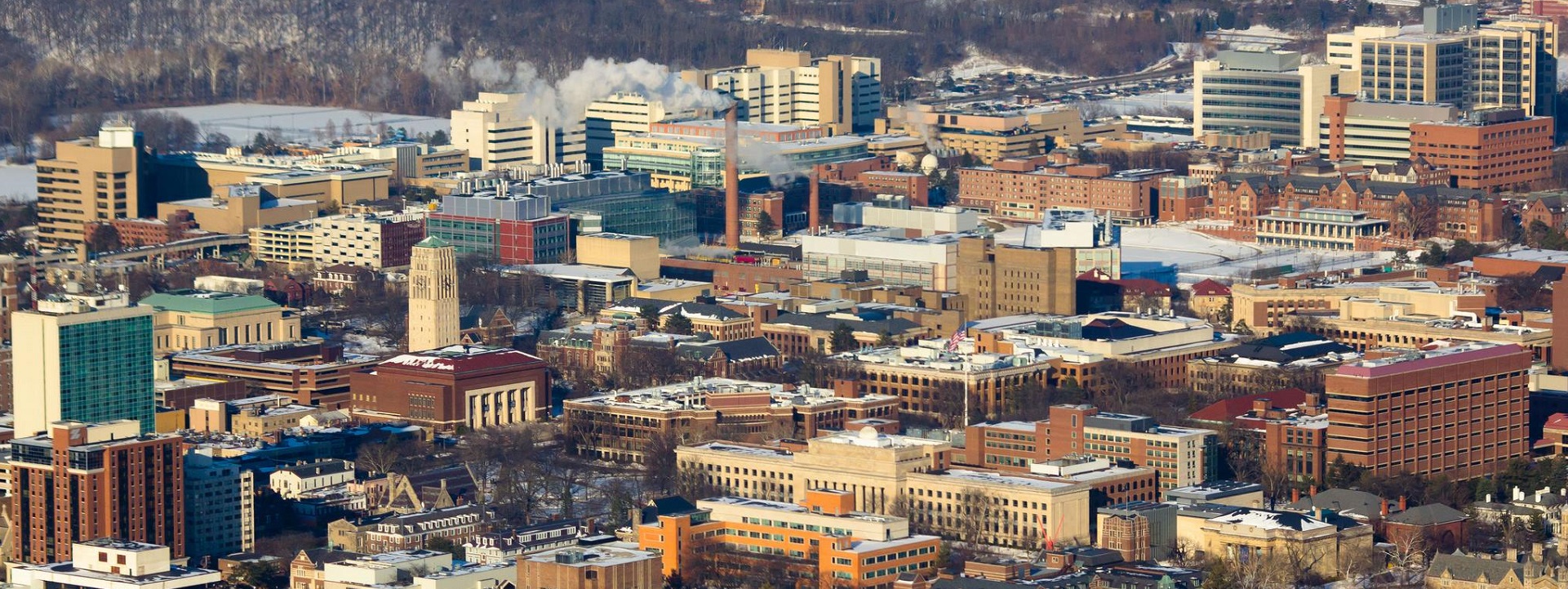
The Society of College and University Planning was founded in 1965 at the University of Michigan in Ann Arbor during an informal gathering of campus planners frustrated with the lack of professional exchange in their emerging field. Rapid postwar enrollment growth and massive campus expansion projects had created urgent needs for long-range physical planning, yet few institutions had dedicated planners or shared knowledge.
A small group, led by University of Michigan planners George J. Bruha and Frederick W Mayer met in Ann Arbor to discuss common challenges facing other State of Michigan settlements; joined by Stanford, Ohio State and the University of Illinois. They decided to create a formal organization to foster collaboration, research, and professional development. In 1966, with Michigan’s support, SCUP was officially established as a nonprofit with its first office on the Ann Arbor campus. Its founding principle—integrated planning linking academics, finances, and facilities—remains central today.
Early operations benefited from administrative support (aegis) provided by the University of Michigan, including office space and resources in Ann Arbor. This arrangement persisted until a financial crisis in the late 1970s (1976–1980), during which SCUP relocated to New York.
The decoupling—marking full operational and administrative independence from the University of Michigan—occurred in 1980, when SCUP returned to Ann Arbor as a self-sustaining nonprofit headquartered at a separate location –1330 Eisenhower Place — less than a mile walk from Standards Michigan‘s front door at 455 East Eisenhower.
* Of the 220 ANSI Accredited Standards Developers, the State of Michigan ranks 3rd in the ranking of U.S. states with the most ANSI-accredited standards developers (ASDs) headquartered there; behind the Regulatory Hegemons of California and ChicagoLand and excluding the expected cluster foxtrot of non-profits domiciled in the Washington-New York Deep State Megalopolis. Much of Michigan’s presence in the private consensus standards space originates from its industrial ascendency through most of the 1900’s.
The requirement for a licensed electrician and a certified inspector to perform and certify any electrical work above $100 is prohibitive for homeowners and facility managers. To the best of our knowledge, no other US state imposes this requirement. There are more efficacious approaches to supporting effective public electrical safety services.
Of considerable importance is the criteria set by this board to determine whether a journeyman electrician is permitted to practice his or her trade in the State of Michigan.
We have been advocating for changes to the State of Michigan Electrical Administrative Act that currently requires all electrical work valued above $100 to be installed by a licensed journeyman electrician and inspected by an accredited electrical inspector. The $100 threshold was set decades ago and has never been challenged by another other advocacy enterprise representing the user interest. Almost all of the stakeholders on the present Electrical Administrative Board are stakeholders who benefit economically from the $100 threshold. Much of the reason for the apparent imbalance of interests lies in tradition; but also because no user interest has been present to advocate for an update of the formal, fee schedule.
This advocacy priority was on the Do-List of the original University of Michigan codes and standards advocacy enterprise which was focused on strengthening the voice of the user/owner/final fiduciary in the promulgation of regulations affecting Michigan educational facilities (CLICK HERE for link to the legacy Advocacy Project 14-1). Of all the trades covered in the parent legislation — Stille-Derossett-Hale Single State Construction Code Act (Act 230 of 1972)— the electrical power discipline is the only discipline in Michigan building technology regulations that sets a dollar criteria for electrical work to be performed and inspected. While we recognize the need for safe installation of the electrical power chain within a building; we propose another criteria for establishing the requirement for a licensed electrician and a licensed inspector should be determined (as it is in all other construction disciplines administered by the Bureau of Construction Codes, a division of the Department of Licensing and Regulatory Affairs).
As a consequence of former Governor Snyder’s Office of Regulatory Reinvention significant changes to both the Bureau of Construction Codes, a division of the Department of Licensing and Regulatory Affairs) have taken place within the past twelve months; which make us optimistic about political support for our proposals. We will be collaborating with our colleagues at Michigan State University to make necessary legislative changes we believe will lower the #TotalCostofOwnership of education facilities in the State of Michigan.
We will refer the Michigan Electric Code, and other state electrical codes to the IEEE Education and Healthcare Facilities Committee which hosts bi-weekly breakout teleconferences with electrical professionals in the education facilities industry as required by the demand for them.
The next meeting of the Michigan Electrical Board is November 2nd. We have been attending the meetings in Lansing and have made our proposal to revisit the dollar criteria known to the entire board. We hope the Electrical Administrative Board will develop another criteria; inspired by the electrical administrative boards of other states.
Issue: [14-1]
Contact: Mike Anthony, Jack Janveja, Richard Robben, Kane Howard
Today at the usual hour we sort through the NFPA stack for fire safety system aspects during renovation, alteration, or rehabilitation of buildings. Two sections come to mind:
Chapter 43 (NFPA 101): Building Rehabilitation
NFPA 241: Safeguarding Construction, Alteration, and Demolition Operations
Use the login credentials at the upper right of our home page.
The Life Safety Code addresses those construction, protection, and occupancy features necessary to minimize danger to life from the effects of fire, including smoke, heat, and toxic gases created during a fire. It is widely incorporated by reference into public safety statutes; typically coupled with the consensus products of the International Code Council. It is a mighty document — one of the NFPA’s leading titles — so we deal with it in pieces; consulting it for decisions to be made for the following:
(1) Determination of the occupancy classification in Chapters 12 through 42.
(2) Determination of whether a building or structure is new or existing.
(3) Determination of the occupant load.
(4) Determination of the hazard of contents.
There are emergent issues — such as active shooter response, integration of life and fire safety systems on the internet of small things — and recurrent issues such as excessive rehabilitation and conformity criteria and the ever-expanding requirements for sprinklers and portable fire extinguishers with which to reckon. It is never easy telling a safety professional paid to make a market for his product or service that it is impossible to be alive and safe. It is even harder telling the dean of a department how much it will cost to bring the square-footage under his stewardship up to the current code.
The 2021 edition is the current edition and is accessible below:
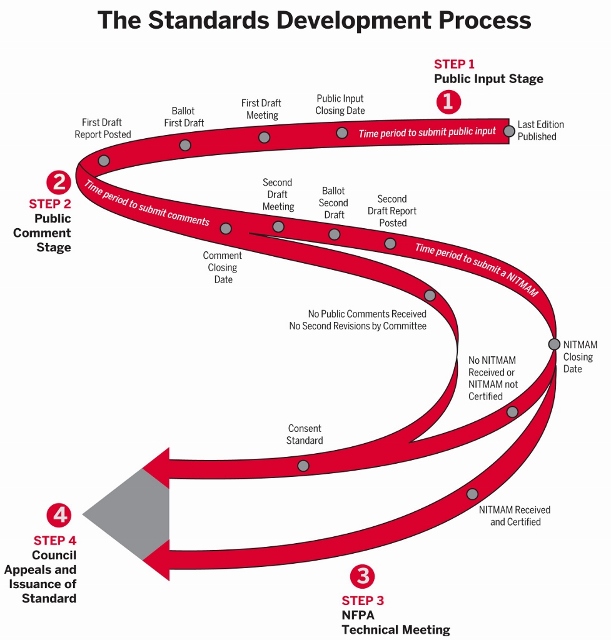
Public input on the 2027 Revision will be received until June 4, 2024. Public comment on the Second Draft 2027 Revision will be received until March 31, 2026.
Since the Life Safety Code is one of the most “living” of living documents — the International Building Code and the National Electric Code also move continuously — we can start anywhere and anytime and still make meaningful contributions to it. We have been advocating in this document since the 2003 edition in which we submitted proposals for changes such as:
• A student residence facility life safety crosswalk between NFPA 101 and the International Building Code
• Refinements to Chapters 14 and 15 covering education facilities (with particular attention to door technologies)
• Identification of an ingress path for rescue and recovery personnel toward electric service equipment installations.
• Risk-informed requirement for installation of grab bars in bathing areas
• Modification of the 90-minute emergency lighting requirements rule for small buildings and for fixed interval testing
• Modification of emergency illumination fixed interval testing
• Table 7.3.1 Occupant Load revisions
• Harmonization of egress path width with European building codes
There are others. It is typically difficult to make changes to stabilized standard though some of the concepts were integrated by the committee into other parts of the NFPA 101 in unexpected, though productive, ways. Example transcripts of proposed 2023 revisions to the education facility chapter is linked below:
Since NFPA 101 is so vast in its implications we list a few of the sections we track, and can drill into further, according to client interest:
Chapter 3: Definitions
Chapter 7: Means of Egress
Chapter 12: New Assembly Occupancies
Chapter 13: Existing Assembly Occupancies
Chapter 16 Public Input Report: New Day-Care Facilities
Chapter 17 Public Input Report: Existing Day Care Facilities
Chapter 18 Public Input Report: New Health Care Facilities
Chapter 19 Public Input Report: Existing Health Care Facilities
Chapter 28: Public Input Report: New Hotels and Dormitories
Chapter 29: Public Input Report: Existing Hotels and Dormitories
Chapter 43: Building Rehabilitation
Annex A: Explanatory Material
As always we encourage front-line staff, facility managers, subject matter experts and trade associations to participate directly in the NFPA code development process (CLICK HERE to get started)
NFPA 101 is a cross-cutting title so we maintain it on the agenda of our several colloquia —Housing, Prometheus, Security and Pathways colloquia. See our CALENDAR for the next online meeting; open to everyone.
Issue: [18-90]
Category: Fire Safety, Public Safety
Colleagues: Mike Anthony, Josh Elvove, Joe DeRosier, Marcelo Hirschler
Most people step into morning shower and pour their first drink take as read the water and energy standards that assure safety and reliability. Today at the usual hour we refresh our understanding of the relatively stable stack of standards that are treated as given. With links to the Alice Parker invention of home heating. Use the login credentials at the upper right of our home page.
ASSE 1016/1017 mixing valves to prevent scalds, and temperature guidelines balancing burn risks (max ~120°F at fixtures) against Legionella growth (storage ≥140°F).
Today we slice horizontally through several vertical catalogs that interact, cross reference and are fairly dynamic in their best practice discovery and promulgation.
Plumbing and sanitation systems in educational settlements – especially those with healthcare and research enterprises are intricately linked, ensuring clean water supply, waste removal, and public health. Plumbing systems deliver potable water to dormitories, academic buildings, dining halls, and recreational facilities through a network of pipes, pumps, and valves. (Kitchens). These systems source water from municipal supplies or campus wells, often treated to meet safety standards (Backflow Prevention). Hot water heaters and pressure regulators maintain consistent supply for showers, sinks, and laboratories.
Sanitation systems, conversely, manage wastewater and sewage. They collect used water from toilets, sinks, and showers, channeling it through drainage pipes to campus treatment facilities or municipal sewer systems. Advanced campuses may employ on-site wastewater treatment plants, using processes like sedimentation and biological treatment to reduce environmental impact. Regular maintenance, including pipe cleaning and septic tank pumping, prevents blockages and contamination.
The interaction requires precise coordination. Plumbing systems must avoid cross-contamination with sanitation lines, using backflow preventers and proper pipe insulation.
Sanitation systems rely on plumbing’s water flow to transport waste efficiently. On large campuses, high demand during peak hours challenges both systems, necessitating robust infrastructure. Sustainable practices, like low-flow fixtures and greywater recycling, enhance efficiency, reduce costs, and align with campus environmental goals, ensuring a hygienic and functional environment.
Join us today at 11 AM when we sort through the settled science and unsettled standards of care. Use the login credentials at the upper right of our home page.
The heating and cooling requirements of K-12 schools, college and university educational, medical research and healthcare delivery campuses are a large market for boiler pressure vessel manufacturers, installers, maintenance personnel and inspectors. The demand for building new, and upgrading existing boilers — either single building boilers, regional boilers or central district energy boilers — presents a large market for professional engineering firms also. A large research university, for example, will have dozens, if not well over 100 boilers that heat and cool square footage in all climates throughout the year. The same boilers provide heating and cooling for data centers, laundry operations, kitchen steam tables in hospitals and dormitories.
“…The International Boiler and Pressure Vessel Code establishes rules of safety — relating only to pressure integrity — governing the design, fabrication, and inspection of boilers and pressure vessels, and nuclear power plant components during construction. The objective of the rules is to provide a margin for deterioration in service. Advancements in design and material and the evidence of experience are constantly being added…”
Many state and local governments incorporate the BPVC by reference into public safety regulations and have established boiler safety agencies. Boiler explosions are fairly common, as a simple internet search on the term “school boiler explosion” will reveal. We linked one such incident at the bottom of this page.
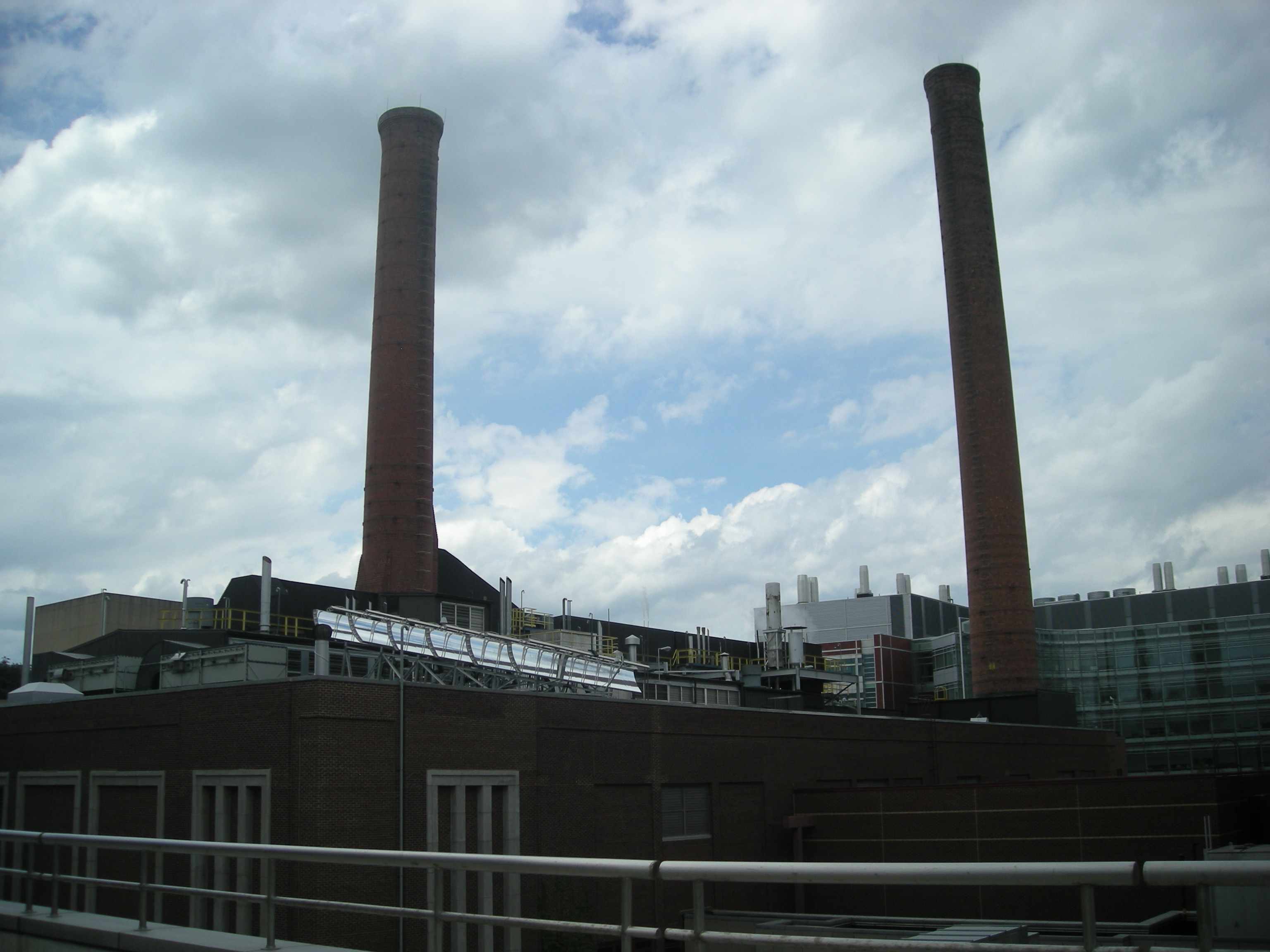
University of Michigan Central Heating Plant
The 2023 Edition of the BPVC is the current edition; though the document is divided into many sections that change quickly.
Two characteristics of the ASME standards development process are noteworthy:
Only the proposed changes to the BPVC are published. The context surrounding a given change may be lost or not seen unless access to previous version is available. Knowledgeable experts who contribute to the development of the BPVC usually have a previous version, however. Newcomers to the process may not.
The BPVC has several breakout committees; owing to its longer history in the US standards system and the gathering pace of complexity in this technology.
We unpack the ASME bibliography primarily during our Mechanical, Plumbing and Energy colloquia; and also during our coverage of large central laundry and food preparation (Kitchens 100) colloquia. See our CALENDAR for the next online meeting, open to everyone.
Winter weather pipe-breaking and subsequent water flooding incidents on educational campuses around the world draw attention to Underwriters Laboratory product standard UL 515 Standard for Electrical Resistance Trace Heating for Commercial Applications which was last revised in July 2015. From the home page of UL 515: the scope is as follows:
(UL 515) requirements cover electrical resistance trace heating for commercial applications as applied to piping, vessels, traced tube bundles, and mechanical equipment. Trace heating includes heating panels and associated parts. This equipment is intended for installation in ordinary locations in accordance with the following installation guidelines:
National Electrical Code, ANSI/NFPA 70, Article 427
IEEE Standard for the Testing, Design, Installation, and Maintenance of Electrical Resistance Trace Heating for Commercial Applications, IEEE 515.1.
Trace heating covered by this Standard is intended for applications where it is exposed to weather, unless specific markings and instructions limit the applications.
Trace heating may be installed on metal or rigid plastic pipes. Unless specific recommendations are made for the plastic pipe material to be heated, plastic pipes are considered to have a maximum long-term thermal exposure limit of 50°C (122°F).
UL 515 is on a 5-year revision cycle; though comments on its improvement may be directed at any time to Julio Morales Julio.Morales@ul.com. A review of the Standards Technical Panel suggests that User-Interest input — quite possibly product success and failure information — would be welcomed.
In future posts, we will sort through the interdependency of related NFPA and ASTM standards on this technology
Danny S. Parker | Philip Fairey | James D. Lutz, PE
ABSTRACT. The WVU campus in Morgantown, located in north central WV is identified to have elevated heat flows by low-temperature geothermal play fairway analysis of the Appalachian basin. Along with the elevated subsurface heat flows, WVU also has surface demand necessary to develop a deep direct-use geothermal system in the eastern United States. West Virginia University is currently using a steam-based water heating system. This study focuses on converting the current heating system to a geothermal deep-direct-use district heating system.
A comprehensive evaluation of the current heating system is being conducted to determine the university’s heating energy demand. Energy demand is calculated for the whole campus based on the equipment survey and readings from the steam meters. Based on the steam meter readings, the approximate hot water usage of the whole campus is in the range of 10,000-12,000 GPM (gallons per minute). For buildings where there are no existing data or steam meters available, the energy usage is estimated using e-Quest. The tool e-Quest (Quick Energy Simulation Tool) is available through the U.S. Department of Energy and can provide monthly building energy usage data for comparison purposes.
The study includes an in-depth analysis of existing heating and cooling equipment, such as air handling units (AHUs) and heat exchangers, to determine their compatibility with hot water systems. The potential for retrofitting these systems to enhance energy efficiency, reduce operational costs, and contribute to the university’s sustainability goals is evaluated. This retrofit requires significant infrastructure changes, including installing new pumps, pipes, and heat exchangers. A detailed study for retrofitting was conducted on one of the buildings, which includes air handling units, pumps, valves, and expansion tanks.
The total retrofitting cost was found to be approximately $130,000. A preliminary hot water distribution model using Aspen HYSYS is developed, incorporating key system components like heat pumps and geothermal plate heat exchangers with a hot water distribution temperature of 180℉. Similarly, Aspen HYSYS models are developed to study and compare the normal hot water distribution model.
Florida’s campus coffee scene picks up influences from Gulf of America nations. Hot options are popular in winter, though iced drinks never fully disappear.
New update alert! The 2022 update to the Trademark Assignment Dataset is now available online. Find 1.29 million trademark assignments, involving 2.28 million unique trademark properties issued by the USPTO between March 1952 and January 2023: https://t.co/njrDAbSpwBpic.twitter.com/GkAXrHoQ9T