Public Input on the 2029 Edition will be received until January 6, 2027
Comments on the Second Draft of NFPA 909 — Cultural Resource Property Protection — will be received until 3 October 2024
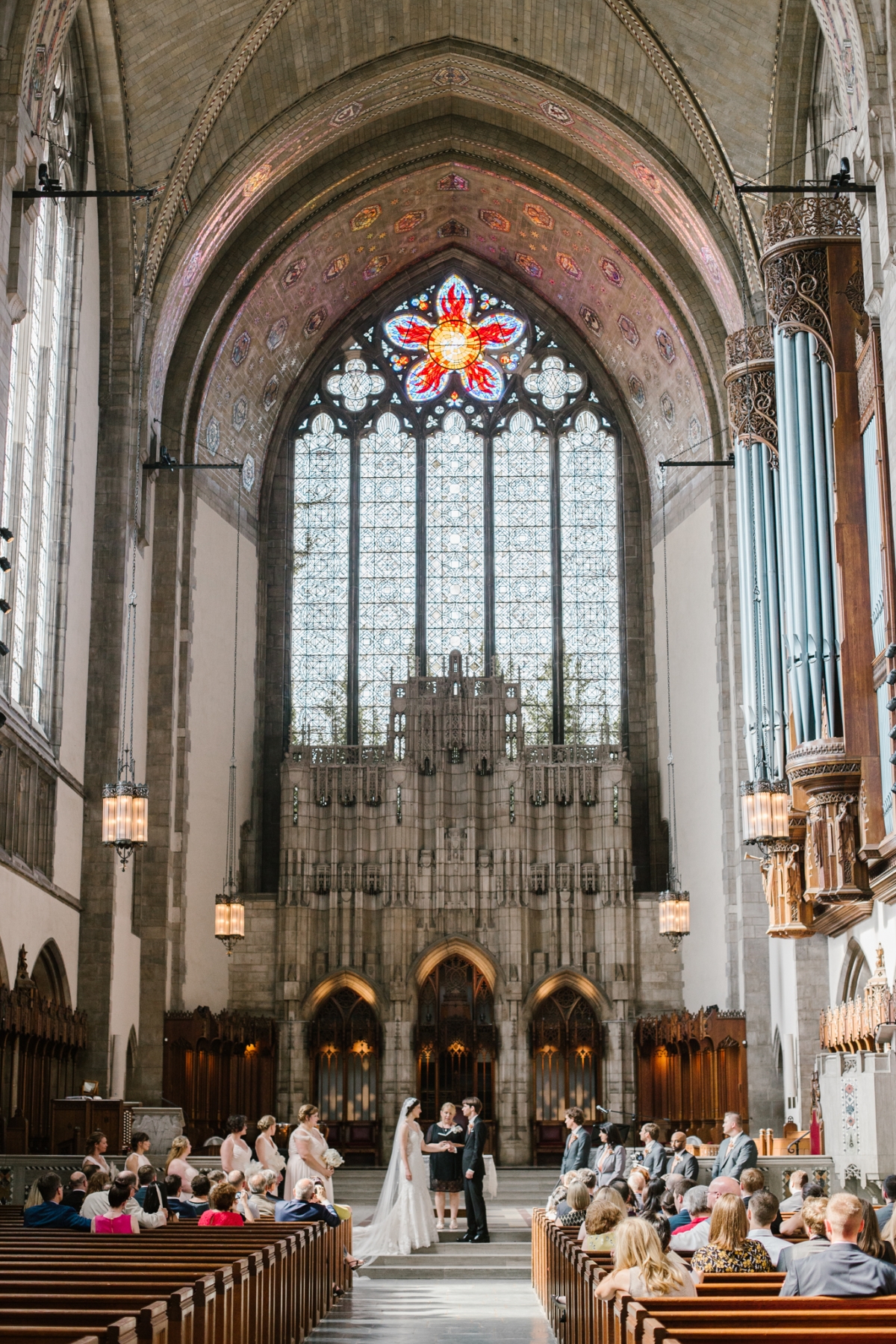
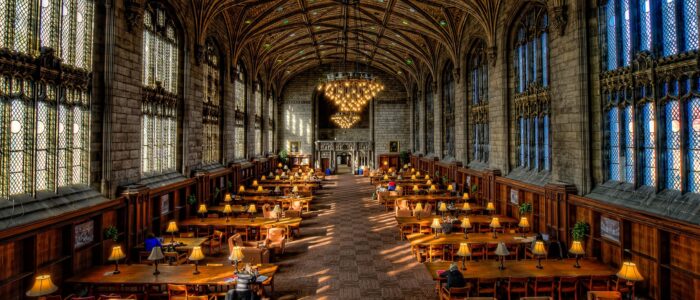
University of Chicago
Books cannot be killed by fire. People die, but books never die
No man and no force can put thought in a concentration camp forever
— Franklin Roosevelt
Many education communities build and maintain cultural resource properties whose safety and sustainability objectives are informed by local adaptations of consensus products developed by the International Code Council (ICC) and the National Fire Protection Association (NFPA). We need to understand the ICC and NFPA product suites as a pair. For most real assets in the education industry they move “roughly” in tandem even though they are produced by different organizations for a different set of customers. Sometimes the out-of-step condition between NFPA and ICC permits subject matter experts on technical committees to make the best possible decisions regarding the safety and sustainability agenda of the interest group they represent; but not always.
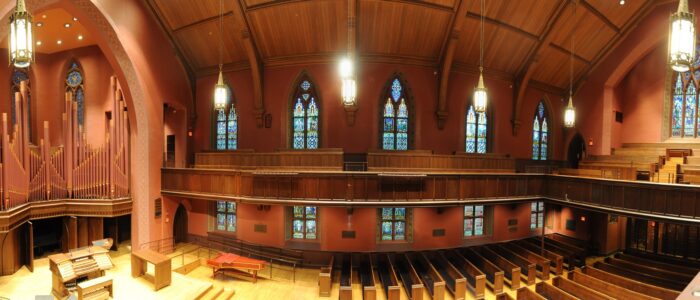
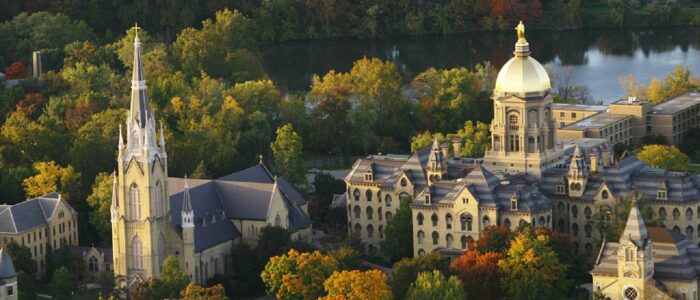
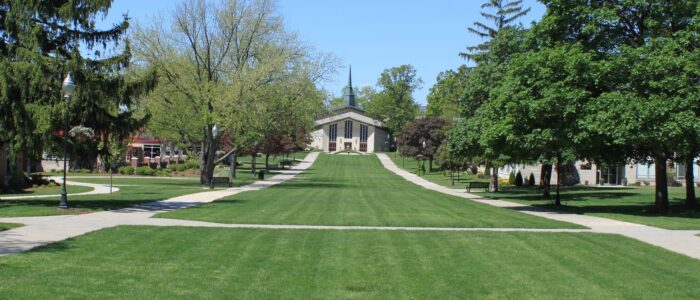
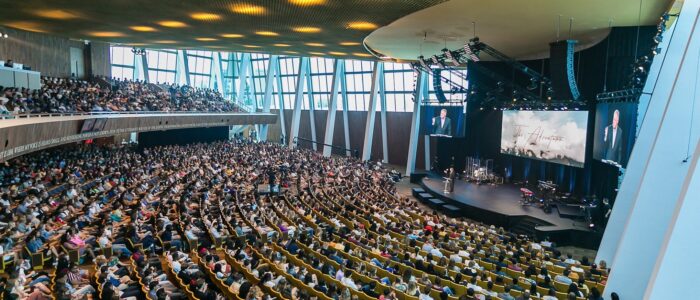
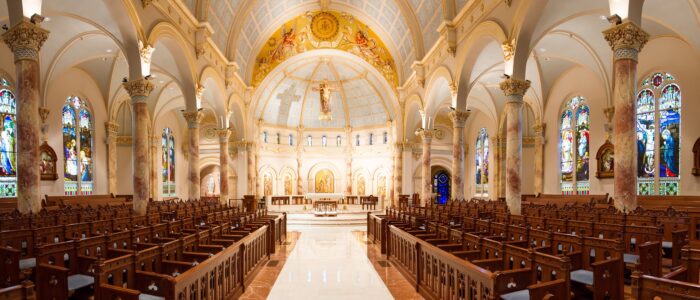
Occupancy classification is always a first consideration and both the NFPA and the ICC have a claim to some part of this occupancy concept*. In the ICC suite we find code requirements for many “cultural places of worship” tracking in the following sections of the International Building Code (IBC):
Section 303 Assembly Group A-3
Section 305 Educational Group E
Section 308 Institutional Group I
Note that Sections 305 and 308 recognize the accessory and multi-functional nature of occupancy types in the education industry – i.e child care and adult care function can marge and be an accessory to a place of worship. The general rule in the IBC is that accessory religious educational rooms and religious auditoriums with occupant loads of less than 100 per room or space are not considered separate occupancies. Other standards developers are guided by this rule.
Close coupled to the IBC for this occupancy class is NFPA 909 Code for the Protection of Cultural Resource Properties – Museums, Libraries, and Places of Worship. From the document prospectus:
• This code describes principles and practices of protection for cultural resource properties (including, but not limited to, museums, libraries, and places of worship), their contents, and collections, against conditions or physical situations with the potential to cause damage or loss.
• This code covers ongoing operations and rehabilitation and acknowledges the need to preserve culturally significant and character-defining building features and sensitive, often irreplaceable, collections and to provide continuity of operations.
• Principles and practices for life safety in cultural resource properties are outside the scope of this code. Where this code includes provisions for maintaining means of egress and controlling occupant load, it is to facilitate the evacuation of items of cultural significance, allow access for damage limitation teams in an emergency, and prevent damage to collections through overcrowding or as an unintended consequence of an emergency evacuation.
• Library and museum collections that are privately owned and not open to the public shall not be required to meet the requirements of this code.
Since we are hard upon release of the 2021 Edition of NFPA 909 let us take a backward look at the current (2017) version of NFPA 909 Code for the Protection of Cultural Resource Properties – Museums, Libraries, and Places of Worship. Chapter 14 covers “Museums, Libraries and their Collections”. Chapter 15 covers “Places of Worship”
Free Access Edition NFPA 909
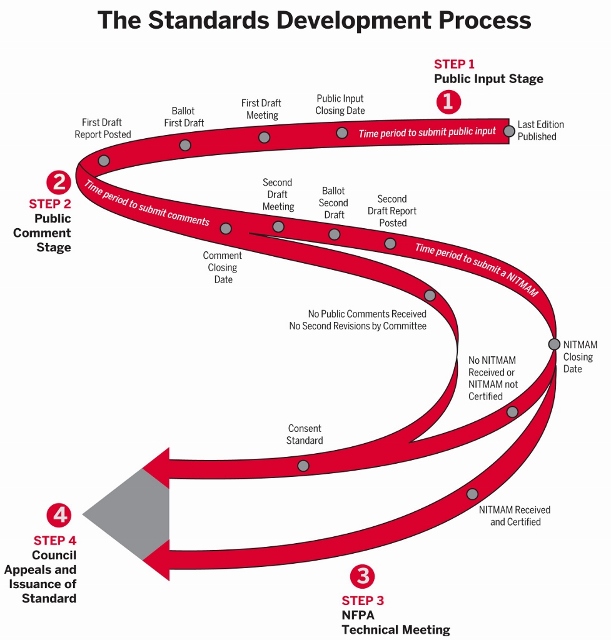
The 2025 Edition is now open for public input. Let us pick through proposals for the 2021 Edition to inform our approach to its improvement by referencing the technical committee transcripts linked below:
Public Input Report: January 12, 2023
N.B. We find committee response (accepted in principle) to Standards Michigan proposal to articulate conditions in which places of worship and libraries are used as community disaster relief support facilities. We consider this a modest “code win”.

Circling back to the ICC suite we find elevated interest in hardening community owned facilities to tornadoes, hurricane and floods and other storm related risk in the structural engineering chapters of the International Building Code.
NFPA 909: Code for the Protection of Cultural Resource Properties – Museums, Libraries, and Places of Worship | 2021 Edition
Leadership and facility managers for enterprises of this type are encouraged to contribute obtain their own (free) NFPA public participation account in order to directly participate in the 2025 revision of NFPA 909 by logging in here: https://www.nfpa.org/login.
Public consultation on the First Draft of the 2025 Edition closes January 4, 2024.
This document is also a standing item on our periodic Prometheus, Lively and Fine Arts teleconference. See our CALENDAR for the next online meeting; open to everyone.
Issue: [15-258]
Category: Fire Safety, Public Safety
Colleagues: Mike Anthony, Josh Elvove, Joe DeRosier
*See NFPA 101 Life Safety Code
Labeling of Hazardous Art Materials Act
Property Loss Prevention
LEARN MORE:
Guidelines for the Security of Rare Books, Manuscripts, and Other Special Collections, Association of College & Research Libraries, American Library Association, 50 East Huron Street, Chicago, IL 60611-2795.
“A Legal Primer on Managing Museum Collections,” Malaro, Marie, second edition 1998
“Risk and Insurance Management Manual for Libraries,” Mary Breighner and William Payton, edited by Jeanne Drewes, ALA 2005 ISBN 0-8389-8325-1.
Wisconsin Historic Building Code, Madison, WI:Wisconsin Administrative Code.