Cinnamon Banana Pancakes

Loading
loading...

Cinnamon Banana Pancakes

May 14, 2026
mike@standardsmichigan.com

No Comments

NDSU Net Position 2024: $570 M | Standards North Dakota | Capital Renewal Master Plan

CINNAMON BANANA PANCAKES

Old Main, North Dakota Agricultural College | Milton Earl Beebe, Architect

🐦 Homophily Michigan 🐦


Lifts, escalators & moving walks

May 14, 2026
mike@standardsmichigan.com

No Comments

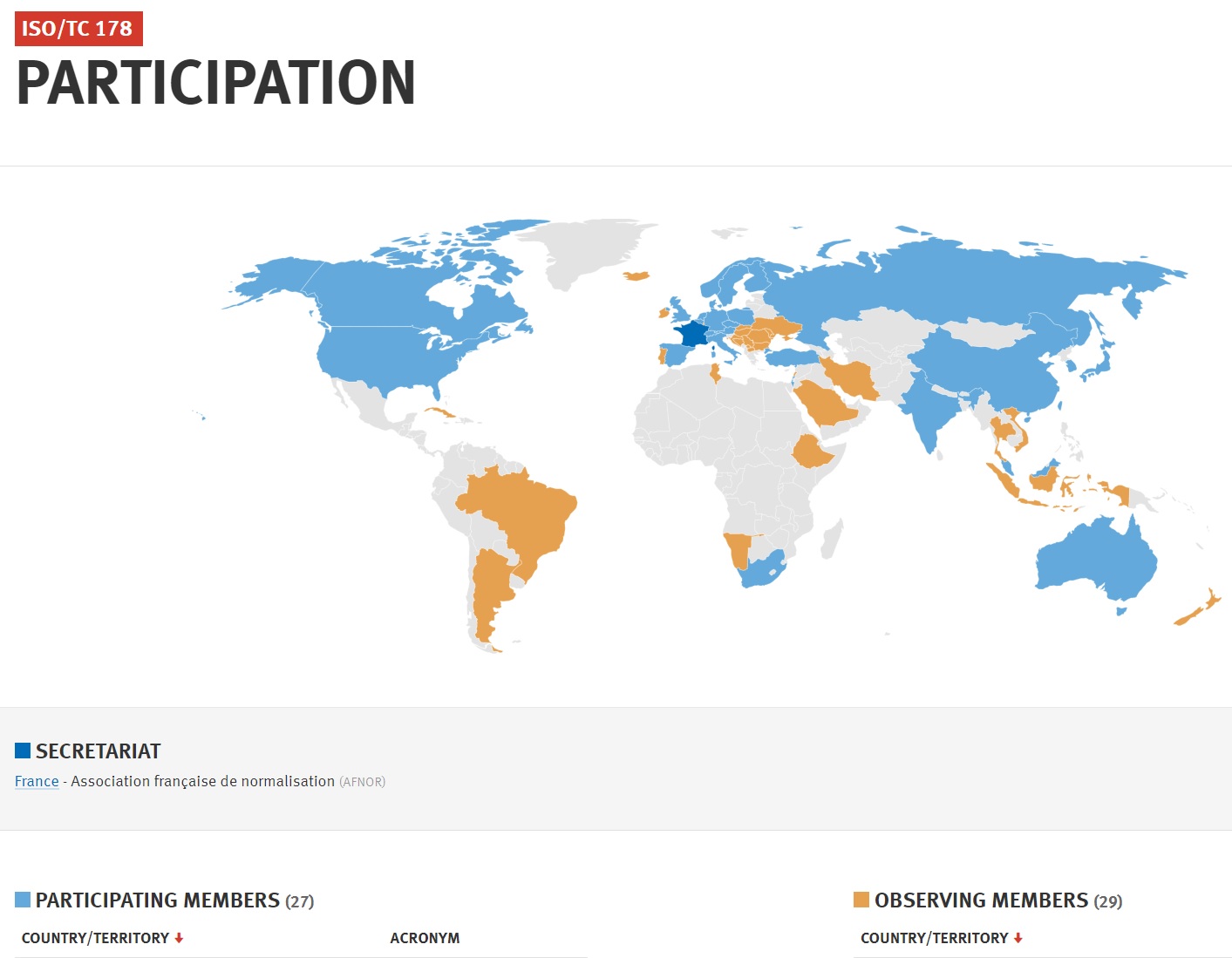
At the 1853 New York World’s Fair Elisha Otis amazed a crowd when he ordered the only rope holding the platform on which he was standing cut by an axeman. The platform fell only a few inches before coming to a halt; thus proving the safety locking mechanism he had invented will work. These elevators quickly became the type in most common usage and made vertical living possible.

Elisha Graves Otis shows his first elevator in the Crystal Palace, New York City, 1853. — Image by © Bettmann/CORBIS

Most large research universities have 100 – 1000 elevators that are highly regulated, maintained by highly regulated service personnel and inspected by highly trained conformance operatives; thus our primary interest in state-specific regulations.  We have a  secondary interest in innovation in the technology generally.  Many sustainability goals urged in academic circles  — which include greater population density in smaller areas — are challenged by mobility issues.

From the project prospectus:

“…The main feature of these products is that they are an integral part of industrial, residential or public buildings. Consequently, they should be adaptable to the technical and architectural constraints of such buildings. They must also meet the capacity requirements imposed by the intended use of the building. These products are considered as means of transport and therefore represent an essential component of the functional life of the buildings in which they are installed. Contrary to most public means of transport, they are intended for free use and operation by their passengers, which makes the integration of safety an essential concern…”

STRATEGIC BUSINESS PLAN ISO/TC178: Lifts, escalators and moving walks

The Association française de normalisation (AFNOR) is the global Secretariat.  ANSI’s US Technical Advisory Group Administrator is the American Society of Mechanical Engineers.  Stakeholders in US-based education communities are encouraged to communicate directly with ASME;  CLICK HERE.

We maintain the work products of this committee on the standing agendas of our Mechanical, Elevator and Global colloquia; open to everyone.  See our CALENDAR for the next online meeting.

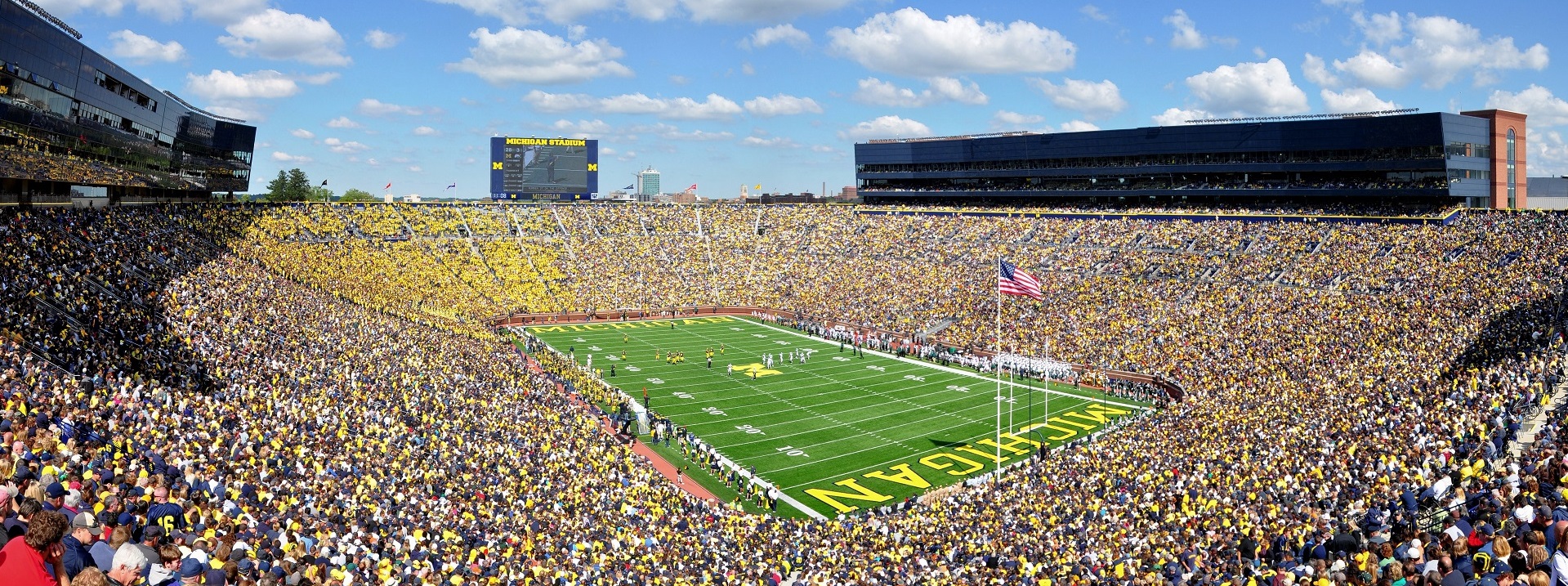
Michigan Stadium — the largest collegiate stadium in the world — has 19 elevators.

Issue: [11-50]

Category: Mechanical, Mobility, Global

Colleagues: Mike Anthony, Larry Spielvogel

Paternoster Lift Challenge

Sicurezza degli ascensori

Building Structural Maintenance

May 14, 2026
mike@standardsmichigan.com

No Comments
φ
Any multi-story building requires inspection and maintenance of structural steel framework. The steel supports the building’s weight and resists environmental forces like wind and seismic activity. Over time, corrosion, fatigue cracks, or connection failures can weaken the structure, risking collapse. Inspections detect these issues early, while maintenance, like repainting or replacing damaged parts, preserves steel integrity. For student housing, occupant safety is critical, and compliance with building codes reduces liability risks. Neglecting these practices can lead to structural failure, endangering residents and causing costly repairs or legal issues. Regular upkeep ensures safe, long-lasting buildings.
During today’s session we examine the relevant standards with proposed revisions open for public comment.  Use the login credentials at the upper right of our home page.
φ
No single universal code or standard guarantees that buildings will never crack or fail structurally, as structural integrity depends on various factors like design, materials, construction quality, environmental conditions, and maintenance. However, several widely adopted codes and standards aim to minimize the risk of structural failure and ensure safety, durability, and serviceability. These provide guidelines for design, construction, and maintenance to prevent issues like cracking or catastrophic failure.
φ

Key Codes and Standards:

International Building Code (IBC): Widely used in the United States and other regions, the IBC sets minimum requirements for structural design, materials, and maintenance to ensure safety and performance.  It references standards like ASCE 7 (Minimum Design Loads and Associated Criteria for Buildings and Other Structures) for load calculations (e.g., wind, seismic, snow).Maintenance provisions require regular inspections and repairs to address issues like cracking or deterioration.

ACI 318 (Building Code Requirements for Structural Concrete): Published by the American Concrete Institute this standard governs the design and construction of concrete structures.Includes requirements to control cracking (e.g., reinforcement detailing, concrete mix design) and ensure durability under environmental exposure.Maintenance guidelines recommend periodic inspections for cracks, spalling, or reinforcement corrosion.

AISC 360 (Specification for Structural Steel Buildings): Published by the American Institute of Steel Construction, this standard covers the design, fabrication, and erection of steel structures.  Addresses fatigue, connection design, and corrosion protection to prevent structural failure. Maintenance involves inspecting for issues like weld imperfections or coating degradation.

ASCE/SEI 41-17 (Seismic Evaluation and Retrofit of Existing Buildings):  Focuses on assessing and maintaining existing structures, particularly for seismic performance.  Guides retrofitting to address vulnerabilities like cracking or inadequate load paths.
Maintenance Standards
  • ACI 562 (Assessment, Repair, and Rehabilitation of Existing Concrete Structures):
    • Provides a framework for evaluating and repairing concrete structures to address cracking, spalling, or other damage.
    • Emphasizes regular inspections and timely repairs to maintain structural integrity.
  • NACE/SP0108 (Corrosion Control of Offshore Structures):
    • Covers maintenance practices to prevent corrosion-related failures in steel structures.
  • ASTM E2270 (Standard Practice for Periodic Inspection of Building Facades):
    • Outlines procedures for inspecting facades to identify cracking, water infiltration, or other issues that could lead to structural problems.

IEEE: Structural Health Monitoring system based on strain gauge enabled wireless sensor nodes

Steel research in the steel city

Researchers Make Wood Stronger than Steel

Concrete Matters

Rogers Building

May 14, 2026
mike@standardsmichigan.com

No Comments

The earliest installation of a passenger elevator in a university building in the United States was at the Massachusetts Institute of Technology in Cambridge.  In 1861, Otis Brothers & Co., the company founded by Elisha Graves Otis, installed the first passenger elevator in this three-story structure that housed laboratories, classrooms, and offices for faculty and students.

This early installation of a passenger elevator marked an important milestone in the history of vertical transportation on college and university campuses, and it paved the way for the adoption of elevators in other educational institutions as they expanded in size and height over time.

Department of Facilities

The History of Elevators

Standards Massachusetts

Chelsea Buns

May 13, 2026
mike@standardsmichigan.com
No Comments

These square, spiraled buns originated in early 18th-century London at the Chelsea Bun House, a royal-favored spot selling spiced, fruit-filled yeast buns to Georgian nobility. They cut a foodway path across Britain as an indulgent treat, settling at “Fitzbillies Bakery” on Trumpington Street eventually making first landfall in North America at Penn State University as “Grilled Stickies”.

https://x.com/acambridgediary/status/1901914588813066507

University of Cambridge

Food Safety Management

Pennsylvania

Onward State: “Make Your Own Grilled Stickies”

Penn State Berkey Creamery: Ye Olde College Diner Stickies

Cinnamon Roll Stickies

Dietary Supplements

May 13, 2026
mike@standardsmichigan.com
No Comments

This content is accessible to paid subscribers. To view it please enter your password below or send mike@standardsmichigan.com a request for subscription details.

Water Towers

May 13, 2026
mike@standardsmichigan.com
No Comments

This content is accessible to paid subscribers. To view it please enter your password below or send mike@standardsmichigan.com a request for subscription details.

Strawberry Oat Muffins

May 12, 2026
mike@standardsmichigan.com

No Comments

North Dakota State University Statement of Financial Position 2024: $1.894B  (Page 9)

Facilities Management

Standards North Dakota

The Extension Service, established in 1914, is a vital link between the public and NDSU, a land-grant university in Fargo, North Dakota. It delivers science-based education to enhance the lives and communities of North Dakotans through workshops, publications, events, and digital resources.

With a focus on agriculture, youth development (including 4-H), family wellness, and environmental protection, Extension agents provide unbiased, research-based information tailored to local needs. Operating in counties like Cass, Burleigh, and Dunn, the service fosters learning partnerships to empower residents in making informed decisions.

Supported by county, state, and federal funding, NDSU Extension collaborates with specialists and a national network to address economic, health, and community challenges, ensuring accessible, practical education for all ages to strengthen agriculture and community vitality across the state.

The Extension Service, established in 1914, is a vital link between the public and NDSU, a land-grant university in Fargo, North Dakota. It delivers science-based education to enhance the lives and communities of North Dakotans through workshops, publications, events, and digital resources. With a focus on agriculture, youth development (including 4-H), family wellness, and environmental protection, Extension agents provide unbiased, research-based information tailored to local needs.

NDSU Coffee Shops | NSF Food Preparation Standards

Layout mode
Predefined Skins
Custom Colors
Choose your skin color
Patterns Background
Images Background
Standards Michigan
error: Content is protected !!
Skip to content