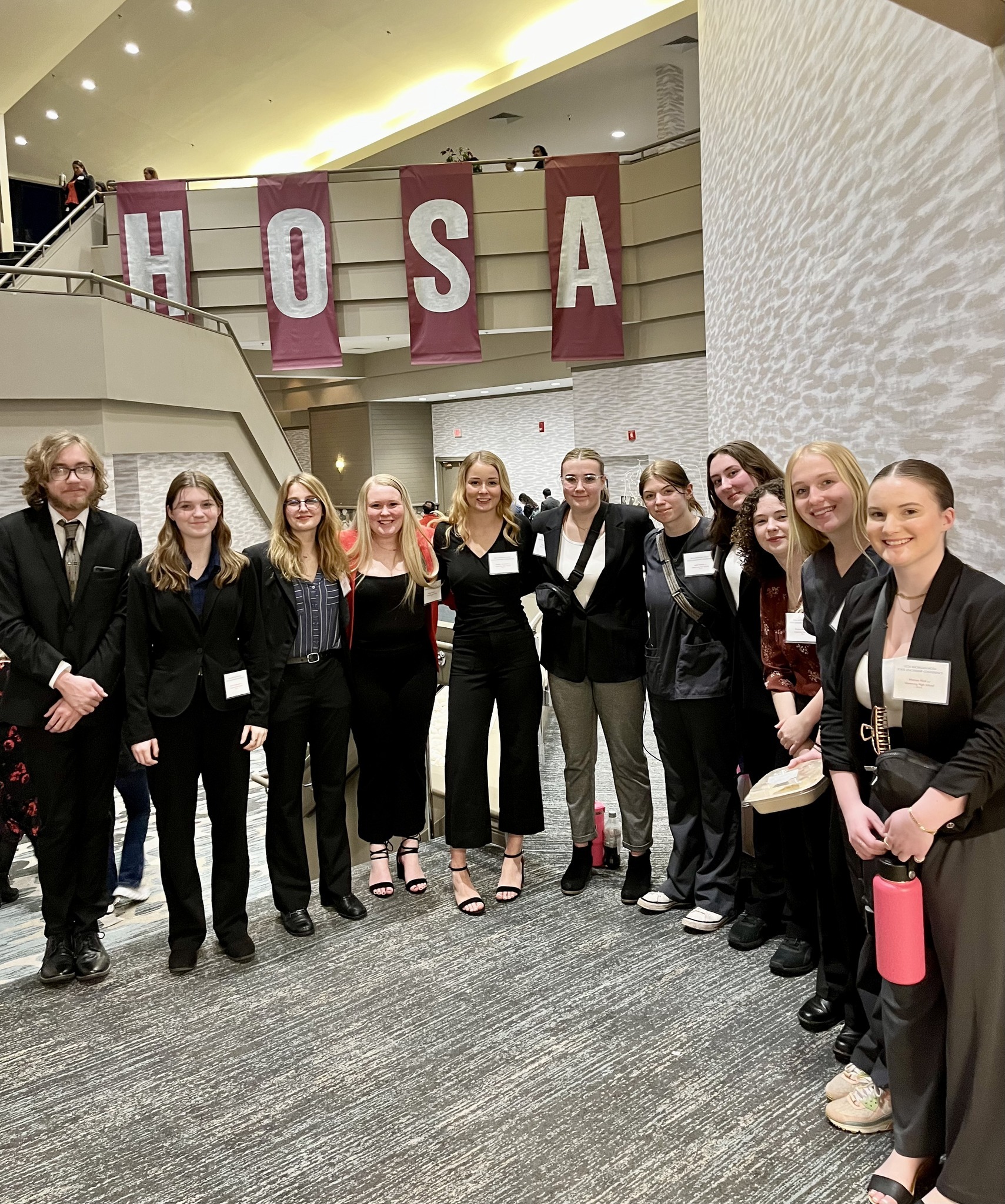
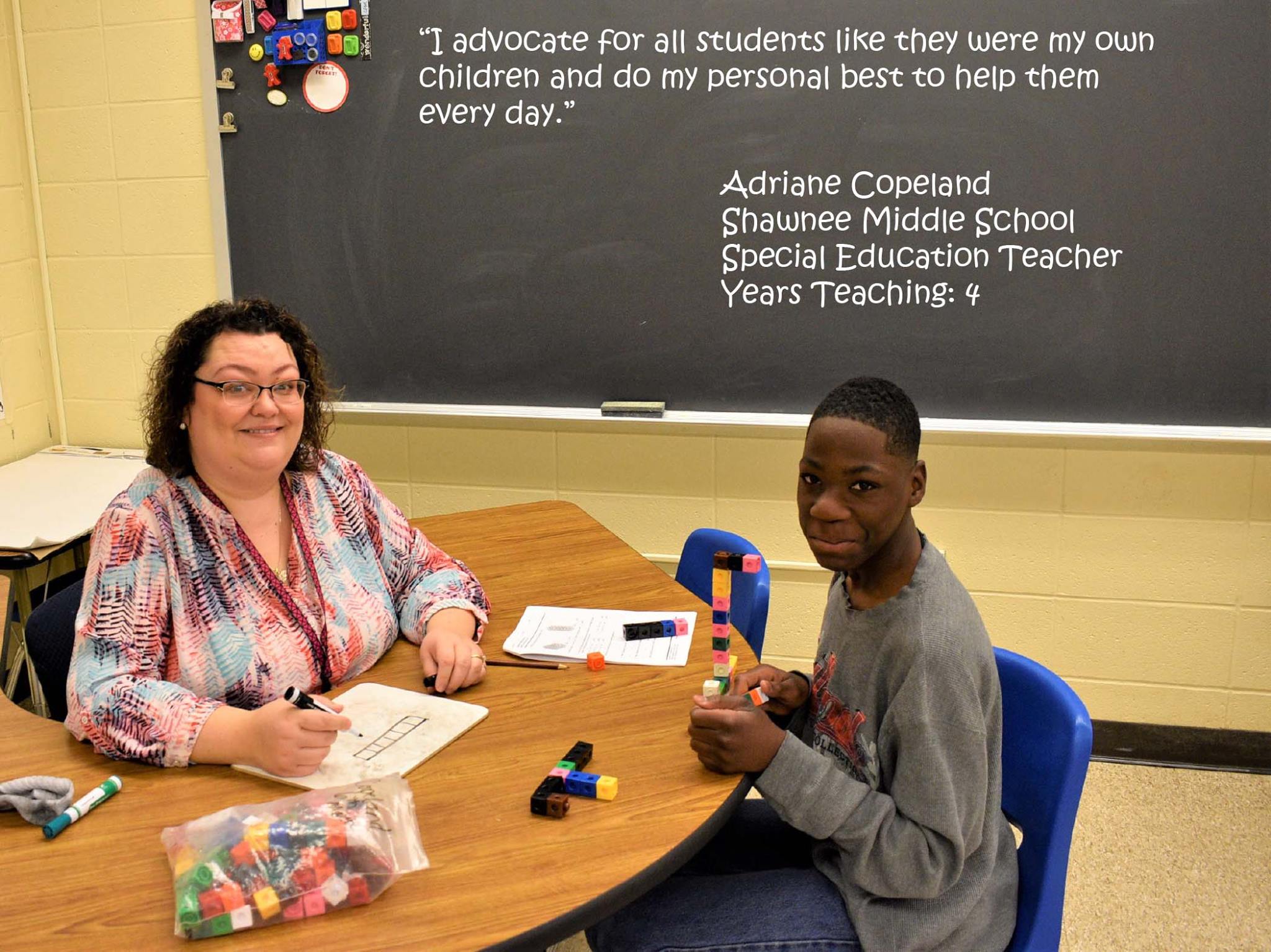
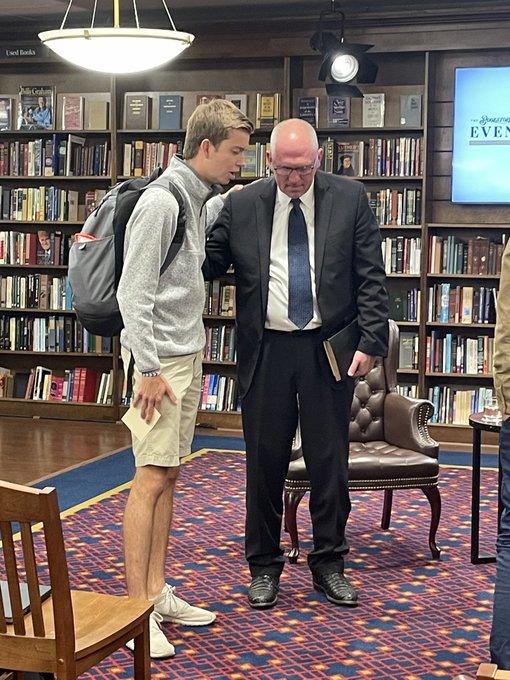
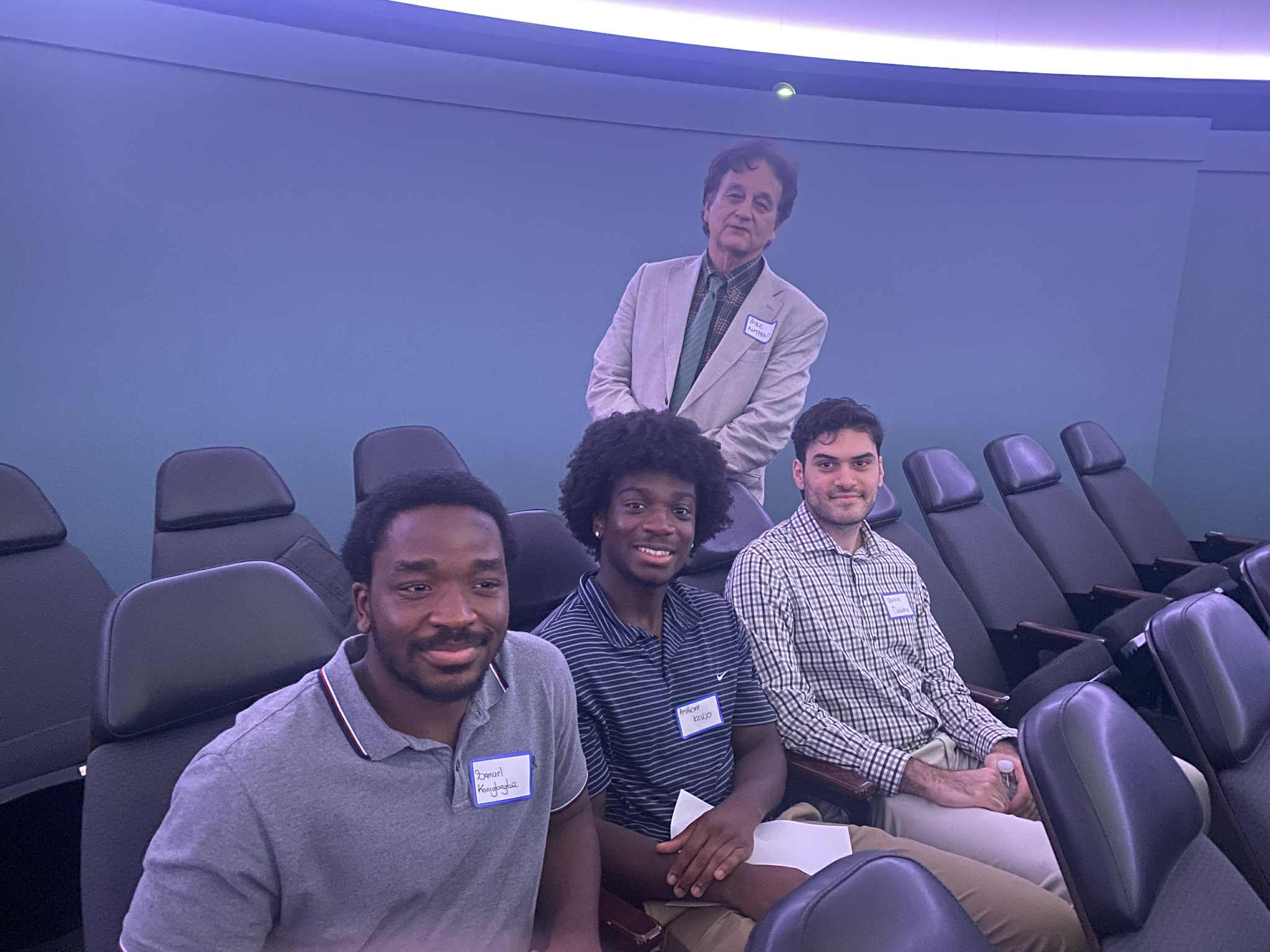
Each semester, Trinity’s Education Department hosts the Educational Commissioning and Celebration. This special event recognizes the accomplishments of program completers. While surrounded by their family and friends, program completers are honored for their hard work,… pic.twitter.com/FBq0NCxSPe
— Trinity Christian College (@TrinityTroll) July 26, 2025
Participating in Christian customs—attending services, joining youth groups, observing holidays like Christmas and Easter, praying together, volunteering, or following familiar rituals—offers young people meaningful emotional support, even when they question or reject the supernatural elements of the Bible.
These practices create a powerful sense of belonging. Youth groups offer safe spaces to build friendships, receive mentorship from caring adults, and feel genuinely valued during the stresses of adolescence—identity questions, academic pressure, social anxiety, or loneliness.
Rituals and seasonal traditions bring comfort through predictability. Familiar patterns—group singing, shared meals, candle lighting, or annual celebrations—provide structure and a feeling of continuity in an uncertain world, helping reduce anxiety.
They also encourage reflection on values, a sense of purpose, and acts of kindness toward others. Helping in community service or supporting peers boosts self-esteem, resilience, and connection.
Research consistently shows that such involvement is linked to lower rates of depression, better coping skills, and higher life satisfaction—largely because of the social bonds, routines, and meaning these customs provide, regardless of literal belief in the miraculous.
For the entirety of March, and until April 9th, we focus on preparing response to proposed changes to the IEEE 2028 National Electrical Safety Code, and to prepare fresh new ideas for the 2029 NFPA National Electrical Code (where we have had tenure on technical committees since 1999 on behalf of the second largest building construction market in the United States).
Content normally scheduled for this time of year (which traditionally tracks the cultural calendar of educational settlements everywhere) will be accessible but our daily online meetings will start with work on those two standards. To join the “code-writing and vote-getting” use the login credentials at the upper right of our home page.
The National Electrical Safety Code is normally revised on a 5-year cycle to incorporate industry and technological changes while ensuring safety for utility workers and the public.
The COVID-19 pandemic disrupted this schedule by delaying meetings, subcommittee reviews, public input processes, and collaboration due to lockdowns, remote work challenges, and resource strains.
As a result, the typical cycle extended to six years for the 2023 edition (from the 2017 edition), which was published in August 2022 and became effective February 1, 2023.
This adjustment allowed necessary time to complete revisions safely and thoroughly amid pandemic constraints.
Find all the latest ASTM standards, books, journals, technical reports, related products, and more in our interactive catalog. Use the smart navigation to find exactly what you need and order online.https://t.co/7wUF6nw0OB#ASTMpic.twitter.com/T4lr76V29Q
Based on ANSI/ASHRAE Standard 55, Thermal Environmental Conditions for Human Occupancy, this course covers the theory and principles of the standard. It is intended to bridge the gap between the design practitioner’s knowledge of the built environment and its thermal relationship… pic.twitter.com/4aCsGGUVSK
APRIL 30TH DEADLINE FOR APPLICATIONS: KATHERINE & BRYANT MATHER #SCHOLARSHIP. Available to fulltime undergraduate students completing their sophomore year of college (or later), or graduate students who are pursuing degrees especializing in cement or #concrete materials… pic.twitter.com/wQLaQqJrVj
— National Institute of Standards and Technology (@NIST) March 22, 2026
The odds of picking a perfect 64-team #MarchMadness bracket are 1 in 9.2 quintillion! Like the tournament’s history, #Basketball‘s journey is full of unforgettable moments. From peach baskets to global icons, learn how standards play a key role in the game.…
Students! It’s not too soon to start working on your applications for the Bioprocess Startup and Fountain Wars competitions! Deadline is April 15. https://t.co/lMxIVgjb54pic.twitter.com/3Mi8pcUd1x
Born in Liscannor, Ireland in 1840, submarine inventor John Phillip Holland’s designs were adopted by the U.S. Navy in 1900. Happy St. Patrick’s Day! pic.twitter.com/X4ModlH2uD
— National Institute of Standards and Technology (@NIST) March 14, 2026
Risk has always been a part of human society in general and the business world in particular. Standards to create a common language and approach to enterprise risk management aim to minimize those risks. https://t.co/R6acA2tLtx#riskmanagementpic.twitter.com/79c4FtI9mC
— ASTM Student Fans (@ASTMStudentFans) March 2, 2026
Acoustics matter more than we think—and Erik Miller-Klein wants us to listen up. In this video Erik highlights that 39% of building occupants say poor acoustics hurt their ability to work. Yet, less than 10% of U.S. projects involve acoustical designers. Erik challenges us to… pic.twitter.com/Bej3bIg7jx
Last week, the USPTO welcomed our U.K. partners to America’s Innovation Agency and participated in the U.S. – U.K. IP Working Group at the Chamber of Commerce—a bi-annual, industry-led forum hosted with the BritishAmerican Business. pic.twitter.com/dwDD3MlC6t
3.4 billion people. No plumbing. No electricity. Less than $0.05 per person per day.
That’s the scale—and the solution—behind ISO 30500, an international standard for non-sewered sanitation systems developed through global collaboration, led by ANSI and @AssociationAsn.
In honor of NIST’s 125th anniversary this year, anonymous donors commissioned a musical piece from composer @AlexCapMX to honor NIST and its contributions to science.
— National Institute of Standards and Technology (@NIST) March 4, 2026
📣 NSAI is seeking new members for our standards committees
We are establishing new technical committees on Light Gauge Steel, Mass Engineered Timber, and the National Annex for Eurocode 5 (structural fire design).
Dearest gentle reader… 💐 A bit of legal tea: “BRIDGERTON” is a federally registered trademark, protecting the name and entertainment services behind @Netflix’s hit series, so audiences know the true source of the romance, rivalry, and scandal. pic.twitter.com/xdy04zoxPu
Calling all artists! @DeptVetAffairs and the Veterans Day National Committee are now accepting submissions for the 2026 Veterans Day Poster Contest, with the winning design shared at VA facilities across the country. pic.twitter.com/nZBRqD0hkB
America’s research influence is eroding as China rapidly gains ground.
Per @Clarivate, the share of Highly Cited Researchers based in the U.S. has fallen from 53% to 37% since 2014, while China’s share rose significantly.https://t.co/4r5DWvWyQ5
At a recent USPTO Hour, America’ Branding Agency dives into how name, image, likeness (NIL) connects with branding and trademarks – on the field, off the field, and everywhere between.
Scientists have designed experiments to show that atomic clocks tick faster when moving and slower in stronger gravity. Now, a generation of precise clocks is allowing physicists to push such measurements to new extremes.
— National Institute of Standards and Technology (@NIST) February 25, 2026
This #NationalEngineersWeek, we celebrate the innovators transforming ideas into reality. We are proud to support the next generation of leaders through research funding, student scholarships, & industry innovation.
What’s your big idea?
Submit to #ASCE2027’s Call for Content – OPEN NOW through March 4, 2026 – for an opportunity to share it during the new flagship event for infrastructure professionals: https://t.co/wF0bm1HprT. pic.twitter.com/XM2OTGQHBJ
We’re throwing it back this month to our longest-selling SRM: limestone! Developed in 1910, this material was originally used by the construction industry to assess the components of its building materials. And its purpose hasn’t changed much since then. pic.twitter.com/MB5CtY4CCi
— National Institute of Standards and Technology (@NIST) February 23, 2026
From walkable skate-shoes to more comfortable fits, stronger curved blades, and balance-driven designs, patents have been sharpening ice skates for more than a century. ⛸️ pic.twitter.com/ITzdKfqanY
A person dines out ~3 times/month and orders take-out ~4.5 times/month. To assure that we can safely enjoy our meals from a commercial kitchen, NSF/ANSI 4-2025 provides #FoodProtection and #Sanitation requirements for commercial food equipment. @NSF_Intlhttps://t.co/5JkDMgWwIm
Vad är en standard? Syftet med standarder är att skapa enhetliga och transparenta rutiner som vi kan enas kring. Det ligger ju i allas intresse att höja kvaliteten, undvika missförstånd och slippa uppfinna hjulet på nytt varje gång. https://t.co/zKhgPXPdpWpic.twitter.com/oKejdKSm47
— Svenska institutet för standarder, SIS (@svenskstandard) July 15, 2019
Roses are red,
Violets are blue,
You’re like a standard reference material,
Reliable and true. pic.twitter.com/ensl7oc2iG
— National Institute of Standards and Technology (@NIST) February 14, 2026
From Lupercalia to love letters 💌 Valentine’s Day has evolved over centuries. Today, standards assure that the chocolates, cards, and flowers we exchange are safe, reliable, and responsibly produced. #ValentinesDay#ConsumerSafety❤️🌹🍫 https://t.co/r7KMB0eUPt
As fans tune in to the #WinterOlympics, a reminder that inventions like U.S. Pat. 5,784,809 improved snowboard boot flexibility and comfort, while U.S. Pat, 6,523,851 enabled touring bindings for uphill climbs and downhill runs, helping athletes shred with confidence. 🏂 pic.twitter.com/4TLDVbjvoc
Following an industry-wide job task analysis, the Healthcare Facility Design Professional (HFDP) Certification exam content outline will be updated starting March 1.
Apply by Feb. 28 to receive a 50% discount and sit for the HFDP exam March 1 – 31.
Following an industry-wide job task analysis, the Healthcare Facility Design Professional (HFDP) Certification exam content outline will be updated starting March 1.
Apply by Feb. 28 to receive a 50% discount and sit for the HFDP exam March 1 – 31.
Hut-hut-hike! 🏈 The NFL logo, Vince Lombardi Trophy design, and the terms “Super Bowl” and “Super Sunday” are all federally registered trademarks that help tell fans who’s bringing them “The Big Game.” pic.twitter.com/gJDxdqqm7J
The newly revised ANSI/ISEA Z87.1-2025 sets the benchmark for occupational and educational #Eye and #Face protection. 🥽 The 2025 edition provides clearer guidance on performance, testing, and marking, which helps organizations select the right protection for specific hazards and… pic.twitter.com/tkMa03s4bO
— National Institute of Standards and Technology (@NIST) February 6, 2026
The newly revised ANSI/ISEA Z87.1-2025 sets the benchmark for occupational and educational #Eye and #Face protection. 🥽 The 2025 edition provides clearer guidance on performance, testing, and marking, which helps organizations select the right protection for specific hazards and… pic.twitter.com/tkMa03s4bO
APPA members kept the collaborative learning going at this year’s offered courses:💡 Institute for Facilities Management, 🎒 Leadership Academy, and 💻 T3. pic.twitter.com/g8SzfMfQFH
— APPA – Leadership in Educational Facilities (@APPA_facilities) February 5, 2026
SAE Scholarships are dedicated to developing the future engineering workforce. Apply today for one (or more!) of the many scholarships we offer. Applications will be accepted all of February. Don’t delay! https://t.co/lv8eD79Ib8pic.twitter.com/M9Ge7ZLC1w
First invented by television producer Tony Verna in 1963, instant replay technology helps ensure fans see the biggest moments of the big game. Although he did not receive one for instant replay, Verna sought patents for similar inventions later in life. pic.twitter.com/hR7LwRXSI4
Last week, CEN and CENELEC took part in Open Source Week, engaging with the vibrant and diverse open source ecosystem. Our colleagues Amirifar Nooshin and Yannis Chourmouziadis participated in the Open Source Policy Summit where they had constructive discussions.#TrustStandardspic.twitter.com/MxwGDFzvZ1
ASHRAE is honored to welcome and host so many esteemed VIP guests at the Leadership Luncheon. This group truly represents ASHRAE’s continued commitment to collaboration with organizations throughout the built environment.#MyASHRAEpic.twitter.com/DCl8QIiS28
Winter storms are on the way; #Corrosion is a major concern. From bridges, and utility equipment, winter’s salty conditions can hasten #Rust & degradation. ASTM B117-26 helps evaluate materials meant to withstand harsh, corrosive environments. @ASTMIntlhttps://t.co/qAzr3TTMXR
ASHRAE announces nominees for the 2026-27 Slate of Officers and Directors. Members will vote on the nominees via electronic ballot in May, including who will serve as ASHRAE President for the 2026-27 Society year. To see the full list of nominees, visit https://t.co/lJdqfCz264.… pic.twitter.com/UJnF0nC2bY
Preservation of old standards may be useful. In converting material into an ASTM standard, form, style, terminology are areas that require particular attention. Here, we address the rationale for offering these versions of standards, steps taken to make them conform to ASTM… pic.twitter.com/ZT1LWgxqLX
I scream. You scream. We all scream for ICE CREAM CONES.🍦On this day in 1924, Carl R. Taylor patented an ice cream cone rolling machine (No. 1,481,813), automating the process of shaping flat wafers into perfectly formed cones. pic.twitter.com/adaBY2f3xV
🗣️ “AI chatbots with hallucinate around 27% of the time, so we need to ensure employees have the AI literacy required to critically consider the output AI delivers” Laura Bishop PhD, BSI AI and Cybersecurity Sector Lead#BSI#TrustInAI#AIGovernance#AIStrategpic.twitter.com/0MyIpozyiR
Great turnout at the X12 standing Meeting. Especially, given the difficult weather across the country. A wonderful spread of food, as well. Great to see everyone and certainly appreciate the participation. pic.twitter.com/XlbODYcY40
Congrats to Scott Osborn, PE, retired professor, biological and agricultural engineering, University of Arkansas, for being named an ASABE Fellow! Osborn was selected for in teaching the next generation of engineers, invention and innovation in systems. https://t.co/UFTWhIrS2ipic.twitter.com/Q95ufpymMI
The 2026 ASHRAE HVAC&R Student Paper Competition concluded on January 22nd with presentations from four finalists. The four-person judging panel selected Felix Ekuful as the winner of the 2026 competition. His research focus is on developing advanced control strategies to improve… pic.twitter.com/RDbLiLopIK
NSAI has launched the public consultation for S.R. 66:2015 +A1:202X Standard Recommendation providing guidance to wastewater treatment products in conformance with the EN 12566 series of standards.
Just about every airspeed sensor in the United States can trace its calibration back, either directly or indirectly via calibration laboratories, to a wind tunnel on NIST’s Gaithersburg, Maryland, campus.
🤝Full house for the biannual Technical Body Officers Seminar focusing on key aspects of the standardization system, this day was again a valuable opportunity to exchange experiences and best practices with peers, strengthening our collective technical leadership. #TrustStandardspic.twitter.com/K2wujDboS7
If you design or operate health care facilities, Standard 170 sets the minimum.
ANSI/ASHRAE/ASHE Standard 170 defines the minimum ventilation requirements for health care facilities and is developed in partnership with FGI and ASHE for adoption by code-enforcing agencies.
First week of classes and it’s good to see our common room blackboards covered in math again! Welcome home to all our mathematicians! #harvardmathpic.twitter.com/Jm7OauGA6r
— Harvard Department of Mathematics (@HarvardMath) September 3, 2025
The central element in any educational space is the writing board; sometimes a “blackboard”, “chalkboard” or a “dry-erase board” — all used for teaching. During today’s session we survey the product and the installation standards with special attention to optics, illumination, mounting heights and distances.
EN 14434: Writing boards for educational institutions.The primary European standard specifically for school whiteboards and chalkboards. Covers safety requirements (no sharp edges, stable frames, non-toxic surfaces), magnetic performance, writability/erasure, durability, fire resistance, and hygiene (easy-to-clean surfaces).
§
ASTM F2957-13 (2021): Standard Specification for Whiteboards.American standard for dry-erase whiteboards. Defines requirements for surface gloss, erasability, stain resistance, scratch resistance, and color fastness.
§
Some state level procurement and installation standards — Kansas and Connecticut, for example — are de facto standards for visibility, accessibility and mounting hardware.
Use the login credentials at the upper right of our home page.
School stuff from reindeers to guest readers. We’re having a blast in 2nd grade! 🫶🏼 pic.twitter.com/TnRaWXHRC0
Starting 2026 we will organize our weekly syllabi in a less structured but in a more time sensitive manner. Stay tuned.
100 years ago, the Supreme Court made it clear in Pierce v. Society of Sisters: raising children is the responsibility of parents, not the government.
100 years later, the Trump Administration remains committed to protecting parental rights. pic.twitter.com/yduXdLShty
— Secretary Linda McMahon (@EDSecMcMahon) June 1, 2025
“…O chestnut tree;, great rooted blossomer, Are you the leaf, the blossom or the bold? O body swayed to music, O brightening glance, How can we know the dancer from the dance?”
We sweep through the world’s three major time zones; updating our understanding of the literature at the technical foundation of education community safety and sustainability in those time zones 24 times per day. We generally eschew “over-coding” web pages to sustain speed, revision cadence and richness of content as peak priority. We do not provide a search facility because of copyrights of publishers and time sensitivity of almost everything we do.
Our daily colloquia are typically doing sessions; with non-USA titles receiving priority until 16:00 UTC and all other titles thereafter. We assume policy objectives are established (Safer-Simpler-Lower-Cost, Longer-Lasting). Because we necessarily get into the weeds, and because much of the content is time-sensitive and copyright protected, we usually schedule a separate time slot to hammer on technical specifics so that our response to consultations are meaningful and contribute to the goals of the standards developing organization and to the goals of stewards of education community real assets — typically the largest real asset owned by any US state and about 50 percent of its annual budget.
1. Leviathan. We track noteworthy legislative proposals in the United States 118th Congress. Not many deal specifically with education community real assets since the relevant legislation is already under administrative control of various Executive Branch Departments such as the Department of Education.
We do not advocate in legislative activity at any level. We respond to public consultations but there it ends.
We track federal legislative action because it provides a stroboscopic view of the moment — the “national conversation”– in communities that are simultaneously a business and a culture. Even though more than 90 percent of such proposals are at the mercy of the party leadership the process does enlighten the strengths and weakness of a governance system run entirely through the counties on the periphery of Washington D.C. It is impossible to solve technical problems in facilities without sensitivity to the zietgeist that has accelerated in education communities everywhere.
Michigan Great Lake Quilt
Michigan can 100% water and feed itself. Agriculture is its second-largest industry.
Today at 16:00 UTC we review best practice for engineering and installing the point of common coupling between an electrical service provider its and an purchasing — under the purview of NEC CMP-10.
Use the login credentials at the upper right of our home page.
The relevant passages of the National Electrical Code are found in Article 230 and Article 495. We calibrate our attention with the documents linked below. These are only representative guidelines:
We are in the process of preparing new (original, and sometimes recycled) proposals for the 2026 National Electrical Code, with the work of Code Panel 10 of particular relevance to today’s topic:
First Draft Meetings: January 15-26, 2024 in Charleston, South Carolina
Electrical meter billing standards are generally regulated at the state or local level, with guidelines provided by public utility commissions or similar regulatory bodies. These tariff sheets are among the oldest in the world. There are some common standards for billing and metering practices, including:
Meter Types: There are various types of meters used to measure electricity consumption, including analog (mechanical) meters, digital meters, and smart meters. Smart meters are becoming more common and allow for more accurate and real-time billing.
Billing Methodology:
Residential Rates: Most residential customers are billed based on kilowatt-hours (kWh) of electricity used, which is the standard unit of energy.
Demand Charges: Some commercial and industrial customers are also subject to demand charges, which are based on the peak demand (the highest amount of power drawn at any one point during the billing period).
Time-of-Use Rates: Some utilities offer time-of-use (TOU) pricing, where electricity costs vary depending on the time of day or season. For example, electricity may be cheaper during off-peak hours and more expensive during peak hours.
Meter Reading and Billing Cycle:
Monthly Billing: Typically, customers receive a bill once a month, based on the reading of the electricity meter.
Estimation: If a meter reading is not available, some utilities may estimate usage based on historical patterns or average usage.
Smart Meter Readings: With smart meters, some utilities can provide daily or even hourly usage data, leading to more precise billing.
Meter Standards: The standards for electrical meters, including their accuracy and certification, are set by national organizations like the National Institute of Standards and Technology (NIST) and the American National Standards Institute (ANSI). Meters must meet these standards to ensure they are accurate and reliable.
Utility Commission Regulations: Each state has a utility commission (such as the California Public Utilities Commission, the Texas Public Utility Commission, etc.) that regulates the rates and billing practices of electricity providers. These commissions ensure that rates are fair and that utilities follow proper procedures for meter readings, billing cycles, and customer service
Large University “Utilities”. Large colleges and universities that generate and distribute some or all of their electric power consumption have developed practices to distribute the cost of electricity supply to buildings. We will cover comparative utility billing practices in a dedicated colloquium sometime in 2025.
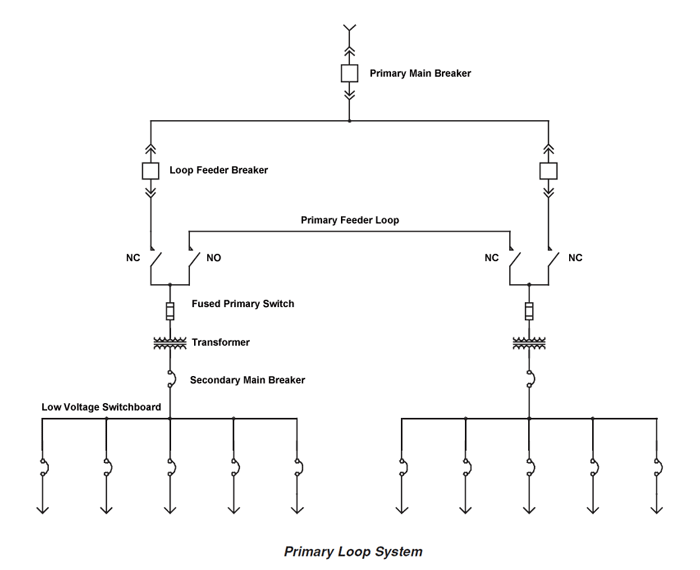
College and university campuses distribute electric energy in tranches of 10 to 250 megawatts; typically at voltages above 1000 VAC and are generally regarded as load-side services (or regulated utility customers). Two fairly stable sections of the National Electrical Code set the standard of care for these systems — Part III of Article 110 and Article 495.
We will examine them during today’s High Voltage Electric Service colloquium.
We collaborate closely with the IEEE Education & Healthcare Facilities Committee which meets online 4 times per month in European and American time zones. Ahead of the August 2024 public comment deadline we will examine transcripts of technical action on this topic:
We examine the proposals for the 2028 National Electrical Safety Code; including our own. The 2026 National Electrical Code where sit on CMP-15 overseeing health care facility electrical issues should be released any day now. We have one proposal on the agenda of the International Code Council’s Group B Committee Action Hearings in Cleveland in October. Balloting on the next IEEE Gold Book on reliability should begin.
FERC Open Meetings | (Note that these ~60 minute sessions meet Sunshine Act requirements. Our interest lies one or two levels deeper into the technicals underlying the administrivia)
Department of Electrical Engineering, National Taiwan University of Science and Technology, Taipei City, Taiwan
First Draft Proposals contain most of our proposals — and most new (original) content. We will keep the transcripts linked below but will migrate them to a new page starting 2025:
N.B. We are in the process of migrating electric power system research to the Institute of Electrical and Electronics Engineers bibliographic format.
Recap of the May meetings of the Industrial & Commercial Power Systems Conference in Las Vegas. The conference ended the day before the beginning of the 3-day Memorial Day weekend in the United States so we’re pressed for time; given all that happened.
We can use our last meeting’s agenda to refresh the status of the issues.
We typically break down our discussion into the topics listed below:
Codes & Standards:
While IAS/I&CPS has directed votes on the NEC; Mike is the only I&CPS member who is actually submitting proposals and responses to codes and standards developers to the more dominant SDO’s — International Code Council, ASHRAE International, UL, ASTM International, IEC & ISO. Mike maintains his offer to train the next generation of “code writers and vote getters”
Performance-based building premises feeder design has been proposed for the better part of ten NEC revision cycles. The objective of these proposals is to reduce material, labor and energy waste owed to the branch and feeder sizing rules that are prescriptive in Articles 210-235. Our work in service and lighting branch circuit design has been largely successful. A great deal of building interior power chain involves feeders — the network upstream from branch circuit panels but down stream from building service panel.
Our history of advocating for developing this approach, inspired by the NFPA 101 Guide to Alternative Approaches to Life Safety, and recounted in recent proposals for installing performance-based electrical feeder design into the International Building Code, appears in the link below:
Access to this draft paper for presentation at any conference that will receive it — NFPA, ICC or IEEE (or even ASHRAE) will be available for review at the link below:
NFPA 110 Definitions of Public Utility v. Merchant Utility
NFPA 72 “Definition of Dormitory Suite” and related proposals
Buildings:
Renovation economics, Smart contracts in electrical construction. UMich leadership in aluminum wiring statements in the NEC should be used to reduce wiring costs.
This paper details primary considerations in estimating the life cycle of a campus medium voltage distribution grid. Some colleges and universities are selling their entire power grid to private companies. Mike has been following these transactions but cannot do it alone.
Variable Architecture Multi-Island Microgrids
District energy:
Generator stator winding failures and implications upon insurance premiums. David Shipp and Sergio Panetta. Mike suggests more coverage of retro-fit and lapsed life cycle technicals for insurance companies setting premiums.
Reliability:
Bob Arno’s leadership in updating the Gold Book.
Mike will expand the sample set in Table 10-35, page 293 from the <75 data points in the 1975 survey to >1000 data points. Bob will set up meeting with Peyton at US Army Corps of Engineers.
Reliability of merchant utility distribution systems remains pretty much a local matter. The 2023 Edition of the NESC shows modest improvement in the vocabulary of reliability concepts. For the 2028 Edition Mike submitted several proposals to at least reference IEEE titles in the distribution reliability domain. It seems odd (at least to Mike) that the NESC committees do not even reference IEEE technical literature such as Bob’s Gold Book which has been active for decades. Mike will continue to propose changes in other standards catalogs — such as ASTM, ASHRAE and ICC — which may be more responsive to best practice assertions. Ultimately, improvements will require state public utility commission regulations — and we support increases in tariffs so that utilities can afford these improvements.
Mike needs help from IEEE Piscataway on standard WordPress theme limitations for the data collection platform.
Mike will update the campus power outage database.
Healthcare:
Giuseppe Parise’s recent work in Italian power grid to its hospitals, given its elevated earthquake risk. Mike’s review of Giuseppe’s paper:
Mike and David Shipp will prepare a position paper for the Harvard Healthcare Management Journal on reliability advantages of impedance grounding for the larger systems.
The Internet of Bodies
Forensics:
Giuseppe’s session was noteworthy for illuminating the similarity and differences between the Italian and US legal system in handling electrotechnology issues.
Mike will restock the committee’s library of lawsuits transactions.
Ports:
Giuseppe updates on the energy and security issues of international ports. Mike limits his time in this committee even though the State of Michigan has the most fresh water international ports in the world.
A PROPOSED GUIDE FOR THE ENERGY PLAN AND ELECTRICAL INFRASTRUCTURE OF A PORT
Other:
Proposals to the 2028 National Electrical Safety Code: Accepted Best Practice, exterior switchgear guarding, scope expansion into ICC and ASHRAE catalog,
Apparently both the Dot Standards and the Color Books will continue parallel development. Only the Gold Book is being updated; led by Bob Arno. Mike admitted confusion but reminded everyone that any references to IEEE best practice literature in the NFPA catalog, was installed Mike himself (who would like some backup help)
Mike assured Christel Hunter (General Cable) that his proposals for reducing the 180 VA per-outlet requirements, and the performance-base design allowance for building interior feeders do not violate the results of the Neher-McGrath calculation used for conductor sizing. All insulation and conducting material thermal limits are unaffected.
Other informal discussions centered on the rising cost of copper wiring and the implications for the global electrotechnical transformation involving the build out of quantum computing and autonomous vehicles. Few expressed optimism that government ambitions for the same could be met in any practical way.
Are students avoiding use of Chat GPT for energy conservation reasons? Mike will be breaking out this topic for a dedicated standards inquiry session:
We have advocated education community risk management concepts since 2007; primarily in NFPA Standard 1300 — Standard on Community Risk Assessment and Community Risk Reduction Plan Development (formerly NFPA 1600). The content of this title is close-coupled with FEMA’s National Incident Management System.
Recently the National Fire Protection Association Standards Council moved to consolidate its community risk management titles as described below.
“NFPA 1660 is in a custom cycle due to the Emergency Response and Responder Safety Document Consolidation Plan (consolidation plan) as approved by the NFPA Standards Council. As part of the consolidation plan, NFPA 1660 (combining Standards NFPA 1600, NFPA 1616, and NFPA 1620) is open for public input with a closing date of November 13, 2020.”
Discussion about school and university security are noteworthy.
As described on its title page, this product will be reconfigured as NFPA 1660 Standard on Community Risk Assessment, Pre-Incident Planning, Mass Evacuation, Sheltering, and Re-entry Programs. The title suggests that NFPA 1660 is being developed to meet market need for conformance and teaching tools. You may track movement in the concepts in the links below; many of them administrative:
NFPA 1660 will likely require one or two more revision cycles to stabilize
Public consultation on the Second Draft (NITMAM) closes September 9th. You may submit public input directly to NFPA by CLICKING HERE. We will have hosted several Security colloquia ahead of this deadline during which we will drill into technical and policy specifics.
University of Tennessee
We maintain this title on our periodic Security, Disaster and Risk colloquia during which time our thoughts on the economic burden of the expanding constellation of risk management standards will be known. Thoughts that we are reluctant to write. See our CALENDAR for the next online meeting; open to everyone.
Issue: [13-58] and [18-151]
Category: Security, Risk
Colleagues: Mike Anthony, Robert G. Arno, Jim Harvey, Richard Robben
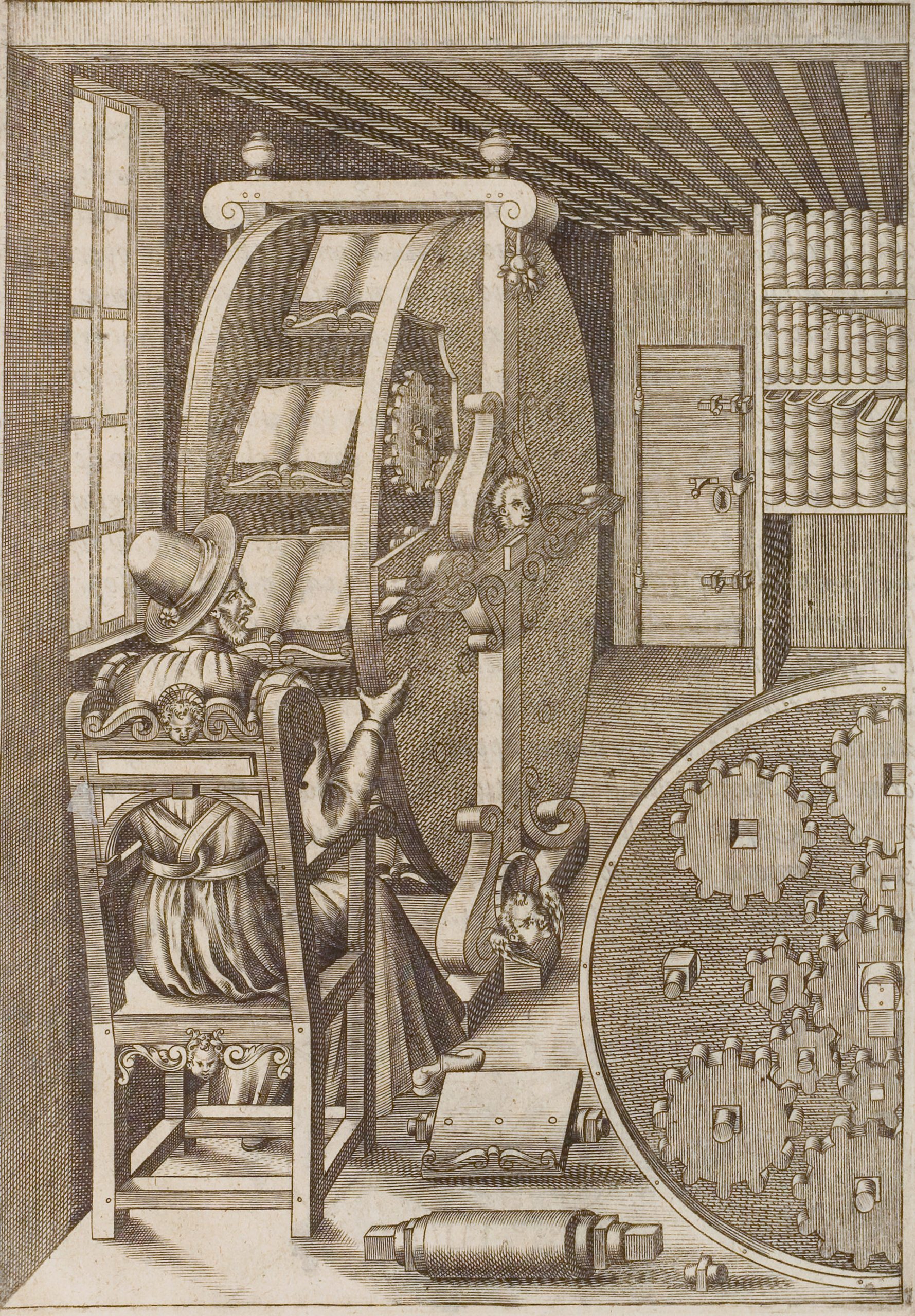
The bookwheel, also known as a revolving bookcase, was invented by an Italian scholar and polymath named Agostino Ramelli. Ramelli was born in 1531 in Ponte Tresa, a town in present-day Italy, and he lived during the Renaissance period.
Ramelli’s invention, described in his work titled “Le diverse et artificiose machine del capitano Agostino Ramelli” (The Various and Ingenious Machines of Captain Agostino Ramelli), was published in 1588. This book showcased a collection of 195 mechanical devices.
Ramelli’s work contributed to the growing interest in mechanical inventions during the Renaissance period. His bookwheel design remains a fascinating example of early engineering and ingenuity, highlighting the desire for knowledge and practical solutions in the pursuit of learning and scholarly endeavors.
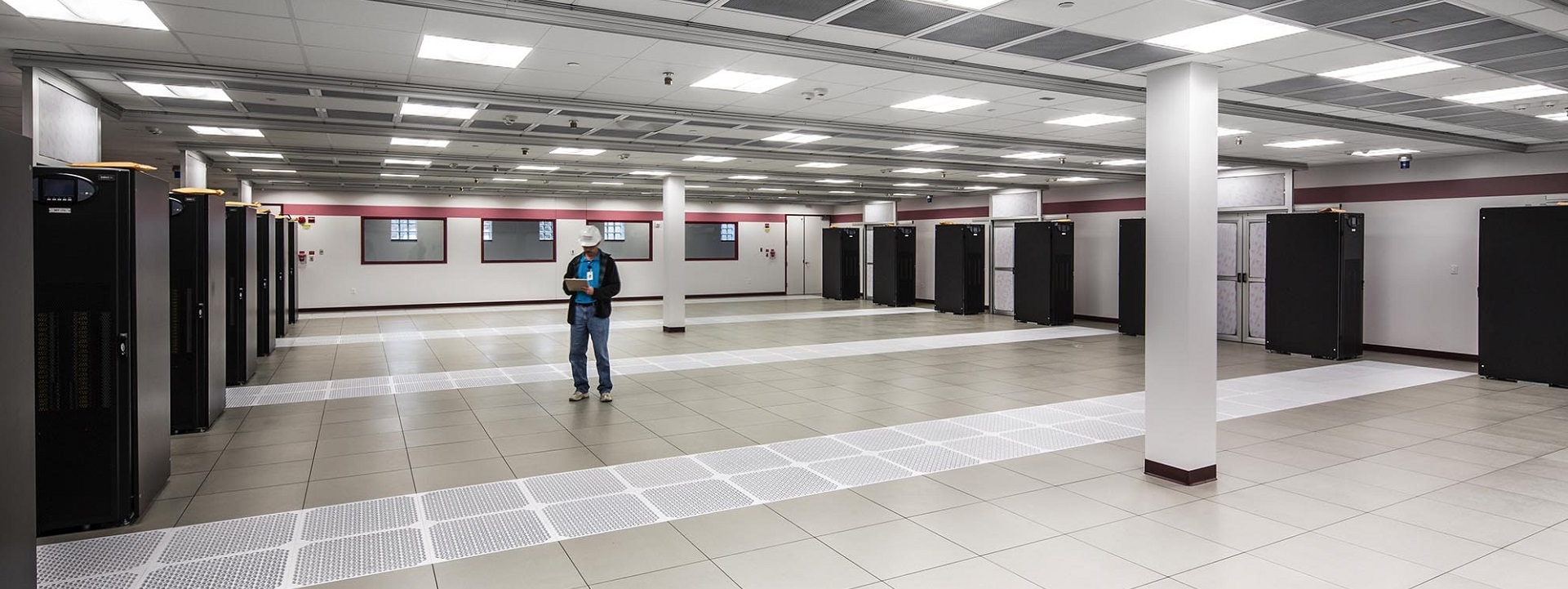
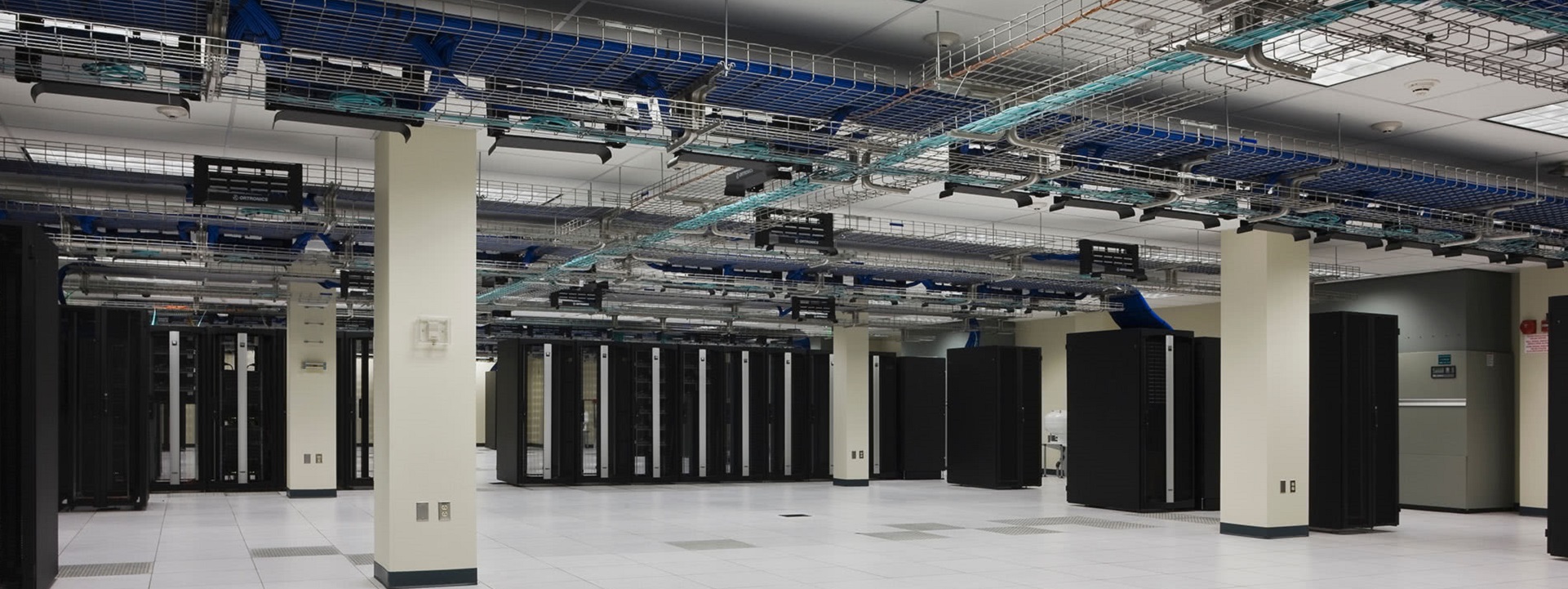
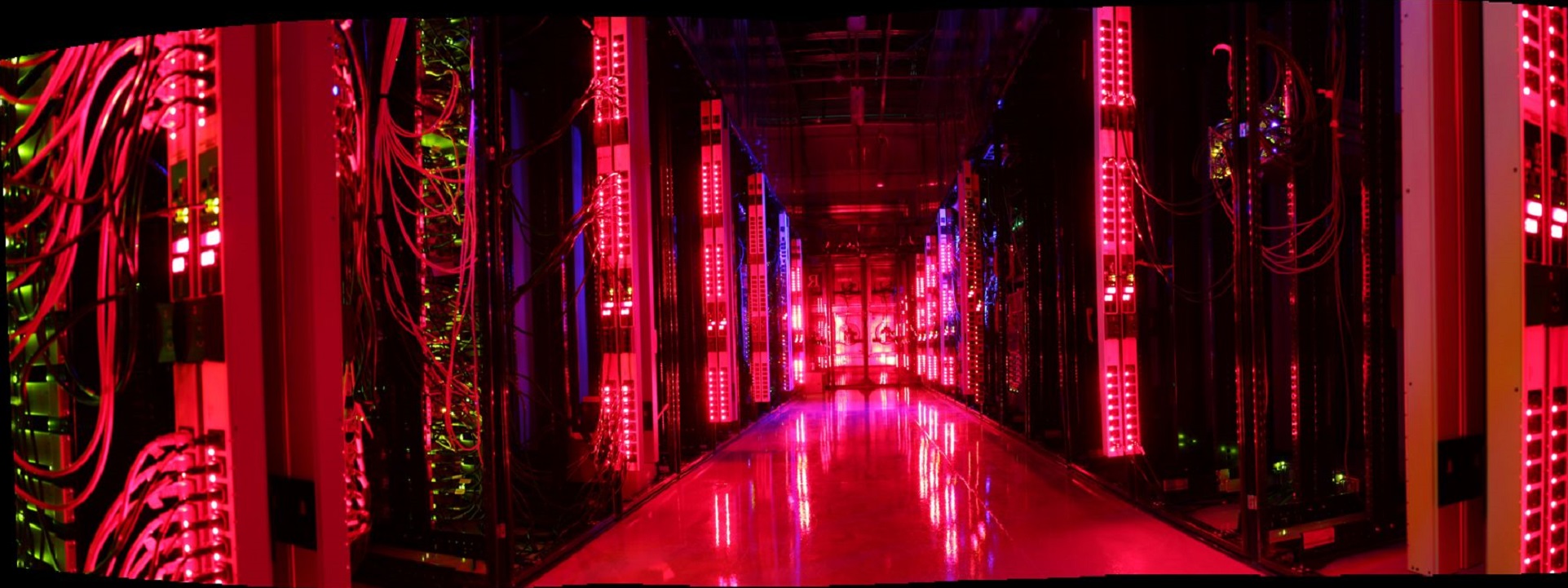
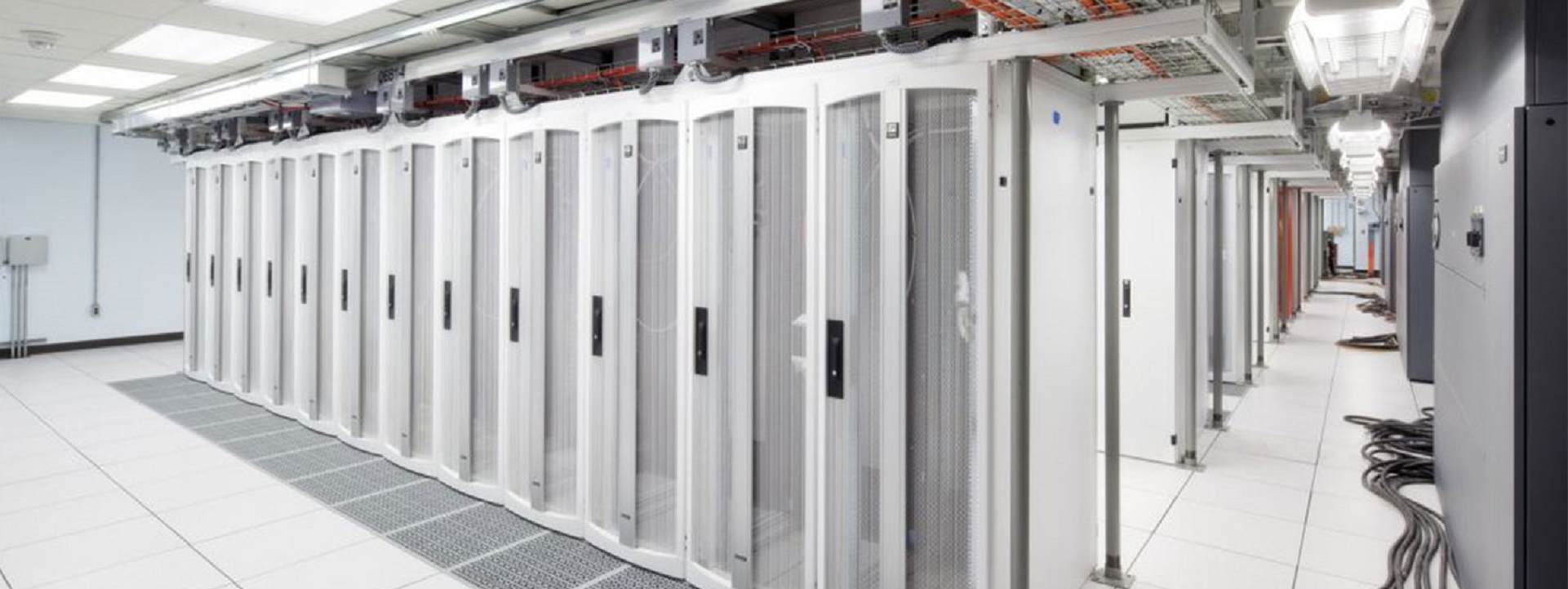
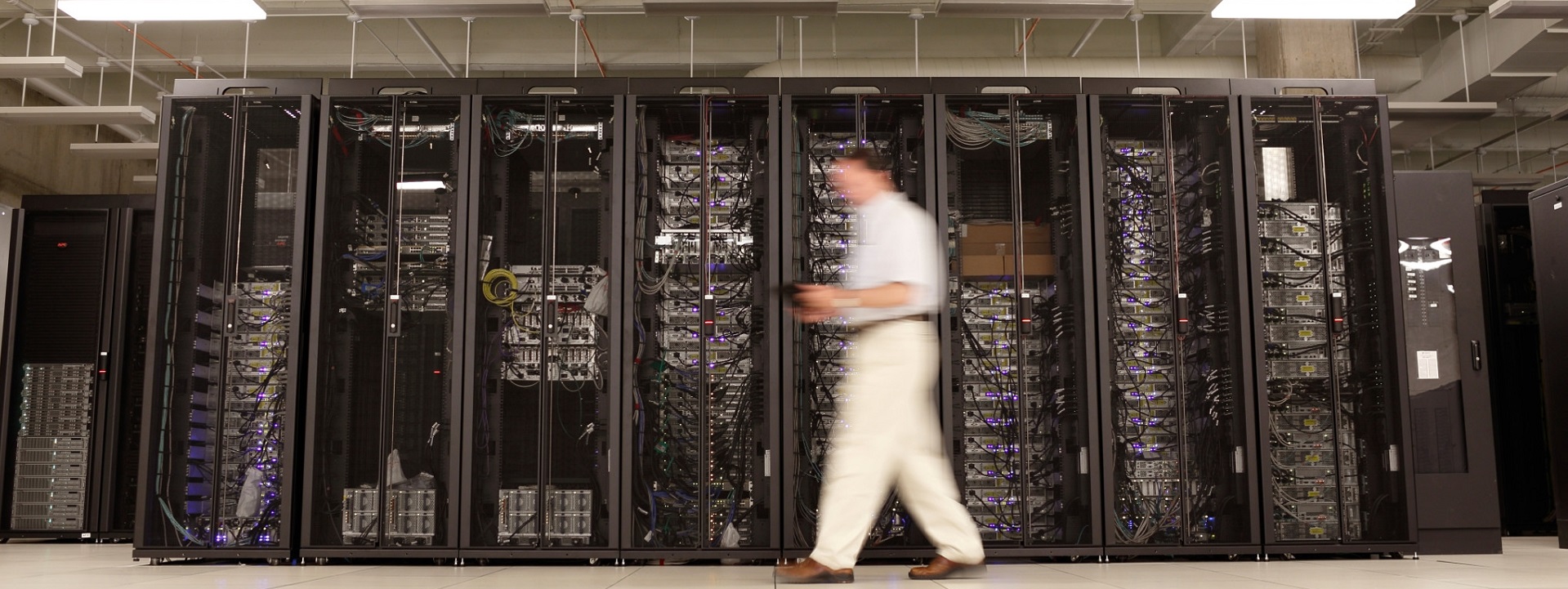
The standard of care for wiring safety for data centers — a continually expanding presence in education communities even before the pandemic — is established in National Electrical Code Articles 645 (Information Technology Equipment), Article 646 (Modular Data Centers) and Article 647 (Sensitive Electronic Equipment). You will notice that these articles cover the topic comprehensively and bear the imprint of competing Producer-Interest groups. There are no User-Interest representatives on Code-Making Panel 12 that represent the final fiduciary in education communities even though education communities are one of the largest markets for information and communication technology systems.
Transcripts of technical committee action during the 2026 revision (CMP-16) are linked below because they will inform our recommendations for the 2026 National Electrical Code. Keep in mind that the Technical Correlating Committee is moving content around the Code in order to make the NEC easier to use by experts.
The transcripts of technical committee action during the 2023 revision are linked below because they will inform our recommendations for the 2026 National Electrical Code.
The issues that have been in play in these articles of the NEC are familiar to veterans of the “food fight” – occupancy classification, cable specifications, fire protection, ventilation, energy consumption, surge protection, licensing of engineers. etc. We look for market-making excesses by opposing stakeholders that seek to limit their risk while raising the (financial) risk to education communities.
We encourage our colleagues to participate in the NFPA code development process directly. We also encourage stakeholders in education communities — students, faculty and staff to join us during any of the teleconferences we co-host with the IEEE Education & Healthcare Facilities Committee 4 times monthly in both European and American time zones. See our CALENDAR for the next online meeting.
New update alert! The 2022 update to the Trademark Assignment Dataset is now available online. Find 1.29 million trademark assignments, involving 2.28 million unique trademark properties issued by the USPTO between March 1952 and January 2023: https://t.co/njrDAbSpwBpic.twitter.com/GkAXrHoQ9T