Limits of Inspection Authority

Loading
loading...

Limits of Inspection Authority

February 1, 2026
mike@standardsmichigan.com
No Comments

“The Dressmaking Factory” 1914 | Charles Ginnar
@Tate

Building inspection authority refers to the governmental power granted to building officials and inspectors to enforce building codes, conduct site visits, review plans, issue permits, and ensure construction complies with safety, structural, zoning, and environmental standards.

Its significance lies primarily in protecting public safety by identifying hazards, preventing structural failures, fire risks, and health threats from substandard work. This authority mandates minimum quality levels, reducing risks of collapses, injuries, or fatalities—lessons reinforced by historical disasters.

It promotes accountability among designers, builders, and owners, ensuring durability, energy efficiency, and accessibility while supporting sustainable urban development. By halting non-compliant projects or requiring fixes, inspectors safeguard communities, preserve property values, and minimize long-term costs from repairs or liabilities.

Ultimately, this regulatory framework upholds trust in the built environment, balancing innovation with life-protecting oversight for residents, workers, and the public.

Here are the primary **ANSI-accredited standards developers that develop and publish model building codes, related consensus standards for construction safety, inspection, structural integrity, energy efficiency, plumbing, fire safety, and similar areas incorporated into or referenced into public law:

– **International Code Council (ICC)** — Develops the International Building Code (IBC), International Residential Code (IRC), International Fire Code (IFC), and other model codes widely adopted for building inspection and enforcement, plus ANSI-approved standards.
Link: https://www.iccsafe.org

– **National Fire Protection Association (NFPA)** — Publishes NFPA 1 (Fire Code), NFPA 101 (Life Safety Code), NFPA 5000 (Building Construction and Safety Code), and numerous fire safety/inspection standards referenced in building codes.
Link: https://www.nfpa.org

– **International Association of Plumbing and Mechanical Officials (IAPMO)** — Develops the Uniform Plumbing Code (UPC) and Uniform Mechanical Code (UMC), key for plumbing/mechanical inspections.
Link: https://www.iapmo.org

– **ASHRAE (American Society of Heating, Refrigerating and Air-Conditioning Engineers)** — Develops ANSI/ASHRAE standards like 90.1 (Energy Standard for Buildings) and others for HVAC, energy, and indoor air quality, often referenced in codes.
Link: https://www.ashrae.org

– **ASTM International** — Produces thousands of material, testing, and performance standards (e.g., for construction materials and inspection methods) referenced in building codes.
Link: https://www.astm.org

– **American Society of Civil Engineers (ASCE)** — Develops ASCE 7 (Minimum Design Loads), ASCE 24 (Flood Resistant Design), and structural/inspection-related standards.
Link: https://www.asce.org

Building inspection authority, while essential for safety, can be abused through corruption, such as inspectors accepting bribes to approve substandard work, overlook violations, expedite permits, or ignore stop-work orders. Examples include cases in New York City, San Francisco, Los Angeles, and Honolulu, where inspectors took cash, gifts, or favors to falsify approvals or fast-track processes, enabling unsafe or non-compliant construction.This abuse distorts fair competition, favors corrupt developers or connected parties, and erodes public trust in regulatory systems.

More critically, it limits economic development by inflating costs (e.g., bribes add 10-30% to projects), causing delays from bureaucratic extortion or backlogs exploited for payoffs, deterring legitimate investment, and misallocating resources toward sub-optimal or risky builds.Corruption in permitting and inspections discourages foreign and domestic developers, slows urban growth, reduces infrastructure quality, and hampers long-term competitiveness. In booming markets, it exacerbates inefficiencies, diverts funds from productive uses, and ultimately stifles job creation and sustainable expansion.


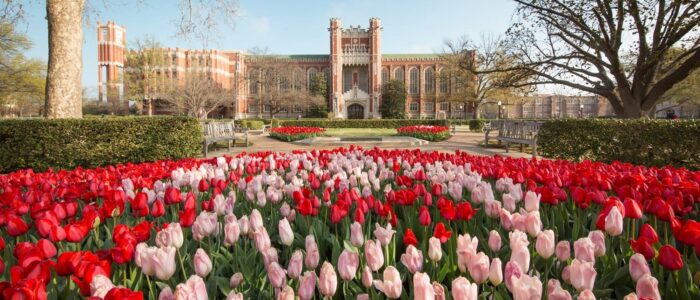
Tom Hanks Center for Motion Pictures

February 1, 2026
mike@standardsmichigan.com
,
No Comments

This content is accessible to paid subscribers. To view it please enter your password below or send mike@standardsmichigan.com a request for subscription details.

Crespelle

February 1, 2026
mike@standardsmichigan.com

No Comments

Castagne e cucina: ricette a base di castagne conservate


Un mondo fatto bene

Cinnamon Banana Pancakes

February 1, 2026
mike@standardsmichigan.com

No Comments

NDSU Net Position 2024: $570 M | Standards North Dakota | Capital Renewal Master Plan

CINNAMON BANANA PANCAKES

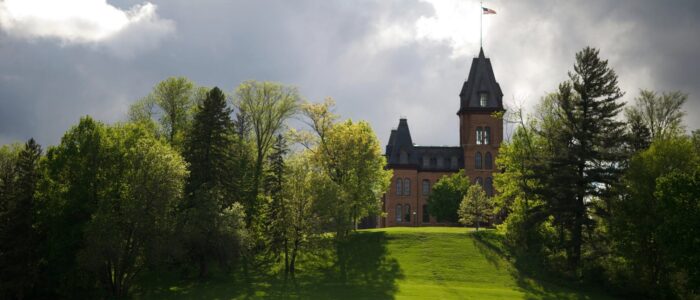
Old Main, North Dakota Agricultural College | Milton Earl Beebe, Architect

🐦 Homophily Michigan 🐦


Eggs Benedict & Cowboy Coffee

February 1, 2026
mike@standardsmichigan.com

No Comments

Standards Wyoming | Kitchen Standards

Weekly Construction Report: January 9-15

“A Social Critique of the Judgement of Taste” — Pierre Bourdieu, Harvard University Press 1984

Cowboy Coffee | Appetite for Knowledge

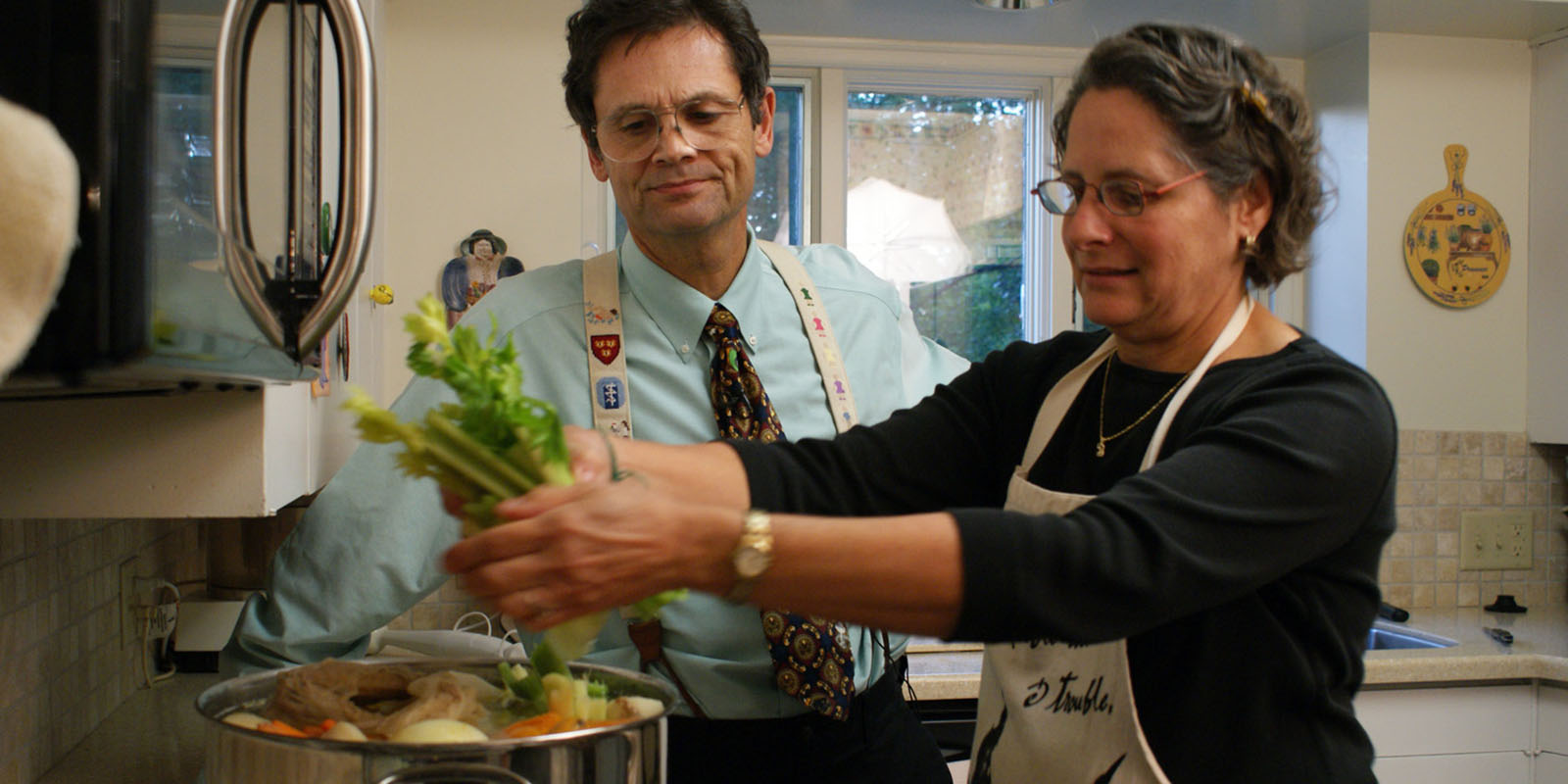
Vicki Hayman, University of Wyoming Extension Nutrition Educator, explains how to put together an English muffin, poached egg, Canadian bacon, and a homemade hollandaise sauce named after Lemuel Benedict, a Wall Street banker who, in 1894, ordered a hangover remedy at the Waldorf Hotel in New York. He requested buttered toast, poached eggs, crisp bacon, and hollandaise sauce.

The hotel’s maître d’hôtel, Oscar Tschirky, was impressed and adapted the dish for the menu, swapping bacon for ham and toast for an English muffin, naming it Eggs Benedict in his honor. Another claim links it to Commodore E.C. Benedict, but the Lemuel story is more widely accepted. The dish’s luxurious combination of poached eggs, ham, English muffin, and hollandaise sauce cemented its fame as a breakfast classic.


The Coffee Lab

February 1, 2026
mike@standardsmichigan.com

No Comments


Water | Energy | Electricity | Light | Food Safety | Coffee

Standards Illinois | Net Position 2024: $377.2M | Master Land Use Plan

Homophily Wyoming

February 1, 2026
mike@standardsmichigan.com

No Comments

This content is accessible to paid subscribers. To view it please enter your password below or send mike@standardsmichigan.com a request for subscription details.

High Tea Wichita

February 1, 2026
mike@standardsmichigan.com
, ,
No Comments

🌻 Standards Kansas 🌻

Newman University hosts its Heritage Month in February to celebrates the English heritage of the university’s namesake, St. John Henry Newman. It typically takes place in the Dugan-Gorges Conference Center following the St. Newman Mass and features meticulously prepared finger foods, English breakfast or Earl Grey tea, and elegant tea sets, fostering a sense of community among students, alumni, faculty, and staff.


Why and How High Tea Originated as a Working-Class Custom: High tea, despite its modern association with elegance and afternoon tea, began as a practical, working-class custom in 19th-century Britain. Its origins lie in the Industrial Revolution, when factory workers, miners, and laborers, typically from the lower classes, returned home after long, physically demanding shifts. Unlike the leisurely afternoon tea enjoyed by the upper classes, high tea was a hearty, substantial meal served around 5–7 p.m., designed to sustain workers after a grueling day.

Why It Was Working-Class:Timing and Necessity: Workers couldn’t afford mid-afternoon breaks for tea, as their schedules revolved around factory or manual labor. High tea was served after work hours, replacing or supplementing dinner with affordable, filling foods like meat pies, bread, cheese, and tea, which provided energy and comfort.

Economic Constraints: The working class lacked the resources for the delicate sandwiches and pastries of upper-class afternoon tea. High tea used simple, inexpensive ingredients, reflecting the economic realities of laborers.
Cultural Context: Tea was a cheap, widely available beverage by the 19th century, thanks to Britain’s colonial trade. It became a staple for workers, offering warmth and stimulation, while the meal addressed their hunger.

How It Developed: High tea was served at a high dining table (unlike the low tables of aristocratic tea settings), where families gathered for a practical meal. The term “high” referred to the table height, distinguishing it from the refined “low tea” of the elite.
Food and Function:

The meal included robust dishes like stews, cold meats, or potatoes, paired with strong tea. It was less about social ritual and more about nourishment, often the main meal of the day for working families.
Social Evolution:

As tea became a British cultural staple, high tea spread across classes, but its working-class roots remained evident in its heartier fare and evening timing, contrasting with the lighter, earlier afternoon tea of the wealthy.

By the late 19th century, high tea’s association with the working class faded as middle and upper classes adopted and refined it, leading to its modern, more elegant connotations.

Mense e bar

February 1, 2026
mike@standardsmichigan.com
No Comments

Da 100 anni, un mondo fatto bene

The Politecnico di Milano, Italy’s largest technical university, was founded on November 29, 1863, by mathematician and politician Francesco Brioschi. Modeled after German and Swiss polytechnics, it started as the Istituto Tecnico Superiore to drive Italy’s scientific, technological, and industrial development following national unification. It initially focused on civil and industrial engineering, with architecture added in 1865 in partnership with the Brera Academy of Fine Arts.

Originally located in the historic Collegio Elvetico, the university relocated in 1927 to its present main campus in the Città Studi district, despite setbacks from World War I. It was renamed Regio Politecnico di Milano in 1937 and removed the “Regio” designation after World War II.

Enrollment boomed in the postwar era, leading to new programs in nuclear engineering, electronics, aeronautics, and design. Notable alumni include Nobel laureate Giulio Natta and architect Renzo Piano. Today, with more than 47,000 students across several campuses, Politecnico di Milano ranks among Europe’s leading institutions in engineering, architecture, and design.


Winter Sport

February 1, 2026
mike@standardsmichigan.com
, , , , , ,
No Comments


“Indians Playing Lacrosse on the Ice” 1934 Yale University Art Gallery

The literature for designing, building and maintaining sport and recreation related spaces in education settlements cuts across so many safety and sustainability risk aggregations that, starting 2024, we begin breaking up the topic according to four seasons; mindful that not all seasons are present in all settlements at all times of the year and in different age groups.

Volleyball at the high school level in the USA is a winter sport but a fall sport at the collegiate level.  Rifle and Fencing is only a collegiate sport.  Swimming “short course” (25 meter) competition is a winter sport depending upon regional facilities. (e.g. University of Southern California, University of North Carolina Wilmington, University of Michigan)

Join us today when we sort through the literature and any live public consultations on proposed changes to the most frequently referenced titles.


Hockey

Ice Hockey Arena Lighting


Figure Skating


Rifle


Recreation

Darts

Ice Fishing

Curling

Billiards


Swimming

Coetzenburg Swimming Pool


Related:

Readings / Sport, Culture & Society

Maths and Sport

National Center for Spectator Sports Safety and Security
Virtual reality technology in evacuation simulation of sport stadiums


Layout mode
Predefined Skins
Custom Colors
Choose your skin color
Patterns Background
Images Background
Standards Michigan
error: Content is protected !!
Skip to content