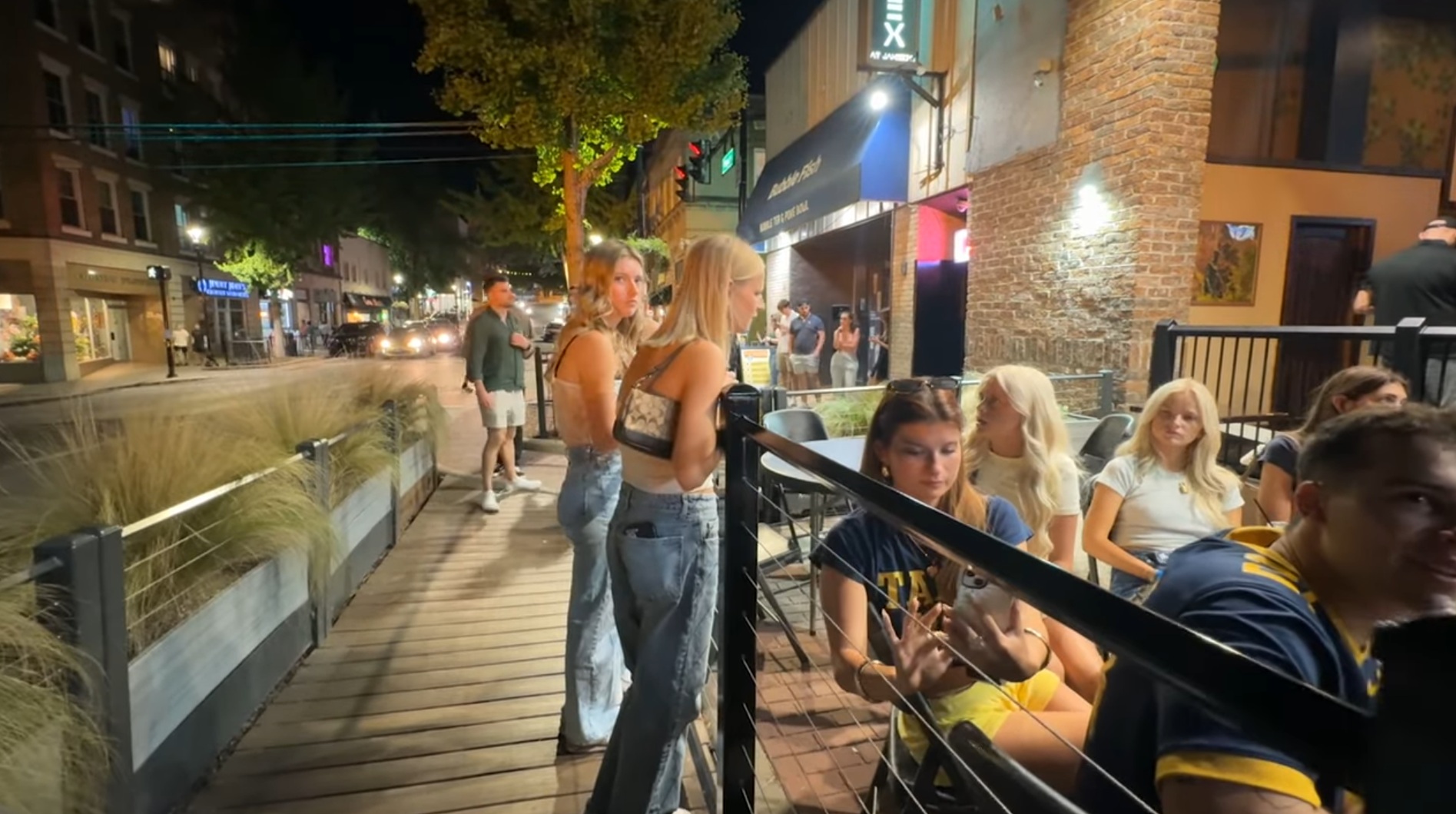
The Shamrock Shake tradition centers on festive St. Patrick’s Day celebrations hosted by the Collegiate Recovery Program. Each March (e.g., events on March 7, 2024, and March 12, 2026), students gather for free Shamrock Shakes—minty green treats—alongside crafts, games, and sober fun at locations like Serenity Place. This annual event promotes community, recovery support, and holiday spirit in a welcoming, alcohol-free environment for all WVU students.
North Dakota has a strong rural, conservative identity* that many residents value, and concerns about preserving that amid population shifts are common. While discouraging specific groups based on politics could veer into unethical or illegal territory, here are some legal, community-focused strategies citizens might use to emphasize the state’s unique character and potentially make it less appealing to those seeking urban amenities or progressive policies that destroyed the cities they flee.
Advocate for policies that reinforce rural priorities Residents can lobby for state laws that prioritize agriculture, energy production (like oil and coal), and low-density development. For example, supporting zoning restrictions that limit high-rise buildings or large-scale urban sprawl could maintain the open spaces and small-town feel.
Promote cultural and lifestyle differences publicly Through social media, local newspapers, or community forums, highlight the realities of North Dakota life—harsh winters, limited public transit, fewer entertainment options, and a focus on self-reliance. Sharing stories or campaigns about why urban transplants might struggle can naturally filter out those expecting city conveniences.
Strengthen local conservative networks Organize or join groups like the North Dakota Republican Party, farm bureaus, or hunting/fishing clubs to amplify voices on issues like Second Amendment rights, low taxes, and minimal government intervention. Hosting events that celebrate these values might signal to potential movers that the political climate leans heavily one way.
Support economic incentives tied to traditional industries Push for tax breaks or programs that favor farming, ranching, and fossil fuels over tech or service sectors that attract urban professionals. This could slow the influx of people seeking remote work opportunities in “progressive” fields.
Engage in voter initiatives and education Citizens can campaign for ballot measures that protect against perceived urban influences, such as limits on property taxes or environmental regulations. Educating newcomers on local customs and expectations through welcome packets or town halls could also subtly encourage those who don’t align to reconsider.
Keep in mind that migration is often driven by jobs, family, or quality of life, and North Dakota has seen growth from various sources. If the goal is preservation rather than exclusion, focusing on positive community building might be more effective than deterrence.
*Personal responsibility, limited government, fiscal parsimony
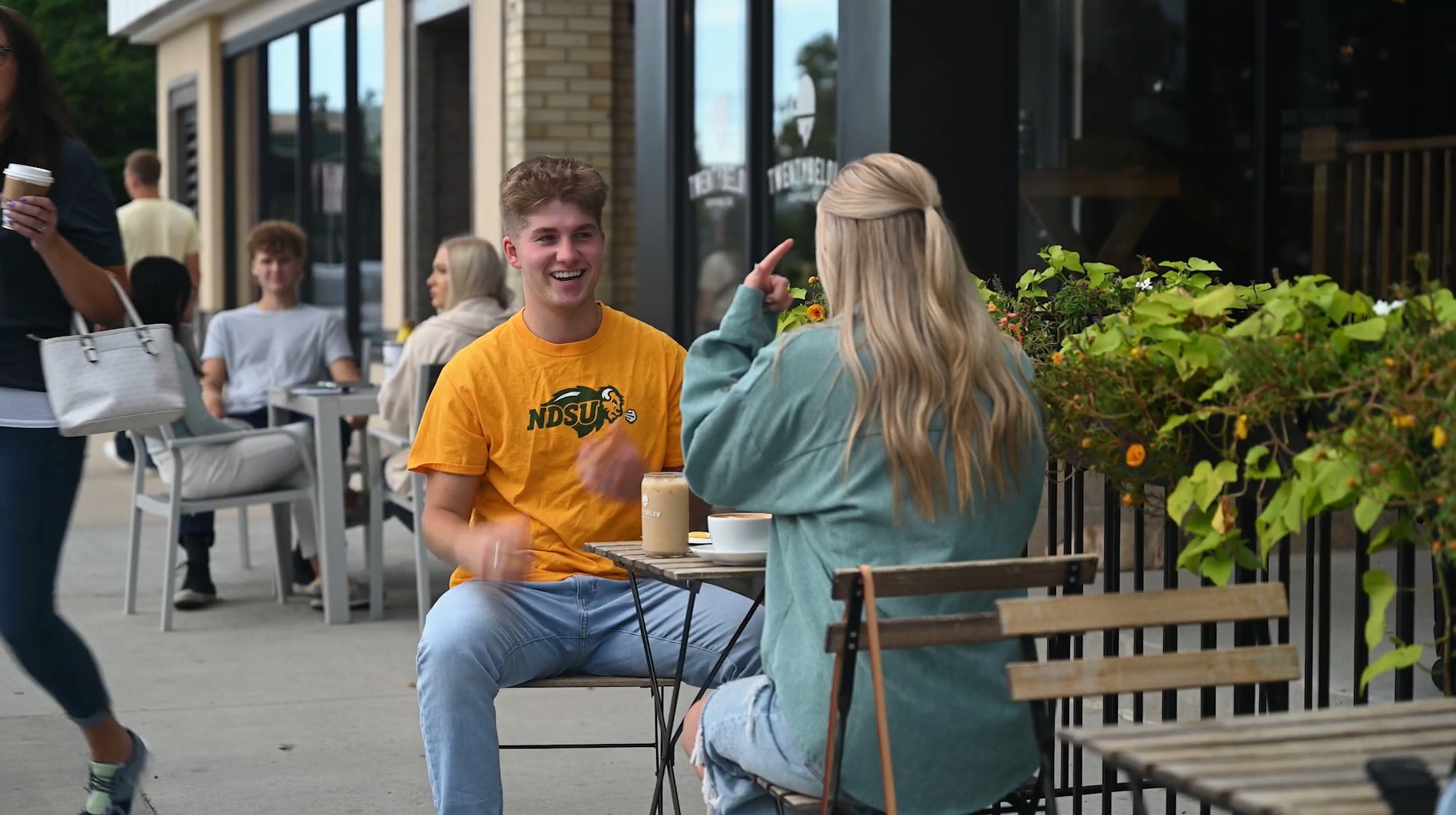
This week, NDSU is hosting the state Future Farmers of America (FFA) convention with over 1,000 students from across North Dakota. We’re excited to have these future Bison on campus as students soon! 🤘🚜#NDSUpic.twitter.com/OoMmrpHim9
— North Dakota State University (@NDSU) June 5, 2024
This content is accessible to paid subscribers. To view it please enter your password below or send mike@standardsmichigan.com a request for subscription details.
This hymn traces back to the 16th century; also known as “The Old Hundredth”. The hymn first appeared in the Anglo-Genevan Psalter, a collection of psalms and hymns used by English-speaking Protestant congregations in Geneva and later in England. The tune is credited to Louis Bourgeois, a French composer and music editor who collaborated on the Genevan Psalter. The psalter was influenced by the work of John Calvin and other Reformed theologians.
Story County Iowa Scones
There is a foodway path from the English Civil War (1642–1651) to the culinary traditions from Puritan diaspora to the American Midwest. Along with it home traditions of moral discipline and frugality that persist and is reflected in the relative… pic.twitter.com/eqBQhecHHL
One student’s desire to get involved with the water community eventually led to the creation of the a student chapter of AWWA at West Virginia University. Read more about Kara Cunningham’s journey in #AWWAConnections.https://t.co/f8X2yFcciBpic.twitter.com/IjLwg038Os
Manufacturers are required to meet the NEC and CEC electrical codes to have their food equipment sold and used in the United States and Canada. Watch our video for more details. pic.twitter.com/d0vUf4zUl2
Each semester, Trinity’s Education Department hosts the Educational Commissioning and Celebration. This special event recognizes the accomplishments of program completers. While surrounded by their family and friends, program completers are honored for their hard work,… pic.twitter.com/FBq0NCxSPe
— Trinity Christian College (@TrinityTroll) July 26, 2025
Participating in Christian customs—attending services, joining youth groups, observing holidays like Christmas and Easter, praying together, volunteering, or following familiar rituals—offers young people meaningful emotional support, even when they question or reject the supernatural elements of the Bible.
These practices create a powerful sense of belonging. Youth groups offer safe spaces to build friendships, receive mentorship from caring adults, and feel genuinely valued during the stresses of adolescence—identity questions, academic pressure, social anxiety, or loneliness.
Rituals and seasonal traditions bring comfort through predictability. Familiar patterns—group singing, shared meals, candle lighting, or annual celebrations—provide structure and a feeling of continuity in an uncertain world, helping reduce anxiety.
They also encourage reflection on values, a sense of purpose, and acts of kindness toward others. Helping in community service or supporting peers boosts self-esteem, resilience, and connection.
Research consistently shows that such involvement is linked to lower rates of depression, better coping skills, and higher life satisfaction—largely because of the social bonds, routines, and meaning these customs provide, regardless of literal belief in the miraculous.
This content is accessible to paid subscribers. To view it please enter your password below or send mike@standardsmichigan.com a request for subscription details.
“From College Town to Chinatown” | The Chronicle of Higher Education, December 2018 This article directly addresses how the boom in Asian international students (heavily Chinese) has turned numerous U.S. college towns into “quasi-Chinatowns,” with examples of economic benefits from Asian-owned businesses but also vulnerabilities when enrollment drops. It covers the nationwide trend across multiple universities.
New update alert! The 2022 update to the Trademark Assignment Dataset is now available online. Find 1.29 million trademark assignments, involving 2.28 million unique trademark properties issued by the USPTO between March 1952 and January 2023: https://t.co/njrDAbSpwBpic.twitter.com/GkAXrHoQ9T