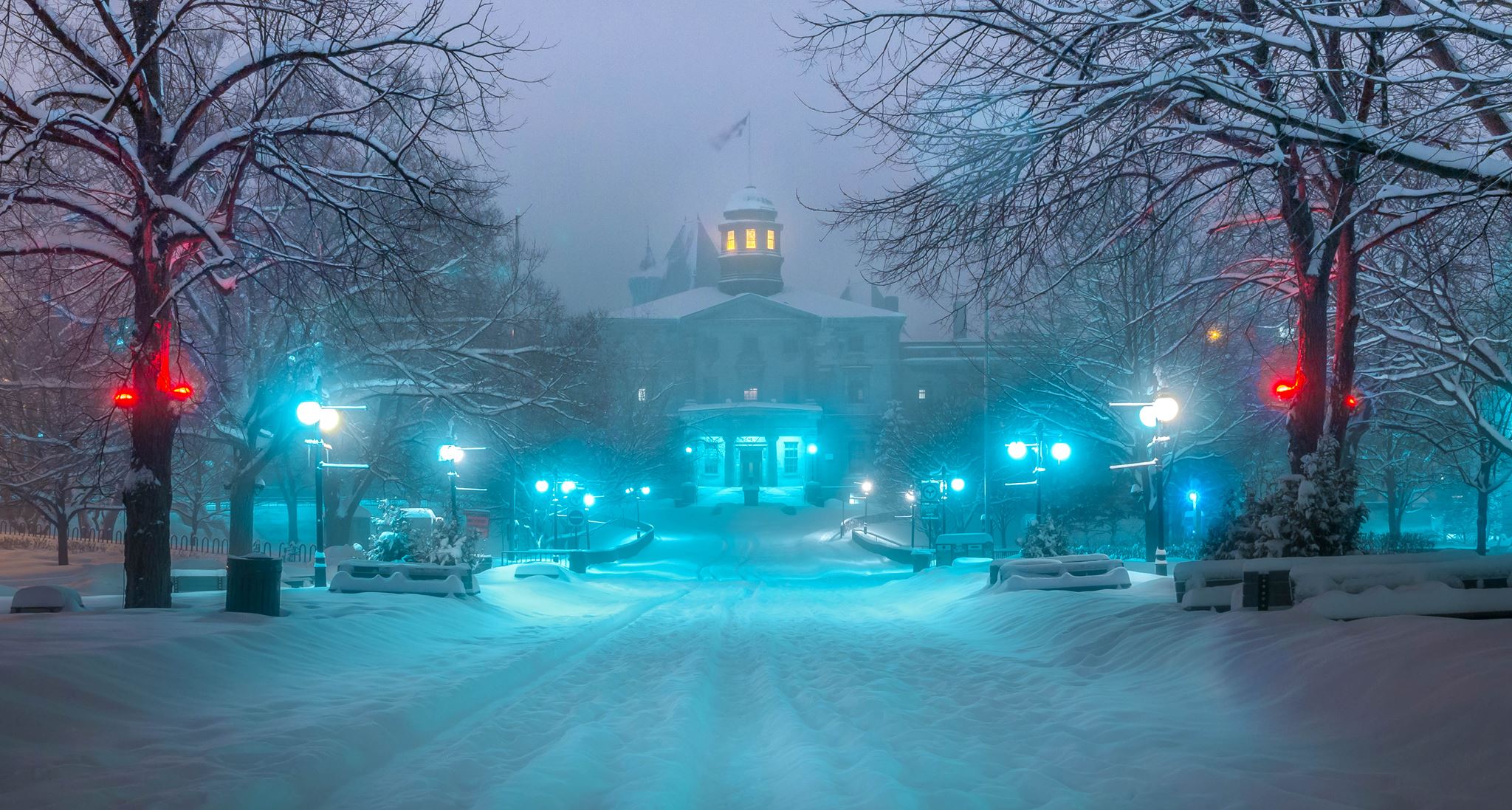

Responsible Use of Positioning, Navigation, & Timing Services


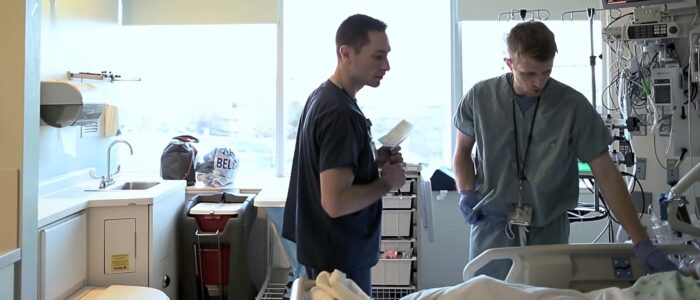
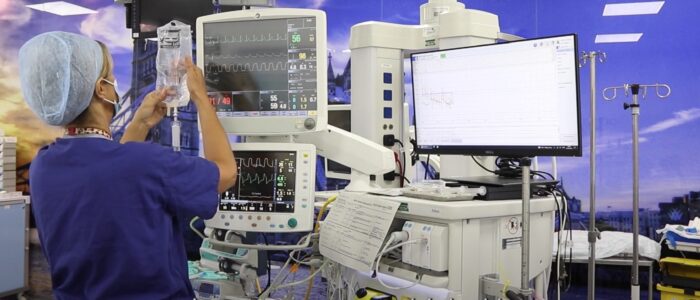
The pandemic provides background for the importance of ventilation systems in healthcare settings and reminder that there is plenty of work to do. The scope of ASHRAE 189.3 – Design, Construction and Operation of Sustainable High Performance Health Care Facilities — lies in this domain:
Purpose. The purpose of this standard is to prescribe the procedures, methods and documentation requirements for the design, construction and operation of high-performance sustainable health care facilities.
Scope.This standard applies to patient care areas and related support areas within health care facilities, including hospitals, nursing facilities, outpatient facilities, and their site. It applies to new buildings, additions to existing buildings, and those alterations to existing buildings that are identified within the standard. It provides procedures for the integration of sustainable principles into the health care facility design, construction and operation process including:
Noteworthy: Related title ASHRAE/ASHE Standard 170 Ventilation of Healthcare Facilities
Public consultation on Addendum m regarding definition of “room units” and the heating and cooling of such units closes January 27th
Public consultation on Standard 189.3-2021, Design, Construction, and Operation of Sustainable High-Performance Health Care Facilities closes November 11.
We maintain this title on the standing agenda of our periodic Health, Energy and Mechanical colloquia. See our CALENDAR for the online meeting; open to everyone.
October 9 Update
As of the date of this post, two redlines have been released for public consultation
Proposed Addendum L to Standard 170-2021, Ventilation of Health Care Facilities
Proposed Addendum i to Standard 170-2021, Ventilation of Health Care Facilities
The consultation closes October 29th.
Other redlines are released and posted at the link below:
Public Review Draft Standards / Online Comment Database
Because this title is administered on ASHRAE’s continuous maintenance platform, public consultations run 30 to 45 days. You may also submit an original idea to the ASHRAE standards development enterprise. CLICK HERE to get started.
We maintain this title on the standing agenda of our periodic Health, Energy and Mechanical colloquia. See our CALENDAR for the online meeting; open to everyone.












Issue: [Various]
Category: Mechanical, Electrical, Energy, Facility Asset Management
Colleagues: David Conrad, Richard Robben, Larry Spielvogel
This content is accessible to paid subscribers. To view it please enter your password below or send mike@standardsmichigan.com a request for subscription details.
.jpg)
Illustration from 1913 showing Pythagoras teaching a class of women. Pythagoras believed that women should be taught philosophy as well as men and many prominent members of his school were women.Our practice is fairly structured as our Syllabus reveals. Once a month we like to break form and throw our agenda “open”. Unstructured. Completely determined by the interest of our clients, colleagues and followers. Use the login credentials at the upper right of our home page.
“Reflections on the motive power of fire: | Sadi Carnot
* Lyndon B. Johnson played a significant role in the passage of the Education Acts of 1965, which consisted of two key pieces of legislation: the Elementary and Secondary Education Act (ESEA) and the Higher Education Act (HEA).
As President of the United States, Johnson made education reform a priority of his administration and saw it as a means of addressing poverty and inequality in America. He signed the ESEA into law in April 1965, which was designed to provide funding to schools serving low-income students and aimed to close the achievement gap between disadvantaged students and their more affluent peers. The ESEA also provided funds for teacher training and other educational programs.
In November of the same year, Johnson signed the HEA into law, which provided funding for college and university education and sought to make higher education more accessible to all Americans.
Together, these Education Acts of 1965 were a significant achievement for Johnson’s administration and played a crucial role in expanding educational opportunities for millions of Americans. They marked a major shift in federal education policy and helped to establish the federal government’s role in shaping education policy in the United States.
National Institutes of Health (Library of Medicine)
Dr. Jill Jacobs-Biden: Student Retention at the Community College: Meeting Student’s Needs
Michelle Obama: Princeton-Educated Blacks and the Black Community
Dr. Claudine Gay: Taking charge: Black electoral success and the redefinition of American politics
Hilary Clinton: There is Only the Fight…
John Kennedy: Appeasement at Munich
John Nash: Non-Cooperative Games
Open Review University Microfilms | Ann Arbor Michigan
Stanford University: Martin Luther King, Jr. Research and Education Institute
Related:
American Psychological Association Dissertation Standards
Boston University Guide for Writers of Theses and Dissertations
University of Michigan Dissertation Formatting
History of University Microfilms Ann Arbor Michigan
“…I found myself in the midst of a civilization that had advanced beyond all the great dreams of my forebears. I had thought my home would be a simple place for pastoral people, people who made their living from agriculture. But it was already a complex place, an iron and steel and railway and grain-exchange city, the gates to the prairie…”
— Saul Bellow, (Nobel Laureate 1976)
The College by the Cup: Grounds of Being
University of Chicago Financial Position 2024: $11.589B | University of Chicago Facilities Services
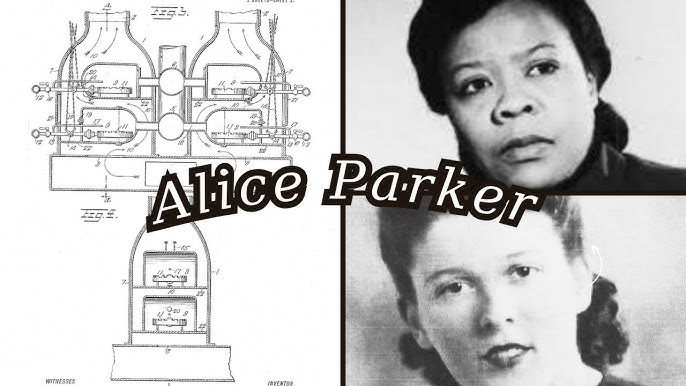
Brought to You by Howard: Alice H. Parker’s historic patent of the gas heater warms the world
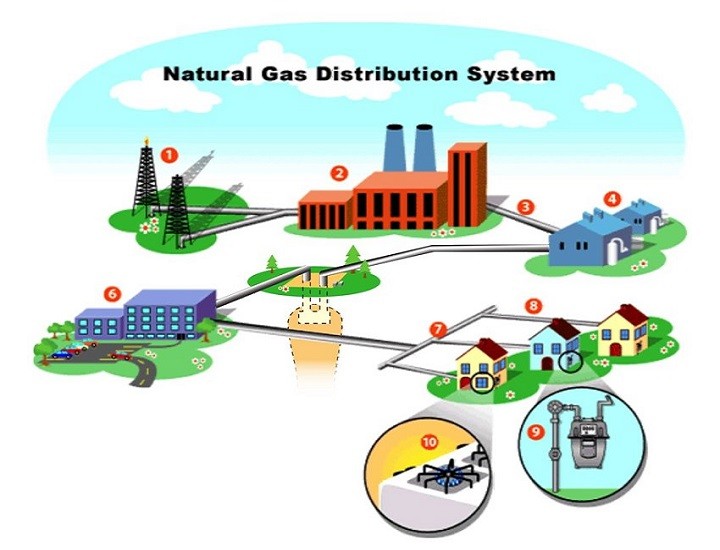
Different Trends in Worldwide Natural Gas Distribution Market Outlook: Ken Research
Historically, “Town Gas” referred to a manufactured gaseous fuel, primarily produced from coal, that was supplied to homes and businesses in towns and cities for heating and lighting purposes. We use it as a general term for a manufactured gas distributed through educational settlements because of its cleaner and safer properties. Among them:
Heating and Cooling – Most settlements use natural gas to power boilers and furnaces for heating buildings during cold months. It also fuels absorption chillers for air conditioning in warmer seasons.
Electricity Generation – Settlements with cogeneration (combined heat and power) plants use natural gas to produce electricity while capturing waste heat for heating, improving energy efficiency.
Cooking Facilities – Dining halls rely on natural gas for precise and reliable cooking, making meal preparation efficient.
Laboratories and Research – Science and engineering labs use natural gas for Bunsen burners, sterilization, and other experimental applications requiring controlled flames.
Hot Water Supply – Dormitories, gyms, and other campus facilities use natural gas water heaters to provide a continuous supply of hot water for showers, washing, and sanitation.
Transportation – Some universities operate shuttle buses and service vehicles on compressed natural gas (CNG), reducing emissions and fuel costs.
Emergency Backup Power – Natural gas generators provide backup power during outages, ensuring critical systems, like research labs and data centers, remain operational.
Glorious gas lamps of London
Their warm glow adds beauty to these winter evenings pic.twitter.com/UgHK8yh2YN
— Conor Lynch (@c_k_lynch) February 18, 2025
Safety and Sustainability Bibliography:
ISO 13686 – Specifies the quality of natural gas for use in various applications.
ISO 14001 – Provides environmental management standards for reducing the environmental impact of natural gas operations.
ISO 50001 – Energy management system standard for improving energy efficiency, including natural gas usage.
IEC 60079 – Covers explosive atmospheres, ensuring safety in handling natural gas in industrial settings.
OHSAS 18001 (now ISO 45001) – Occupational health and safety standards for workplaces dealing with natural gas.
IPCC Guidelines – International standards for measuring and reporting greenhouse gas emissions from natural gas operations.
49 CFR Part 192 – Federal Pipeline Safety Regulations, governing natural gas pipeline transportation.
EPA Greenhouse Gas Reporting Program (GHGRP) – Requires natural gas facilities to report emissions data.
ANSI/GPTC Z380.1, Guide for Gas Transmission, Distribution, and Gathering Piping Systems
NFPA 54 (National Fuel Gas Code) – Covers safe installation and use of natural gas in buildings.
NFPA 58 – Safety regulations for liquefied petroleum gas (LPG), including storage and handling.
ASME B31.8 – Pipeline safety code for natural gas transmission and distribution.
Clean Air Act (CAA) – Regulates air emissions from natural gas production and consumption.
California Low Carbon Fuel Standard (LCFS) – Encourages sustainable fuel alternatives, including renewable natural gas (RNG).
State of Michigan Technical Standards for Gas Service
Federal Energy Regulatory Commission: Natural Gas Policies
University of Michigan Design Guidelines
Related:
This content is accessible to paid subscribers. To view it please enter your password below or send mike@standardsmichigan.com a request for subscription details.
New update alert! The 2022 update to the Trademark Assignment Dataset is now available online. Find 1.29 million trademark assignments, involving 2.28 million unique trademark properties issued by the USPTO between March 1952 and January 2023: https://t.co/njrDAbSpwB pic.twitter.com/GkAXrHoQ9T
— USPTO (@uspto) July 13, 2023
Standards Michigan Group, LLC
2723 South State Street | Suite 150
Ann Arbor, MI 48104 USA
888-746-3670
 |
 |
|
 |
 |
|
 |
 |