Mothering Sunday

Loading
loading...

Mothering Sunday

March 1, 2026
mike@standardsmichigan.com
, , ,
No Comments

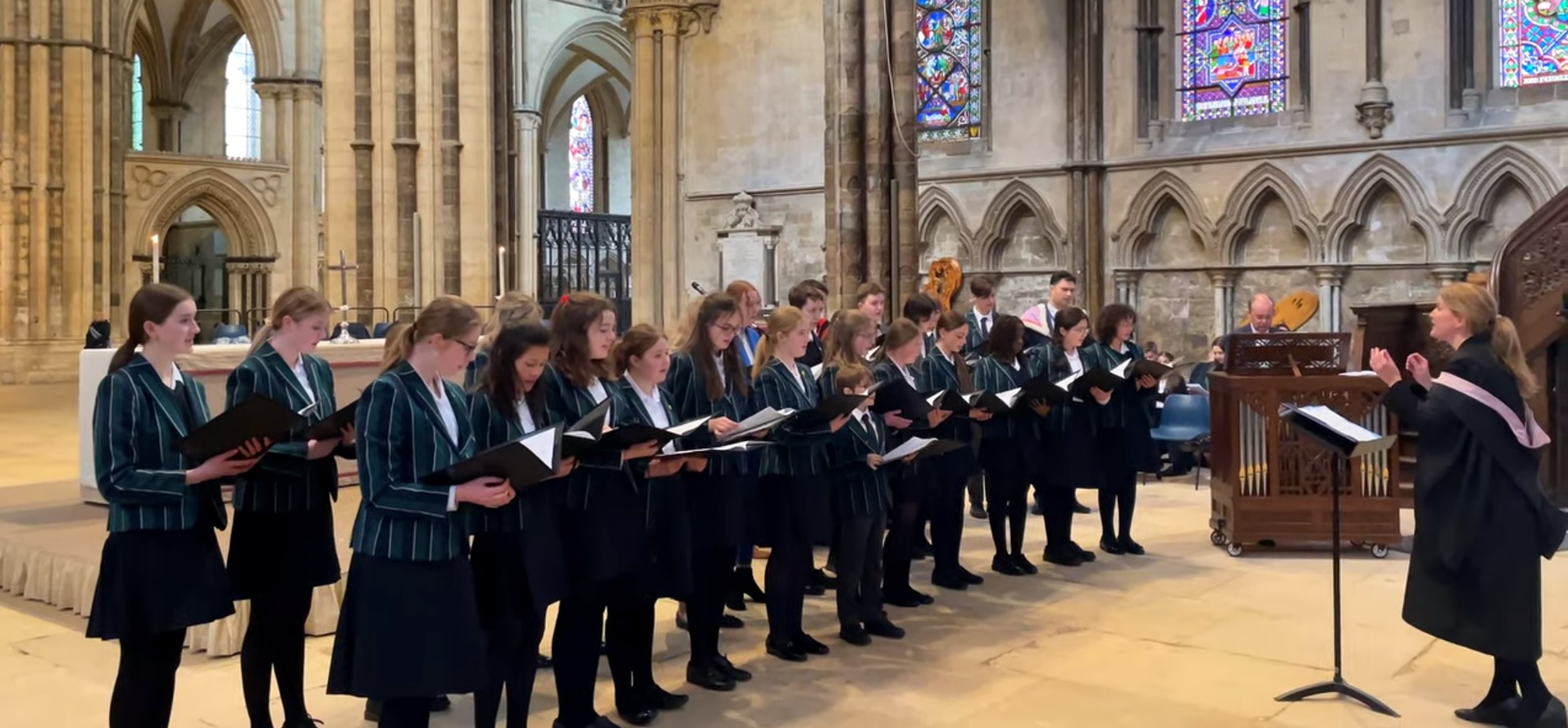
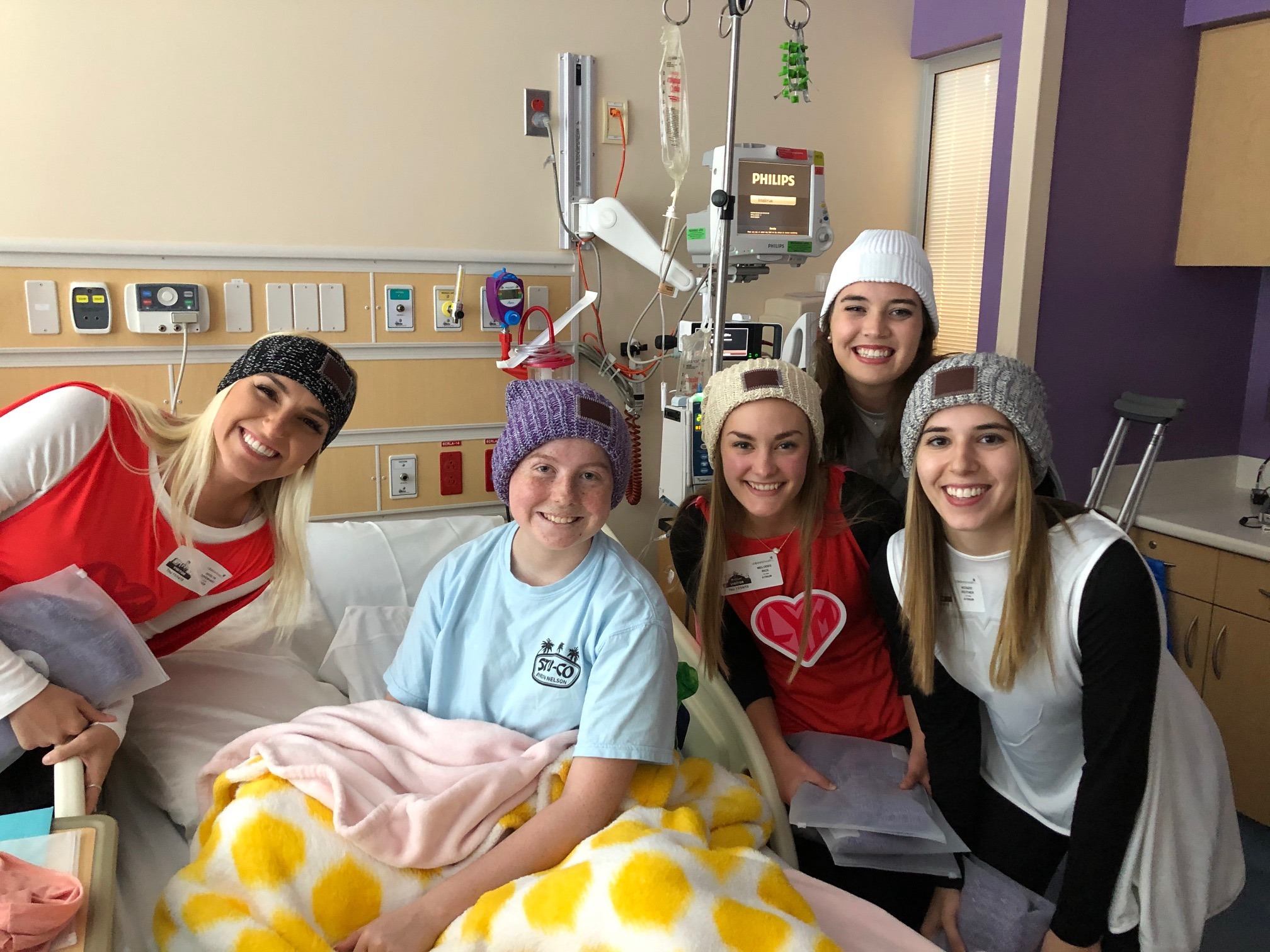
Observed the fourth Sunday of Lent, known as Laetare Sunday, a day when the strict fasting rules of Lent are traditionally relaxed.  The name referred to the practice of returning to one’s “mother church”—the main church or cathedral of the region—for a special service. Over time, this evolved into a day when people, especially young servants and apprentices working away from home, were given time off to visit their families and attend their home parish church and sharing Simnel Cake.

https://studentlife.lincoln.ac.uk/2022/03/27/the-history-of-mothering-sunday/

Vide: Office of National Statistics: How is the fertility rate changing in England and Wales?

Gwalchmai "King of Glory, King of Peace"

Gwalchmai “King of Glory, King of Peace” | Lincoln Minster School Chamber Choir


BSI GroupEstates Annual Report 2024

Cloud Skills

The Best Student-Friendly Brownies

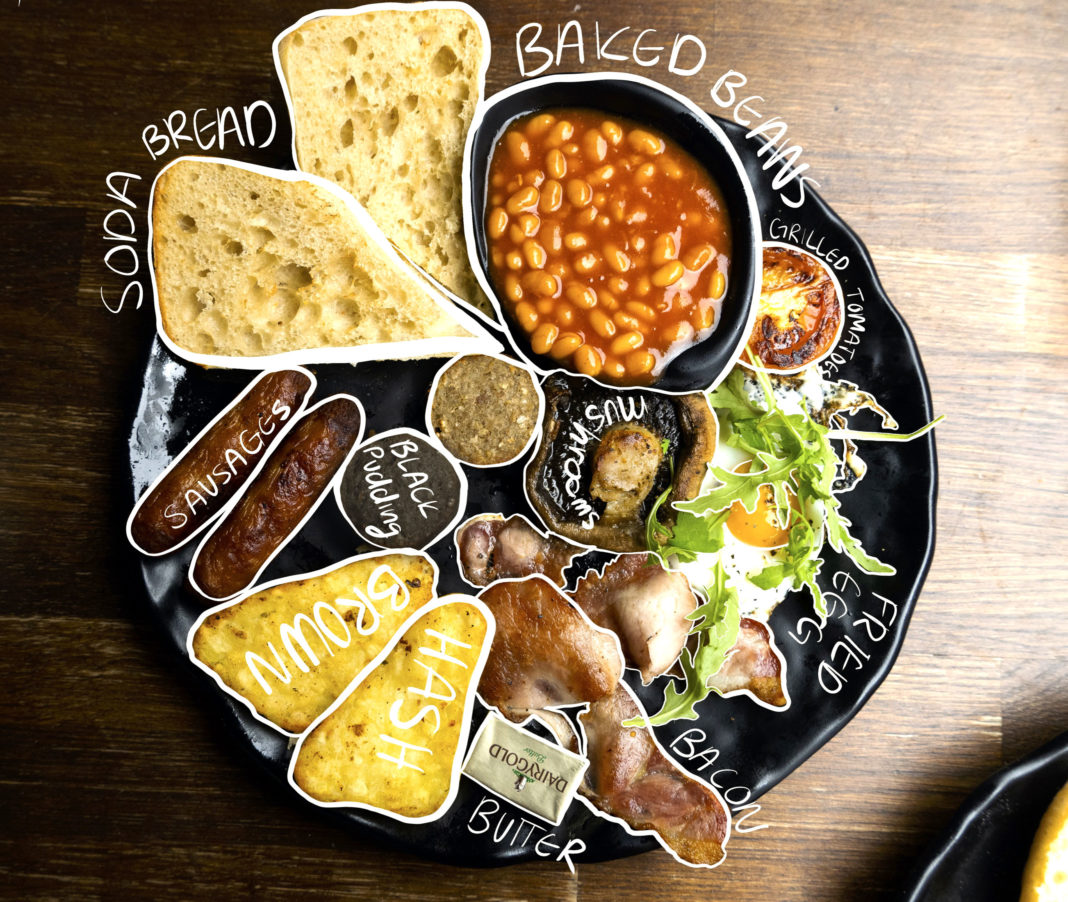
American Irish Breakfast

March 1, 2026
mike@standardsmichigan.com
, ,
No Comments

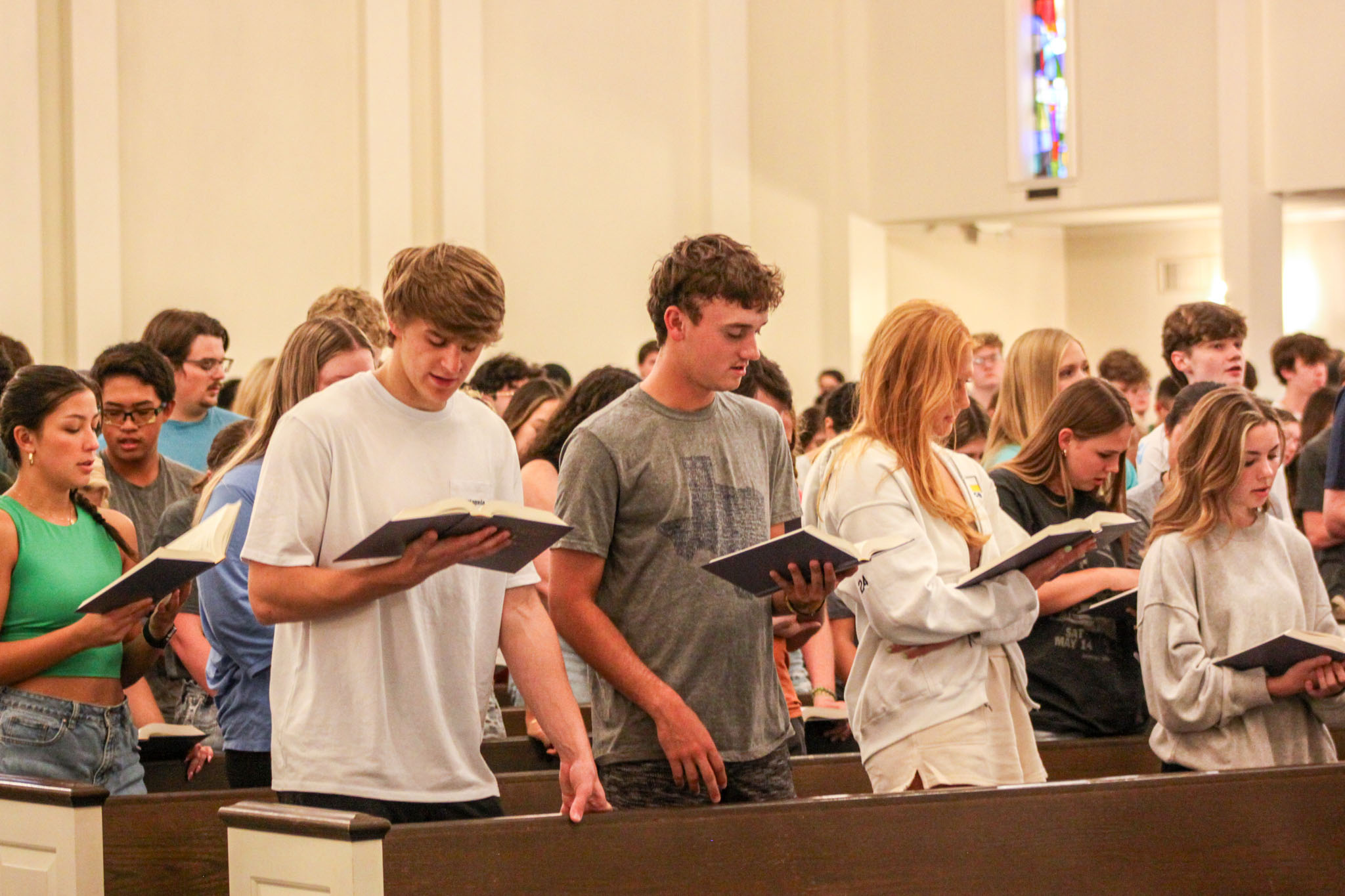
Statement of Financial Position 2025: $4.387B (Page 1) * | Baylor Staff Pension Plan Reports

Facilities Management | Landscape Master PlanStandards and Codes


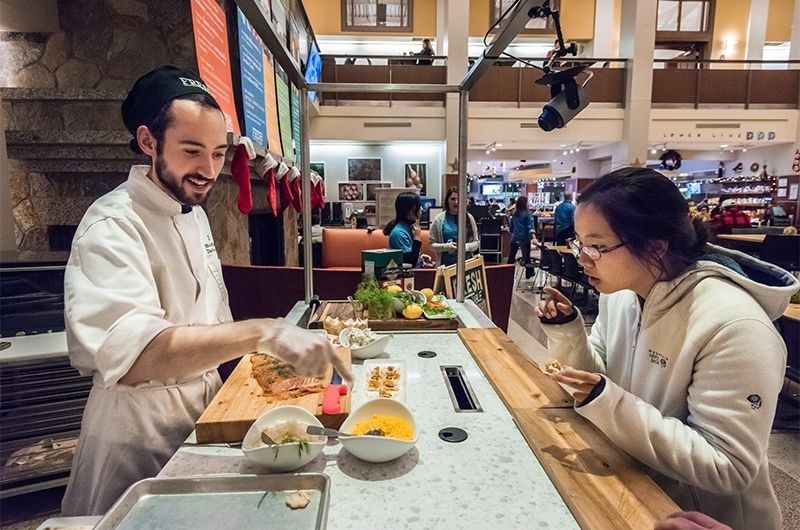
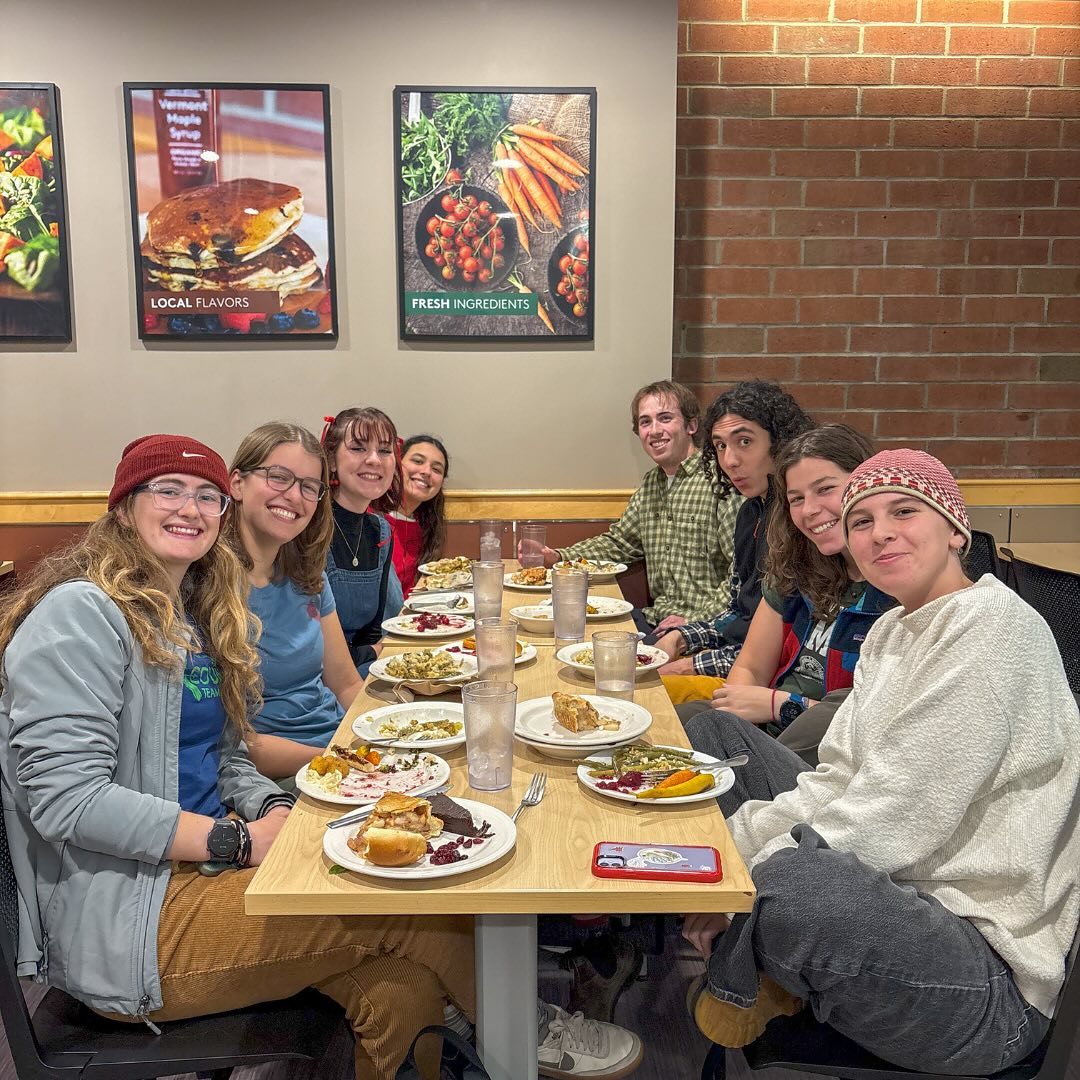
American, Irish breakfasts indulge tastebuds in feasts of culture | Nathan Tran, June 26 2022

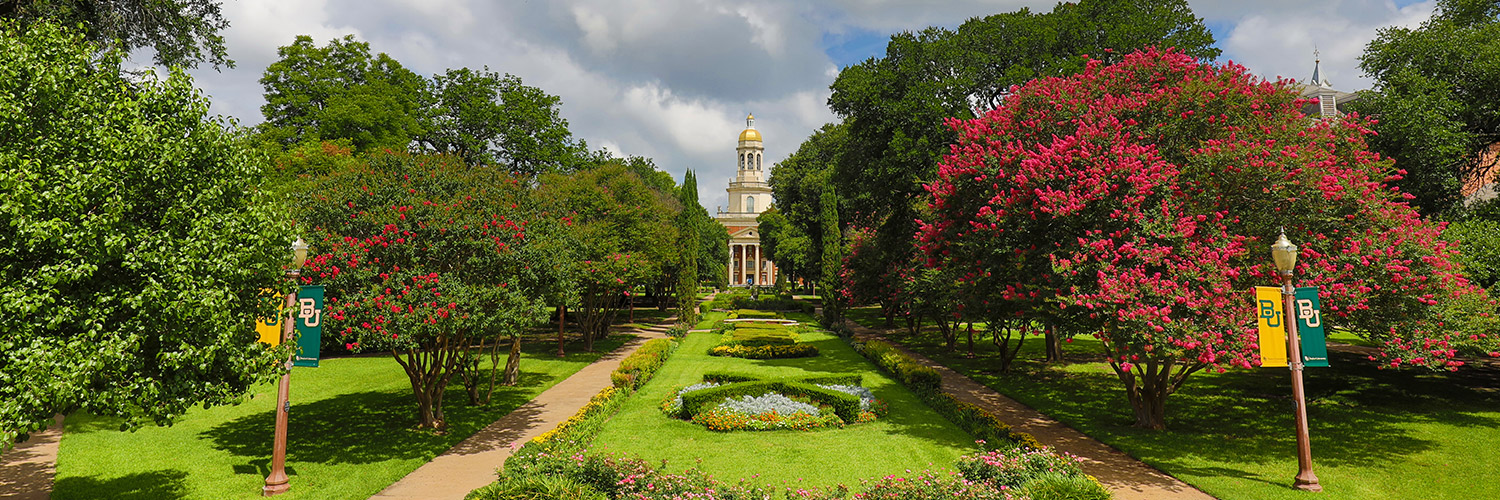
Pat Neff Hall (Birch D. Easterwood & Son Architects 1939)

Office of Investments

Related:

Rutgers University Annual Irish Breakfast

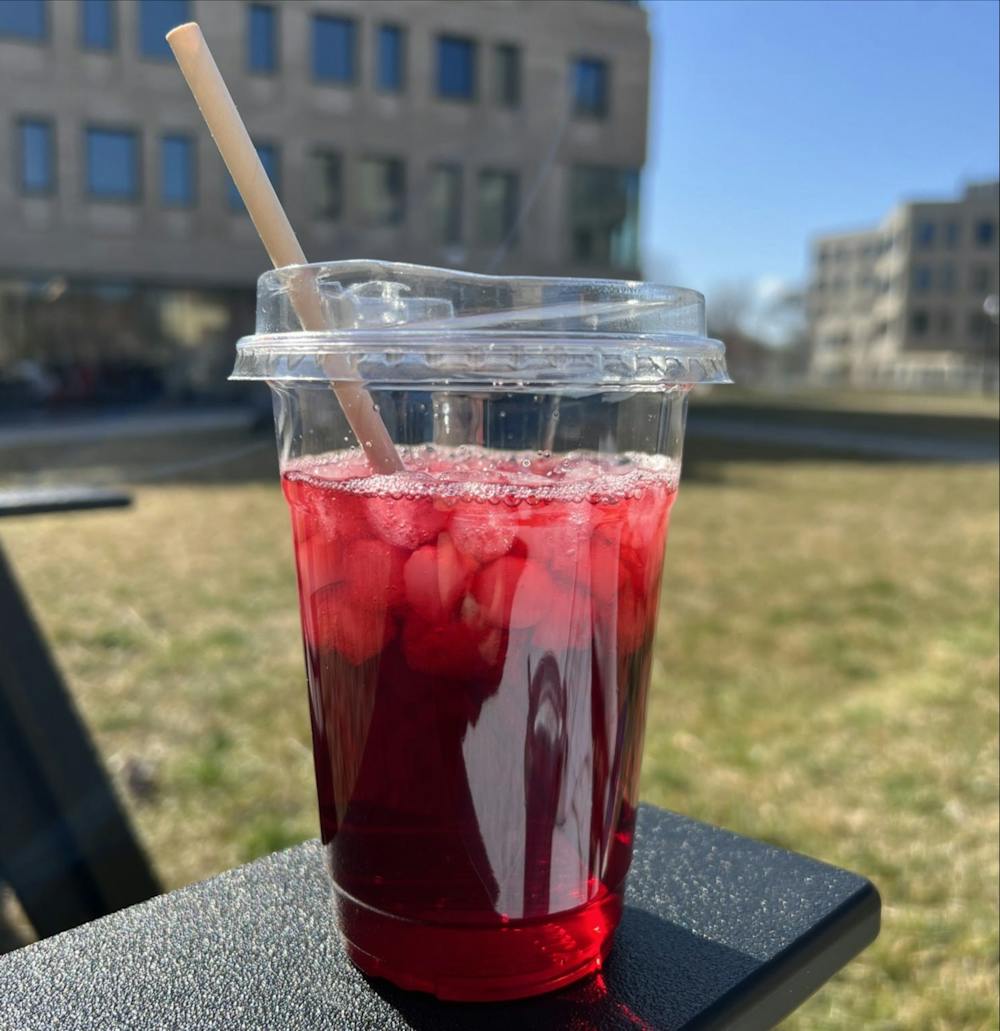
Coffee Club’s Spring Drinks

March 1, 2026
mike@standardsmichigan.com
, ,
No Comments

Standards New Jersey | Princeton University Investment Company

coffee club spring drink dom media.jpg

“Some of my favorite places to spend my dining points are at the Coffee Club’s two locations on campus. I frequently trek down to the modern New College West (NCW) storefront that overlooks Poe Field before an afternoon of studying. I also love the quaint café at Campus Club, with its homey vibe and frequent musical performances. Typically, I go for the basic, predictable iced vanilla latte. However, Coffee Club seasonally experiments with its menu and releases temporary items that reflect the weather, holidays, or mood of the campus….” Isabella Dail


Maple Nut Latte

March 1, 2026
mike@standardsmichigan.com
, , ,
No Comments

Standards Vermont | Campus Plan 2022-2032

Annual 2023 Net Position Statement: $774,788,000 (Page 15)

Ingredients:

2 shots espresso (or ½ cup strong brewed coffee)
1 cup milk (dairy or non-dairy like almond, oat, or cashew)
2 tbsp maple syrup (adjust to taste)
¼ tsp vanilla extract (optional)
¼ tsp nut extract (hazelnut, walnut, or almond)
Whipped cream (optional, for topping)
Chopped nuts or nutmeg (optional garnish)

Instructions:

Brew the espresso and pour it into a large mug.
Heat the milk in a saucepan or microwave, then froth it using a whisk, frother, or blender until foamy.
Mix the maple syrup, vanilla extract, and nut extract into the espresso.
Pour the frothed milk over the espresso mixture.
Top with whipped cream and sprinkle with chopped nuts or nutmeg if desired.

The Maple Nut Latte is likely inspired by Vermont’s famous maple syrup industry. Vermont is the largest producer of pure maple syrup in the United States, and maple-flavored food and drinks are a big part of the state’s culinary identity.

Student Newspaper: Marriage Pact’ algorithm pairs students with their ‘perfect match

Marriage Pact matches don’t need to be romantic

Her Campus: Relationship Profiles

College of Medicine: Love at Larner


Historically, Vermont was one of the most Republican states in the country. It consistently voted Republican in presidential elections from the party’s founding in the mid-1800s until 1988.  Starting in the 1960s and 1970s, Vermont saw an influx of urban progressives from places like New York and Massachusetts seeking escape from the liberal Democrat hellholes they voted for.

Many were part of the back-to-the-land movement, bringing left-leaning political views.  Despite Vermont’s deep-blue status at the federal level, the state still elects moderate Republicans at the state level, such as Governor Phil Scott, who is popular for his bipartisan and pragmatic leadership.


The “Sugaring” Season

St. Ann’s School

March 1, 2026
mike@standardsmichigan.com

No Comments

This content is accessible to paid subscribers. To view it please enter your password below or send mike@standardsmichigan.com a request for subscription details.

Chanson de matin Op.15 No. 2

March 1, 2026
mike@standardsmichigan.com
, , , , , , , ,
No Comments

“Chanson de Matin” is characterized by its light, lyrical, and charming melody, which evokes a sense of freshness and optimism associated with the early hours of the day. Elgar is known for his ability to capture various moods and emotions in his compositions.

Anderson University School of Music, Theater, and Dance

Physical Plant | Anderson University

Indiana

LIVE: ABER Radio

March 1, 2026
mike@standardsmichigan.com
, , ,
No Comments

The station was established in 1977, long before the advent of internet radio, with the goal of providing students a platform for creative expression, entertainment, and community involvement. Initially, it operated as a small, pirate-style radio station, broadcasting on a limited basis to the university campus. It mainly aired music and student-related content. Over time, the station evolved to include news, talk shows, and interviews, becoming an important part of student life and a voice for the university community.

In the early 1980s, after gaining recognition, the station was granted a temporary Restricted Service Licence (RSL) by Ofcom. This allowed it to broadcast legally on an official frequency for short periods. During this time, the station used various FM frequencies, with the exact frequency changing depending on licensing terms and specific broadcast periods.

In the 1990s, ABER Radio received an official license, enabling it to expand its reach and professionalize its operations. With this transition, the station began broadcasting online, offering a diverse range of programming from music and entertainment to news and current affairs. It also provided students with valuable experience in radio production, journalism, and broadcasting.

Related:

Sport News

March 1, 2026
mike@standardsmichigan.com
No Comments


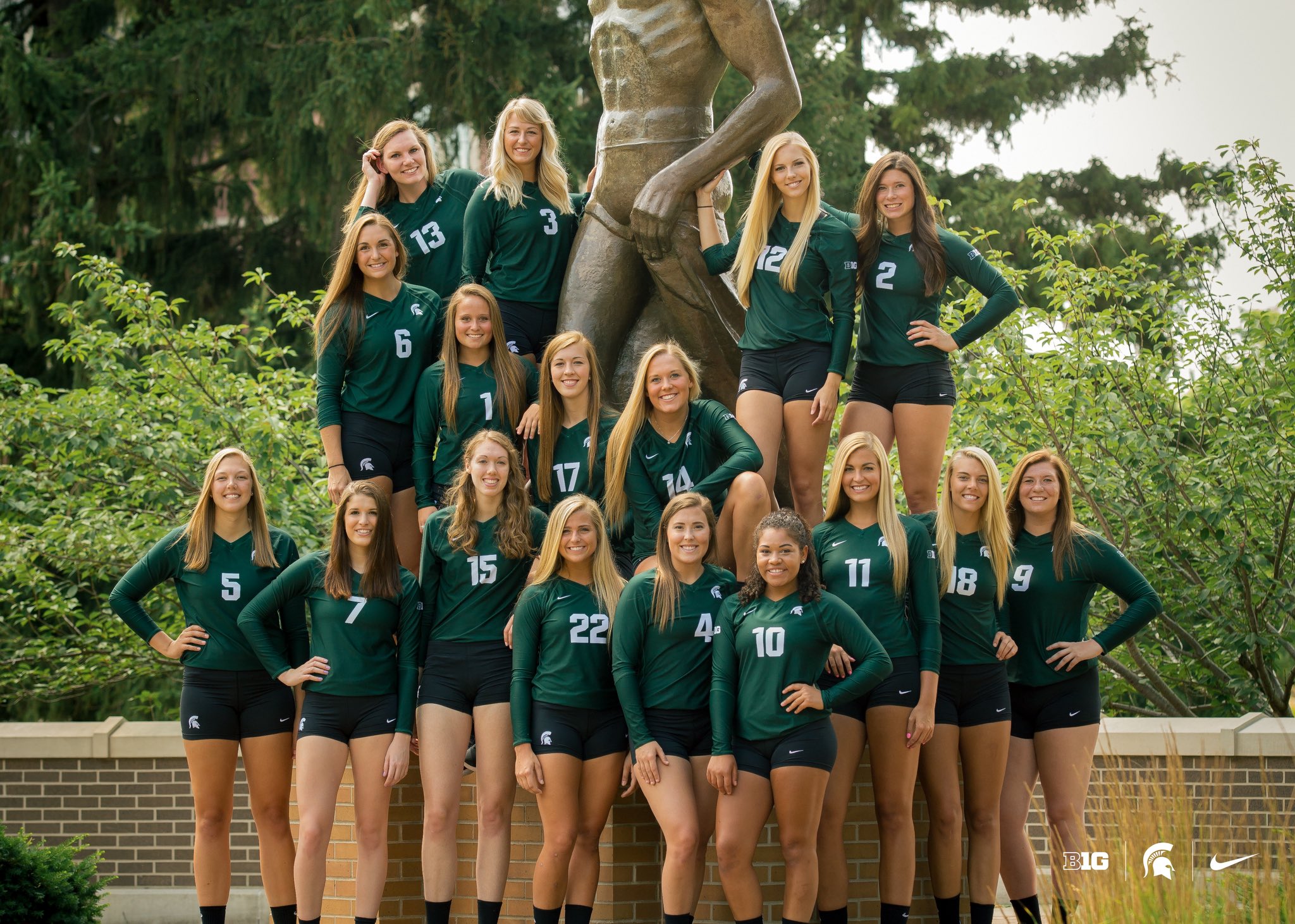
Michigan State University | Ingham County

Rocky Mountain Intercollegiate Skiing Association

College Bowl Games

Fernando Mendoza’s post game interview after winning the Big Ten
byu/justletmeregisteryou insports


Michigan Girl, Our Michigan Girl….

Sport Standards


Mixed Gender Sport by Design

Engineering in Sport


“Rowing is more poetry than sport.” — George Pocock (‘Boys in the Boat’ 2024), a British-born boat builder, rowing coach, and influential figure in American rowing, best known for his craftsmanship of racing shells and his philosophical approach to the sport.

Winter Sport

“There is no greater glory for a man than that which he wins with his own hands and feet.” (Homer, Iliad c. 8th Century BCE)

Accepted Good Practice

March 1, 2026
mike@standardsmichigan.com
No Comments


Defining “accepted good practice” (or closely related terms like “good engineering practice,” “recognized and generally accepted good engineering practice” (RAGAGEP), or “accepted good practice for the given local conditions”) in electrical engineering standards is inherently challenging. Standards bodies (e.g., IEEE/NESC, NFPA/NEC, IEC, UL) often use these phrases as a flexible benchmark for safety, design, installation, and maintenance when specific rules do not apply, or as the foundation for the standards themselves.

Here are some of the particular problems that arise in trying to define and apply it consistently:Subjectivity and ambiguity in the definition: The term is rarely defined with precision in codes. It relies on professional judgment, expert consensus, and “what is generally accepted” at a given time, which can lead to disputes among engineers, authorities having jurisdiction (AHJs), regulators, or courts. For example, NESC Rule 012 (and similar clauses) explicitly falls back to “accepted good practice for the given local conditions” for any situation not specifically covered, creating a circular or open-ended reference point.

Rapid technological evolution outpacing standards: Electrical engineering advances quickly (e.g., widespread EVs, renewables integration, smart grids, arc-flash mitigation, or digital protection systems), but consensus-based standards update slowly (often on 3–6 year cycles). New techniques may not yet be “accepted,” while legacy practices embedded in older equipment can become obsolete or non-compliant under current interpretations, even if they met the standard at the time of installation.

Jurisdictional, regional, and international variations: What counts as good practice differs across borders or even within a country (e.g., NEC for building interiors vs. NESC for utility supply/communications lines; ANSI/NFPA vs. IEC). Local conditions (climate, soil, usage patterns) are explicitly factored in, making a universal definition impractical and leading to harmonization difficulties in global supply chains or cross-border projects.

Consensus development process limitations: Standards are created by committees representing utilities, manufacturers, regulators, and users, which can result in compromises, delays, or exclusion of innovative (but not yet widespread) practices. This process itself defines “accepted” practice, but it may lag behind actual field innovations or favor minimum requirements over optimal ones.

Conflicts between overlapping or hierarchical sources: Engineers must navigate multiple layers—mandatory codes (NEC/NESC), recommended practices (IEEE “Color Books”), manufacturer guidelines, internal utility standards, and non-consensus documents. Deciding which takes precedence, or whether a practice must be “recognized” (widely adopted) versus merely “good,” creates practical confusion. “Shall” (mandatory) vs. “should” (recommended) language adds further interpretive gray areas.

Legal, liability, and enforcement challenges: In regulatory audits, incident investigations, or product-liability cases, proving (or disproving) adherence to an ill-defined standard can be difficult. OSHA, for instance, treats RAGAGEP as a performance-based benchmark in process safety, but determining it for older equipment or non-consensus practices requires case-by-case analysis. This is compounded by the fact that codes are often minimum requirements, not necessarily “best” practice.

Trade-offs between safety, cost, reliability, and innovation: Good practice must balance competing priorities (e.g., selective coordination for emergency systems vs. arc-flash hazards, or added costs for enhanced grounding/EMI protection). Defining it objectively is hard when economic or practical constraints vary by project.

While phrases like “accepted good practice” provide essential flexibility in electrical standards, their vagueness, dependence on context, and the dynamic nature of the field make them difficult to pin down uniformly. Practitioners typically resolve this through engineering judgment, reference to interpretations (e.g., IEEE NESC interpretations), peer review, or consultation with AHJs.

 

Layout mode
Predefined Skins
Custom Colors
Choose your skin color
Patterns Background
Images Background
Standards Michigan
error: Content is protected !!
Skip to content