
Lorem ipsum


Sam Zell (1941–2023), the billionaire real estate investor and founder of Equity Group Investments, was a proud alumnus of the University of Michigan, earning both his B.A. (1963) and J.D. (1966) there. While an undergraduate, he managed apartment buildings and became a notable figure in campus entrepreneurship.
Zell and his fraternity brother Robert Lurie maintained a lifelong partnership that began at Michigan.He remained one of U-M’s most generous donors: the business school’s entrepreneurship program is named the Samuel Zell & Robert H. Lurie Institute for Entrepreneurial Studies, and he funded the Zell Lurie Founders Fund. The university awarded him an honorary doctorate in 2003 and he frequently returned to teach and mentor students.
IES Standards Open for Public Review
Standard Practice on Lighting for Educational Facilities
Recommended Practice: Lighting Retail Spaces
IES Method for Determining Correlated Color Temperature

“Electrical Building World’s Columbian Exposition Chicago 1892

Today we feature the catalog of the Illumination Engineering Society — one of the first names in standards-setting in illumination technology, globally* with particular interest in its leading title IES LP-1 | LIGHT + DESIGN Lighting Practice: Designing Quality Lighting for People and Buildings.
From its prospectus:
“…LIGHT + DESIGN was developed to introduce architects, lighting designers, design engineers, interior designers, and other lighting professionals to the principles of quality lighting design. These principles; related to visual performance, energy, and economics; and aesthetics; can be applied to a wide range of interior and exterior spaces to aid designers in providing high-quality lighting to their projects.
Stakeholders: Architects, interior designers, lighting practitioners, building owners/operators, engineers, the general public, luminaire manufacturers. This standard focuses on design principles and defines key technical terms and includes technical background to aid understanding for the designer as well as the client about the quality of the lighted environment. Quality lighting enhances our ability to see and interpret the world around us, supporting our sense of well-being, and improving our capability to communicate with each other….”
The entire catalog is linked below:
Illumination technologies run about 30 percent of the energy load in a building and require significant human resources at the workpoint — facility managers, shop foremen, front-line operations and maintenance personnel, design engineers and sustainability specialists. The IES has one of the easier platforms for user-interest participation:
IES Standards Open for Public Review
Because the number of electrotechnology standards run in the thousands and are in continual motion* we need an estimate of user-interest in any title before we formally request a redline because the cost of obtaining one in time to make meaningful contributions will run into hundreds of US dollars; apart from the cost of obtaining a current copy.
We maintain the IES catalog on the standing agendas of our Electrical, Illumination and Energy colloquia. Additionally, we collaborate with experts active in the IEEE Education & Healthcare Facilities Committee which meets online 4 times monthly in European and American time zones; all colloquia online and open to everyone. Use the login credentials at the upper right of our home page to join us.
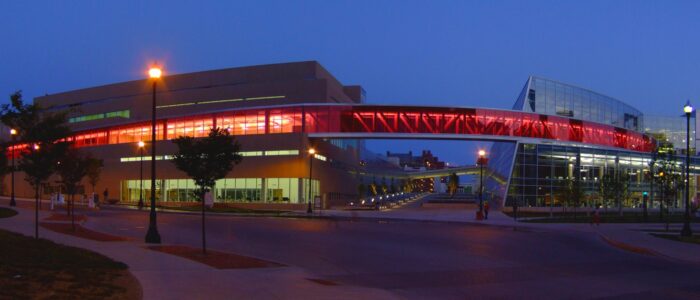
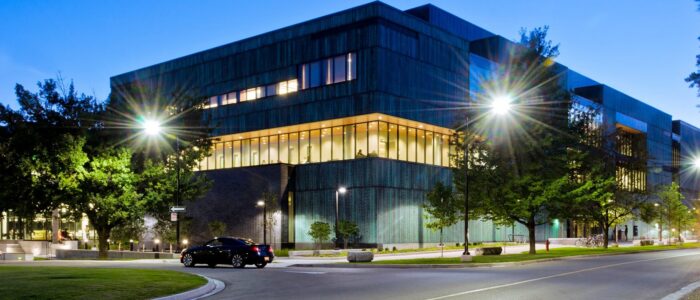
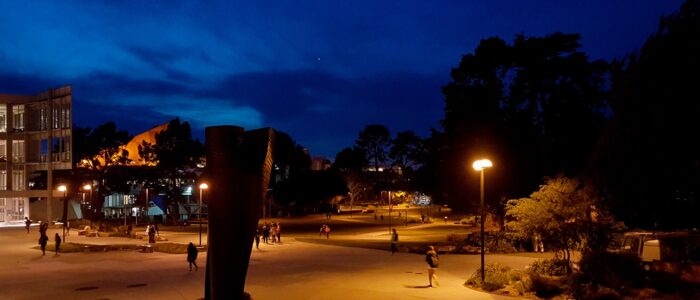
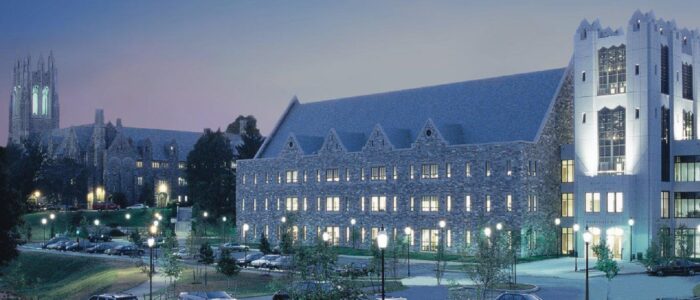

Issue: [Various}
Category: Electrical, Energy, Illumination, Facility Asset Management
Colleagues: Mike Anthony, Gary Fox, Jim Harvey, Kane Howard, Glenn Keates, Daleep Mohla, Giuseppe Parise, Georges Zissis
* “Brownian Motion” comes to mind because of the speed and interdependencies.
LEARN MORE:
Illuminating Engineering Society Welcomes New Director of Development
Shayna Bramley Brings 21 years of Lighting Industry Experience to IESTo learn more, to go: https://t.co/YApdTPvR8E pic.twitter.com/PGDCtO4jrC
— Illuminating Engineering Society (@The_IES) December 26, 2018
The LD+A editorial and sales team members just couldn’t resist visiting Bugsy and Meyer’s Steakhouse (covered in the December 2021 issue) while in Las Vegas for LightFair! Read up on the details of the shadowy project here: https://t.co/7eoLPT69Dx #TheIES #LightFair2022 #lighting pic.twitter.com/uWmolsNpMz
— Illuminating Engineering Society (@The_IES) June 22, 2022
International Building Code Chapter 23: Wood
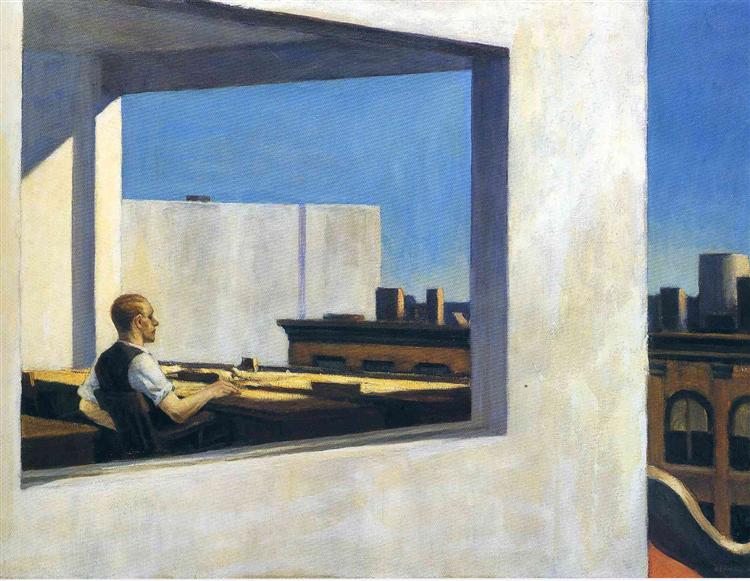
“Office in a Small City” 1953 Edward Hopper
Chapter 8 of the International Building Code contains the performance requirements for controlling fire growth and smoke propagation within buildings by restricting interior finish and decorative materials. A great deal of interior square footage presents fire hazard; even bulletin boards and decorations; as a simple web search will reveal. We are respectful of the competing requirements of safety and ambience and try to assist in a reconciliation of these two objectives.
Free access to the current edition of the relevant section is linked below:
The public input period of the Group A Codes — which includes the International Fire Code; which contains parent requirements for this chapter — closed in July 2nd. Search on the word “interior”, or “school” or “classroom “in the document linked below for a sample of the ideas in play.
Update to the 2024 Group A – Consolidated Monograph Updates 3/18/2024
2021 REPORT OF THE COMMITTEE ACTION HEARINGS ON THE 2021 EDITIONS OF THE GROUP A INTERNATIONAL CODES
Development of Group A proceeds in the calendar linked below:
Current Code Development Cycle 2024-2026
Most of the ICC bibliography lies at the foundation of the safety and sustainability agenda of education communities everywhere so we follow development continuously; setting priorities according to our resources. We keep the issues in this chapter on the standing agenda of our Interiors colloquium. See our CALENDAR for the next online meeting; open to everyone.
Time sensitive November 11, 2025 Update:
The project, located on the Texas A&M University System’s Rellis Campus in Bryan (Brazos County), has faced significant delays. Originally slated to begin construction by November 2021, it was pushed back due to the 2021 Winter Storm Uri. In November 2023, construction was announced to start in 2024, with an expected opening in Q3 2024 (July–September). However, no sources confirm completion or operations.Recent developments include:
The project’s official site (rellisdrc.com) states “Site will be available soon,” indicating it’s still under preparation. It’s designed as a 225,000 sq ft Tier III facility with colocation, cloud services, and educational spaces for workforce training.
FYI:
Company building RELLIS Campus Data & Research Center files for bankruptcy
Construction to begin on Rellis data center in Texas in 2024
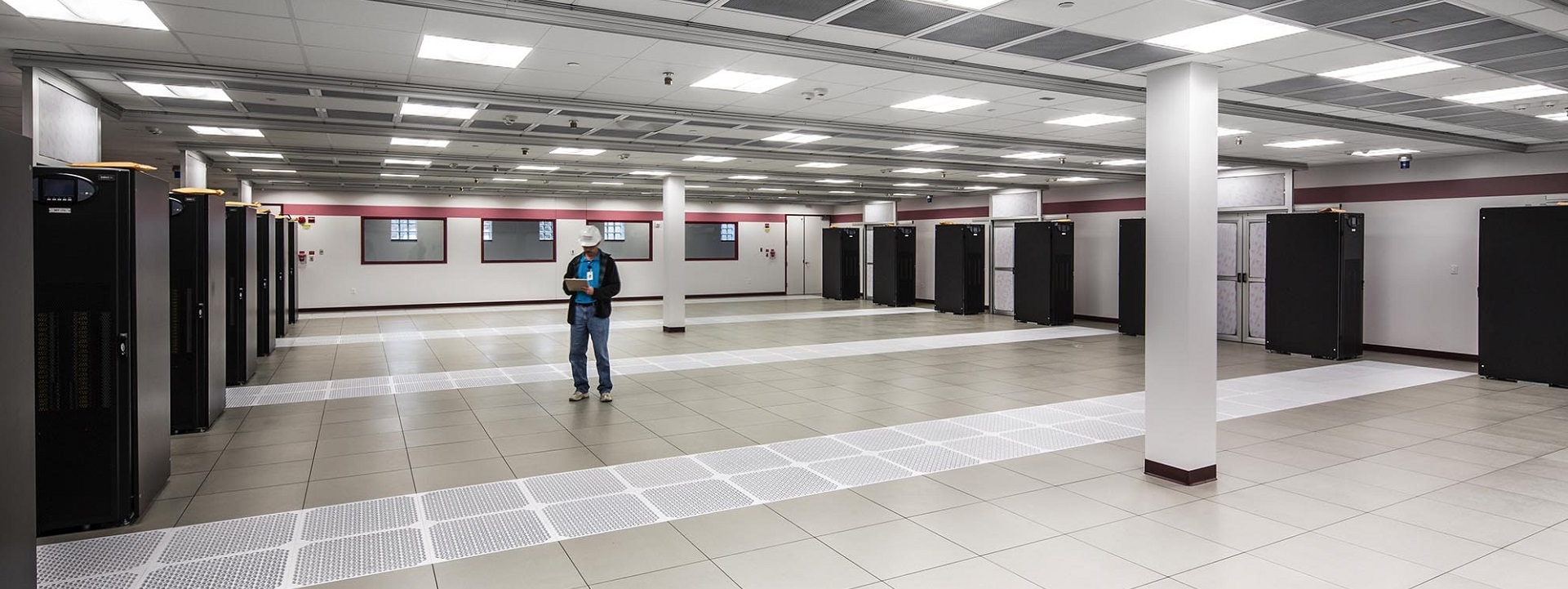
The RELLIS Data and Research Center will be a public – private development with Texas A&M University. The data center will be built on the new RELLIS Campus located in College Station, Texas. It will offer cloud storage and outstanding managed services. The RELLIS Academy and Research Lab offers the ability for Texas A&M University to give real world data center experience to both students and faculty.
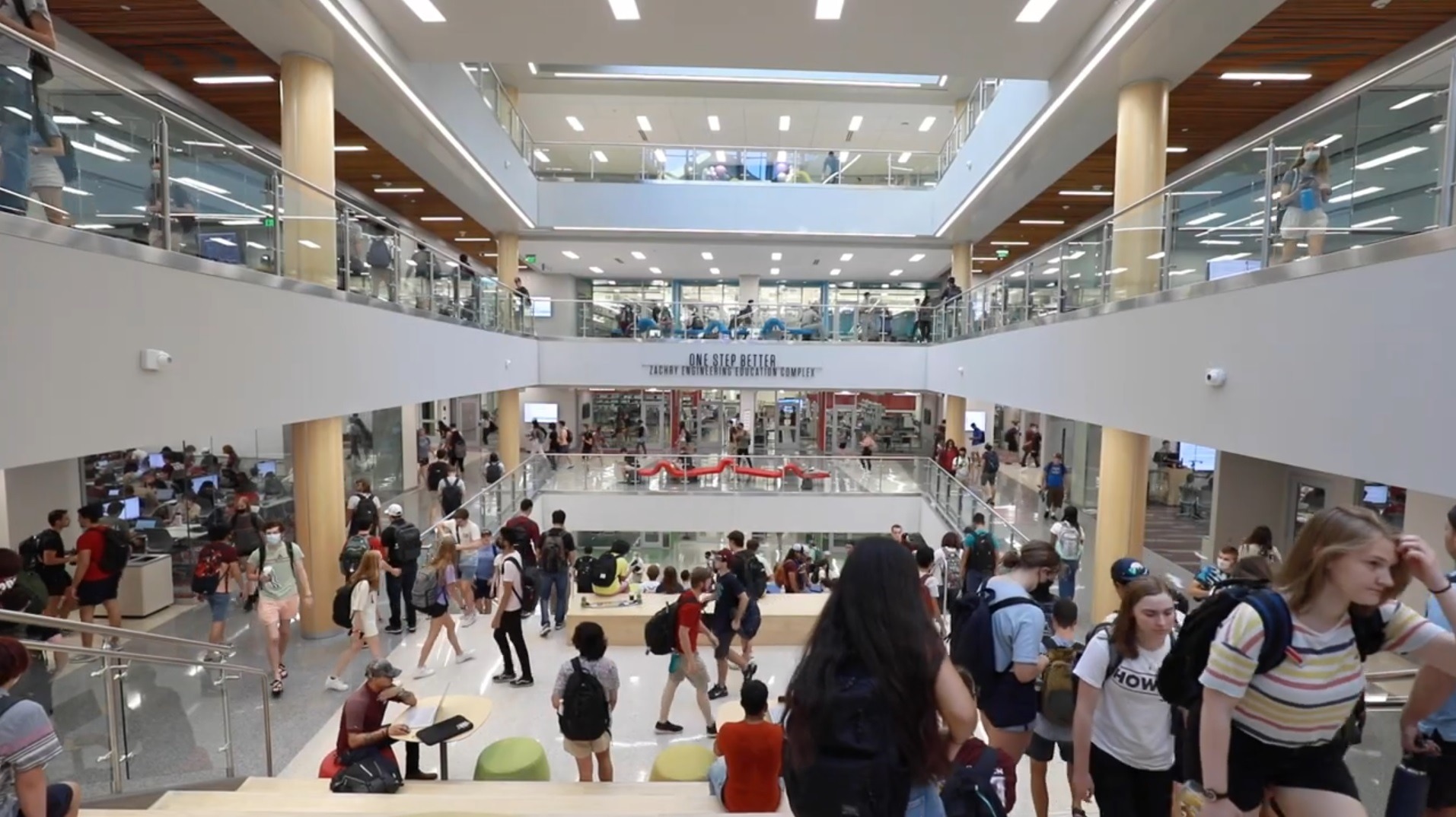

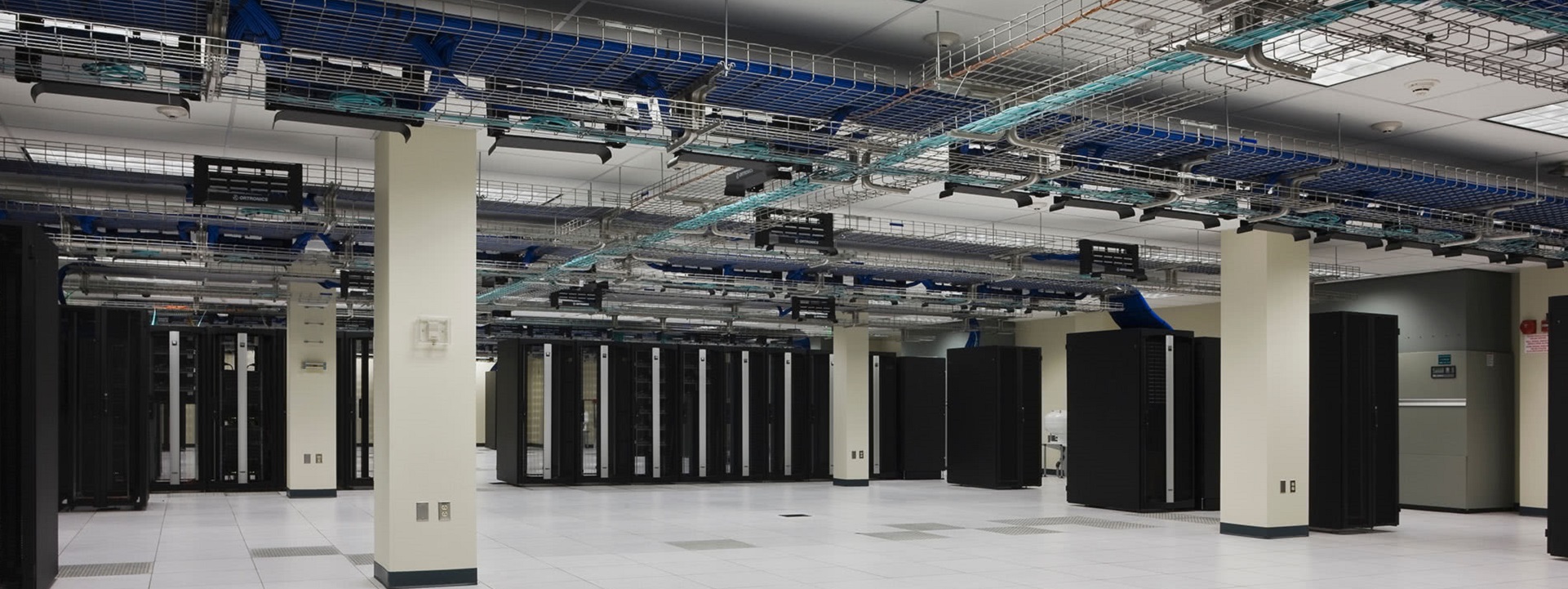
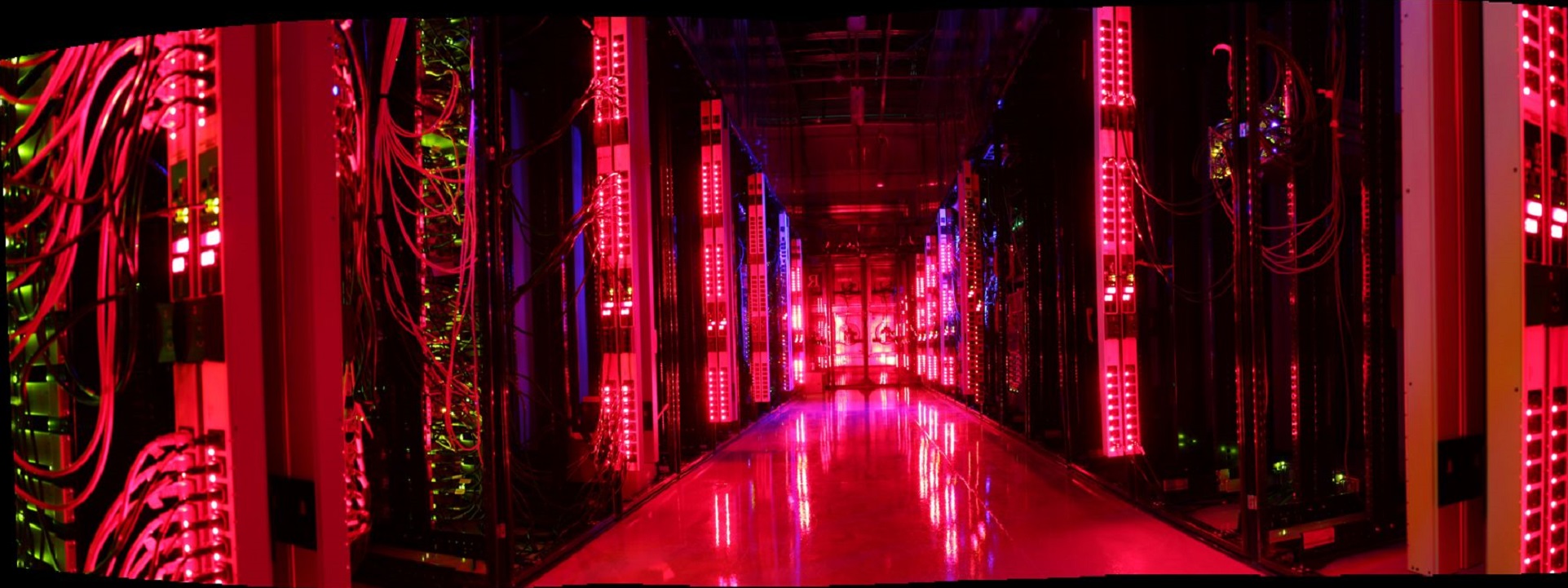
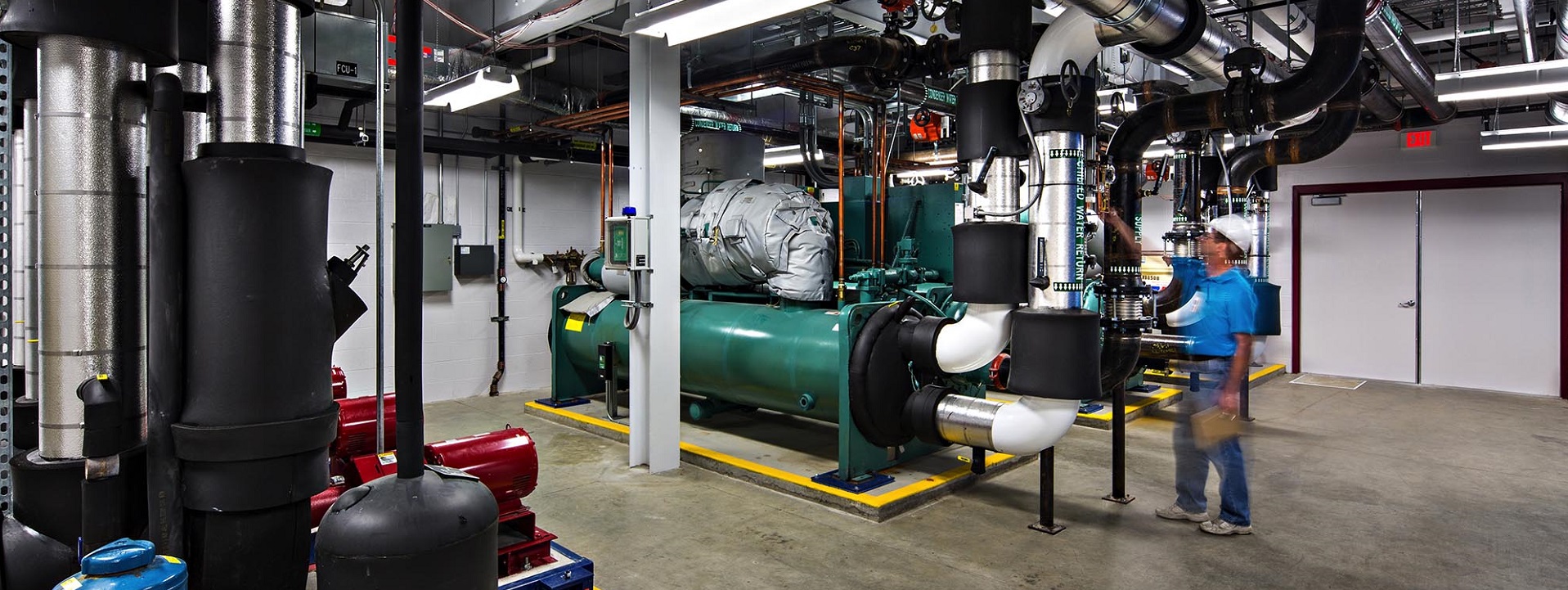
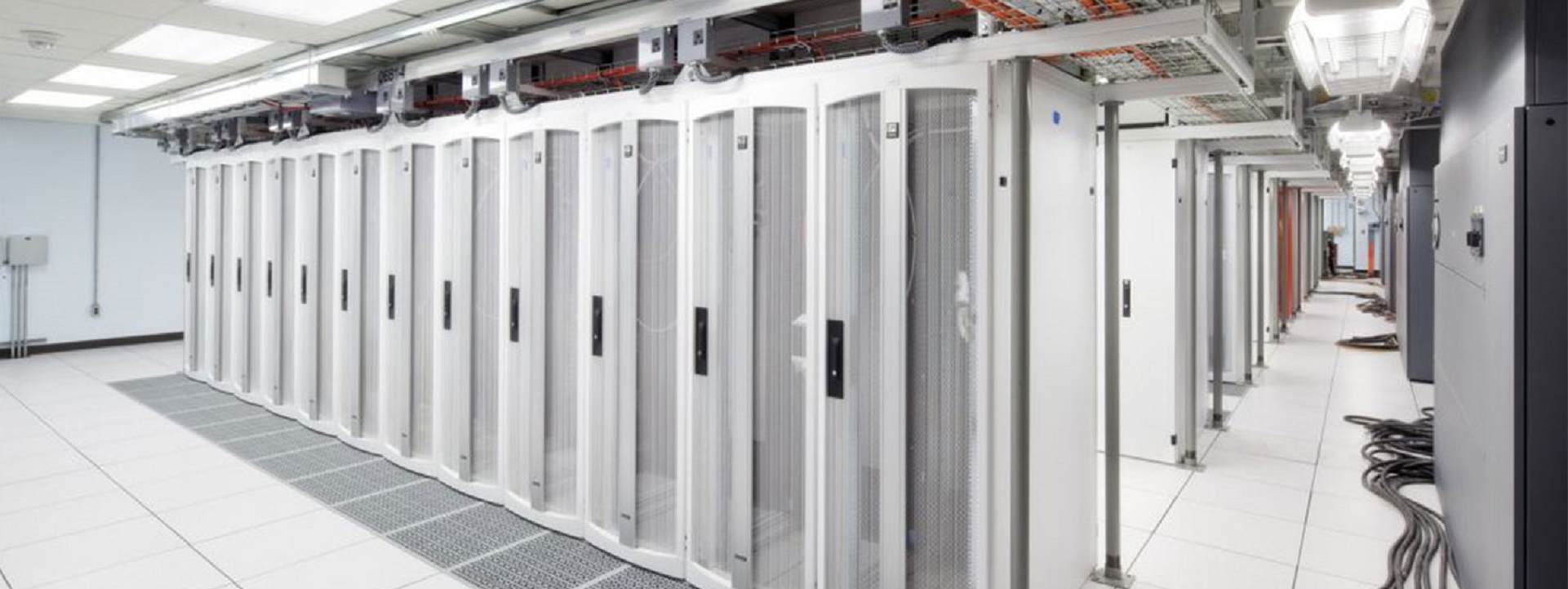
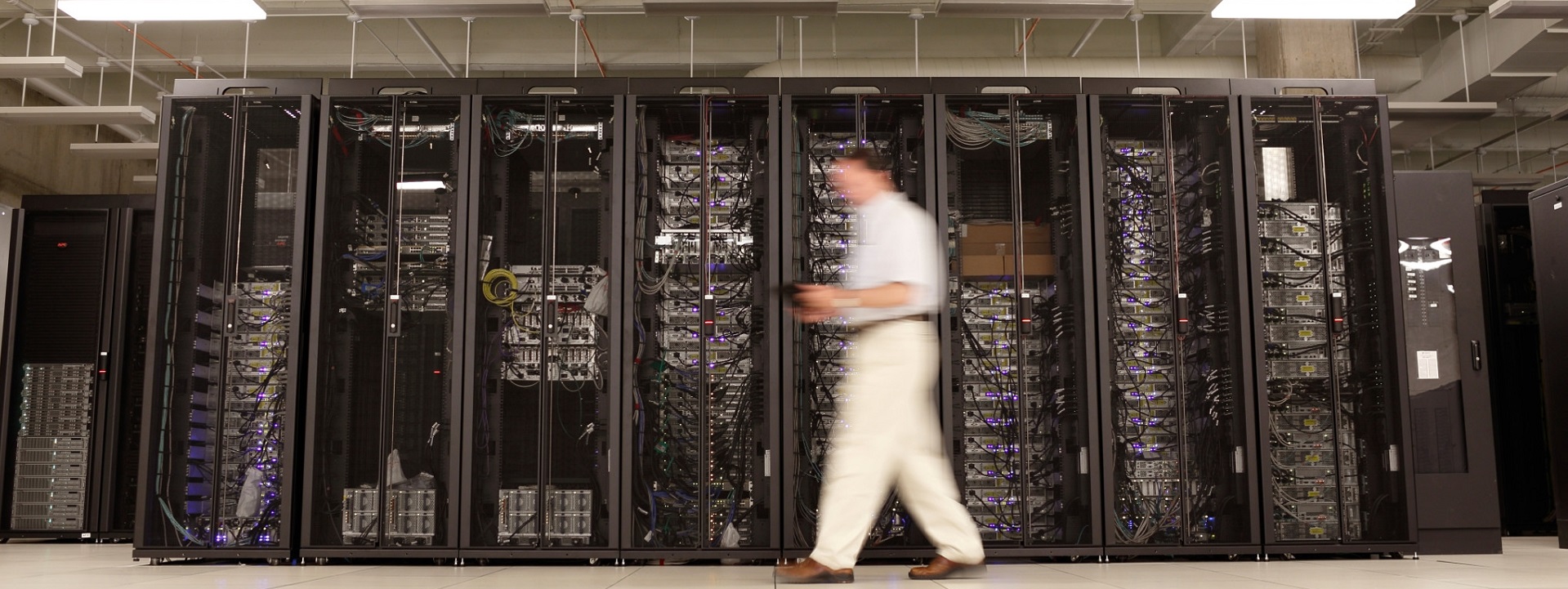
Information and communications technology (ICT) is a fast-moving economic space in which a mix of consensus, consortia and open-source standards form the broad contours of leading practice. ICT standards tend to follow international developments — more so than, say, fire safety standards which are more familiar to education facility leadership. All school districts, colleges, universities and university-affiliated health care systems have significant product, system, firmware and labor resources allocated toward ICT.
The Building Industry Consulting Service International (BICSI) is a professional association supporting the advancement of the ICT community in all markets. This community is roughly divided between experts who deal with “outside-plant” systems and “building premise” systems on either side of the ICT demarcation (or Point-of-Presence). BICSI standards cover the wired and wireless spectrum of voice, data, electronic safety & security, project management and audio & video technologies. Its work is divided among several committees as shown in the landing page of its standards setting enterprise, linked below:
BICSI International Standards Program
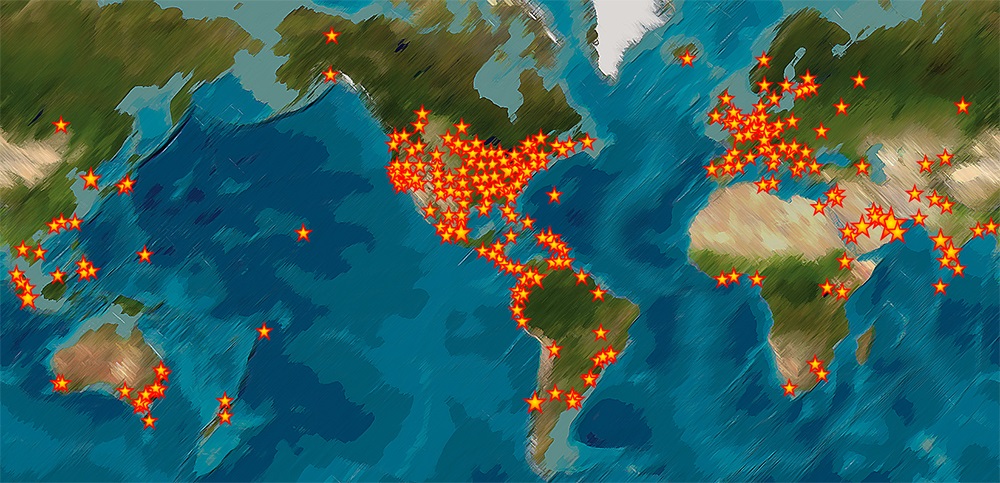
The stars on the map above indicate where BICSI Standards are currently in use (CLICK ON IMAGE).
Education communities are stewards of significant information and communication technology infrastructure. Accordingly, we track the development of BICSI 009 Data Center Operations and Maintenance Best Practices. This title provides requirements, recommendations, and best practices for the operation and maintenance of data centers including but not limited to standard operating procedures, emergency operating procedures, maintenance, governance, and management. Those comments are now being integrated into a revised standard to be released as soon as the restrictions of the pandemic are eased. For more information you may communicate directly with Jeff Silveira (jSilveira@bicsi.org)
As of this posting, all BICSI best practice titles are stable and current; though our recent communication with its leadership indicates that BICSI standards setting has been slowed by the pandemic.
A fair amount of content in BICSI standards are inspired by movement in safety concepts of the National Electrical Code; particularly on matters involving wiring, grounding and lightning protection. We maintain all BICSI best practice titles on the standing agenda of our Infotech 200 teleconference. See our CALENDAR for the next online meeting; open to the public. On this topic we collaborate with the IEEE Education & Healthcare Facilities Committee meets four times monthly in European and American time zones; also open to the public.
Issue: [19-30]
Category: Telecommunications, Infotech
Colleagues: Mike Anthony, Jim Harvey, Michael Hiler
LEARN MORE:
Did you know BICSI offers a complete library of our award winning technical manuals and published standards? Available in print or electronic download, this set is a perfect resource for your company. Learn more: https://t.co/fzBA8hqve9 pic.twitter.com/y9duVe0fCG
— BICSI (@BICSI) December 15, 2018
The bookwheel, also known as a revolving bookcase, was invented by an Italian scholar and polymath named Agostino Ramelli. Ramelli was born in 1531 in Ponte Tresa, a town in present-day Italy, and he lived during the Renaissance period.
Ramelli’s invention, described in his work titled “Le diverse et artificiose machine del capitano Agostino Ramelli” (The Various and Ingenious Machines of Captain Agostino Ramelli), was published in 1588. This book showcased a collection of 195 mechanical devices.
Ramelli’s work contributed to the growing interest in mechanical inventions during the Renaissance period. His bookwheel design remains a fascinating example of early engineering and ingenuity, highlighting the desire for knowledge and practical solutions in the pursuit of learning and scholarly endeavors.
2026 NEC Articles 645-646-647 Information Technology Equipment, et. al First Draft Report
2026 NEC Articles 645-646-647 Information Technology Equipment, et. al Second Draft Report
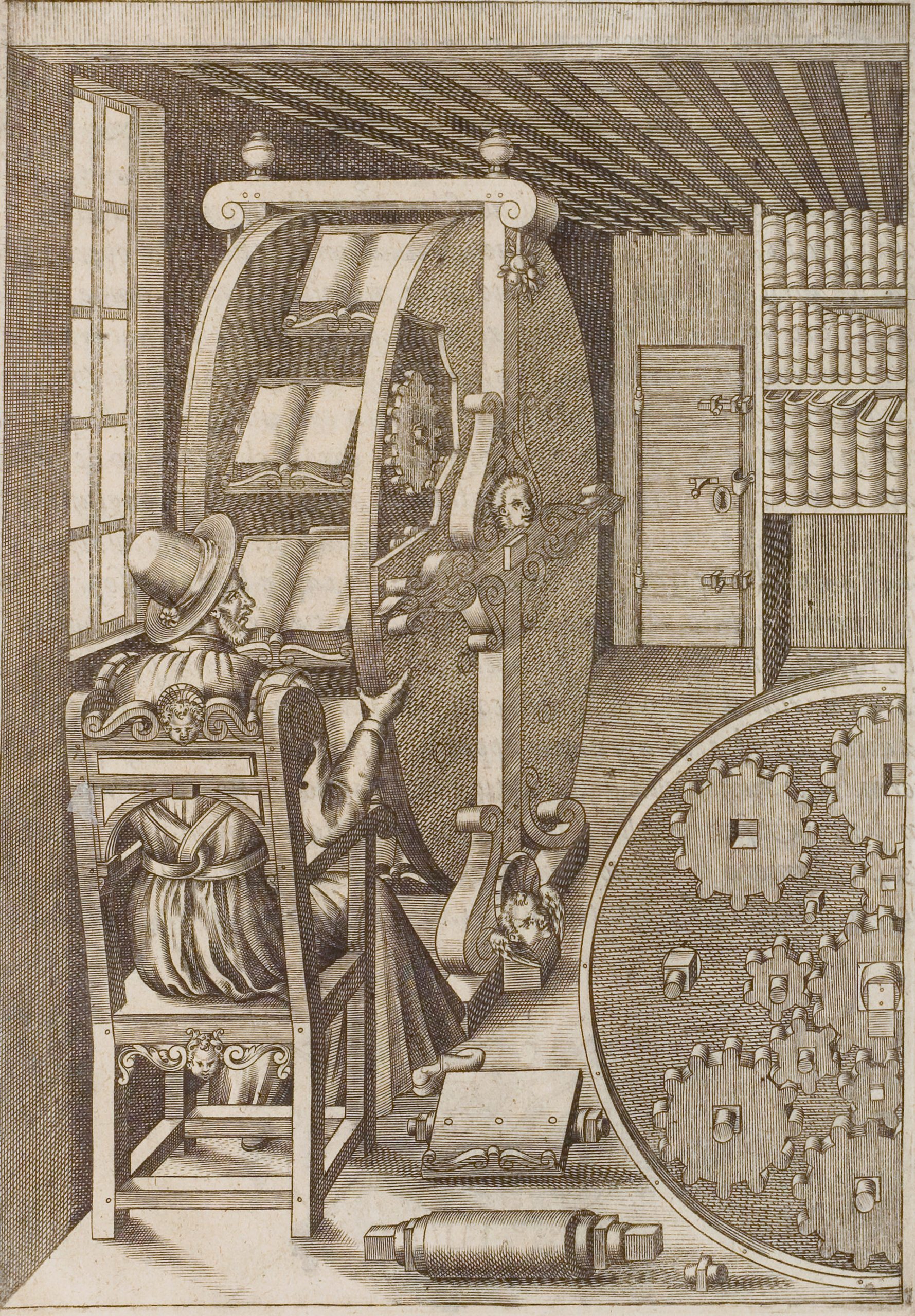
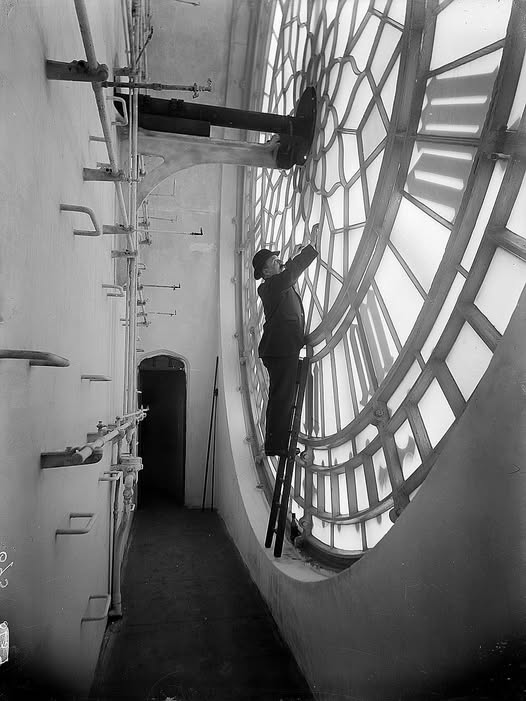
“Bookwheel” Early Data Center
The standard of care for wiring safety for data centers — a continually expanding presence in education communities even before the pandemic — is established in National Electrical Code Articles 645 (Information Technology Equipment), Article 646 (Modular Data Centers) and Article 647 (Sensitive Electronic Equipment). You will notice that these articles cover the topic comprehensively and bear the imprint of competing Producer-Interest groups. There are no User-Interest representatives on Code-Making Panel 12 that represent the final fiduciary in education communities even though education communities are one of the largest markets for information and communication technology systems.
The current version of NFPA 70 is linked below:
Transcripts of technical committee action during the 2026 revision (CMP-16) are linked below because they will inform our recommendations for the 2026 National Electrical Code. Keep in mind that the Technical Correlating Committee is moving content around the Code in order to make the NEC easier to use by experts.
CMP-16 First Draft Report | Public Input with Committee Response
The transcripts of technical committee action during the 2023 revision are linked below because they will inform our recommendations for the 2026 National Electrical Code.
Code‐Making Panel 12 Public Input Report
Code-Making Panel 12 Public Comment Report
We will use these in our exploration of what we might propose for improvements in the 2026 revision. Public comment on the First Draft of the 2026 Edition will be received until August 28th.
The issues that have been in play in these articles of the NEC are familiar to veterans of the “food fight” – occupancy classification, cable specifications, fire protection, ventilation, energy consumption, surge protection, licensing of engineers. etc. We look for market-making excesses by opposing stakeholders that seek to limit their risk while raising the (financial) risk to education communities.
We encourage our colleagues to participate in the NFPA code development process directly. We also encourage stakeholders in education communities — students, faculty and staff to join us during any of the teleconferences we co-host with the IEEE Education & Healthcare Facilities Committee 4 times monthly in both European and American time zones. See our CALENDAR for the next online meeting.
NFPA 75: Standard for the Fire Protection of Information Technology Equipment
2024 International Building Code: Special Detailed Requirements Based on Occupancy and Use
2024 International Building Code: Section 304.1 Business Group B
Related:
Bibliography
Reliability Data Collection Dot Std 3006.8: Framework for Establishing Goals for New Data
University of Michigan Cloud Services
Stanford University Cloud Transformation
University of Texas at Austin Cloud Computing
McKinsey: Scaling bigger, faster, cheaper data centers with smarter designs
This content is accessible to paid subscribers. To view it please enter your password below or send mike@standardsmichigan.com a request for subscription details.
‘If you trust government,
you obviously failed history class.’
Senator John Needly Kennedy (Senator, Louisiana)
How the language of climate change has changed
Readings:
Politics and the English Language
Political linguistics: How language shapes politics
The Left and the Right Speak Different Languages—Literally
A Psycholinguistic Study of Political Rhetoric of Fear
The USDA is now censoring its staff on the use of “climate change”
During the early years of Earth Day, there was talk of "global cooling", which included 3 cover stories in Time Magazine. pic.twitter.com/hjijre1k8v
— Bill Steffen (@bsteffen) April 22, 2017
New update alert! The 2022 update to the Trademark Assignment Dataset is now available online. Find 1.29 million trademark assignments, involving 2.28 million unique trademark properties issued by the USPTO between March 1952 and January 2023: https://t.co/njrDAbSpwB pic.twitter.com/GkAXrHoQ9T
— USPTO (@uspto) July 13, 2023
Standards Michigan Group, LLC
2723 South State Street | Suite 150
Ann Arbor, MI 48104 USA
888-746-3670
 |
 |
|
 |
 |
|
 |
 |