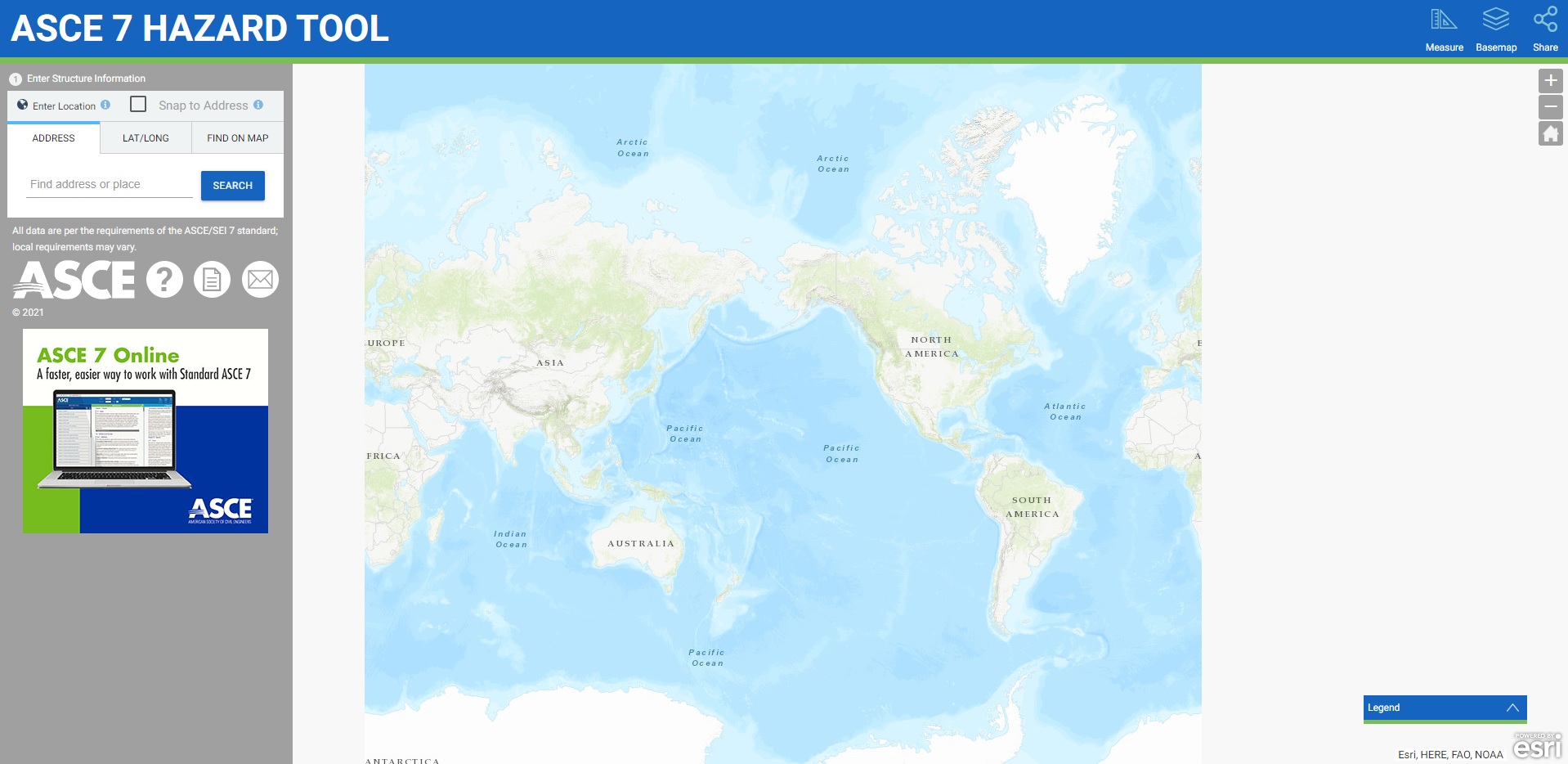
Two redlines that run close coupled with the International Building Code are open for public consultation until September 14 and October 15, respectively:
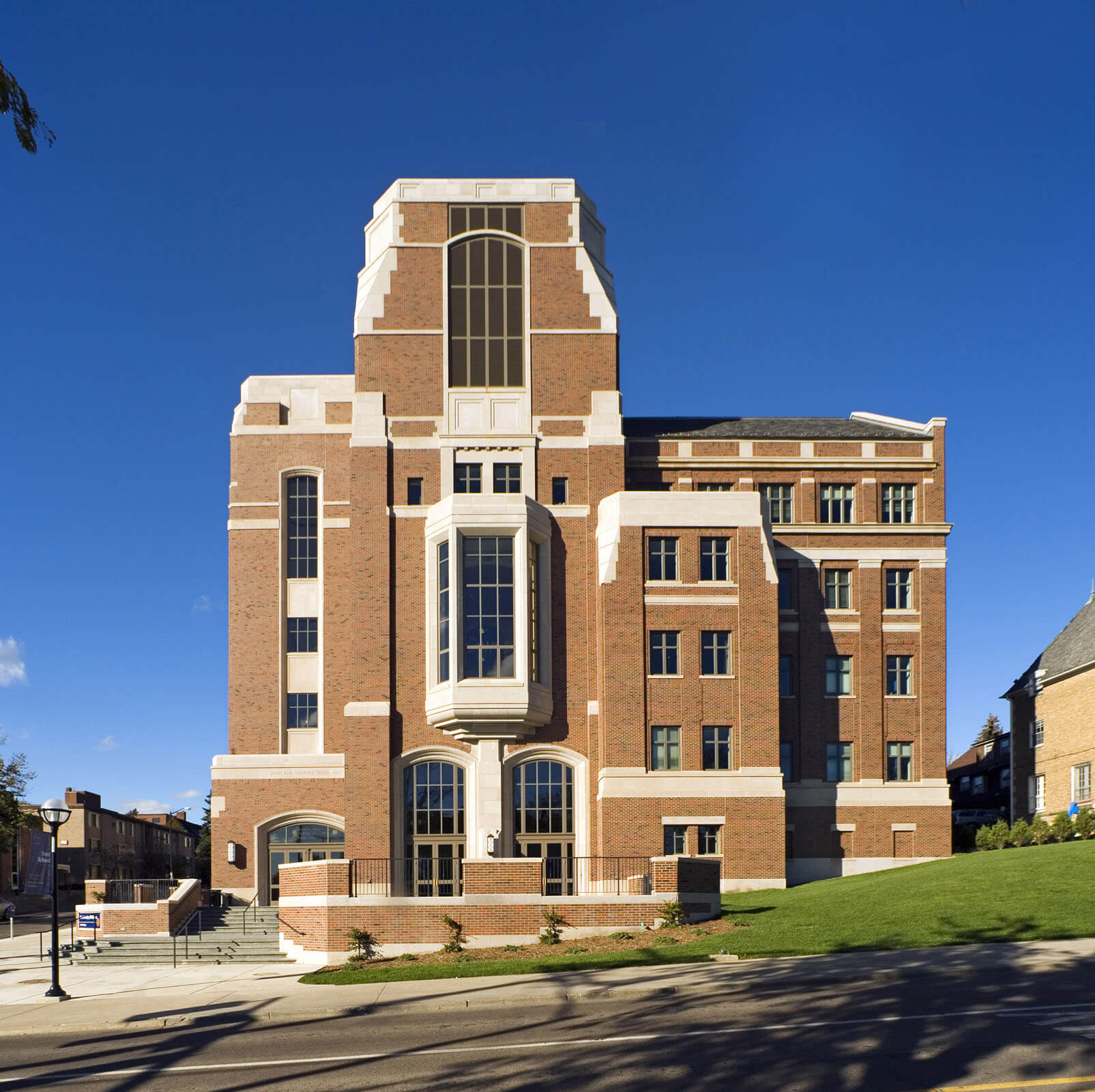
Our engagement with ASCE standards dates to the founding of Standards Michigan, when we challenged legacy live-load requirements for university armories whose contemporary use no longer resembled the military occupancy from which the requirements arose.
Introduction. [Abstract]. The rapid growth of data centers, with their enormous energy and water demands, necessitates targeted policy interventions to mitigate environmental impacts and protect local communities. To address these issues, states with existing data center tax breaks should adopt sustainable growth policies for data centers, mandating energy audits, strict performance standards, and renewable energy integration, while also requiring transparency in energy usage reporting. “Renewable energy additionality” clauses should ensure data centers contribute to new renewable capacity rather than relying on existing resources. If these measures prove insufficient, states should consider repealing tax breaks to slow unsustainable data center growth. States without tax breaks should avoid such incentives altogether while simultaneously implementing mandatory reporting requirements to hold data centers accountable for their environmental impact. Broader measures should include protecting local tax revenues for schools, regulating utility rate hikes to prevent cost-shifting to consumers, and aligning data center energy demands with state climate goals to avoid prolonging reliance on fossil fuels.
One characteristic of the “customer experience” of school children, dormitory residents, patients in university-affiliated hospitals and attendees of large athletic events is the quality of food. School districts and large research universities are responsible for hundreds of food service enterprises for communities that are sensitive to various points along the food supply chain.
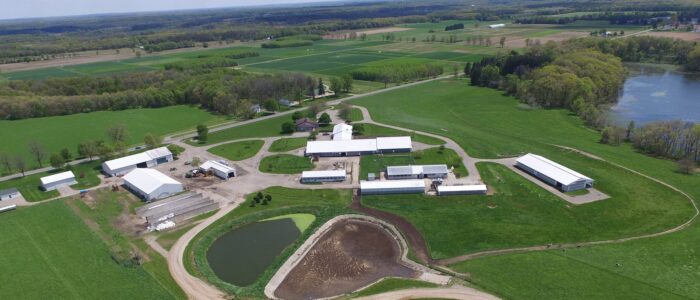
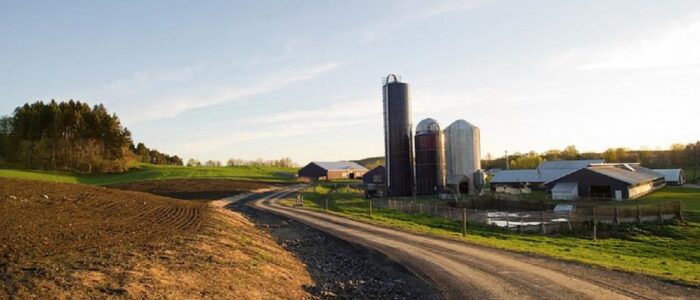
The American Society of Agricultural and Biological Engineers (ASABE) is one of the first names in standards setting for the technology and management of the major components of the global food supply chain. It has organized its ANSI-accredited standards setting enterprise into about 200 technical committees developing 260-odd consensus documents*. It throws off a fairly steady stream of public commenting opportunities; many of them relevant to agricultural equipment manufacturers (i.e, the Producer interest where the most money is) but enough of them relevant to consumers (i.e. the User interest where the least money is) and agricultural economics academic programs that we follow the growth of its best practice bibliography.
A few of the ASABE consensus documents that may be of interest to faculty and students in agricultural and environmental science studies are listed below:
Safety for Farmstead Equipment
Safety Color Code for Educational and Training Laboratories
Recommended Methods for Measurement and Testing of LED Products for Plant Growth and Development
Distributed Ledger Technology applications to the global food supply chain
The ASABE bibliography is dominated by product-related standards; a tendency we see in many business models of standards setting organizations because of the influence of global industrial conglomerates who can bury the cost of their participation into a sold product. Our primary interest lies in the movement of interoperability standards — much more difficult — as discussed in our ABOUT.
The home page for the ASABEs standards setting enterprise is linked below:
As of this posting we find no live consultation notices for interoperability standards relevant to educational settlements. Sometimes you can find them ‘more or less concurrently’ posted at the linked below:
We always encourage our colleagues to participate directly in the ASABE standards development process. Students are especially welcomed into the ASABE Community. Jean Walsh (walsh@asabe.org) and Scott Cederquist (cedarq@asabe.org) are listed as contacts.
Colleagues: Mike Anthony, Jack Janveja, Richard Robben
Meet Raley Kirk from San Saba, TX. Raising hair sheep and Spanish goats in the Texas Hill Country, Raley is proud to play a part in providing the food and fiber our country depends on every day.
For her, National Ag Week is about highlighting that meaningful work and ensuring… pic.twitter.com/9KKC4pzRgC
Introducing the Thriving Planet Institute at Northwestern 🌱
This new institute advances systems‑level, community‑engaged research and education to address the interconnected water, land and air challenges that impact human health. https://t.co/bOtKu3k2Urpic.twitter.com/tq8tUKYCfx
What’s a Father to Do? Send his daughter to college to find a man only to discover that there are no men
A father has a simple, time-honored plan. Pack the minivan, drive the daughter to a respectable college, and wait for the inevitable phone call announcing she has found a solid young man—someone with a firm handshake, a future, and the ability to change a tire without consulting YouTube. He waves goodbye with the quiet confidence of a man who believes the campus still stocks reliable husbands the way it stocks textbooks — someone from a family born in the same weather their family was born in.
Months later the first report arrives. “Dad,” she says, “there are no men here.”
He blinks. “What do you mean, no men? I saw several walking around during orientation.”
“Those were boys,” she explains patiently. “They wear pajama pants to class, call their mothers three times a day, and consider ‘adulting’ a competitive sport they are currently losing. The ones who do shave have somehow managed to make facial hair look like a cry for help.”
He suggests she look harder. She does. She finds young males who communicate exclusively in memes, whose idea of providing is splitting the Uber Eats bill, and who treat commitment the way most people treat expired yogurt—something to be avoided until it becomes a science experiment. One proudly announced he was “working on himself,” which turned out to mean leveling up a video-game character while living on instant ramen in a dorm that smelled faintly of regret.
The father tries the classic advice: “Look for the ones who open doors.” She replies that the only doors being opened are the ones to the campus counseling center after yet another group-chat misunderstanding. He mentions careers and ambition. She counters with stories of seniors still majoring in “figuring it out” and minors in “vibes.”
In the end the father sits on the porch, staring at the empty driveway, wondering whether he should have invested in a time machine instead of tuition. Perhaps the real lesson is that college still produces plenty of degrees—just not the kind that come with a man attached. What’s a father to do? Buy extra tissues, lower his expectations, and hope the next generation invents a major in “basic adulthood.”
This content is accessible to paid subscribers. To view it please enter your password below or send mike@standardsmichigan.com a request for subscription details.
This content is accessible to paid subscribers. To view it please enter your password below or send mike@standardsmichigan.com a request for subscription details.
New update alert! The 2022 update to the Trademark Assignment Dataset is now available online. Find 1.29 million trademark assignments, involving 2.28 million unique trademark properties issued by the USPTO between March 1952 and January 2023: https://t.co/njrDAbSpwBpic.twitter.com/GkAXrHoQ9T