• In ancient times, kitchens were often located outside the main living quarters of a home. They were typically small, with an open hearth for cooking and a few basic utensils.
• During the Middle Ages, kitchens began to be built inside castles and manor houses. These kitchens were much larger and more complex than earlier versions, with multiple hearths, ovens, and cooking utensils.
• During the Renaissance, kitchens continued to become more elaborate, with the development of specialized cooking tools and the introduction of new cooking techniques. The kitchen also became a central gathering place for the household.
• With the onset of the Industrial Revolution, kitchens began to incorporate new technologies, such as gas stoves and refrigeration. As more people moved into cities, smaller kitchens became the norm.
• In the 20th century, the design and functionality of kitchens continued to evolve. The introduction of electricity and new materials, such as stainless steel, allowed for more efficient and hygienic kitchens. Open-plan kitchens, where the kitchen is integrated with the living and dining areas, also became popular.
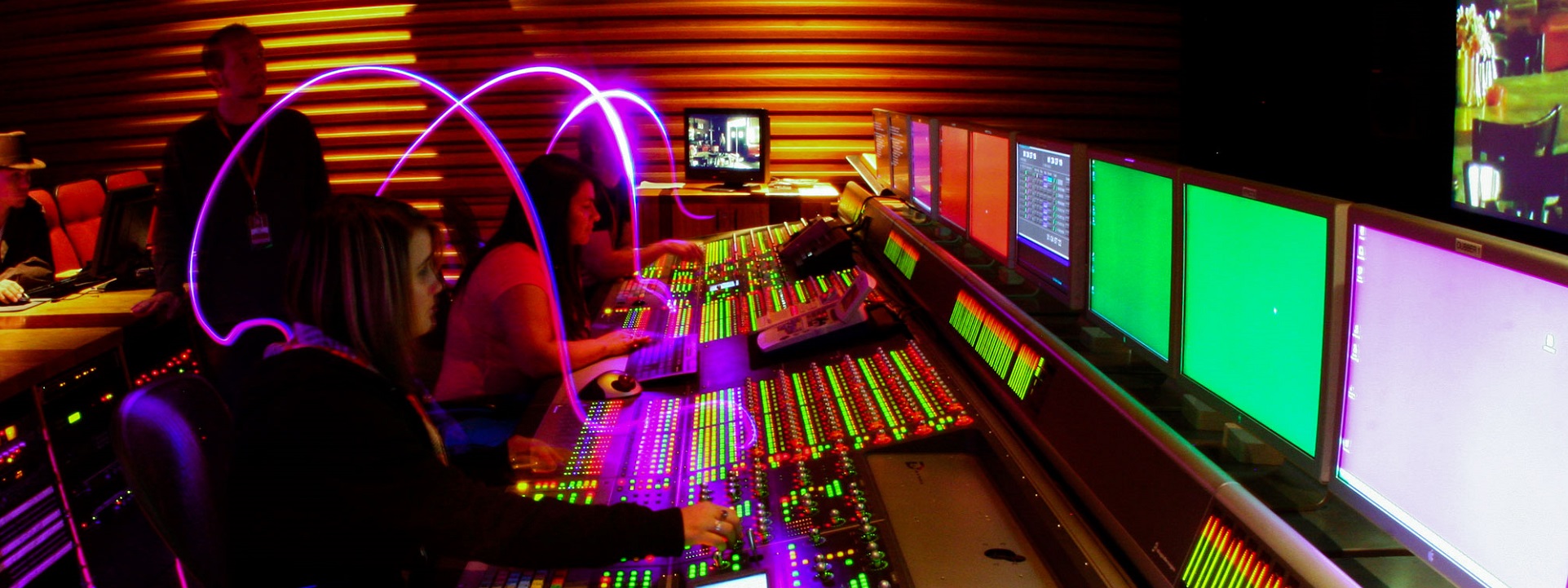
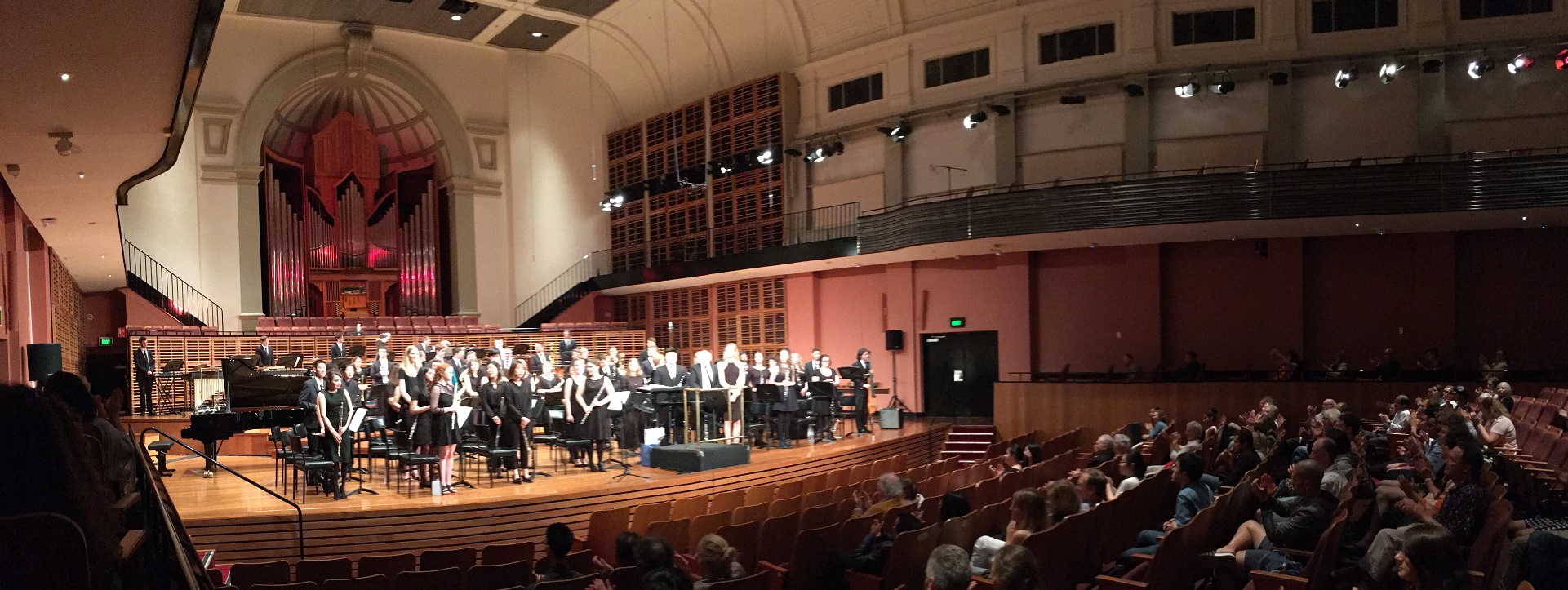
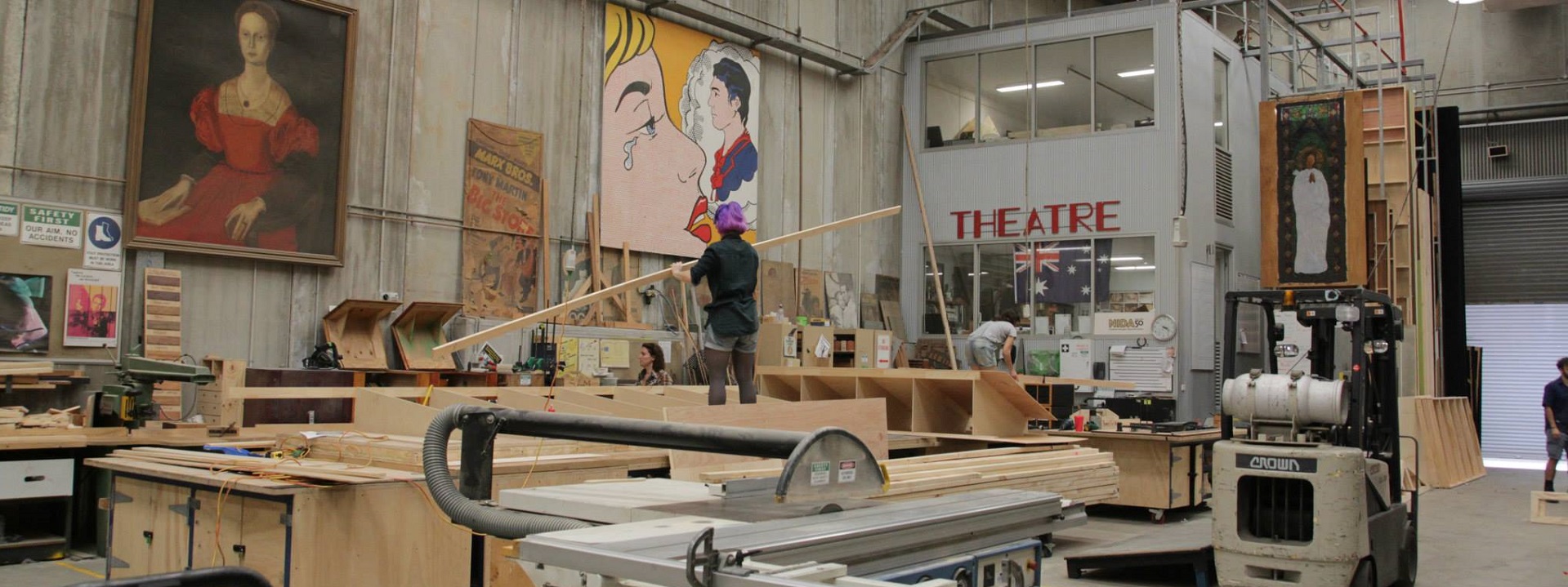
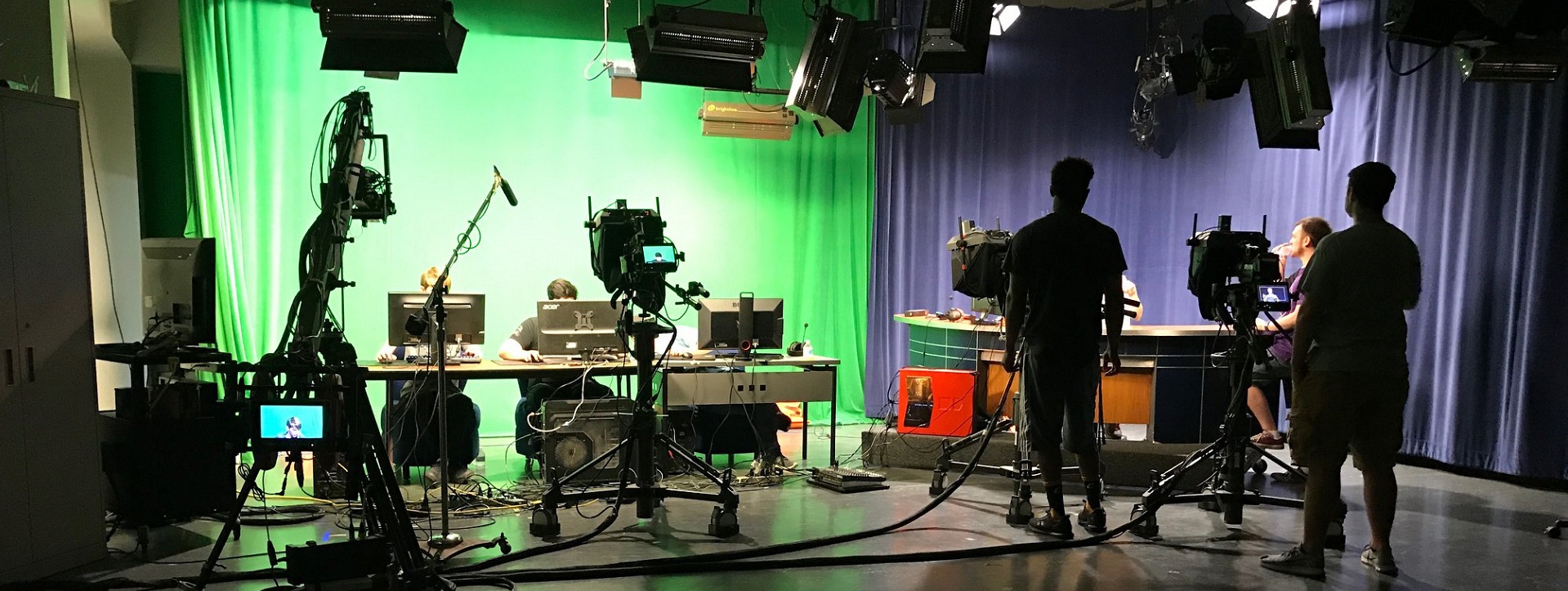
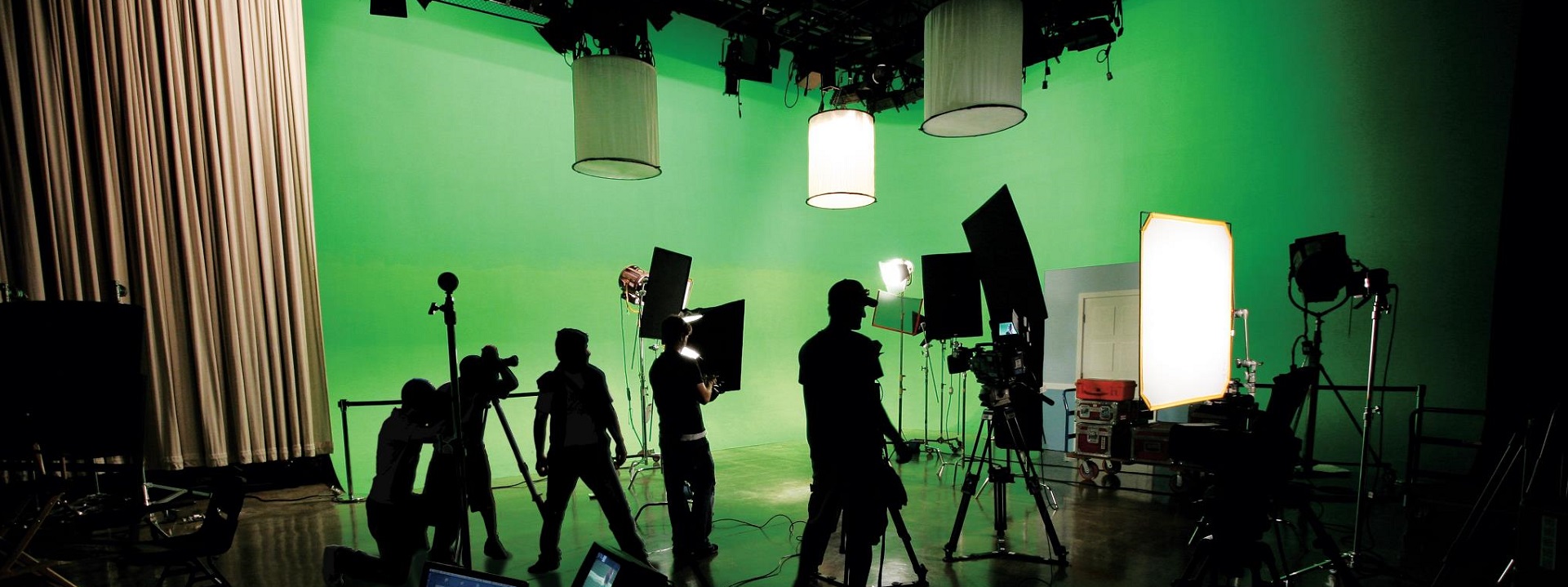
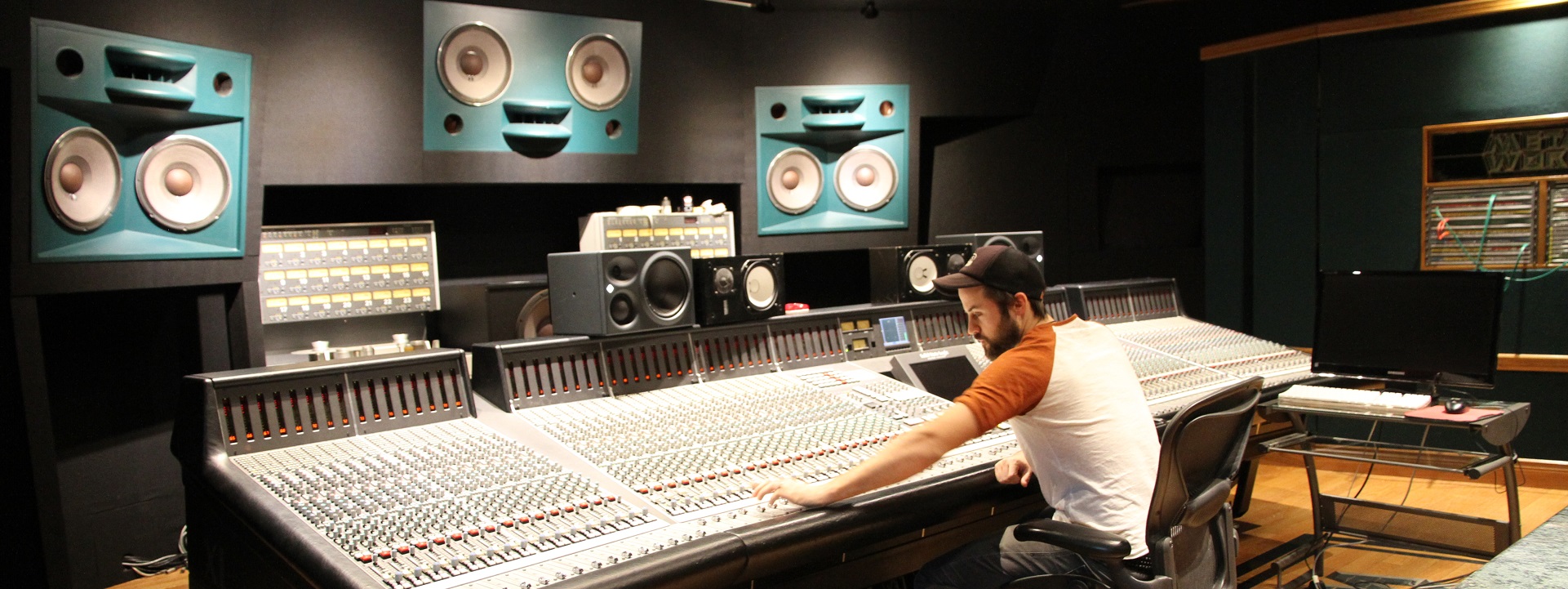
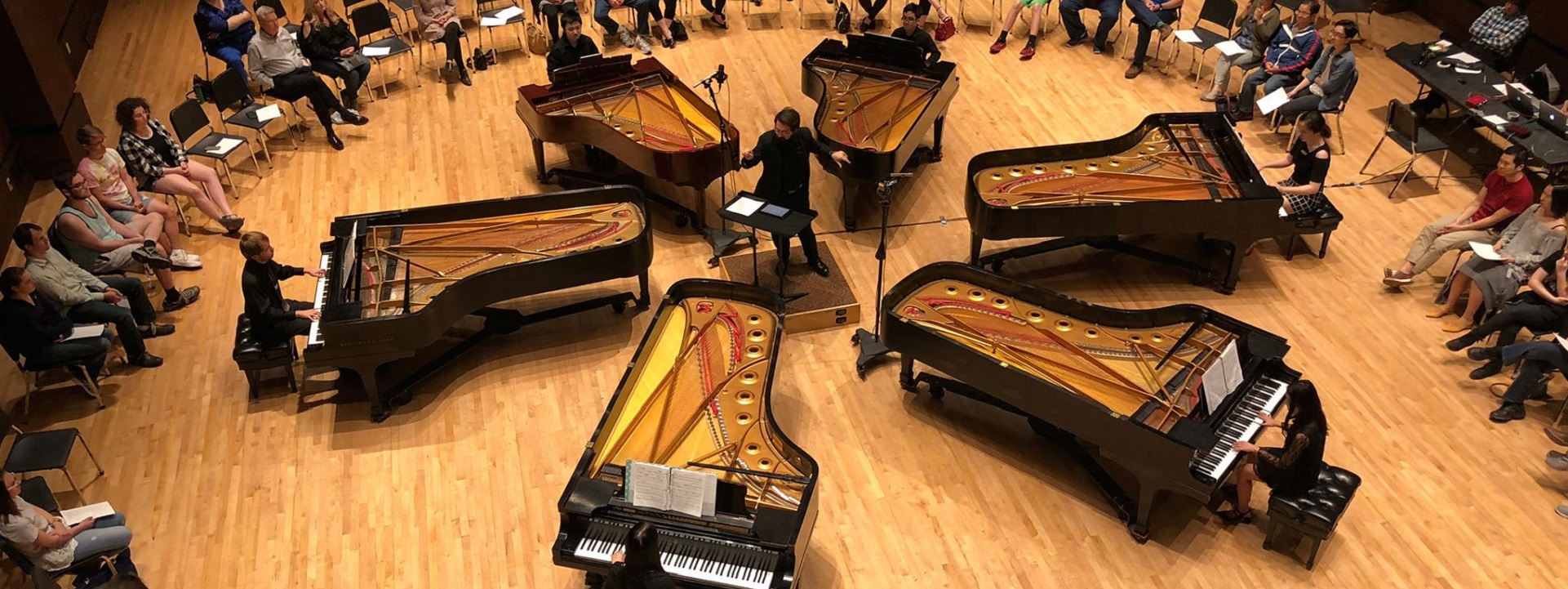
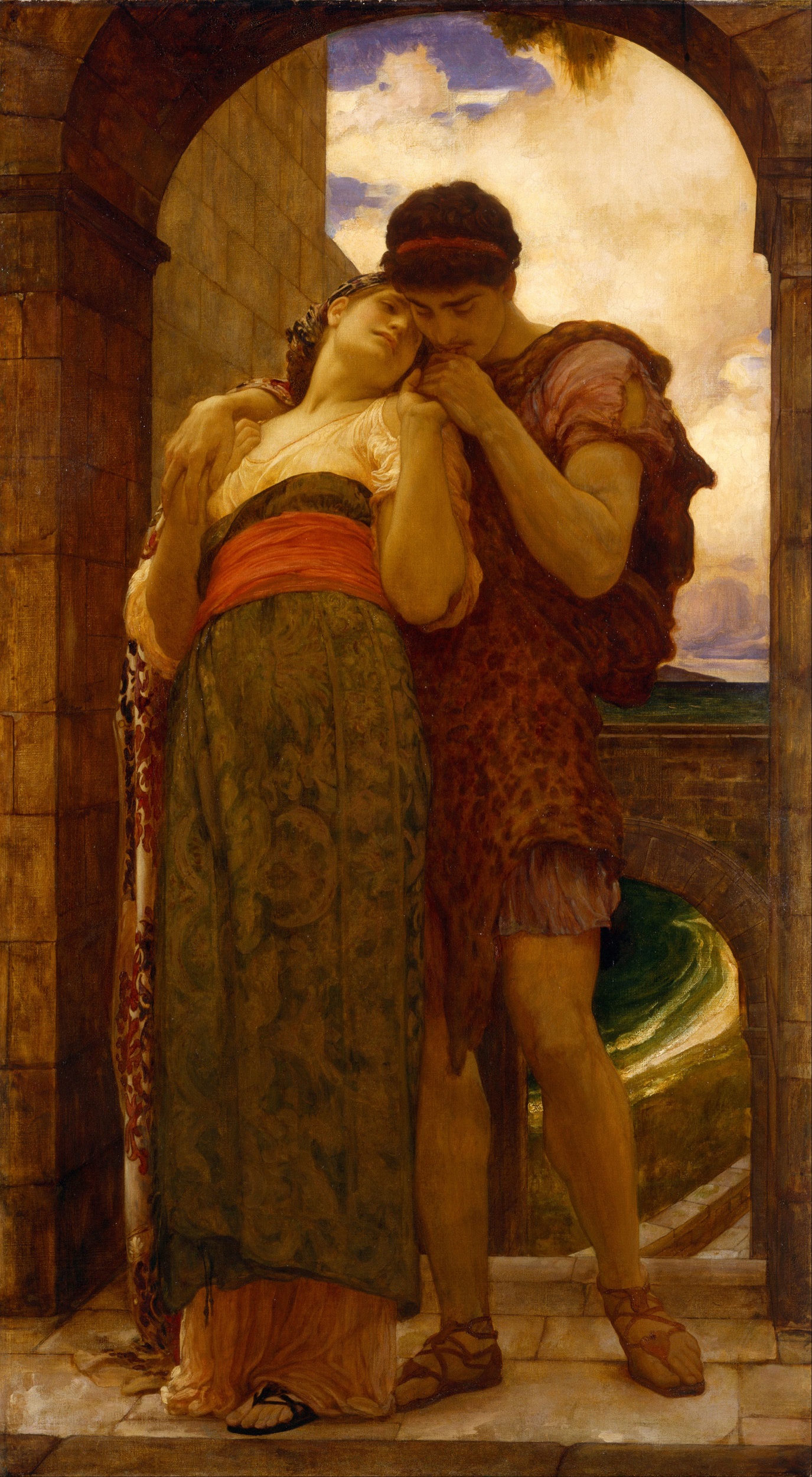
Education communities provide a locus for lively art production, enjoyment and instruction. It is both a consumer and producer; with the expansion of massive open online curricula drawing from the visual arts of cinematography.
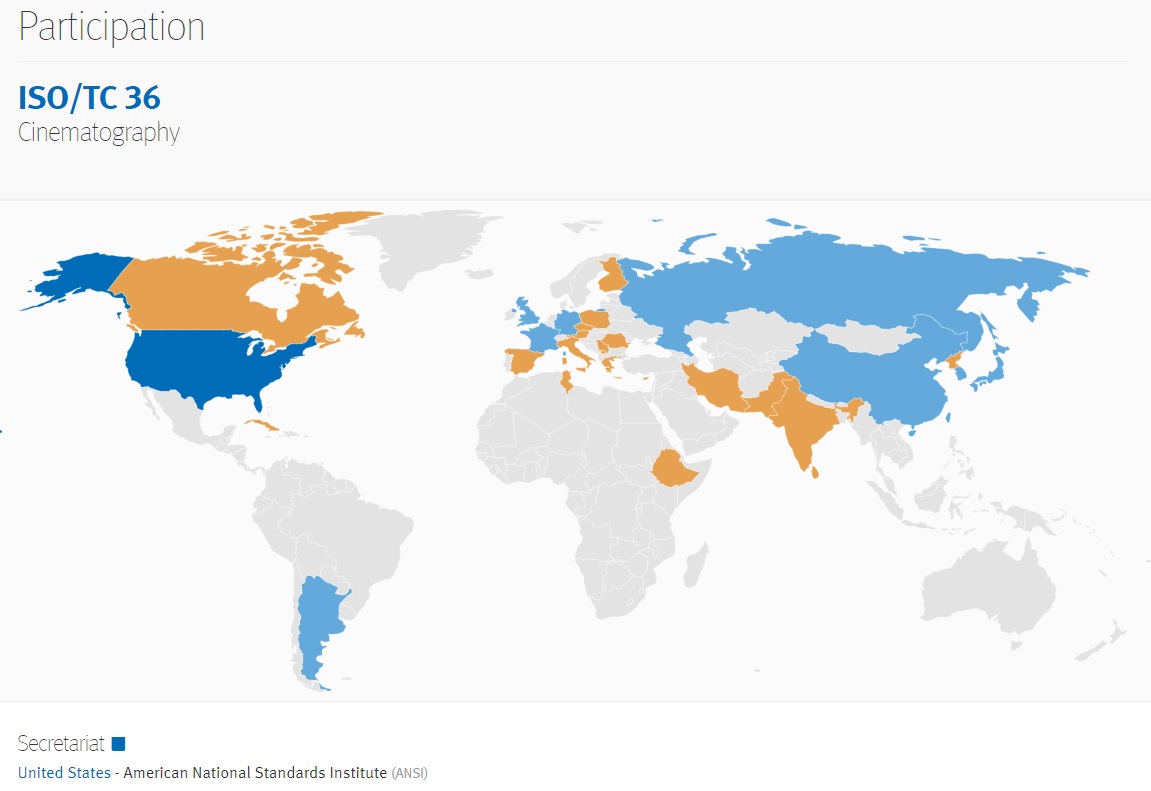
The International Organization for Standardization administers leading practice discovery and promulgation of the standards in these enterprises through Technical Committee 36. From the ISO/TC 36 prospectus:
Standardization of definitions, dimensions, methods of measurement and test, and performance characteristics relating to materials and apparatus used in silent and sound motion picture photography; in sound recording and reproduction related thereto; in the installation and characteristics of projection and sound reproduction equipment; in laboratory work; and in standards relating to sound and picture films used in television.
The American National Standards Institute is the ISO TC/36 Secretariat and the Society of Motion Picture and Television Engineers (SMPTE) is the US Technical Advisory Group Administrator (US TAG). We find SCTE present in safety and sustainability standards settings forums in many facility types in the education industry. It provides expertise to the Institute of Electrical and Electronic Engineers, the National Fire Protection Association, and the International Code Council, among others.
As commenting opportunities that are relevant to the US education industry present themselves, we will identify them here. As data from the US Bureau of Labor Statistics indicates, the demand for skill in this discipline is accelerating; with the education industry itself as a large consumer. We encourage students, faculty and staff to communicate directly with Mr. Thomas Bause Mason at SCTE, 3 Barker Avenue, Fifth Floor, White Plains, ny 10601, Phone: (914) 761-1100, Email: tbausemason@smpte.org. Educational institutions in other nations should contact their national representative to ISO TC/36
We sweep through all international standards that affect the education industry every nation. The time and date of our next teleconference on international standards is shown on our CALENDAR.
Category: Academics, Arts & Entertainment Facilities, Electrical, Telecommunication
Contact: Mike Anthony, Sanne Clare Anthony, Jim Harvey, Richard Robben
“The Dressmaking Factory” 1914 | Charles Ginnar @Tate
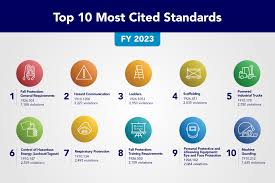
Today at the usual hour we examine worker safety database to update our understanding of the ANSI accredited and consortia titles that are incorporated by reference into local worker safety regulations. Many colleges and universities have thousands of people working on the physical structure of colleges and universities. Paying them and keeping them safe is the largest cost center.
Mural by Eyer Middle School students, Macungie, Pennsylvania, 2017
No paucity of drama in global education communities, lately. Our core competency lies in hammering on the specifics that drive up the cost of education community spaces; but we cannot do that well without understanding the primary purpose educational communities. Credentialing is Big Business. Arguably, education communities are the world’s largest credentialing communities. The work products of the American National Institute provide templates for policy solutions to a many industries. Noteworthy today are the products for learning communities.
From the original ANSI post:
Kaplan University Partners, Inc. reports that the number one reason Americans value higher education is to get graduates “career ready.” Yet, the biggest concern employers have about college is the relevance of what students are learning and the work readiness of the graduates. When employers are asked what they want to see most in college graduates, the top things they cite are work-related experiences and industry-relevant skills. According to a 2013 Lumina Foundation and Gallup poll of the American public and business leaders, only 13% of Americans and 11% of C-level executives are confident that graduates are well prepared for success in the workplace. It is time to take action to turn the tide on this perception.
This content is accessible to paid subscribers. To view it please enter your password below or send mike@standardsmichigan.com a request for subscription details.
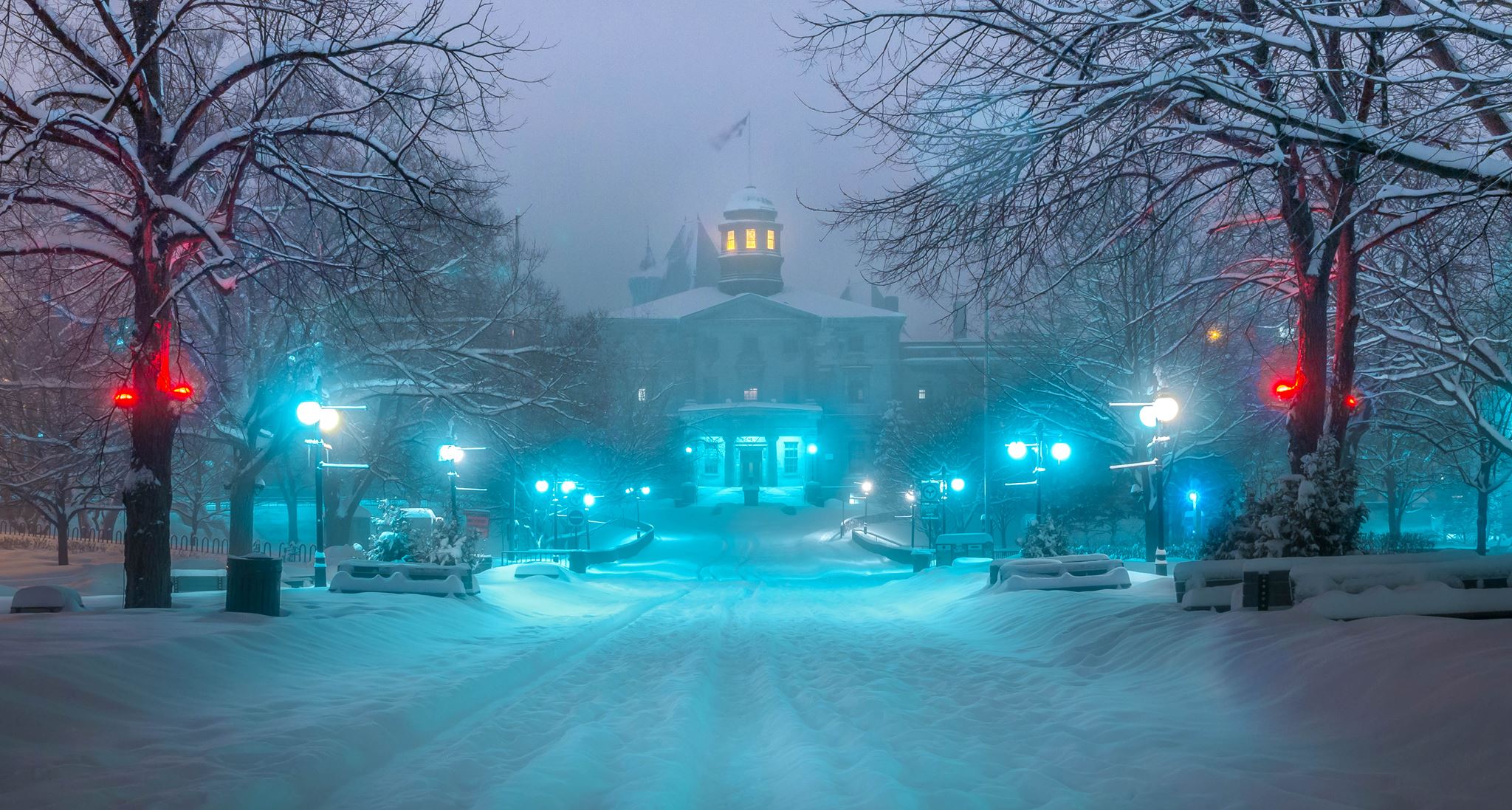
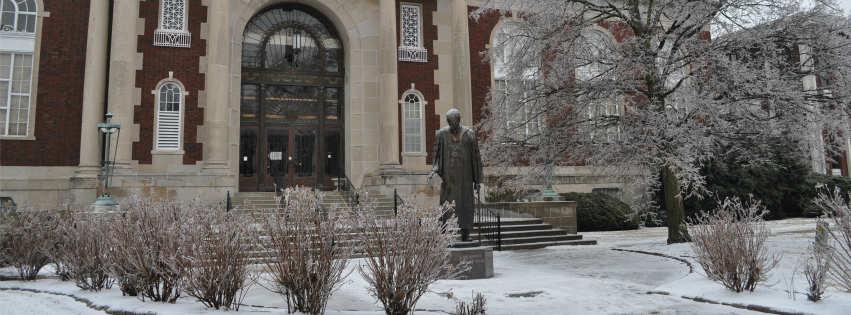
The National Floor Safety Institute is steward to a comprehensive bibliography of best practice literature. Floor safety is a risk that receives heightened consideration in education facilities in the snowy parts of the world this time of year. Its complete suite is listed in the link below:
Application: The requirements of this standard pertain to the safe usage and applications, design, construction, and quality criteria of floor mats and runners.
Purpose: This standard is directed to eliminating slip, trip and fall hazards including but not limited to soil, moisture, contaminant removal, edge treatments and the improper use of floor mats and runners.
Education communities have a larger-than-average openings to the exterior — and they are large targets for lawsuits — so we keep an eye on this title.
At the moment, an examination of the technical committee roster for this title indicates that there are no voting members from the education industry; the largest non-residential building construction market in the United States. While Murray State University has subject matter experts recognized by NFSI (See YouTube link below) there is no user/owner/final fiduciary on the committee. Keep in mind that that in many education organizations — particularly large research universities — the compliance and insurance (risk management) interest is the only stakeholder that has the funding to participate. Compliance and risk management interests may be at odds with the interest of the user/owner/final fiduciary in individual units (explained in more detail in our ABOUT)
NSFI alerts the public to live consultation opportunities on the link to its standards landing page above. Today we find only closed consultations on its News & Events page. You are encouraged to collaborate directly with NFSI. Contact Laura Cooper for more information at laurac@nfsi.org.
We keep the NFSI standards suite on the standing agenda of our Interiors colloquia. See our CALENDAR for the next meeting; open to everyone.
New update alert! The 2022 update to the Trademark Assignment Dataset is now available online. Find 1.29 million trademark assignments, involving 2.28 million unique trademark properties issued by the USPTO between March 1952 and January 2023: https://t.co/njrDAbSpwBpic.twitter.com/GkAXrHoQ9T