Today at the usual hour we review the standards, codes, regulations and best practice literature for the safety and sustainability of facilities for teaching skills needed for supporting families.
You could hear a pin drop in this room 📌 So focused practicing for their exam 🧑🏻🍳 pic.twitter.com/lHw20avgnL
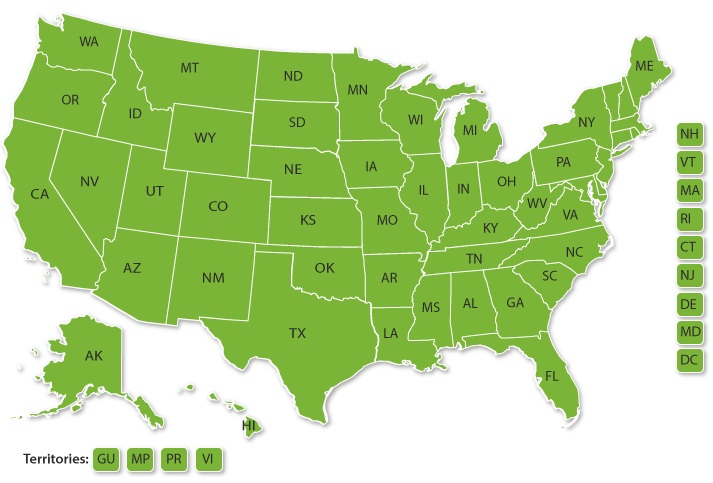
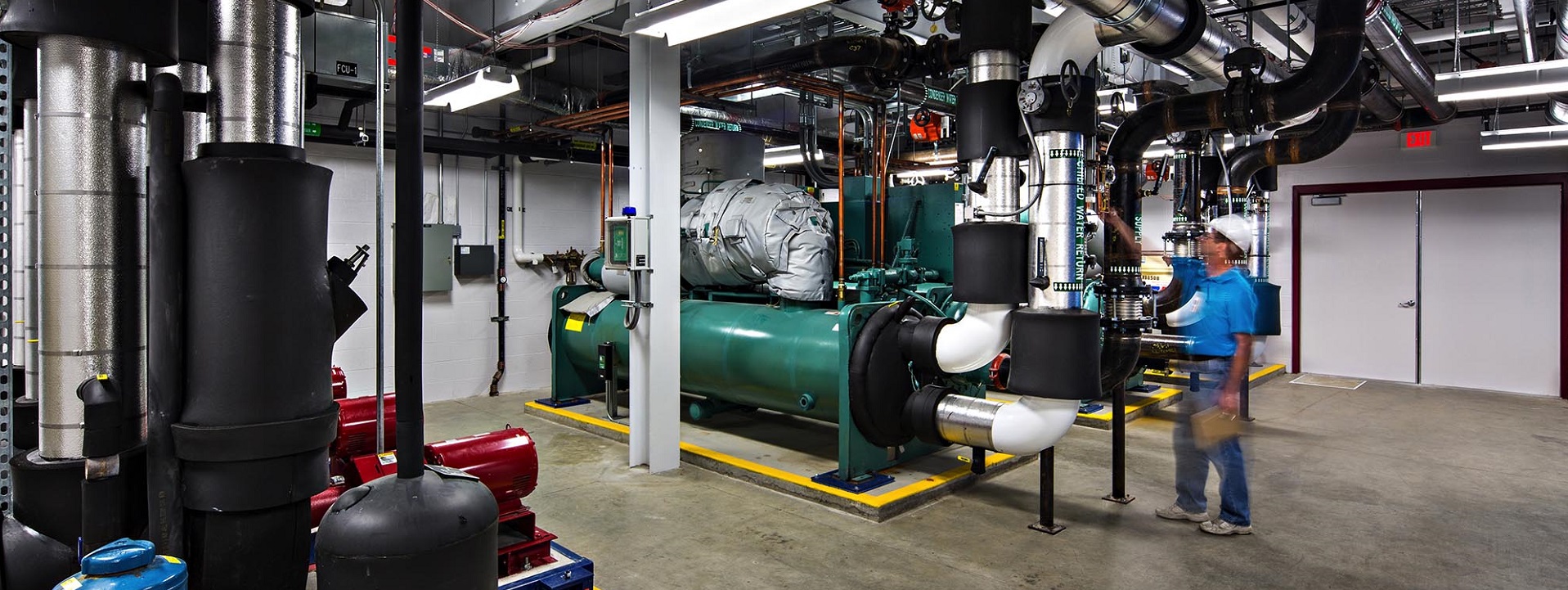
The International Plumbing Code (IPC) is developed to harmonize with the full span of ICC’s family of building codes. The IPC sets minimum regulations for plumbing systems and components to protect life, health and safety of building occupants and the public. The IPC is available for adoption by jurisdictions ranging from states to towns, and is currently adopted on the state or local level in 35 states in the U.S, the District of Columbia, Guam, and Puerto Rico.

SOURCE: CLICK ON IMAGE | Contact ICC for most recent IPC adoption map
The IPC is developed in the ICC Group A Code development framework and concluded its revision cycle in late 2021 under the circumstances of the pandemic. The 2023 International Plumbing Code revision cycle will not begin until early 2023 but it is never too soon to understand the issues from previous revision cycles to enlighten approaches to the forthcoming Group A revision cycle. The complete monograph of the Group A Codes is linked below, with comments on IPC proposals starting on Page 1417 of this 1613 page document:
Because transgender issues are on the agenda of many facility managers we direct you to Page 1424 of the rather large document linked above.
As always, we persist in encouraging education industry facility managers (especially those with operations and maintenance data) to participate in the ICC code development process. You may do so by CLICKING HERE.
Real asset managers for school districts, colleges, universities and technical schools in the Las Vegas region should take advantage of the opportunity to observe the ICC code-development process during the upcoming ICC Annual Conference in Las Vegas, October 20-23 during which time the Group B c Public Comment Hearings will take place. Even though the IPC has moved farther along the ICC code development process it is still enlightening to observe how it work. The Group B Hearings are usually webcast — and we will signal the link to the webcast when it becomes available — but the experience of seeing how building codes are determined is enlightening when you can watch it live and on site.
Issue: [16-133]
Category: Plumbing, Water, Mechanical
Colleagues: Eric Albert, Richard Robben, Larry Spielvogel
Although the 2024 Revision is substantially complete there are a number of technical and administrative issues to be resolved before the final version is released for public use. Free access to the most recent edition is linked below.
the more economics becomes the science of allocating attention.”
— George Gilder
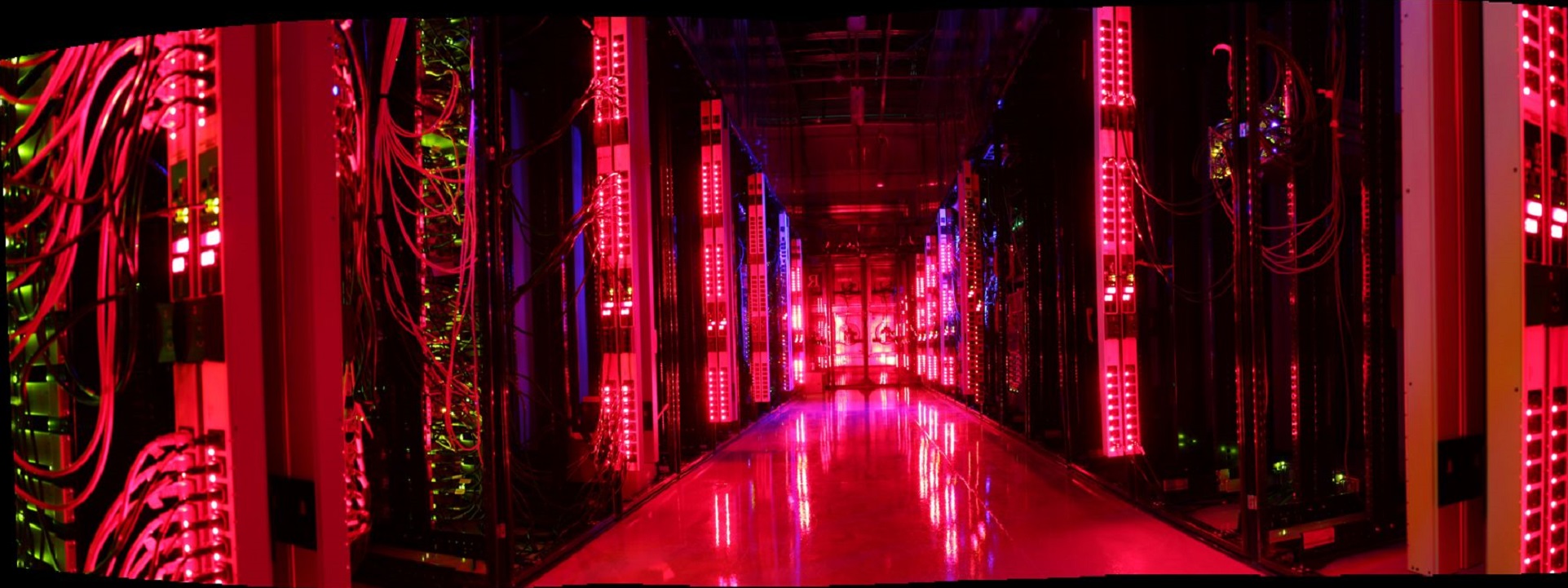
Today we break down the literature for building, maintaining and supporting the computing infrastructure of education communities. We use the term “infotech” gingerly to explain action for a broad span of technologies that encompass enterprise servers and software, wireless and wired networks, campus phone networks, and desktop computers that provide administrative services and career tech video production. The private sector has moved at light speed to respond to the circumstances of the pandemic; so have vertical incumbents evolving their business models to seek conformance revenue in this plasma-hot domain.
Starting 2023 we break down the topic accordingly:
Infotech 100: Survey of the principal standards developing organizations whose catalogs are incorporated by reference into federal and state legislation. Revision cycles.
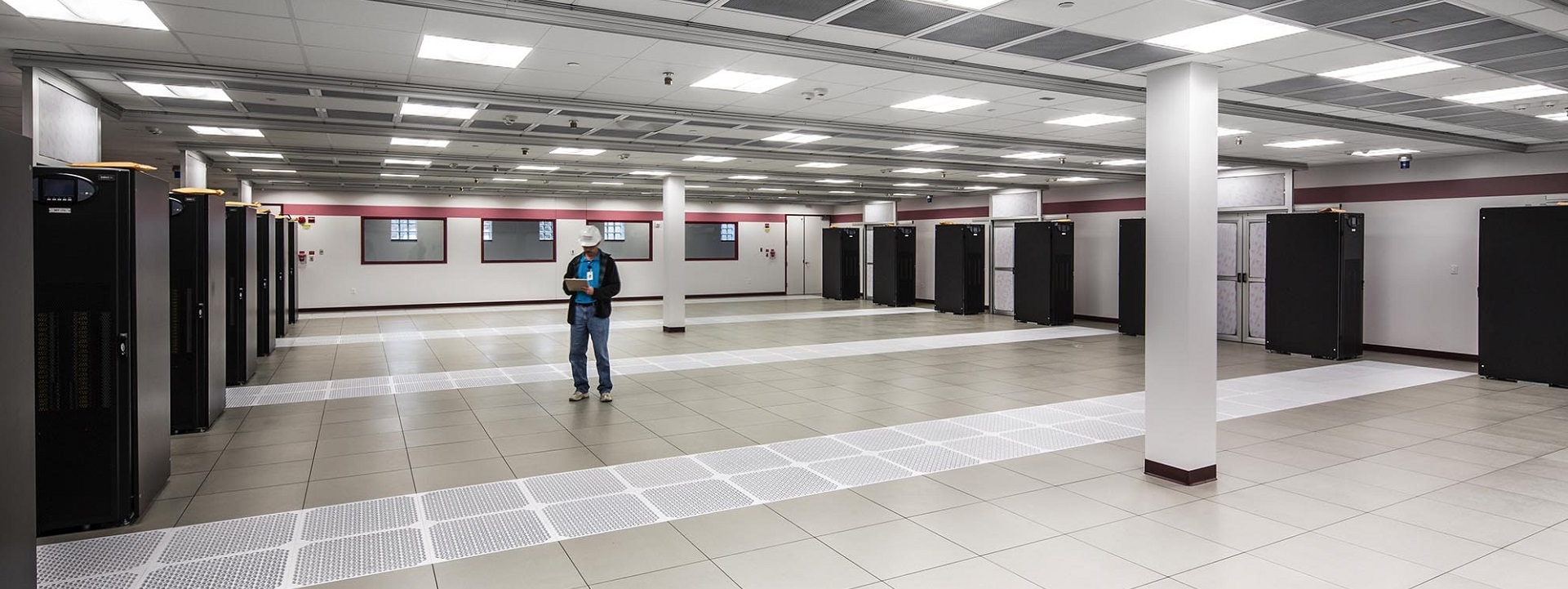
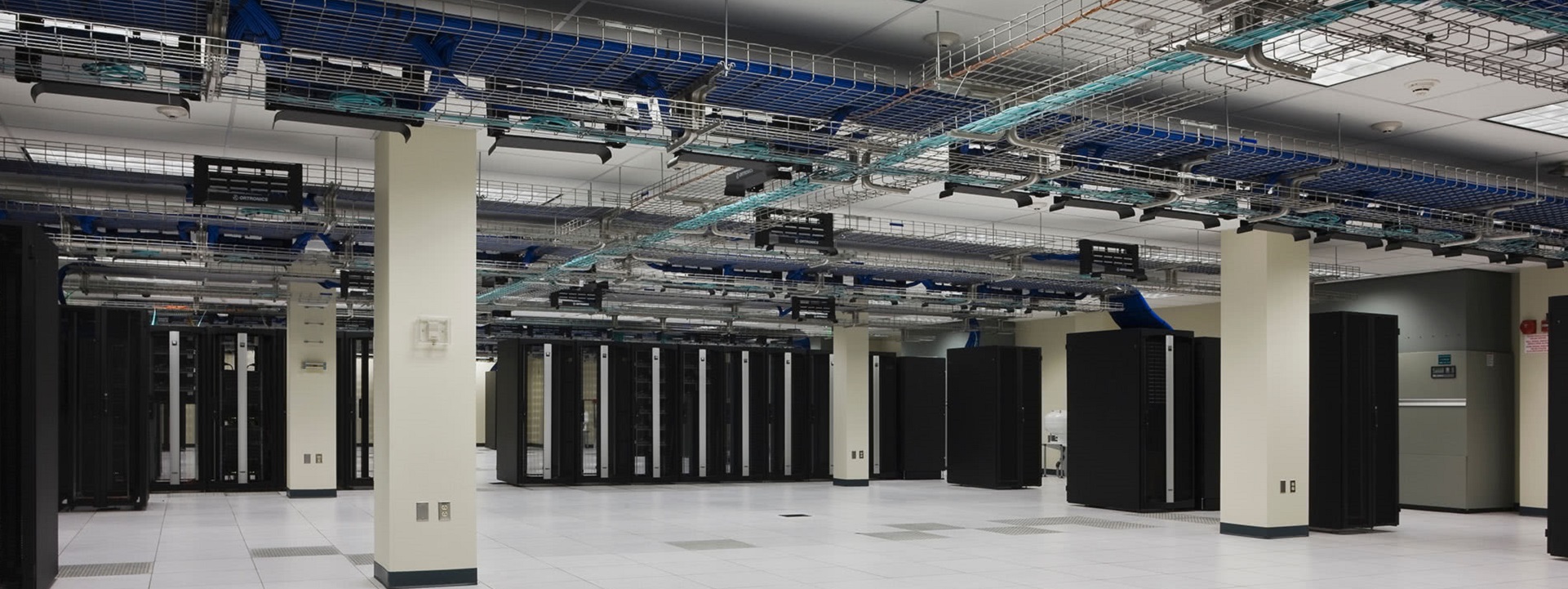
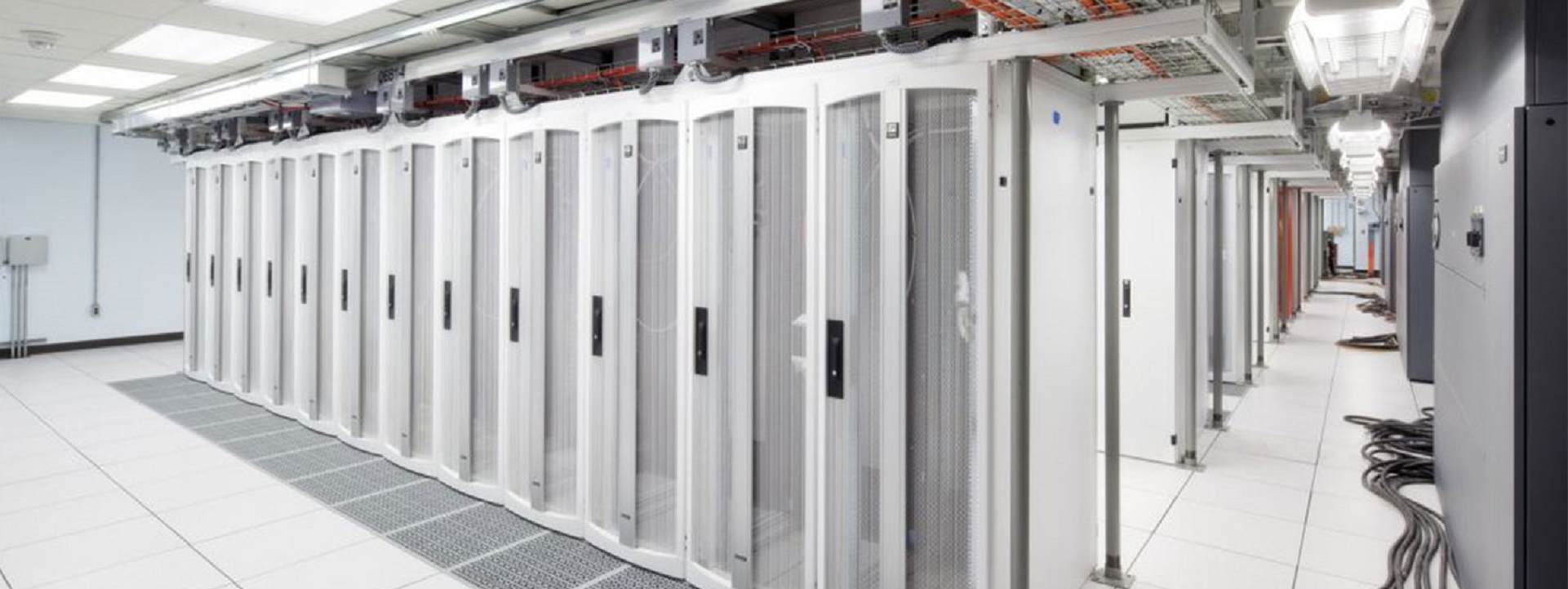
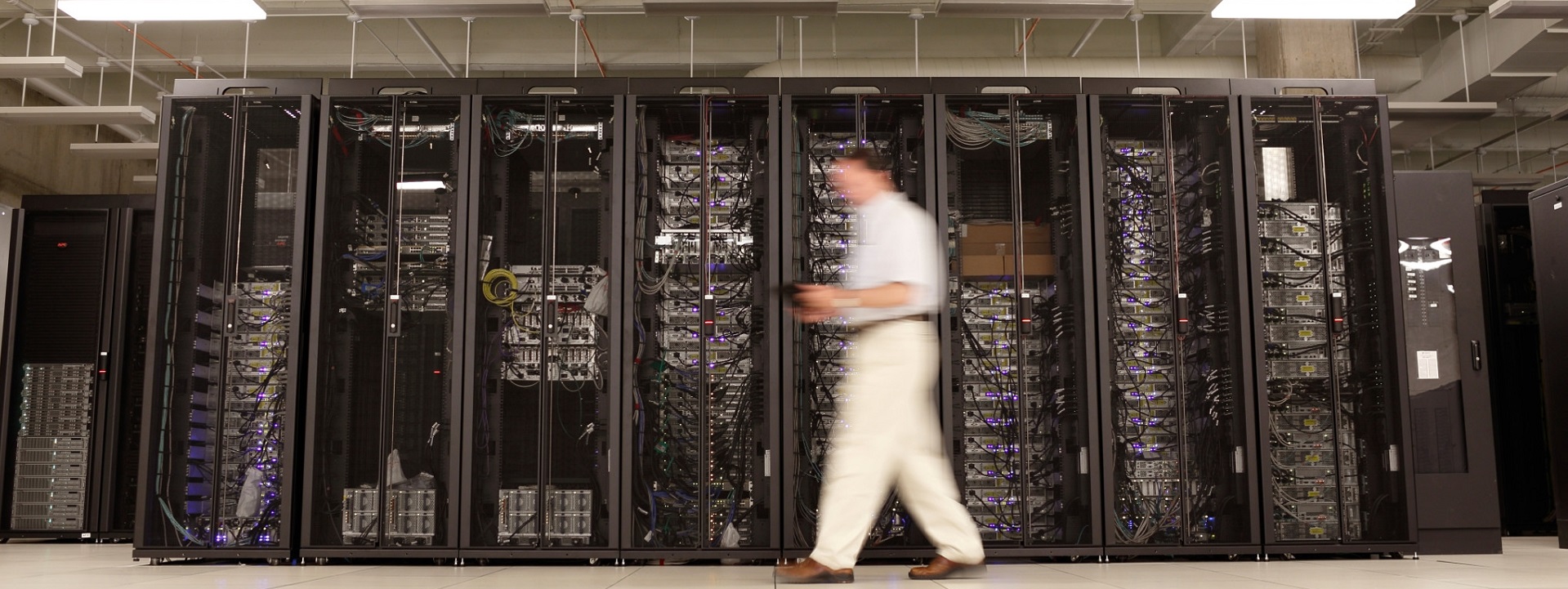
Infotech 200: Campus computing facilities for research and education
Infotech 300: Communication networks, wired and unwired at the demarcation point; crucial for defining the responsibilities and boundaries between the service provider and the customer.
Infotech 400: System, middleware and application for education and research
We have begun to track case studies of satellite-based internet services to rural and remote schools and community colleges.
Throughout 2025 we will expand our inquiry in this time slot. There are obvious global security issues to enlighten approaches to assuring communication security if, for example, undersea cables are maliciously destroyed.
The literature radiates continually by consortia, open-source, or ad hoc standards-setting domains rather than the private standards system administered by global and standards setting bodies; to wit:
The ICT domain is huge, replacing physical libraries. The foregoing is a highly curated sample.
We continue to include teaching and learning media standards on our colloquia however it is likely that will break up this topic into at least two related colloquia as 2023 proceeds; with primary focus on the design, construction and maintenance of the physical ICT infrastructure. Much depends upon the interest of our clients, colleagues and other stakeholders. We collaborate closely with the IEEE Education and Healthcare Electrotechnology Committee.
Use the login credentials at the upper right of our home page.
📢 Academic institutions: The time to make a global impact is NOW!
Join the INCITS Executive Board to collaborate with experts worldwide and shape ICT standards. Bridge academia and industry for innovation and excellence.
🔗 https://t.co/G9vknxQY2Y
🔗 https://t.co/lGh8G4eiL4pic.twitter.com/iM7AVhWxb9
“A medieval missionary tells that he has found the point where heaven and Earth meet…” CLICK IMAGE
As ANSI’s United States Technical Advisory Group Leader, the International Committee on Information Technology Standards manages public consultations originating from the Geneva partner organizations that coordinate national standards organizations such as ANSI. The IEC develops its consensus titles in relatively smaller parcels which means that public review can be released in batches of 10 to 100 at a time. We see the same tsunami-like releases coming from ISO subcommittees. Hard to keep up with but we try; giving priority to titles incorporated by reference into codes, standards and regulations at the state and federal level. Meaningful information affecting #TotalCostofOwnership of education communities are typically buried deep, deep into best practice literature.
By comparison, most US-based standards setting organizations bundle best practice concepts into chapters and books. The books are big but they move more slowly and, arguably, have been superceded within weeks; a discussion for another colloquium.
A broad overview of INCITS information and communication standards setting is linked below:
Note that the titles are product titles (not interoperability) titles. We generally devote resources to interoperability titles for reasons we explain in our ABOUT.
We collaborate closely with the Institute of Electrical and Electronic Engineers, the world’s largest professional organization for the world’s most transformative technologies. Every 12 hours our algorithm picks up commenting opportunities relevant to the business side of the education industry and redirects them to the subject matter experts in the IEEE Education & Healthcare Facilities Committee which meets 4 times monthly in European and American time zones.
This much said, we always encourage direct participation in INCITS standards setting activity and in its administrative role as the US TAG to ISO/IEC Joint Technical Committee 1.CLICK HERE to get started on your own.
The INCITS suite is included on the syllabus of our Infotech and Global See our CALENDAR for the next online meeting; open to everyone.
Here we shift our perspective 120 degrees to understand the point of view of the Producer interest in the American national standards system (See ANSI Essential Requirements). The title of this post draws from the location of US and European headquarters. We list proposals by a successful electrical manufacturer for discussion during today’s colloquium:
2026 National Electrical Code
CMP-1: short circuit current ratings, connections with copper cladded aluminum conductors, maintenance to be provided by OEM, field markings
CMP-2: reconditioned equipment, receptacles in accessory buildings, GFCI & AFCI protection, outlet placement generally, outlets for outdoor HVAC equipment(1)
(1) Here we would argue that if a pad mount HVAC unit needs service with tools that need AC power once every 5-10 years then the dedicated branch circuit is not needed. Many campuses have on-site, full-time staff that can service outdoor pad mounted HVAC equipment without needing a nearby outlet. One crew — two electricians — will run about $2500 per day to do anything on campus.
CMP-3: No proposals
CMP-4: solar voltaic systems (1)
(1) Seems reasonable – spillover outdoor night time lighting effect upon solar panel charging should be identified.
CMP-5: Administrative changes only
CMP-6: No proposals
CMP-7: Distinction between “repair” and “servicing”
CMP-10: Short circuit ratings, service disconnect, disconnect for meters, transformer secondary conductor, secondary conductor taps, surge protective devices, disconnecting means generally, spliced and tap conductors, more metering safety, 1200 ampere threshold for arc reduction technology, reconditioned surge equipment shall not be permitted, switchboard short circuit ratings
Page 522/523: 305.2 Group E, day care facilities for five or fewer children.
Page 624: Group E Security
Page 1440: Storm Shelters
§
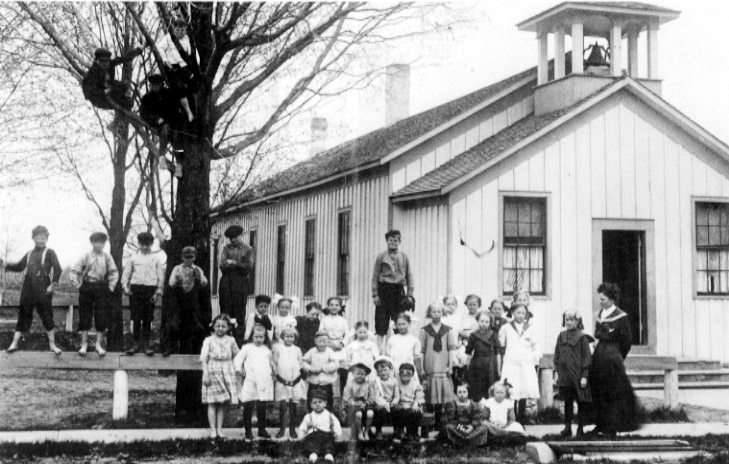
Today at the usual hour we review a selection of global building codes and standards that guide best practice for safety, accessibility, and functionality for day care facilities; with special interest in the possibilities for co-locating square footage into the (typically) lavish unused space in higher education facilities.
Use the login credentials at the upper right of our home page.
This facility class has many names but is similar in our approach to them: the settings that provide primary care in a visible, central service. After the chapel, the library, the kitchen and the classroom, the on-campus medical center is a central fixture. These clinics typically provide basic medical services primarily aimed at addressing the immediate health needs of students and sometimes staff. These clinics are often staffed by a nurse or a small team of healthcare professionals such as nurse practitioners or physician assistants.
Services may include first aid, basic medical care (such as treating minor injuries and illnesses), immunizations, health screenings, and sometimes mental health counseling.
These clinics are often staffed by a nurse or a small team of healthcare professionals such as nurse practitioners or physician assistants. In some cases, a physician may be available on a part-time basis.
These clinics are usually small and may be located within or near the school premises. They typically have limited space and equipment compared to hospitals.
Access to school-based clinics is often limited to students and staff during school hours. They may not be open during weekends, holidays, or outside of regular school hours.
During today’s open door session we examine the literature relevant to making this facility class safer, simpler, lower-cost and longer-lasting in the links below, including open public consultation close dates:
New update alert! The 2022 update to the Trademark Assignment Dataset is now available online. Find 1.29 million trademark assignments, involving 2.28 million unique trademark properties issued by the USPTO between March 1952 and January 2023: https://t.co/njrDAbSpwBpic.twitter.com/GkAXrHoQ9T