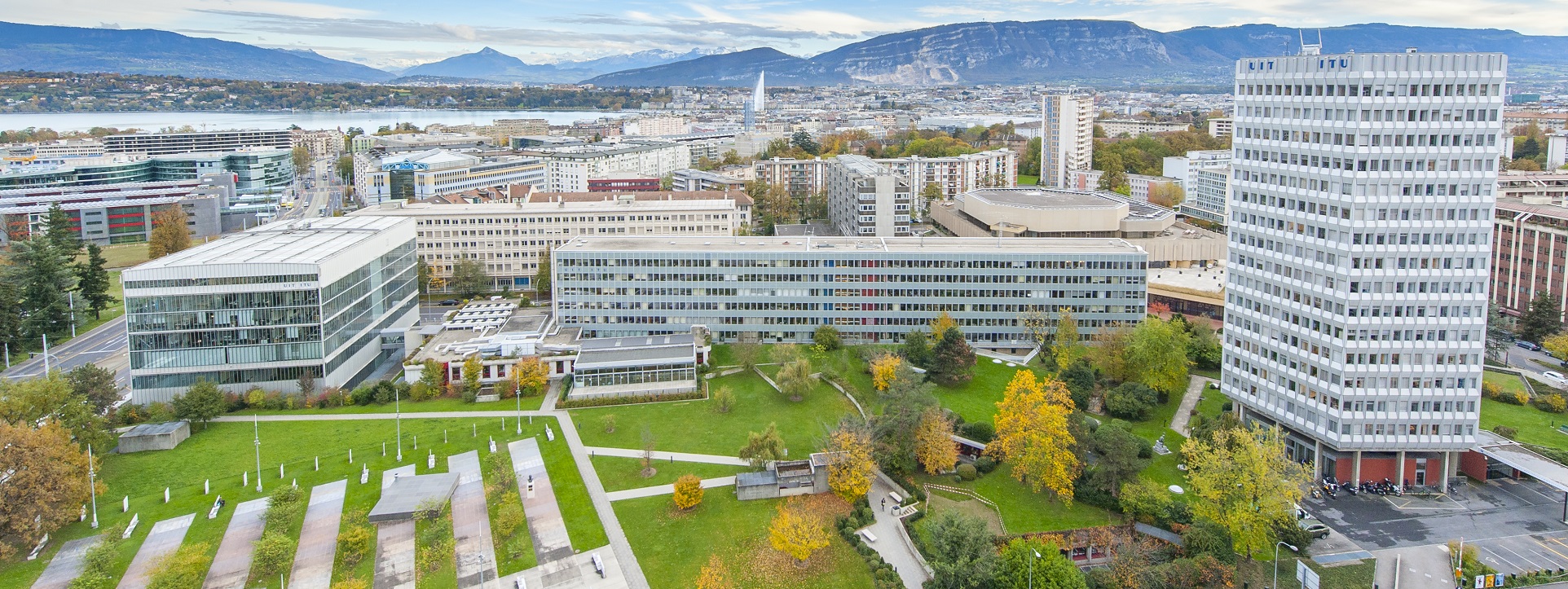
The @unevadareno will join the rest of @NSHE in the Great Nevada ShakeOut on Thursday, Oct. 16, 2025, at 10:16 AM. The statewide earthquake drill is part of a broader international effort to promote earthquake readiness and safety. https://t.co/Xo92CcTCREpic.twitter.com/2mrOcshSVy
This content is accessible to paid subscribers. To view it please enter your password below or send mike@standardsmichigan.com a request for subscription details.
Much economic activity in the global standards system involves products — not interoperability standards. Getting everything to work together — safely, cost effectively and simpler — is our raison d’etre.
Manufacturers, testing laboratories, conformance authorities (whom we call vertical incumbents) are able to finance the cost of their advocacy — salaries, travel, lobbying, administration — into the cost of the product they sell to the end user (in our cases, estate managers in educational settlements). To present products — most of which involve direct contact with a consumer — at a point of sale it must have a product certification label. Not so with systems. System certification requirements, if any, may originate in local public safety requirements; sometimes reaching into the occupational safety domain.
Our readings of the intent of this technical committee is to discover and promulgate best practice for “systems of products” — i.e. ideally interoperability characteristics throughout the full span of the system life cycle.
Standardization in the field of network management in interconnected electric power systems with different time horizons including design, planning, market integration, operation and control. SC 8C covers issues such as resilience, reliability, security, stability in transmission-level networks (generally with voltage 100kV or above) and also the impact of distribution level resources on the interconnected power system, e.g. conventional or aggregated Demand Side Resources (DSR) procured from markets.
SC 8C develops normative deliverables/guidelines/technical reports such as:
– Terms and definitions in area of network management, – Guidelines for network design, planning, operation, control, and market integration – Contingency criteria, classification, countermeasures, and controller response, as a basis of technical requirements for reliability, adequacy, security, stability and resilience analysis, – Functional and technical requirements for network operation management systems, stability control systems, etc. – Technical profiling of reserve products from DSRs for effective market integration. – Technical requirements of wide-area operation, such as balancing reserve sharing, emergency power wheeling.
Individuals who are interested in becoming a participant or the TAG Administrator for SC 8C: Network Management are invited to contact Adelana Gladstein at agladstein@ansi.org as soon as possible.
This opportunity, dealing with the system aspects of electrical energy supply (IEC TC 8), should at least interest electrical engineering research faculty and students involved in power security issues. Participation would not only provide students with a front-row seat in power system integration but faculty can collaborate and compete (for research money) from the platform TC 8 administers. We will refer it to the IEEE Education & Healthcare Facilities Committee which meets online 4 times monthly in European and American time zones.
The real-life sport of Quidditch was inspired by the Harry Potter franchise but has since changed its name to Quadball. Organizers hope the name change distances the sport from the social positions of author J,K. Rowling, perhaps growing the sport.
Quadball refers to the number of balls and positions in the sport; its playfield governed largely by field sport codes and standards.
The term “lively arts” is attributed to American writer and poet James Thurber. It was popularized in the mid-20th century as a way to describe various forms of performing arts, such as theater, dance, music, and other creative expressions.
“What art is, in reality, is this missing link, not the links which exist.
It’s not what you see that is art; art is the gap”
— Marcel Duchamp
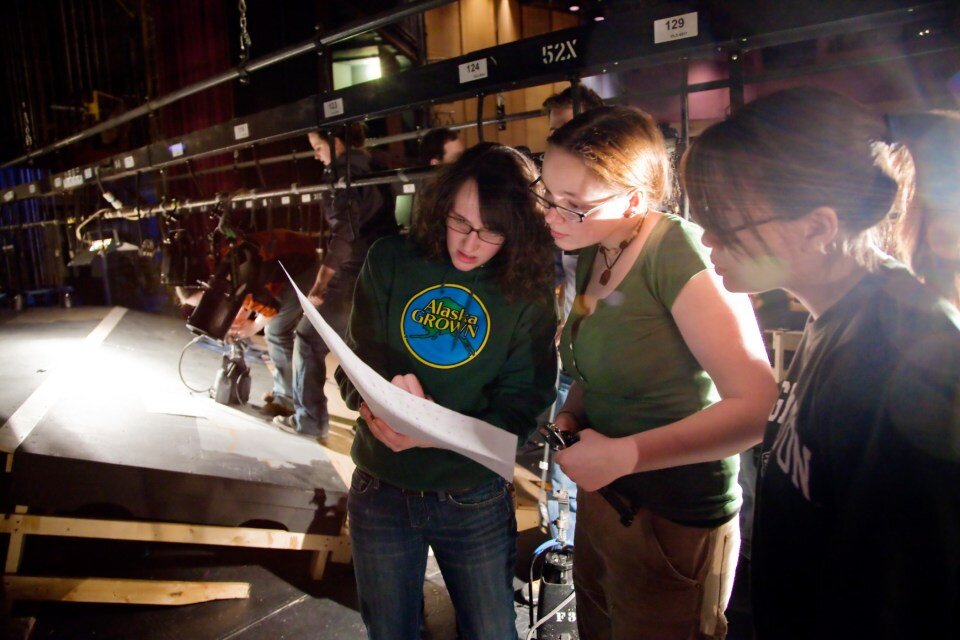
Today we refresh our understanding of the literature that guides the safety and sustainability goals of lively art events in educational settlements. Consortia have evolved quickly in recent years, leading and lagging changes in the content creation and delivery domain. With this evolution a professional discipline has emerged that requires training and certification in the electrotechnologies that contribute to “event safety”; among them:
ASHRAE International
Standard 62.1: This standard establishes minimum ventilation rates and indoor air quality requirements for commercial buildings, including theaters and auditoriums.
Standard 55: This standard specifies thermal comfort conditions for occupants in indoor environments, which can have an impact on air quality.
RP-16-17 Lighting for Theatrical Productions: This standard provides guidance on the design and implementation of lighting systems for theatrical productions. It includes information on the use of color, light direction, and light intensity to create different moods and effects.
RP-30-15 Recommended Practice for the Design of Theatres and Auditoriums: This standard provides guidance on the design of theaters and auditoriums, including lighting systems. It covers topics such as seating layout, stage design, and acoustics, as well as lighting design considerations.
DG-24-19 Design Guide for Color and Illumination: This guide provides information on the use of color in lighting design, including color temperature, color rendering, and color mixing. It is relevant to theater lighting design as well as other applications.
Dance and Athletic Floor Product Standards: ASTM F2118, EN 14904, DIN 18032-2
Incumbent standards-setting organizations such as ASHRAE, ASTM, ICC, IEEE, NFPA have also discovered, integrated and promulgated event safety and sustainability concepts into their catalog of best practice titles; many already incorporated by reference into public safety law. We explore relevant research on crowd management and spectator safety.
This content is accessible to paid subscribers. To view it please enter your password below or send mike@standardsmichigan.com a request for subscription details.
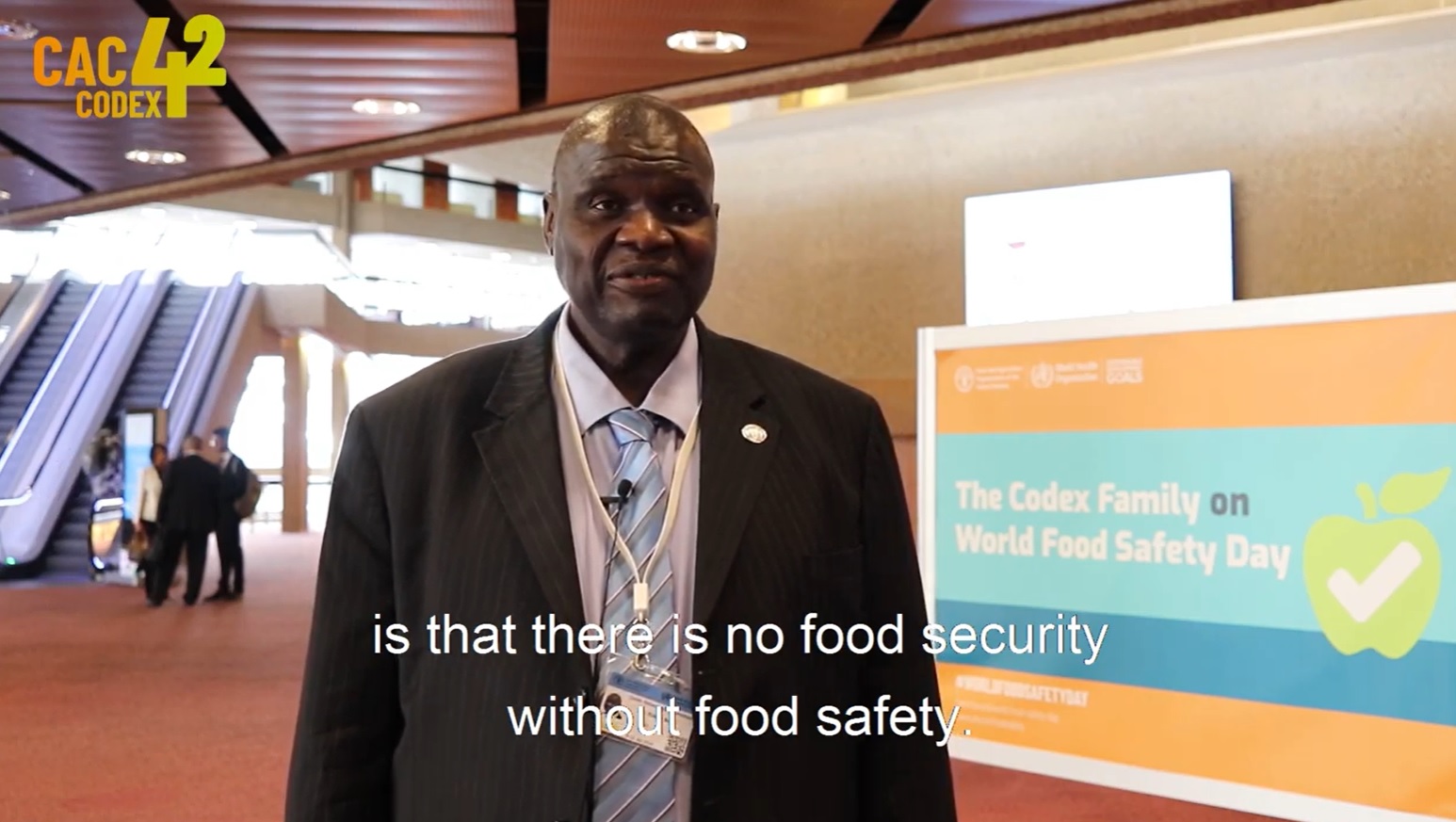
The Codex Alimentarius Commission regularly reviews and updates its standards and guidelines to reflect the latest scientific knowledge and technological advancements in the food industry. These standards are voluntary, but they serve as a reference for countries and international organizations when developing their own food safety and quality regulations. Compliance with Codex standards can facilitate international trade by ensuring that food products meet common criteria for safety and quality.
Some of the key areas addressed by Codex standards include:
Food safety:Codex sets standards for food contaminants, residues of pesticides and veterinary drugs, food additives, and microbiological criteria to ensure that food products are safe for consumption.
Food labeling:Codex provides guidelines on how food products should be labeled, including information on ingredients, nutrition, allergens, and more.
Food hygiene: It establishes principles and guidelines for food handling, processing, and storage to prevent foodborne illnesses.
Food quality:Codex standards also cover the quality attributes of various food products, including fruits, vegetables, and various processed foods.
Food additives:Codex regulates the use of food additives to ensure they are safe for consumption and serve a specific purpose in food production.
Residue limits:It sets maximum residue limits for various chemicals, such as pesticides and veterinary drugs, in food products to protect consumers from potential harm.
A contemporary Christian hymn: Written in 2018 by American worship leader and songwriter Sarah Hébert, a lesser-known figure from the Louisiana bayou country. Inspired by her own battle with terminal cancer and a profound sense of peace while walking remote Gulf Coast beaches, Hébert penned the lyrics as a meditation on surrendering to God’s will even in the face of death.
The imagery of being found “by the ocean, washed ashore” reflects both literal coastal solitude and the biblical metaphor of waves representing God’s mercy. First shared in small house-church gatherings, it spread rapidly through social media and independent worship recordings, resonating with those facing grief or illness.
Verse 1
If you find me by the ocean, washed ashore
Let the tide keep its rhythm, let the salt heal the sore
I have walked my last mile, I have carried my load
Lay me down where the sea meets the mercy of God
Chorus
Let the waves sing me home, let the wind speak my name
I am held by the One who once walked on the same
If you find me by the ocean, don’t weep and don’t moan
Just know I’ve been carried where the broken are whole
Verse 2
If you find me by the ocean, barefoot and still
Leave the shoes I won’t need on the crest of the hill
I have danced with the cancer, I have laughed through the pain
Now I’m dancing with Jesus where the sea has no chain
Chorus
Let the waves sing me home, let the wind speak my name
I am held by the One who once walked on the same
If you find me by the ocean, don’t weep and don’t moan
Just know I’ve been carried where the broken are whole
Bridge
No more night, no more sorrow
Only light on the face of tomorrow
Every tear that I’ve cried has been caught in His hand
And poured back as grace on this wide, healing sand
Final Chorus (soft, then building)
Let the waves sing me home, let the wind speak my name
I am held by the One who once walked on the same
If you find me by the ocean, smile soft and go on
I am safe in the arms of the Risen One
I am home.
New update alert! The 2022 update to the Trademark Assignment Dataset is now available online. Find 1.29 million trademark assignments, involving 2.28 million unique trademark properties issued by the USPTO between March 1952 and January 2023: https://t.co/njrDAbSpwBpic.twitter.com/GkAXrHoQ9T