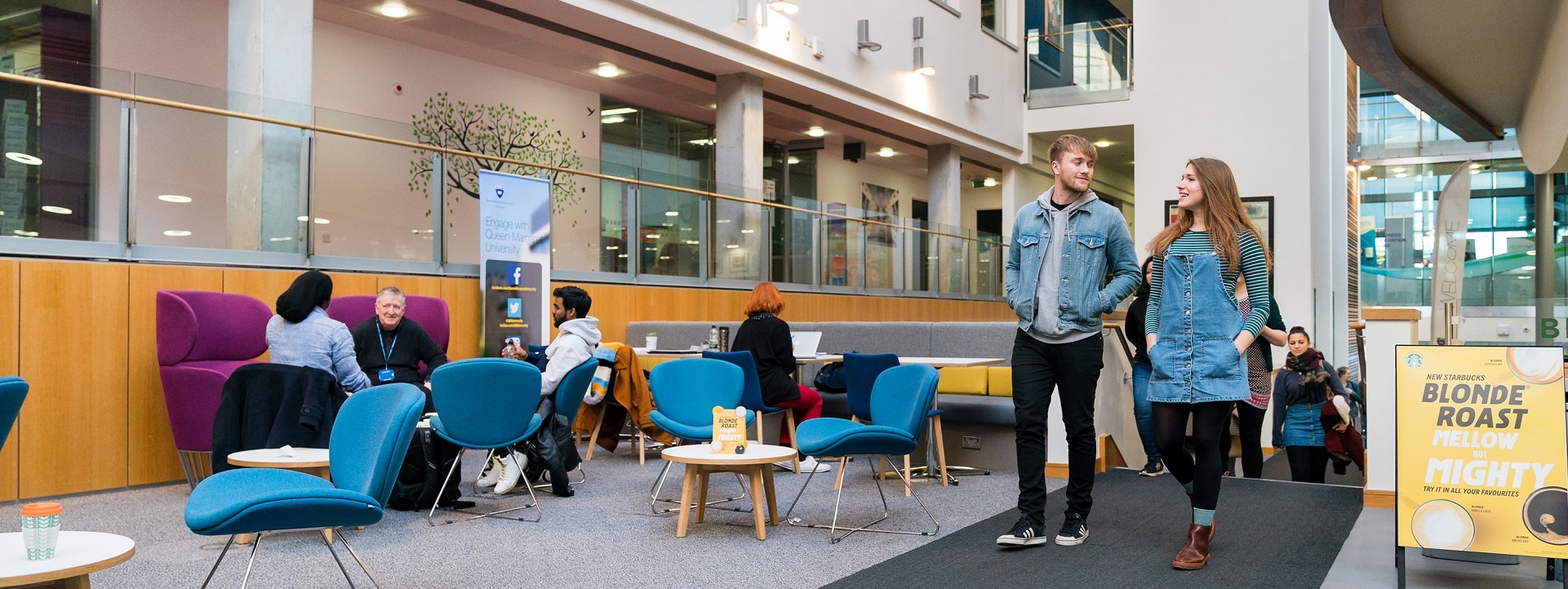
Queen Margaret University | East Lothian


2026 PUBLIC COMMENT AGENDA | Complete Monograph 2087 Pages
2025 GROUP B PROPOSED CHANGES TO THE I-CODES: Complete Monograph (2630 pages)
36 kitchen related proposals were reviewed during our precious sesssion
2024 GROUP A PROPOSED CHANGES TO THE I-CODES: Complete Monograph (2658 pages)
Commercial kitchens offer several benefits, such as efficient food preparation and large-scale production, allowing businesses to meet high demand. They provide professional-grade equipment and ample space, enabling chefs to explore culinary creativity. Commercial kitchens also promote hygiene and food safety standards, with dedicated cleaning protocols and inspections. However, hazards can arise from the high-temperature cooking equipment, sharp tools, and potentially hazardous substances. There is also a risk of burns, slips, and falls, emphasizing the importance of proper training and safety measures. Adequate ventilation and fire safety systems are vital to prevent accidents and maintain a healthy working environment.
The International Code Council is re-configuring its code development process in nearly every dimension. While that situation stabilizes let us review the back-and-forth on this topic during the previous revision cycle (linked below):

2021 International Building Code Section 306 Factory Group F Moderate Hazard
2021 International Fire Code Section 606 Commercial Cooking Equipment and Systems
The International Code Council has recently re-configured its code development calendar:
2024/2025/2026 ICC CODE DEVELOPMENT SCHEDULE
Public hearings on the proposed changes happen in Orlando, April 7-16.
This is a summary of the actions taken on the 2024 Comments on Proposed Changes to the ICC International Codes at the October 23-28, 2024 Committee Action Hearings #2 held at the Long Beach Convention Center, Long Beach, California. Balloting of local building code officials is now underway.
Welcome to the future: robot chef whips up tasty meals at FIU | FIU News – Florida International University https://t.co/IE4qDASlJv
— StandardsState (@StandardsState) July 7, 2026


Commercial kitchen electrical power wiring requirements are covered extensively in Article 210 through Article 215 of the National Electrical Code. Standards action in this domain is referred to IEEE Education & Healthcare Facility Committee.
ASHRAE International: Calculating Airflow Rates, Cooking Loads in Commercial Kitchens
Related
International Mechanical Code: Chapter 10 Boilers, Water Heaters and Pressure Vessels
AGA Response to The Atlantic Article about Natural Gas Cooking
Thomas Edison State University: Undergraduate Certificate in Gas Distribution

“Kentucky Landscape” 1832 James Pierce Barton
This project was created a few years ago in Kentucky to bring awareness to farm safety through a dinner theatre is continuing to gain momentum in rural communities. The focus now is more on farm mental health and wellness.
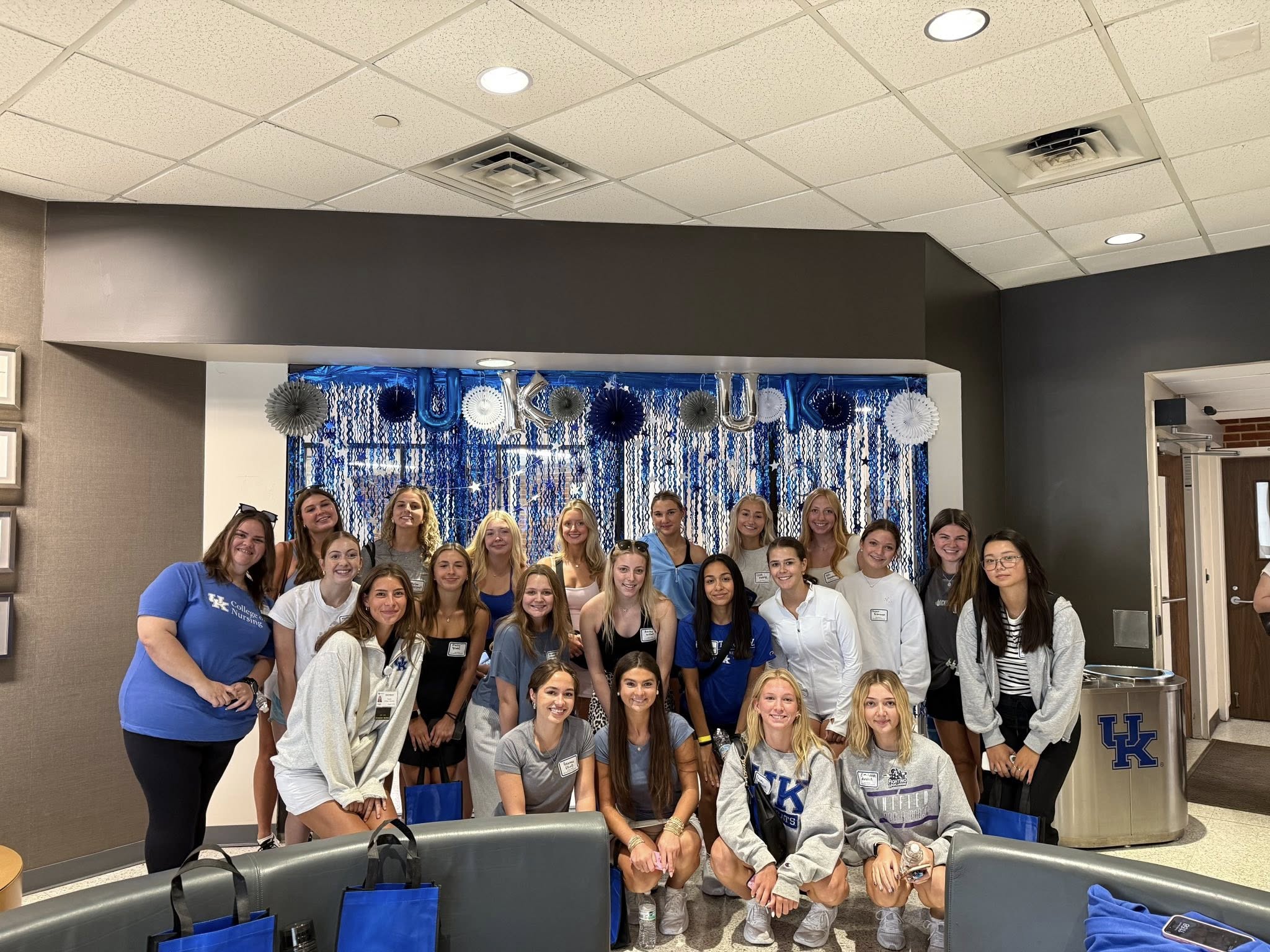
Our Knott County Extension Office recently worked with UK student-athletes who conducted the Cats Holiday Toy Drive, spreading holiday cheer to children in Eastern KY 🎁
Read more >> https://t.co/NvscaMbIQZ pic.twitter.com/4fOtsRaLGl
— UK Extension (@UKExtension) December 22, 2022


This program has been adopted or implemented by extension services and related organizations in several other states. This initiative uses short plays performed during a community dinner to educate farmers and their families on health, safety, mental health, and farm-related issues in an engaging, non-traditional way:
The program is designed to be replicable nationwide. The University of Kentucky provides an online Farmers Dinner Theater Toolkit for any cooperative extension service, community group, or organization to stage their own events, customizing scripts to local needs. This has enabled wider adoption beyond the original sites. These efforts focus on helping farmers by addressing critical topics like injury prevention, hearing loss, skin cancer, stress, and suicide awareness in a social, farmer-friendly setting that encourages discussion and behavior change.
North Dakota State University Statement of Financial Position 2024: $1.894B (Page 9)

The Extension Service, established in 1914, is a vital link between the public and NDSU, a land-grant university in Fargo, North Dakota. It delivers science-based education to enhance the lives and communities of North Dakotans through workshops, publications, events, and digital resources.
With a focus on agriculture, youth development (including 4-H), family wellness, and environmental protection, Extension agents provide unbiased, research-based information tailored to local needs. Operating in counties like Cass, Burleigh, and Dunn, the service fosters learning partnerships to empower residents in making informed decisions.
Supported by county, state, and federal funding, NDSU Extension collaborates with specialists and a national network to address economic, health, and community challenges, ensuring accessible, practical education for all ages to strengthen agriculture and community vitality across the state.
The Extension Service, established in 1914, is a vital link between the public and NDSU, a land-grant university in Fargo, North Dakota. It delivers science-based education to enhance the lives and communities of North Dakotans through workshops, publications, events, and digital resources. With a focus on agriculture, youth development (including 4-H), family wellness, and environmental protection, Extension agents provide unbiased, research-based information tailored to local needs.
NDSU Coffee Shops | NSF Food Preparation Standards
Operating in counties like Cass, Burleigh, and Dunn, the service fosters learning partnerships to empower residents in making informed decisions. Supported by county, state, and federal funding, NDSU Extension collaborates with specialists and a national network to address economic, health, and community challenges, ensuring accessible, practical education for all ages to strengthen agriculture and community vitality across the state.
Join us for the opening day of 800 Cafe, an initiative led by nutrition science students offering healthy meals under 800 calories! 🥣
Open to the public through April 25, visitors can enjoy delicious lunches for $10.
View the menu and reserve a spot: https://t.co/csCLvsoNQ8 pic.twitter.com/u0rxpN4lXZ
— North Dakota State University (@NDSU) February 22, 2024
“The Prairie is my Garden” 1941 Harvey Dunn | South Dakota State University Art Museum@SDArtMuseum pic.twitter.com/Hu8VcyB7N2
— Standards Michigan (@StandardsMich) September 26, 2020
“In swimming, there are no referees, no foul lines,
no time-outs, and no substitutions.
It’s just you and the water.” – Unknown
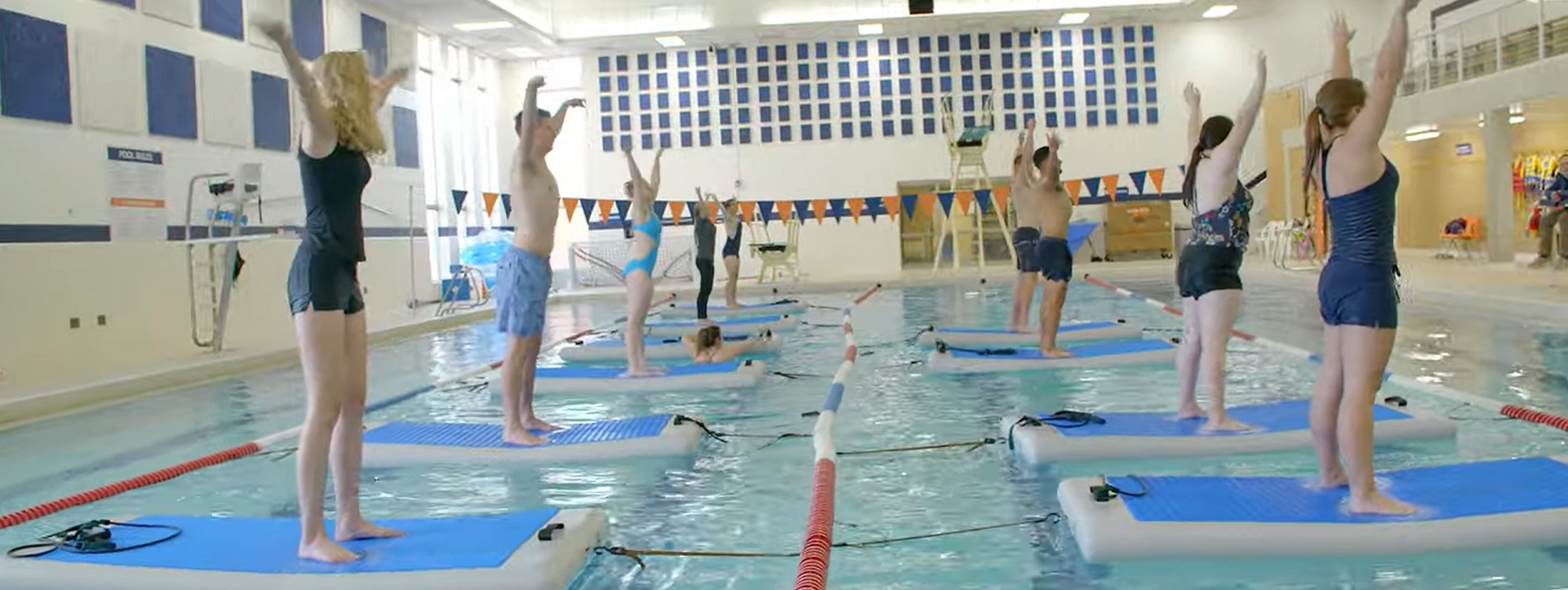
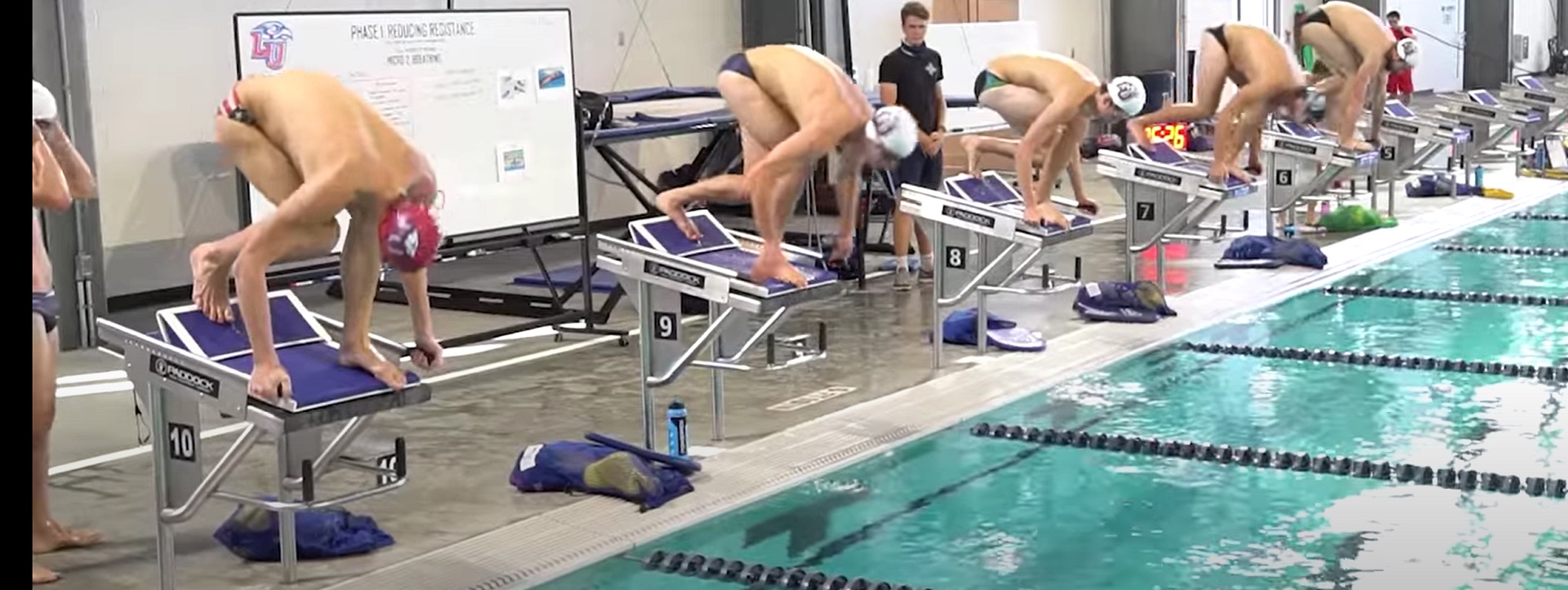
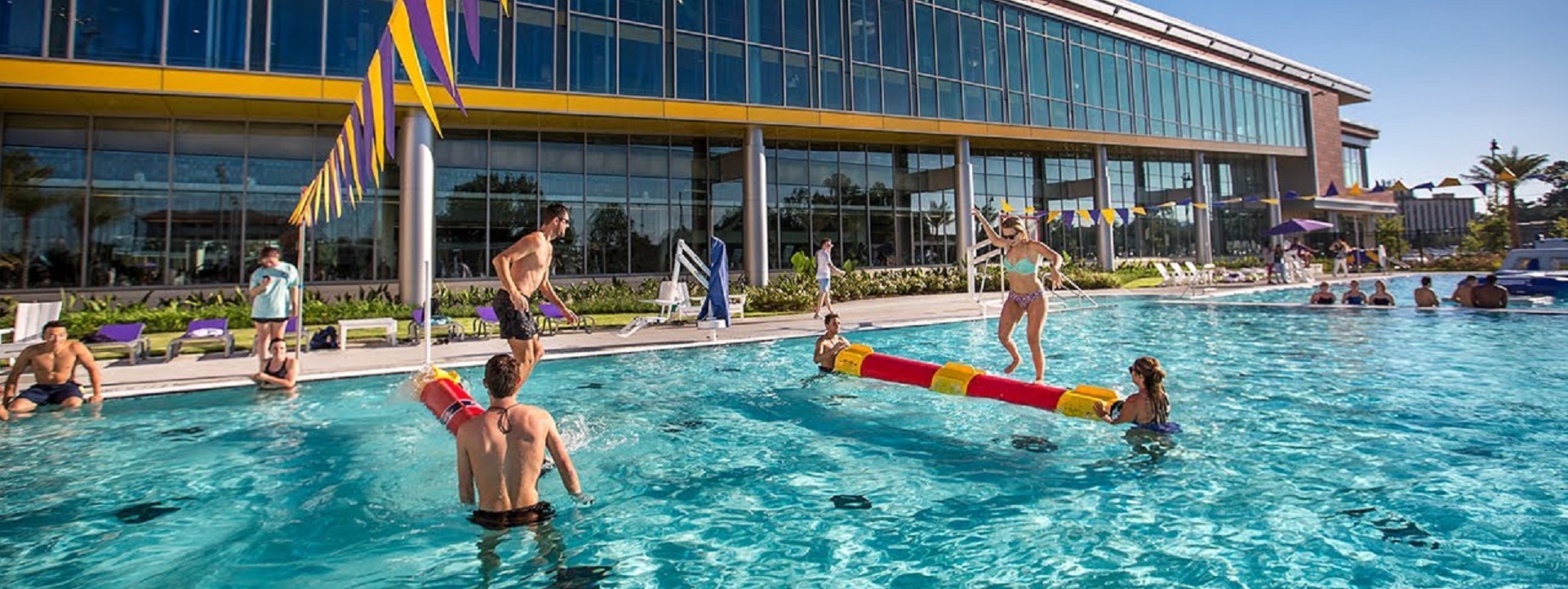
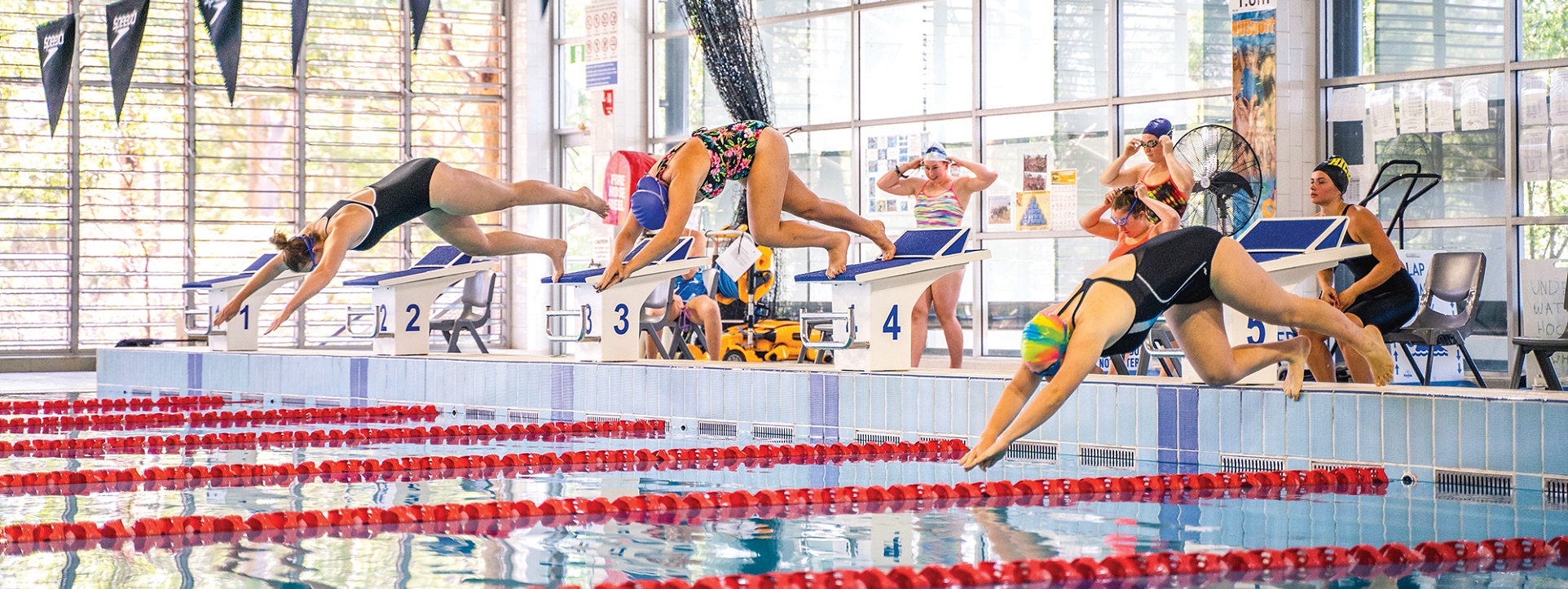
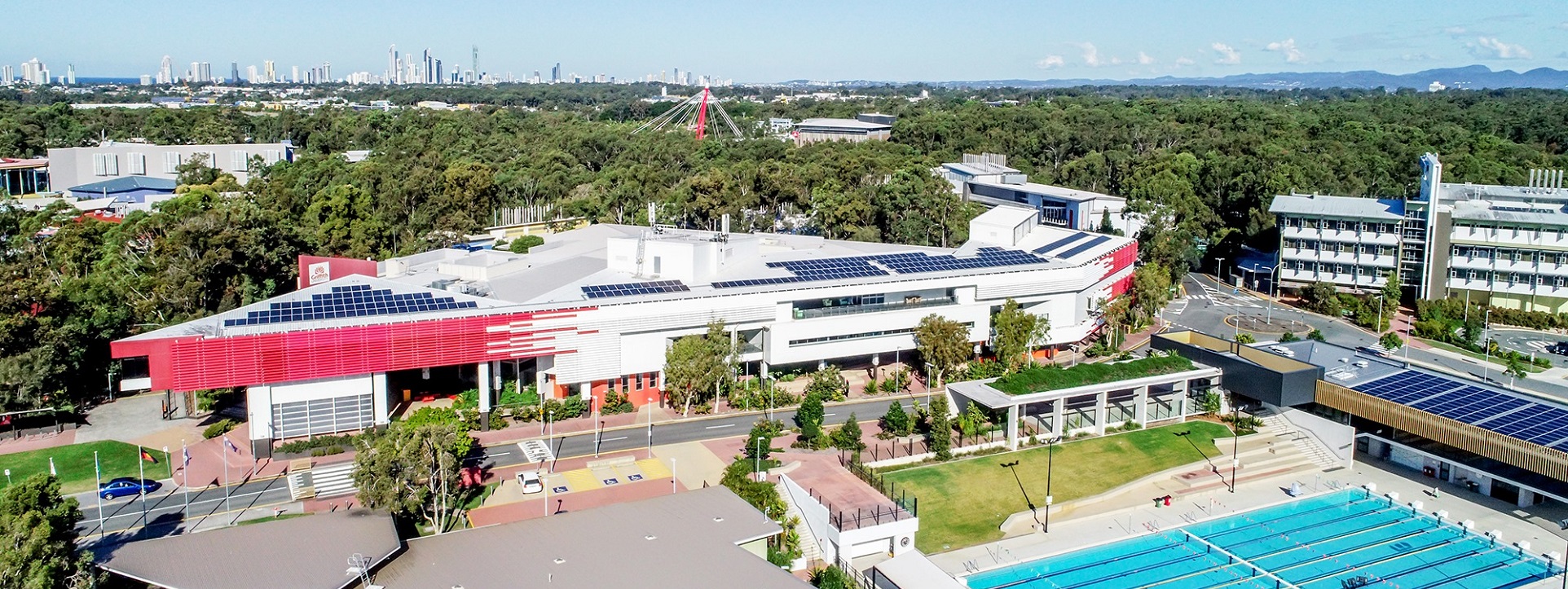
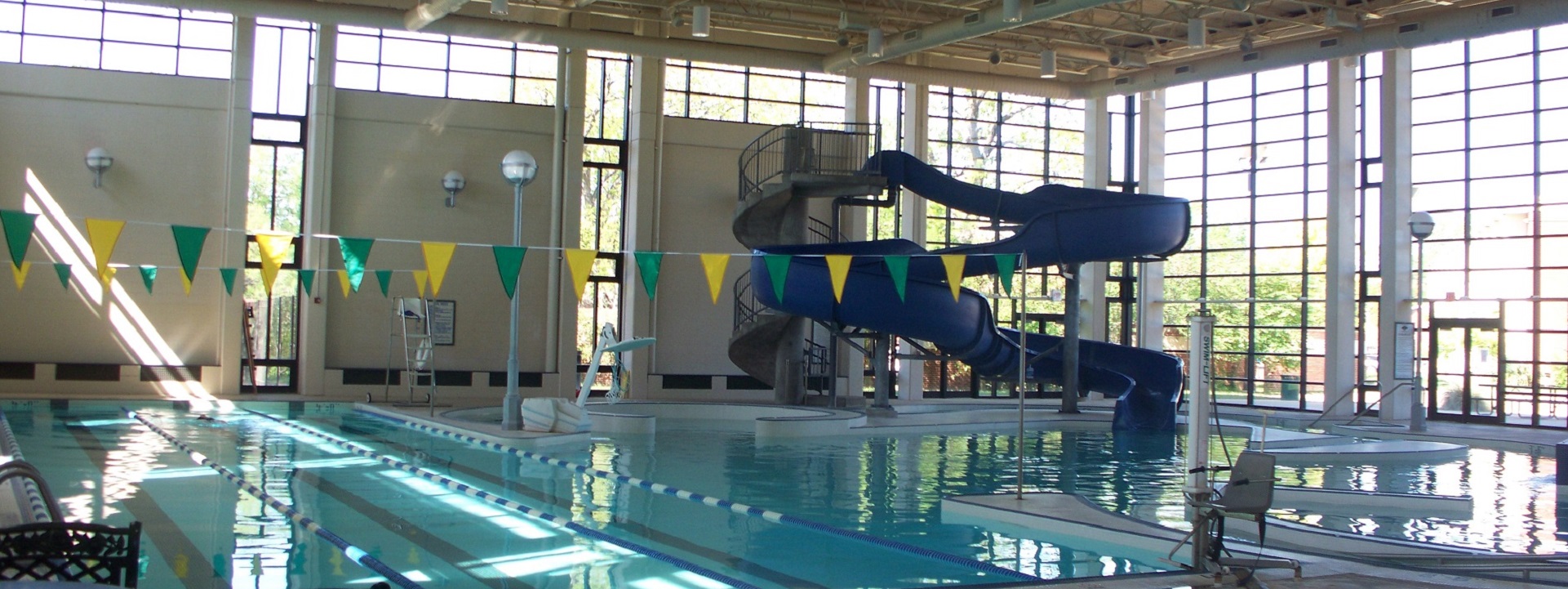
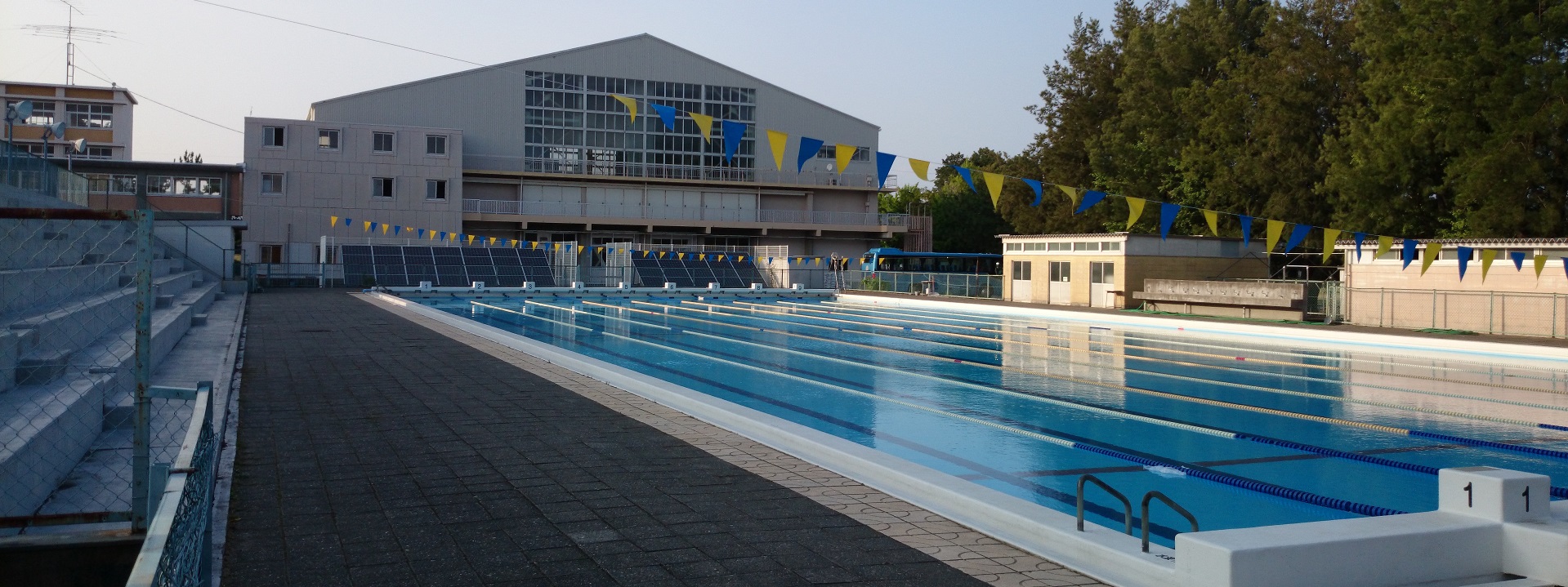
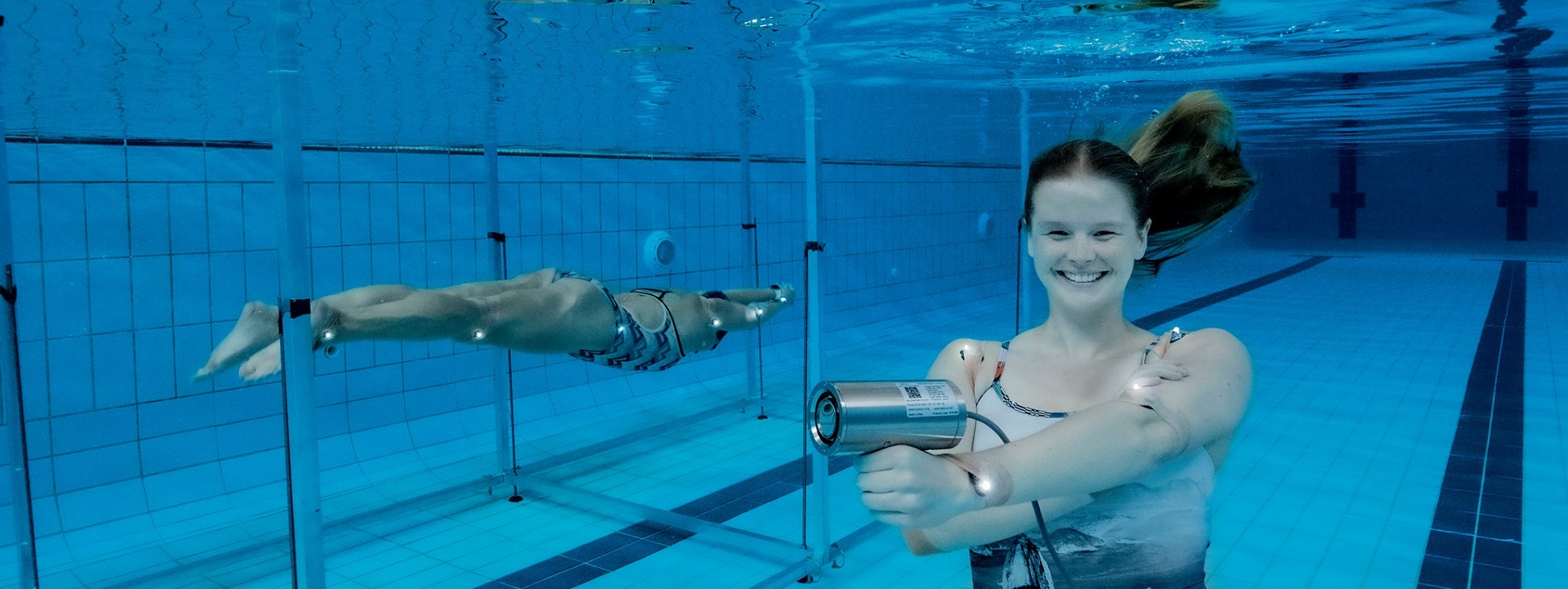
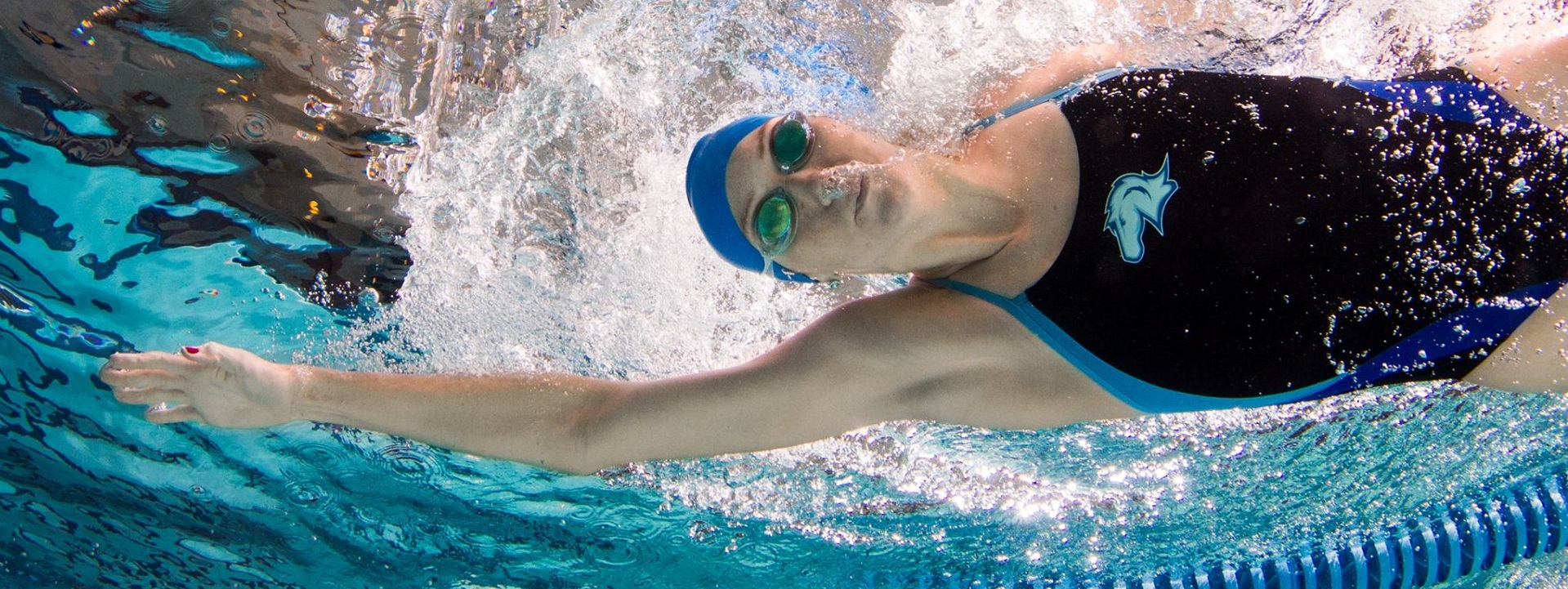
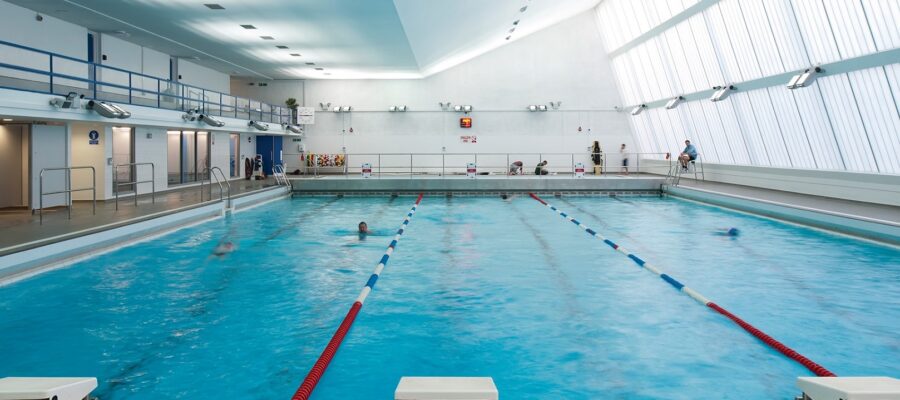
There are several specific problems that swimming pool overhead lighting aims to solve:
Overall, swimming pool overhead lighting is an important component of a safe, functional, and visually appealing pool. It provides illumination for visibility, enhances aesthetics, and improves functionality, while also being energy-efficient and durable.
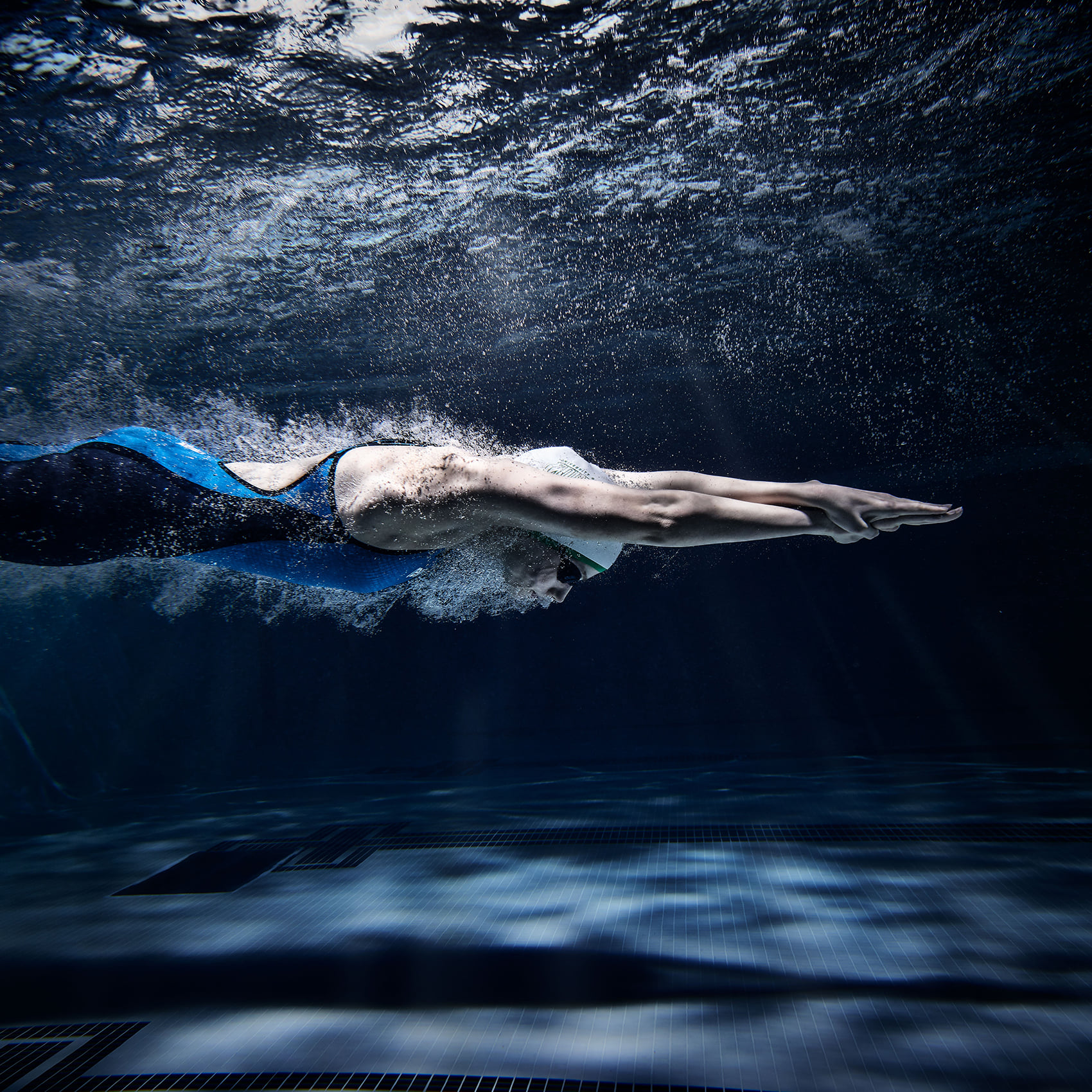
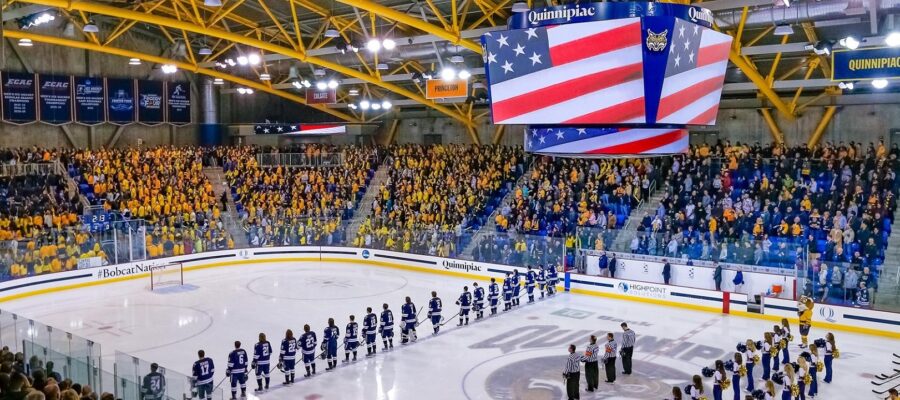
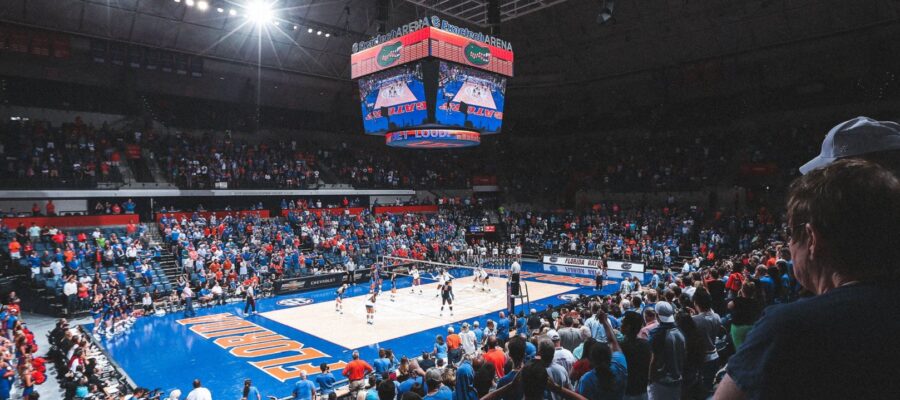
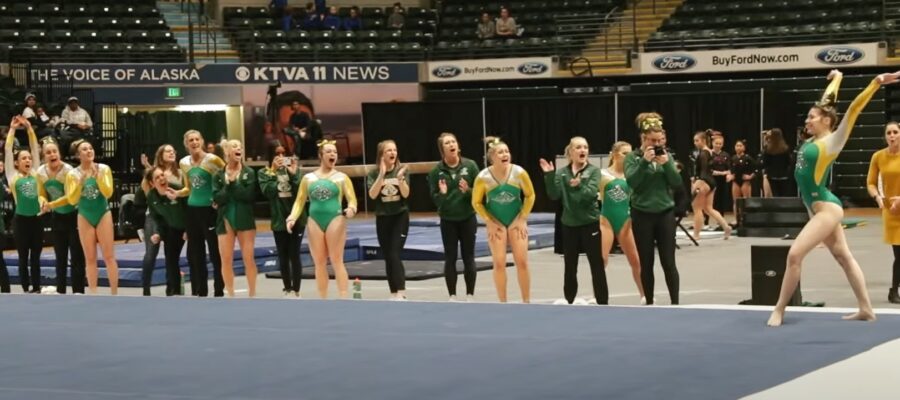
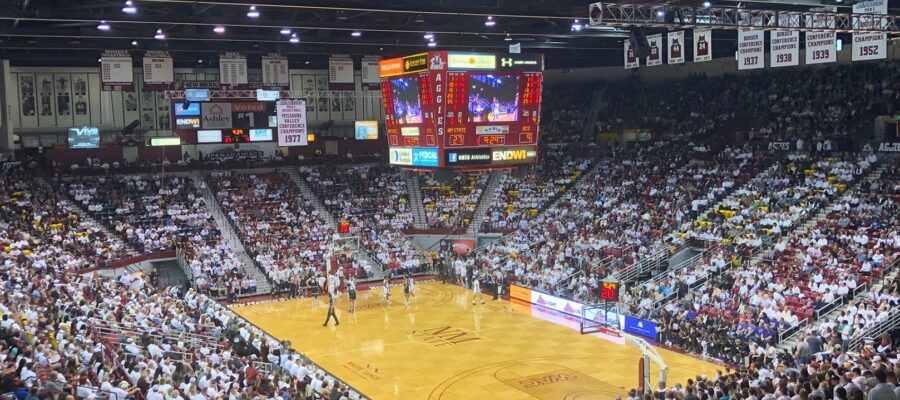
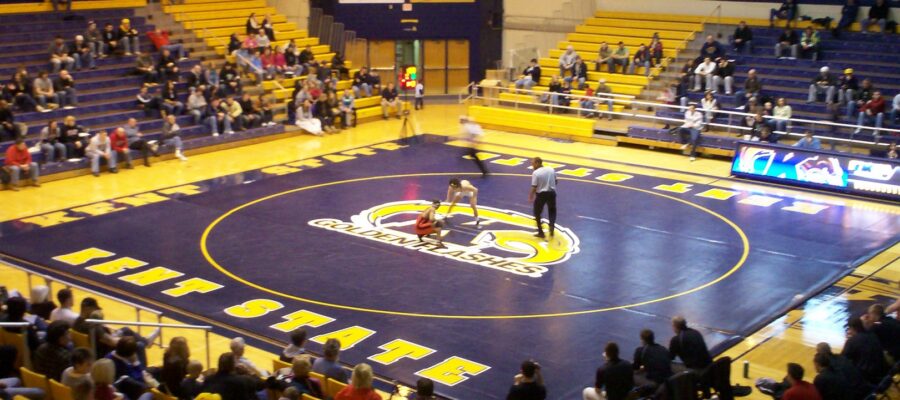
After athletic arena life safety obligations are met (governed legally by NFPA 70, NFPA 101, NFPA 110, the International Building Code and possibly other state adaptations of those consensus documents incorporated by reference into public safety law) business objective standards may come into play. For almost all athletic facilities, the consensus documents of the Illumination Engineering Society[1], the Institute of Electrical and Electronic Engineers[2][3] provide the first principles for life safety. For business purposes, the documents distributed by the National Collegiate Athletic Association inform the standard of care for individual athletic arenas so that swiftly moving media production companies have some consistency in power sources and illumination as they move from site to site. Sometimes concepts to meet both life safety and business objectives merge.
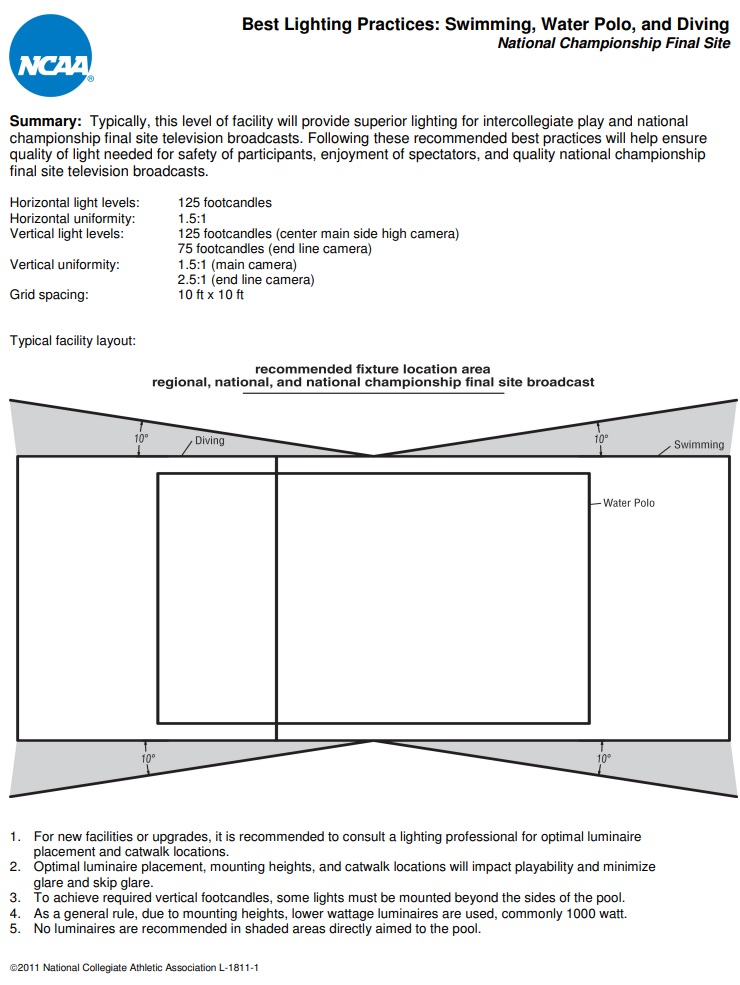
During water sport season the document linked below provides information to illumination designers and facility managers:
Athletic programs are a significant source of revenue and form a large part of the foundation of the brand identity of most educational institutions in the United States. We focus primarily upon the technology standards that govern the safety, performance and sustainability of these enterprises. We collaborate very closely with the IEEE Education & Healthcare Facilities Committee where subject matter experts in electrical power systems meet 4 times each month in the Americas and Europe.
See our CALENDAR for our next colloquium on Sport facility codes and standards. We typically walk through the safety and sustainability concepts in play; identify commenting opportunities; and find user-interest “champions” on the technical committees who have a similar goal in lowering #TotalCostofOwnership.
Issue: [15-138]*
Category: Electrical, Architectural, Arts & Entertainment Facilities, Athletics
Colleagues: Mike Anthony, Jim Harvey, Jack Janveja, Jose Meijer, Scott Gibbs
More
NCAA Illumination Standards
— MythoAmerica 🌲 (@MythoAmerica) August 31, 2024
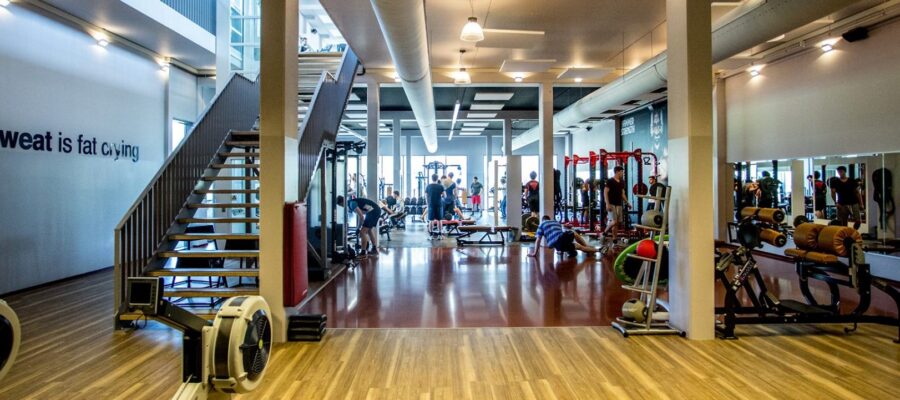
Athletic and recreational sports enterprises are important features in education communities; supportive of brand identity and cohort creation. Assuring the safety and sustainability of these assets is informed by several best practice titles; among them the Illuminating Engineering Society recommended practice RP-6-15 Sports and Recreational Area Lighting From the project prospectus:
The purpose of RP-6-15 is to provide the reader with recommendations to aid in the design of sports lighting systems. Popular sports, such as baseball, tennis, basketball and football as well as recreational social activities, such as horseshoe pitching and croquet are covered. Venues for spectators of amateur, collegiate, and professional sports are complex facilities that should provide not only for the spectators, but also the equipment used in modern sports broadcasting. This document does not address those needs, so the reader should look for guidance from the sports league or the project consultant.
Sports lighting systems consume power which over time can be significant, and IES RP-6-15 defines methods for maximizing energy efficiency.
The IES-suite joins standards developed by the International Code Council (International Building Code), the Institute of Electrical and Electronic Engineers (IEEE 3001.9) and the National Fire Protection Association (NFPA 70) that must be applied skillfully by design professionals and understood by athletic facility managers. Other consensus standards developers such as the American Society of Heating and Refrigeration Engineers and the Entertainment Services and Technology Association were moving into this domain before the circumstances of the pandemic.
We always encourage our colleagues in the education industry to do so themselves; starting with the links below:
IES Standards Open for Public Review
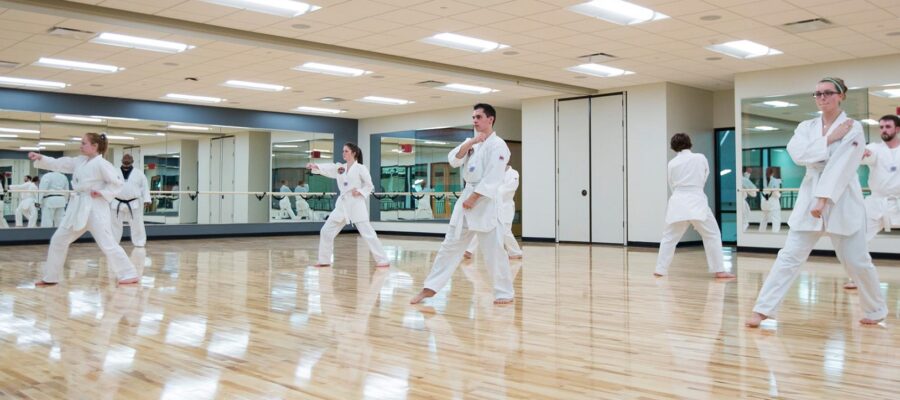
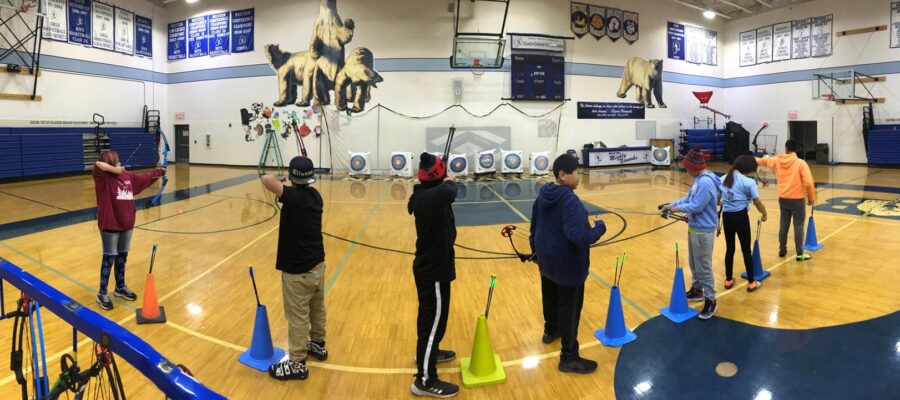
Comments on proposed changes to IES LP-6-2x Lighting Practice: Lighting Control Systems – Properties, Selection, and Specification will be received until April 1st
Comments on Draft “IES TM-39 Technical Memorandum: Quantification and Specification of Flicker” will be received until August 12th
Keep in mind that the IES typically deals with the application of best practice in illumination. It neither covers the reliability of the power systems nor the power chain to the luminaries. Recommended practice for the power chain are now being developed by the IEEE Industrial Applications Society; specifically IEEE 3001.9 – Recommended Practice for the Design of Power Systems Supplying Lighting Systems in Commercial and Industrial Facilities. The IEEE Education & Healthcare Facilities Committee pulls together ALL the standards — ICC, IEEE, IEC, NFPA, IES, ASHRAE, ASTM, ESTA and any other emergent consensus or open source documents that might set the standard of care for the education industry.
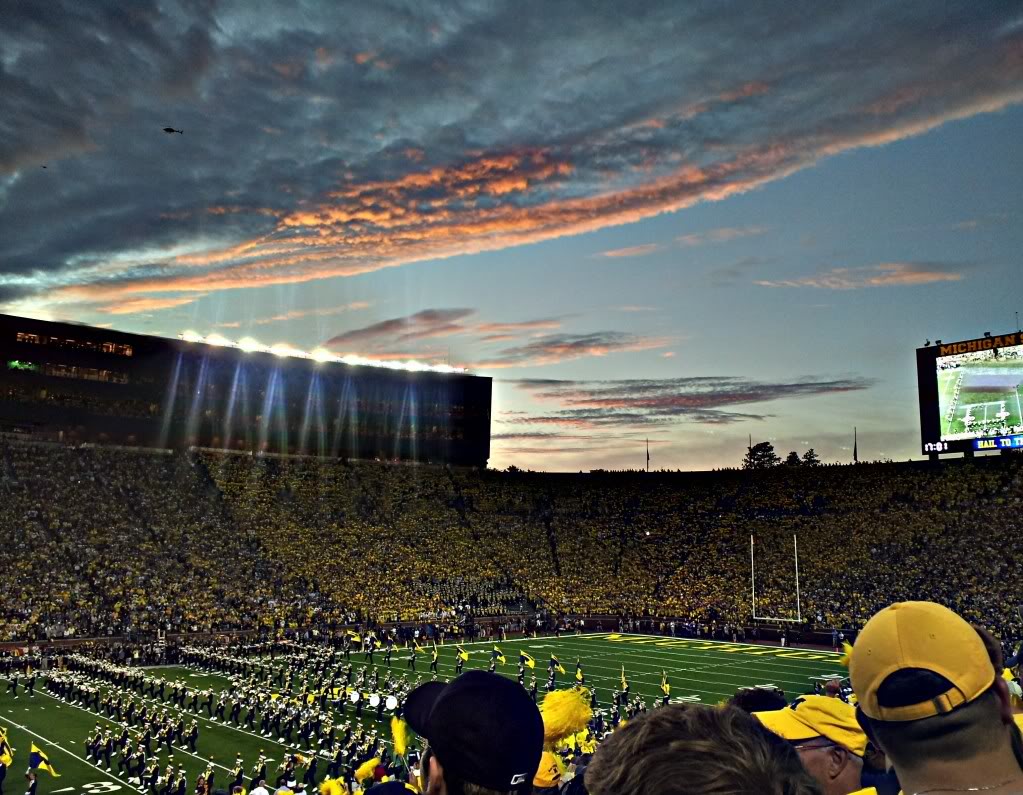
University of Michigan
The IEEE E&H Committee meets online 4 times monthly in Europe and the United States; and those meetings are open to the public (CLICK HERE). Additionally, we set aside one hour every month to walk through the entire suite of standards for sports and recreation facilities. See our CALENDAR for the date of our next Athletic & Recreation standards teleconference. Login credential are at the upper right of our home page
Issue: [16-132]
Category: Electrical, Athletics & Recreation
Colleagues: Mike Anthony, Jim Harvey, Kane Howard
Related:
This content is accessible to paid subscribers. To view it please enter your password below or send mike@standardsmichigan.com a request for subscription details.
University of California System Net Position 2025: $11.06B
Retirement System Financial Report 2024-2025
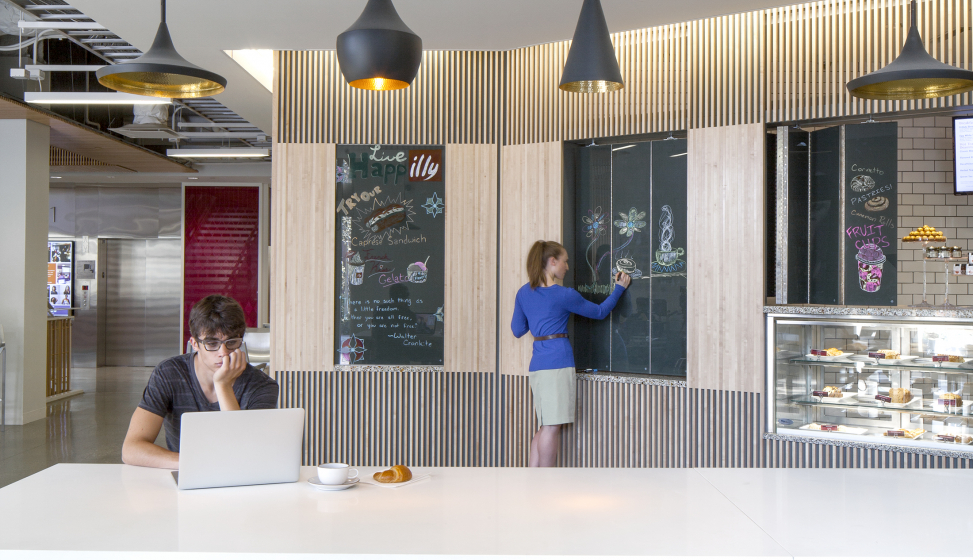
The Cafe at Annenberg
Annenberg School for Communication Building
The Annenberg family fortune, rooted in the gritty world of early 20th-century publishing, was transformed from controversial origins into a respected legacy through strategic and generous philanthropy, particularly at the University of Southern California.
Moses Annenberg built his wealth in the 1920s and 1930s through horse-racing publications like the Daily Racing Form, which served the gambling industry, and newspapers such as The Philadelphia Inquirer. His 1939 tax evasion conviction cast a long shadow. Walter Annenberg inherited and expanded this empire, launching TV Guide and Seventeen magazine before selling his holdings for billions in 1988.
Walter began “cleaning” the family name decades earlier. In 1971–1972, he donated $8 million to establish the Annenberg School for Communication at USC. Subsequent gifts, including over $100 million from the Annenberg Foundation and Wallis Annenberg’s $50 million lead gift for Wallis Annenberg Hall in 2014, brought the family’s total contributions to USC above $350 million.
These investments in education, communication, and public service reframed the Annenbergs as visionary benefactors. By attaching their name to gleaming campus buildings and cutting-edge programs, they distanced the fortune from its racing-and-tabloid roots and aligned it with knowledge, ethics, and civic good. In this way, philanthropy did not merely spend wealth—it laundered and elevated it into enduring institutional prestige.
“University of California System makes bold commitment to 100 percent clean electricity”
USC Facilities Planning & Management
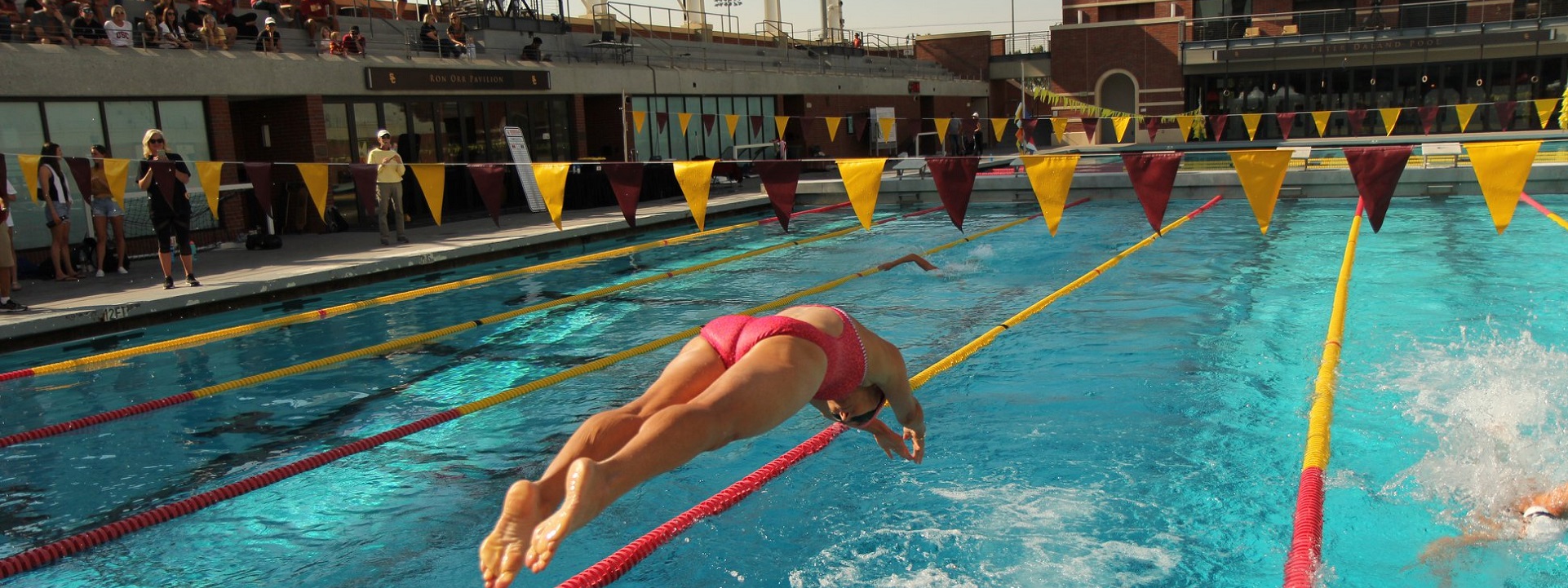
“University of Southern California – Jumping off the High Dive!”@USC_Athletics @USCswim
print(“Water”)https://t.co/xVyyOlBmTP pic.twitter.com/C63PG9GQKQ— Standards Michigan (@StandardsMich) September 3, 2022
This content is accessible to paid subscribers. To view it please enter your password below or send mike@standardsmichigan.com a request for subscription details.

University of Iowa
Technical committees of the International Code Council synchronize best practice discovery processes with the Centers for Medicare & Medicaid Services using this matrix, linked here without comment. For more information contact Kimberly Paarlberg (kpaarlberg@iccsafe.org).
ICC KTAGS Group B Existing Hospitals
LEARN MORE:
Ensuring compliance with Life Safety and Health Care Facilities codes
New update alert! The 2022 update to the Trademark Assignment Dataset is now available online. Find 1.29 million trademark assignments, involving 2.28 million unique trademark properties issued by the USPTO between March 1952 and January 2023: https://t.co/njrDAbSpwB pic.twitter.com/GkAXrHoQ9T
— USPTO (@uspto) July 13, 2023
Standards Michigan Group, LLC
455 East Eisenhower Parkway, Suite 300
Ann Arbor, MI 48108 USA
888-748-3670
 |
 |
|
 |
 |
|
 |
 |