
Linguistic Map

Loading
loading...

Linguistic Map

March 9, 2026
mike@standardsmichigan.com
No Comments

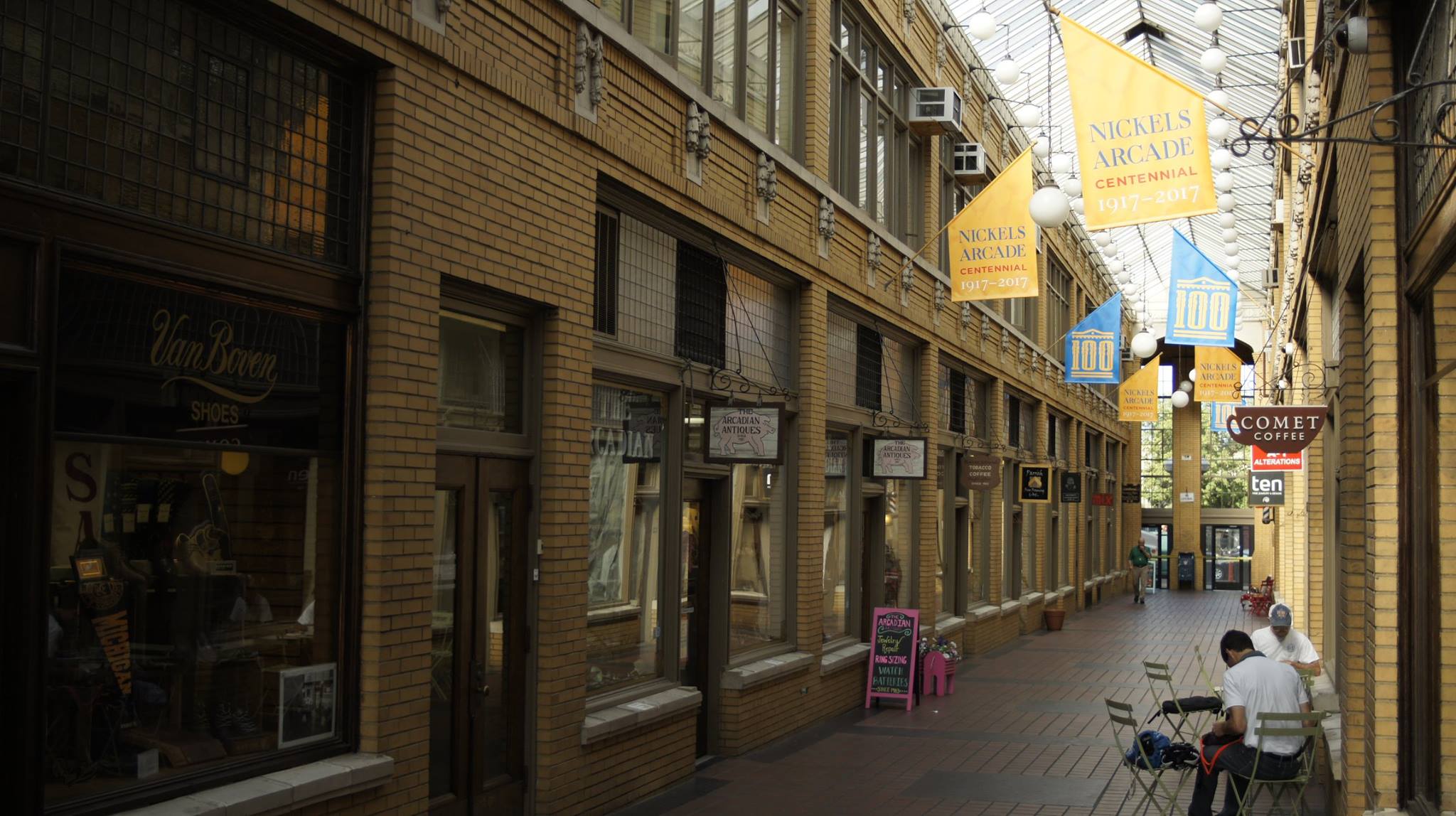
Anglo-American English must remain the standard language of the AI zeitgeist because it dominates the vast training data fueling large language models—often ~90% English, heavily skewed toward American variants due to Silicon Valley’s influence, internet content prevalence, and U.S. tech leadership.

This ensures peak performance, nuance, and reliability in AI outputs.  Their global status as lingua francas in science, programming, and digital culture sustains innovation momentum, cross-border collaboration, and accessibility, preventing fragmentation while the field advances.

A Selection of Electrotechnical Terms Evolved from the AI Zeitgeist
Relevant to Our Work for Educational Settlement Safety and Sustainability
# Term Definition
1 Artificial Neural Network (ANN) A computational model mimicking biological neurons, used in power systems for load forecasting and fault classification by learning patterns from electrical data.
2 Deep Neural Network (DNN) Multi-layered ANN for complex tasks like state estimation in grids, enabling deeper analysis of electrical signals for predictive maintenance.
3 Convolutional Neural Network (CNN) A DNN specialized for processing grid-like data, applied in image-based fault detection on power lines or substations using drone visuals.
4 Recurrent Neural Network (RNN) Neural network handling sequential data, evolved for time-series forecasting in energy demand and renewable integration in electrical networks.
5 Long Short-Term Memory (LSTM) An RNN variant that remembers long-term dependencies, used for accurate wind/solar power prediction in dynamic electrical systems.
6 Graph Neural Network (GNN) Processes graph-structured data like power grids, optimizing flow analysis and topology estimation in transmission networks.
7 Generative Adversarial Network (GAN) Dual-network system generating synthetic data, applied to simulate electrical scenarios for training models in scarce-data power environments.
8 Reinforcement Learning (RL) Learning through trial-and-error rewards, used for adaptive control in grid optimization and emergency load shedding.
9 Deep Reinforcement Learning (DRL) RL combined with DNNs, enabling autonomous decision-making in real-time power system stability and demand response.
10 Smart Grid AI-enhanced electrical distribution network that uses real-time data for self-healing, load balancing, and renewable integration.
11 Digital Twin Virtual AI-simulated replica of electrical infrastructure, allowing scenario testing for predictive fault avoidance in power plants.
12 Edge AI Decentralized AI processing at network edges, enabling low-latency control in IoT-enabled electrical devices and microgrids.
13 Neuromorphic Computing Brain-inspired hardware chips for efficient AI, reducing power consumption in electrotechnical applications like sensor networks.
14 Tensor Processing Unit (TPU) Specialized ASIC for AI workloads, accelerating matrix operations in electrical system simulations and optimization.
15 Predictive Maintenance AI-driven monitoring of electrical assets (e.g., transformers) to forecast failures using sensor data and ML algorithms.
16 Optimal Power Flow (OPF) AI-optimized calculation of efficient power distribution, minimizing losses in transmission lines via ML approximations.
17 Microgrid Localized AI-managed grid, enabling autonomous operation with renewables, using RL for energy balancing.
18 Phasor Measurement Unit (PMU) High-speed sensor providing synchronized data for AI-based state estimation and oscillation detection in power systems.
19 Supervisory Control and Data Acquisition (SCADA) Traditional system evolved with AI for enhanced monitoring, anomaly detection, and automated control in electrical utilities.
20 High-Impedance Fault (HIF) Detection AI techniques like SVM or CNN to identify subtle faults in distribution lines, improving safety and reliability.
21 Load Forecasting ML models predicting electricity demand, incorporating weather and usage patterns for grid planning.
22 Demand Response AI-optimized strategy adjusting consumer loads in real-time, using RL to balance supply in volatile renewable-heavy systems.
23 Energy Management System (EMS) AI-integrated platform for overseeing generation, transmission, and distribution, enhancing efficiency with predictive analytics.
24 Power Electronic Converter (PEC) Devices like inverters controlled by AI for fault-tolerant operation in renewables and EVs.
25 Composite Load Model (CLM) AI-tuned aggregated model of electrical loads, using ML for dynamic simulation in stability studies.


print(“Python”)

Electropedia: The World’s Online Electrotechnical Vocabulary

Design Standard Readability

English for Technical Professionals

LLM Model Evaluation & Agent Interface

Language Proficiency

National Electrical Definitions

How To Speak

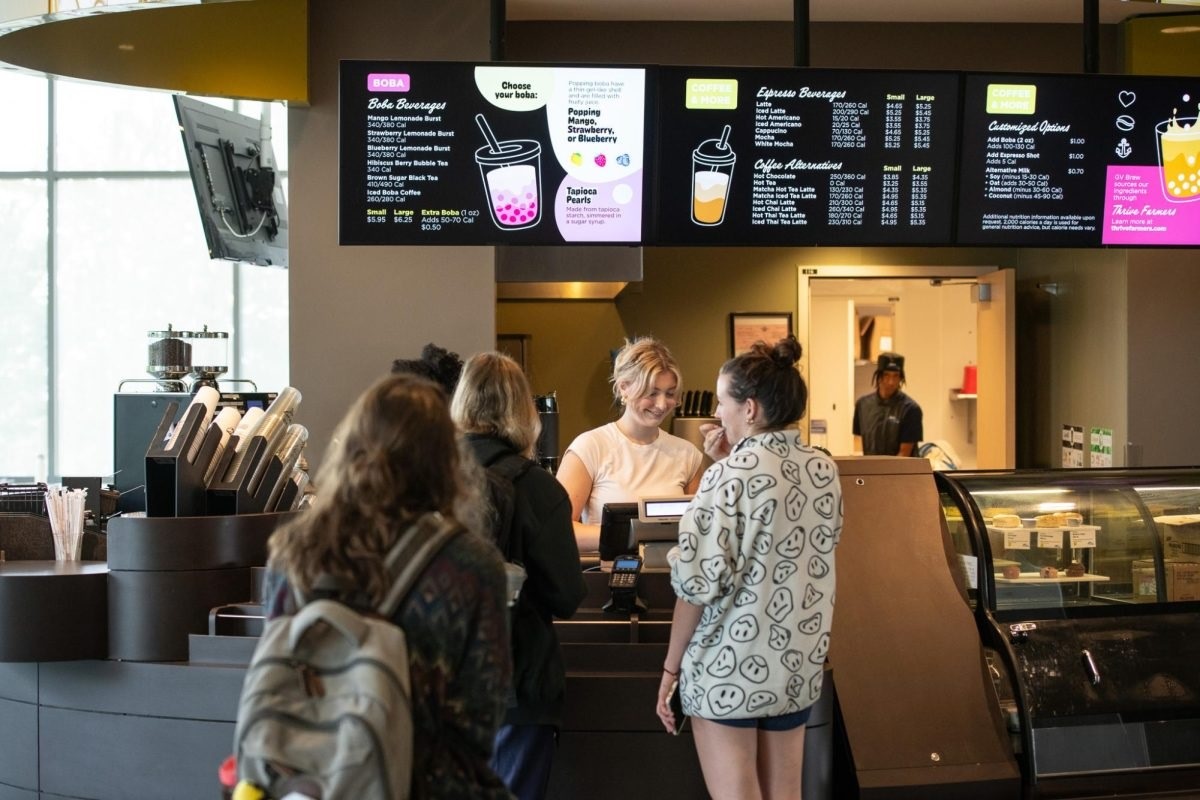
“GV Brew”

March 9, 2026
mike@standardsmichigan.com
,
No Comments

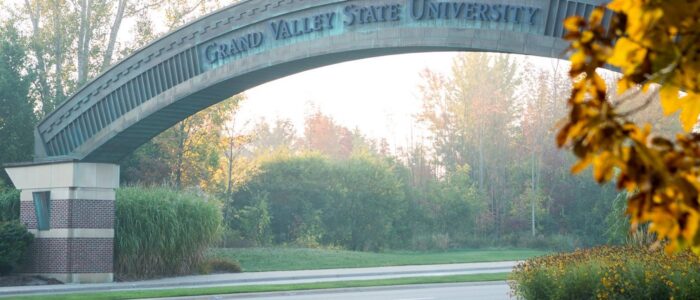
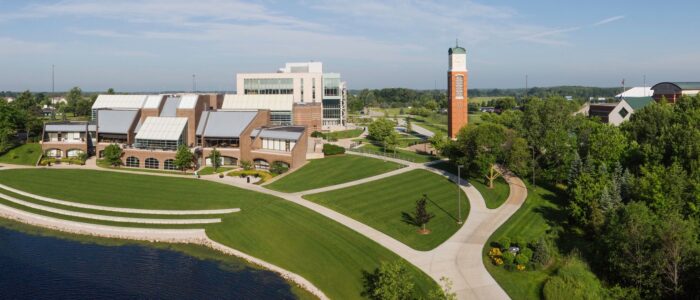
Grand Valley State University Statement of Financial Position 2023: $1.057B

Michigan West

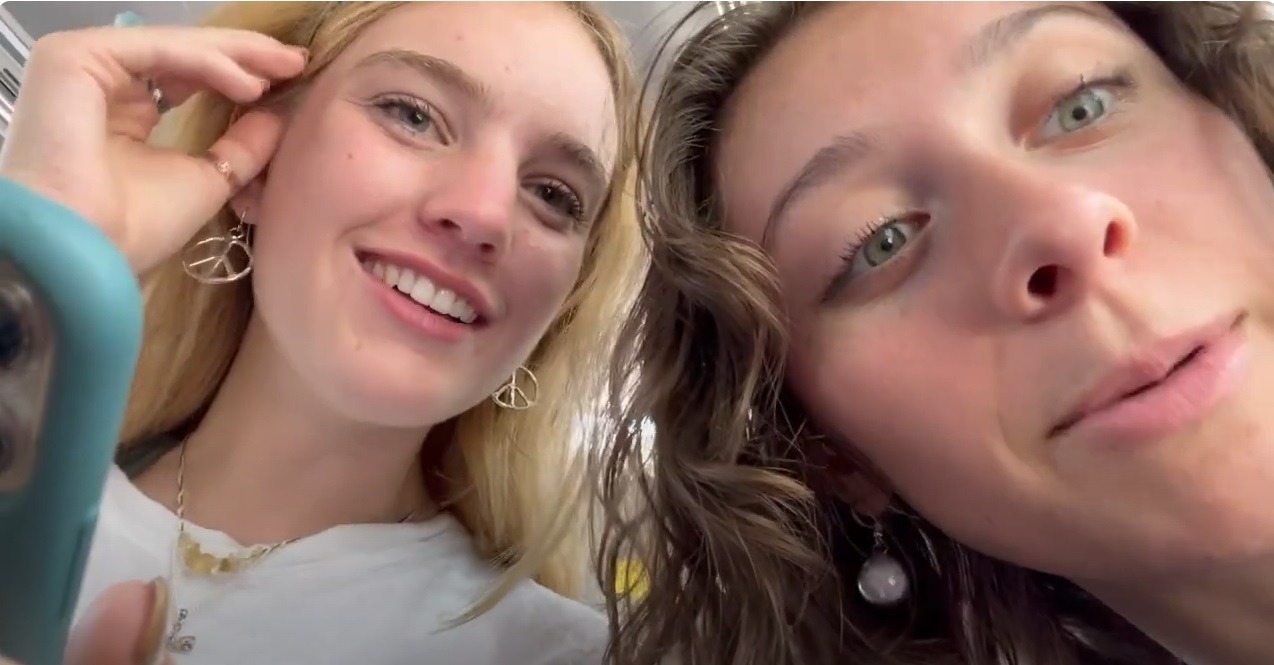
Meet the tutors

Moving into college vlog

Moving into Grand Valley State University | Kent County Michigan

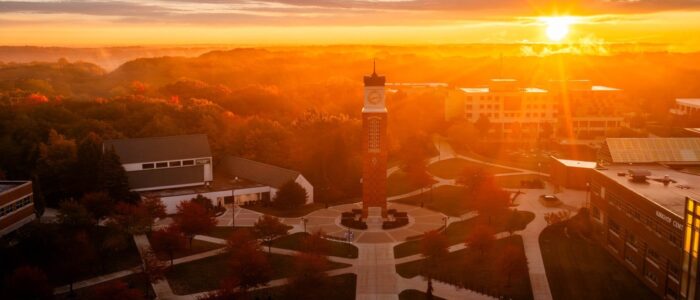
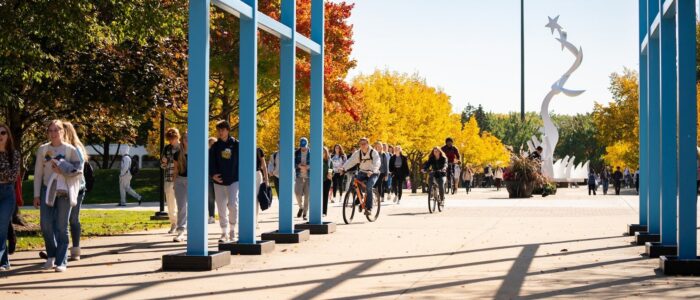
Grand Valley State University

Facilities Services

Student Health and Wellness Center

March 9, 2026
mike@standardsmichigan.com

No Comments

Standards Utah

MHTN Architects

The Center provides comprehensive healthcare services to students. Located on the Logan campus, the clinic offers a range of medical services including general health check-ups, vaccinations, mental health support, and chronic disease management. Staffed by experienced physicians, nurse practitioners, and support staff, the clinic aims to address both physical and mental health needs. Students can access acute care for illnesses and injuries, preventive care, women’s health services, and counseling.

The clinic also provides lab services, prescriptions, and referrals to specialists when needed. With a focus on promoting wellness and healthy lifestyles, the USU Student Health Clinic ensures that students receive quality care in a supportive environment, contributing to their overall well-being and academic success. The clinic operates on an appointment basis, with some walk-in availability, and is committed to maintaining confidentiality and respect for all students.

Old Main 1890 | C.A. Randall Architect

Guinness Shepherd’s Pie

March 8, 2026
mike@standardsmichigan.com
, ,
No Comments


The Recipe

Shepherd’s Pie is an traditional meal in the United Kingdom featuring a savory meat filling topped with creamy mashed potatoes. Traditionally made with ground lamb or beef, the filling is cooked with onions, carrots, peas, and a rich gravy, often flavored with herbs like thyme or rosemary. The mixture is then layered into a casserole dish and crowned with a generous spread of mashed potatoes, sometimes sprinkled with cheese. Baked until golden and bubbling, it’s a hearty, comforting meal, perfect for cold days. Its origins trace back to resourceful shepherds using leftover meat, making it a staple of home cooking.


Ibid.

Sweet Apple Pork Chops & Maine Potatoes

Cornbread & Coffee

Cornbread & Grandma’s Chicken Soup

Daylight Saving Time

March 8, 2026
mike@standardsmichigan.com
,
No Comments

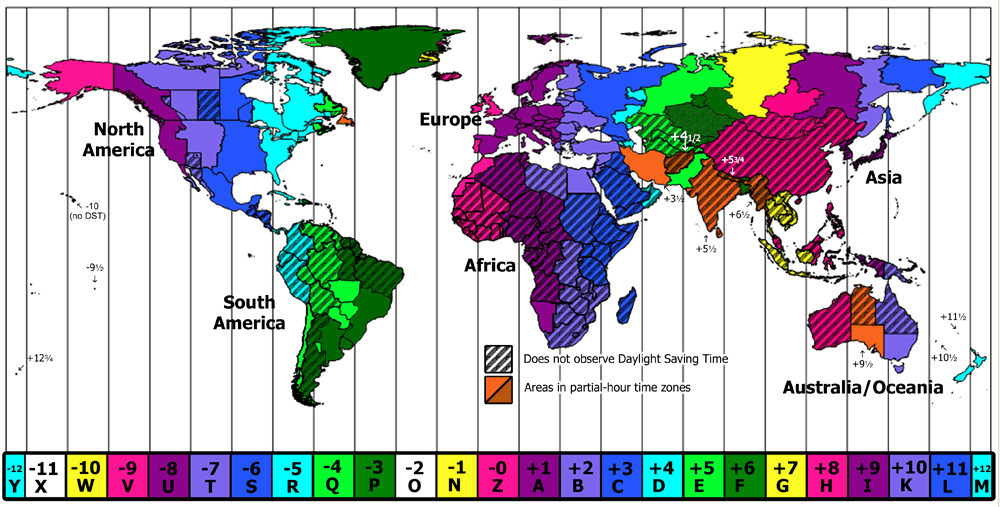
North American Time Zone Map

Standard Time Act of 191818th November 1883 “The Day of Two Noons”

Donkey Years

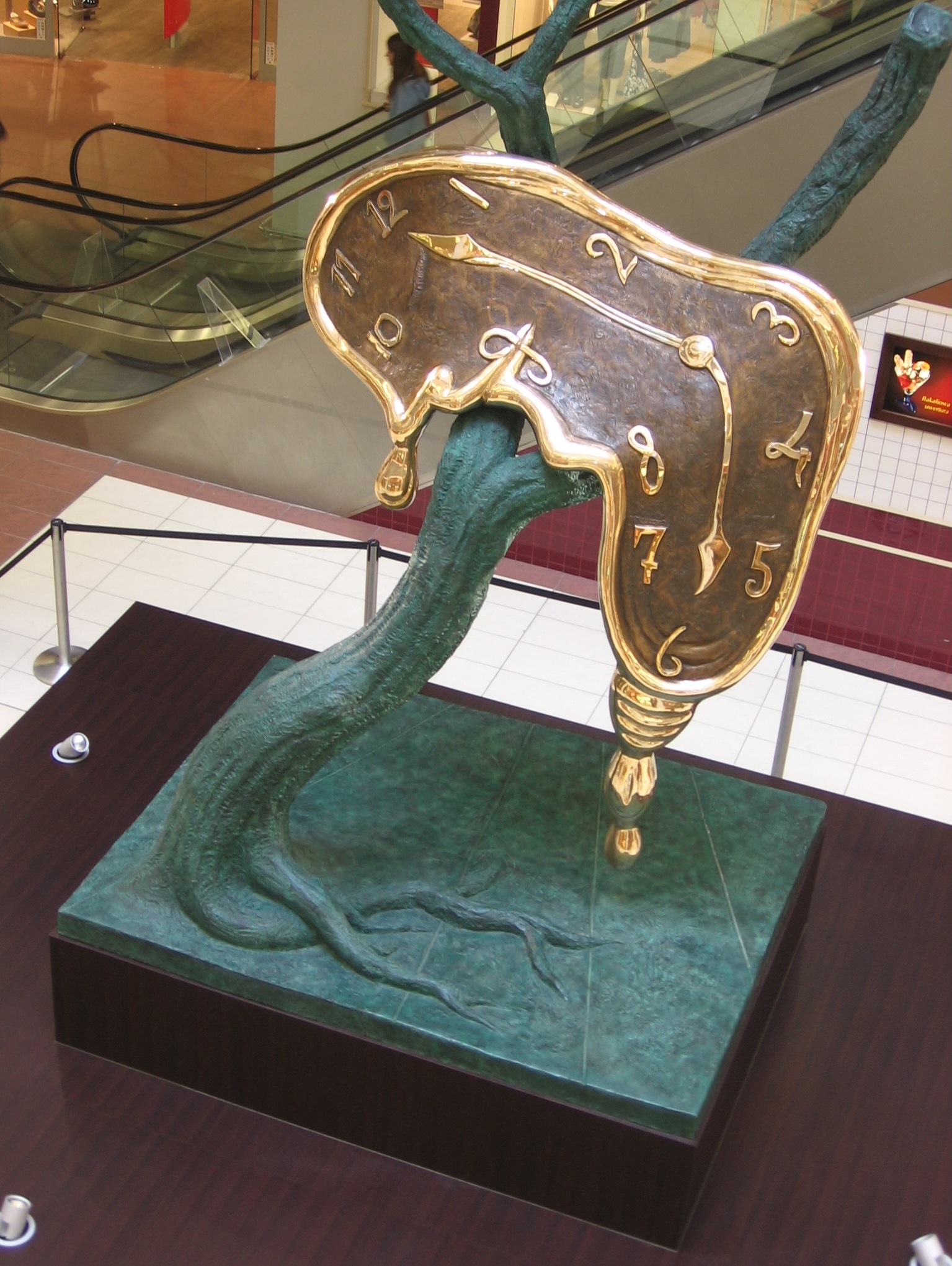
Homage to Salvador Dalí’s famous painting “The Persistence of Memory (1931)”

The time shift results in sunrise and sunset occurring approximately one hour later on the clock than the day before, providing more daylight in the evening and less in the morning.

Start Date
: Daylight Saving Time begins on Sunday, March 9, 2025. This is the second Sunday in March, following the schedule established by theEnergy Policy Act of 2005.
Time Change: At 2:00 a.m. local standard time, clocks are set forward one hour to 3:00 a.m. local daylight time. This is often referred to as “springing forward.”
Geographic ScopeMost of the United States observes DST, except for Hawaii and most of Arizona (with the exception of the Navajo Nation, which does observe DST).  U.S. territories such as American Samoa, Guam, the Northern Mariana Islands, Puerto Rico, and the U.S. Virgin Islands do not participate in DST.
Legal Basis: The rules are governed by the Uniform Time Act of 1966, as amended by the Energy Policy Act of 2005. The U.S. Department of Transportation oversees the implementation, while states and territories have the option to opt out of DST but cannot independently choose to make it permanent without federal approval.

Ovid “The Metamorphoses”


Superseded: Daylight Saving Time Rules

“Time After Time” 1947 Frank Sinatra

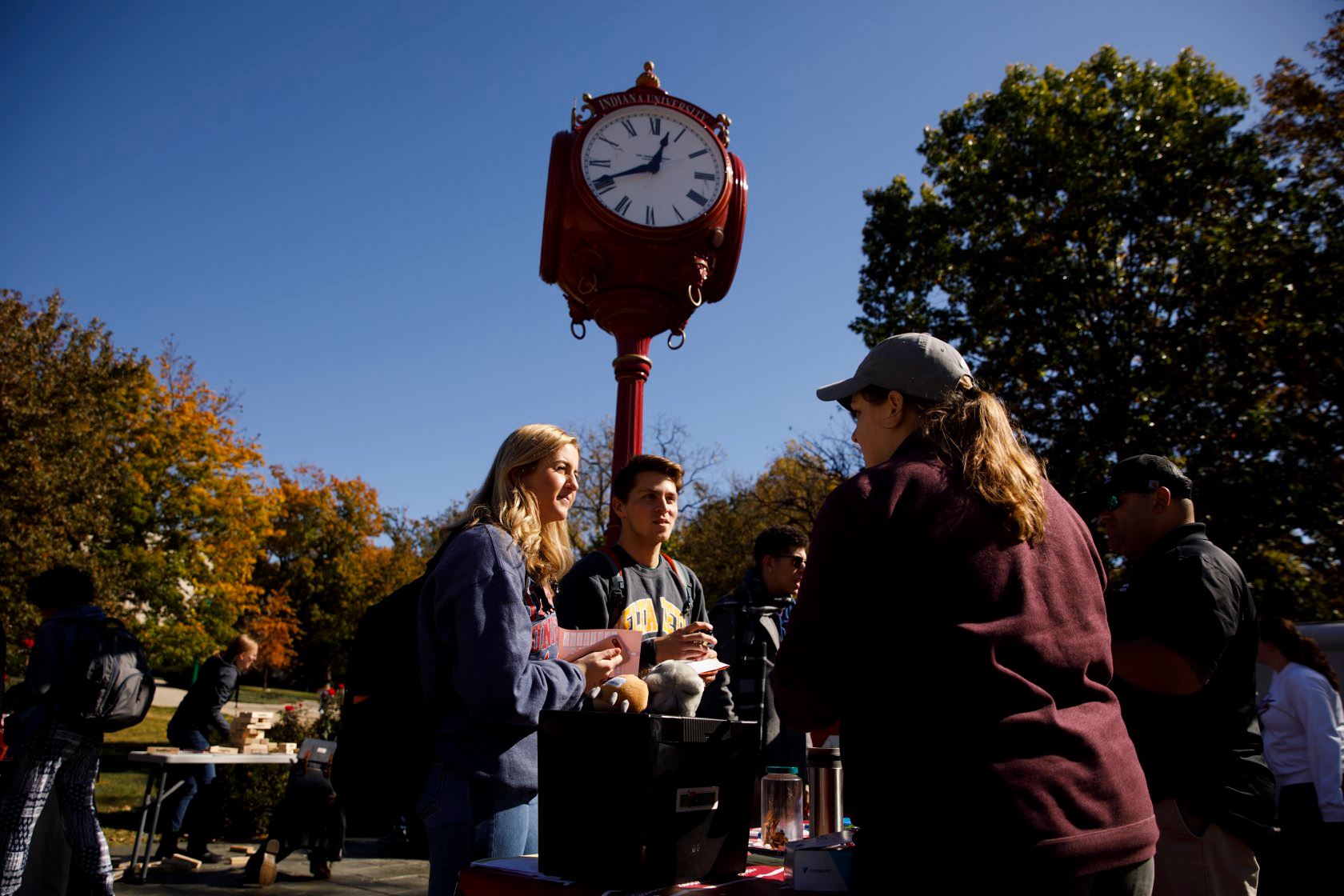
Indiana University | Monroe County

“Time After Time (Cindy Lauper Cover) | University of Delaware

https://youtu.be/bgcZjADSRTk?si=mwbvNFphUOSbKkHG

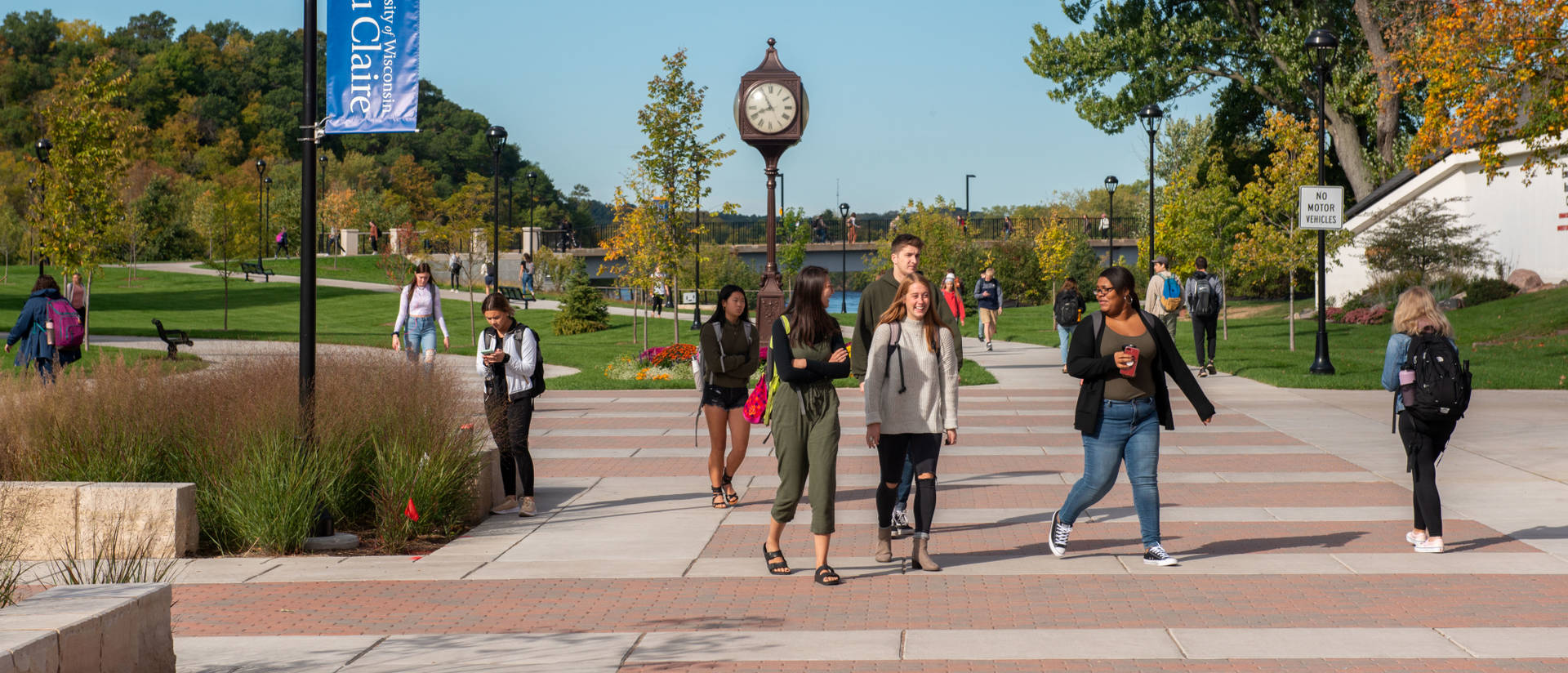
University of Wisconsin Eau Clair

The U.S. power grid operates on a synchronized frequency of 60 Hz, maintained across three major interconnections: Eastern, Western, and Texas. During the Daylight Saving Time (DST) switch—typically at 2:00 AM local time on the second Sunday in March (spring forward) or the first Sunday in November (fall back)—the grid’s synchronization is unaffected because it relies on Coordinated Universal Time (UTC), not local time. Grid operators, coordinated by entities like the North American Electric Reliability Corporation (NERC), ensure frequency stability through automatic generation control (AGC) systems, which adjust power output to match demand in real time.

Ω

The DST shift doesn’t disrupt this process. When clocks spring forward (e.g., 2:00 AM becomes 3:00 AM), demand may briefly drop as human activity adjusts, but AGC systems respond instantly, balancing generation and load. In the fall, when clocks fall back (e.g., 2:00 AM repeats), a temporary demand spike might occur, but the grid’s inertial stability—provided by large rotating generators—and real-time monitoring prevent desynchronization. Operators may pre-schedule minor adjustments, but the system’s design, rooted in UTC-based frequency regulation, ensures seamless operation. Thus, while local time shifts, the grid’s 60 Hz hum remains steady across the transition.

Campus Clocks

No class on Wednesdays

March 8, 2026
mike@standardsmichigan.com
,
No Comments

Trinity Christian College Association IRS 990 2024: Net Assets $49,917,552

Standards Illinois | Martin & Janet Ozinga ChapelIllinois Building Codes

Illinois v. Rodriguez, 497 U.S. 177 (1990)

WellBeing Wednesdays

James Lindsay on Marx, Education, and the History of “Woke”


Participating in Christian customs—attending services, joining youth groups, observing holidays like Christmas and Easter, praying together, volunteering, or following familiar rituals—offers young people meaningful emotional support, even when they question or reject the supernatural elements of the Bible.

These practices create a powerful sense of belonging. Youth groups offer safe spaces to build friendships, receive mentorship from caring adults, and feel genuinely valued during the stresses of adolescence—identity questions, academic pressure, social anxiety, or loneliness.

Rituals and seasonal traditions bring comfort through predictability. Familiar patterns—group singing, shared meals, candle lighting, or annual celebrations—provide structure and a feeling of continuity in an uncertain world, helping reduce anxiety.

They also encourage reflection on values, a sense of purpose, and acts of kindness toward others. Helping in community service or supporting peers boosts self-esteem, resilience, and connection.

Research consistently shows that such involvement is linked to lower rates of depression, better coping skills, and higher life satisfaction—largely because of the social bonds, routines, and meaning these customs provide, regardless of literal belief in the miraculous.

Best Coffee Spots Near Campus

March 6, 2026
mike@standardsmichigan.com
, , , , ,
No Comments


“The coffee-house is an original British institution, but as there are daily effusions of wit and humor

in several of these little periodical papers, I think we may be justly said

to have our Coffee-houses among us.”

(From “The Spectator,” No. 9, March 10, 1711)

Michigan Central | Major Projects University of Michigan Capital Plan

Ellie Younger: Best Coffee Spots Near Campus

Artisanal coffee departs from mass-market approaches and replaces it with emphasis on craftsmanship, quality, and attention to detail throughout the entire process—from cultivation to brewing.  Key aspects:

» Artisanal coffee producers often prioritize high-quality beans. They might focus on specific varieties, regions, or even single-origin beans, showcasing unique flavors and characteristics.

» The roasting process is considered an art in itself. Artisanal coffee roasters carefully roast the beans to bring out the best flavors. They may experiment with different roasting profiles to achieve specific taste profiles.

» Unlike mass-produced coffee, artisanal coffee is often roasted in smaller batches. This allows for better quality control and the ability to pay closer attention to the nuances of each batch.

» Artisanal coffee is appreciated for its distinct flavor profile. Roasters and baristas might highlight tasting notes, aromas, and other characteristics that make each cup unique.

» Artisanal coffee shops or enthusiasts often explore various brewing methods, such as pour-over, AeroPress, or siphon brewing. These methods can be more time-consuming but are believed to extract the best flavors from the beans.

From the way the beans are ground to the water temperature during brewing, artisanal coffee enthusiasts pay attention to every detail to ensure a superior cup of coffee.

— Publisher Marketing

The Decline of Men in Colleges

The Great Good Place: Ray Oldenburg


“I have often pleased myself with considering the two different scenes of life which are carried on at the same time in those different places of rendezvous, and putting those of the playhouse and the coffee-house together.”

(From “The Spectator,” No. 10, March 12, 1711)

America’s Cultural Revolution: How the Radical Left Conquered Everything

“For decades, left-wing radicals patiently built a revolution in the shadows. Then suddenly, after the death of George Floyd, their ideas exploded into American life.

Corporations denounced the United States as a “system of white supremacy.” Universities pushed racially segregated programs that forced students to address their racial and sexual “privilege.” And schools injected critical race theory in the classroom, dividing children into “oppressor” and “oppressed.”

In this New York Times bestseller, Christopher F. Rufo exposes the inner history of the left-wing intellectuals and militants who slowly and methodically captured America’s institutions, with the goal of subverting them from within. With profiles of Herbert Marcuse, Angela Davis, Paulo Freire, and Derrick Bell, Rufo shows how activists have profoundly influenced American culture with an insidious mix of Marxism and racialist ideology. They’ve replaced “equality” with “equity,” subverted individual rights in favor of group identity, and convinced millions of Americans that racism is endemic in all of society. Their ultimate goal? To replace the constitution with a race-based redistribution regime, administered by “diversity and inclusion” commissars within the bureaucracy.

America’s Cultural Revolution is the definitive account of the radical Left’s long march through the institutions. Through deep historical research, Rufo shows how the ideas first formulated in the pamphlets of the Weather Underground, Black Panther Party, and Black Liberation Army have been sanitized and adopted as the official ideology of America’s prestige institutions, from the Ivy League universities to the boardrooms of Wal-Mart, Disney, and Bank of America. But his book is not just an exposé. It is a meticulously-researched and passionate refutation of the arguments of CRT—and a roadmap for the counter-revolution to come.”

Manhattan Institute


“To be at home is to have a place in the world which is yours, where you are not a stranger and where you find the outlines of your identity. In the modern world, however, where the sense of home has been eroded by technology and bureaucracy, architecture can create a substitute for this sense, by defining spaces which answer to the dreams and memories of the people who live in them.”
— Roger Scruton

Excellence in Facilities Management

Roadway Electric

March 6, 2026
mike@standardsmichigan.com
No Comments

Rules for electric supply (power) and communication (telecommunication) lines and equipment, including those along or crossing roadways across and along campus perimeters. Copyright restrictions prohibit our sharing of the First Draft.  IEEE should be making this draft free of charge according to ANSI’s Incorporation by Reference Recommendations but, alas, we pick our battles. We have purchased the Draft Copy and have been discussing the changes for the past several weeks and will continue to do so until the March 24th deadline.

Shoes hanging on power lines

Relevant sections:

Sections 1–3 and 9 (Introduction, Definitions, References, Grounding Methods) — apply to all parts.

Part 1 (Rules 100–199): Electric supply stations and equipment (substations; generally not roadway-specific).

Part 2 (Rules 200–299): Safety Rules for the Installation and Maintenance of Overhead Electric Supply and Communication Lines — primary coverage for roadway scenarios.

Part 3 (Rules 300–399): Safety Rules for the Installation and Maintenance of Underground Electric Supply and Communication Lines.

Part 4 (Rules 400–499): Rules for the Operation of Electric Supply and Communication Lines and Equipment (work practices, employee/public safety).


Revisiting the Campus Power Dilemma: A Case Study (Michael A Anthony P.E, Patricia Koman Ph.D, Max Storto Ph.D 2013)

Wires, Roads, and Real-World Challenges at Clemson University

Challenges with Aging Electrical Infrastructure at California State University Fresno

Conceptual Study to Underground Utility Wires in Berkeley (UC Berkeley Campus Area)

Franklin W. Olin College of Engineering v. Department of Telecommunications & Energy: A Massachusetts Supreme Court case where the college challenged utility regulations on power and telecom lines, including overhead and underground installations. The ruling interpreted provisions affecting campus wiring safety and compliance.

Mega Construction Co. v. United States (Virginia Tech Case Study): A construction dispute analyzed at Virginia Tech involving delays and mismanagement in utility projects, including power line installations potentially affecting campus infrastructure.


2028 National Electrical Safety Code

NESC 2028 Call for Comment

7th Edition (2018): Geometric Design of Highways & Streets

Layout mode
Predefined Skins
Custom Colors
Choose your skin color
Patterns Background
Images Background
Standards Michigan
error: Content is protected !!
Skip to content